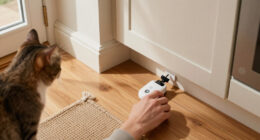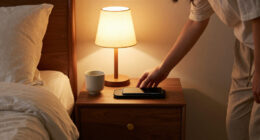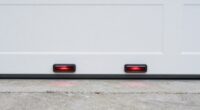
Motion sensor lights work well near entry points like doors, garages, and dark pathways, helping you enhance security and convenience. They detect movement and turn on automatically, but their effectiveness depends on proper placement, calibration, and weather protection. False triggers can happen from animals, weather, or obstructions. To guarantee they perform reliably, you need to set them up correctly and maintain them. Keep going to discover how to optimize your motion sensor lighting fully.

Get home appliances delivered free with Prime
- Fast, free delivery on millions of items
- Prime Video, Amazon Music and more included
- Member-only deals all year
Key Takeaways
- Motion sensor lights are most effective in low-traffic, nighttime areas like driveways, pathways, and entry points.
- They can fail due to environmental factors such as rain, snow, fog, or debris interfering with sensor accuracy.
- False triggers often occur from small animals, passing vehicles, or moving branches if sensitivity isn’t properly adjusted.
- Proper placement and calibration are essential to prevent blind spots, false alarms, and ensure reliable detection.
- Extreme weather conditions and obstructions can hinder performance, requiring regular maintenance and strategic positioning.
As an affiliate, we earn on qualifying purchases.
What Are Motion Sensor Lights and How Do They Work?
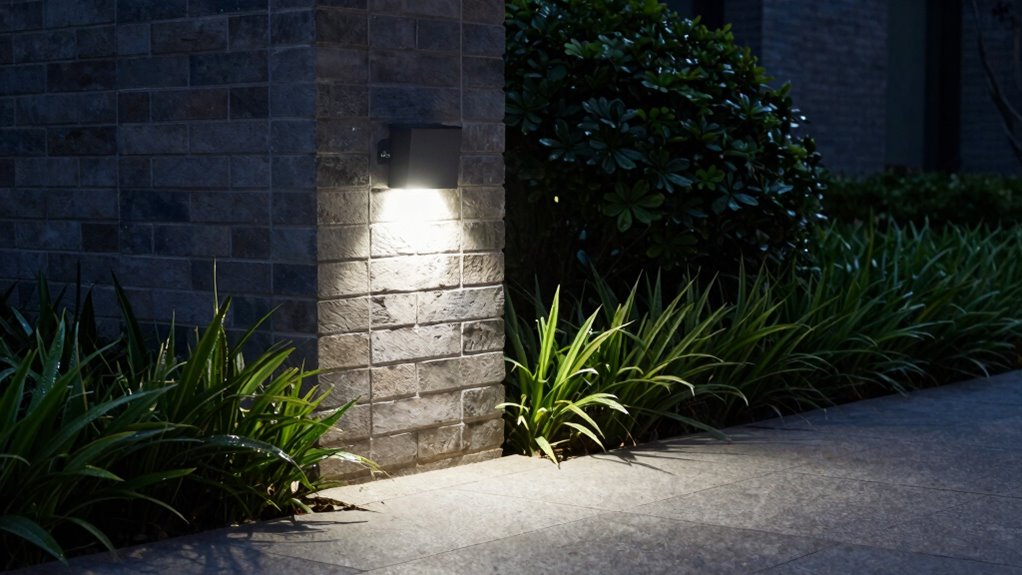
Motion sensor lights are designed to automatically turn on when they detect movement within their range, providing convenient illumination without the need to manually operate switches. These lights rely on sensor calibration to accurately identify motion and prevent false triggers. Proper calibration guarantees they activate only when needed, conserving energy and extending the life of the light. The power sources for these lights vary; some operate on batteries, offering easy installation, while others connect to mains electricity for continuous power. Battery-powered options often include low-battery alerts, ensuring you know when to replace them. Understanding how sensor calibration and power sources work helps you choose the right motion sensor light for your needs, ensuring reliable performance and energy efficiency in your space. Additionally, selecting lights with energy-efficient features can further enhance their long-term effectiveness and sustainability. Proper placement and sensor range are also crucial for optimal operation, preventing missed detections or false activations. A good understanding of sensor technology is essential for troubleshooting and optimizing performance over time.
battery operated motion sensor lights
As an affiliate, we earn on qualifying purchases.
As an affiliate, we earn on qualifying purchases.
Where Should You Install Motion Sensor Lights for Maximum Security?
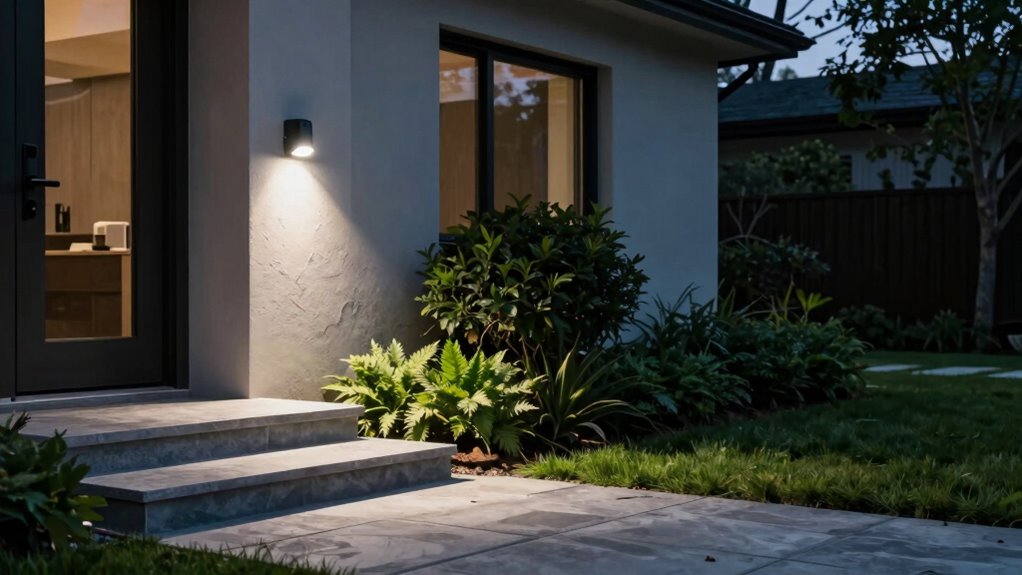
To maximize the security benefits of motion sensor lights, careful placement is key. Position them near entry points like doors, windows, and garages to deter intruders effectively. Mount lights at a height that prevents tampering but still detects motion reliably. For indoor aesthetics, avoid placing lights where they might disrupt the decor or create harsh shadows. Outdoors, focus on pathways, driveways, and dark corners of your yard, ensuring the lights cover vulnerable spots without shining into neighbors’ windows. Be mindful of energy consumption by choosing energy-efficient bulbs and adjusting sensitivity settings to prevent false triggers. Proper placement balances security with visual appeal, ensuring your lights serve as a deterrent without compromising your home’s aesthetic harmony. Additionally, understanding the growth potential of investment platforms can inspire homeowners to consider smart security investments that adapt to evolving technology. Recognizing the importance of proper installation techniques can further enhance the effectiveness and longevity of your motion sensor lighting system. Considering the filter sizing and flow is essential to ensure your entire home security system functions smoothly and efficiently.
adjustable sensitivity motion sensor
As an affiliate, we earn on qualifying purchases.
As an affiliate, we earn on qualifying purchases.
When Do Motion Sensor Lights Work Best?
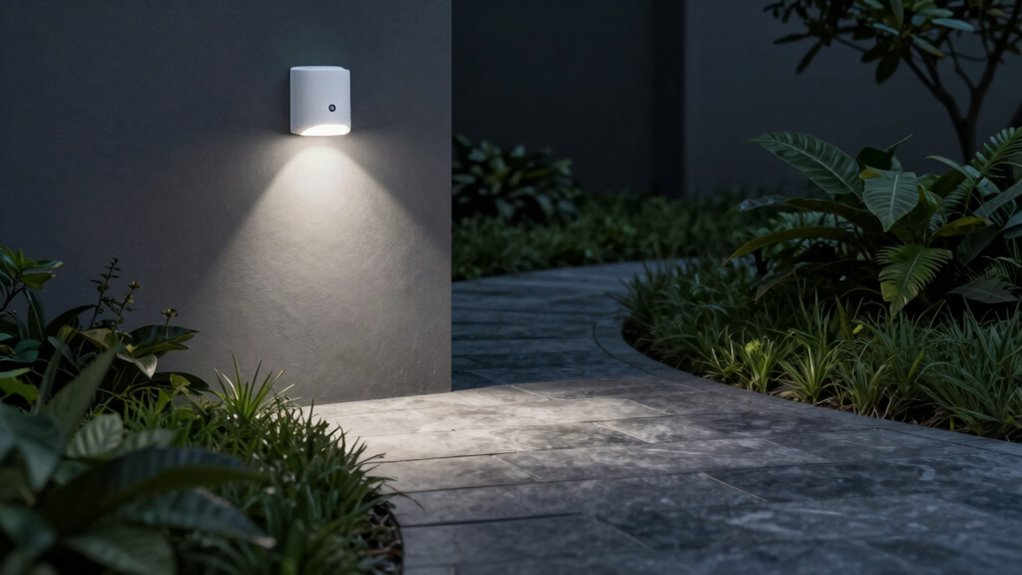
Ever wonder when motion sensor lights are most effective? They shine brightest when used in low-traffic areas or during nighttime, maximizing energy efficiency and reducing unnecessary power use. These lights work best in environments where you need instant illumination without wasting energy during the day. Proper placement enhances aesthetic appeal by providing subtle, functional lighting that complements your space. Consider the following:
| Condition | Benefit | Ideal Location |
|---|---|---|
| Nighttime or low-light | Energy-efficient illumination | Driveways, walkways |
| Low traffic or seldom-used | Reduces energy waste | Backyard gardens, side entrances |
| Quick response needed | Instant lighting | Entry doors, garages |
Using motion sensor lights under these conditions maximizes efficiency and enhances your home’s visual appeal. Additionally, understanding the proper placement of these lights can significantly improve their effectiveness and longevity. Being aware of home safety features can help you optimize their placement for both security and convenience. Properly maintained sensors ensure consistent performance, especially in adverse weather conditions.
weatherproof motion sensor security lights
As an affiliate, we earn on qualifying purchases.
As an affiliate, we earn on qualifying purchases.
What Are the Limitations of Motion Sensor Lighting and How to Fix Them?
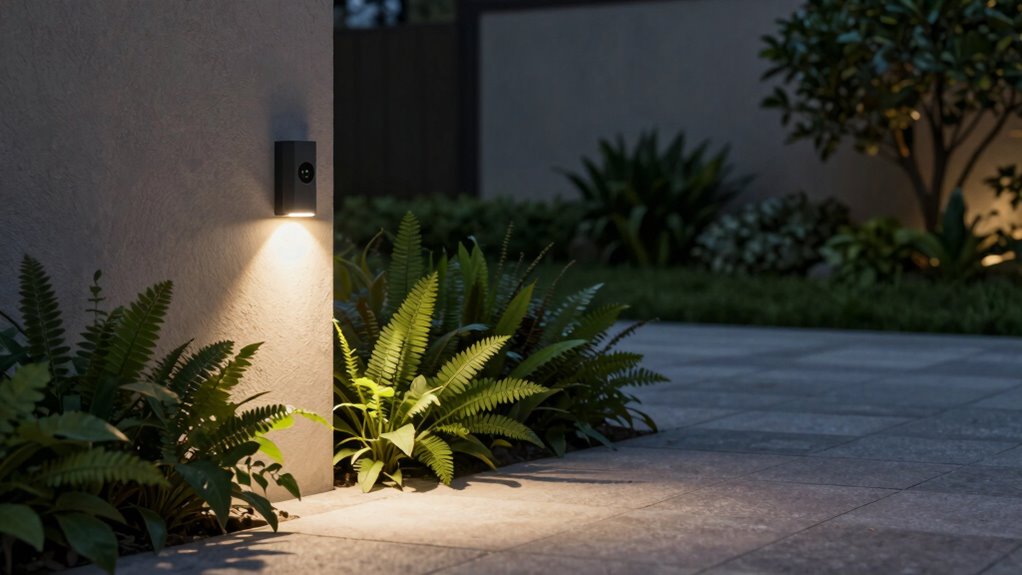
While motion sensor lights offer many benefits, they also come with certain limitations that can affect their performance. False triggers are common, often caused by small animals, moving branches, or passing cars. To reduce this, adjust the sensitivity settings or reposition the sensor away from these sources. Additionally, consider home safety considerations to ensure the sensor is placed in optimal locations. Limited range can also be problematic, especially if the sensor doesn’t cover the desired area. You can fix this by choosing a light with a broader detection zone or adjusting the sensor’s angle. Additionally, confirm the lights are installed at the correct height and angle to maximize coverage. Regular maintenance, like cleaning the sensor lens, helps prevent false triggers and maintain ideal performance. Addressing these issues enhances reliability and ensures your motion sensor lights work effectively.
How Do Environmental Factors Impact Motion Sensor Performance?
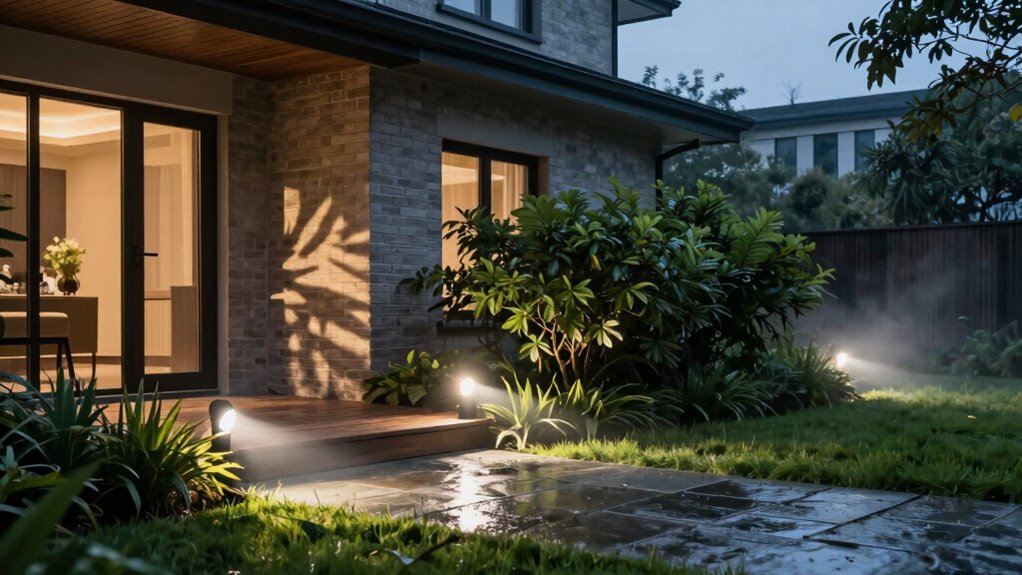
Environmental factors can profoundly impact your motion sensor lights’ performance. Temperature swings can make sensors overly sensitive or unresponsive, while weather conditions like rain or snow can cause false triggers. Additionally, obstructions such as plants or objects can block detection and reduce effectiveness. Choosing sensors with trusted reputation and reliable design can help mitigate some of these issues. Implementing sensors with inclusive design features can also improve performance across diverse environments. Regular maintenance and understanding indoor air quality factors, such as dust and microplastics, can further enhance sensor accuracy by preventing buildup that interferes with detection. Proper landscaping and placement considerations, such as avoiding dense foliage, are essential to reduce obstruction issues and optimize sensor functionality. Being aware of cabling solutions and their role in sensor placement can also ensure consistent operation and easier troubleshooting.
Temperature Fluctuations Affect Sensitivity
Temperature fluctuations can markedly impact the sensitivity of motion sensor lights. When temperatures vary, sensors may misinterpret signals, causing false triggers or missed detections. To maintain accuracy, you need proper sensor calibration that considers these temperature shifts. Light sensitivity can also be affected, making sensors less responsive in cold or hot conditions. Additionally, understanding environmental considerations can help optimize sensor placement and performance in varying conditions. Incorporating knowledge about sensor placement can further improve reliability across temperature changes. Recognizing how environmental factors influence sensor behavior can also guide effective adjustments and maintenance strategies. Being aware of sensor calibration techniques can help mitigate issues caused by temperature-induced sensitivity changes.
Weather Conditions Interfere With Detection
Weather conditions can profoundly disrupt the performance of motion sensor lights. Weather interference from rain, snow, fog, or strong winds can cause false triggers or prevent the sensor from detecting movement properly. Moisture and debris can interfere with the sensor’s accuracy, especially if it’s not properly protected. Additionally, extreme temperatures and humidity affect sensor calibration, making it harder for the device to distinguish between actual movement and environmental noise. To minimize these issues, guarantee your sensor is well-calibrated for your climate and protected from harsh weather elements. Proper placement and sensor positioning can also help improve detection accuracy and reduce false alarms. Regular maintenance and adjustments can help your motion sensor lights perform reliably, regardless of weather conditions. Ensuring your sensor has the appropriate environmental protection can significantly enhance its resilience against weather-related disruptions. Proper setup and understanding of environmental impacts are key to maintaining ideal detection and avoiding false alarms. Environmental factors can significantly influence sensor reliability, so understanding these influences is essential for optimal performance.
Obstructions Reduce Effectiveness
Obstructions like trees, shrubs, or outdoor furniture can considerably reduce the effectiveness of your motion sensor lights. Obstruction interference causes sensor blind spots, preventing the device from detecting movement effectively. To improve performance, consider these key points:
- Clear pathways: Remove or trim objects that block the sensor’s line of sight to reduce blind spots.
- Adjust placement: Position lights higher or at different angles to avoid obstructions and maximize coverage.
- Monitor surroundings: Regularly check for new objects or growth that might hinder sensor operation over time.
- Use adjustable settings: Many motion sensors come with customizable options that can help compensate for environmental challenges and enhance detection accuracy.
Understanding how environmental factors cause obstruction interference helps you maintain ideal sensor function, ensuring your lights activate reliably when needed.
How to Set Up and Adjust Your Motion Sensor Lights
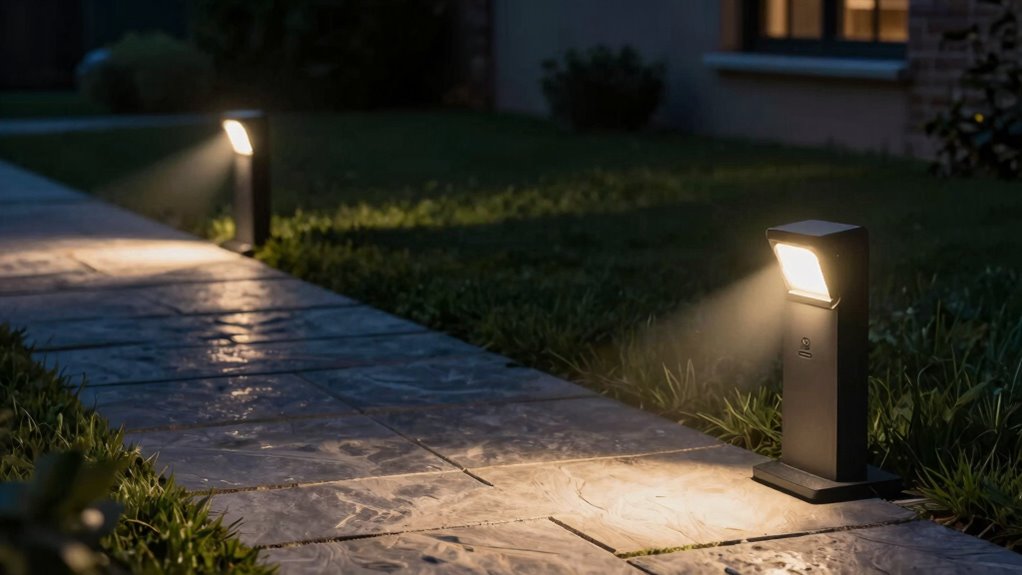
Setting up and adjusting your motion sensor lights is a straightforward process that guarantees they work effectively when you need them most. Start by choosing the right location, making sure the sensor covers the desired area without obstructions. For a smart home setup, connect the lights to your network for easier control and customization. Adjust the sensitivity settings to prevent false triggers from small animals or passing cars. Set the timer so lights stay on long enough for your needs, but not so long that energy is wasted. Position the sensor at the correct height and angle to maximize coverage. Proper placement and calibration improve energy efficiency and assure your smart home system responds accurately, providing security and convenience when you need it most.
Are There Better Security Lighting Options?
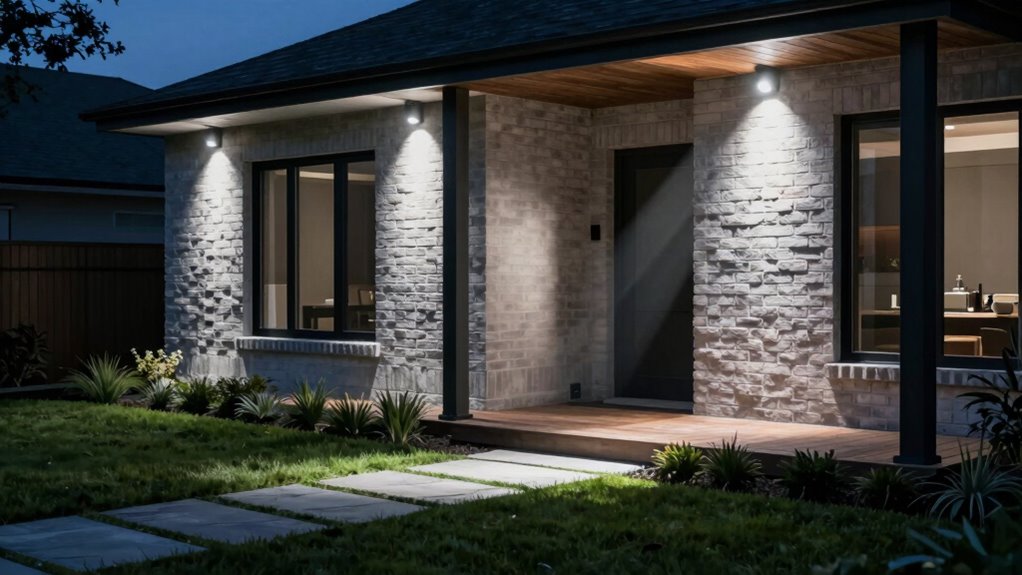
While motion sensor lights are popular for security, there are other options that might offer better protection for your property. Smart home security systems, for example, combine cameras, alarms, and remote monitoring, giving you all-encompassing control and real-time alerts. Solar-powered security lighting reduces energy costs and guarantees sustainability, especially in areas with ample sunlight. Here are three options to contemplate:
- Smart Security Systems – Integrate with your smart home to automate lighting, cameras, and alerts.
- Solar Security Lights – Use solar energy to power bright, eco-friendly outdoor lighting.
- Video Doorbells – Provide visual confirmation of visitors and connect directly to your smartphone.
These options enhance security, reduce reliance on motion sensors, and leverage innovative technology for better protection.
Troubleshooting Common Motion Sensor Light Issues
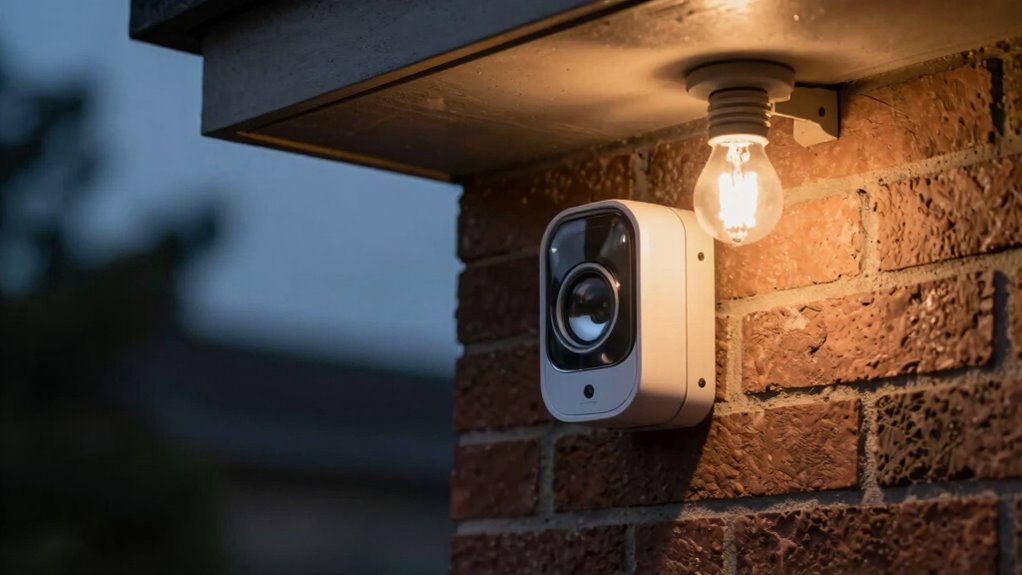
Motion sensor lights can be a great security feature, but they sometimes encounter issues that hinder their effectiveness. If your lights aren’t activating properly, check the sensor’s placement; obstructions or dirt can block detection. Adjusting the sensitivity settings might help if they’re too low or too high, causing false triggers or missed motion. Additionally, verify the bulb’s wattage and compatibility to maintain energy efficiency and prevent flickering. Sometimes, the aesthetic design of your fixture affects the sensor’s range, so choose models with ideal coverage. If lights turn on unexpectedly or won’t turn off, reset the sensor or replace faulty components. Regular maintenance ensures your motion sensor lights operate smoothly, keeping your property secure while conserving energy and complementing your aesthetic design.
Frequently Asked Questions
Can Motion Sensor Lights Be Used Indoors Effectively?
Yes, motion sensor lights can be used indoors effectively, especially in areas like hallways, closets, or bathrooms. You should consider indoor placement carefully to avoid accidental activation, and be mindful of privacy concerns—position lights where they won’t shine directly into private spaces. Proper installation guarantees they turn on only when needed, saving energy and adding convenience without compromising privacy.
How Long Do Motion Sensor Lights Typically Last?
Motion sensor lights typically last around 3 to 5 years, depending on usage and quality. The battery lifespan plays a big role, as frequent activation can drain batteries faster. Sensor sensitivity also impacts longevity; higher sensitivity may cause more frequent triggers, reducing battery life. To extend their lifespan, choose lights with adjustable sensitivity and replace batteries promptly when they weaken. Proper maintenance helps guarantee your lights work effectively over time.
Are There Energy-Efficient Options for Motion Sensor Lighting?
Yes, you can find energy-efficient options for motion sensor lighting that actually save you money. LED sensors are a smart choice, offering impressive energy savings and long-lasting performance. Just remember, sensor calibration is key—if you don’t set it right, your lights might be as useless as a flashlight in daylight. So, invest in good quality, and tweak the settings to maximize efficiency and avoid unnecessary energy waste.
Do Motion Sensors Detect Animals or Only Humans?
Motion sensors can detect animals, but their effectiveness depends on sensor sensitivity. If sensitivity is high, they might trigger with small animals like cats or raccoons, which can lead to false alarms. To prevent this, you can adjust the sensor sensitivity settings, making it less responsive to animals while still detecting humans. Keep in mind, very sensitive sensors are more prone to animal detection, so find a balance that suits your needs.
Can Motion Sensor Lights Be Integrated With Smart Home Systems?
Sure, motion sensor lights can be integrated with smart home systems, making you wonder how you ever managed without automation compatibility. It’s almost amusing how simple tech now syncs seamlessly, letting your lights turn on as you approach or off when you leave. You gain control via voice or apps, enhancing convenience. So yes, you can definitely connect them, elevating your home’s intelligence in surprisingly effortless ways.
Conclusion
Imagine a quiet evening, shadows dancing softly as your motion sensor lights flicker on, casting a welcoming glow. When installed and adjusted properly, they become your vigilant guardian, illuminating every step and deterring intruders. But remember, environmental factors can dim their effectiveness. With a little care and understanding, your security lights will reliably brighten your path, turning darkness into a safe haven. Trust in their glow to keep your space secure and inviting night after night.
NFL season / tailgating Picks
team gear
As an affiliate, we earn on qualifying purchases.