
TL;DR

Get home appliances delivered free with Prime
- Fast, free delivery on millions of items
- Prime Video, Amazon Music and more included
- Member-only deals all year
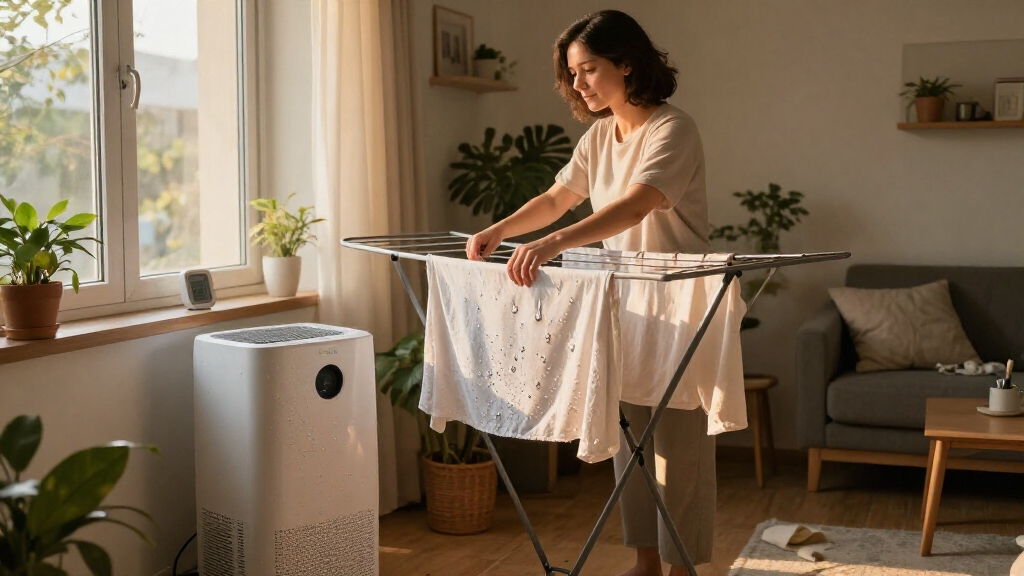
An Ideal Home report recommends six habits for drying laundry indoors while limiting moisture build-up: run an extra spin, space out clothes, use a heated airer, consider a dehumidifier, position the rack for airflow and ventilate the room. The advice is practical guidance, not a guarantee against damp or mould; results depend on the home, weather and drying conditions.
Ideal Home has outlined six habits for drying laundry indoors that may help reduce excess moisture and condensation: remove more water in the wash, leave space between garments, use appropriate drying equipment, position the airer for airflow and ventilate the room. The advice matters during cold or wet weather, when outdoor drying is less practical, but it does not establish that any one method will prevent damp or mould in every home.
The report recommends starting with an extra spin cycle, provided the washing machine’s spin setting is suitable for the garments. Clothes that hold less water should dry faster and release less moisture as they dry, the article says. It highlights heavier items such as towels, jeans and bedding, which can retain substantial water.
Next, avoid packing the rack tightly. Lauren Roelofs, a laundry expert at Brabantia, says leaving space between garments helps air circulate and clothes dry more evenly. The article also advises spreading out sleeves, opening shirts and not folding trouser legs over one another. For bulky pieces, Roelofs recommends turning them partway through drying to help avoid damp patches.
The remaining recommendations concern equipment and placement: consider a heated clothes airer, pair the rack with a dehumidifier, keep the airer slightly away from walls, and ventilate the room. Catrin Parry, buying lead at Lakeland, says a dehumidifier can remove moisture released into the air during drying. The report says a cover for a heated airer may shorten drying time by a couple of hours, depending on the load and conditions; that is an attributed estimate, not a guaranteed result.
Reducing Moisture During Indoor Drying
Wet laundry releases water into the surrounding air as it dries. In a room with limited airflow or moisture removal, that added humidity may contribute to condensation, according to the report. The six suggestions focus on reducing how much water remains in clothing, allowing garments to dry more freely and managing moisture in the room.
This is relevant to households that cannot dry clothes outdoors or do not use a tumble dryer. A dehumidifier and ventilation address moisture in the room, while an extra spin and better spacing target drying time. The report presents these as helpful habits, not as a substitute for dealing with an existing damp problem or a guarantee of mould prevention.
Products Worth Considering

Blueair Blue Pure 511i Max Smart Air Purifier

Philips Hue White and Color Ambiance Smart Light Starter Kit with Bridge and 4 A19 Bulbs

Philips Hue Smart LED Candle Bulbs, B39, E12, 2-Pack
As an affiliate, we earn on qualifying purchases.
The Six Recommended Drying Habits
The article frames its advice around colder, wetter weather, when outdoor clotheslines may be difficult to use. It notes that heated airers and dehumidifiers are possible purchases, while several of the other suggestions—spacing clothes, positioning the rack and ventilating—are changes to how laundry is dried.
Parry says a heated airer warms laundry but does not itself remove the moisture released into the room; she recommends using a dehumidifier alongside it. Roelofs’ advice is to preserve airflow around the garments. The source also describes a cover as a way to retain warm air around laundry, with any time saving dependent on the load and conditions. The report provides no comparative testing data for the six habits as a combined approach.
“One of the simplest ways to speed things up is to avoid overcrowding your drying rack. Leaving space between garments allows air to circulate, helping clothes dry more evenly.”
— Lauren Roelofs, laundry expert at Brabantia
Results Depend on Home Conditions
The report does not give a publication date, cite measurements of indoor humidity or compare the six methods through a controlled test. It also does not specify how much each habit reduces drying time or moisture levels in a typical home. Its estimate that a cover can save a couple of hours is expressly dependent on the load and conditions.
Whether these steps are sufficient to address condensation will vary with factors such as room ventilation, the amount of laundry being dried and the home itself. The article does not claim that following the recommendations will prevent mould, nor does it offer advice for diagnosing or remedying existing damp.
Practical Steps for the Next Load
For a household drying clothes indoors, the recommendations can be applied in sequence: use a suitable spin setting, arrange garments with space between them, and place the rack where air can move around it. If using a heated airer, the report suggests considering a cover and pairing it with a dehumidifier to manage moisture in the room.
Ventilation remains part of the advice, although the source does not prescribe a specific window-opening schedule or humidity target. Readers dealing with persistent condensation or visible mould may need guidance beyond these laundry habits. The report sets out no follow-up study or further milestone; its advice is presented as practical measures for indoor drying during colder, wetter weather.
Key Questions
What are the six habits recommended for drying laundry indoors?
Run an extra spin if suitable for the clothes, leave space between garments, use a heated airer if useful, pair the airer with a dehumidifier, position it away from walls for airflow, and ventilate the room.
Does a heated clothes airer remove moisture from the room?
Not by itself, according to Lakeland buying lead Catrin Parry. The report says a heated airer helps dry clothes, while a dehumidifier removes excess moisture from the air.
Why should clothes be spaced out on a drying rack?
Brabantia laundry expert Lauren Roelofs says space between garments allows air to circulate, helping clothes dry more evenly. The report also advises spreading out sleeves and avoiding folded-over trouser legs.
Will these steps prevent damp and mould?
The report presents the habits as ways to help limit moisture and condensation, not as a guarantee against damp or mould. It gives no measured prevention rate, and outcomes depend on the home and drying conditions.
Source: idealhome.co.uk