
TL;DR

Get home appliances delivered free with Prime
- Fast, free delivery on millions of items
- Prime Video, Amazon Music and more included
- Member-only deals all year
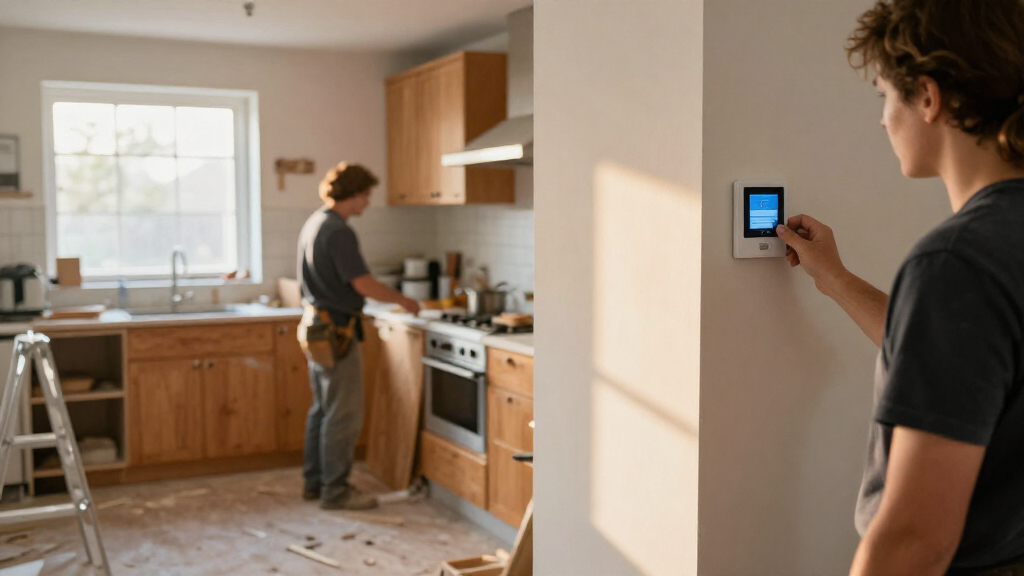
An Ideal Home writer says she and her partner have been renovating their 1700s house gradually since moving in during February 2023. Her account describes six perceived benefits, including time to understand how they use the home, less pressure on family life, and more deliberate spending and material choices.
An Ideal Home writer has described six reasons she and her partner are renovating their 1700s house gradually, rather than trying to finish it on a tight schedule. The first-person account says the approach has given them time to understand how they use the property, make considered design choices and fit work around daily life; it is one household’s experience, not a measured comparison of renovation methods.
The couple moved into the house in February 2023. They waited nine months before making major changes, according to the writer, and found that living in the property influenced their eventual plans. They paid attention to daily routes through the rooms, where they tended to spend evenings and how sunlight changed across rooms and seasons.
The work has taken place in stages. The account lists initial rewiring, replumbing and layout changes in late 2023 and early 2024, followed by a bedroom, roof, windows and flooring in 2024. A wildlife pond and kitchen followed in 2025. The writer says a bedroom was completed in July 2026 and plastering upstairs began in September 2026. Two bedrooms, the staircase, a living room and an en suite remained unfinished at the time described.
The writer’s six reported benefits are a better balance between renovation and personal life; learning how the household uses the home; making more informed purchases; reducing waste; keeping the project manageable; and having greater flexibility over when work is done. She also recounts errors made during an earlier, faster phase, including buying too many switch and socket faceplates and ordering the wrong bathroom tiles. These examples are personal observations, not audited savings or a claim that slow projects avoid mistakes.
The case for a measured renovation
The account offers a practical counterpoint to renovation stories that focus on rapid makeovers and finished rooms. For homeowners planning substantial work, its central point is that living in a space before committing to major changes can reveal needs that plans made in advance may miss. In this household’s case, testing kitchen circulation with a freestanding dresser and table helped the couple consider an island’s size before settling on a design.
A longer timetable can also spread decisions and work across a more manageable period, the writer says. That may help households avoid making purchases under deadline pressure and reduce disruption to relationships and social plans. But the report does not establish that gradual renovation is cheaper overall: extending a project can also mean living with unfinished rooms for longer, and costs depend on the property, labour, materials and any delays.
Products Worth Considering

eufy Security Video Doorbell E340 Kit with Chime, 2K Resolution and 8GB Local Storage

Arlo Pro Wireless Security Camera, 2K HDR, 6th Generation, 4-Camera Kit

TCL QM64L 85-Inch QD-Mini LED 4K Smart Fire TV
As an affiliate, we earn on qualifying purchases.
From move-in to staged work
The report contrasts the current project with the writer’s previous renovation, which she says lasted almost exactly two years before a job relocation prompted a move. For the 1700s property, the couple instead chose to take time to learn the house and preserve its historic character while making it better suited to their lives.
The writer describes slow renovating as a move away from quick fixes and trend-led changes, toward more deliberate decisions and less overconsumption. The term is presented as a growing alternative to rapid before-and-after transformations, but the supplied report does not include market data establishing how widely the approach is being adopted.
Costs and unfinished rooms remain
The report does not provide a total project budget, a comparison with the cost of a faster renovation, or figures for how much money or material the couple saved. Its claims about fewer mistakes and reduced waste are based on the writer’s experience and are not quantified. The article also does not establish whether the project’s timeline is typical for similar homes.
The house remained incomplete in September 2026, with several rooms and the staircase still to be finished. The account does not give a final completion date or say how the remaining work will affect the household’s budget and schedule.
Remaining rooms await renovation
According to the timeline in the report, plastering upstairs began in September 2026. The couple still have two bedrooms, a staircase, a living room and an en suite to complete. No timetable for those jobs is given, consistent with the writer’s description of a project without a firm overall deadline.
For readers weighing a similar approach, the account suggests treating the schedule as a household decision rather than a universal rule: consider how long the home can remain partly unfinished, whether work can be phased safely, and what costs may change over time. The report offers no professional cost estimate or advice tailored to other properties.
Key Questions
What does slow renovating mean in this report?
It refers to carrying out home improvements gradually, prioritising considered decisions over rapid, trend-led changes and a fixed completion deadline.
When did the couple begin renovating the house?
They moved into the 1700s house in February 2023. The writer says they waited nine months before making major changes.
What benefits does the writer report?
She describes six personal benefits: a better renovation-life balance, a clearer understanding of how the home is used, more considered purchases, less waste, a more manageable workload and flexibility over timing.
Is slow renovating proven to save money?
The report does not provide cost data or compare the total cost of slow and fast renovations. The writer says taking more time helped her make clearer decisions, but that is an individual account rather than proof of overall savings.
What work remained unfinished?
In the report’s September 2026 timeline, the couple still had two bedrooms, the staircase, a living room and an en suite to complete. No final completion date was provided.
Source: idealhome.co.uk