
TL;DR
A report by Ideal Home lists five possible signs that pests have disturbed or contaminated loft insulation: noises, musty smells, damaged insulation, tunnels and marks on ceilings. Experts quoted in the report advise against sweeping or vacuuming suspected contamination and recommend having a pest professional identify and remove the infestation before dealing with soiled insulation.
Scratching noises, a persistent musty smell, damaged insulation, visible tunnels and ceiling marks are five signs that pests may have disturbed or contaminated loft insulation, according to a report by Ideal Home. Experts quoted in the report say infestation can compress insulation and leave droppings or urine, affecting its performance and potentially creating a health concern.

Get home appliances delivered free with Prime
- Fast, free delivery on millions of items
- Prime Video, Amazon Music and more included
- Member-only deals all year
The report identifies scurrying or scratching sounds, often heard at night, as one possible warning. A musty smell may also point to contamination, although the report notes that dampness and mould can affect insulation too. These signs can indicate a problem, but none on its own establishes which pest is present or confirms contamination.
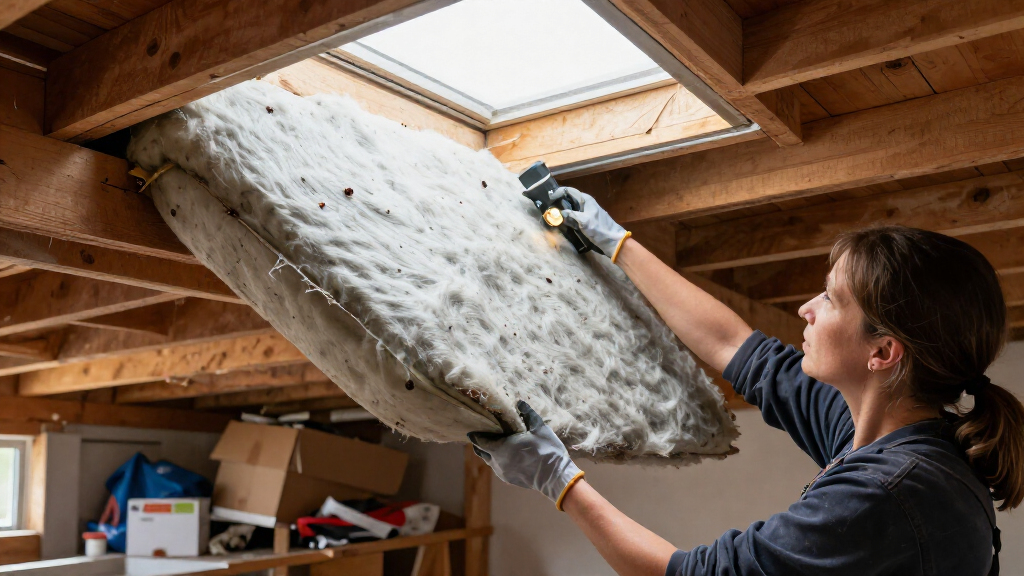
Homeowners are also advised to look for shredded or flattened insulation, trails or tunnels through the material, and nesting material near the eaves. Rodents and squirrels may pull insulation aside or compress it along joists, according to George Penny, a home energy expert at The Solar Co. The report says mice, rats, squirrels and birds are among the possible culprits.
Gnaw marks and water marks on ceilings are the fifth sign in the list. A ceiling mark may indicate a leak rather than a pest, but damp insulation can also lose effectiveness and may develop mould. Penny said rodents and squirrels can reduce insulation performance by compressing it and may contaminate it with droppings and urine.
How Infestation Can Affect Insulation
Insulation helps limit heat loss, so material that has been flattened, disturbed or made damp may not perform as intended. Penny said compression can create cold spots, while contamination can leave droppings and urine in the loft. This may help explain why a home feels colder, but the report does not establish that any particular increase in energy bills is caused by pests.
The signs are reasons to investigate, not a diagnosis. A musty smell or ceiling stain can have other causes, including moisture or a roof leak. Identifying the source before removing insulation matters: pest activity may continue if entry points remain open, and handling contaminated material could expose occupants to dust or waste.
Products Worth Considering

Dyson V9 Motorbar Cordless Vacuum

Shark AI Ultra Robot Vacuum with Matrix Clean and Self-Empty Base

Levoit Eleva 300X Air Purifier with Fully Sealed HEPA Filtration and Smart Control
As an affiliate, we earn on qualifying purchases.
Checks Recommended Before Winter
The report presents pest checks as part of preparing a home for winter, when insulation performance becomes more noticeable and energy bills may rise. It cautions that higher winter bills alone cannot show whether insulation has been compromised; colder weather can also increase energy use.
Mike Storey, founder and technical manager at UKFR Roofing & Insulation, said homeowners should look for droppings, urine smells, nesting materials and damaged or disturbed insulation. The report recommends dealing with the pest first, then replacing insulation that has been compromised and sealing likely access points, such as gaps around pipes, eaves and vents.
“Rodents and squirrels compress the insulation, which reduces its effectiveness and creates cold spots, and they can contaminate it with droppings and urine, which may pose a health risk.”
— George Penny, home energy expert at The Solar Co
Signs That Need Verification
The warning signs are indicators, not proof of an infestation. The report does not provide data on how common each sign is, how reliably it identifies pests, or how much insulation performance may decline in a specific home. It also gives no inspection findings for an individual property.
The cause of a smell, ceiling mark or cold spot may require further investigation. A water mark could point to a leak, while dampness or mould may affect insulation without pest activity. The source does not identify a single removal cost that applies to all homes; the expense will depend on factors such as loft size, location and the extent of contamination.
Inspect, Treat and Seal Entry Points
If signs appear, the report advises contacting a professional pest controller to identify the animal and address the infestation. After that, compromised insulation may need replacement, preferably by a professional able to remove it safely and hygienically. Entry points should also be found and sealed to reduce the risk of pests returning.
People who handle suspected contaminated insulation themselves should not sweep or vacuum it. The experts quoted advise using suitable protective equipment, including gloves and a proper mask; the report also mentions eye protection. Homeowners arranging removal should check local council guidance on disposal. Whether professional treatment or replacement is needed will depend on what an inspection finds.
Key Questions
What are the five signs of pests in loft insulation?
The report lists scurrying or scratching noises, a musty smell, shredded or compacted insulation, visible tunnels and gnaw or water marks on the ceiling. These signs may have other causes and do not confirm an infestation by themselves.
Should I sweep or vacuum suspected pest contamination?
No. George Penny advises against sweeping or vacuuming because it could put hazardous particles into the air. Avoid handling the material without appropriate protection and seek professional advice.
Should the pest or the insulation be dealt with first?
The experts quoted recommend having a pest controller identify and deal with the infestation first. Then assess whether soiled or damaged insulation needs replacement and seal access points to help prevent a recurrence.
Can a musty smell or ceiling stain prove there are pests?
No. These are possible warning signs, but moisture, mould or a leak may also cause problems. An inspection is needed to establish the source.
How much does removing contaminated loft insulation cost?
The source says costs vary with location, loft size and the degree of contamination; it does not provide a fixed price. It recommends consulting a professional about safe removal and checking local council rules for disposal.
Source: idealhome.co.uk