TL;DR
An Apartment Therapy report published recently gathered designers’ advice on decor items they recommend keeping rather than discarding. Their list includes meaningful personal objects, printed photographs, classic furniture, benches, vintage rugs, limited-edition works and handmade pieces; the advice is based on designers’ experience, not a guarantee of resale value or future demand.
Interior designers interviewed by Apartment Therapy recommend holding on to seven kinds of home furnishings and decor, from sentimental objects and printed photographs to classic furniture, vintage rugs and handmade work. The advice, published in a recent report by writer Sarah Lyon, focuses on pieces that can remain useful or meaningful as a home’s style and needs change.

Get home appliances delivered free with Prime
- Fast, free delivery on millions of items
- Prime Video, Amazon Music and more included
- Member-only deals all year
The designers’ first recommendation is to keep objects that have personal meaning, even when they do not match a room’s current look. Designer Angela Todd said surrounding colors, textures and other selections can help an item fit. Tiffany Hanken described using a china set inherited from her great-grandmother, mixing it with newer tableware and using it for meals. The report also identifies printed photographs as worth preserving, with designer Ian Stallings arguing that physical copies still have value in a largely digital era.
For furnishings, the designers singled out pieces with classic silhouettes, including wingback chairs, Chesterfield sofas and tufted headboards. Elizabeth Stamos said good underlying construction can make a piece a long-term keeper, particularly if it can be reupholstered. Lauren Clement recommended keeping benches because they can serve in different rooms and be refreshed with paint or new fabric.
The remaining suggestions are vintage rugs, limited-edition pieces and handmade objects. Hailey Weidenbaum said vintage rugs can be difficult and costly to source and may be stored if they do not suit a current room. Designer Sara Story noted that some limited editions could eventually gain value, while Brad Ford said handmade items carry a story and reflect the maker’s skill. These are designers’ recommendations, not assurances that every item will appreciate, sell easily or suit every household.
Keep Pieces That Can Adapt
The advice offers readers a way to think about decluttering beyond whether an item matches a room today. Sentimental value, durable construction and flexibility can all be reasons to pause before discarding something, especially when a move or redesign changes how it is used. A bench might move from an entryway to a bedroom; an older chair might take on a new look with upholstery; inherited china can be used alongside newer dishes.
That does not mean keeping everything. Space, condition, maintenance and practical use still matter, and the report does not provide a universal test for what deserves storage. Its main point is that some pieces can be adapted rather than replaced, while the personal history attached to an object may matter more to its owner than its fit with a particular trend.
Products Worth Considering

Dyson Cyclone V10 Origin Cordless Vacuum

Google Nest Doorbell (Wired, 2nd Generation), Snow

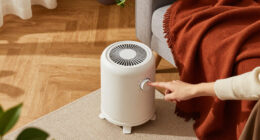
LEVOIT Vital 200S-P Smart Air Purifier for Large Rooms, White
As an affiliate, we earn on qualifying purchases.
Seven Categories From Designers
The report is a home-decor advice article, not a study of furniture longevity or resale markets. It was written by Sarah Lyon and published by Apartment Therapy. The article groups its recommendations around objects that retain personal meaning, can be reused in different settings, or have distinctive craftsmanship or design.
The source names seven categories: decor that speaks to its owner, old printed photographs, furniture with classic silhouettes, bench seating, vintage rugs, limited-edition pieces and handmade objects. It includes comments from designers and other design professionals, including Angela Todd, Tiffany Hanken, Ian Stallings, Elizabeth Stamos, Lauren Clement, Hailey Weidenbaum, Sara Story and Brad Ford. The advice reflects their professional perspectives and examples, rather than a formal ranking of which items are most valuable.
“Any item can work given the right selections, colors, and textures surrounding it.”
— Designer Angela Todd, as quoted by Apartment Therapy
Value Depends on Each Piece
The article does not establish that any category will retain or increase in market value. Story said some limited-edition works could eventually increase in value, but the report gives no price data, examples of realized returns or method for predicting which pieces will become more sought after. Weidenbaum’s comments about vintage rugs being in demand are also attributed professional advice, not a guarantee of a buyer or resale price for a particular rug.
The source does not set out how readers should judge an item’s condition, authenticity, repair costs or storage needs. Whether keeping a piece makes sense will depend on its condition, space requirements and personal importance. The report also does not claim that all older photographs, furniture or handmade goods are worth keeping regardless of their state.
Decide What Fits Your Home
The article describes no scheduled follow-up or new policy; it is a set of design recommendations for readers considering a cleanout or room change. For anyone applying the advice, a practical next step is to look at each item’s condition, usefulness and personal significance, then consider whether it can be repaired, reupholstered, displayed, stored or used in another room.
For objects being considered for sale, owners would need to check the specific item’s provenance and current market rather than assume it will appreciate. For photographs and inherited objects, documenting their history and choosing a way to display or safely store them can help preserve what makes them meaningful. The report’s guidance is to make those decisions deliberately rather than discard adaptable or personally important pieces simply because they do not fit today’s decor.
Key Questions
What items do the designers recommend keeping?
The report lists meaningful decor, printed photographs, classic furniture, benches, vintage rugs, limited-edition works and handmade objects.
Do limited-edition decor pieces always increase in value?
No. Designer Sara Story said some limited editions could eventually increase in value, but the article offers no guarantee or market data for individual pieces.
Why keep furniture that no longer matches a room?
The designers say classic shapes and sound construction can make furniture adaptable. New upholstery, paint or a different room may give a piece another use, depending on its condition and repair costs.
What should I do with a vintage rug that does not fit my space?
Weidenbaum advised rolling it up and storing it for possible future use. The report also notes that rugs can be layered, though storage space and the rug’s condition remain practical considerations.
Does the report say never to declutter these items?
No. It presents designers’ reasons for pausing before discarding them; it does not say every example must be kept. Condition, available space, usefulness and personal value can guide the decision.
Source: apartmenttherapy.com