
Choosing the right extension cord gauge for your garage tools depends on the power needs, cord length, and safety considerations. For lightweight tools, opt for a 16-gauge cord, while medium-duty tools need 14-gauge, and heavy-duty equipment requires 12-gauge or thicker. Longer cords may need a thicker gauge to prevent voltage drops and overheating. To guarantee safe and efficient use, you’ll find more tips on selecting and maintaining the correct gauge if you keep exploring this topic.
Key Takeaways
- The gauge number indicates wire thickness; lower numbers (e.g., 12, 14) are suitable for heavier garage tools.
- Use 16-gauge cords for light-duty tasks, 14-gauge for medium-duty, and 12-gauge or thicker for high-power equipment.
- Longer extension cords require thicker gauges to prevent voltage drops and overheating.
- Proper gauge selection enhances safety, prevents electrical hazards, and ensures optimal tool performance.
- Regularly inspect cords, avoid overloading, and store properly to maintain safety and durability.
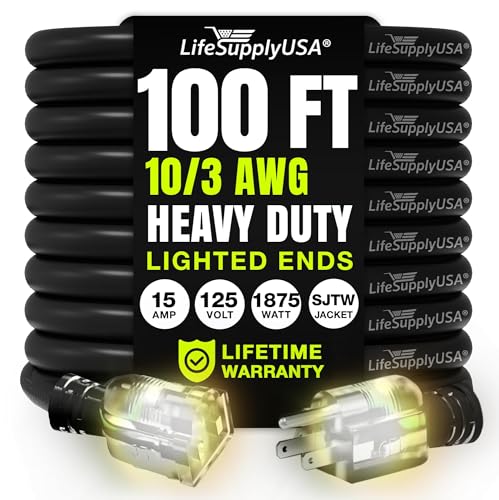
100ft Outdoor/Indoor Extension Cord 10/3 Gauge Ultra Heavy Duty 3 Prong SJTW, Waterproof, Flexible Cold-Resistant Long Power Cord,15A 125V 1875W, Black by LifeSupplyUSA
LONG LASTING PERFORMANCE: Engineered to endure harsh conditions, this heavy duty extension cord remains resilient against extreme temperatures….
As an affiliate, we earn on qualifying purchases.
As an affiliate, we earn on qualifying purchases.
Why the Right Extension Cord Gauge Matters for Garage Tools
Have you ever wondered why using the correct extension cord gauge is so important for your garage tools? The right gauge guarantees better cord durability, meaning it can handle the power demands without fraying or breaking over time. A thicker gauge (lower number) provides superior insulation, reducing the risk of electrical shocks and short circuits. Proper cord insulation also protects the internal wires from damage caused by moisture, abrasions, or temperature changes. Additionally, selecting the right gauge ensures the cord can support the necessary power demands for your tools without overheating. When you choose the appropriate gauge, your tools perform reliably and safely, preventing overheating and potential hazards. Using an under-gauged cord can cause overheating, damaging both the cord and your tools. To maximize safety and performance, understanding extension cord gauge standards is essential. Properly rated cords also help prevent electrical fires, which can occur when cords are overused or improperly rated. Recognizing how current capacity impacts cord performance can help you make safer choices. Being aware of microplastics in dust and other indoor pollutants highlights the importance of maintaining safe environments, which starts with proper electrical safety practices. So, selecting the correct extension cord gauge isn’t just about power—it’s about safety, longevity, and consistent performance.

HUANCHAIN 12 Gauge Heavy Duty Outdoor Extension Cord 25 ft Waterproof with Lighted end, Flexible Cold-Resistant 3 Prong Electric Cord Outside, 15Amp 1875W 12AWG SJTW, Yellow, ETL
Lighted End and Extra Size for Safety: The power socket indicator light shows that power is on and…
As an affiliate, we earn on qualifying purchases.
As an affiliate, we earn on qualifying purchases.
How to Read an Extension Cord Gauge Chart Effectively
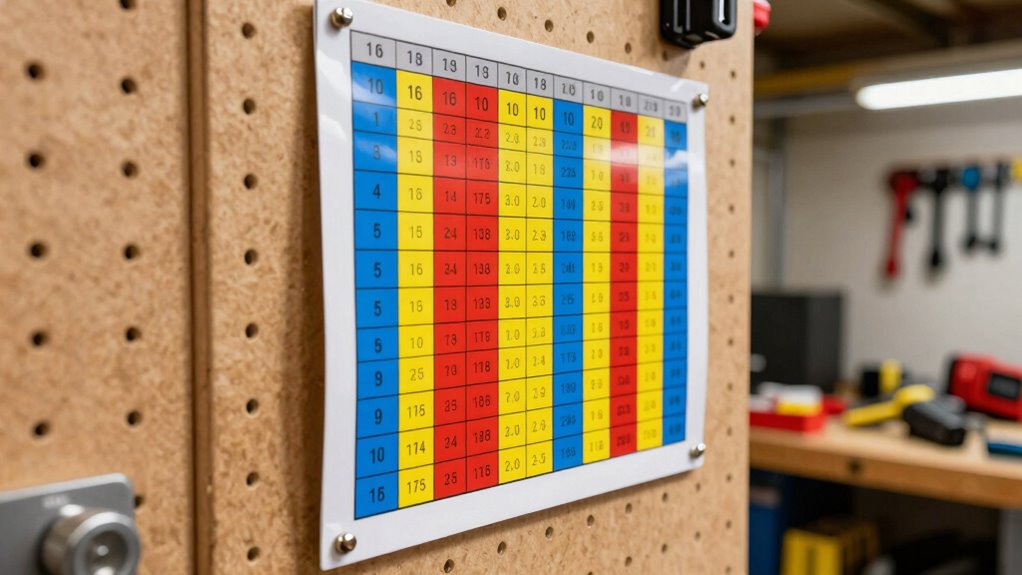
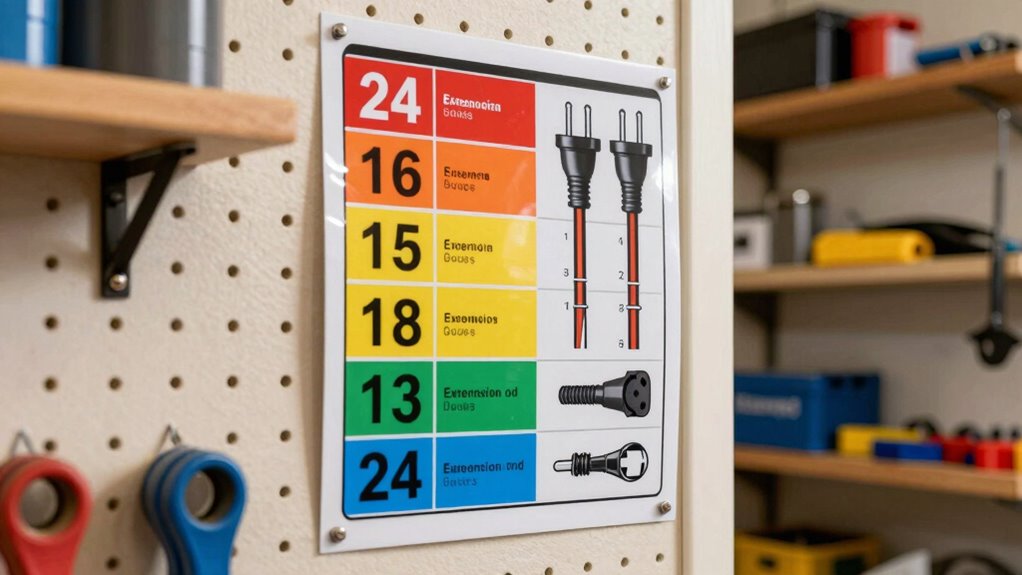
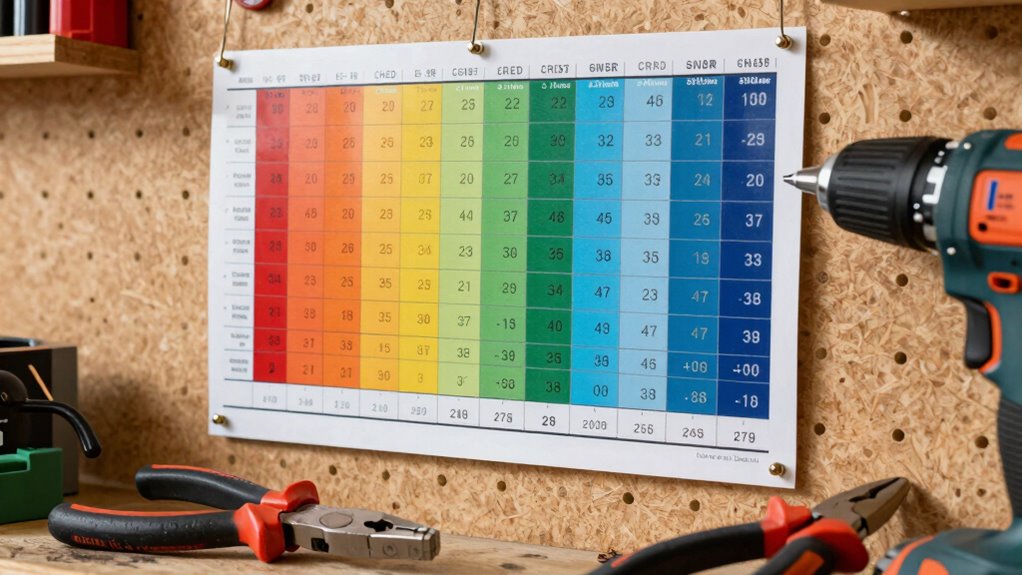
Understanding how to read an extension cord gauge chart is essential for selecting the right cord for your needs. Start by locating the gauge number, which indicates the wire thickness; lower numbers mean thicker wires suitable for higher power tools. Pay attention to the cord length, as longer cords may require a thicker gauge to prevent voltage drops. When comparing extension cord brands, check their gauge ratings and verify they match your power requirements. Proper cord storage helps maintain the cord’s integrity, preventing damage that could affect its gauge. Always choose a gauge that supports your tools’ wattage and current. Reading the chart carefully allows you to select an extension cord that’s safe, efficient, and durable, ensuring your garage tools operate smoothly without risking electrical hazards. Additionally, understanding the wire gauge standards ensures you select a cord that meets safety and performance requirements. Knowing how to interpret your tools’ power needs further helps in making the right gauge choice. Recognizing the importance of correct gauge selection can prevent potential fire hazards and prolong the life of your tools and cords.

YOJOE Indoor Outdoor Extension Cord with Lighted End, 3 Prong 15A Weatherproof Power Cord, 14 Gauge Heavy Duty 6 ft Yellow Extension Cord for Garage, Garden and Home, 14/3 SJTW UL Listed
Versatile Use: Our UL-certified SJTW extension cord is ideal for high-power outdoor equipment like lawn mowers, chainsaws, and…
As an affiliate, we earn on qualifying purchases.
As an affiliate, we earn on qualifying purchases.
What Factors Influence Your Garage Extension Cord Choice
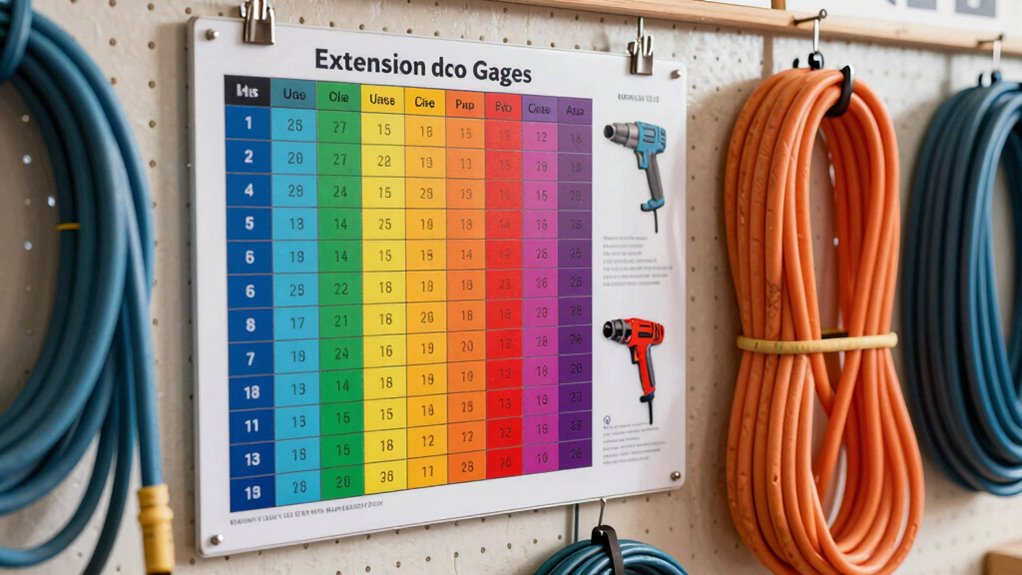
Several factors come into play when choosing the right garage extension cord, and knowing which ones matter can prevent electrical hazards and guarantee your tools work efficiently. First, consider cord storage—properly storing cords prevents damage that could cause shorts or failures. Next, pay attention to color coding; different colors can indicate gauge, length, or intended use, helping you select the right cord quickly. Also, assess the power needs of your tools to match the gauge and length appropriately. Avoid overly long cords for high-power devices to reduce voltage drops. Additionally, understanding wire gauge importance can help you select cords that support your tools’ power demands effectively. By understanding these factors, you maximize safety, durability, and efficient performance. Being mindful of cord storage practices and color coding simplifies your decision and keeps your garage organized and safe. Additionally, considering water safety and proper electrical insulation is crucial, especially in environments where water exposure may occur, to prevent potential hazards. Properly insulating cords can help mitigate risks related to water and electrical faults, and using cords with appropriate water-resistant features can further enhance safety. Recognizing the significance of environmental conditions can also help you select cords that withstand specific garage environments.

Skrizcable 16/3 25 FT Outdoor Extension Cord Waterproof, Weatherproof & Flame Retardant Black 3 Prong Power Cord Outside for Lawn & Garden, 13 Amps 1625 Watts 125 VAC 16AWG SJTW, ETL Listed
ETL Listed and Trusted: 25 ft extension cord rated 13 Amps, 1625 Watts and 125 VAC; Male NEMA…
As an affiliate, we earn on qualifying purchases.
As an affiliate, we earn on qualifying purchases.
What Extension Cord Gauge Do You Need for Short-Term Projects?
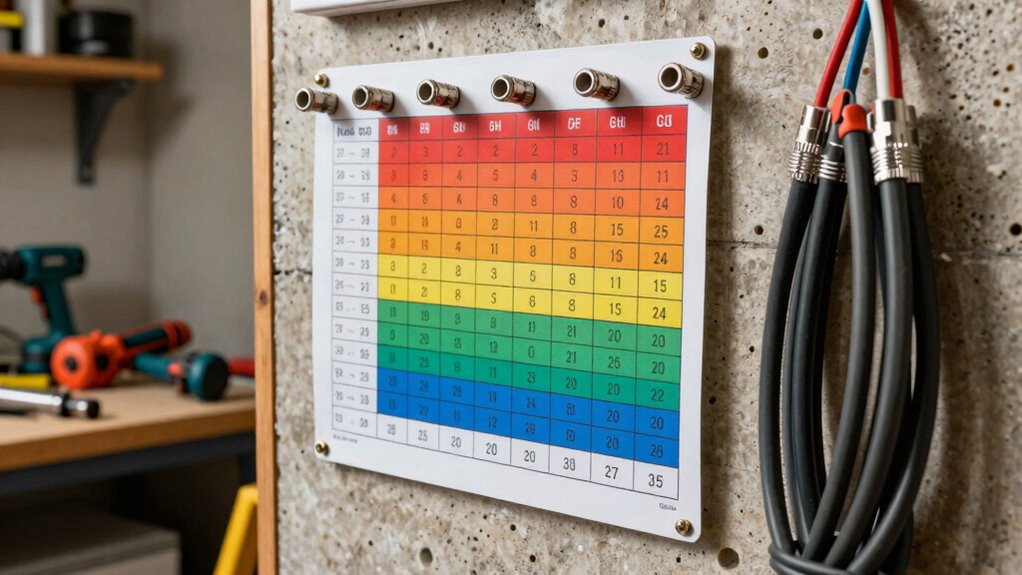
When tackling short-term projects around your garage or workshop, choosing the right extension cord gauge is crucial to guarantee safety and efficient power delivery. For these tasks, a 16 or 14-gauge cord usually suffices, as they handle lower power needs and are easier to manage in cord storage. Since extension cord history shows that thicker gauges are designed for longer distances and heavier loads, sticking with a lighter gauge for short-term use minimizes hassle and clutter. Additionally, understanding media literacy helps you interpret technical specifications and safety guidelines accurately, ensuring you select the appropriate gauge. Keep in mind, using the proper gauge also reduces the risk of overheating or voltage drops. If you’re only working temporarily, choosing the correct gauge simplifies your setup, keeps your workspace safe, and ensures your tools operate smoothly without unnecessary interruptions. Additionally, considering fundamentals of ergonomics ensures you select the right size for your specific project needs.
How to Choose the Right Gauge for Heavy-Duty Garage Equipment
To choose the right gauge for heavy-duty garage equipment, you need to take into account the power requirements of your tools. Make sure the extension cord’s gauge is compatible with your equipment’s amperage to prevent overloads. Checking these points guarantees safe and efficient operation for your toughest jobs. Additionally, selecting the appropriate home soundproofing measures can help create a quieter workspace in your garage. Considering folklore-inspired DIY techniques can also enhance your workspace with unique, themed decor that adds a touch of Romanian tradition. Understanding car performance parts, such as flywheels and engine upgrades, can inspire innovative ways to optimize your garage space for both functionality and style. Being aware of style elements like lighting and organization methods can further improve your workspace’s overall efficiency and comfort. Recognizing the importance of electrical safety standards ensures that your setup remains safe and compliant during heavy-duty use.
Power Requirements of Tools
Choosing the right gauge extension cord for heavy-duty garage equipment is crucial to guarantee safe and efficient operation. You need to take into account the power requirements of your tools, which determine the cord gauge you should select. High-power tools demand thicker cords with lower gauge numbers to handle the load without overheating. Also, check the tool’s power adapters and cord insulation to ensure compatibility and safety. Using an undersized cord can cause voltage drops and potential damage. Here’s a quick reference:
| Power Requirement | Recommended Gauge |
|---|---|
| Up to 15 amps | 14-gauge |
| 15-20 amps | 12-gauge |
| Over 20 amps | 10-gauge |
Match your tools’ power needs carefully for safe operation.
Gauge Compatibility Considerations
Selecting the appropriate gauge extension cord guarantees your heavy-duty garage equipment operates safely and efficiently. First, consider cord insulation; thicker insulation often means better durability and protection against heat and wear. For high-power tools, use a lower gauge number (like 10 or 12) to handle the increased current without overheating. Plug compatibility is also essential—ensure the cord’s plug fits your tool’s outlet securely to prevent loose connections or sparks. Additionally, check that the extension cord’s gauge matches the tool’s power demands to avoid voltage drops that could damage your equipment. Using an incompatible gauge can result in insufficient power delivery or safety hazards. Properly rated extension cords help prevent fire hazards and ensure your household remains safe during heavy-duty tasks. Always verify safe operation practices and be aware of nail biology principles that impact your understanding of proper electrical safety and compatibility.
How Length Affects Your Extension Cord Gauge
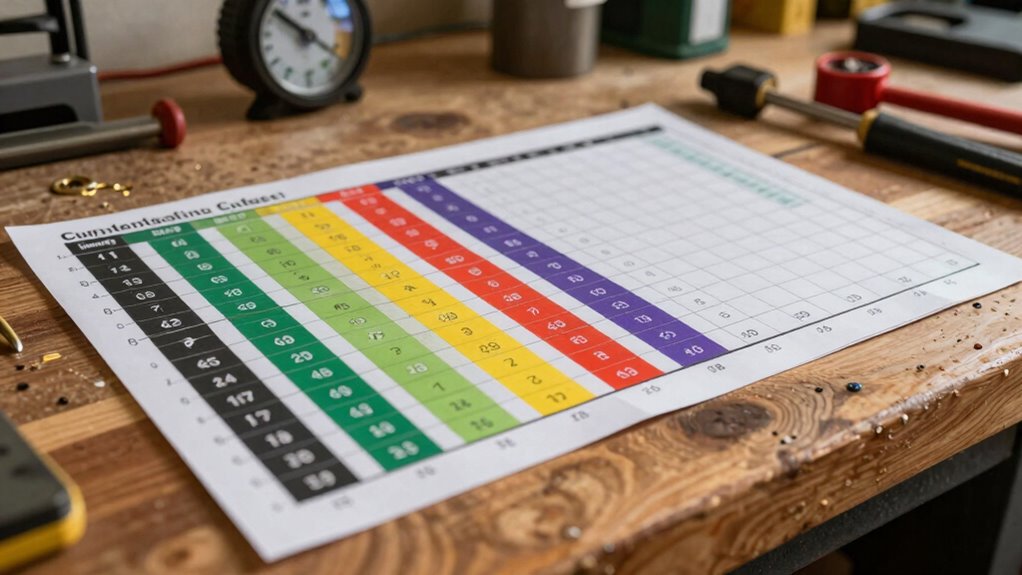
As your extension cord gets longer, resistance increases, which can cause voltage drops and reduce performance. To compensate, you’ll need thicker cables to maintain safety and efficiency. Understanding how length impacts gauge helps you choose the right cord for your needs. Weatherproof tool storage is also essential for protecting your equipment from the elements and ensuring safety during use.
Increased Resistance Over Distance
Have you ever noticed how an extension cord’s performance drops the longer it gets? As the length increases, resistance rises, making it harder for your tools to operate efficiently. Longer cords mean more material to conduct electricity, which can lead to voltage drops and overheating if the gauge isn’t suitable. Material durability and cord flexibility also influence how well the cord handles this increased resistance—sturdier materials resist wear, while flexible cords are easier to maneuver without damage. To visualize this, consider the following:
| Length (ft) | Resistance Impact | Recommended Gauge |
|---|---|---|
| 25 | Low | 14-16 AWG |
| 50 | Moderate | 12-14 AWG |
| 100 | High | 10-12 AWG |
| 150 | Very High | 8-10 AWG |
| 200 | Critical | 8 AWG or thicker |
Voltage Drop Concerns
When you extend a cord over a longer distance, voltage drop becomes a significant concern because the electrical energy has to travel through more material, increasing resistance. This drop can cause your garage tools to operate inefficiently or even damage sensitive equipment. To maintain electrical safety, it’s vital to choose the correct gauge for longer cords, as thinner cables can lead to higher voltage drops. Proper cord organization helps prevent tangling and ensures the cord runs straight without unnecessary bends, which can worsen resistance. Always keep an eye on voltage levels and avoid overloading the extension cord. Remember, using the right gauge not only preserves tool performance but also enhances electrical safety for everyone working in your garage.
Thicker Cables for Longer Runs
Longer extension cords require thicker gauges to maintain safe and efficient power delivery. As length increases, voltage drop can weaken performance or cause overheating. To prevent this, choose cables with lower gauge numbers, which have thicker wire insulation for durability. When storing your cords, coil them properly to avoid damage that can compromise gauge and safety. Consider these key points:
- Longer distances demand thicker gauges to prevent power loss.
- Thicker cables handle higher current loads comfortably.
- Proper cord storage preserves wire insulation and prolongs lifespan.
- Using the correct gauge minimizes overheating risks and maximizes safety.
Common Mistakes to Avoid When Selecting Garage Extension Cords
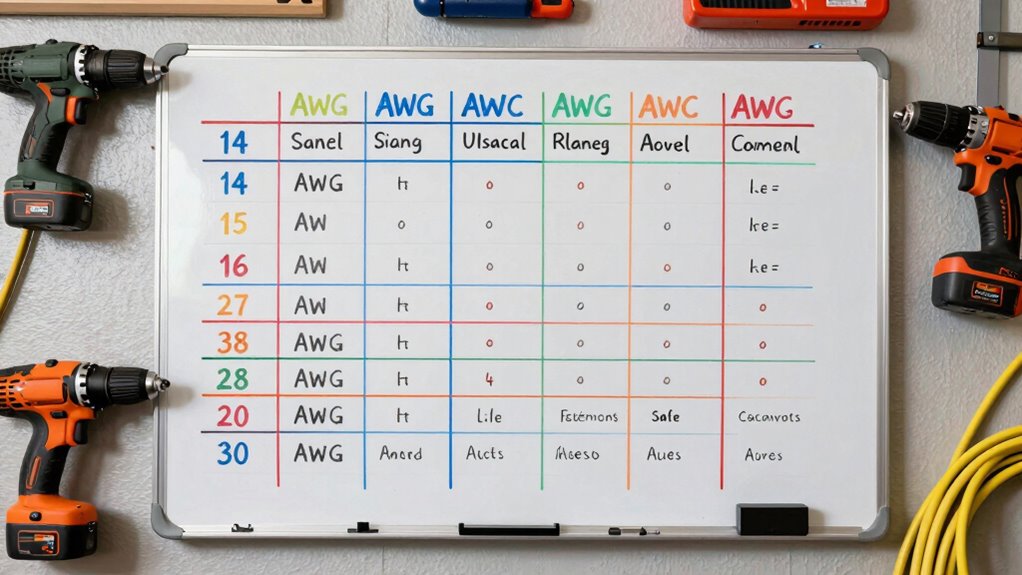
Choosing the right garage extension cord is essential for safety and efficiency, but many people make common mistakes that can lead to hazards or damage. One mistake is neglecting proper cord storage, which can cause wear and tear. Also, failing to use clear cord labeling leads to confusion about gauge and load capacity, risking overloads. Avoid selecting a cord just based on length; always check the gauge for your tools’ power needs.
| Mistake | Solution |
|---|---|
| Poor cord storage | Store cords properly to prevent damage |
| Ignoring cord labeling | Use labels for gauge and capacity clarity |
| Choosing wrong gauge | Match gauge to tool power and run length |
| Overlooking power needs | Ensure cord capacity matches your tools’ demands |
Safety Tips for Using Extension Cords With Garage Tools
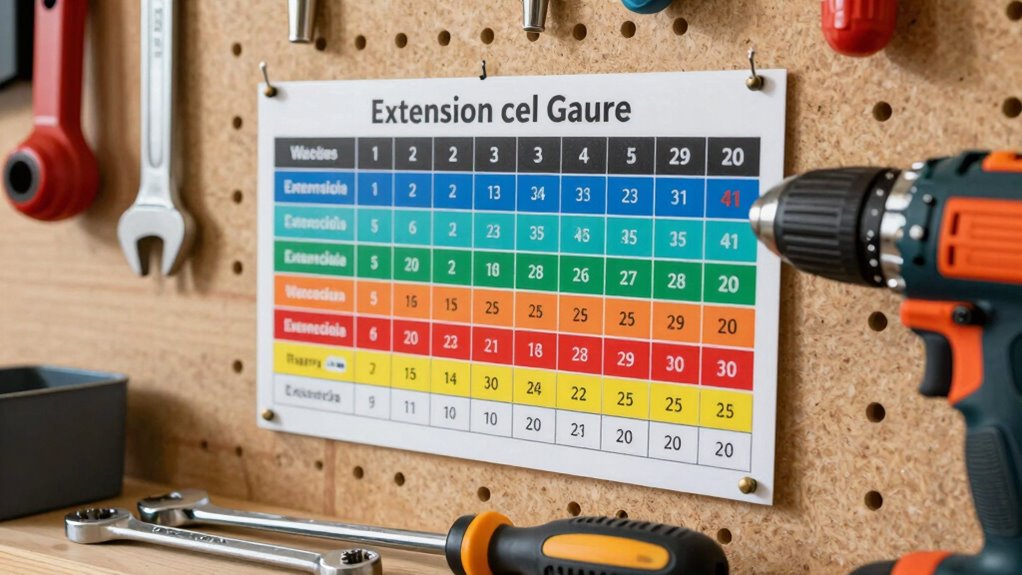
Using extension cords with garage tools requires caution to prevent accidents and equipment damage. Proper cord organization is key—keep cords untangled and out of walkways to avoid tripping hazards. Always check if your extension cord is rated for indoor or outdoor use; outdoor cords are designed to withstand weather, but indoor cords are not. Here are safety tips to keep you safe:
- Inspect cords regularly for cuts or frays before use.
- Use the right gauge for your tools to prevent overheating.
- Avoid overloading cords by plugging in too many devices.
- Keep cords away from water and wet surfaces for safety.
Following these tips helps prevent electrical shocks, fires, and equipment damage. Proper cord management and awareness are your best defenses.
How to Test Your Extension Cord for Safety and Performance
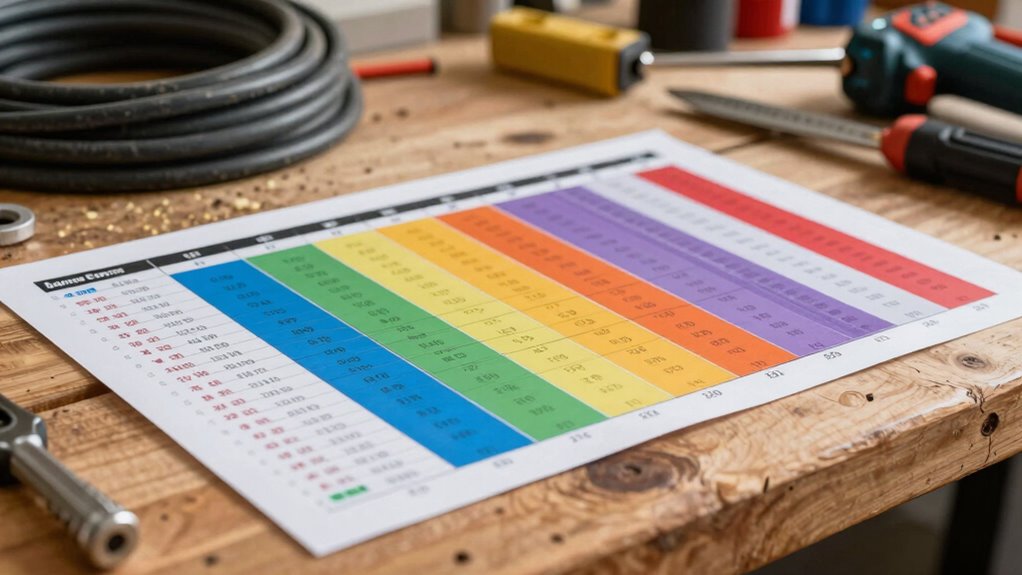
Before relying on an extension cord for your tools or appliances, it’s crucial to test it for safety and performance. First, inspect the cord insulation for any signs of damage, such as cuts, frays, or cracks, which can compromise safety. Next, check the power ratings stamped on the cord’s label to ensure it matches or exceeds your tool’s requirements. A cord with insufficient power ratings can overheat or cause electrical issues. Use a multimeter to test for continuity and proper grounding, confirming the cord’s internal wiring is intact and safe to use. If the cord shows any damage to the insulation or fails the electrical tests, replace it before plugging in your tools. Proper testing helps prevent electrical hazards and ensures reliable performance.
When and How to Replace Your Garage Extension Cord
Knowing when to replace your garage extension cord is essential for safety and ideal performance. Over time, cord insulation can wear down, exposing wires and increasing the risk of shocks or fires. If you notice any damage, it’s time to act.
Here are four signs to replace your cord:
- The insulation is cracked, frayed, or brittle, compromising safety.
- The plug no longer fits securely or shows signs of corrosion, affecting plug compatibility.
- The cord feels hot during use, indicating internal damage.
- You experience frequent tripping or flickering lights when plugged in.
Don’t delay replacing a damaged cord. Properly functioning insulation and a secure plug ensure your tools operate safely and efficiently.
Frequently Asked Questions
Can Using an Incorrect Gauge Damage My Garage Tools?
Using an incorrect gauge can definitely damage your garage tools. An undersized gauge may cause overheating and power loss, risking tool malfunction or electrical hazards. To guarantee extension cord safety, always select the right gauge based on your tools’ power needs and cord length. Follow gauge selection tips like choosing thicker gauges for longer distances, which helps prevent voltage drops and keeps your tools operating safely and efficiently.
How Does Temperature Affect Extension Cord Performance?
Temperature effects can greatly impact your extension cord’s performance. When it’s hot, the cord’s insulation may soften or degrade, reducing its durability and safety. Cold temperatures, on the other hand, can make the insulation brittle, increasing the risk of cracks and exposure of wires. Always choose cords with proper insulation for your environment, and avoid using damaged or worn cords in extreme temperatures to ensure safe, reliable power for your garage tools.
Are There Specific Gauges for Outdoor Garage Use?
Yes, there are specific gauges for outdoor garage use. You should look for extension cords with thicker gauges, like 12 or 14, to handle outdoor conditions. These cords feature weather resistance and durable cord insulation, which safeguard against moisture, UV rays, and temperature changes. Don’t take shortcuts—using the right gauge guarantees safety and performance. Remember, a stitch in time saves nine when selecting the proper extension cord for outdoor garage tasks.
What Is the Maximum Length for Safe Extension Cord Use?
You should keep extension cords under 100 feet for safe use, especially with heavy-duty garage tools. The cord material and insulation types influence safety and performance; rubber-insulated cords are more durable and resistant to moisture, making them ideal for outdoor garage use. Thicker gauge cords handle longer distances better, reducing voltage drops. Always choose a cord with appropriate insulation and gauge to guarantee safety and efficiency during your projects.
How Do I Identify a Damaged Extension Cord Safely?
You should always inspect your extension cord regularly for damage, especially since over 50% of electrical fires start with damaged cords. Look for frayed or cracked cord insulation, exposed wires, or burn marks. To stay safe, unplug the cord before checking, and avoid using it if you notice any damage. Damaged cords compromise electrical safety, increasing the risk of shocks or fires, so replace them immediately to keep your workspace safe.
Conclusion
Choosing the right extension cord gauge for your garage tools is like finding the perfect pair of shoes—necessary for comfort, safety, and performance. By understanding gauge charts, considering your project needs, and avoiding common pitfalls, you’ll keep your tools running smoothly and safely. Remember, a well-chosen cord is the backbone of efficient work—like a trusty sidekick, it’ll never let you down. Stay smart, stay safe, and keep your garage running like a well-oiled machine.