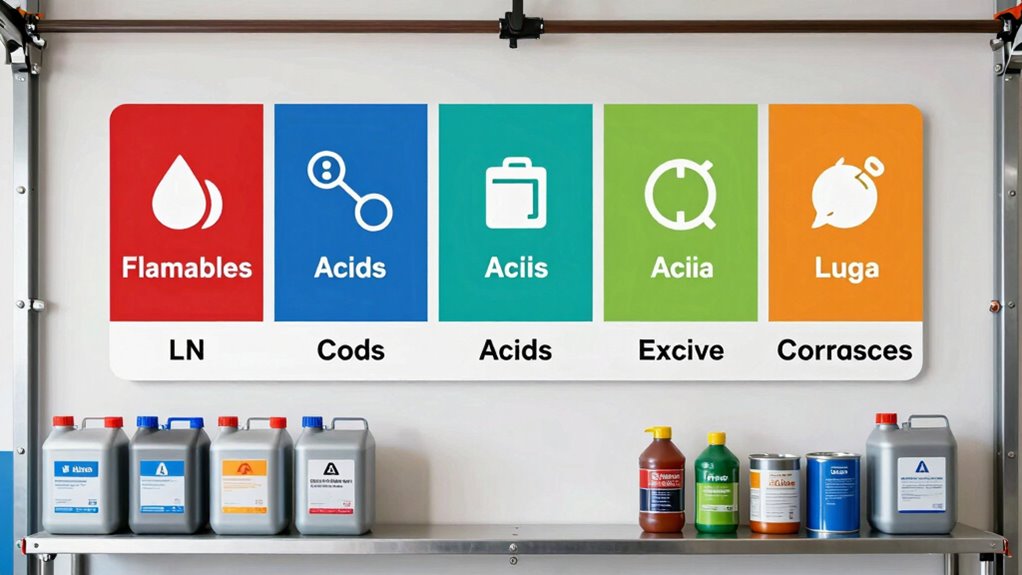

A chemical storage compatibility chart helps you identify which substances can safely coexist in your garage, reducing fire, explosion, or toxic release risks. It shows you which chemicals, like acids and bases or flammables and oxidizers, shouldn’t be stored together. By following this chart, you can organize your chemicals properly, label containers clearly, and prevent dangerous reactions. Keep exploring to learn more tips for maintaining a safe and hazard-free garage environment.

Get home appliances delivered free — and shop member deals
- Fast, free delivery on millions of items
- Access to Prime Big Deal Days deals on October 6–7
- Prime Video, Amazon Music and more included
Key Takeaways
- Use compatibility charts to identify which chemicals can be stored safely together and which should be separated.
- Recognize symbols, color codes, and ratings on charts to assess chemical hazards and reactivity levels.
- Store flammables away from heat sources and incompatible substances like acids and bases.
- Regularly review and update storage arrangements based on chemical compatibility to prevent dangerous reactions.
- Label containers clearly and organize chemicals using designated bins and shelving for easy identification and safety.
As an affiliate, we earn on qualifying purchases.
What Is a Chemical Compatibility Chart and Why Is It Crucial for Garage Storage?
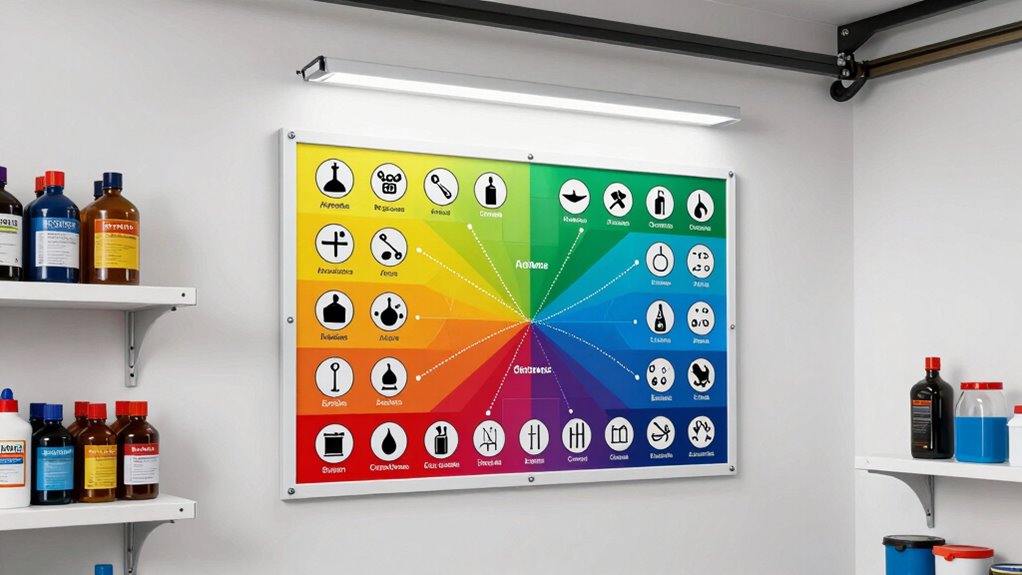
Have you ever wondered why certain chemicals shouldn’t be stored together? A chemical compatibility chart helps you understand this by showing which substances can safely coexist. These charts are essential because improper storage can lead to dangerous chemical reactions, like fires or toxic releases. They serve as a crucial part of storage guidelines, helping you prevent accidents and maintain a safe garage environment. By consulting a compatibility chart, you can identify incompatible chemicals, ensuring you don’t store corrosives next to flammables or reactive substances together. This proactive approach minimizes risks and keeps everyone safe. Remember, understanding chemical reactions and following proper storage guidelines isn’t just smart—it’s necessary for a secure, hazard-free garage. Additionally, chemical reactions can be unpredictable without proper knowledge, further emphasizing the importance of using compatibility charts. Proper understanding of chemical properties is fundamental to safe storage practices and avoiding hazardous incidents, especially since chemical interactions can sometimes escalate unexpectedly if not properly managed. Furthermore, incorporating storage safety principles into your routine helps prevent mishaps and promotes a safer workspace. Recognizing the role of creative storytelling in conveying safety messages can also enhance awareness and adherence to best practices.
flammable liquid storage containers
As an affiliate, we earn on qualifying purchases.
As an affiliate, we earn on qualifying purchases.
Common Chemicals in Your Garage and Their Storage Risks
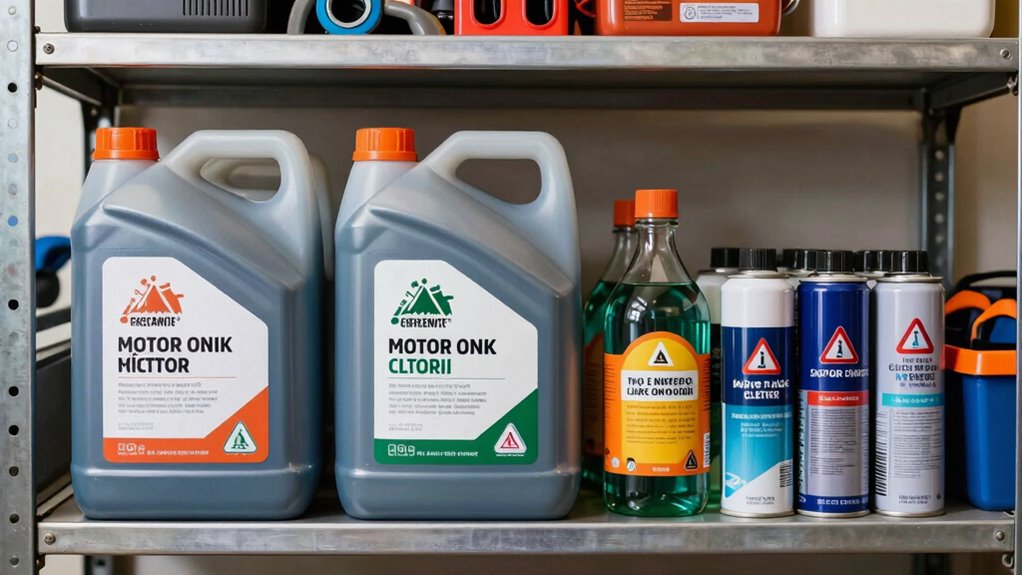
Your garage often contains a variety of chemicals that serve different purposes, from cleaning to maintenance. Common chemicals include gasoline, motor oil, antifreeze, paints, and cleaning products. These substances pose storage risks if not handled properly. For example, a chemical spill can occur if containers are damaged or improperly sealed, leading to hazardous exposure or environmental contamination. Using the right storage containers is essential—they should be leak-proof, clearly labeled, and made from compatible materials to prevent reactions. Flammable liquids like gasoline must be stored away from heat sources, while corrosive chemicals like bleach require separate, secure containers. Proper storage minimizes the risk of accidents, chemical spills, and dangerous reactions, keeping your garage safe and compliant with safety guidelines. Additionally, understanding storage compatibility helps prevent unintended chemical reactions that could pose safety hazards. Regularly reviewing chemical storage guidelines can further ensure safe handling and reduce the risk of accidents. Implementing proper ventilation and safety measures, such as fire extinguishers, is also crucial for comprehensive chemical safety in your garage. To further enhance safety, consider conducting periodic chemical inventory checks to keep track of stored substances and identify potential hazards proactively. Being aware of chemical reactivity can help you better understand which chemicals should never be stored together.
chemical storage bins for garage
As an affiliate, we earn on qualifying purchases.
As an affiliate, we earn on qualifying purchases.
How to Read and Use a Chemical Compatibility Chart to Prevent Reactions
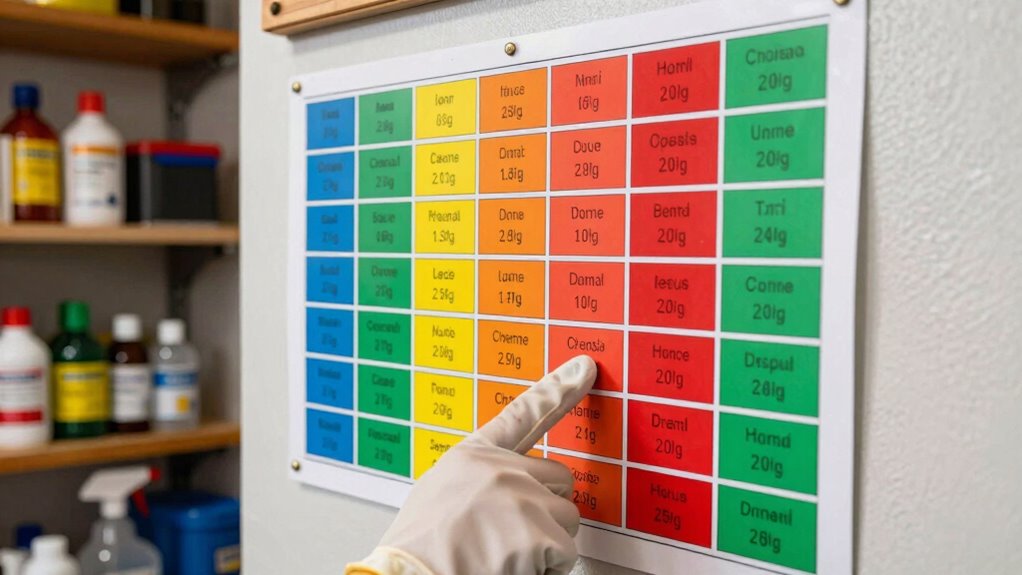
Understanding how to read a chemical compatibility chart is essential for preventing dangerous reactions when storing or mixing chemicals. You’ll need to identify symbols, color codes, and compatibility ratings that indicate which chemicals can safely share storage spaces. You’ll also want to familiarize yourself with chemical storage guidelines based on compatibility ratings to ensure safe handling. Look for clear indicators showing whether chemicals are compatible or may cause hazardous chemical reactions. Recognizing visual cues such as symbols and color codes on the chart helps interpret safety levels more efficiently. Additionally, understanding chemical reactivity can help you anticipate potential risks when dealing with different substances. Developing a good grasp of storage safety practices further enhances your ability to prevent accidents. Visualize a grid where rows and columns list chemicals, with symbols or colors signaling safe combinations. Imagine a chemical’s label showing specific storage guidelines based on its compatibility with others. Picture avoiding mixing incompatible chemicals that could lead to dangerous reactions, spills, or fumes.
As an affiliate, we earn on qualifying purchases.
Tips for Organizing Chemicals Safely in Your Garage
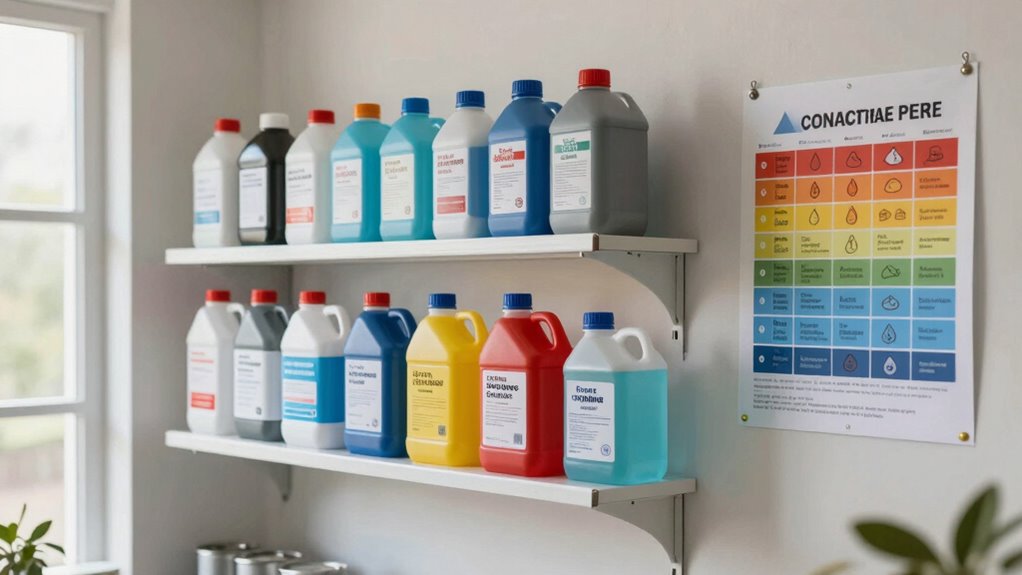
Organizing chemicals safely in your garage starts with knowing which substances can stay together and which must be kept apart. Use DIY storage solutions like labeled bins and sturdy shelving to separate chemicals by type and compatibility. Store flammable liquids in approved, ventilated containers away from heat sources, and keep acids and bases in separate, clearly marked areas. Always follow the chemical compatibility chart to prevent dangerous reactions. Regularly review your inventory and dispose of expired or unused chemicals responsibly through proper chemical disposal methods. Label all containers clearly, and avoid storing chemicals on the floor to reduce spill risks. Proper organization not only keeps your garage safe but also makes it easier to find what you need without unnecessary exposure or hazards.
Chemicals That Must Never Be Stored Together in Your Garage
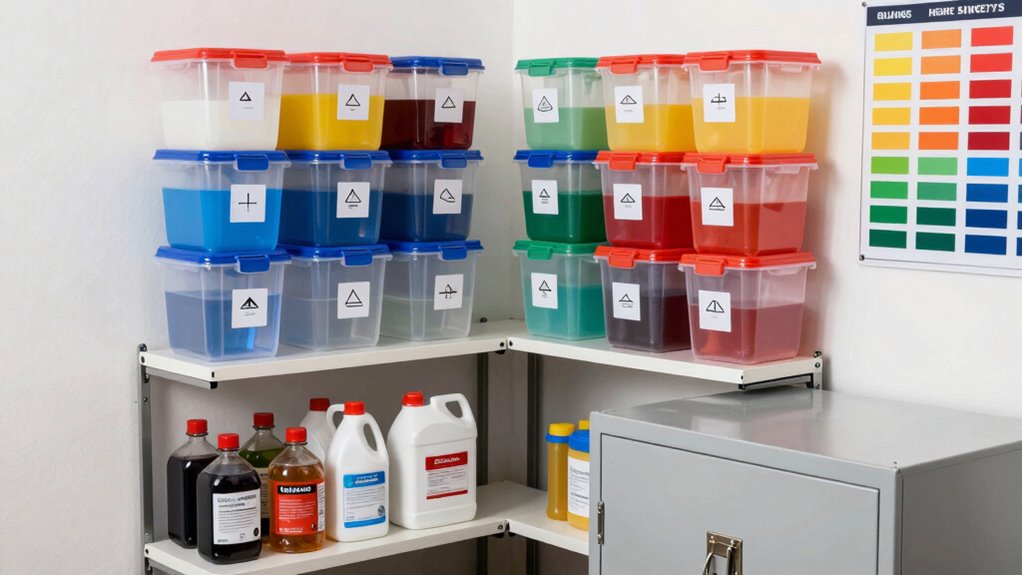
You need to be aware that storing certain chemicals together can lead to dangerous reactions or fires. Reactive chemicals and flammable substances should always be kept apart to prevent accidents. Understanding these hazards helps you keep your garage safe for everyone. Being aware of chemical compatibility is essential for making informed storage decisions. Always consult material safety data sheets (MSDS) before storing chemicals to ensure proper handling and separation. Proper contingency plans can also help manage emergencies if they occur. Additionally, knowing cleaning and maintenance tips can help prevent chemical spills and reduce hazards over time. Recognizing hazardous chemical signs can further improve safety awareness and response readiness.
Reactive Chemical Interactions
Certain chemicals can react violently if stored together, posing serious safety hazards. These reactive pairs can compromise chemical stability, leading to explosions, fires, or toxic releases. To prevent accidents, avoid storing:
- Acids and alkalis directly next to each other, which can produce dangerous heat or fumes.
- Chlorine bleach near ammonia, creating toxic chloramine vapors.
- Petroleum-based solvents close to oxidizers, risking ignition or explosion.
Understanding reactive chemical interactions is essential for safety. When incompatible chemicals meet, they can produce unpredictable reactions, harming you and damaging property. Always identify reactive pairs and keep them separated. Proper storage minimizes the risk of dangerous reactions and helps maintain chemical stability in your garage. Remember, safety begins with awareness of which chemicals should never be stored together. Chemical compatibility is a crucial aspect of safe storage practices, especially when considering reactive chemical interactions. Additionally, understanding chemical reactivity can help prevent hazardous situations before they occur. Recognizing reactive chemical pairs can significantly reduce the risk of accidents in your storage area.
Flammable Substance Hazards
Have you ever considered how easily flammable substances can ignite if stored together? Mixing chemicals like gasoline, paint thinners, and propane can create a dangerous fire hazard. Proper fire prevention means keeping these materials separate and in well-ventilated, cool areas away from heat sources. Never store flammable liquids near sparks, open flames, or electrical equipment. If you find expired or unused chemicals, prioritize chemical disposal promptly to reduce risk. Storing incompatible substances together increases the chance of accidental ignition, leading to fires that can quickly spread. Always label and organize your garage storage to prevent accidental mixing. Additionally, understanding flammability and ignition sources is crucial for effective fire safety. Remember, preventing fires starts with understanding these hazards and taking proactive steps to keep flammable substances apart. Maintaining proper chemical storage practices significantly reduces the risk of fires and promotes a safer environment.
How to Label and Secure Chemical Containers for Safety

Properly labeling and securing chemical containers is essential for maintaining safety in any setting that handles hazardous substances. Clear chemical labeling helps you quickly identify contents, reducing the risk of accidental misuse or mixing. Container security involves using appropriate storage methods to prevent spills, leaks, or unauthorized access. To achieve this, you should:
- Use waterproof, legible labels with hazard symbols for quick recognition
- Guarantee lids and caps are tightly sealed to prevent leaks or spills
- Store chemicals in designated, ventilated areas away from heat or ignition sources
Proper Ways to Handle and Store Hazardous Chemicals
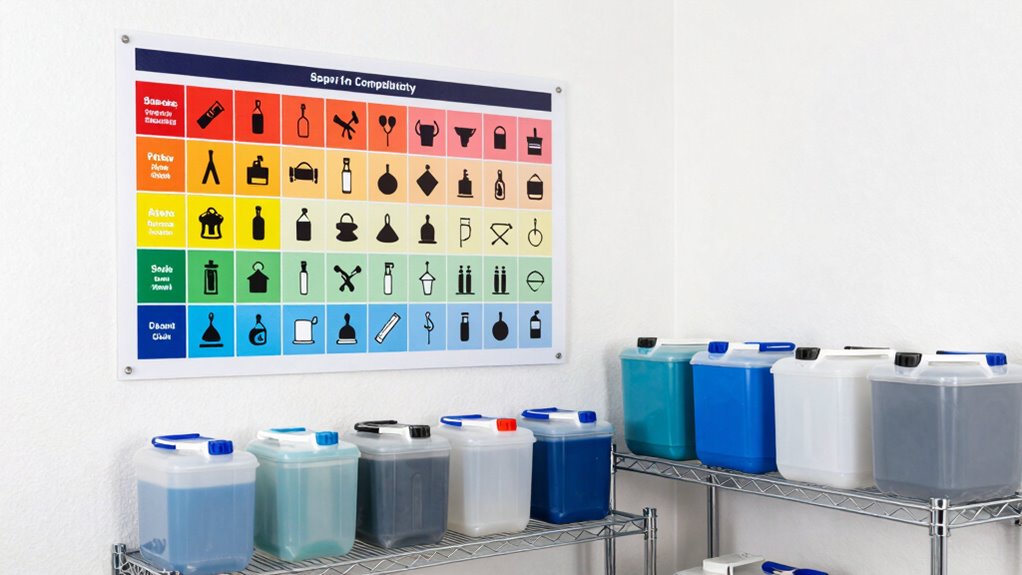
Handling and storing hazardous chemicals correctly is essential to maintaining a safe environment. Always use proper storage containers designed for specific chemicals to prevent leaks and spills. When handling hazardous substances, wear protective gear like gloves and goggles to avoid contact. If you need to dispose of chemicals, follow local regulations for chemical disposal to prevent environmental harm. Store chemicals in well-ventilated areas, away from sources of heat or ignition, and keep incompatible substances separate. Label containers clearly to identify contents and hazards. Regularly check storage containers for damage or leaks, and replace them if necessary. By following proper handling and storage practices, you reduce risks and guarantee a safer garage environment for everyone.
Regularly Maintain and Inspect Your Garage Chemical Storage
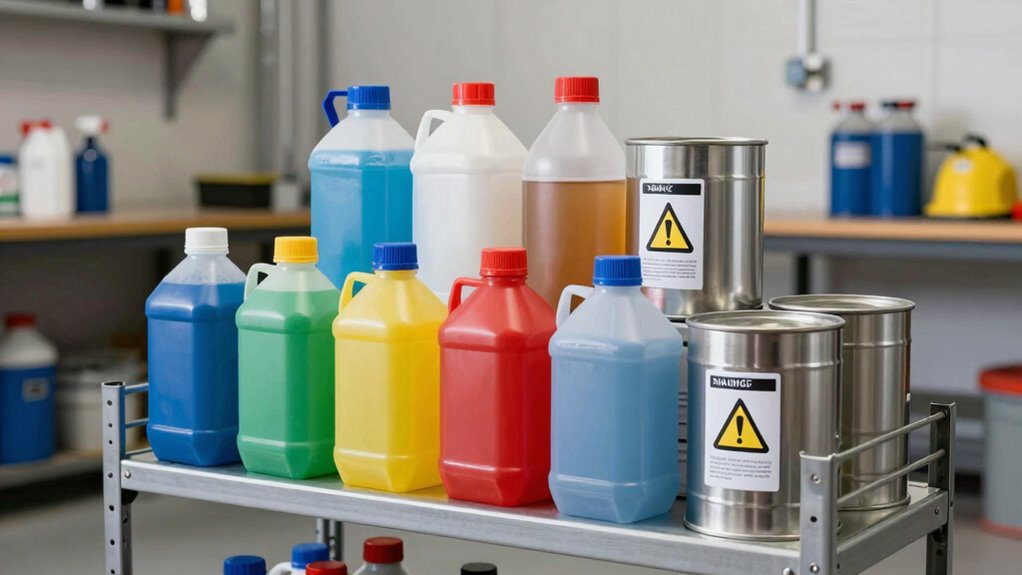
Regular maintenance and regular inspections are essential to guaranteeing your garage’s chemical storage remains safe and effective. You need to stay proactive with garage organization and storage optimization to prevent accidents. Check for leaks, corrosion, or damage to containers, and ensure labels are visible and legible. Regularly review your storage setup to confirm chemicals are stored according to compatibility guidelines. Keep an eye out for clutter that could cause spills or mix incompatible substances.
- Visualize a tidy shelf with clearly labeled bottles, each in its designated spot
- Imagine a well-lit space where you can easily spot signs of wear or leaks
- Picture a neatly arranged storage area that prevents accidental mixing or tipping
Resources to Help You Create a Safe Garage Chemical Storage Plan

To develop a safe garage chemical storage plan, you need reliable resources that emphasize essential safety equipment and proper labeling techniques. These tools help you identify hazards and guarantee chemicals are stored correctly. Using the right resources makes it easier to create a secure, compliant storage system.
Essential Safety Equipment
Having the right safety equipment is essential for creating a secure garage chemical storage plan. It helps protect you during incidents like chemical spills and guarantees proper ventilation. A well-equipped garage includes items like a chemical spill kit, fire extinguisher, and protective gear. A spill kit with absorbent materials allows you to contain and clean up chemicals safely. A fire extinguisher nearby can prevent small fires from escalating, especially with flammable substances. Additionally, a robust ventilation system helps disperse harmful fumes, reducing health risks. Visualize yourself quickly grabbing gloves, a mask, or a spill absorbent pad when needed. Proper safety equipment minimizes hazards, keeps you prepared, and maintains a safe environment in your garage.
Proper Labeling Techniques
Proper labeling techniques are vital to guarantee everyone handling chemicals understands their hazards and safe handling procedures. Use clear, legible labels with consistent color coding to identify chemical types quickly—red for flammables, yellow for oxidizers, and blue for health hazards. Incorporate universally recognized labeling symbols to communicate risks effectively, such as corrosive or toxic icons. Make sure labels include essential information like chemical name, date stored, and safety precautions. Proper labels prevent accidents and streamline emergency response. Regularly inspect labels for damage or fading, replacing them as needed. Consistent labeling practices foster a safer garage environment and help you maintain compliance with safety standards. Well-executed labeling techniques are an essential part of your overall chemical storage plan.
Frequently Asked Questions
How Often Should I Update My Chemical Compatibility Chart?
You should update your chemical compatibility chart whenever you add new chemicals or change storage practices. Regularly reviewing your chart helps guarantee proper chemical labeling and maintains safe storage organization. It’s a good idea to check it at least every six months or after any garage renovations. Keeping the chart current helps prevent dangerous reactions, making your garage safer and ensuring you follow safety guidelines consistently.
Are There Portable Storage Solutions for Hazardous Chemicals?
Yes, there are portable storage solutions for hazardous materials. You can use sturdy, leak-proof portable containers specifically designed for hazardous chemicals, ensuring they meet safety standards. These containers are often made from chemical-resistant materials and have secure lids to prevent spills. Using portable containers allows you to safely transport and store hazardous materials, especially in garages or workspaces, helping to minimize risks and maintain a safe environment.
What Are the Legal Requirements for Chemical Storage in Garages?
You must follow strict legal requirements when storing chemicals in your garage. Proper chemical labeling guarantees safe identification, while using approved storage containers prevents leaks and accidents. Did you know that improper storage accounts for over 20% of garage-related chemical incidents? Make certain your storage practices meet local regulations, keep incompatible chemicals apart, and regularly inspect containers for damage. Staying compliant protects you, your family, and the environment from potential hazards.
How Can I Train Family Members on Chemical Safety?
You can train your family members on chemical safety by demonstrating proper chemical handling and emphasizing the importance of family safety. Use simple, clear instructions and hands-on practice to teach them how to store chemicals correctly and recognize hazards. Reinforce safety rules regularly, and guarantee everyone knows emergency procedures. Making safety a priority fosters responsible chemical handling and helps prevent accidents in your garage.
What Are the Signs of Chemical Container Deterioration?
Like a ticking time bomb, a deteriorating chemical container shows signs you shouldn’t ignore. Look for leaks, corrosion, or discoloration, which indicate deterioration signs. Bulging or cracks on the container’s surface also signal it’s compromised. Foul odors or sediment at the bottom further warn you. Recognizing these signs helps you prevent spills or accidents, keeping your family safe. Always handle and dispose of chemical containers with care when deterioration is evident.
Conclusion
By following these safety tips and referring to a chemical compatibility chart, you’ll turn your garage into a fortress of safety—shielding your home and loved ones from potential chemical disasters. Proper storage and organization aren’t just good ideas; they’re your first line of defense against accidents that could be as catastrophic as a wildfire. Take charge now, and transform your garage into a safe haven where chemicals are kept in check and hazards are kept at bay.
Halloween Picks
halloween
As an affiliate, we earn on qualifying purchases.