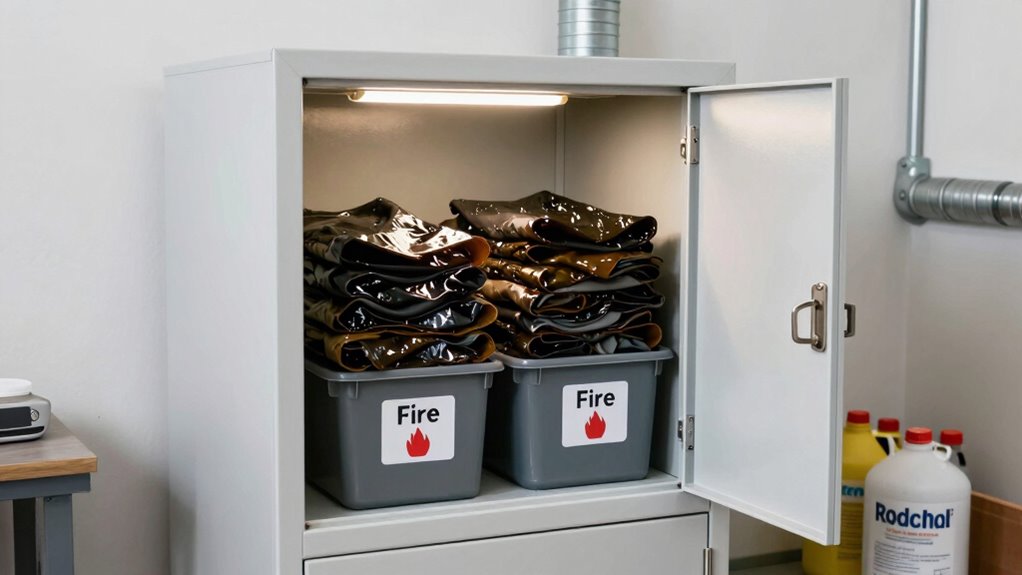

To safely store oily rags and flammables, you should use airtight, fire-resistant containers designed for hazardous materials. Keep containers sealed tightly to prevent vapor buildup and guarantee proper ventilation in your storage area to reduce fire risk. Avoid overfilling and don’t dispose of oily rags in regular trash. Regularly inspect your storage setup and follow safety regulations. If you keep these tips in mind, you’ll find out more ways to minimize fire hazards effectively.

Get home appliances delivered free with Prime
- Fast, free delivery on millions of items
- Prime Video, Amazon Music and more included
- Member-only deals all year
Key Takeaways
- Store oily rags in airtight, fire-resistant containers immediately after use to prevent vapor buildup and fire risks.
- Use compatible, non-reactive materials like stainless steel or approved plastics for storage containers.
- Ensure containers are sealed tightly and properly vented to control vapor release and prevent pressure buildup.
- Keep storage areas well-ventilated with regular maintenance of vents and exhaust systems to disperse flammable vapors.
- Organize storage areas to prevent spills, keep flammable materials separate, and ensure clear labeling for safety and emergency response.
fire-resistant hazardous material storage container
As an affiliate, we earn on qualifying purchases.
As an affiliate, we earn on qualifying purchases.
How to Recognize and Classify Flammable Materials and Oily Rags
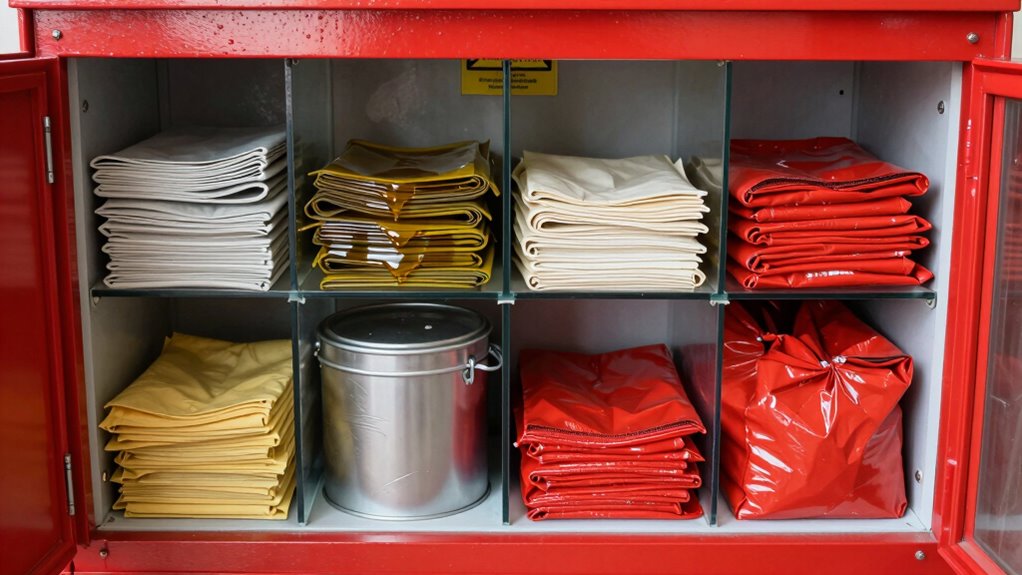
Recognizing and classifying flammable materials and oily rags is essential for maintaining a safe workspace. You need to understand how chemical reactions can cause these materials to ignite unexpectedly. Flammable materials often include solvents, fuels, and certain paints, which release vapors that ignite easily. Oily rags soaked in combustible substances can also pose fire risks. Storage regulations specify how to handle these items safely—such as keeping them in approved containers and away from heat sources. Pay attention to labels and Material Safety Data Sheets (MSDS) to correctly identify hazardous substances. Proper classification helps prevent accidents caused by chemical reactions, ensuring you store each item according to safety standards. Additionally, understanding flammable materials and their potential hazards is crucial for effective safety management. Accurate recognition and classification are key to minimizing fire hazards and maintaining a safe environment. Being aware of fire risk factors can further enhance your safety protocols and emergency preparedness. Recognizing the signs of spontaneous combustion in oily rags is also vital, as improper storage can lead to unexpected fires. Incorporating knowledge of sound vibrations and their effects can aid in developing better safety practices, especially in environments where chemical reactions are involved.
airtight flammable liquid storage container
As an affiliate, we earn on qualifying purchases.
As an affiliate, we earn on qualifying purchases.
Choosing the Right Storage Containers for Flammable Materials
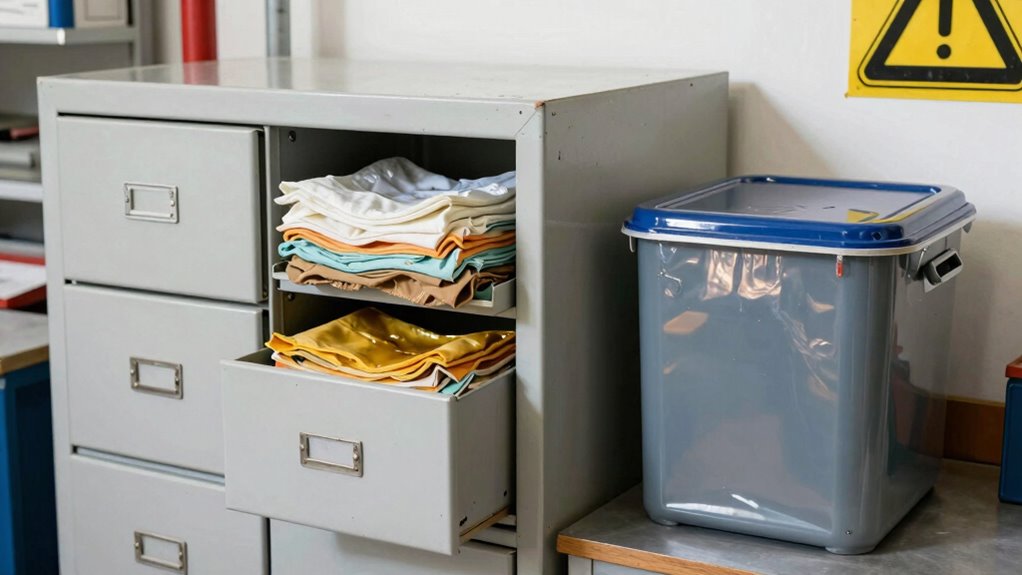
When selecting storage containers for flammable materials, you need to take into account material compatibility to prevent reactions or deterioration. It’s also important to choose containers that are sealable to contain vapors and prevent leaks, while ensuring proper ventilation to reduce the risk of fire. Making the right choices here helps keep your storage safe and compliant. Additionally, using appropriate containers for flammable liquids can further minimize hazards and ensure safe handling. Proper wiring practices and managing heat buildup are essential to prevent heat-related incidents that could ignite flammable substances. Ensuring proper storage practices can significantly reduce the risk of accidents involving flammable substances. Incorporating ventilation systems in storage areas can also help dissipate any vapors that might accumulate, further increasing safety.
Material Compatibility Considerations
Choosing the right storage containers for flammable materials is essential to prevent accidents and guarantee safety. You must consider material compatibility to avoid unwanted chemical reactions, which can compromise container integrity or cause dangerous leaks. Certain plastics or metals may react with specific chemicals, leading to material degradation that weakens the container over time. Selecting containers made from non-reactive materials like certain plastics, stainless steel, or approved metal alloys ensures that stored substances remain stable and safe. Always verify that the container’s material aligns with the flammable material’s chemical properties. Proper material compatibility minimizes risks of deterioration, leaks, or fires, and helps maintain a secure storage environment. Being diligent about flammable material safety is a critical step in safe storage practices. Additionally, consulting industry standards can provide guidance on appropriate container choices for various chemicals.
Sealability and Ventilation
Proper sealability and ventilation are essential factors when selecting storage containers for flammable materials. You need containers with excellent seal integrity to prevent vapors from escaping, reducing fire risk. Look for tight-fitting lids or closures that lock in fumes securely. Ventilation is equally important; containers should allow some air circulation to prevent vapor buildup while still maintaining a sealed environment. Proper venting minimizes pressure buildup and reduces the chances of accidental ignition. Avoid containers that are completely airtight if they don’t offer controlled airflow, as trapped vapors can become hazardous. The goal is to balance sealability and ventilation, ensuring flammable materials stay contained safely without risking vapor accumulation or pressure build-up. This approach helps keep your storage safe and compliant.
vented safety storage container for oily rags
As an affiliate, we earn on qualifying purchases.
As an affiliate, we earn on qualifying purchases.
How to Ventilate Your Storage Area Safely
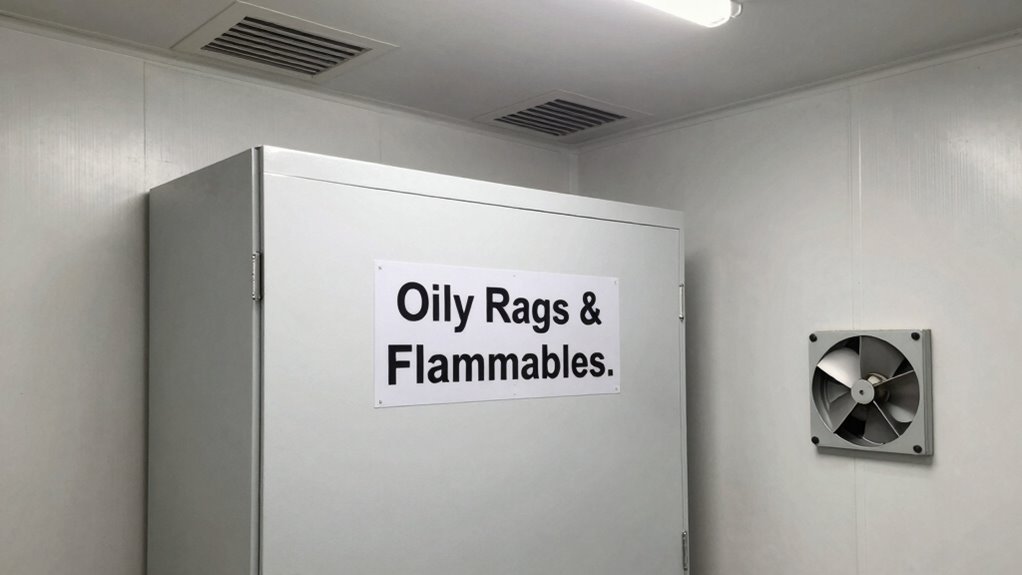
To keep your storage area safe, you need to use proper ventilation techniques that prevent the buildup of flammable vapors. Make certain to avoid ignition sources like sparks or open flames, and check your ventilation system regularly to ensure it’s working effectively. Good ventilation is key to reducing fire risks and maintaining a safe environment. Additionally, understanding the flammability of oily rags used in maintenance can help you implement better storage practices. Proper airflow can also help dissipate volatile vapors, further minimizing the risk of fire or explosion. Ensuring your storage area has adequate ventilation methods can significantly improve safety by preventing the accumulation of dangerous fumes. Recognizing the importance of quality and durable storage equipment can further enhance safety and compliance. Regularly inspecting your ventilation system can help identify potential issues before they pose a hazard.
Proper Ventilation Techniques
Ensuring proper ventilation in your storage area is essential to prevent the buildup of flammable vapors and reduce the risk of fire. You should create effective airflow patterns that direct vapors away from the storage space. Position exhaust systems strategically to capture fumes at their source, such as near oily rags or flammable materials. Use vent openings or exhaust fans that promote continuous air circulation, preventing stagnant air pockets. Ensure that airflow moves in a consistent, controlled manner, ideally from clean, fresh air into the storage area and out through exhaust outlets. Regularly inspect and maintain ventilation equipment to keep it functioning properly. Proper ventilation techniques minimize vapor accumulation and help keep your storage environment safe.
Avoiding Ignition Sources
Effective ventilation not only helps disperse flammable vapors but also plays a vital role in preventing ignition sources from sparking a fire. To guarantee spark prevention, keep electrical equipment and lighting rated for hazardous locations and avoid using extension cords or portable heaters in storage areas. Maintain electrical safety by inspecting wiring regularly for damage or wear, and turn off all non-essential electrical devices when not in use. Avoid open flames, sparks, or smoking in or near the storage area. Proper ventilation reduces vapor buildup, decreasing the chance of ignition. Implementing climate-conscious storage practices can further minimize fire risks associated with oily rags and flammable materials. Additionally, ensuring proper ventilation systems are in place can enhance vapor dispersal and safety. Controlled airflow helps prevent vapor accumulation and reduces fire hazards. Regularly updating safety protocols based on current regulations can also help prevent potential accidents. By controlling electrical safety and eliminating ignition sources, you greatly lower the risk of fire caused by oily rags and flammable materials. Incorporating hazard awareness into your safety measures ensures a proactive approach to preventing fires.
Regular Ventilation Checks
Regularly checking your ventilation system is essential for maintaining a safe storage area. Proper ventilation prevents the buildup of flammable vapors and reduces fire risk. Make sure your equipment labeling clearly indicates the ventilation system’s function and maintenance schedule. Keep your storage organized so that vents aren’t blocked by boxes or supplies, ensuring air flows freely. Routinely inspect fans, filters, and vents for cleanliness and proper operation. If you notice any obstructions or signs of malfunction, address them immediately. Consistent checks help identify issues before they become hazards. Properly ventilated storage spaces minimize vapor accumulation, keeping the environment safe. Incorporating regional flavors and insights from expert sources can further enhance safety measures. Regular maintenance of your airflow system helps ensure optimal performance and safety.
stainless steel hazardous material storage bin
As an affiliate, we earn on qualifying purchases.
As an affiliate, we earn on qualifying purchases.
Safe Disposal Methods for Oily Rags and Flammable Waste
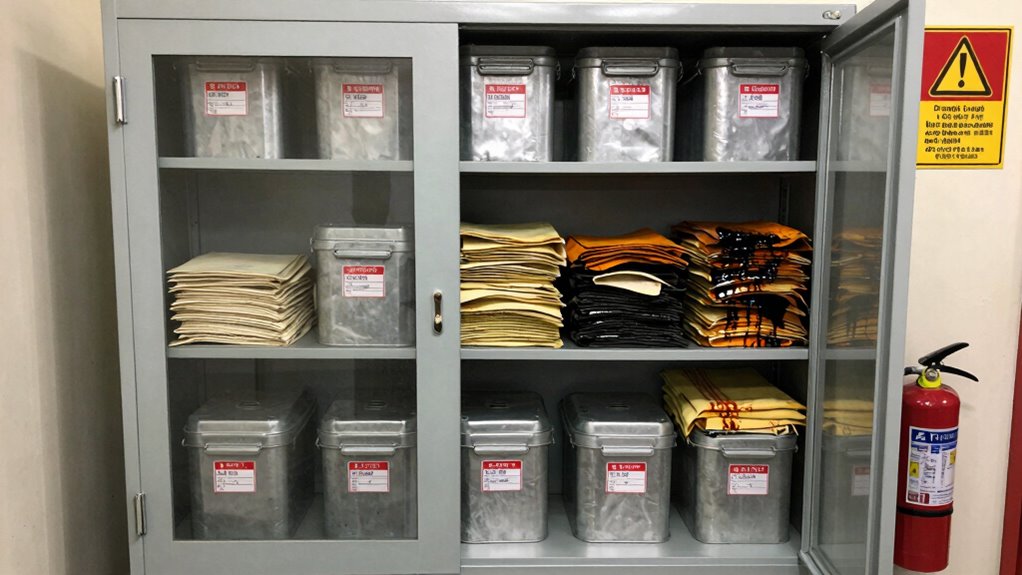
Disposing of oily rags and flammable waste properly is vital to prevent fires and protect your safety. Improper disposal can lead to dangerous chemical reactions, making it imperative to follow correct procedures. Always make certain rags are fully dried or stored in approved containers before disposal. Proper storage labeling helps identify hazardous waste, reducing accidental mishandling. To safely dispose of oily rags and flammable waste:
- Place used rags in airtight, fire-resistant containers immediately after use.
- Avoid stacking or overfilling containers to prevent chemical reactions.
- Follow local regulations for hazardous waste disposal.
- Never throw oily rags into regular trash or dumpsters.
These steps minimize risk, guarantee safe handling, and prevent unwanted chemical reactions that could ignite fires.
Selecting Fire-Resistant Cabinets and Storage Solutions
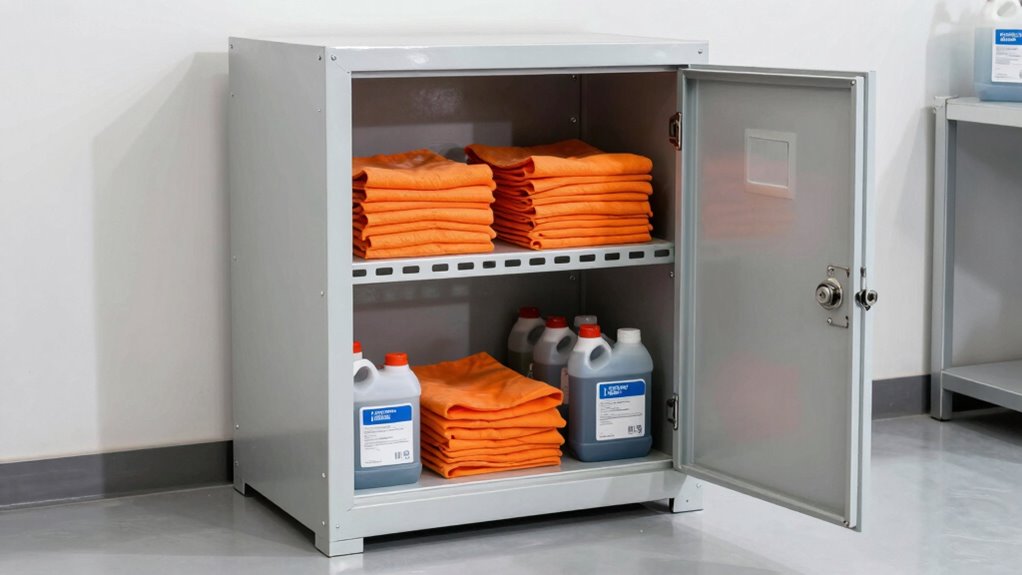
Choosing the right storage solutions is a key step in maintaining safety when handling oily rags and flammable materials. Fire-resistant cabinets are essential, as they are designed to contain fires and prevent flames from spreading. Look for cabinets with fire-resistant coatings, which provide an extra layer of protection against heat and sparks. Proper storage labeling is equally important; clearly mark areas designated for flammables and oily rags to prevent accidental mix-ups. Confirm cabinets are ventilated and meet safety standards set by local regulations. Investing in quality fire-resistant storage solutions helps reduce fire risks and ensures quick access during emergencies. Regularly inspect and maintain these cabinets to keep them effective, and always follow manufacturer instructions for safe use.
Common Mistakes in Storing Flammable Materials and How to Avoid Them
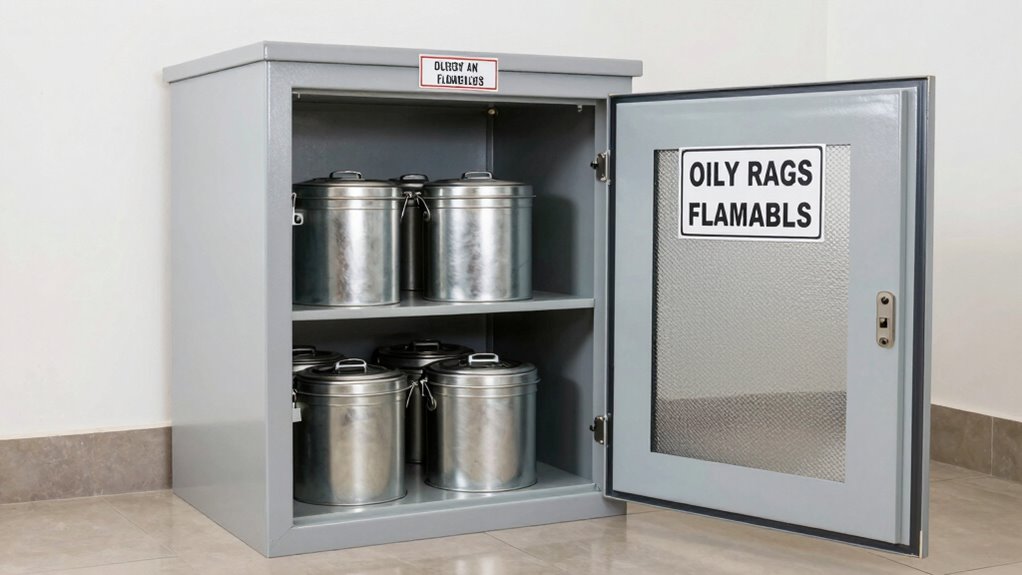
One common mistake in storing flammable materials is failing to follow proper labeling and organization practices, which can lead to dangerous mix-ups. Proper labeling helps you handle hazardous substances safely and guarantees quick identification during emergencies. To avoid this, keep these tips in mind:
- Clearly label all containers with contents and hazard levels.
- Store flammables separate from oxidizers and other reactive chemicals.
- Maintain organized storage areas to prevent accidental spills or mishandling.
- Regularly review and update your emergency response planning to address potential hazards.
Neglecting these steps increases fire risks and hampers response efforts during emergencies. Proper handling hazardous substances and clear organization are essential for safe storage, reducing accidents and ensuring quick, effective action when needed.
How to Create a Fire Safety Plan for Your Home or Workshop
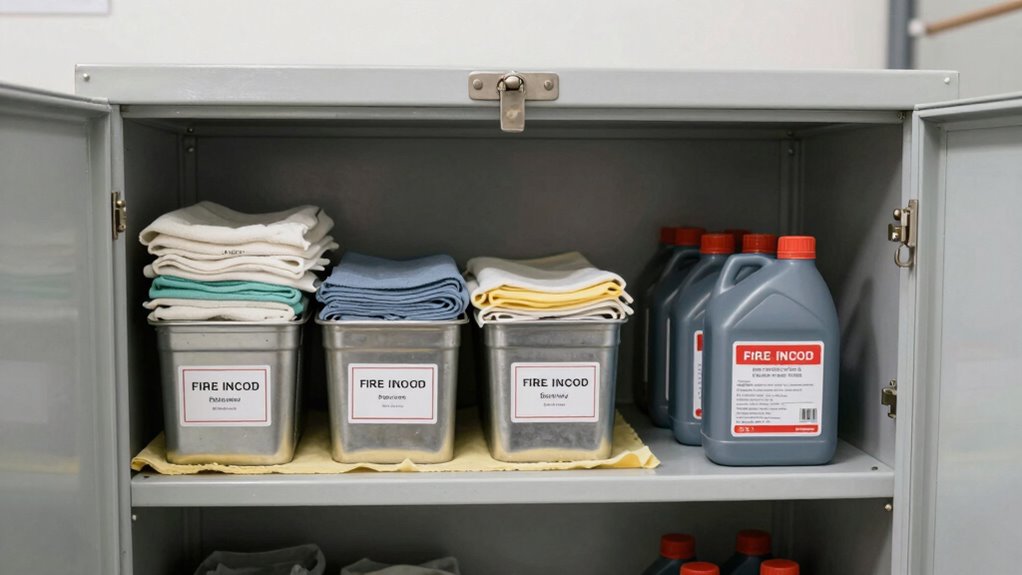
Creating a fire safety plan for your home or workshop is essential to protect yourself, your family, and your property. Start by identifying multiple exits and ensuring they’re unobstructed for quick emergency evacuation. Install and regularly test fire alarm systems so you’re alerted immediately to any danger. Designate a safe meeting spot outside, where everyone can gather after evacuating. Practice your plan regularly with all household members or coworkers, so everyone knows what to do in a fire. Keep emergency numbers handy and update your plan as needed. Having clear procedures in place helps reduce panic and confusion during an actual fire, making sure you respond quickly and effectively to protect yourself and those around you.
Regularly Inspect and Maintain Your Flammable Storage Area
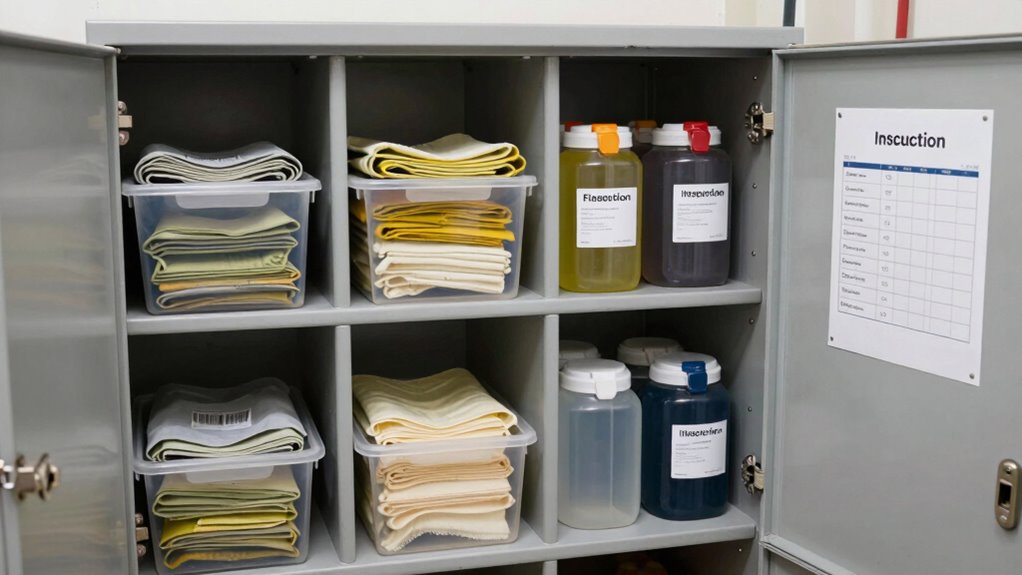
After developing a fire safety plan, it’s important to regularly inspect and maintain your flammable storage area to keep it safe. Check that storage container labels are clear, intact, and correctly identify contents to prevent mishandling. Regularly clean the area to remove any leaks or spills that could ignite. Make sure fire safety training is up-to-date so everyone knows how to respond quickly. Here are four key steps:
Regularly inspect, clean, and update training to keep your flammable storage area safe and compliant.
- Verify labels on all containers are visible and accurate.
- Inspect for signs of corrosion or damage in storage containers.
- Keep the area free of clutter and potential ignition sources.
- Schedule periodic safety audits to identify hazards early.
Consistent maintenance helps prevent accidents and ensures your storage area remains compliant and safe.
Frequently Asked Questions
Are There Specific Labels Required for Flammable Storage Containers?
Yes, you need specific labels for flammable storage containers. You should use clear flammable labeling that warns of the danger and indicates the container’s contents. Additionally, guarantee your containers meet proper standards, such as being approved for flammable storage, to prevent accidents. Proper labeling and container standards help you comply with safety regulations, reduce risks, and ensure everyone handling the materials understands the hazards involved.
How Often Should Storage Areas for Oily Rags Be Inspected?
Think of your storage area as a ticking time bomb—regular inspections are essential. You should check oily rags storage areas at least weekly, ensuring containers are sealed tightly and free of leaks. Regular storage container maintenance reduces fire hazard awareness, preventing potential fires before they ignite. By staying vigilant and inspecting often, you keep your workspace safe, minimizing risks and demonstrating responsible handling of flammable materials.
Can Natural Ventilation Replace Mechanical Ventilation in Storage Areas?
Natural ventilation cannot fully replace mechanical alternatives in storage areas. While natural airflow helps reduce fumes and moisture, it’s often inconsistent and depends on weather conditions. Mechanical ventilation provides controlled, continuous airflow, ensuring better safety when storing oily rags and flammables. For maximum safety, combine natural ventilation with mechanical systems or rely on them entirely, especially in environments with high flammable material concentrations.
What Training Is Necessary for Safe Handling of Flammable Materials?
Did you know that proper training reduces fire incidents by 50%? You need to understand fire safety protocols and hazard prevention to handle flammable materials safely. This includes recognizing potential hazards, proper storage techniques, and emergency response procedures. You should also learn how to use fire extinguishers correctly and handle oily rags safely to prevent fires. Regular training keeps you prepared, minimizes risks, and promotes a safer work environment.
Are There Legal Regulations Governing Storage Distances From Buildings?
Yes, there are legal regulations that govern storage distances from buildings to guarantee storage safety and regulatory compliance. You must follow local fire codes and OSHA standards, which specify minimum distances for storing flammable materials. These regulations aim to prevent fires and explosions, so it’s essential to keep oily rags and flammables away from structures, ignition sources, and areas with high foot traffic. Always check your local authorities’ guidelines for exact requirements.
Conclusion
By treating your oily rags and flammable materials with care, you’re gently guiding them to a safe resting place, far from the sparks of trouble. With mindful storage, proper ventilation, and regular check-ins, you create a cozy environment where safety blossoms. Think of your space as a peaceful garden, free of hidden hazards, allowing your projects to flourish without worry. Keep vigilance close, and your workspace will remain a sanctuary of security.
Cold & flu season Picks
humidifiers
As an affiliate, we earn on qualifying purchases.