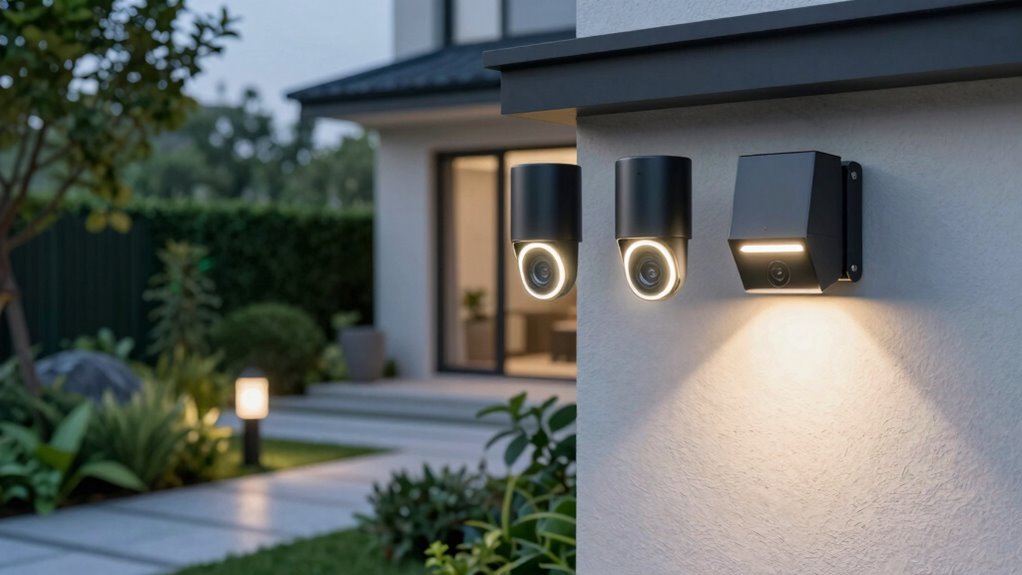

For most homes, I’d start with the Blink Outdoor 2K+ Floodlight Camera System with Sync Module Core, which pairs sharper 2K video with a bundled hub. The Tapo C615F KIT stands out for solar power and pan-and-tilt coverage, while the eufy Floodlight Camera E30 adds AI detection and tracking for broader activity monitoring. The main tradeoffs are battery or solar upkeep versus wired power, fixed views versus tracking, and local features versus ecosystem and subscription requirements. A wireless label does not always mean maintenance-free: power source and network setup still shape day-to-day ownership. Read on for the full comparison, buyer guidance, and recommendations by need.

Get home appliances delivered free with Prime
- Fast, free delivery on millions of items
- Prime Video, Amazon Music and more included
- Member-only deals all year
Complete the kit



Key Takeaways
- Blink Outdoor 2K+ with Sync Module Core leads this lineup for balanced resolution and a bundled system, while the separate 1-camera 2K+ listing may suit buyers who need fewer components.
- Tapo C615F KIT and Reolink Solar Floodlight foreground solar power, but solar convenience depends on panel placement and the amount of usable sunlight.
- eufy E30 differentiates itself with AI detection and tracking; buyers who want a fixed, simpler view may not benefit from those added capabilities.
- Arlo Pro 3 and the Arlo Wireless Floodlight Camera both offer 2K HDR, so buyers should compare the exact model and included accessories rather than relying on similar naming.
- Google Nest Cam with Floodlight is the lineup’s ecosystem-oriented choice, while the Blink Outdoor 4 is the lower-complexity alternative for shoppers who do not need 2K video.
| Blink Outdoor 2K+ Floodlight Camera System with Sync Module Core, White |  | Best for a Multi-Part Starter Kit | Resolution: 2K (2560 x 1440) | Field of view: 115° x 62° x 135° | Maximum frame rate: 24/25 FPS | VIEW ON AMAZON | See Our Full Breakdown |
| Arlo Pro 3 Wireless Floodlight Security Camera, 2K HDR, 1 Camera |  | Best for Wide-Area Coverage | Video resolution: 2K HDR | Field of view: 160° | Floodlight brightness: Up to 2,000 lumens wirelessly; up to 3,000 lumens with separately sold outdoor magnetic charging cable | VIEW ON AMAZON | See Our Full Breakdown |
| Arlo Wireless Floodlight Security Camera 2K HDR (1 Cam) |  | Best for Maximum Wireless Brightness | Resolution: 2K HDR | Field of view: 160° | Floodlight brightness: Up to 3,000 lumens | VIEW ON AMAZON | See Our Full Breakdown |
| Blink Outdoor 4 Floodlight Camera | 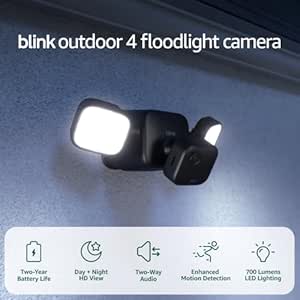 | Best for Simple, Long-Running Coverage | Resolution: 1080p HD | Floodlight brightness: 700 lumens | Night vision: Infrared | VIEW ON AMAZON | See Our Full Breakdown |
| Blink Outdoor 2K+ Floodlight Camera, 1-Camera System with Sync Module Core |  | Best for a Single-Camera 2K Setup | Camera resolution: 2K (2560 x 1440) | Field of view: 115° x 62° x 135° | Maximum frame rate: 24/25 FPS | VIEW ON AMAZON | See Our Full Breakdown |
| Tapo C615F KIT 2K Outdoor Pan/Tilt Solar Floodlight Security Camera |  | Best for Wide-Area Solar Coverage | Resolution: 2K | Floodlight brightness: 800 lumens | Power: Rechargeable battery with included Tapo A201 solar panel | VIEW ON AMAZON | See Our Full Breakdown |
| Reolink Solar Floodlight Security Camera, Wireless Outdoor, 2K 4MP, 1000 Lumens |  | Best for Bright Solar Lighting | Video resolution: 2K 4MP | Field of view: 150° | Floodlight brightness: Up to 1000 lumens | VIEW ON AMAZON | See Our Full Breakdown |
| eufy Security Floodlight Camera E30, 2K, AI Detection & Tracking, Outdoor |  | Best for Powerful Hardwired Lighting | Resolution: 2K HD | Detection: AI detection and auto-tracking | Light: 2000-lumen motion-activated LED floodlights | VIEW ON AMAZON | See Our Full Breakdown |
| Google Nest Cam with Floodlight – Outdoor Security Camera |  | Best for Google Home Households | Color: White | Video resolution: 1080p HDR | Night vision: Yes | VIEW ON AMAZON | See Our Full Breakdown |
| wireless floodlight camera | Floodlight brightness | Resolution | Field of view | Audio |
|---|---|---|---|---|
| Blink Outdoor 2K+ Floodlight C | 700 lumens | 2K (2560 x 1440) | 115° x 62° x 135° | Two-way talk with noise cancellation |
| Arlo Pro 3 Wireless Floodlight | Up to 2,000 lumens wirelessly; up to 3,000 lumens with separately sold outdoor magnetic charging cable | — | 160° | Two-way audio |
| Arlo Wireless Floodlight Secur | Up to 3,000 lumens | 2K HDR | 160° | Two-way audio with built-in siren |
| Blink Outdoor 4 Floodlight Cam | 700 lumens | 1080p HD | — | — |
| Blink Outdoor 2K+ Floodlight C | 700 lumens | — | 115° x 62° x 135° | Two-way talk with noise cancellation |
| Tapo C615F KIT 2K Outdoor Pan/ | 800 lumens | 2K | — | — |
| Reolink Solar Floodlight Secur | Up to 1000 lumens | — | 150° | — |
| eufy Security Floodlight Camer | — | 2K HD | — | — |
| Google Nest Cam with Floodligh | — | — | — | Two-way audio |
More Details on Our Top Picks
Blink Outdoor 2K+ Floodlight Camera System with Sync Module Core, White
This system is a good fit for buyers who want 2K video and motion-triggered lighting without running power to the camera. Its 700-lumen floodlight is less intense than the Arlo Pro 3’s wireless maximum, so I’d favor Blink for a defined entryway or side yard rather than a broad, dark driveway. The included Sync Module Core, batteries, and mounting hardware make the package more ready to install than a camera-only purchase, while two-way talk and Alexa support cover everyday check-ins.
The stated battery life of up to two years is conditional, and frequent alerts or lighting can shorten it. Buyers should also account for optional AI features and storage accessories. Compared with the 1080p Blink Outdoor 4, this model brings higher resolution, but it keeps the same modest 700-lumen lighting level.
Pros:- 2K resolution gives more image detail than the Blink Outdoor 4’s 1080p video
- Motion-triggered 700-lumen floodlight adds useful light around a focused area
- Includes Sync Module Core, batteries, mounting kit, and power adapter
- Two-way talk with noise cancellation and Alexa compatibility
Cons:- 700 lumens is less powerful than the Arlo Pro 3’s wireless floodlight
- Battery life depends on settings, activity, and environmental conditions
- Some AI features and storage accessories are sold separately
Best for: Alexa households seeking a wire-free 2K camera kit for a porch, gate, or other focused area
Not ideal for: Buyers who need very bright coverage across a large driveway or want advanced detection and storage without separate costs
- Resolution:2K (2560 x 1440)
- Field of view:115° x 62° x 135°
- Maximum frame rate:24/25 FPS
- Floodlight brightness:700 lumens
- Floodlight color temperature:5000K
- Battery life:Up to two years under specified usage conditions
- Wi-Fi:2.4 GHz 802.11b/g/n
- Audio:Two-way talk with noise cancellation
- Warranty:One-year limited warranty
Our verdict“Choose this kit for a wire-free 2K view and included setup components, but pick an Arlo if stronger lighting matters more.”
Arlo Pro 3 Wireless Floodlight Security Camera, 2K HDR, 1 Camera
The Arlo Pro 3 is the stronger match when one camera needs to watch a wide approach or driveway. Its 160° view covers more ground than either Blink 2K+ model, and 2K HDR plus color night vision can help preserve detail in changing light. The wireless floodlight reaches up to 2,000 lumens on battery power, well above Blink’s 700 lumens. A siren and broad smart-home compatibility add options for responding to activity.
That reach comes with a catch: the 3,000-lumen maximum requires a separately sold charging cable, and advanced detection and cloud storage require a paid plan after the trial. Compared with the Arlo Wireless Floodlight Camera listed here, this Pro 3 description specifies a lower wireless brightness ceiling, so it suits buyers who value broad coverage more than maximum illumination.
Pros:- 160° field of view covers more area than the Blink 2K+ cameras
- 2K HDR video and color night vision support detail in mixed lighting
- Up to 2,000 lumens wirelessly, with a higher maximum available using a separate cable
- Two-way audio, siren, and compatibility with multiple smart-home platforms
Cons:- Advanced detection and cloud storage require a paid subscription after the trial
- The cable needed for maximum brightness is sold separately
- Rechargeable battery requires periodic charging
Best for: Homeowners who need a wide view of a driveway or yard, color night vision, and compatibility with several smart-home platforms
Not ideal for: Buyers seeking included long-term cloud storage or the brightest possible output without buying an additional cable
- Video resolution:2K HDR
- Field of view:160°
- Floodlight brightness:Up to 2,000 lumens wirelessly; up to 3,000 lumens with separately sold outdoor magnetic charging cable
- Night vision:Color
- Power:Rechargeable battery; solar compatible
- Audio:Two-way audio
- Weather resistance:Resistant to sun, rain, and snow
- Smart-home compatibility:Amazon Alexa, Google Home, Apple Home, Samsung SmartThings, and IFTTT
Our verdict“Pick the Arlo Pro 3 for broad wireless coverage and brighter light than Blink, provided subscription features and charging upkeep suit you.”
Arlo Wireless Floodlight Security Camera 2K HDR (1 Cam)
This Arlo is the standout for buyers who want a powerful floodlight without a wired installation. It pairs 2K HDR video and a 160° view with up to 3,000 lumens and color night vision, making it better suited to a broad, poorly lit area than either Blink model. AI detection for people, vehicles, packages, and animals can also help separate useful alerts from general motion, while the built-in siren adds a direct response option.
Those capabilities are more dependent on Arlo’s subscription ecosystem than the basic Blink setup: the listed 60-day video history requires Arlo Secure, and the full feature set needs a paid plan after the trial. Compared with the Arlo Pro 3, this model’s listed wireless brightness reaches 3,000 lumens, though both share a wide view and rechargeable, solar-compatible power.
Pros:- Up to 3,000-lumen floodlight is brighter than the listed wireless maximum of the Arlo Pro 3
- 160° view and 2K HDR video cover a broad area
- AI detection identifies people, vehicles, packages, and animals
- Rechargeable battery is solar compatible, with a built-in siren and major smart-home support
Cons:- Full feature set and 60-day cloud history require an Arlo Secure subscription
- Rechargeable battery needs periodic charging unless supported by a suitable solar setup
- Its feature set may be excessive for a small porch where Blink’s simpler 700-lumen options can suffice
Best for: Property owners who need bright wireless illumination, broad coverage, and category-specific motion alerts
Not ideal for: Buyers who want long-term cloud history and advanced detection without a recurring subscription
- Resolution:2K HDR
- Field of view:160°
- Floodlight brightness:Up to 3,000 lumens
- Night vision:Color
- Power:Rechargeable battery; solar compatible
- Audio:Two-way audio with built-in siren
- Smart detection:AI person, vehicle, package, and animal detection
- Cloud storage:60-day video history with Arlo Secure subscription
- Weather resistance:IP65 rated
Our verdict“Choose this Arlo when strong wireless lighting and AI alerts matter more than avoiding subscription-dependent features.”
Blink Outdoor 4 Floodlight Camera
The Blink Outdoor 4 is the straightforward choice for buyers who want basic motion lighting and less frequent battery changes. Its stated battery life reaches up to two years with two AA Energizer lithium batteries, while dual-zone enhanced motion detection can help limit alerts from activity outside the selected area. It is also wire-free and works with Alexa, making it a simpler fit for households already using Blink than the subscription-heavy Arlo options.
The tradeoff is image detail: this camera records 1080p HD, not 2K like the Blink Outdoor 2K+ models, and its 700-lumen light is much less powerful than either Arlo’s listed wireless floodlight. Infrared night vision also lacks the color night view offered by Arlo. Extended cloud storage requires a subscription, while local backup adds a Sync Module XR and microSD card.
Pros:- Up to two years of stated battery life with two AA Energizer lithium batteries
- Dual-zone enhanced motion detection helps tailor alerts to selected areas
- Wire-free installation and Alexa voice control
- 700-lumen motion-triggered lighting adds practical illumination
Cons:- 1080p resolution gives less detail than the Blink Outdoor 2K+ models
- Infrared night vision does not provide the color view available on Arlo cameras
- Extended cloud storage requires a subscription; local backup needs extra hardware and a microSD card
Best for: Alexa users who want a simple, wire-free camera for a smaller entryway and value long stated battery life over 2K detail
Not ideal for: Buyers who need 2K footage, color night vision, broad-area illumination, or local storage without extra hardware
- Resolution:1080p HD
- Floodlight brightness:700 lumens
- Night vision:Infrared
- Battery life:Up to two years with two AA Energizer lithium batteries
- Storage options:Free 30-day cloud trial; optional local backup up to 256 GB via Sync Module XR
- Connectivity:Wi-Fi with Blink Sync Module Core
- Voice assistant compatibility:Works with Alexa
Our verdict“Pick the Outdoor 4 for simpler 1080p monitoring and long stated battery life, not for high-detail footage or powerful floodlighting.”
Blink Outdoor 2K+ Floodlight Camera, 1-Camera System with Sync Module Core
This single-camera Blink kit makes sense when you want 2K resolution in one specific location and do not need a larger multi-part system. It includes the Sync Module Core, batteries, mounting kit, and power accessories, plus two-way talk and real-time alerts. Its 700-lumen light is suited to a porch or gate, but it cannot match the Arlo Wireless Floodlight Camera’s listed 3,000-lumen output or 160° field of view.
Compared with the other Blink Outdoor 2K+ system in this roundup, the core camera and headline features are closely aligned; the practical distinction is this listing’s one-camera configuration. The up-to-two-year battery claim depends on usage, so frequent motion and lighting can mean more maintenance. Optional AI features and some storage accessories also add separate requirements.
Pros:- 2K video provides more detail than the Blink Outdoor 4’s 1080p footage
- Includes Sync Module Core, batteries, mounting kit, power adapter, and USB cable
- Motion-activated 700-lumen floodlight and two-way talk
- Wire-free installation with Alexa support and real-time alerts
Cons:- 700-lumen output is below the Arlo floodlight cameras’ listed maximums
- Battery life varies with settings, activity, and environmental conditions
- Optional AI plan and some storage accessories are sold separately
Best for: Buyers who need one wire-free 2K floodlight camera and want the Sync Module Core and installation components in the package
Not ideal for: Households needing several cameras, very wide coverage, stronger lighting, or advanced features without additional costs
- Camera resolution:2K (2560 x 1440)
- Field of view:115° x 62° x 135°
- Maximum frame rate:24/25 FPS
- Camera weight:5.0 oz (136 g)
- Floodlight brightness:700 lumens
- Battery life:Up to two years, depending on settings and usage
- Wi-Fi:2.4 GHz 802.11b/g/n
- Audio:Two-way talk with noise cancellation
- Warranty:One-year limited warranty
Our verdict“Choose this one-camera Blink kit for a self-contained 2K setup at a focused location, but choose Arlo for wider or brighter coverage.”
Tapo C615F KIT 2K Outdoor Pan/Tilt Solar Floodlight Security Camera
The Tapo C615F KIT suits buyers who want one battery-powered camera to watch a broad area rather than a fixed approach. Its 360° horizontal pan and 130° vertical tilt, paired with automatic subject tracking, can follow activity that a fixed wide-angle camera such as the Reolink Solar Floodlight Security Camera may not keep centered. The included solar panel can cut down on manual charging, and subscription-free detection of people, pets, and vehicles keeps basic alerts from depending on a cloud plan. The tradeoffs are its 800-lumen light, less bright than Reolink’s 1000-lumen option, and a 2.4 GHz Wi-Fi requirement. You’ll also need to supply a microSD card, and solar charging is limited below 32°F. Choose it for roaming coverage, not maximum light output or dual-band Wi-Fi.
Pros:- Included solar panel can reduce manual battery recharging.
- Pan/tilt coverage and automatic tracking follow activity across a wide area.
- Subscription-free AI detection identifies people, pets, and vehicles.
- Full-color and infrared night vision complement the built-in light and siren.
Cons:- The 800-lumen floodlight is dimmer than the Reolink model’s 1000-lumen output.
- Requires 2.4 GHz Wi-Fi rather than offering dual-band connectivity.
- MicroSD card is sold separately, and solar charging requires temperatures above 32°F.
Best for: Homeowners who want solar-assisted power and a camera that can pan across a yard, driveway, or other wide area while tracking people, pets, and vehicles.
Not ideal for: Buyers who need stronger floodlighting, 5 GHz Wi-Fi support, or dependable solar charging in temperatures below 32°F.
- Resolution:2K
- Floodlight brightness:800 lumens
- Power:Rechargeable battery with included Tapo A201 solar panel
- Pan/tilt coverage:Up to 360° horizontal and 130° vertical
- Weather resistance:IP65
- Motion detection range:Up to 32 feet
- Night vision:Full-color and infrared
- Connectivity:2.4 GHz Wi-Fi; WPA/WPA2-PSK
- Storage:MicroSD card up to 512 GB (sold separately); optional Tapo Care cloud storage
Our verdict“Choose the Tapo C615F KIT if wide, trackable solar coverage matters more than brighter lighting or dual-band Wi-Fi.”
Reolink Solar Floodlight Security Camera, Wireless Outdoor, 2K 4MP, 1000 Lumens
The Reolink Solar Floodlight Security Camera is the stronger fit when light output and flexible network support matter more than a camera that can turn to follow activity. Its 1000-lumen floodlights outshine the Tapo C615F KIT’s 800 lumens, while the 150° lens covers a broad fixed view without relying on pan and tilt. The rechargeable battery and 3W solar panel avoid a wired power run, and dual-band Wi-Fi 6 gives it a connectivity option the Tapo lacks. People, vehicle, and animal detection, two-way talk, and a 110 dB siren add useful response tools. In return, the camera cannot sweep around like the Tapo, and solar performance depends on sunlight and placement. Local recording also needs a separate microSD card or compatible Reolink hub or NVR.
Pros:- 1000-lumen floodlights provide stronger illumination than the Tapo C615F KIT.
- 150° field of view covers a wide fixed area.
- Dual-band Wi-Fi 6 supports 2.4 GHz and 5 GHz networks.
- AI detection, two-way audio, and a 110 dB siren provide several ways to respond to activity.
Cons:- Fixed 150° view cannot pan and tilt to follow activity like the Tapo C615F KIT.
- Solar charging performance depends on available sunlight and panel placement.
- MicroSD card is not included; alternative local storage requires compatible Reolink equipment.
Best for: People seeking a battery-and-solar floodlight camera with brighter illumination, a wide fixed view, and 5 GHz Wi-Fi support.
Not ideal for: Buyers who need pan-and-tilt tracking or want local recording hardware included without buying a card or compatible storage device.
- Video resolution:2K 4MP
- Field of view:150°
- Floodlight brightness:Up to 1000 lumens
- Solar panel:3W SolarEase
- Power:Rechargeable battery and solar panel
- AI detection:People, vehicles, and animals
- Siren:110 dB
- Connectivity:Dual-band 2.4/5 GHz Wi-Fi 6
- Local storage:MicroSD up to 512GB (not included), Reolink Home Hub Series, or Reolink NVR
Our verdict“Pick Reolink if brighter solar-powered lighting and dual-band Wi-Fi matter more than pan-and-tilt coverage.”
eufy Security Floodlight Camera E30, 2K, AI Detection & Tracking, Outdoor
The eufy Security Floodlight Camera E30 trades wireless power for substantial lighting and continuous operation. Its 2000-lumen floodlights produce twice the stated output of the Reolink Solar Floodlight Camera, while 360° coverage, patrol, and AI tracking help keep moving activity in view. Because it is hardwired, it avoids the battery-charging and sunlight-placement compromises faced by the Tapo C615F KIT and Reolink. That makes the E30 a better fit for a permanent installation where a power connection is already available. The main catch is also decisive: it is not a battery-powered wireless camera, so installation takes more effort and it may not suit renters or remote spots without wiring. The supplied details also do not specify integrated storage options, a limitation for buyers prioritizing local recording.
Pros:- 2000-lumen floodlights provide the strongest stated illumination among these four products.
- 360° coverage with patrol and AI tracking can follow activity around the camera.
- Hardwired power supports continuous operation without solar exposure or battery recharging.
- IP65 weatherproofing suits outdoor installation.
Cons:- Hardwiring rules it out for buyers seeking a battery-powered wireless installation.
- Wi-Fi range may limit placement on large properties.
- The supplied product details do not specify integrated storage options.
Best for: Homeowners with an existing outdoor power connection who want bright lighting, continuous power, and pan-and-tilt tracking.
Not ideal for: Renters or anyone needing a battery-powered camera for a location without outdoor wiring; skip it if clearly specified local storage is a priority.
- Resolution:2K HD
- Detection:AI detection and auto-tracking
- Light:2000-lumen motion-activated LED floodlights
- Coverage:360° surveillance with automatic patrol and manual control
- Weatherproofing:IP65
- Power:Hardwired
- Wi-Fi range:50% increase over standard 2.4 GHz
Our verdict“Choose the E30 for a wired installation where strong lighting and continuous power outweigh the need for battery-powered placement.”
Google Nest Cam with Floodlight – Outdoor Security Camera
The Google Nest Cam with Floodlight is the lineup’s ecosystem-focused choice, especially for buyers who value familiar smart alerts and remote communication over high resolution or wireless installation. Its person, animal, and vehicle detection and two-way audio provide a clear way to check activity and speak through the camera. But at 1080p HDR, it offers less detail than the 2K Tapo, Reolink, and eufy models. The available details also do not establish battery or solar power, so it should not be treated as a cable-free alternative to the two solar cameras; check installation requirements before choosing it. Three hours of free event history is limited, with longer history and face detection tied to a subscription. Compared with the eufy E30’s 2000-lumen specification, the Nest details do not state floodlight brightness, making light output harder to compare.
Pros:- Detection distinguishes between people, animals, and vehicles.
- Two-way audio supports communication through the camera.
- Remote monitoring includes 24/7 live video.
- Three hours of event video history is included without a subscription.
Cons:- 1080p HDR has lower resolution than the 2K Tapo, Reolink, and eufy options.
- Extended event history and face detection require a subscription.
- The supplied details do not specify battery or solar power, floodlight brightness, or local storage.
Best for: Google Home users who want intelligent activity alerts, live remote monitoring, and two-way audio in an outdoor floodlight camera.
Not ideal for: Buyers who require a clearly specified battery or solar setup, 2K video, extensive event history without a subscription, or a stated floodlight brightness.
- Color:White
- Video resolution:1080p HDR
- Night vision:Yes
- Event video history:3 hours free; optional 10 days with subscription
- Power outage storage:Up to 1 hour
- Detection:Motion, people, animals, and vehicles
- Audio:Two-way audio
- Lighting:Built-in floodlights; brightness not specified
Our verdict“Choose the Nest if Google-oriented alerts and two-way communication matter more than 2K detail, subscription-free history, or confirmed wireless power.”
How We Picked
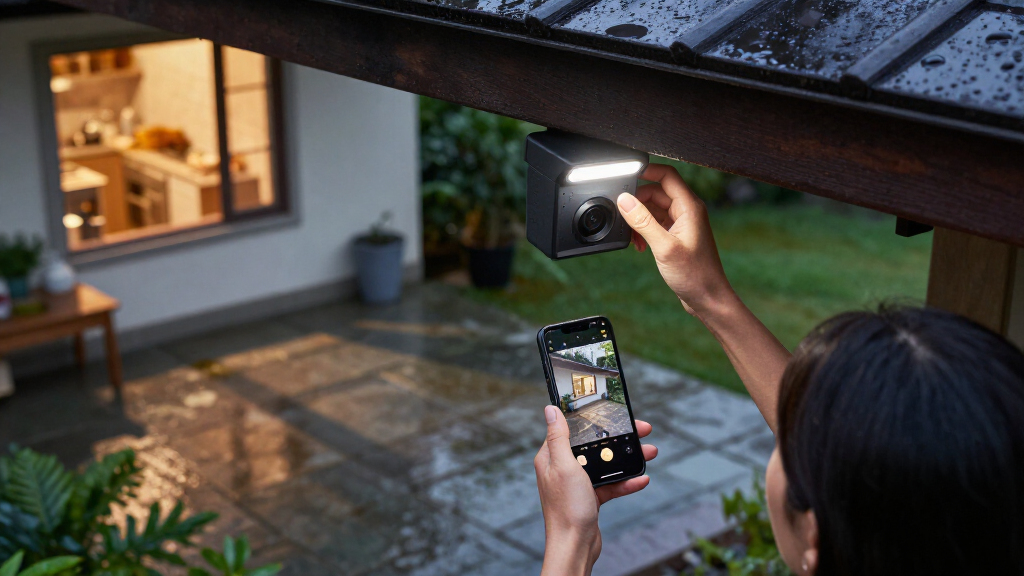
I compared these wireless floodlight cameras around the decisions that most affect ownership: how each camera gets power, the viewing area it can cover, image and detection features, and the setup or ecosystem it asks buyers to manage. I also considered whether a product is sold as a single camera or as a system with a hub, since the contents of the package can change what a buyer needs to purchase or configure.
The ranking favors useful balance for a typical home over a single standout specification. Solar models rank well for reducing charging chores but depend on placement and sunlight; tracking cameras offer more coverage but add complexity; and ecosystem-focused options make the most sense for households already using compatible devices. The Blink 2K+ system takes the overall position for its combination of resolution and included Sync Module Core, while the other picks earn distinct roles based on their strengths and tradeoffs—not because every buyer needs the same setup.
| wireless floodlight camera | Audio | Night vision | Power |
|---|---|---|---|
| Blink Outdoor 2K+ Floodlight C | Two-way talk with noise cancellation | — | — |
| Arlo Pro 3 Wireless Floodlight | Two-way audio | Color | Rechargeable battery; solar compatible |
| Arlo Wireless Floodlight Secur | Two-way audio with built-in siren | Color | Rechargeable battery; solar compatible |
| Blink Outdoor 4 Floodlight Cam | — | Infrared | — |
| Blink Outdoor 2K+ Floodlight C | Two-way talk with noise cancellation | — | — |
| Tapo C615F KIT 2K Outdoor Pan/ | — | Full-color and infrared | Rechargeable battery with included Tapo A201 solar panel |
| Reolink Solar Floodlight Secur | — | — | Rechargeable battery and solar panel |
| eufy Security Floodlight Camer | — | — | Hardwired |
| Google Nest Cam with Floodligh | Two-way audio | Yes | — |
Factors to Consider When Choosing Wireless Floodlight Cameras
Before choosing a model, I’d match the camera’s power and coverage to the actual mounting location. Those choices often matter more over time than a headline resolution number.
Choose a power plan that fits the mounting location
Wireless models can rely on batteries, solar assistance, or a power connection, and each puts effort in a different place. Battery-powered cameras offer mounting flexibility, but frequent alerts, live viewing, and heavy activity can mean more charging or battery attention. Solar kits can reduce that upkeep, yet a panel shaded by eaves or trees may not collect enough energy for the location’s use. Wired power avoids routine charging but limits placement and may call for suitable existing wiring or installation help. A common mistake is choosing solar based on the kit alone without checking sun exposure where the panel will sit. I’d map the camera and panel positions before buying, including how you’ll reach them for cleaning or service.
Match fixed, pan-and-tilt, and tracking views to the scene
A fixed camera is a good fit when one doorway, driveway, or side yard is the main concern. Pan-and-tilt movement can cover a wider area, but a moving view may not keep every approach in frame at once. Tracking can follow activity, though the feature’s value depends on reliable detection and whether movement through the scene is predictable. Buyers sometimes confuse wider camera movement with better coverage; blind spots can remain if the camera faces the wrong direction or a wall blocks the view. Consider where a person first enters the property and which areas must stay visible simultaneously. Choose movement features for spaces that genuinely need them, not simply because they appear more advanced.
Treat resolution and HDR as tools, not guarantees
Higher resolution can preserve more detail when viewing or cropping footage, while HDR can help scenes with bright lights and deep shadows. Neither specification guarantees clear identification if the camera is mounted too high, pointed into glare, or too far from the activity. Floodlight placement matters as well: illumination should help the camera see the target rather than wash out a nearby surface. Compare likely viewing distance and nighttime conditions at your property, not just the resolution labels on product pages. If you mainly need to see whether someone approached a door, a well-positioned camera may serve better than a higher-resolution unit in a poor spot. Check that your home network can also support the video quality and live-view habits you expect.
Check what wireless means for setup and ownership
Wireless usually describes the connection or power arrangement, but it does not mean every camera installs the same way. Some systems include a hub, while others may depend more directly on Wi-Fi and an app-based setup. Confirm whether your network reaches the mounting point, especially through exterior walls, detached garages, or long yards. Check package contents so a required module, panel, or mounting part is not a surprise after purchase. Also review how the camera stores and lets you access recordings, since storage arrangements and optional service features differ. The right choice is the one your household can configure and maintain without adding unwanted equipment or complexity.
Weigh detection features against alert burden
AI classification and tracking can help distinguish activity types or follow movement, but a feature-rich camera can still generate alerts you do not want. Trees, passing traffic, pets, and neighboring spaces may create repeated notifications if detection zones are poorly set. Before buying, think through which events you need to know about immediately and which can wait for a later check. Detection controls and adjustable zones are especially useful when the camera overlooks a busy sidewalk or shared driveway. Avoid assuming that more detection labels automatically mean fewer false alerts; placement and settings remain part of the job. For a simple entryway, a less elaborate camera may be easier to live with.
Compare ecosystems and long-term access before committing
A camera may fit best when it works naturally with devices and apps your household already uses. Ecosystem fit can affect notifications, voice control, and how much switching between apps is required, so check compatibility rather than assuming all smart-home products work together. Recording access also deserves attention: determine what is available locally, what relies on cloud services, and whether any feature you care about calls for an ongoing plan. Buyers can focus on the camera hardware and miss the way storage or account requirements shape everyday use. If you want a standalone setup, favor a model whose included capabilities match your recording needs. If you already use one smart-home platform, convenience there may matter more than a small specification difference.
Frequently Asked Questions
Are solar floodlight cameras a good choice for a shaded side yard?
They can work, but shade is the main limitation to solve before choosing a solar model. Check whether the panel can be mounted in a sunnier nearby position while still connecting to the camera as designed. Seasonal changes, overhangs, and tree cover can reduce useful sunlight even if the spot looks bright at midday. A battery-powered camera may be a better fit when the panel would spend most of the day shaded, though it brings charging upkeep. I’d choose based on the actual panel location rather than the camera’s advertised solar capability.
Should I choose a 2K camera over the Blink Outdoor 4?
A 2K model makes more sense if you expect to inspect fine detail or crop footage from a broad view. The Blink Outdoor 4 may suit buyers who value a simpler setup and do not need the higher resolution offered by the 2K options in this roundup. Placement, lighting, and distance still affect what details are usable, so resolution alone cannot promise identification. Consider how far the camera will be from the area you want to monitor and whether you often review recorded clips. If that distance is short and your needs are basic, a higher-resolution model may add less practical value.
Do I need pan-and-tilt or tracking for a typical driveway?
Not always. A fixed camera can cover a driveway well if it has a clear angle that includes the approach and the area you care about. Pan-and-tilt or tracking becomes more useful when activity moves across a broad space or a fixed view leaves important areas outside the frame. Movement can also mean the camera is not watching every part of the scene at the same time. For a narrow driveway, start by identifying one useful mounting angle before paying for movement features. For a wide yard with multiple paths, the extra coverage may justify the added complexity.
Will a wireless floodlight camera work if Wi-Fi is weak outdoors?
A weak connection at the mounting point can lead to delayed alerts, unreliable live viewing, or difficulty completing setup. Test Wi-Fi where the camera will actually be installed, since indoor signal strength may not reflect performance through exterior walls. A hub-based system and a direct-to-Wi-Fi camera can have different network requirements, so check the specific product’s setup details. Improving router placement or adding a compatible network access point may help, but it adds equipment and configuration. If the connection remains unreliable, choose a location with better signal or reconsider the system before mounting it permanently.
What should I verify before buying an Arlo or Blink model with a similar name?
Check the exact model name and the package contents, since similar listings can describe different cameras or system bundles. In this roundup, the Blink Outdoor 2K+ appears as both a system with Sync Module Core and a one-camera system listing, so confirm which components are included. The two Arlo listings also use closely related names, making it worth checking the exact model and stated features rather than assuming they are identical. Compare included accessories, power arrangements, and any account or storage requirements against your planned setup. This small check can prevent buying a camera that does not match the equipment you already have.
Conclusion
For the best overall balance, I’d choose the Blink Outdoor 2K+ Floodlight Camera System with Sync Module Core, especially when a bundled hub and 2K video fit the plan. The best value-oriented fit is the Blink Outdoor 4 for buyers who want a simpler feature set and do not require 2K detail. For a premium feature set, the eufy E30 is the standout for AI detection and tracking, while Google Nest makes more sense for households already invested in its ecosystem. Beginners may prefer a straightforward fixed-view setup such as the Blink Outdoor 4 rather than paying for movement or advanced detection features they may not use. For solar and broader coverage needs, compare Tapo’s pan-and-tilt kit with Reolink’s solar option, then choose based on the viewing area and sunlight at your mounting location.
Fall Picks
fall essentials
As an affiliate, we earn on qualifying purchases.