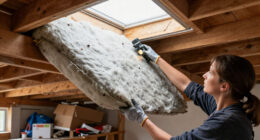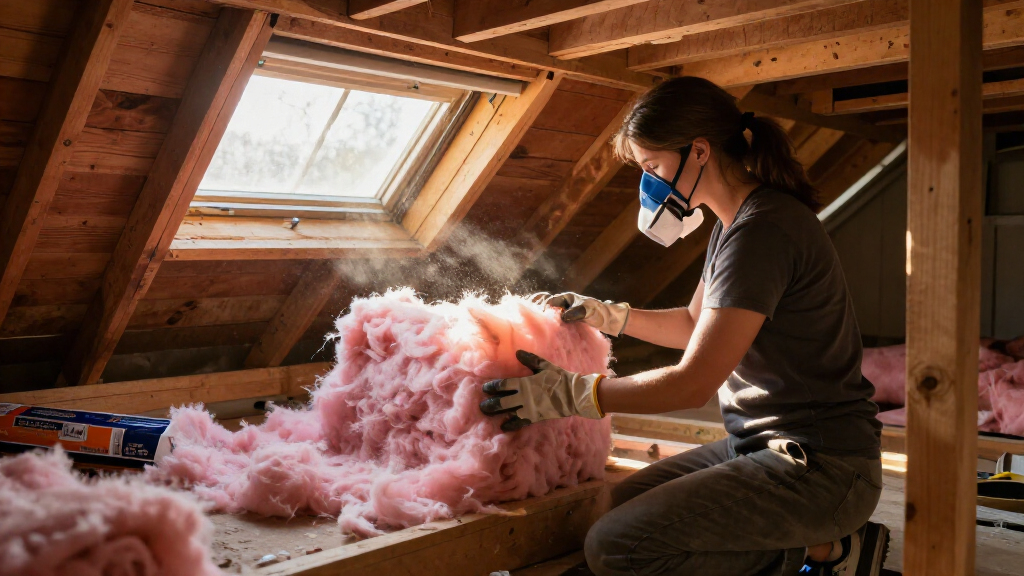
The best attic insulation products depend on whether your priority is slowing radiant heat, adding thermal resistance, or sealing small gaps. I name Owens Corning R-38 Unfaced Fiberglass Batt my best overall pick for buyers seeking substantial batt insulation, while RadiantGUARD Xtreme stands out for broad radiant-barrier coverage and BEEST FullStop Spray Foam for targeted air sealing. These products solve different problems, so coverage area, installation method, and the limits of each insulation type matter more than a single headline feature. Radiant barriers are not a substitute for R-value insulation, and batts need careful fitting to perform as intended. Read on for the full comparison and guidance on matching a product to your attic.

Get home appliances delivered free with Prime
- Fast, free delivery on millions of items
- Prime Video, Amazon Music and more included
- Member-only deals all year
Complete the kit



Key Takeaways
- The R-38 Owens Corning batt is the strongest all-around thermal-insulation choice in this lineup, but its large, multi-bag format suits projects with enough attic area and storage space.
- Radiant barriers dominate the large-coverage options: MARGAR, US Energy Products, and AtticFoil each list 1,000 square feet, while RadiantGUARD Xtreme offers a narrower roll format.
- Reflective products are not interchangeable with fiberglass batts. Their role is to reduce radiant heat transfer; they do not provide the same stated R-value as the R-19 and R-38 batt products.
- The two Owens Corning R-19 listings differ in dimensions and package coverage. Match the product to the framing layout and area rather than treating the listings as identical.
- Small-format products favor targeted work, not whole-attic coverage. Reflectix BP24025 and FONUNO are easier to handle in limited areas, while BEEST spray foam is suited to gaps and localized sealing.


| attic insulation product | Material | Coverage | Brand | Dimensions |
|---|---|---|---|---|
| MARGAR Radiant Barrier Insulat | Double-sided perforated reflective foil | 1,000 sq ft | — | — |
| AES NASA TECH Solid White Radi | Double-sided metalized aluminum film | 500 sq ft | — | 4 ft x 125 ft |
| Reflectix BP24025 Bubble Pack | — | 7,200 sq in | Reflectix | 24 in x 25 ft |
| Owens Corning R-19 Unfaced Fib | Fiberglass | 77.5 sq ft per bag | Owens Corning | 15 in x 93 in x 6.5 in |
| RadiantGUARD Xtreme Radiant Ba | Reinforced aluminum | 542 sq ft | RadiantGUARD | — |
| Owens Corning R-38 Unfaced Fib | Fiberglass | 512 sq. ft. | Owens Corning | 24 in. W x 48 in. L x 12 in. thick |
| US Energy Products Radiant Bar | — | 1,000 sq. ft. | AES | — |
| AtticFoil Original Attic Radia | Pure aluminum foil with tearproof fabric | — | AtticFoil | 48 in. wide x 1,000 sq. ft. |
| BEEST FullStop Spray Foam Insu | Moisture-cured polyurethane foam | Up to 240 board feet | BEEST | — |
| Owens Corning R-19 Unfaced Fib | Fiberglass | 128 sq. ft. | Owens Corning | 24 in. W x 96 in. L x 6.5 in. thick |
| FONUNO Reflective Bubble Insul | Aluminum foil and polyethylene (PE) | — | FONUNO | 23.6 in x 120 in (10 ft) |
More Details on Our Top Picks
MARGAR Radiant Barrier Insulation Roll, 1,000 Sq Ft, 4 ft x 250 ft, Perforated Double-Foil
MARGAR’s 1,000-square-foot roll suits buyers covering a broad attic or several outbuildings who want a radiant barrier that allows airflow through its perforations. Its four-foot width can be cut to fit, and the lightweight foil can be fastened to rafters, walls, or roofs. Compared with the AES NASA TECH barrier, MARGAR offers twice the stated coverage and a perforated construction; AES is non-perforated and states a higher radiant-heat reflectivity figure. The tradeoff is that MARGAR’s stated claim of blocking up to 97% of radiant heat comes without installation conditions, so it is not a substitute for a documented whole-assembly R-value. Installation also means fastening material overhead, and the barrier works best as part of a planned attic assembly, not as a drop-in batt replacement.
Pros:- 1,000 square feet of coverage in a single roll
- Perforations support airflow through the material
- Lightweight foil can be cut and fastened with staples or nails
- Fiber-free construction with a stated Class A / Class 1 fire rating
Cons:- Must be fastened to rafters, walls, or roofs rather than simply placed in a cavity
- The up-to-97% heat-blocking claim does not specify installation conditions
- Does not provide a stated R-value for comparison with fiberglass batts
Best for: Homeowners covering a large attic, garage, or shed who want a perforated foil barrier and can fasten it to rafters or other framing.
Not ideal for: Buyers seeking insulation that fills framing cavities or provides a stated R-value without a separate radiant-barrier installation.
- Material:Double-sided perforated reflective foil
- Coverage:1,000 sq ft
- Roll dimensions:4 ft x 250 ft
- Stated radiant-heat blocking:Up to 97%
- Weight:28.3 lbs
- Standards:ASTM E84 and E96
- Construction feature:Perforated for breathability
- Color:Silver
Our verdict“Choose MARGAR for broad, perforated radiant-barrier coverage when you can handle the fastening work and do not need a batt-style R-value.”
AES NASA TECH Solid White Radiant Barrier Insulation, 4 ft x 125 ft, 500 sq ft
AES NASA TECH is the pick here for buyers who want a non-perforated, double-sided radiant barrier for an attic retrofit or new build. Its 500-square-foot roll is easier to plan around than MARGAR’s 1,000-square-foot roll if the job is smaller, while its stated 99% radiant-heat reflectivity exceeds the figures listed for the MARGAR and RadiantGUARD barriers. The solid construction is a meaningful distinction, not an automatic upgrade: it does not suit every assembly where a breathable, perforated barrier is preferred. AES also states RF signal blocking, but attic insulation buyers should focus on the radiant-barrier application and verify the fit with their intended wall or roof assembly. Like other foil barriers here, it requires installation rather than providing cavity insulation with a stated R-value.
Pros:- Non-perforated, double-sided metalized construction for radiant-barrier installations
- 500 square feet of coverage in a four-foot-wide roll
- States 99% radiant-heat reflectivity
- Listed for attic use as well as garages, workshops, and other structures
Cons:- Solid construction may not fit applications that require a breathable or perforated barrier
- Requires installation as a barrier rather than filling framing cavities
- Does not provide a stated R-value for direct comparison with fiberglass insulation
Best for: Homeowners and builders planning an attic retrofit or new construction who specifically need a non-perforated, double-sided reflective barrier.
Not ideal for: Buyers whose attic assembly calls for a perforated barrier for airflow, or anyone seeking a loose-fill or batt product with a stated R-value.
- Material:Double-sided metalized aluminum film
- Construction:Non-perforated
- Coverage:500 sq ft
- Dimensions:4 ft x 125 ft
- Stated radiant-heat reflectivity:99%
- Color:Solid white
- Stated RF signal blocking:99.06% (IEEE-299, as stated)
- Standards:ASTM C1313; ASTM E-86; ASTM 96-00 (as stated)
Our verdict“Pick AES NASA TECH when a non-perforated radiant barrier is the intended attic treatment and its solid construction suits your assembly.”
Reflectix BP24025 Bubble Pack Insulation, 24-Inch x 25-Feet
Reflectix BP24025 is the compact choice for smaller attic sections, narrow runs, or targeted projects where a full-width barrier roll would be cumbersome. Its seven-layer construction combines reflective outer foil with inner bubble layers, unlike the thinner foil barriers from AES NASA TECH and MARGAR, which are primarily described as radiant barriers. That layered build is intended to resist some conductive heat flow as well as reflect radiant heat, but the product data gives no R-value, so I would not treat it as a replacement for the R-19 Owens Corning batts. The 24-inch width is manageable for limited areas but means more joins and handling if you are covering a large attic. Its lightweight, fiber-free format is convenient, though the foil layers need protection from punctures.
Pros:- Seven-layer construction combines reflective foil with inner bubble layers
- Lightweight material is manageable for small installation areas
- Fiber-free construction
- Polyethylene bonding adds strength to the layered material
Cons:- 24-inch width and 25-foot length require multiple rolls and joins for broad coverage
- No stated R-value for comparison with cavity insulation such as Owens Corning R-19 batts
- Foil layers can be punctured if handled roughly
Best for: DIYers handling a small attic section, narrow installation area, or targeted reflective-insulation project who want a lightweight roll.
Not ideal for: Homeowners covering a large attic or seeking a stated R-value for thermal resistance; the narrow roll and limited coverage make it a poor substitute for full-area batts.
- Brand:Reflectix
- Model:BP24025
- Dimensions:24 in x 25 ft
- Thickness:5/16 in (0.31 in)
- Construction:Seven layers
- Materials:Aluminum foil, polyethylene, and bubble pack
- Coverage:7,200 sq in
- Weight:16 oz
Our verdict“Choose Reflectix for compact reflective projects, but use a batt with a stated R-value when your main goal is cavity insulation.”
Owens Corning R-19 Unfaced Fiberglass Insulation Batt (15 in x 93 in)
Owens Corning R-19 batts serve a different attic-insulation need from the reflective rolls in this lineup: they fill framing cavities and provide a stated thermal resistance. At 6.5 inches thick, they are suited to 2×6 framing, floors, and compatible attic spaces, while the foil barriers such as AES NASA TECH focus on radiant heat and do not list an R-value. The unfaced design avoids adding a vapor barrier as part of the batt, but it leaves moisture-control decisions to the rest of the assembly. The 15-inch width and 93-inch length fit specific framing layouts, so these are less flexible for cavities with different dimensions. They are the better choice when cavity insulation and sound attenuation matter more than reflective coverage, but they are not a universal fit for every attic.
Pros:- Stated R-19 thermal resistance for compatible framing
- 6.5-inch thickness fits deeper 2×6 cavities
- Fiberglass batts can be cut to fit
- Provides sound attenuation as well as thermal insulation
Cons:- Unfaced design includes no vapor barrier, so moisture control must be addressed separately
- 6.5-inch thickness is not suited to shallow cavities
- 15-inch width and 93-inch length may require trimming for nonmatching framing
Best for: Homeowners insulating compatible 2×6 attic, floor, or wall cavities who want a batt with a stated R-19 value and sound attenuation.
Not ideal for: Buyers with shallow framing, cavity widths that do not match the 15-inch batt, or an attic project focused on adding a radiant barrier across rafters.
- Brand:Owens Corning
- Material:Fiberglass
- R-value:R-19
- Dimensions:15 in x 93 in x 6.5 in
- Coverage:77.5 sq ft per bag
- Quantity:8 batts per bag
- Design:Unfaced; no vapor barrier
- Recommended uses:2×6 framing, walls, floors, and attics
Our verdict“Choose these batts for compatible 2×6 cavities where a stated R-19 value matters more than radiant-barrier coverage.”
RadiantGUARD Xtreme Radiant Barrier Attic Insulation, 542 sq. ft., 26 in. x 250 ft.
RadiantGUARD Xtreme pairs a reinforced, perforated aluminum barrier with a narrow 26-inch roll, making it a distinct option for attic rafters or other runs where a slimmer width is easier to handle. Its stated coverage of 542 square feet is close to AES NASA TECH’s 500 square feet, but RadiantGUARD is perforated and states up to 95% radiant-heat blocking, compared with AES’s non-perforated design and stated 99% reflectivity. The reinforced material is described as tear- and puncture-resistant, a practical advantage during overhead fastening, though installation still requires stapling and the manufacturer recommends covering vertical exterior attic walls too. That added coverage can expand the work. Like the other foil barriers, it is not a cavity batt and gives no R-value.
Pros:- Reinforced aluminum is described as tear- and puncture-resistant
- Perforations allow airflow through the barrier
- 26-inch width can be easier to handle along narrow runs
- Manufacturer states it meets and exceeds ASTM C1313 and has a Class A / Class 1 fire rating
Cons:- Requires stapling to attic rafters
- Narrow roll may require more seams than four-foot-wide barriers
- Recommended coverage of vertical exterior attic walls can add to installation work
Best for: DIYers or contractors installing a radiant barrier along attic rafters who prefer a reinforced, perforated roll in a narrower width.
Not ideal for: Buyers who want broad, fewer-seam coverage from a four-foot roll, or who need cavity insulation with a stated R-value.
- Brand:RadiantGUARD
- Model:RG-X
- Material:Reinforced aluminum
- Coverage:542 sq ft
- Roll dimensions:26 in x 250 ft
- Stated radiant-heat blocking:Up to 95%
- Standard:Meets and exceeds ASTM C1313
- Recommended uses:Attic, roof, window, RV, and metal-building insulation
Our verdict“Choose RadiantGUARD Xtreme for reinforced, perforated barrier installation along narrow attic runs, not as a substitute for R-value-rated cavity insulation.”
Owens Corning R-38 Unfaced Fiberglass Batt Insulation, 24″ x 48″ x 12″, 512 SQFT (8 Bags)
For a large attic with framing sized for thick batts, this Owens Corning package offers R-38 insulation in 12-inch batts and covers 512 square feet. Its 24-by-48-inch format is suited to 2×12 applications, making it a more direct fit for deep cavities than the R-19, 6.5-inch Owens Corning batt in this roundup. Unfaced batts also leave vapor-control decisions to the installer, which can be useful when the assembly requires a specific moisture strategy. The tradeoff is fit: these thick batts are not a universal attic upgrade, and the specified 2-inch vented air space must be maintained to help limit moisture accumulation. I’d choose it for a compatible, sizeable project, not for shallow framing or a quick patch.
Pros:- R-38 rating and 12-inch thickness suit deep 2×12 attic applications.
- Eight-bag package covers 512 square feet for larger projects.
- Unfaced construction allows the installer to plan moisture control for the assembly.
- Fiberglass can also help reduce sound transmission in interior floors and walls.
Cons:- Requires compatible deep framing and careful fitting around attic obstructions.
- A 2-inch vented air space must be maintained to help prevent moisture accumulation.
- Bulk shipment and eight-bag quantity may be impractical for small projects.
Best for: Homeowners insulating a large attic with 2×12 framing who want thick fiberglass batts and can preserve the required ventilation space.
Not ideal for: DIYers with shallow or irregular framing, or buyers seeking exterior-wall insulation or a small, easy-to-handle pack.
- Brand:Owens Corning
- Material:Fiberglass
- R-value:R-38
- Dimensions:24 in. W x 48 in. L x 12 in. thick
- Coverage:512 sq. ft.
- Pack quantity:8 bags; 64 sq. ft. per bag
- Facing:Unfaced
- Recommended application:2×12 attic spaces
Our verdict“Choose this bulk R-38 pack for a large attic with 2×12 framing and ventilation clearance; skip it if your cavities are shallower.”
US Energy Products Radiant Barrier Insulation, 1,000 sq. ft., 4 ft. Wide
This AES radiant barrier is the large-coverage choice for reflective attic projects: its 4-foot-wide, 250-foot roll covers 1,000 square feet. The five-layer construction combines metalized aluminum, Mylar, and nylon scrim, while perforations allow airflow through the material. Compared with the AtticFoil Original, which is described as pure aluminum and includes seam tape, this roll emphasizes broad coverage and a reinforced layered build rather than included seam accessories. It is lightweight and designed for cutting to fit, but buyers will need utility scissors and a plan for seams and attachment. The listed reflectivity varies between the product details and description, so I would not use the differing figures as a precise basis for choosing it over another barrier.
Pros:- A 1,000-square-foot roll suits large continuous installations.
- Five-layer construction includes nylon scrim for added tear resistance.
- Perforated design allows breathability and air circulation.
- Double-sided reflective surface can be used in new or existing buildings.
Cons:- Requires utility scissors and planning for cutting and fastening.
- Reflectivity is stated differently in the item details and product description.
- The wide, long roll may be cumbersome to handle in tight attic spaces.
Best for: Homeowners or contractors covering a broad attic, shed, or warehouse area who want a perforated, double-sided reflective roll.
Not ideal for: Buyers who need a short, narrow roll, included seam tape, or a product with one clearly stated reflectivity figure.
- Brand:AES
- Coverage:1,000 sq. ft.
- Roll dimensions:48 in. wide x 250 ft. long
- Construction:Five-layer metalized aluminum, Mylar, and nylon scrim
- Reflectivity:99.7% in item details; 99% aluminum layers in product description
- Design:Double-sided, perforated
- Weight:70 gram
- Standards:ASTM E84 using E2599 mounting method; ASTM 96-00 breathability
Our verdict“Pick this roll for broad, perforated radiant-barrier coverage, but choose a more clearly specified option if reflectivity claims are your deciding factor.”
AtticFoil Original Attic Radiant Barrier – 48″ Wide x 1000 sq ft Roll
AtticFoil is aimed at DIYers installing a radiant barrier across standard open-frame attic bays. The 48-inch-wide roll uses pure aluminum foil with tearproof fabric, is perforated for moisture passage, and includes seam tape. That bundled tape gives it an installation advantage over the AES 1,000-square-foot radiant barrier, which lists a reinforced multi-layer construction but no seam tape. AtticFoil states that it blocks up to 97% of radiant heat; that figure describes radiant performance, not a substitute for a stated batt R-value. Its main limitation is layout: the width is optimized for horizontal installation in open-frame attics, so truss-style roofs may call for different sizing and more adaptation. Seam placement also matters, so it is less appealing for anyone expecting a no-planning installation.
Pros:- Pure aluminum foil construction is paired with tearproof fabric for installation durability.
- Perforations allow moisture passage through the barrier.
- Includes seam tape to support joining sections during installation.
- Four-foot width is suited to horizontal runs in standard open-frame attics.
Cons:- Width may not suit truss-style roof layouts without additional sizing or adaptation.
- Seams require careful sealing for the intended installation.
- The stated radiant-heat blocking figure is not a batt R-value.
Best for: DIY homeowners with an open-frame attic who want a perforated aluminum radiant barrier and appreciate having seam tape included.
Not ideal for: Installers working around truss-style roof layouts or buyers seeking a conventional batt with a specified R-value.
- Brand:AtticFoil
- Material:Pure aluminum foil with tearproof fabric
- Dimensions:48 in. wide x 1,000 sq. ft.
- Reflectivity:97%
- Type:Perforated radiant barrier
- Included components:Insulation roll and seam tape
- Installation layout:Horizontal installation in standard open-frame attics
Our verdict“Choose AtticFoil for a planned horizontal install in an open-frame attic; look elsewhere if your roof layout is truss-based or you need rated batt insulation.”
BEEST FullStop Spray Foam Insulation Kit, 240 Board Feet, 12 Cans
Rather than insulating a whole attic floor with batts, this BEEST kit is designed for targeted air sealing around gaps and penetrations. The 12 cans include a foam gun, cleaner, gloves, goggles, and a coverall, giving buyers more of the application setup than a roll or batt provides. Its listed R-value is 8.24 at 2 inches thick, and the foam bonds to wood, metal, drywall, concrete, and brick. Compared with the Owens Corning R-38 batts, it is better suited to irregular openings than broad, even coverage; the stated capacity is up to 240 board feet, not a large attic-floor area. Application is also less forgiving: the recommended temperature range is 68–77°F, and protective gear and careful handling are needed.
Pros:- Foam expands into gaps to help reduce air movement and heat transfer.
- Includes 12 cans, applicator gun, cleaner, gloves, goggles, and coverall.
- Bonds to wood, metal, drywall, concrete, and brick.
- Provides a stated R-value of 8.24 at 2 inches thick.
Cons:- Recommended application temperature is limited to 68–77°F.
- Requires protective gear and careful application.
- Up to 240 board feet is better suited to targeted sealing than broad attic coverage.
Best for: DIYers or repair crews sealing discrete attic gaps and penetrations across common building materials who can work within the specified application temperature range.
Not ideal for: Homeowners insulating a large, open attic floor who want straightforward coverage without foam handling or protective equipment.
- Brand:BEEST
- Manufacturer:Petra
- Coverage:Up to 240 board feet
- R-value:8.24 at 2 in. thick
- Material:Moisture-cured polyurethane foam
- Application temperature:68–77°F
- Compatible surfaces:Wood, metal, drywall, concrete, and brick
- Included components:12 foam cans, foam gun, cleaner, glasses, coverall, and gloves
- ASTM E84 indices:Flame spread 0; smoke developed 120
Our verdict“Use this kit to seal attic gaps and awkward penetrations, not as the primary insulation choice for a large attic floor.”
Owens Corning R-19 Unfaced Fiberglass Batt Insulation, 128 sq. ft., 24 x 96 in.
This Owens Corning pack is the lower-profile batt option for 2×6 framing, with 6.5-inch-thick unfaced batts rated R-19. Each piece measures 24 by 96 inches, a longer format than the R-38 Owens Corning batts, which are 12 inches thick and designed for 2×12 attic applications. That makes this pack a better match for shallower cavities, but not a direct substitute where a higher R-value or deep framing is the goal. Its 128 square feet of coverage suits a smaller job or a section of attic, while the unfaced design leaves vapor control to the installer. I’d select it when the framing depth dictates the choice; buyers seeking broad attic coverage or a thicker insulation layer should compare other formats.
Pros:- R-19 rating and 6.5-inch thickness are matched to 2×6 framing.
- 24-by-96-inch batts are designed to cut and fit between framing members.
- Unfaced material can be used where the assembly calls for separate moisture control.
- Can help reduce noise transmission as well as heat transfer.
Cons:- Unfaced batts do not provide a vapor barrier.
- The 6.5-inch thickness is not suited to deeper framing without additional insulation.
- 128 square feet of coverage is less suited to a large attic project than the R-38 bulk pack.
Best for: Homeowners insulating attic sections, floors, or crawlspaces with 2×6 framing who need 24-inch-wide, 6.5-inch-deep batts.
Not ideal for: Buyers with 2×12 attic cavities or anyone seeking high-R, thick-batt insulation for a large attic area.
- Brand:Owens Corning
- Material:Fiberglass
- R-value:R-19
- Coverage:128 sq. ft.
- Quantity:5 batts
- Dimensions:24 in. W x 96 in. L x 6.5 in. thick
- Facing:Unfaced; no vapor barrier
- Recommended framing:2×6
- Recommended uses:Walls, floors, crawlspaces, and attics
Our verdict“Choose this pack for shallow 2×6 cavities and modest coverage needs; select the R-38 batts for compatible deep attic framing.”
FONUNO Reflective Bubble Insulation Roll, 23.6 in x 10 ft
I’d choose the FONUNO roll for a small, specific surface rather than as the main insulation for an attic. Its double-sided reflective foil and polyethylene bubble layer make a lightweight, water-resistant barrier that can be cut to fit around a window, hatch, or other limited area. That makes it easier to handle and store than broad rolls such as MARGAR Radiant Barrier Insulation Roll, but its 10-foot length covers far less space. At 3 mm thick, it also differs from the Owens Corning R-19 fiberglass batt: this is a thin reflective material, not a batt with a stated R-value. Installation calls for cutting and tape, and the surface holes may limit durability. I’d skip it for whole-attic coverage or as a substitute for bulk thermal insulation.
Pros:- Double-sided foil reflects radiant heat from either face
- Waterproof, scratch-resistant material suits indoor and some outdoor applications
- Can be cut to fit small or irregular surfaces
- Lightweight and foldable for simple handling and storage
Cons:- Only 10 feet long, so larger areas require multiple rolls and joined seams
- Requires manual cutting and taping rather than self-adhesive installation
- The 3 mm bubble construction and surface holes offer less substantial coverage than attic batts or solid-sheet barriers
Best for: Homeowners who need a lightweight reflective layer for a small attic hatch, window, or similarly limited surface
Not ideal for: Anyone insulating a full attic or seeking a thick insulation product with a stated R-value; the short roll and 3 mm thickness are a poor fit
- Brand:FONUNO
- Model number:GRM168
- Dimensions:23.6 in x 120 in (10 ft)
- Thickness:3 mm
- Material:Aluminum foil and polyethylene (PE)
- Coverage area:2,832 sq in
Our verdict“Choose FONUNO for a small, cut-to-fit reflective application, but use a larger radiant barrier or fiberglass batt for broad attic coverage.”
How We Picked
I compared these products by their stated insulation type, listed dimensions and coverage, likely project fit, and the amount of installation planning they demand. For fiberglass batts, the main differentiators were R-value, batt dimensions, and whether the quantity suits a broad attic project. For radiant barriers, I weighed roll coverage and width against handling needs, while treating reflective bubble products as smaller-format options rather than direct substitutes for full-area thermal insulation. The spray foam kit was judged as a targeted air-sealing product, not as a replacement for blanket attic insulation.
The ranking favors products with a clear role and practical scale for their intended job. The Owens Corning R-38 batt leads for buyers seeking a substantial thermal layer; broad radiant-barrier rolls follow for projects focused on radiant heat. Lower-ranked options are more specialized, provide less listed coverage, or need a narrower use case to make sense. Product names and specifications alone cannot settle suitability: attic climate, existing insulation, ventilation, moisture conditions, and installation quality all affect results.
Factors to Consider When Choosing Best Attic Insulation Products
Before choosing a product, I would identify the attic problem rather than starting with a material. The biggest decision is whether the project needs more thermal resistance, reduced radiant heat transfer, or air sealing; those jobs may call for different materials or a combination.
Match the Insulation Type to the Heat-Transfer Problem
Fiberglass batts add thermal resistance, while radiant barriers reflect radiant heat and work differently. A reflective roll should not be treated as a direct R-value replacement for a batt, even when its coverage number looks large. Spray foam can seal cracks and penetrations, but a small kit is not the same as insulating an entire attic floor. Start by checking what is already installed and where heat or drafts appear to be coming from. Combining materials can make sense, but only when each layer has a clear role. If the main need is a higher thermal layer, prioritize an insulation product with a stated R-value.
Use R-Value and Local Requirements as a Planning Baseline
R-value indicates resistance to heat flow, but the right target depends on climate, building design, and current attic insulation. A higher number is not automatically the best purchase if the batts will not fit the available space or cover the intended area. Check local energy guidance or consult a qualified insulation professional before settling on a target. Avoid compressing fiberglass to fit, since changing its installed thickness can reduce its intended performance. Also check whether the product is faced or unfaced and whether that construction suits the assembly. The listed products here are unfaced batts, so buyers should plan around the existing vapor-control strategy rather than adding a facing by guesswork.
Calculate Coverage Before You Buy
Measure the attic area and note framing spacing, obstructions, and the dimensions of any sections that will remain uninsulated. Roll coverage can be misleading if the material must be cut around vents, framing, or access points. Batt dimensions matter too: a product may fit one joist layout more neatly than another, and gaps can undermine the finished layer. Allow for cutting and waste, but do not block soffit vents or other ventilation paths to reach a coverage target. For a small repair, a compact roll may be easier to manage than a bulk package. For a large project, compare usable area and handling demands together.
Treat Radiant Barriers as a Different Installation System
Radiant barriers generally depend on a reflective surface facing an air space to reduce radiant heat transfer. Installing reflective material tightly against another surface may limit the benefit buyers expect, so check the manufacturer’s installation directions before work begins. Perforated and solid products can differ in how they handle airflow and moisture, making the attic assembly and local conditions relevant. A radiant barrier also does not remove the need for adequate thermal insulation where that is the home’s main need. Plan around safe access and ventilation, especially when working near roof framing and electrical equipment. If the installation details are unclear, get advice before covering existing materials.
Plan for Safe Handling and Realistic DIY Scope
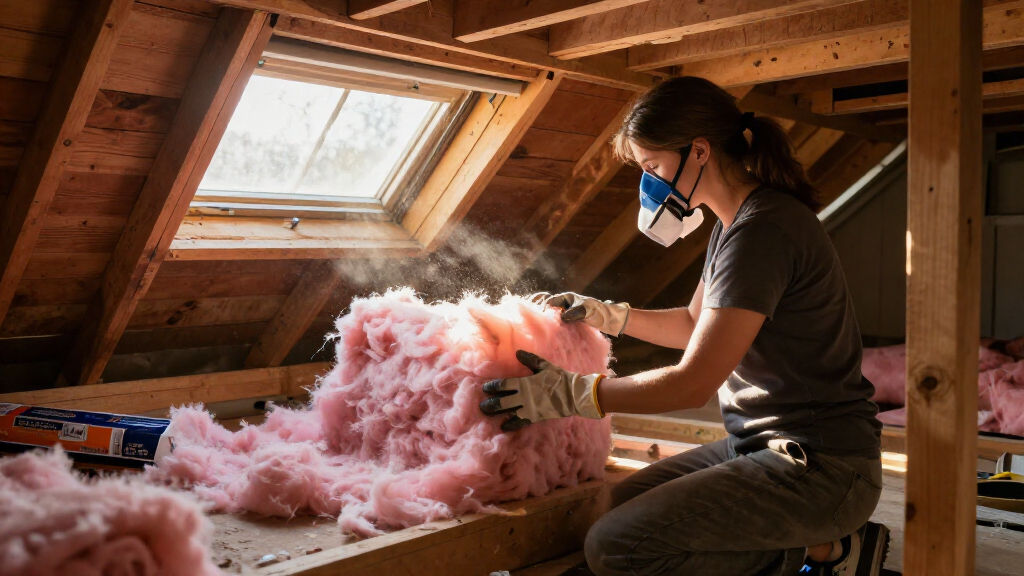
Fiberglass can irritate skin and lungs, reflective rolls can be awkward overhead, and spray foam requires careful preparation and protective equipment. Read product instructions and safety information before opening a package, and use suitable protective gear. Spray foam is best treated as a precise sealing task; overapplication or poor placement can create cleanup problems and may affect nearby components. Large rolls and multi-bag batt packages can be difficult to move through a narrow attic hatch, so check access and storage space first. DIY work should stop short of covering wiring, fixtures, or ventilation openings without checking the relevant requirements. Hire a qualified professional when the attic has moisture damage, complex wiring, or uncertain ventilation needs.
Know When a More Specialized Product Makes Sense
Paying for a large roll or higher-R-value batt only makes sense when its scale and job match the project. A 1,000-square-foot radiant-barrier roll may suit a broad installation, while a short bubble roll is better reserved for small areas or limited applications. The R-38 batt offers a higher stated resistance than the R-19 options, but its dimensions and package quantity may be inconvenient for a small repair. A spray foam kit can address isolated gaps more directly than laying another blanket layer, yet it is not a broad coverage solution. Compare the full installation plan, not just the product format. If the attic needs both air sealing and more thermal resistance, budget and schedule for those as separate tasks.
Frequently Asked Questions
Can I use a radiant barrier instead of fiberglass attic insulation?
Usually, no: the two product types address heat transfer differently. The radiant barriers in this roundup are reflective materials, while the Owens Corning batts list R-values for thermal resistance. A radiant barrier may suit an attic where radiant heat is a specific concern, but it should not be treated as a substitute for the thermal layer a home needs. Check local guidance and the product’s installation directions before combining materials. If you are unsure what is missing from the existing attic assembly, an energy assessment can help identify the right job.
Which product makes the most sense for a small attic repair?
For a small repair, the compact Reflectix or FONUNO rolls may be easier to handle than a 1,000-square-foot barrier roll or a multi-bag batt package, depending on the task. If the problem is a narrow gap or penetration, the BEEST spray foam kit is the more targeted format, though it requires careful application. For a missing section of thermal insulation, match a batt’s dimensions and R-value to the surrounding layer instead of using reflective material by default. Measure the area and check what material is already present before buying. Avoid patching over moisture damage or blocked ventilation without addressing the underlying issue.
How do I choose between the two Owens Corning R-19 batt listings?
Compare the dimensions and stated package coverage against your framing and the area you need to fill. The 15-by-93-inch listing and the 24-by-96-inch, 128-square-foot listing are not identical formats, so fit and quantity can change how much cutting or leftover material a project involves. Check the space between framing members and the installed thickness required for the intended assembly. Neither listing should be compressed just to fit a cavity. If the attic needs a higher thermal layer and has room for it, compare the R-38 batt as well.
Does a larger coverage number mean a radiant barrier is the better buy?
Not by itself. A 1,000-square-foot roll can suit a large project, but coverage has little value if the product is difficult to install in the attic or the material does not address the home’s main insulation need. Width, perforation, access, cutting waste, and the required air space all affect the usable installation. Smaller rolls may be more manageable for localized work, while broad rolls reduce the number of sections for a large surface. Compare the installation plan and product directions alongside the listed area.
Should I install attic insulation myself or hire a professional?
A straightforward batt installation may suit a capable DIYer with safe attic access, clear ventilation paths, and no signs of moisture or wiring hazards. Radiant-barrier work can be awkward overhead and depends on following the specified installation method, while spray foam demands careful control and protective equipment. Hire a professional if the attic has dampness, mold, damaged wiring, uncertain ventilation, or hard-to-reach areas. A professional can also help distinguish air leaks from insufficient insulation, which may prevent buying the wrong material. Follow local requirements and manufacturer safety instructions whichever route you choose.
Conclusion
For most buyers seeking a substantial thermal layer, I recommend the Owens Corning R-38 Unfaced Fiberglass Batt as the best overall choice, provided its dimensions and quantity suit the attic. For broad radiant-barrier coverage, AtticFoil Original is my best-value-style pick among the large-format options, while MARGAR is a strong alternative for buyers who specifically want a perforated double-foil roll. The BEEST FullStop kit is the best fit for targeted gap sealing, not whole-attic insulation, and the compact Reflectix BP24025 is easier for limited work than a bulk roll. Beginners should start by measuring the attic and identifying whether they need thermal insulation, radiant control, or air sealing before choosing any product. For a project with moisture, ventilation, or wiring concerns, I would favor a professional assessment over adding material blindly.