
Voice assistants collect and analyze your voice data to improve services, but this raises privacy concerns. Your recordings are stored on company servers, which might be vulnerable to breaches if not properly secured. Sensitive information could be leaked, or data might be misused without your consent. To protect yourself, you can manage privacy settings, delete stored recordings regularly, and exercise your data rights. If you’re curious about how to stay secure, you’ll find helpful tips ahead.
Key Takeaways
- Voice commands are analyzed and stored on servers, raising privacy risks if data is accessed or mishandled.
- Data encryption and anonymization help protect voice data, but vulnerabilities remain if security measures fail.
- Users can control privacy by managing settings, deleting recordings, and exercising rights over their personal data.
- Insecure storage and potential breaches can lead to unauthorized access and privacy leaks.
- Future safeguards aim to enhance transparency, user control, and security protocols for voice assistant privacy.
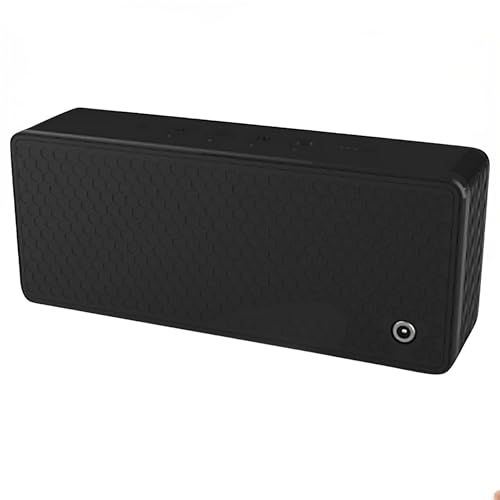
Spy Associates Ultrasonic Privacy Protector – Portable Acoustic Masking Device, Voice Privacy Tool for Secure Conversations in Meetings, Offices, Cars & Travel
ULTRASONIC SPEECH PRIVACY: Uses ultrasonic acoustic output (above 25 kHz, inaudible to humans) to help protect speech privacy…
As an affiliate, we earn on qualifying purchases.
As an affiliate, we earn on qualifying purchases.
How Do Voice Assistants Collect and Use Your Data?
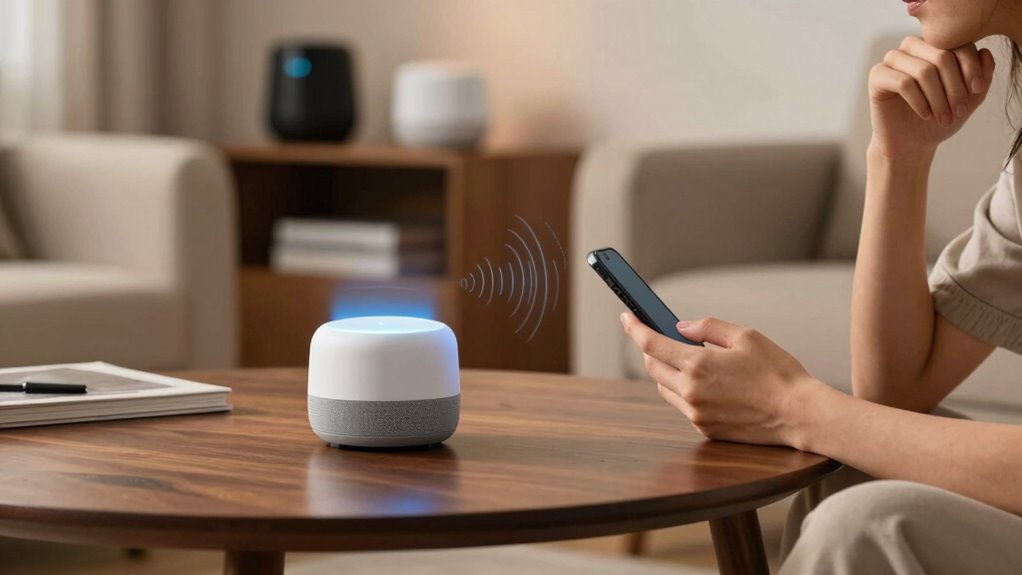
Voice assistants gather your data primarily through the voice commands you give them. They analyze your speech to understand requests and improve their services. Regarding voice assistant ethics, companies often collect data to enhance user experience, but this raises privacy questions. To protect your identity, many adopt data anonymization techniques, removing personal details before storage or analysis. This process helps guarantee your conversations aren’t directly linked to your identity, reducing privacy risks. Additionally, data encryption is employed to secure stored information from potential breaches. However, some data still gets stored on servers, which could be vulnerable if not properly secured. Understanding how your data is used and safeguarded is vital. Digital frames and interactive murals are also part of modern home tech trends that involve data collection, emphasizing the importance of privacy awareness. While data anonymization offers some protection, it’s essential to stay informed about how companies handle your voice recordings and personal information. Incorporating self-sufficiency strategies, such as understanding data security measures, can help you better protect your privacy in an increasingly connected world. Moreover, being aware of privacy policies can help you make informed decisions about your data sharing. Recognizing the role of data collection can further empower users to advocate for better privacy practices.

NEWORK 27" Portable TV with Hi-Fi Audio, 44W Quad Speakers & Subwoofer, Android 14 EDLA Touch Screen Monitor, 8GB+128GB, Built-in 8H Battery, 5MP Privacy Camera, Voice Remote Control
True Hi-Fi Sound You Can Hear – Experience room-filling audio with 44W quad speakers and a dedicated subwoofer,…
As an affiliate, we earn on qualifying purchases.
As an affiliate, we earn on qualifying purchases.
What Are the Privacy Risks of Using Voice Assistants?
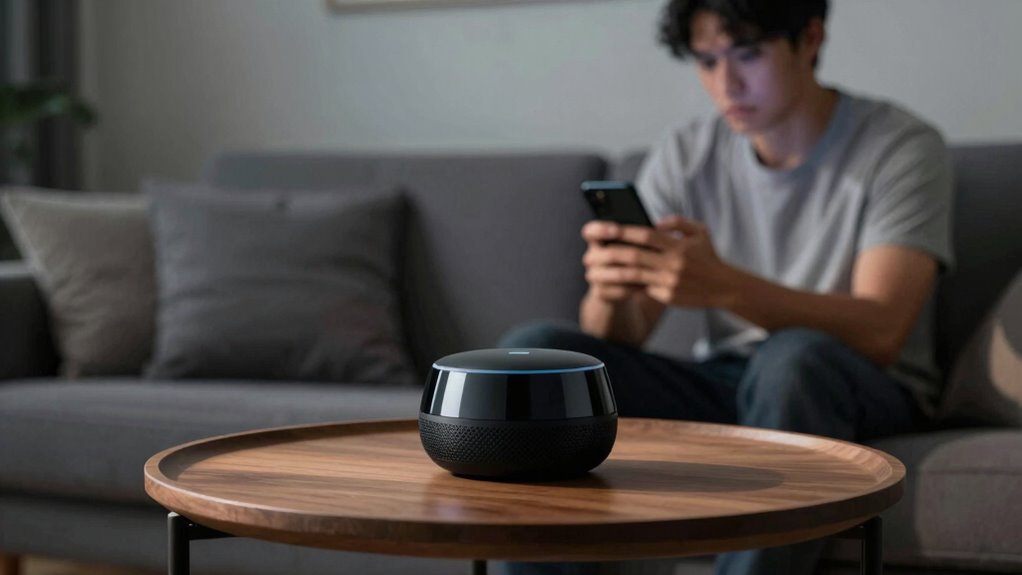
Using voice assistants can expose you to several privacy risks, especially if you’re unaware of how your data is being collected and stored. Voice recognition technology can inadvertently record private conversations, which might be accessed by third parties. Additionally, if your data isn’t protected with robust data encryption, it could be vulnerable to hacking. Here’s a quick overview of the risks:
| Risk | Explanation | Impact |
|---|---|---|
| Unauthorized Access | Hackers may access unencrypted voice data | Privacy breach |
| Data Leakage | Sensitive info could be leaked through insecure storage | Identity theft |
| Misuse of Data | Companies might use data beyond intended purposes | Loss of control over data |
Being aware of your privacy policies can help you better understand how your voice data is protected and shared. Recognizing potential vulnerabilities can empower users to take protective measures to secure their personal information. It’s also important to regularly review your device settings to limit data sharing and minimize privacy risks. Furthermore, understanding the data collection practices of your voice assistant can help you make informed decisions about its use.
voice assistant data encryption hardware
As an affiliate, we earn on qualifying purchases.
As an affiliate, we earn on qualifying purchases.
How Do Companies Store and Manage Your Voice Data?
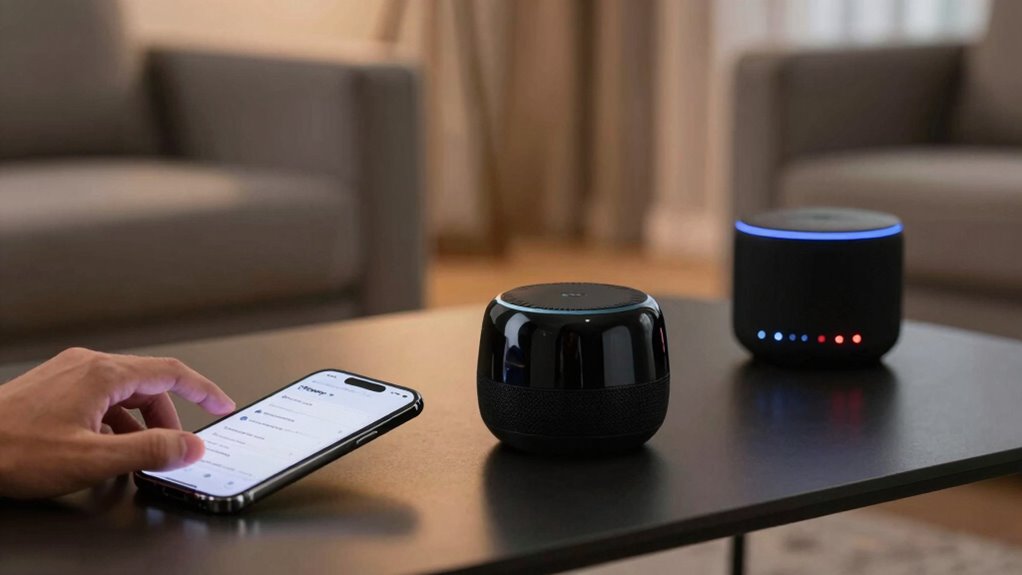
When you interact with voice assistants, companies typically store and manage your voice data on their servers. They perform voice data analysis to understand your commands and improve their services. To protect your privacy, many companies use data anonymization techniques, removing personally identifiable information from your recordings. This process helps prevent your voice data from being directly linked back to you. Your voice recordings are often stored securely, with access restricted to authorized personnel. Companies may also retain your data for a certain period to refine voice recognition algorithms or troubleshoot issues. While they aim to protect your privacy, the way they store and manage your voice data varies, raising questions about data security and transparency in their data handling practices. Additionally, some tools, like the Conversion Tool for Crores, can help you understand large numbers associated with your data or financial information. Proper data management practices are essential to ensure your voice data remains protected from unauthorized access or misuse, especially considering the potential for data breaches in the industry. Implementing robust privacy policies is crucial for maintaining user trust and compliance with regulations.

Dwolm Digital Badge AI Companion, Wearable Language Translator Device for 60 Languages, Real-Time LCD Subtitles, HD Touchscreen, Bluetooth 6.0, Voice Assistant, Portable E-Badge for Travel & Business
【Multilingual Real-Time Translation】As an AI wearable electronic badge, it features an advanced real-time voice translation engine supporting bidirectional…
As an affiliate, we earn on qualifying purchases.
As an affiliate, we earn on qualifying purchases.
Could Your Voice Data Be Breached? Common Privacy Concerns
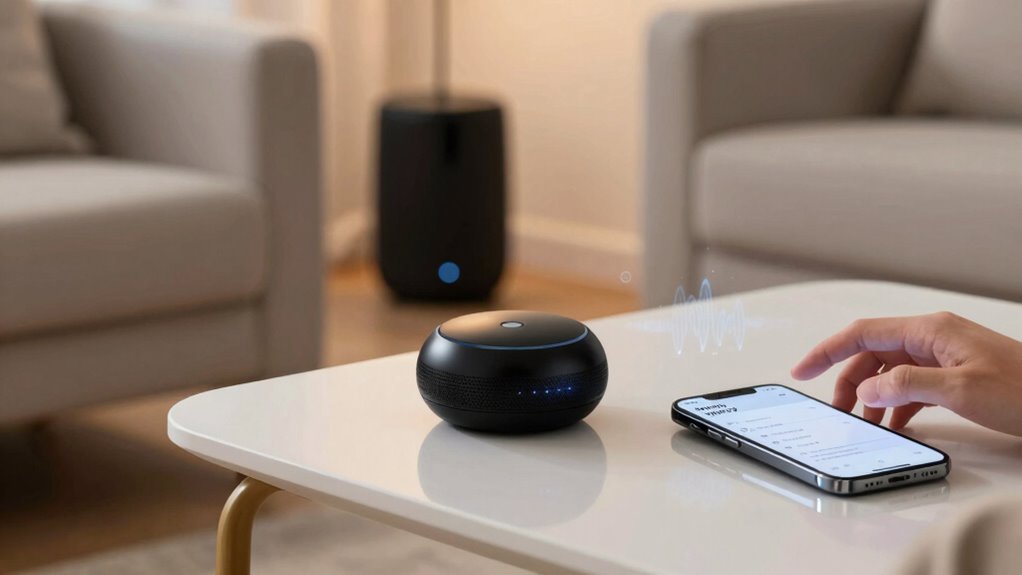
Even with the safeguards companies put in place to protect your voice data, breaches can still happen. Hackers target systems that lack robust security measures, putting your sensitive information at risk. One way companies try to prevent privacy breaches is through voice data encryption, which scrambles your data during transmission and storage, making it harder for unauthorized users to access. However, no system is entirely foolproof, and vulnerabilities can still be exploited. To enhance privacy breach prevention, companies continuously update their security protocols and audit their systems. As a user, it’s important to stay aware that your voice data could be compromised if security measures fail. Understanding these risks helps you better evaluate how your voice data is protected and what steps are taken to keep it secure. Additionally, regular assessments of security vulnerabilities in voice assistant systems are crucial to maintaining privacy. The evolving nature of cybersecurity threats underscores the need for ongoing vigilance in this area.
How Can You Protect Your Privacy When Using Voice Assistants?
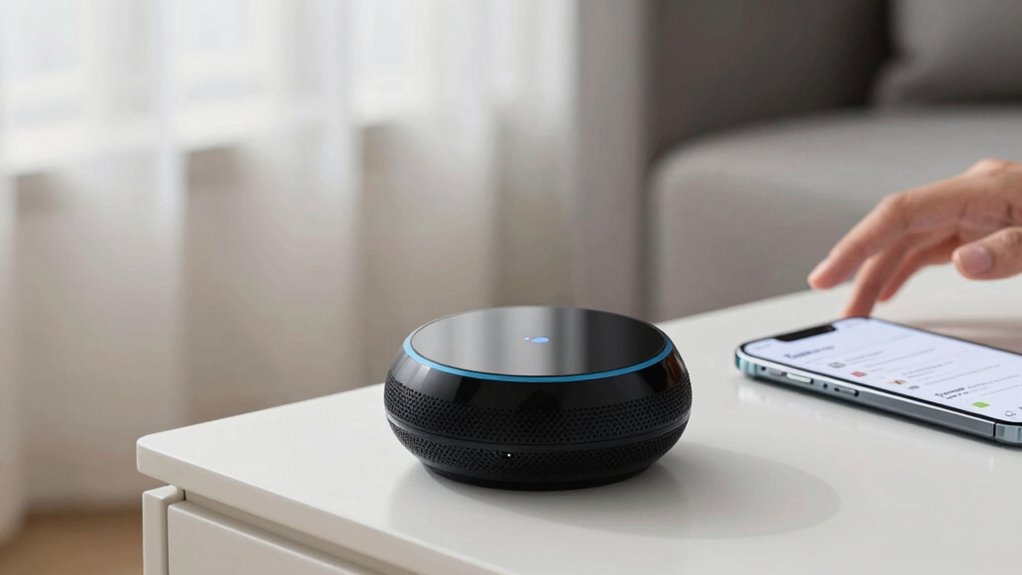
To protect your privacy, start by managing your voice data settings to control what information gets stored and shared. Be mindful of the personal details you share with your voice assistant, and limit the amount of sensitive information you provide. These simple steps help you stay in control of your data and reduce privacy risks. Additionally, reviewing your privacy policy can help you understand how your data is protected and used. Staying informed about cryptocurrency trends can also help you better understand the importance of data security in digital environments. Recognizing the importance of boundaries in digital interactions can further enhance your privacy protection efforts. Understanding home decor tips can also be useful in creating a comfortable and secure living space that minimizes unnecessary digital exposure. Incorporating privacy-focused technology in your smart devices can further strengthen your defenses against data breaches.
Manage Voice Data Settings
Managing your voice data settings is essential for protecting your privacy while using voice assistants. Proper voice data management helps you control what information is stored and shared. Start by reviewing and adjusting your privacy settings on your device or app. This includes disabling features like voice recordings or auto-saving conversations. Regularly deleting stored voice data minimizes the risk of unauthorized access. Additionally, check if your voice assistant offers an option to limit data sharing or anonymize your information. Considering cybersecurity tactics such as understanding side-channel attacks can also help you recognize potential vulnerabilities associated with voice data. Being aware of water damage risks to your device can also prevent data loss in case of accidental exposure to moisture.
Limit Personal Information Sharing
While voice assistants can make everyday tasks more convenient, it’s important to be cautious about the personal information you share. To protect your privacy, practice data minimization by only sharing essential details. Set clear personal boundaries and avoid discussing sensitive topics that aren’t necessary for your commands. Regularly review and delete voice data to prevent unnecessary storage. Use privacy settings to limit what information is collected and shared.
| Tip | Explanation |
|---|---|
| Limit sensitive info | Don’t share personal or confidential details verbally. |
| Review settings regularly | Keep privacy controls updated and active. |
| Use guest modes or profiles | Prevent personal info from being linked to others. |
| Be aware of data collection | Understand what data your device collects and why. |
What Are Your Privacy Rights, and When Should You Exercise Them?
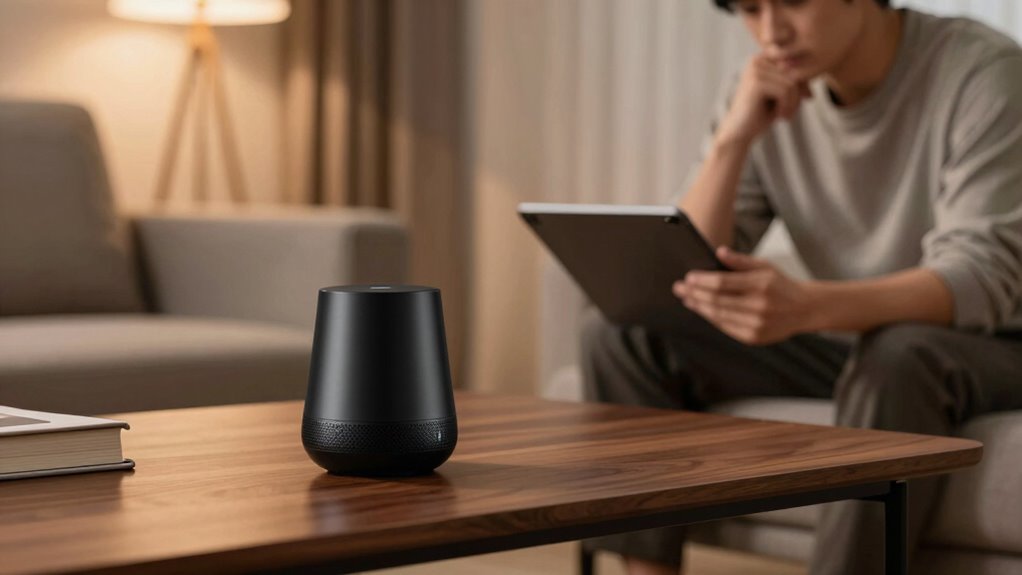
Have you ever wondered what rights you have over your personal data when using voice assistants? You’re entitled to control how your data is collected and used. When you notice unclear privacy policies or suspicious voice data analysis practices, it’s time to exercise your rights. You can request access to your data, ask for corrections, or demand deletion if you feel your privacy is at risk. Key moments to act include when privacy policy clarity is lacking or if you’re uncomfortable with how your voice recordings are handled. Remember, your rights empower you to protect your personal information and guarantee companies are transparent about their data practices. Staying informed about natural light and cozy spaces can also help you create a comfortable environment that fosters privacy and wellness. Additionally, implementing requirements traceability practices can ensure that your data handling aligns with compliance standards like FedRAMP. Stay vigilant and don’t hesitate to assert your rights whenever necessary to maintain your privacy.
How to Adjust Privacy Settings on Popular Voice Platforms
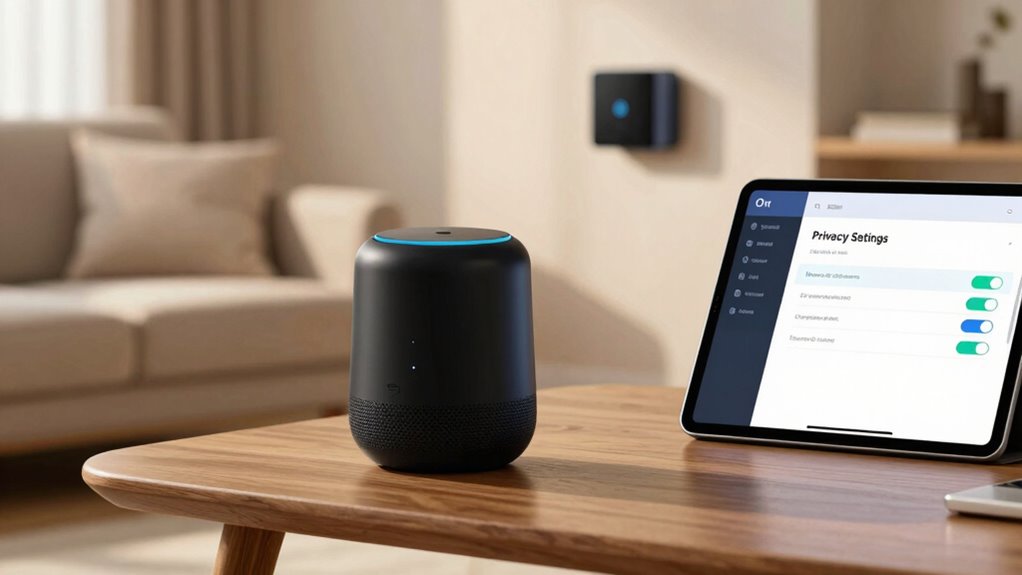
Adjusting privacy settings on popular voice platforms is a crucial step in protecting your personal data. Start by reviewing options for voice recognition, which often record and analyze your commands. Turn off features that store recordings if you prefer more control. Many platforms now offer data anonymization, which removes identifying details from your voice data. Use the table below to understand key settings:
| Setting | Purpose |
|---|---|
| Voice recognition | Controls whether your voice is stored |
| Data anonymization | Protects your identity in stored data |
| Recording deletion | Deletes stored recordings regularly |
Adjust these settings to limit data collection and enhance your privacy. Regularly reviewing your privacy options helps keep your data secure.
The Future of Voice Assistant Privacy: Emerging Safeguards
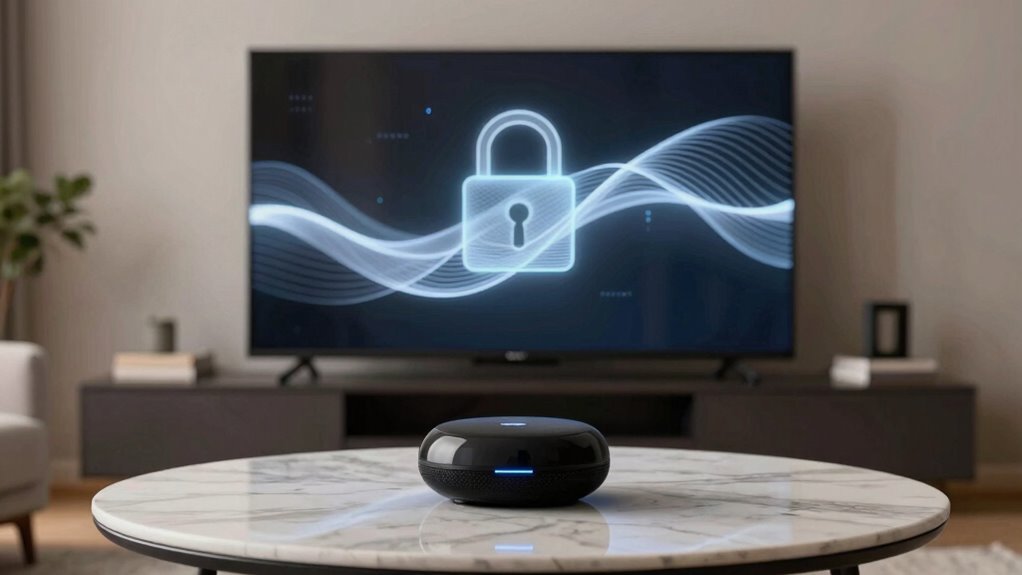
As technology advances, voice assistants are adopting stronger data encryption methods to protect your information. Companies are also improving user consent practices to give you more control over your data, and transparent privacy policies help you understand how your information is used. These emerging safeguards aim to make your interactions safer and more private in the future.
Enhanced Data Encryption
Enhanced data encryption is emerging as a crucial safeguard for protecting your voice assistant’s sensitive information. It guarantees that your voice data remains secure during transmission and storage by applying advanced encryption protocols. These protocols scramble your voice data, making it unreadable to unauthorized parties. You’ll benefit from:
- Stronger protection against hacking attempts
- Increased privacy during data exchanges
- Reduced risk of unauthorized access to your voice data
As encryption protocols evolve, they provide a robust barrier that keeps your conversations private. This technology not only safeguards your current voice data but also prepares your devices for future security challenges. By adopting these encryption standards, voice assistants can better defend your personal information, giving you peace of mind and strengthening overall privacy measures.
User Consent Practices
How can voice assistants guarantee your privacy without overstepping boundaries? It starts with clear user consent practices. Voice consent is essential; you should be asked explicitly before your device records or shares any data. Emerging safeguards focus on data transparency, ensuring you understand what information is collected, how it’s used, and who has access. Companies are developing systems that require your active agreement each time sensitive data is involved, rather than relying on passive acceptance. These practices empower you to make informed decisions about your privacy. Future innovations aim to create more straightforward consent prompts, giving you control without complicating your experience. By prioritizing voice consent and data transparency, voice assistants can respect your boundaries while providing useful, personalized assistance.
Transparent Privacy Policies
What if you could easily understand exactly what a voice assistant is doing with your data? Transparent privacy policies are key to building that trust. Clear privacy policies outline how your data is collected, stored, and used, making transparency practices accessible. These policies should be straightforward, avoiding confusing legal jargon, so you know what you’re agreeing to. Look for companies that:
- Provide simple summaries of their privacy policies
- Regularly update policies to reflect changes
- Clearly specify data sharing and retention practices
Is Using Voice Assistants Safe? Final Tips and Takeaways
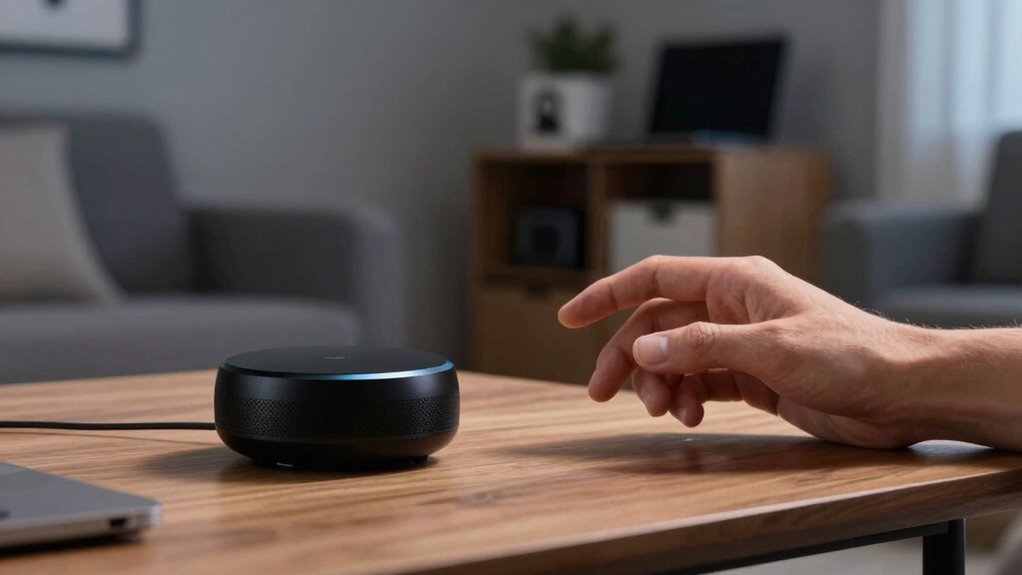
While voice assistants offer convenience, it’s important to take into account the potential privacy risks involved. Your voice privacy can be compromised if you’re not cautious about sharing sensitive information. To guarantee data security, regularly review your device’s privacy settings and disable features you don’t need. Be mindful of what you say around your device, as even unintended conversations can be recorded. Use strong, unique passwords for your accounts and enable two-factor authentication when available. Keep your device’s software up to date to patch security vulnerabilities. Consider deleting voice recordings periodically to limit stored data. Ultimately, staying informed about your voice assistant’s privacy policies and practicing good data security habits helps protect your privacy and minimizes risks.
Frequently Asked Questions
Can Voice Assistants Recognize and Differentiate Multiple Users’ Voices?
Yes, voice assistants can recognize and differentiate multiple users’ voices through voice differentiation technology. They use user identification to analyze unique voice features, such as tone and pitch, allowing them to distinguish between different people. When you speak, the assistant identifies you based on your voiceprint, customizing responses and access to personalized information. This technology enhances user experience while maintaining privacy by ensuring each voice is accurately recognized and securely handled.
What Legal Protections Exist for Voice Data Privacy?
They say, “Better safe than sorry,” and that’s true for your voice data privacy. Laws like the GDPR and CCPA offer protections, requiring companies to use encryption protocols and data anonymization to secure your info. These legal safeguards aim to prevent misuse and unauthorized access, giving you some control over your data. While protections exist, staying vigilant about privacy policies is essential to keep your voice data safe.
How Do Third-Party Apps Access Voice Assistant Data?
Third-party apps access voice assistant data through data sharing agreements with the platform providers. When you grant permissions, these apps can request access to your voice data, which is then shared with them. You might not always realize this, but it allows third-party access to your voice interactions. To protect your privacy, review app permissions carefully and limit data sharing whenever possible, ensuring you control who accesses your voice data.
Are There Specific Industries More Vulnerable to Voice Data Breaches?
Financial firms, healthcare hubs, and government garages are more vulnerable to voice data breaches. These industries handle hefty, sensitive info, making them prime targets. To protect privacy, they should prioritize data encryption and secure user consent. When these measures are in place, they guard against malicious misuses, minimizing mishaps. You must understand these vulnerabilities and advocate for robust security, ensuring that your voice data stays safe and sound.
How Often Do Companies Update Privacy Policies Related to Voice Data?
Companies typically update their privacy policies related to voice data every one to two years, but it varies depending on regulations and technology changes. You should pay attention to updates that highlight data encryption practices and user consent procedures, as these are essential for protecting your voice data. Staying informed helps you understand how your data is managed and guarantees your privacy rights are respected with each policy change.
Conclusion
While voice assistants offer convenience, they also pose privacy risks you can’t ignore. It’s a common misconception that voice data remains entirely secure; in reality, breaches can happen, and companies often store and analyze your conversations. By staying informed, adjusting your privacy settings, and exercising your rights, you can better protect yourself. Remember, the theory that voice tech is completely safe is false—being proactive is your best defense in safeguarding your privacy.