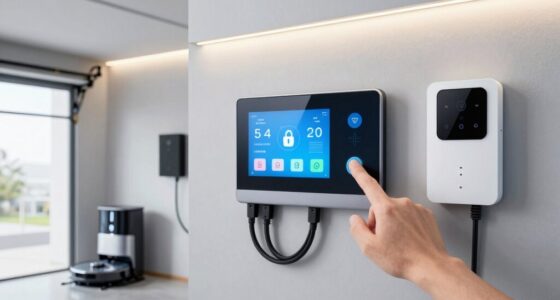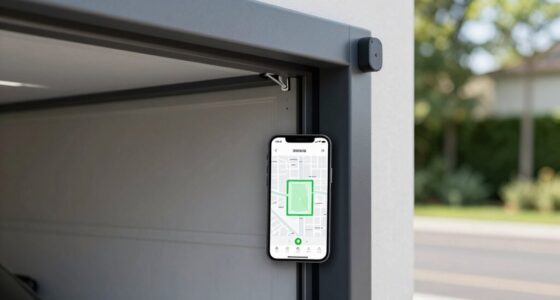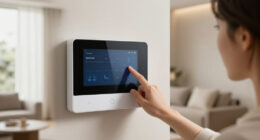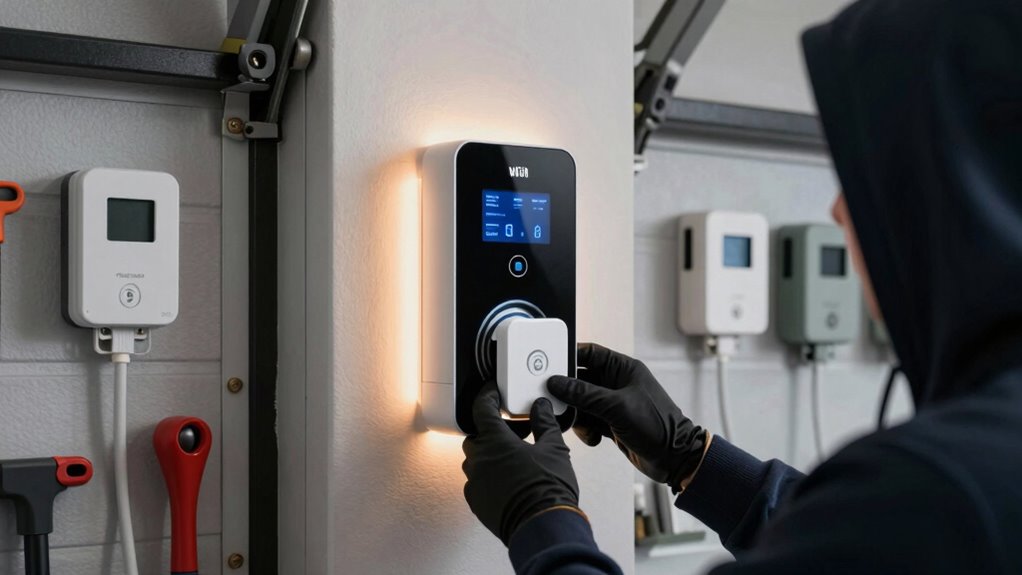

To protect your smart garage devices from hacking, start by securing your Wi-Fi with strong encryption like WPA3, change default passwords, and enable guest networks. Use strong, unique passwords and multi-factor authentication to control access. Keep firmware and software updated regularly to fix vulnerabilities and improve security. Monitor your devices for suspicious activity and set alerts for unusual actions. Taking these steps helps safeguard your home, and if you want more tips, there’s plenty more to discover.

Get home appliances delivered free with Prime
- Fast, free delivery on millions of items
- Prime Video, Amazon Music and more included
- Member-only deals all year
Key Takeaways
- Use strong, unique passwords and enable multi-factor authentication for device access.
- Keep firmware and software updated regularly to patch security vulnerabilities.
- Secure your Wi-Fi network with WPA3 encryption and disable remote management features.
- Limit device access permissions and create separate guest networks for visitors.
- Monitor activity logs and set alerts for suspicious or unauthorized device activity.
As an affiliate, we earn on qualifying purchases.
How Hackers Target Your Smart Garage Devices and Why Security Matters

While smart garage devices offer convenience, they also present tempting targets for hackers. Hackers often exploit hacking vulnerabilities in garage automation systems to gain unauthorized access. These vulnerabilities may include weak passwords, outdated firmware, or unsecured network connections. Once inside, they can manipulate your garage door, disable security features, or even use your device as a gateway to your entire home network. Because garage automation devices are connected to the internet, they’re susceptible to remote attacks, making security essential. Hackers target these devices because they’re often overlooked in security setups, leaving gaps that can be exploited. Implementing proper security measures can significantly reduce the risk of unauthorized access. Additionally, understanding the security vulnerabilities inherent in connected devices can help you better defend against potential threats. Recognizing the importance of regular updates can further bolster your device’s defenses against emerging threats. Staying informed about emerging cyber threats related to connected home devices is crucial for maintaining comprehensive security. Protecting your smart garage devices isn’t just about privacy; it’s about preventing intrusions that could compromise your safety and property. As highlighted in Gold IRA markets, transparency and regular updates are vital in maintaining trust and security in digital investments and connected devices alike.
smart garage door security system
As an affiliate, we earn on qualifying purchases.
As an affiliate, we earn on qualifying purchases.
Secure Your Wi-Fi Network to Protect Your Garage Devices
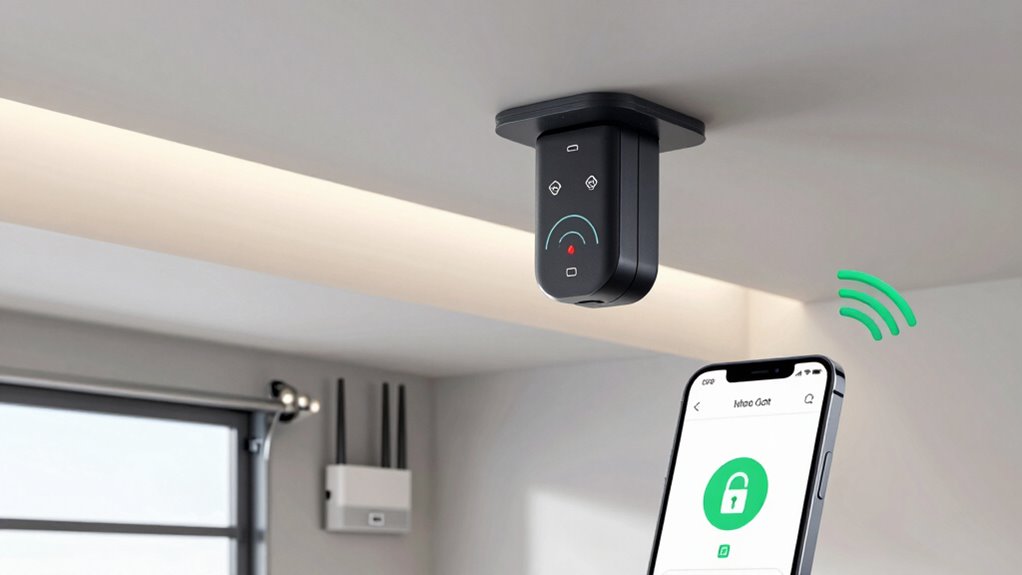
Have you secured your Wi-Fi network lately? Protecting your garage automation starts with your Wi-Fi security. Guarantee your network uses strong Wi-Fi encryption, like WPA3, to prevent hackers from intercepting data. Avoid default passwords and change them to unique, complex ones. Enable a guest network for visitors, so your main network stays protected. Regularly update your router’s firmware to patch vulnerabilities. Disable remote management features if you don’t need them. Keep your network hidden by turning off SSID broadcasting, making it less visible to potential intruders. These simple steps strengthen your Wi-Fi security, making it harder for hackers to access your garage devices. Additionally, utilizing Indonesian decor masks as part of your home aesthetic can serve as a cultural conversation starter, adding a unique layer of personalization that also deters casual intruders. A secure Wi-Fi network is the foundation for safe garage automation and peace of mind. Incorporating connected home devices with proper security measures further enhances your protection against cyber threats. Strengthening your Wi-Fi security also reduces the risk of unauthorized access to all connected devices, especially those related to automotive performance parts.
multi-factor authentication device
As an affiliate, we earn on qualifying purchases.
As an affiliate, we earn on qualifying purchases.
Set Up Strong Authentication and Access Controls
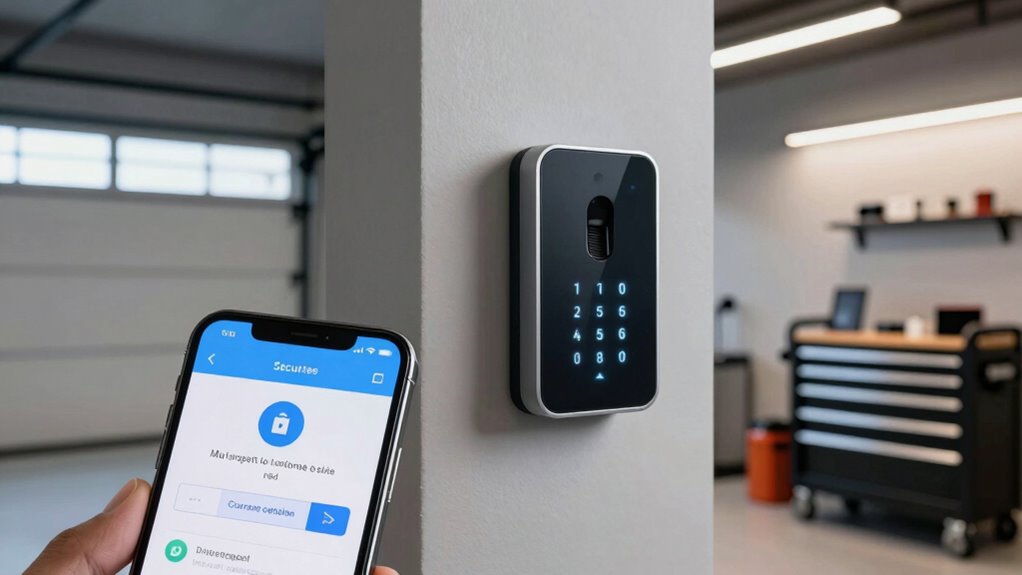
Securing your garage devices requires more than just a strong Wi-Fi network; it also depends on setting up robust authentication methods and strict access controls. Use unique, complex passwords and enable multi-factor authentication whenever possible. Biometric authentication adds an extra layer of security by verifying your identity physically, making unauthorized access harder. Limit access permissions to only essential users, and regularly review who has control over your devices. Physical security measures, such as securing the garage door and lock systems, complement digital controls. Here’s a quick overview: Color accuracy can also play a role in ensuring your device interfaces display information clearly and accurately, further enhancing security awareness. Ensuring your devices are natural pools that blend seamlessly with your garage environment can help in maintaining aesthetic security. Additionally, implementing user consent management practices ensures that access controls are transparent and aligned with privacy policies. Understanding the importance of security protocols can significantly reduce vulnerabilities and prevent hacking attempts. Paying attention to encryption standards can further fortify your device communication against interception and tampering.
As an affiliate, we earn on qualifying purchases.
Keep Firmware and Software Updated to Prevent Hacks
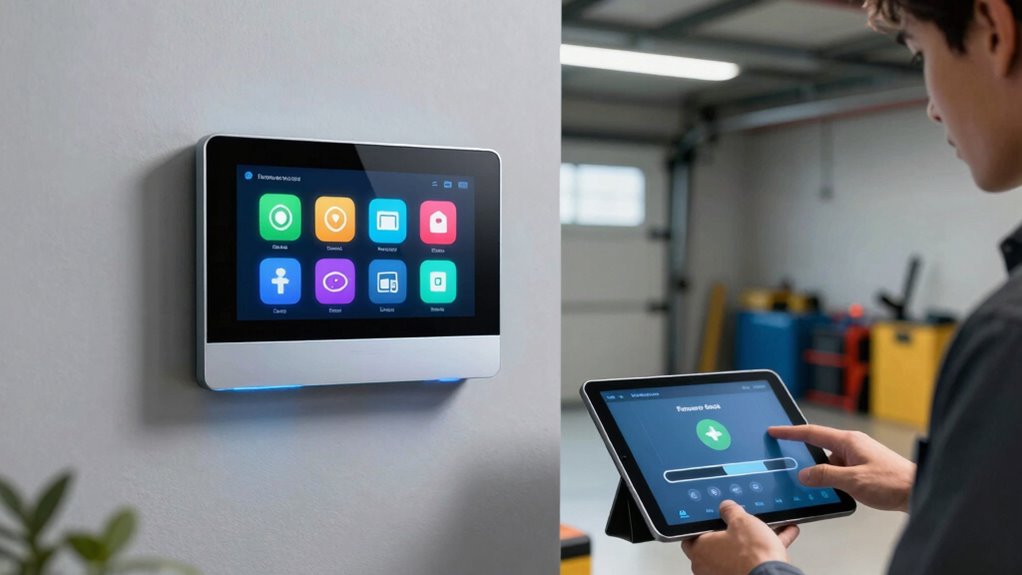
Keeping your firmware and software up to date is one of the most effective ways to prevent hacking attempts on your smart garage devices. Firmware vulnerabilities can be exploited by hackers, so regular updates ensure you fix security flaws as soon as they’re discovered. Software patching addresses these vulnerabilities, closing potential entry points for intruders. Manufacturers often release updates to improve functionality and security, so it’s essential to install them promptly. Delaying updates leaves your device exposed to known threats, increasing your risk of unauthorized access. Make it a habit to check for updates regularly and enable automatic updates if available. Staying current with firmware and software not only enhances security but also guarantees your smart garage system runs smoothly and efficiently. Implementing requirements traceability can help ensure all security updates are properly documented and verified for compliance. Additionally, understanding cybersecurity best practices can further strengthen your device protection. Regularly reviewing security protocols can help you stay aware of emerging threats and adapt your defenses accordingly. Incorporating vulnerability management strategies can also help you proactively identify and mitigate potential risks before they are exploited. Informed device management practices are crucial to maintaining your system’s security integrity.
Monitor Your Garage Devices Regularly for Suspicious Activity
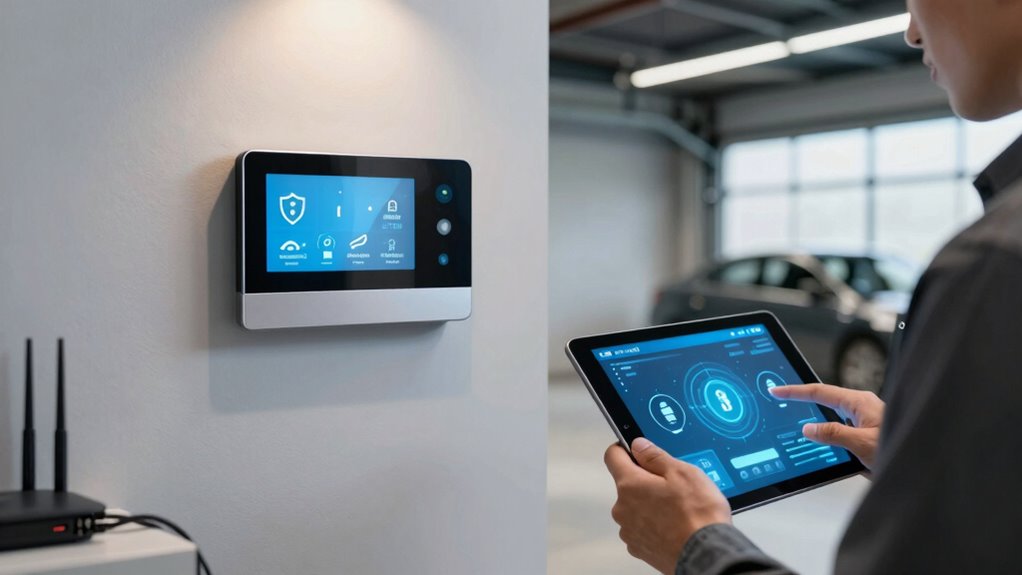
After updating your firmware and software, the next step is to keep a close eye on your garage devices for any signs of suspicious activity. Regularly monitor your garage sensor data and review activity logs to detect unusual patterns or unauthorized access. Use remote monitoring tools to stay informed, even when you’re away. If you notice unfamiliar device connections or unexpected alerts, investigate immediately. Set up alerts for abnormal activity, such as doors opening at odd hours or multiple failed login attempts. Consistent oversight helps you catch potential hacking attempts early and guarantees your smart garage remains secure. Staying proactive with your monitoring routines minimizes risks and keeps your garage safe from cyber threats. Additionally, understanding the importance of cybersecurity in smart devices, especially in connected systems like garages, can help you implement better protective measures. Recognizing the role of connected device security is crucial to maintaining overall safety.
Frequently Asked Questions
Can Using a VPN Enhance My Smart Garage Device Security?
Yes, using a VPN can enhance your smart garage device security. It encrypts your internet traffic, making it harder for hackers to intercept data. Make certain your device uses strong encryption protocols and keep firmware updates current to patch vulnerabilities. A VPN adds an extra layer of protection, safeguarding your device from potential threats and unauthorized access, especially when accessing your garage remotely.
What Are Common Signs My Garage Device Has Been Hacked?
Imagine your garage device as a guarded castle; if it’s been hacked, you might notice unusual activity—doors opening on their own or strange alerts. These are signs of garage device vulnerabilities. Hacking detection methods include monitoring for unexpected logins, sluggish responses, or unfamiliar devices connected to your network. Stay vigilant, and if you spot these signs, act swiftly to secure your system before a hacker breaches your fortress.
Are Third-Party Security Apps Effective for Protecting Garage Devices?
Third-party security apps can be effective for protecting your garage devices if they offer strong features like real-time monitoring, alerts, and regular updates. Make sure the app is compatible with your specific garage device to avoid issues. While these apps add an extra layer of security, they shouldn’t replace built-in protections. Combining reputable third-party security with good practices keeps your smart garage safer from hacking threats.
How Can I Securely Share Access With Family Members?
You can’t just hand out keys and hope for the best—it’s essential to set clear user permissions and share access codes carefully. Use your smart garage app to assign specific access levels to family members, ensuring they only control what they need. Change access codes regularly and revoke permissions when someone no longer needs access. This way, you keep control in your hands while sharing safely.
What Is the Best Way to Back up Device Settings Securely?
You should back up your device settings using encrypted storage or cloud backup services. Encrypted storage keeps your data secure by encoding it, making it unreadable without a key. Cloud backup offers a reliable way to store your settings remotely, ensuring they’re protected even if your device is compromised. Regularly updating your backups and choosing reputable, secure providers helps safeguard your smart garage system from potential threats.
Conclusion
By following these security tips, you can considerably reduce the risk of hackers gaining control of your smart garage devices. Some might think it’s too complicated or unnecessary, but taking simple steps like updating firmware and securing your Wi-Fi can make a big difference. Remember, safeguarding your devices isn’t just about technology—it’s about protecting your home and peace of mind. Don’t wait until it’s too late; act now to keep your garage secure.
Halloween Picks
halloween
As an affiliate, we earn on qualifying purchases.