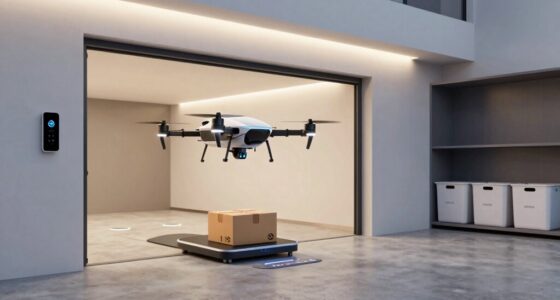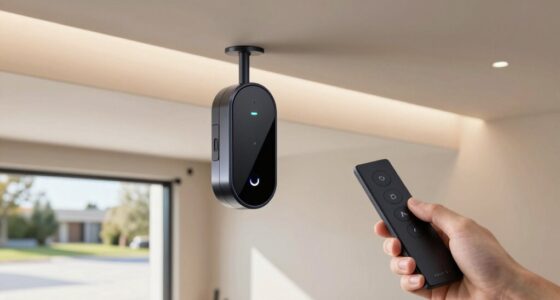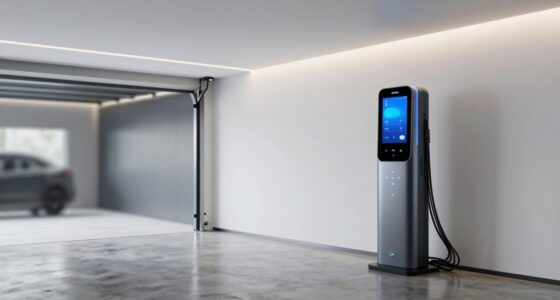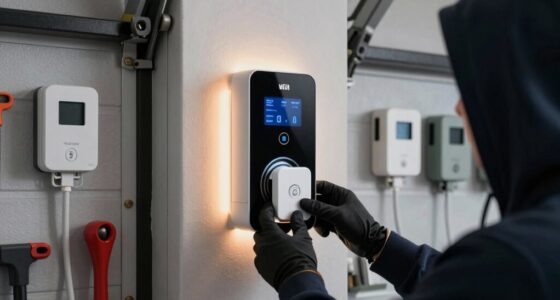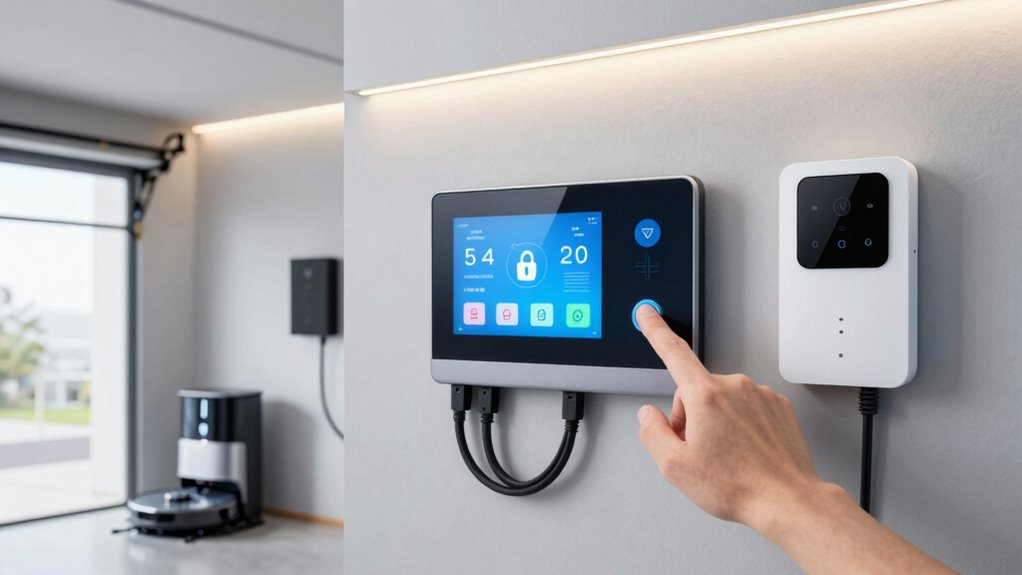

To secure your smart garage devices from hacking, start by changing default passwords to strong, unique ones and enable two-factor authentication if available. Keep firmware and software updated regularly, and isolate your devices on a separate, secure Wi-Fi network to prevent broader access. Monitor your device activity for unusual behavior, and select reputable brands with strong security features. If you’re concerned about vulnerabilities, there’s more you should know to protect your smart garage effectively.

Get home appliances delivered free with Prime
- Fast, free delivery on millions of items
- Prime Video, Amazon Music and more included
- Member-only deals all year
Key Takeaways
- Change default passwords and enable strong, unique credentials for all devices and accounts.
- Keep firmware and software updated regularly to patch security vulnerabilities.
- Use a separate, secured Wi-Fi network or VLAN for garage devices to isolate them from your main network.
- Enable two-factor authentication and monitor device activity for suspicious behavior.
- Purchase devices from reputable brands with built-in security features and stay informed on security updates.
As an affiliate, we earn on qualifying purchases.
What Are the Main Security Risks for Smart Garage Devices?
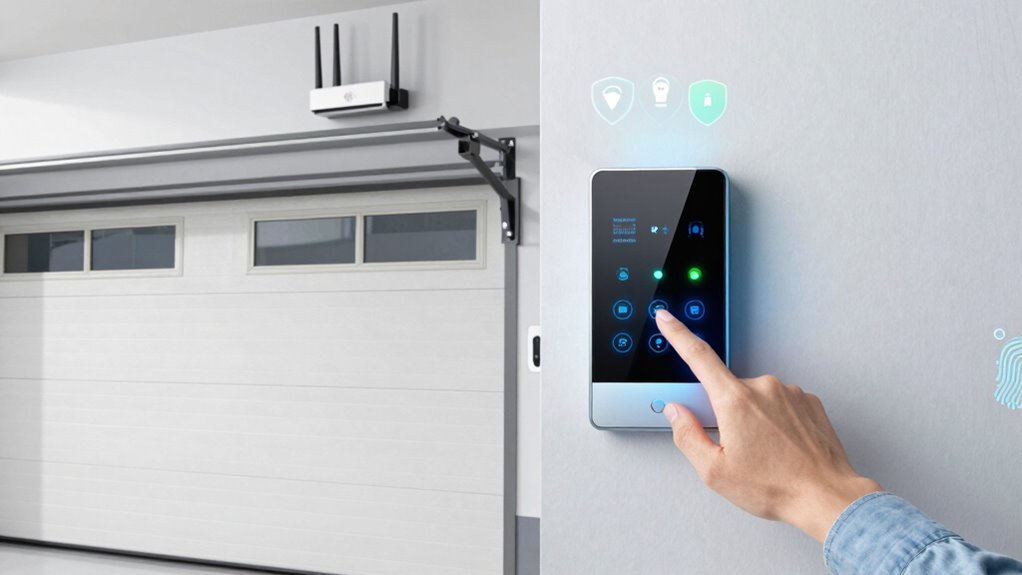
Smart garage devices, like automated openers and connected security systems, face several security risks that can compromise your home. One major risk is unauthorized access through vulnerabilities in garage automation systems, which can let intruders control your garage remotely. If your device’s firmware isn’t secure, hackers could exploit weaknesses to gain control, disable alarms, or open your garage door without permission. Remote access, while convenient, also poses a threat if not properly protected, as hackers might intercept signals or exploit weak passwords. Additionally, many devices lack strong encryption or have default settings that make them easy targets. Being aware of these risks helps you prioritize security measures, ensuring your smart garage remains safe from hacking attempts. Regularly updating your firmware and security protocols can significantly reduce these vulnerabilities. Implementing network segmentation can further isolate your smart devices from other home networks, reducing potential attack surfaces. To further protect your devices, consider implementing additional security measures such as network segmentation or two-factor authentication. Recognizing these common cybersecurity vulnerabilities and understanding the importance of device security is key to maintaining a secure smart home environment.
garage door opener with two-factor authentication
As an affiliate, we earn on qualifying purchases.
As an affiliate, we earn on qualifying purchases.
How to Change Default Passwords on Your Garage Devices
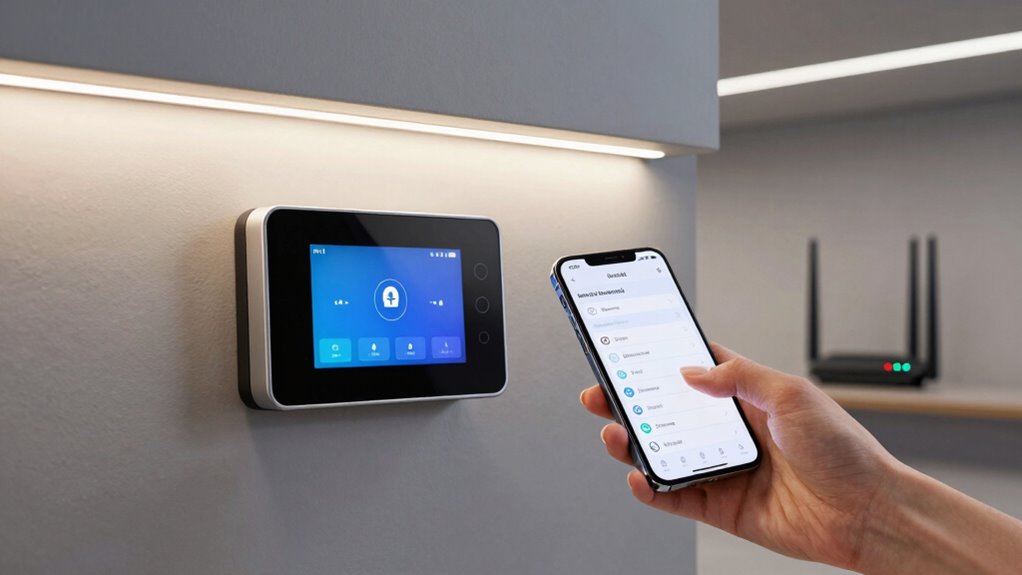
Start by locating the default credentials for your garage device, which are often found in the user manual or on the manufacturer’s website. Then, access the device’s settings through its app or web interface to change the password. Make sure to create a strong, unique password to keep your device secure from unauthorized access. Additionally, regularly updating your device’s firmware can help protect against security vulnerabilities and ensure your system remains protected. Keeping your firmware up to date is essential for patching security flaws and maintaining device integrity. Understanding the importance of firmware updates can also help you stay ahead of potential threats and maintain your device’s security. Recognizing the significance of affiliate disclosure can also help you be aware of potential biases in product recommendations related to security devices. Incorporating proper network segmentation can further enhance your overall security posture by isolating your garage system from other home devices.
Locate Default Credentials
Have you ever wondered if your garage device still uses its default login credentials? Many devices come with default passwords that are easy for hackers to find, putting your security at risk. Your first step is to locate these credentials to improve credential management. Check the user manual or manufacturer’s website for default login info. You might also find default passwords printed on the device itself or in quick-start guides. Once located, change these credentials immediately to prevent unauthorized access. Remember, default passwords are a common vulnerability, so always customize them. Keeping default credentials unchanged makes it easier for hackers to access your system. Take time to verify and update login info regularly to guarantee your garage devices stay protected. Additionally, understanding electric power generation with bike generators can help you harness renewable energy for various applications, enhancing your overall security and sustainability strategies. Ensuring your devices are secure is especially important in urban environments where connected systems are more prevalent. Regularly updating firmware and security protocols can also help mitigate connected device vulnerabilities, further strengthening your defenses against potential breaches.
Access Device Settings
To effectively change default passwords on your garage devices, you need to access their settings menu, which is usually done through a web interface or a dedicated app. Once inside, focus on user access management to control who can modify device settings. Look for options to update passwords, ensuring they’re unique and strong. While doing so, verify that device encryption is enabled to protect data transmission. Properly managing device access helps prevent unauthorized users from gaining control. Take time to explore the security settings, ensuring default credentials are replaced and that only trusted users have access. Regularly reviewing these settings keeps your garage devices secure from potential hacking attempts. Proper user access management and device encryption are key to maintaining a secure smart garage setup. Additionally, understanding device security features can further enhance protection against hacking threats, especially when combined with regular firmware updates. Being aware of common cybersecurity threats can also help you stay vigilant and respond promptly to any suspicious activity. Regularly conducting security audits can help identify vulnerabilities before they are exploited.
Create Strong Passwords
After accessing your device settings and updating passwords, the next step is to create strong, unique passwords that keep your garage devices secure. Prioritize password diversity by avoiding common words or patterns. Use a mix of uppercase and lowercase letters, numbers, and symbols to strengthen your password. Remember, user education is key—familiarize yourself with best practices for password creation and management. Consider using a password manager to generate and store complex passwords securely. Avoid reusing passwords across different accounts to reduce vulnerability. Regularly update your passwords to stay ahead of potential threats. Here are some tips to guide you:
- Use long, complex passwords with varied characters
- Avoid personal info and predictable patterns
- Never reuse passwords across devices
- Update passwords periodically to enhance security
- Understanding sound healing science can also inform holistic approaches to digital well-being and stress management. Incorporating cybersecurity awareness practices can further strengthen your defenses against hacking attempts, especially when you understand how cookies influence your browsing experience and privacy. Additionally, being aware of halal culture and traditions worldwide can foster a broader respect for diverse security practices and cultural considerations. Engaging with family photoshoot fails can also remind us of the importance of patience and humor in daily life, including maintaining digital security awareness.
secure Wi-Fi router for smart home devices
As an affiliate, we earn on qualifying purchases.
As an affiliate, we earn on qualifying purchases.
Keep Firmware and Software Up to Date for Better Security
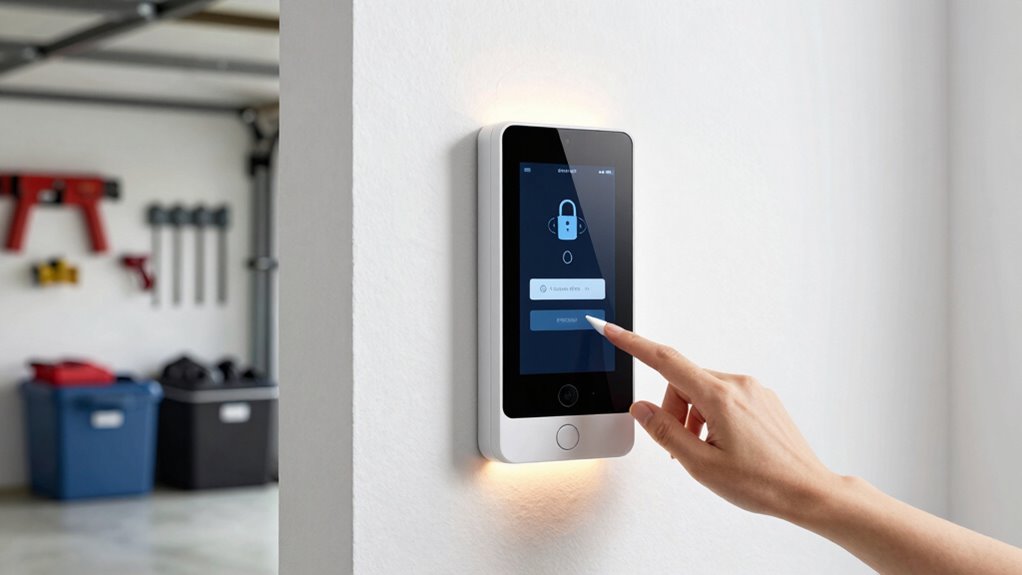
Are your smart garage devices running the latest versions of their firmware and software? Keeping these updated is essential for security. Firmware updates often include patches for vulnerabilities that hackers can exploit. Regularly check for updates from the manufacturer, and enable automatic updates if available. Updated firmware ensures your device adheres to the newest security protocols, making it harder for intruders to gain access. Software updates also improve functionality and fix bugs that could be exploited. Don’t ignore update notifications; installing them promptly keeps your system secure. By staying current with firmware and software, you reduce the risk of cyberattacks and guarantee your smart garage devices operate safely and efficiently. Regular updates are a simple yet indispensable step in protecting your home. Smart device security is enhanced when you maintain up-to-date firmware and software.
garage device firmware update kit
As an affiliate, we earn on qualifying purchases.
As an affiliate, we earn on qualifying purchases.
How to Secure Your Home Wi-Fi for Garage Device Safety
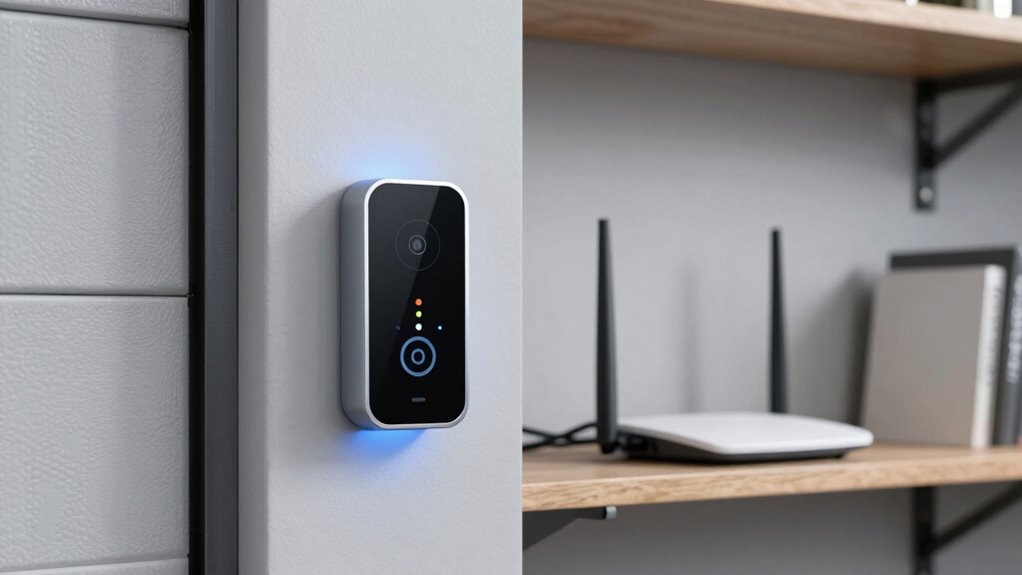
Wondering how to keep your home Wi-Fi safe for your garage devices? Securing your Wi-Fi network is essential for good garage security and protecting your smart devices. Start by using strong, unique passwords and update them regularly. Enable Wi Fi encryption, ideally WPA3, to prevent unauthorized access. Place your garage devices on a separate network or VLAN to isolate them from other devices. Also, disable remote management features that could expose your network to hackers. Regularly check connected devices for suspicious activity to spot potential breaches early. By taking these steps, you strengthen your Wi-Fi security, safeguarding your garage devices from hacking attempts and ensuring your smart home remains protected.
Enable Two-Factor Authentication for Extra Protection
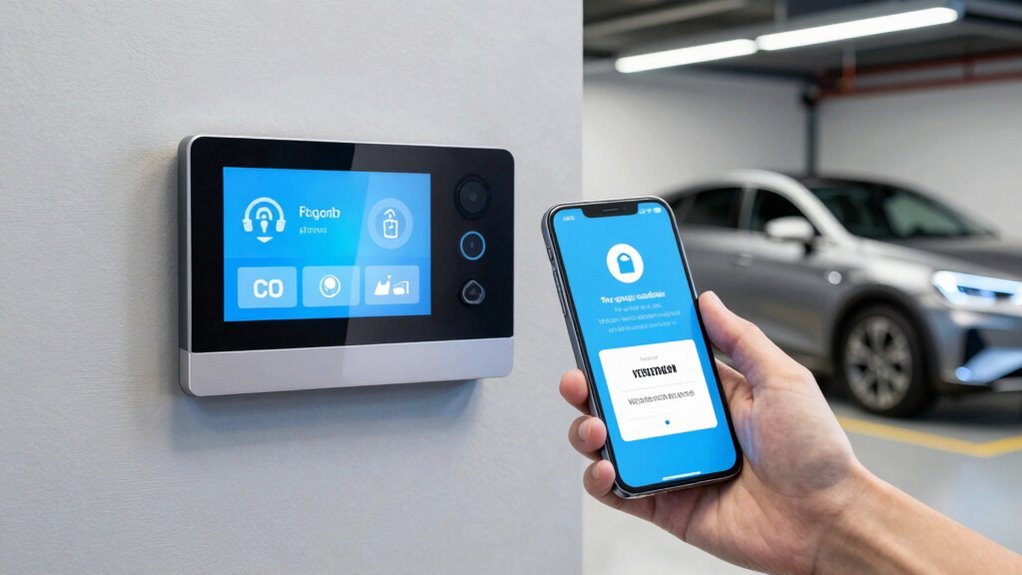
Enabling two-factor authentication adds an extra layer of security to your smart garage devices. You should set up authentication apps, use strong, unique codes, and update your credentials regularly to stay protected. These steps make it much harder for hackers to access your system.
Set Up Authentication Apps
To add an extra layer of security to your smart garage devices, setting up an authentication app is essential. These apps generate time-based, one-time codes that work alongside biometric verification, strengthening your protection. Proper app integration guarantees seamless operation with your device’s login process. When choosing an app, consider these key points:
- Use reputable authentication apps like Google Authenticator or Authy.
- Enable biometric verification within the app for quick access.
- Link the app securely to your device’s account.
- Keep your app updated to maintain security and compatibility.
Use Strong, Unique Codes
While setting up authentication apps adds a strong layer of security, using strong, unique codes for your two-factor authentication (2FA) further shields your smart garage devices. Unique codes prevent hackers from guessing your access, especially if they exploit smart lock vulnerabilities or break garage door sensor encryption. Avoid common passwords like “123456” or “password.” Instead, create complex, unpredictable codes that combine letters, numbers, and symbols. Here’s an example:
| Code Type | Example | Strength |
|---|---|---|
| Strong Password | G7!k#9Lm@2Pq | Difficult to crack |
| Unique PIN | 8392 | Hard to predict |
| Random Code | t4X$z8rQ!p | Resistant to guessing attacks |
Using these guarantees your garage remains secure against hacking attempts.
Regularly Update Credentials
Have you considered how often you should update your access credentials to keep your smart garage devices secure? Regular updates are essential for maintaining strong security, especially with garage automation and device integration. Changing passwords periodically reduces the risk of hacking attempts. Enable two-factor authentication for an extra layer of protection, making it harder for intruders to gain access.
- Change passwords every 3-6 months
- Use complex, unique passwords for each device
- Update firmware and security settings regularly
- Enable two-factor authentication whenever possible
Staying proactive with credential updates ensures your smart garage remains secure, preventing unauthorized access and protecting your connected devices from potential breaches.
Why and How to Isolate Your Garage Devices on a Separate Network
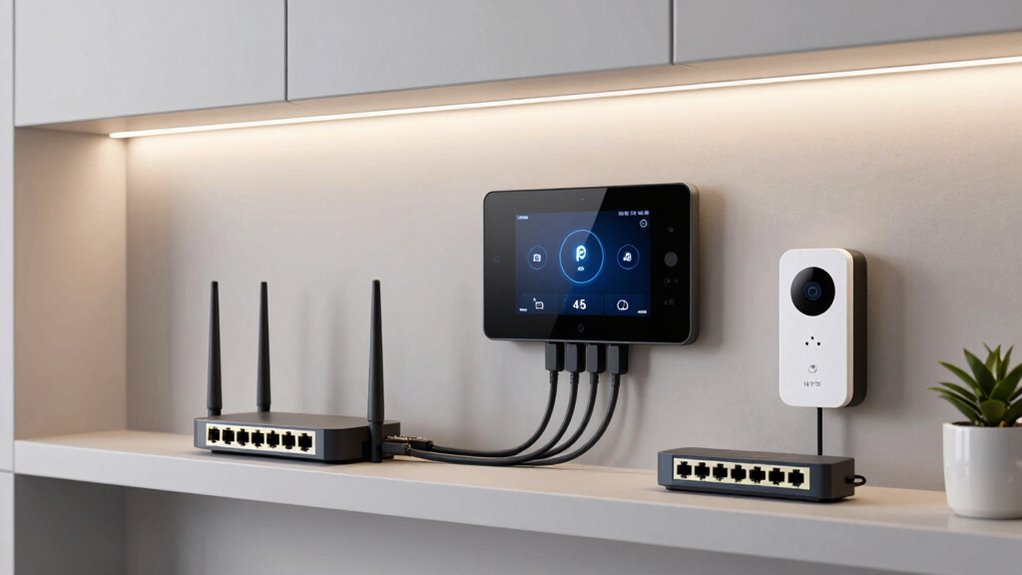
Ever wonder why isolating your garage devices on a separate network is a smart security move? Garage security depends on preventing hackers from accessing your entire home network through a single point. By creating a dedicated network for your garage devices, you limit potential damage if your smart garage system gets compromised. Device isolation acts as a barrier, ensuring that any malicious activity stays contained. To do this, set up a separate Wi-Fi network using your router’s guest or VLAN features. Connect your smart garage devices only to this network, keeping them apart from your personal computers and smartphones. This way, even if a device is hacked, it won’t give a hacker access to your main network, considerably boosting your overall garage security.
How to Monitor Your Garage Devices for Suspicious Activity
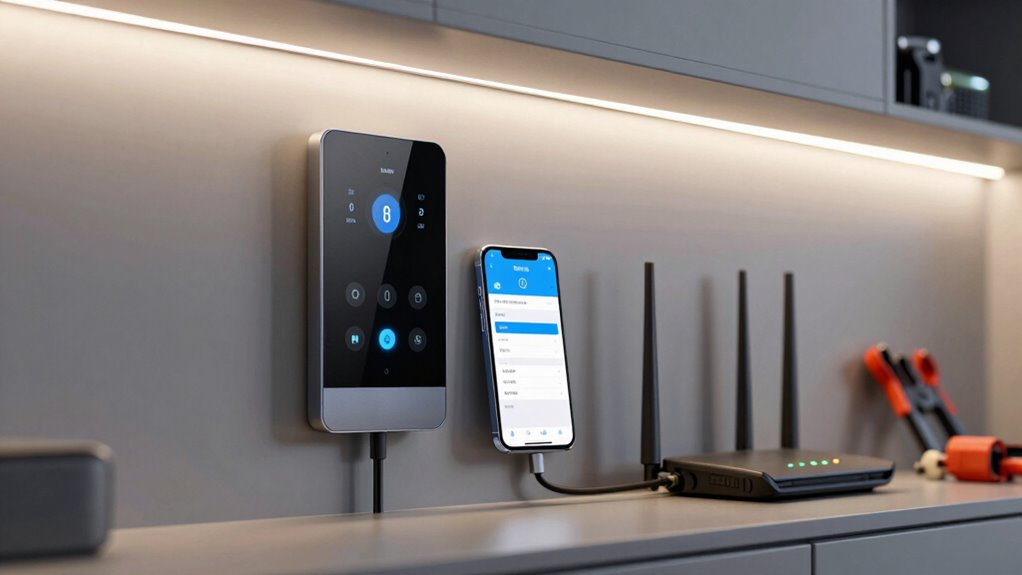
Monitoring your garage devices for suspicious activity is essential to detect potential security breaches early. Keep an eye on unusual access patterns, unauthorized user attempts, or unexpected device behavior. Regularly review device logs and network activity to identify anomalies. Confirm device encryption is active to protect data in transit and at rest, making it harder for hackers to intercept information. Verify that user authentication protocols are strong, requiring unique passwords and multi-factor authentication where possible. To stay vigilant, consider setting up alerts for suspicious login attempts or device connections.
- Check device logs frequently for unusual activity
- Monitor network traffic for unexpected data transfers
- Confirm device encryption is enabled
- Enforce strict user authentication protocols
Choosing Reputable Brands With Strong Security Features
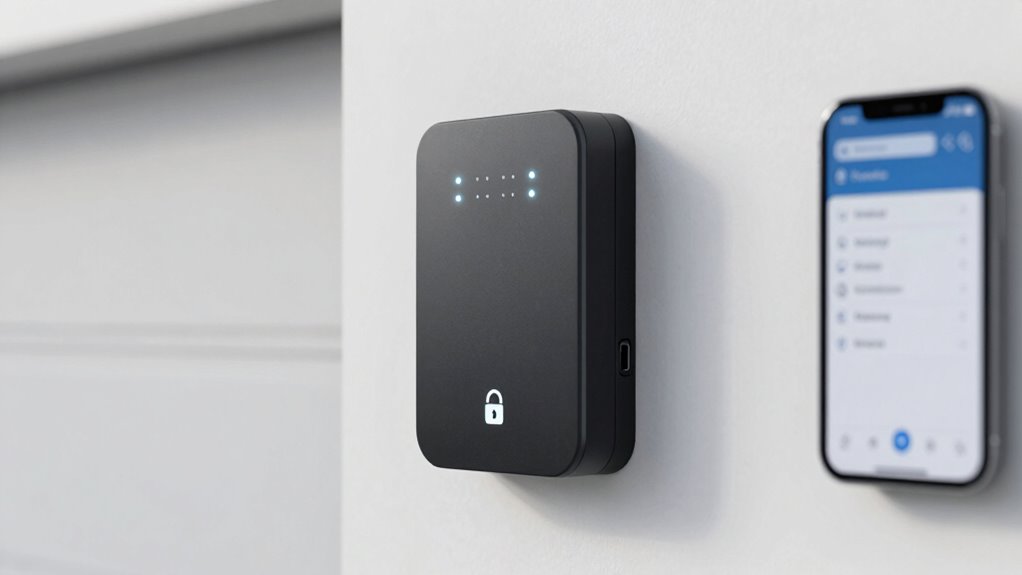
When selecting smart garage devices, it’s crucial to choose reputable brands known for prioritizing security. A strong brand reputation indicates a history of reliable products and prompt security updates, reducing vulnerabilities. Look for brands that emphasize security features like encrypted communications, secure user authentication, and regular firmware updates. These elements help protect your garage from hacking attempts and unauthorized access. Avoid lesser-known or budget brands that may lack rigorous security measures, as they can be more susceptible to breaches. Research customer reviews and expert opinions to gauge how well a brand prioritizes security. By choosing brands with proven security features, you guarantee your smart garage device is better protected, giving you peace of mind and safeguarding your home.
What to Do If Your Garage Device Gets Hacked?
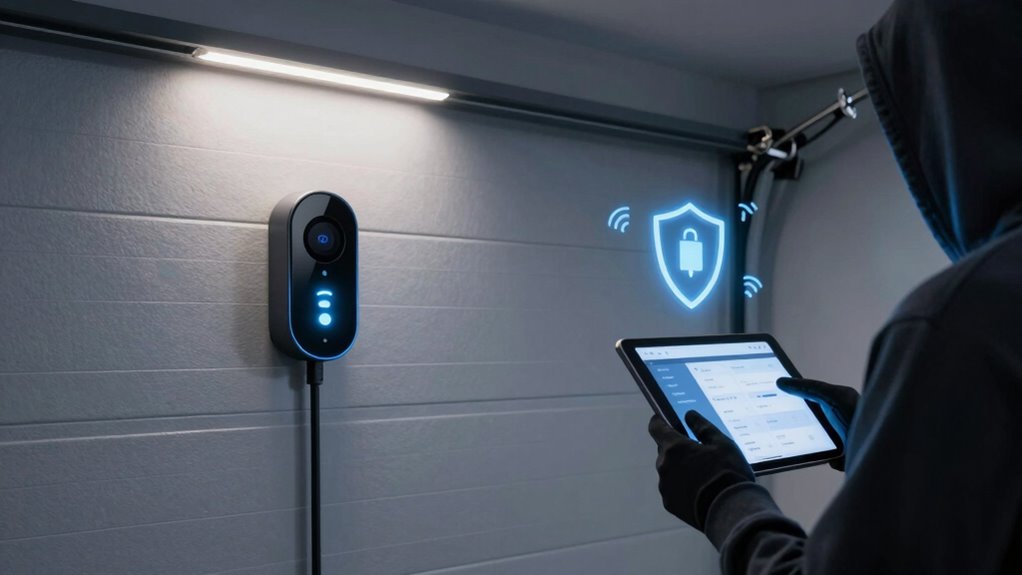
If you discover that your garage device has been hacked, acting quickly can help minimize the damage and restore security. Start by disconnecting the device from power and the internet to prevent further intrusion. Then, perform garage device troubleshooting to identify any suspicious activity or unauthorized access points. Change all passwords associated with your smart garage system, and update the firmware to patch potential vulnerabilities. Consider resetting the device to factory settings and reconfiguring it with strong, unique passwords. To prevent future attacks, review your hacking prevention techniques, such as enabling two-factor authentication and securing your Wi-Fi network. Regularly monitor your device’s activity logs and stay informed about security updates. Acting swiftly helps restore control and enhances your overall security posture.
Frequently Asked Questions
How Can I Tell if My Garage Device Has Been Compromised?
You can tell if your garage device has been compromised by noticing unusual activity, like unexpected door openings or strange notifications. Check if the device’s firmware is up to date, as firmware updates often fix security vulnerabilities. Also, verify if the device’s encryption settings are intact, ensuring your data stays protected. Regularly monitoring activity logs helps you spot suspicious behavior early and keep your smart garage secure.
Are There Specific Security Standards for Smart Garage Devices?
Security standards for smart garage devices emphasize encryption protocols and regular firmware updates. While there’s no universal standard, manufacturers should follow industry best practices to protect your device. Think of encryption as a lock on your garage, and firmware updates as the key to keeping it secure against new threats. You should choose devices that support strong encryption and guarantee they receive timely updates to stay protected from hackers.
Can I Remotely Disable My Garage Device if Hacked?
Yes, you can remotely disable your garage device if it gets hacked. Many smart garage systems offer remote shutdown features, allowing you to disconnect the device quickly to prevent further issues. Regular firmware updates are essential because they fix security vulnerabilities and help maintain control. Make sure your app and device settings are configured for remote management, so you can act swiftly in case of a security threat.
What Are the Signs of a Successful Garage Device Hacking Attempt?
You might notice unusual activity, like your garage door opening or closing unexpectedly, or strange device behavior. Successful hacking often bypasses security measures like garage device encryption and firmware updates, so keep an eye out for alerts or device malfunctions. Regularly updating firmware helps patch vulnerabilities. If you detect irregularities, reset your device and change passwords immediately to prevent further unauthorized access and protect your smart garage system.
How Often Should I Review My Garage Device Security Settings?
You should review your garage device security settings at least once a month. During these reviews, guarantee your devices have the latest garage device updates to patch security vulnerabilities. Also, revisit the privacy policy to understand how your data is handled and whether there are new privacy features. Regular check-ins help you spot potential issues early and maintain a secure, private smart garage environment.
Conclusion
By taking these steps, you’re not just securing your garage devices—you’re fortifying the gateway to your home’s safety. Think of your smart garage as a fortress; each security measure is a brick helping to keep intruders out. Don’t leave the door wide open by neglecting these tips. Remember, a vigilant homeowner is the strongest lock of all. Stay proactive, stay protected—because in today’s digital world, security isn’t just an option, it’s a necessity.
Fall Picks
fall essentials
As an affiliate, we earn on qualifying purchases.