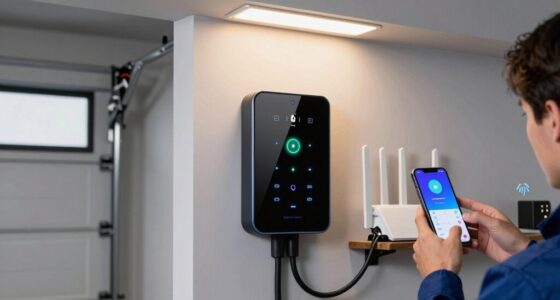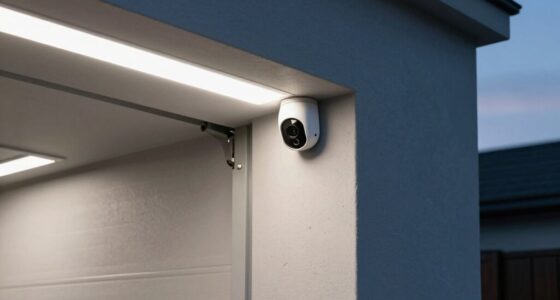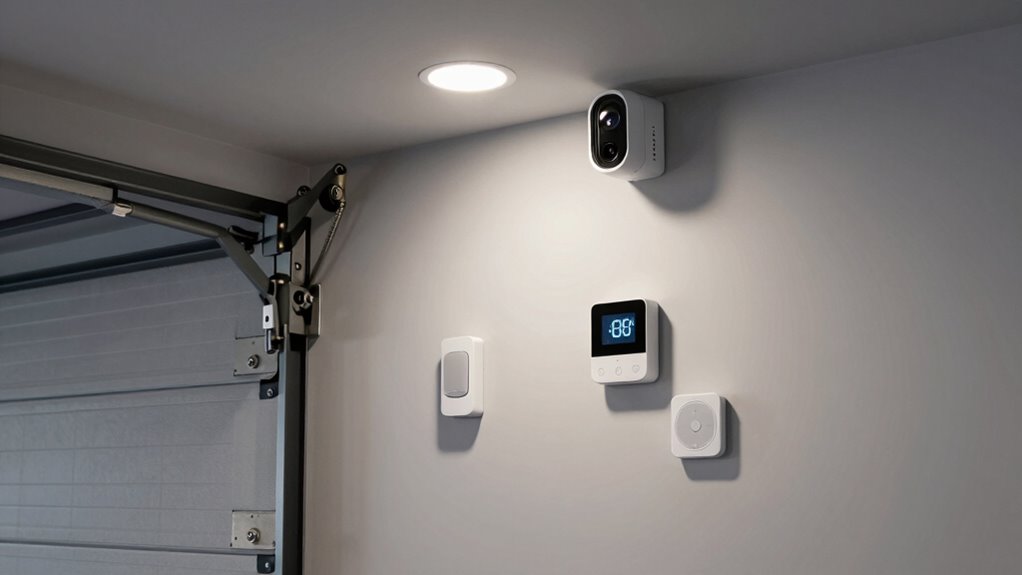

Garage sensors help keep your space safe and secure. Door sensors detect obstacles and stop or reverse the door if something’s in the way. Temperature sensors monitor conditions to prevent freezing or damage, while leak detectors catch water issues early to protect your belongings. Motion sensors enhance security by detecting movement. Proper installation, maintenance, and calibration are key to reliable performance. Want to understand how each sensor works and how they can protect your garage? Keep exploring to learn more.

Get home appliances delivered free with Prime
- Fast, free delivery on millions of items
- Prime Video, Amazon Music and more included
- Member-only deals all year
Key Takeaways
- Garage sensors include safety beams for door operation, motion detectors for security, temperature sensors for climate control, and leak detectors for water intrusion.
- Proper alignment, cleaning, and calibration are essential for the reliable and safe functioning of garage door sensors.
- Temperature sensors prevent freezing and overheating, activating heating or cooling systems as needed.
- Leak sensors detect water presence early, helping prevent structural damage and property loss.
- Regular maintenance and advanced innovations like wireless and AI-driven sensors enhance garage safety and system integration.
As an affiliate, we earn on qualifying purchases.
How Do Garage Door Sensors Work?
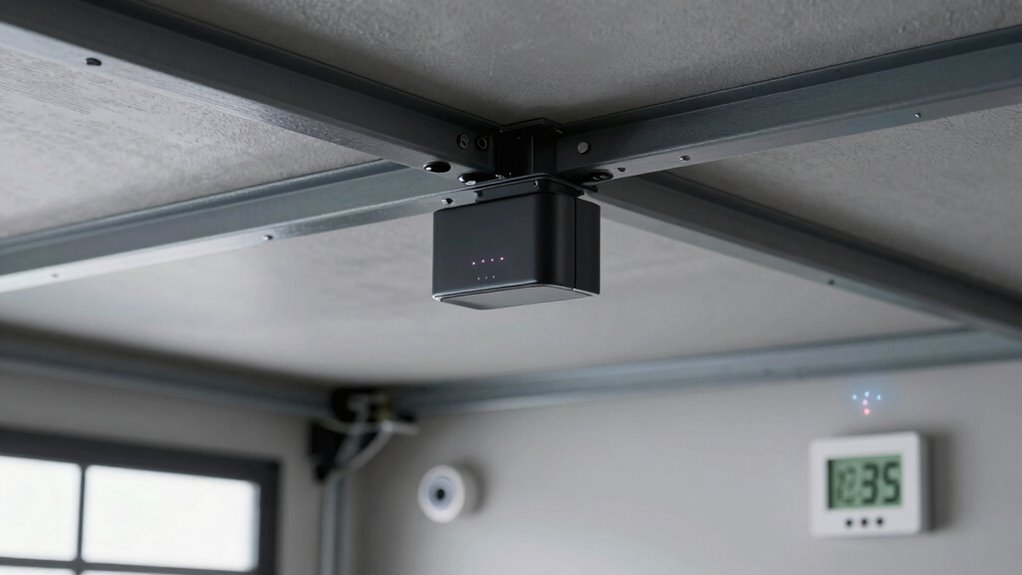
Garage door sensors work by creating an invisible safety beam that detects objects or people in the door’s path. These sensors are part of the garage door mechanisms designed to prevent accidents. When properly aligned, the sensors communicate with the opener, stopping or reversing the door if an obstacle is detected. To guarantee they function correctly, sensor calibration is essential. You need to keep the sensors aimed directly at each other and free of dirt or debris. Misaligned sensors can cause the door to malfunction, while dirty lenses may block the beam. Regularly checking and calibrating the sensors guarantees safe operation. Proper maintenance, including sensor alignment, is crucial for reliable performance. Ensuring the sensors are free from obstructions and properly calibrated helps prevent malfunctions and enhances safety. Additionally, understanding the sensor technology involved can help you troubleshoot issues more effectively. Regular inspections and understanding the sensor components can further improve maintenance practices. Moreover, being aware of market reputation and reviews can guide you toward reliable sensor brands and models.
As an affiliate, we earn on qualifying purchases.
What Types of Garage Sensors Are Available?
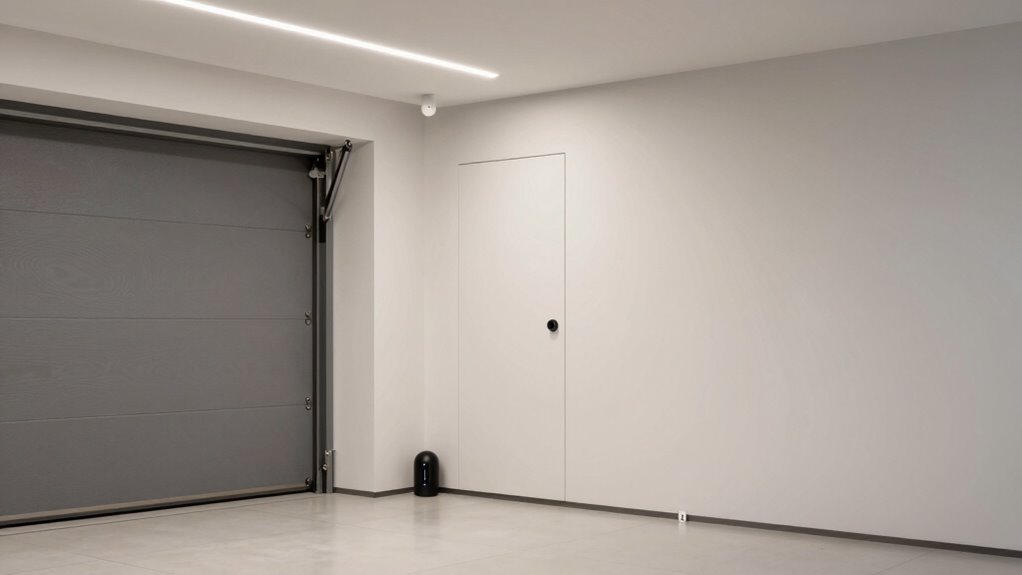
There are several types of sensors designed to keep your garage safe and functioning properly. Garage sensor benefits vary depending on their purpose, from alerting you to leaks or motion to monitoring temperature. You’ll find innovations like motion sensors that detect movement, ensuring security or automation. Leak sensors help identify water intrusion early, preventing damage, while temperature sensors maintain ideal conditions or alert you to extremes. Each sensor type offers specific advantages, making your garage safer and more efficient. Sensor innovation continues to improve accuracy, connectivity, and ease of use, so you can customize your setup to fit your needs. Additionally, ongoing advancements in home essentials and everyday living make these technologies more accessible and reliable. Understanding sauna safety tips like proper ventilation and monitoring can also be applied to ensuring your garage sensors operate safely and effectively. For example, sensor calibration is vital for maintaining optimal performance and accuracy in detecting hazards. Incorporating smart home integration can enhance the overall effectiveness of your sensor system, allowing remote monitoring and control. Staying informed about sensor maintenance can help ensure your devices function correctly over time, reducing the likelihood of false alarms or missed detections. By choosing the right sensors, you enhance protection, convenience, and peace of mind in your garage environment.
As an affiliate, we earn on qualifying purchases.
How Can Temperature Sensors Protect Your Garage?
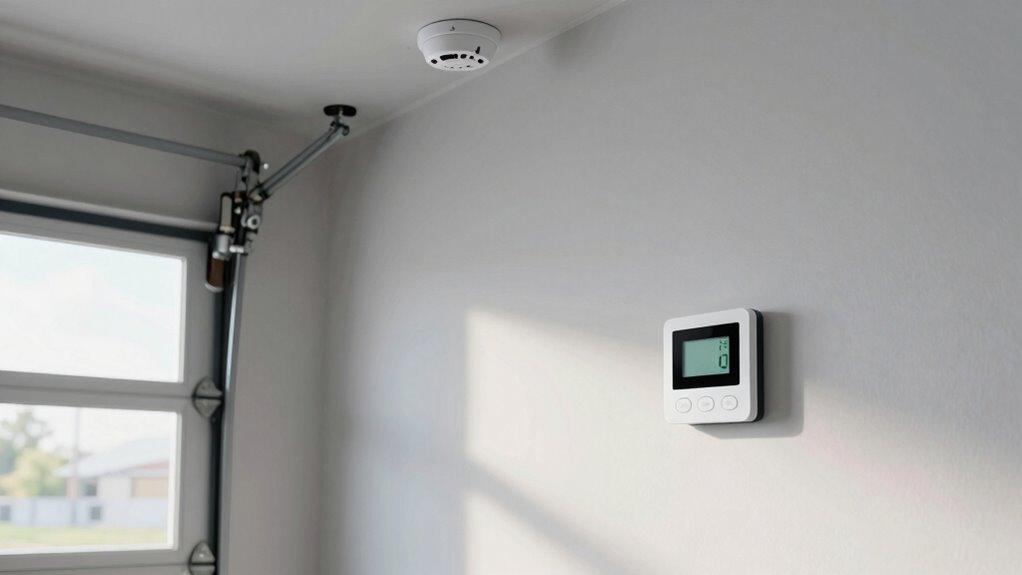
Temperature sensors help you prevent freezing and thawing, protecting your garage from potential damage. They keep your stored items safe by maintaining the right temperature levels. With these sensors, you can guarantee your garage stays at a suitable temperature for both preservation and safety. Additionally, understanding the challenges in nanotech fabrication can lead to more advanced and reliable sensor technologies.
Prevents Freezing and Thawing
When cold weather threatens to cause your garage to freeze, temperature sensors automatically activate heating systems to maintain a safe environment. This prevents pipes from freezing and reduces the risk of damage, keeping your garage organized and functional. By responding swiftly to temperature drops, these sensors support exterior automation, ensuring your garage remains warm even in harsh conditions. With this technology, you don’t have to worry about manually adjusting heaters or monitoring the weather constantly. Instead, the sensors work behind the scenes, maintaining consistent temperatures and preventing the cycle of freezing and thawing that can harm your belongings and structure. Incorporating smart controls can further optimize energy use and comfort. Proper filter sizing and flow management can enhance the efficiency of your garage heating system, reducing energy costs and ensuring reliable operation. Additionally, selecting the right temperature sensors is crucial for accurate detection and effective response in varying weather conditions. This proactive approach relies on reliable sensor detection to keep your garage protected and ready for use, no matter how cold it gets outside. Regular maintenance and calibration of sensors can also improve their accuracy, ensuring optimal performance over time.
Maintains Optimal Storage Conditions
By actively monitoring the environment, temperature sensors help maintain the ideal conditions needed to protect your stored items. They prevent damage caused by extreme heat or cold, ensuring your garage organization stays intact. If temperatures rise too high, sensors alert you, helping prevent damage to sensitive items or vehicle components. Conversely, if it gets too cold, they trigger heating systems to avoid freezing. This keeps your garage climate stable for vehicle maintenance or storage. Proper ventilation and air quality management can further enhance the effectiveness of temperature control, reducing microplastic accumulation and improving overall indoor air quality. Additionally, integrating AI-powered sensors can optimize climate regulation by adapting to changing conditions in real-time. Employing smart sensor technology can provide more precise adjustments, creating a more resilient environment for your belongings. Incorporating humidity sensors can also help maintain the appropriate moisture levels, preventing mold growth and material deterioration. Using advanced sensor networks can further improve the responsiveness and accuracy of environmental monitoring in your garage.
As an affiliate, we earn on qualifying purchases.
Why Should You Install Leak Detectors in Your Garage?
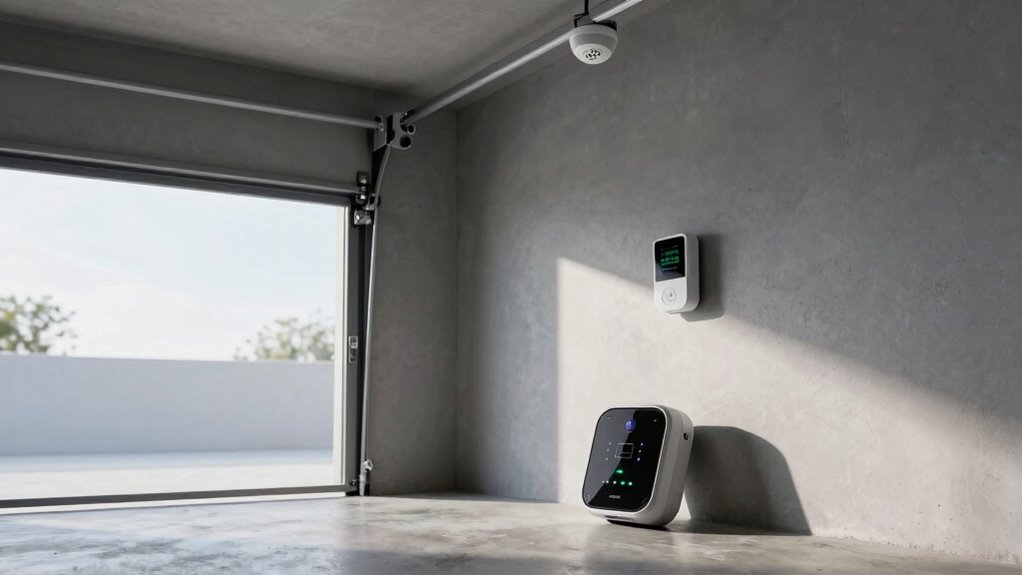
Installing leak detectors in your garage helps you catch water leaks early before they cause serious problems. These devices prevent structural damage and save you from expensive repairs later on. By acting quickly, you protect your property and your wallet. Additionally, using foam rolling techniques can enhance recovery and improve your HRV, supporting overall health and resilience. Regular maintenance of your garage floor and plumbing can further prevent water damage and extend the lifespan of your property. Being aware of the ethical considerations in choosing home safety devices ensures you make informed and responsible decisions. Understanding the meaning of strong or wise names can also inspire you to select reliable and durable safety solutions.
Detects Water Leaks Early
Have you ever considered how quickly water leaks can cause extensive damage in your garage? Installing leak detectors helps you catch issues early before they escalate. Proper garage sensor placement is vital—you want detectors close to appliances, pipes, or areas prone to leaks. Once installed, sensor calibration ensures they respond accurately to water presence, avoiding false alarms or misses. Early detection allows you to shut off valves or call for repairs promptly, saving you money and preventing mold or structural issues. Regularly check and calibrate your sensors to maintain their effectiveness. With well-placed and calibrated leak detectors, you gain peace of mind, knowing your garage is protected from unexpected water damage.
Prevents Structural Damage
Detecting water leaks early not only prevents immediate damage but also protects your garage’s structural integrity. Water infiltration can weaken floors, walls, and support beams over time, leading to costly repairs or safety hazards. Installing leak detectors ensures you’re alerted to leaks before they cause significant damage. Regular garage maintenance includes sensor calibration, which keeps detectors functioning accurately and reduces false alarms. Properly calibrated sensors respond quickly to even small leaks, helping you address issues before they escalate. By preventing water from seeping into structural components, leak detectors help maintain the stability of your garage. Investing in these sensors is a proactive step toward preserving your garage’s foundation, saving you from extensive repairs and guaranteeing a safe, durable space.
Saves Costly Repairs
Ever wondered how a small leak can turn into a costly headache? Leak detectors catch issues early, saving you money and hassle. Proper sensor placement guarantees quick detection without disrupting garage aesthetics. When installed correctly, these sensors alert you before water causes damage or mold develops.
| Sensor Placement | Benefits | Cost Savings |
|---|---|---|
| Near water heater | Early leak detection | Prevents costly repairs |
| Under sinks | Protects flooring | Avoids structural damage |
| Behind appliances | Maintains garage look | Saves on cleanup and repairs |
Strategically placing sensors in key spots helps you catch leaks early, reducing repair costs and maintaining your garage’s appearance. Small investments now prevent big expenses later.
How Do Motion Sensors Improve Garage Security?
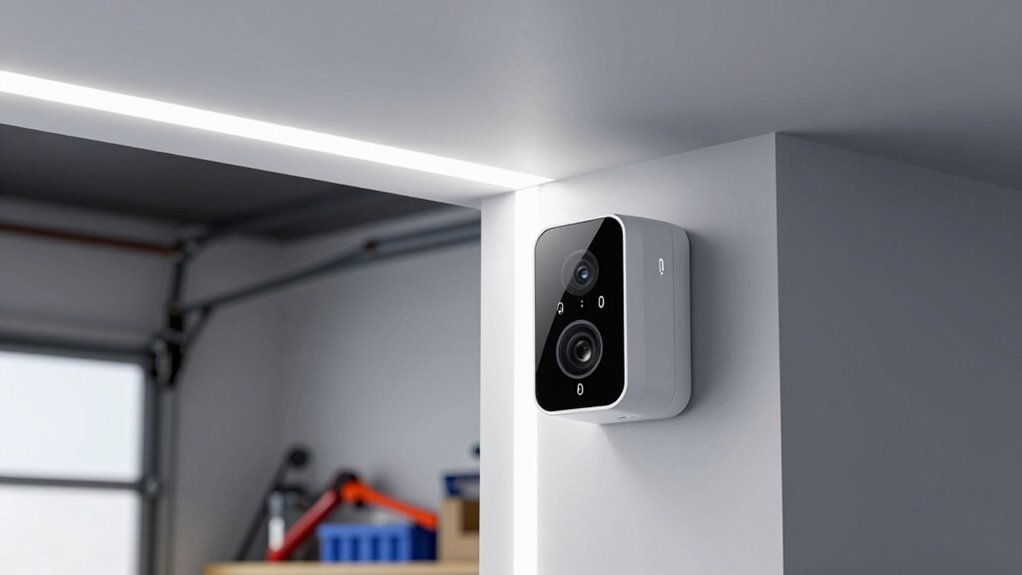
Motion sensors considerably boost your garage security by automatically alerting you to any movement, whether during the day or at night. They create a proactive security system that detects intruders or unauthorized access without delay. When integrated with your smart home system, these sensors can trigger alarms, send notifications, or turn on lights, deterring potential intruders. Additionally, motion sensors enhance energy efficiency by activating lighting only when needed, reducing unnecessary power use. Their real-time alerts keep you informed, enabling quick response to suspicious activity. This seamless integration makes your garage safer and more efficient, giving you peace of mind. Overall, motion sensors are a crucial component that strengthen your garage’s security while also supporting smart home convenience.
How to Choose the Right Garage Sensors for Your Needs
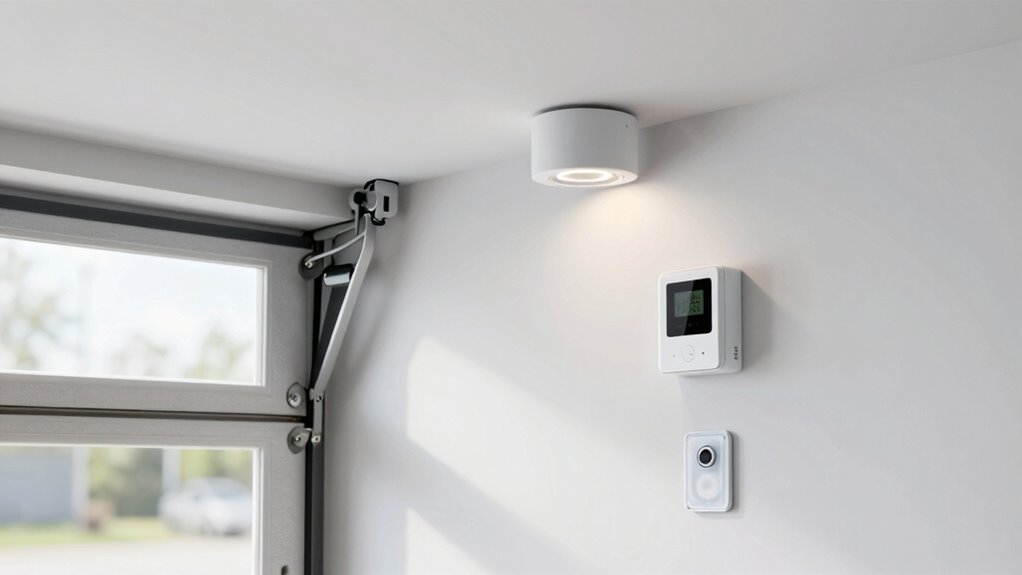
Choosing the right garage sensors depends on understanding the different types and functions available, so you can pick one that fits your needs. You’ll also want to make certain they’re compatible with your existing system and fit within your budget. Considering installation requirements early on helps you avoid surprises and ensures smooth setup.
Sensor Types and Functions
Selecting the right garage sensors depends on understanding the different types available and their specific functions. For a smart home, choosing sensors that integrate seamlessly can boost energy efficiency and convenience. Door sensors alert you when the garage door opens or closes, preventing accidents and unauthorized access. Temperature sensors monitor climate conditions, helping you maintain ideal storage or comfort levels. Leak sensors detect water presence early, protecting your property from damage. Motion sensors enhance security by alerting you to movement, while also automating lighting and other systems. Each sensor type serves a unique purpose, so consider your needs carefully. Opt for reliable, compatible options that fit into your existing system, ensuring your garage remains safe, efficient, and smart.
Compatibility With Systems
When determining which garage sensors to install, compatibility with your existing home automation system is a key factor. You’ll want to assess sensor compatibility to guarantee the sensors work seamlessly with your setup, whether it’s a smart hub, app, or voice assistant. Consider where you plan to place your garage sensors; proper garage sensor placement is essential for accurate readings and reliable alerts. Some sensors are designed for specific systems, so verify compatibility before purchasing. If your system supports Z-Wave or Zigbee, choose sensors that match these protocols. Confirm that the sensors integrate easily into your current system to avoid compatibility issues later. Ultimately, selecting sensors compatible with your system streamlines installation and ensures dependable performance.
Budget and Installation
Are you working within a specific budget for your garage sensors? If so, consider both cost and installation ease. Budget-friendly options can still offer reliable performance, but you might need to compromise slightly on sensor aesthetics. Choose sensors that blend well with your garage’s overall look to maintain good garage aesthetics. Before installing, check if the sensors are easy to set up yourself or require professional help, which impacts your total cost. Some sensors come with discreet designs that don’t detract from your garage’s appearance, while others may be more visible. Balancing your budget with the need for effective, attractive sensors ensures you get the right fit without sacrificing style or functionality. Always prioritize quality, but find options that fit your financial and aesthetic preferences.
How to Install and Maintain Your Garage Sensors
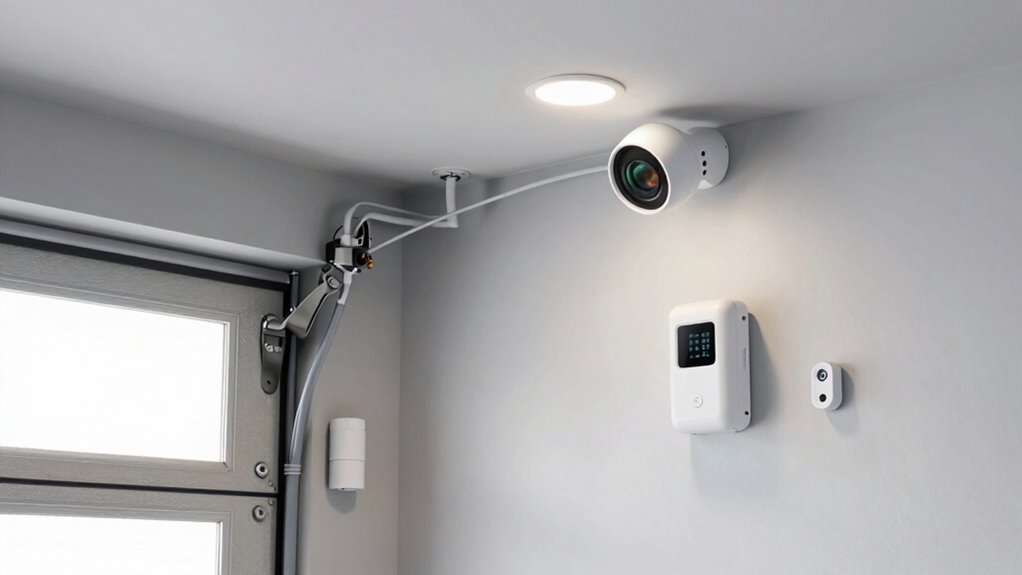
Installing and maintaining your garage sensors is essential to guarantee they function reliably and keep your space secure. Proper sensor placement is key; position door sensors where they have clear, unobstructed views of the door’s path, and ensure motion or leak sensors are placed away from vents or areas with frequent disturbances. Follow simple maintenance routines, like regularly cleaning sensors with a soft cloth to remove dust or debris that could interfere with operation. Check sensor alignment periodically to ensure they’re pointing correctly and haven’t shifted over time. Test sensors monthly by triggering each one to confirm they activate and respond as expected. Consistent upkeep and thoughtful placement help prevent false alarms and assure your sensors work effectively when you need them.
Troubleshooting Common Garage Sensor Problems
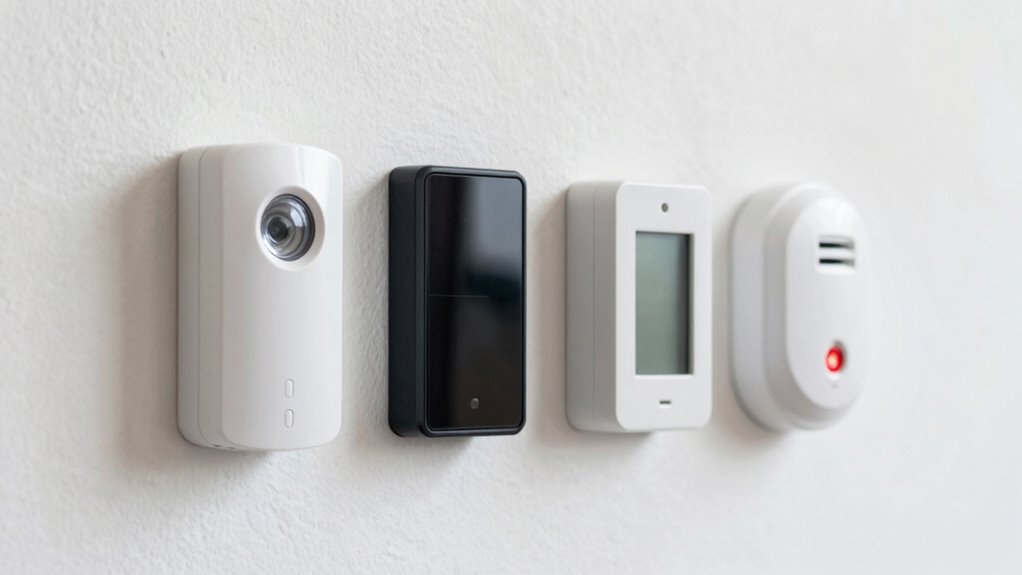
Garage sensors can sometimes encounter issues that prevent them from functioning properly, but many problems are straightforward to identify and fix. Common issues include misaligned sensors, signal interference, or improper sensor calibration. First, verify sensors are clean and correctly aligned. If sensors aren’t detecting properly, check for obstacles or dirt blocking the sensors’ view. Signal interference from other electronic devices can also disrupt operation—try relocating devices or turning them off. Sensor calibration might be necessary if readings seem off; consult your manual for calibration steps. Here’s a quick troubleshooting guide:
| Problem | Cause | Solution |
|---|---|---|
| Door not opening/closing | Signal interference | Remove or relocate interfering devices |
| False alarms | Sensor misalignment | Realign sensors |
| Inaccurate readings | Improper calibration | Recalibrate sensors |
| Sensors not responding | Dirt or obstruction | Clean sensors thoroughly |
What Are the Latest Trends in Garage Sensor Technology?
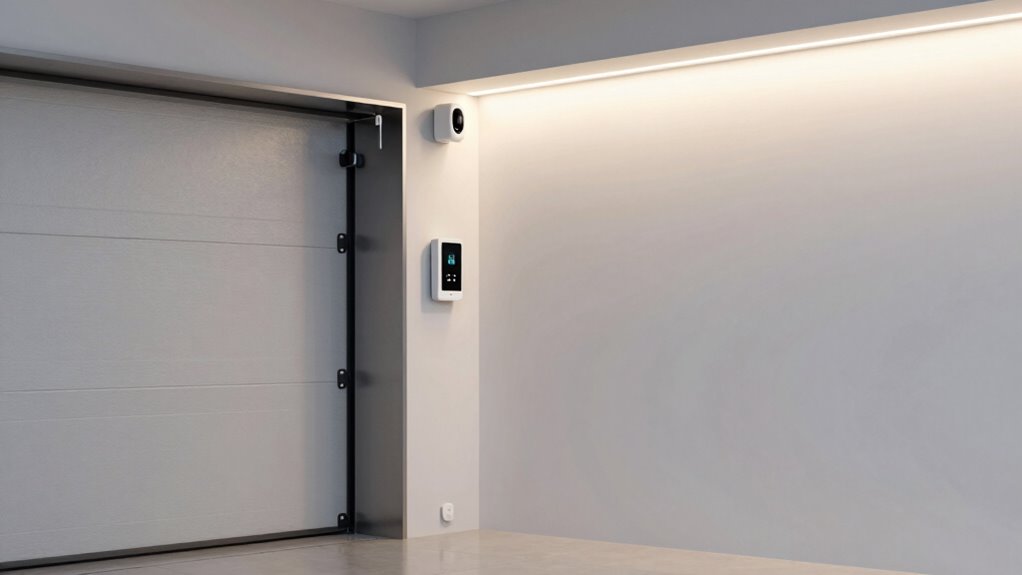
Advancements in garage sensor technology are making systems more reliable, smarter, and easier to integrate with home automation setups. Today’s sensors connect seamlessly with smart home platforms, allowing you to control and monitor your garage remotely through apps or voice commands. Innovations focus on enhancing energy efficiency by reducing false alarms and optimizing sensor power consumption. Wireless, battery-powered sensors are becoming more durable and easier to install, eliminating the need for extensive wiring. Additionally, AI-driven sensors now learn your habits, offering more accurate detection and automation. These trends enable you to create a more integrated, energy-efficient garage environment, providing convenience, security, and peace of mind. Staying ahead with these advancements guarantees your garage remains smart, efficient, and responsive.
Conclusion: Enhancing Garage Safety With Sensors
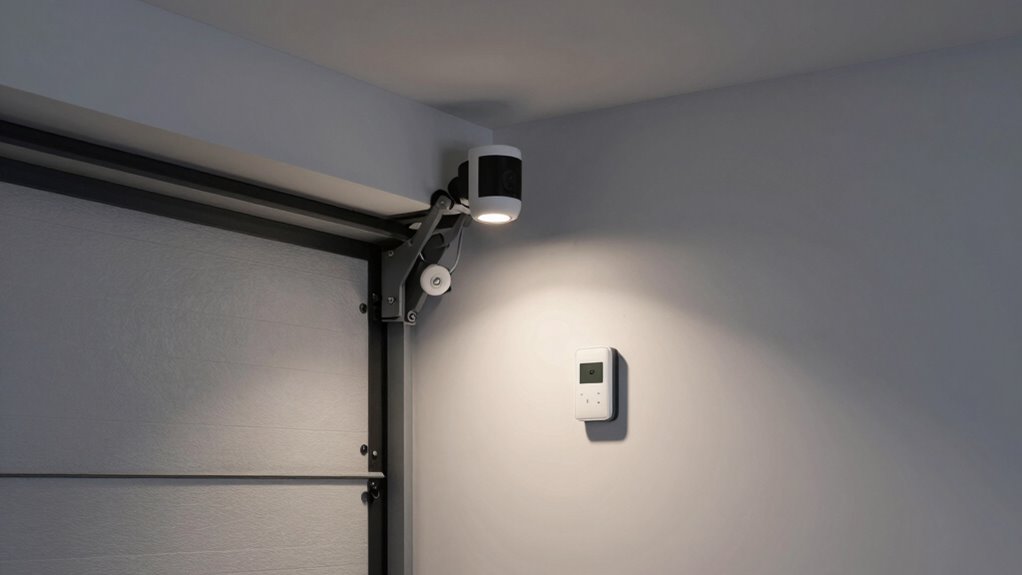
By integrating sensors into your garage, you markedly boost its safety and security. Proper garage sensor calibration guarantees each device functions accurately, preventing false alarms and missed detections. Regular calibration keeps your sensors responsive and reliable. Additionally, sensor durability is essential; high-quality sensors withstand harsh conditions, maintaining performance over time. This resilience reduces the need for frequent replacements and ensures consistent protection. When sensors are correctly calibrated and built to last, you create a safer environment by promptly detecting leaks, motion, temperature changes, or unauthorized access. Ultimately, investing in durable sensors and maintaining proper calibration enhances your garage’s safety, giving you peace of mind knowing your space is protected around the clock.
Frequently Asked Questions
Can Garage Sensors Be Integrated With Smart Home Systems?
Yes, you can integrate garage sensors with your smart home systems. Most sensors come with wireless connectivity, making setup seamless. To guarantee proper functioning, you’ll need to calibrate the sensors correctly, especially for temperature or leak detection. Once calibrated, these sensors can communicate with your smart hub or app, allowing you to monitor your garage remotely, receive alerts, and automate actions based on sensor data.
Are Garage Sensors Suitable for Outdoor Weather Conditions?
Don’t judge a book by its cover, and the same applies to garage sensors outdoors. They can be suitable for outdoor weather conditions if they feature weatherproof durability. Proper sensor placement strategies are essential—install sensors in sheltered, protected locations to avoid direct exposure to rain, snow, or extreme sun. When chosen carefully, these sensors can withstand outdoor elements and provide reliable security and monitoring.
How Long Do Garage Sensor Batteries Typically Last?
Garage sensor batteries typically last between 6 months to 2 years, depending on usage and model. Your battery lifespan is influenced by power management features that optimize energy use, extending overall life. Regularly check and replace batteries as needed to guarantee sensors function properly. Good power management practices help prevent unexpected failures, so stay attentive to sensor notifications and replace batteries proactively for continuous protection and monitoring.
What Safety Features Do Garage Sensors Include?
Garage sensors include safety features like auto shutoff, alert notifications, and secure sensor calibration to prevent false alarms. Proper sensor installation techniques guarantee accurate detection and safety. Regular calibration checks help maintain sensor reliability, while correct installation minimizes risks like sensor misalignment or interference. These features work together to protect your garage, alert you to issues promptly, and ensure the system functions safely and effectively.
Can Garage Sensors Detect Animals or Only Humans?
Garage sensors can definitely detect animals, not just humans, making them essential for pet safety. They use advanced motion detection technology that can distinguish between small animals and people, preventing false alarms. With animal detection capabilities, your pets are protected from accidental door closures or safety hazards. This feature helps guarantee that your furry friends stay safe, giving you peace of mind knowing your garage’s sensors are working smarter than ever.
Conclusion
By embracing garage sensors, you turn your garage into a vigilant guardian, watching over your home like a loyal sentinel. These smart devices not only add convenience but also weave a safety net that catches potential hazards before they become emergencies. With each sensor working in harmony, you create a fortress of protection, giving you peace of mind. Elevate your garage’s security and safety—because a well-guarded home is the heart of a worry-free life.
Halloween Picks
halloween
As an affiliate, we earn on qualifying purchases.