To reduce indoor allergens, identify sources like dust mites, pet dander, and mold. Keep humidity below 50%, clean regularly with HEPA vacuums, and wash bedding often. Use air purifiers and improve ventilation to trap and remove airborne particles. Fix leaks and control moisture to prevent mold growth. Staying proactive with these methods can make your home healthier. If you want to discover more strategies, keep exploring how to keep allergens at bay.

Get home appliances delivered free with Prime
- Fast, free delivery on millions of items
- Prime Video, Amazon Music and more included
- Member-only deals all year
Key Takeaways
- Identify common indoor allergens like dust mites, pet dander, mold, and cockroach debris through inspection and allergy testing.
- Control humidity, fix leaks, and clean damp areas to prevent mold growth and reduce dust mite habitats.
- Regularly clean with HEPA vacuums, wash bedding in hot water, and declutter to minimize dust accumulation.
- Use air purifiers with HEPA filters and improve ventilation to trap and remove airborne allergens effectively.
- Seek professional help if symptoms persist despite implemented allergen reduction strategies.
As an affiliate, we earn on qualifying purchases.
What Are Indoor Allergens and Why Do They Matter?
Have you ever wondered what triggers allergy symptoms indoors? Indoor allergens come from various sources that affect indoor air quality, making your home less comfortable. Common allergen sources include dust mites, pet dander, mold spores, and cockroach debris. These tiny particles can linger in the air or settle on surfaces, irritating your respiratory system and causing allergy flare-ups. Understanding what indoor allergens are helps you realize why your symptoms worsen in certain environments. By recognizing these sources, you can take steps to reduce exposure and improve air quality. Addressing indoor allergens is essential for creating a healthier living space, especially if allergies or asthma affect you. Managing these allergen sources makes a noticeable difference in your comfort and overall well-being. Discovering trusted businesses and services near you can help you find resources to improve indoor air quality. Learning about indoor allergen sources empowers you to implement targeted solutions and create a safer, more comfortable environment. Additionally, understanding the role of humidity control can help reduce mold growth and dust mites, further improving your indoor air quality. Maintaining proper ventilation systems is also crucial in dispersing airborne allergens effectively.
As an affiliate, we earn on qualifying purchases.
How Can You Identify Indoor Allergens in Your Home?
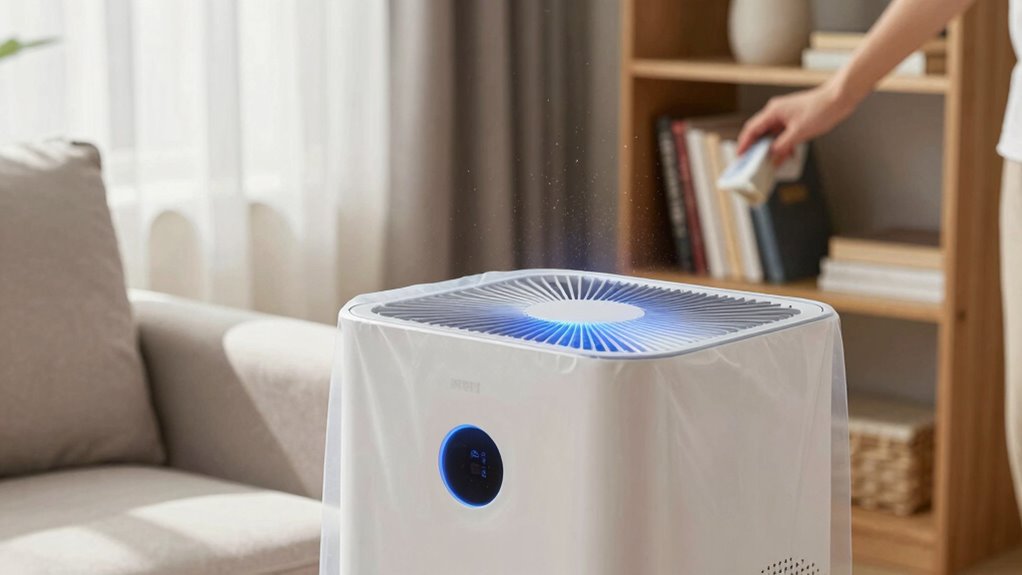
Knowing which indoor allergens are present in your home is the first step toward reducing your exposure. To identify them, consider allergy testing, either through a healthcare provider or DIY kits, which can reveal specific sensitivities. Pay attention to environmental triggers like dust, pet dander, mold, or pollen that may be lurking indoors. Regularly inspecting your home helps spot potential sources. You can also observe symptoms that worsen in certain areas, indicating allergens. Keep a log of reactions to narrow down triggers. For example, seasonal flavor blends found in some gelato varieties highlight how seasonal changes can influence indoor allergen levels. Additionally, understanding indoor allergen sources can help you implement effective control measures. Recognizing air quality issues within your home can also improve your overall allergen management. Being aware of factors like ventilation and airflow can significantly impact allergen accumulation and distribution. Proper ventilation strategies can help reduce airborne allergens and improve indoor air quality.
humidifier with humidity control
As an affiliate, we earn on qualifying purchases.
As an affiliate, we earn on qualifying purchases.
Which Common Allergens Are Found Indoors?
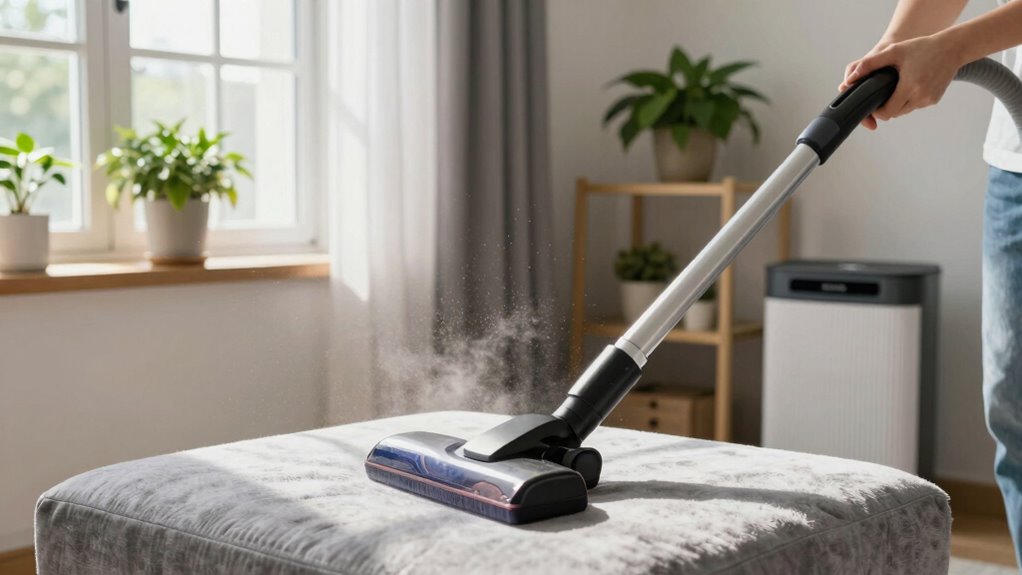
Many indoor allergens come from dust mites, pet dander, and mold. You might notice dust accumulation, pet hair, or mold spots in damp areas. Recognizing these common allergens helps you take steps to reduce your exposure. Incorporating natural materials like wood or high-quality plastic in furniture and decor can also minimize allergen buildup and improve indoor air quality. Regular cleaning and proper ventilation are essential to control indoor allergen levels effectively. Using air purifiers with HEPA filters can further help in reducing airborne allergens indoors. Additionally, understanding common sources of indoor allergens can guide you in implementing more targeted allergy-reduction strategies. Being aware of indoor allergen sources allows you to better identify and mitigate potential allergy triggers in your living space.
Dust Mite Presence
Dust mites are tiny creatures that thrive in indoor environments, often hidden in bedding, upholstery, and carpets. They are a common source of allergen triggers that can cause sneezing, coughing, and asthma symptoms. To reduce dust mite presence, focus on controlling humidity and regularly cleaning your environment. Maintaining proper air circulation can also help reduce dust accumulation and improve overall air quality. Using car repair techniques such as sealing cracks and maintaining filters can help prevent dust from entering indoor spaces. Additionally, understanding how water damage and rug cleaning impact dust mite habitats can assist in creating a healthier indoor environment. Staying informed about the latest wall art trends, such as digital frames and interactive murals, can also contribute to creating a cleaner and more allergen-free atmosphere by minimizing clutter and dust-harboring surfaces.
Pet Dander Levels
Pet dander is a common indoor allergen that comes from tiny skin flakes shed by cats, dogs, and other furry pets. These pet allergens can linger in the air and settle on surfaces, making it easy for allergen triggers to affect sensitive individuals. Even if your pets are kept outdoors or in a separate area, dander can still become airborne and contribute to indoor allergy symptoms. Regular cleaning, vacuuming with a HEPA filter, and grooming your pets can help reduce pet allergen levels. Using air purifiers and encouraging handwashing after pet contact also minimizes allergen triggers. Understanding how pet dander impacts indoor air quality is key to managing allergies and creating a healthier living environment. Additionally, being aware of the long-lasting effects of pet allergens can help you take more effective steps to improve indoor air quality. Recognizing the persistence of pet allergens in the environment is crucial for implementing effective allergen reduction strategies. It is also important to note that allergen removal methods can vary in effectiveness depending on the surfaces and environment. Moreover, understanding the role of environmental factors can further enhance your allergy management efforts. For example, air circulation and humidity levels significantly influence how allergens behave indoors and can impact allergen buildup.
Mold Growth Spots
While controlling pet dander reduces one type of indoor allergen, mold growth spots can also notably impact indoor air quality. Mold thrives in areas with excess moisture, making moisture control essential. Regular mold inspection helps identify hidden growth before it spreads. Look for visible mold patches, musty odors, or water stains, especially in bathrooms, basements, and around leaky pipes. To prevent mold, keep humidity levels low (30-50%) and fix leaks promptly. Mold spores can trigger allergies and asthma, so addressing mold growth quickly is vital. Incorporating Victorian-style ventilation methods can enhance airflow and reduce moisture buildup in your home.
- Maintain proper ventilation in damp areas
- Use dehumidifiers in humid spaces
- Fix leaks and water damage immediately
- Clean and dry areas prone to moisture
- Schedule routine mold inspections
As an affiliate, we earn on qualifying purchases.
How Do You Reduce Dust Mites and Pet Dander Effectively?
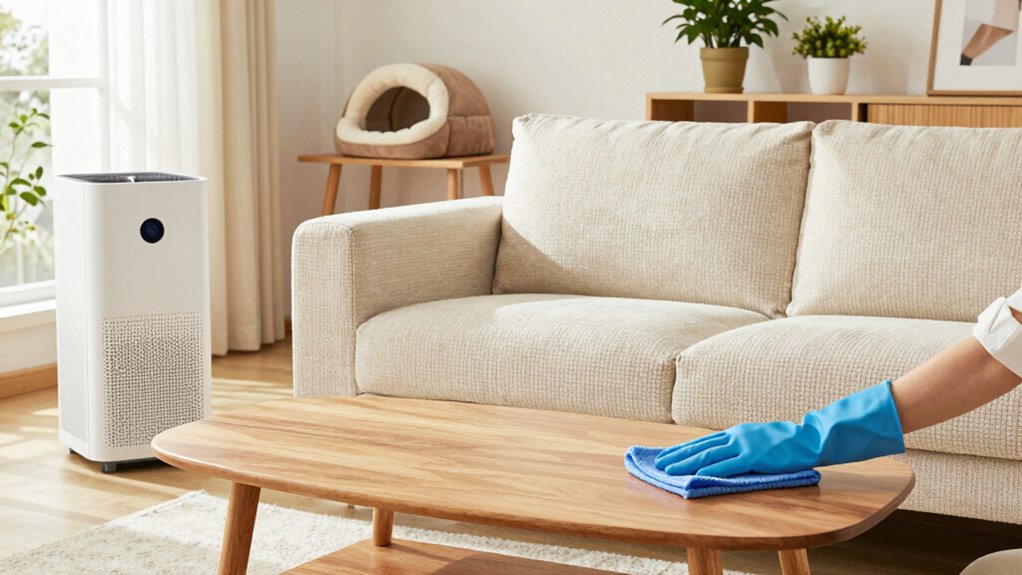
Reducing dust mites and pet dander begins with maintaining a clean and well-ventilated environment. Allergen sources like bedding, upholstery, and carpets trap these particles, so frequent washing and vacuuming are essential. Use a vacuum with a HEPA filter to effectively mitigate airborne allergens. Encase mattresses and pillows in allergen-proof covers to block dust mite entry. Keep humidity levels below 50%, as high humidity encourages dust mite proliferation. Regularly groom pets to reduce dander and bathe them if possible. Wash pet bedding frequently and designate pet-free zones to limit allergen spread. These steps help minimize allergen presence, making your indoor space safer and more comfortable. Consistency in cleaning habits is key to achieving effective mitigation of dust mite and pet dander allergens.
How Can You Control Mold Growth and Humidity Levels?
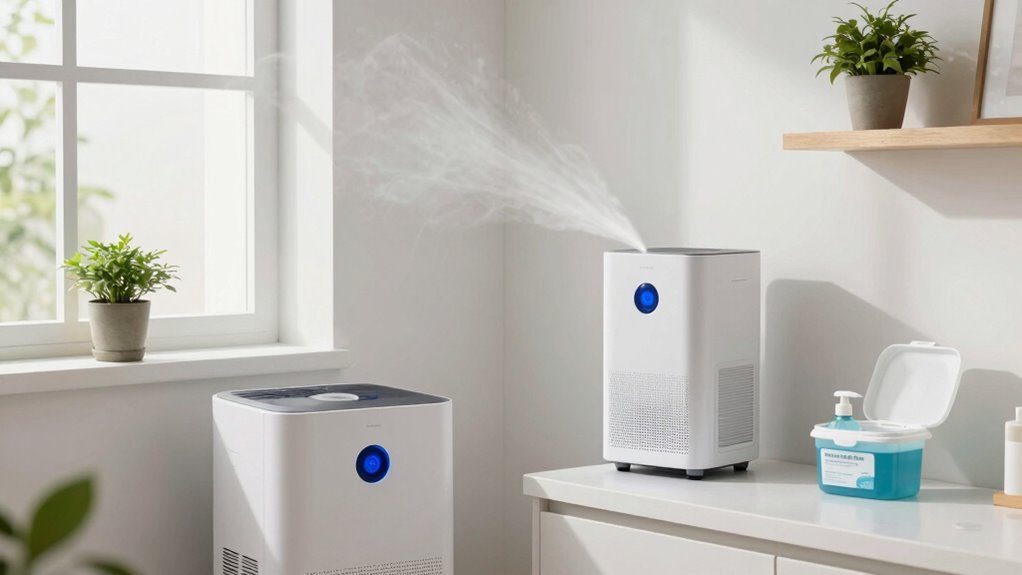
You can control mold growth and humidity levels by regularly monitoring your indoor humidity to keep it between 30-50%. Use dehumidifiers effectively in damp areas to reduce moisture, and address any mold issues promptly to prevent spread. Taking these steps helps create a less hospitable environment for mold and minimizes allergen exposure.
Monitor Humidity Regularly
How often do you check the humidity levels in your home? Regular monitoring helps maintain humidity balance and prevents mold growth. Keeping humidity between 30-50% is vital for moisture control and allergen reduction. Use a hygrometer to track levels consistently. When humidity is too high, mold thrives; too low, it can cause dryness. To stay on top of moisture control:
- Check humidity weekly
- Adjust ventilation as needed
- Address leaks immediately
- Use exhaust fans in bathrooms and kitchen
- Keep windows open for airflow
Use Dehumidifiers Effectively
Have you considered how a dehumidifier can be your best tool for controlling indoor moisture levels? To use it effectively, regularly perform humidifier maintenance by cleaning filters and emptying water trays to keep it running efficiently. Set your dehumidifier to maintain humidity levels between 30-50%, which discourages mold growth and dust mites. Using allergen-proof bedding can also help reduce indoor allergens, especially in high-humidity environments. Keep windows and doors closed when the dehumidifier is on to prevent moisture from entering. Check your dehumidifier’s capacity to match your space size, ensuring ideal moisture control. Consistent use, combined with proper maintenance and allergen-proof bedding, dramatically lowers mold risk and helps create a healthier indoor environment.
Address Mold Promptly
Addressing mold promptly is essential for maintaining a healthy indoor environment, especially when humidity levels rise. Mold prevention relies on quick action to stop growth before it spreads. If you notice musty odors or visible mold, clean the area with soap and water or vinegar. Use a dehumidifier to keep humidity below 60%, which discourages mold growth. Regularly inspect areas prone to moisture, like bathrooms and basements. Proper ventilation also helps reduce dampness. If mold exposure triggers allergy symptoms, consider allergy medication to manage reactions. Keep an eye on humidity levels and address any mold issues immediately to prevent health problems and protect your home.
- Regularly check for leaks or water damage
- Keep humidity below 60%
- Improve ventilation in damp areas
- Clean moldy surfaces with appropriate solutions
- Seek medical advice for allergy symptoms
What Are Easy Cleaning Tips to Keep Indoor Allergens Away?
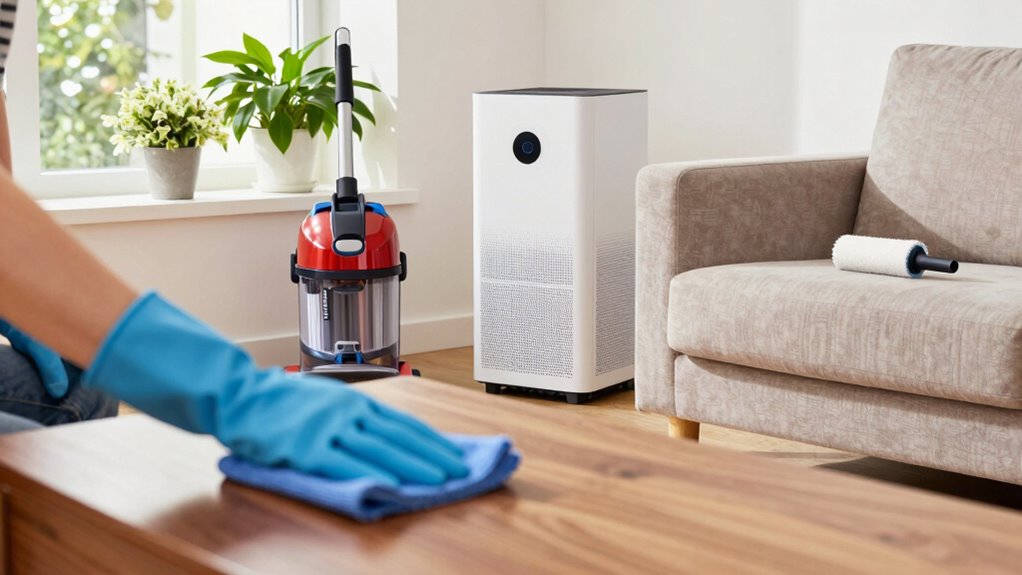
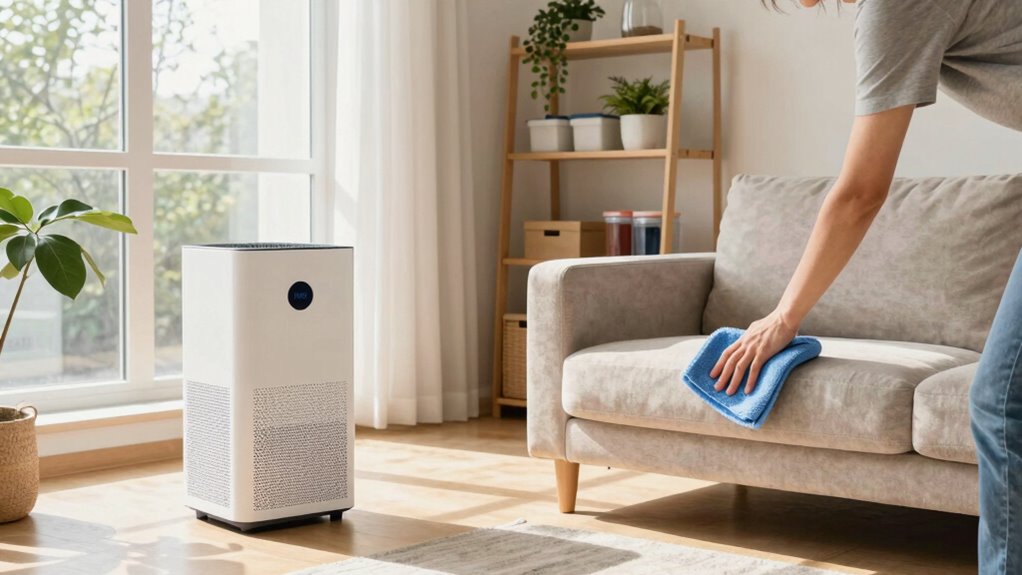
Keeping indoor allergens at bay starts with simple, regular cleaning routines. You should vacuum carpets and rugs weekly using a vacuum with a HEPA filter to trap allergens effectively. Dust surfaces often with a damp cloth to prevent dust from becoming airborne. Wash allergen-proof bedding, including pillowcases and sheets, weekly in hot water to eliminate dust mites. Declutter your space by reducing items that collect dust, such as stuffed animals or decorative pillows. Use washable curtains or clean them regularly. Keep humidity levels low, around 30-50%, to inhibit mold growth and dust mites. Regularly clean air vents and replace filters. These easy steps help minimize allergens and create a healthier indoor environment.
How Do Air Purifiers Help Minimize Indoor Allergens?
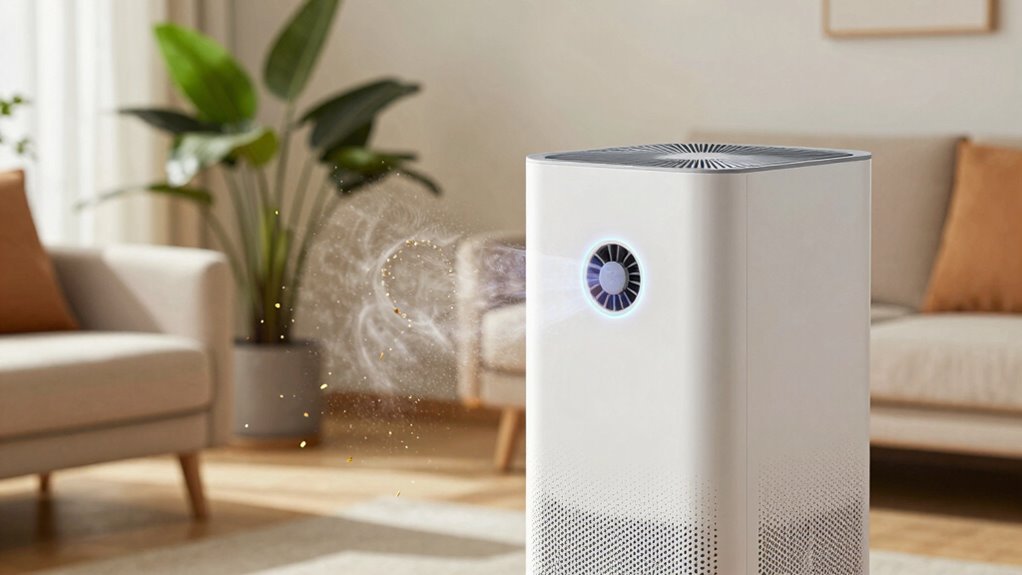
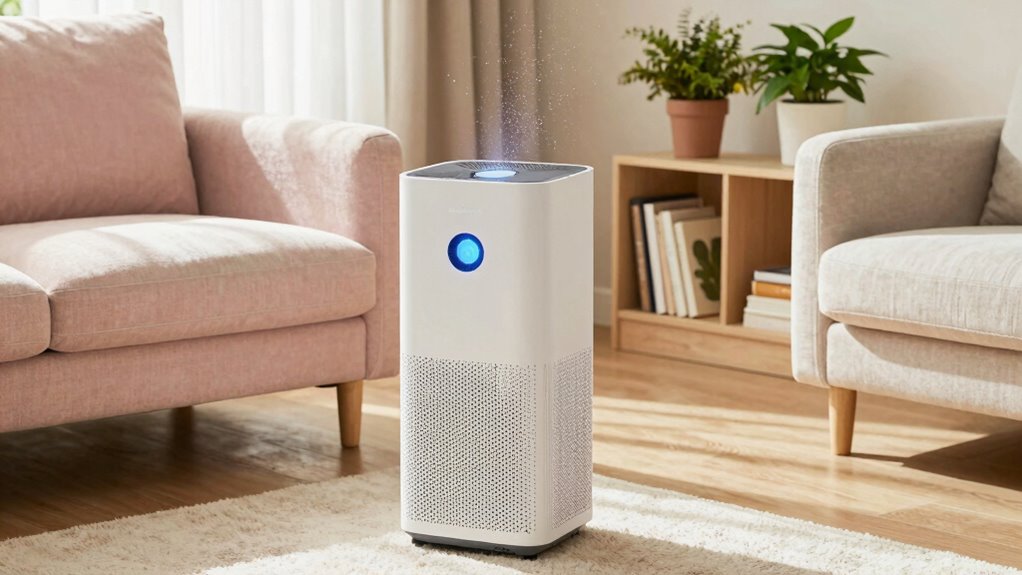
Air purifiers are effective tools for reducing indoor allergens because they actively filter the air, capturing tiny particles that cause allergy symptoms. Their allergen filtration technology traps dust, pollen, pet dander, and mold spores, improving air quality. To keep your purifier working effectively, regular air purifier maintenance is essential. Without proper upkeep, filters can become clogged, reducing efficiency. Look for models with HEPA filters, which are proven to remove over 99% of airborne allergens. Proper placement also maximizes their effectiveness. Remember, consistent use is key to minimizing allergens indoors.
- Replace filters as recommended by the manufacturer
- Choose units with high-efficiency allergen filtration technology
- Keep the air purifier in central locations
- Clean the exterior regularly
- Guarantee the room is well-sealed to prevent outside allergens from entering
When Should You Seek Professional Help for Indoor Allergies?
Sometimes, despite your efforts to reduce indoor allergens, symptoms persist or worsen, signaling it’s time to seek professional help. If you notice your allergy symptoms aren’t improving even after improving indoor air quality and controlling allergen triggers, consult an allergist or an indoor air specialist. Persistent symptoms like sneezing, wheezing, or nasal congestion may indicate underlying issues that require expert diagnosis. Professionals can identify hidden allergen sources and recommend targeted treatments, such as allergy testing or specialized air filtration systems. If your indoor environment continues to cause discomfort or if allergy symptoms interfere with daily life, seeking help guarantees you address the root causes effectively and improve your overall indoor air quality. Don’t delay if your symptoms are ongoing or worsening.
Frequently Asked Questions
Can Indoor Plants Help Reduce Indoor Allergens?
Indoor plants can help reduce allergens by improving air quality, thanks to their natural air-purifying benefits. They trap dust and mold spores, making allergen reduction techniques more effective. However, be cautious—some plants may produce pollen or mold if overwatered. Choose low-pollen, mold-resistant plants like snake plants or pothos for best indoor plant benefits. Regular cleaning and proper watering enhance their allergen-reduction effectiveness.
Are Air Purifiers Effective Against All Indoor Allergens?
Did you know that air purifiers can remove up to 99% of airborne allergens? They’re effective against common allergens like pollen and pet dander, but have limitations with larger particles like dust mites or mold spores. While air purifiers help improve indoor air quality, they don’t eliminate all allergen types. For thorough relief, combine them with regular cleaning, good ventilation, and allergy-friendly practices.
How Often Should I Replace HVAC Filters for Allergy Prevention?
You should replace your HVAC filters every 1 to 3 months to maintain allergy prevention. Regular HVAC maintenance helps extend the filter lifespan and guarantees your system effectively captures allergens like pollen, dust, and pet dander. If you have allergies or pets, consider changing filters more frequently, around every 30 to 60 days. This routine keeps indoor air cleaner, reducing allergy symptoms and improving overall indoor air quality.
Do Certain Cleaning Products Worsen Indoor Allergy Symptoms?
Yes, certain cleaning chemicals can worsen your indoor allergy symptoms. Some cleaning products contain harsh chemicals or strong fragrances that act as allergen triggers, irritating your respiratory system. To reduce this, opt for natural or fragrance-free cleaning chemicals. Always ventilate the area well after cleaning, and avoid aerosol sprays. Using gentle, non-toxic cleaners helps minimize allergen triggers, making your indoor environment safer and more comfortable for allergy sufferers.
Can Lifestyle Changes Impact Indoor Allergen Levels Significantly?
Yes, lifestyle modifications can substantially impact indoor allergen levels. By adopting allergen control strategies like regular cleaning, using HEPA filters, and keeping humidity low, you minimize dust, mold, and pet dander. These changes help reduce allergy symptoms and improve air quality. Consistent allergen control through lifestyle adjustments empowers you to create a healthier indoor environment, making allergy management more effective and less disruptive to your daily life.
Conclusion
To keep indoor allergens at bay is like tending a delicate garden—you need to stay vigilant and nurture a clean, healthy space. Regular cleaning, controlling humidity, and using air purifiers are your trusty tools, helping you clear away the sneaky invaders. When allergens threaten to overrun your sanctuary, don’t hesitate to seek professional help. With consistent effort, you’ll create a breathable haven where comfort and health blossom, and allergies take a backseat.
NFL season / tailgating Picks
team gear
As an affiliate, we earn on qualifying purchases.