
Poor air quality can make breathing harder during workouts, reducing your stamina and increasing fatigue. Pollutants like particulate matter and ozone irritate your lungs, cause inflammation, and lower lung function over time. When pollution levels are high, your exercise performance suffers, and you risk respiratory issues. To stay safe, monitor air quality reports, choose cleaner times or indoor options, and adjust your activity intensity. Keep exploring to discover effective strategies for protected and healthy workouts.

Get home appliances delivered free with Prime
- Fast, free delivery on millions of items
- Prime Video, Amazon Music and more included
- Member-only deals all year
Key Takeaways
- Poor air quality increases respiratory irritation, reducing exercise efficiency and stamina.
- Elevated pollutants like ozone and particulate matter can cause inflammation and lung function decline.
- Higher breathing rates during exercise lead to greater exposure to air pollutants, worsening performance.
- Monitoring air quality helps plan outdoor workouts to avoid health risks and optimize performance.
- Indoor exercise or timing workouts during cleaner air conditions can protect respiratory health and improve results.
air quality monitor for outdoor exercise
As an affiliate, we earn on qualifying purchases.
As an affiliate, we earn on qualifying purchases.
How Air Quality Affects Your Exercise Performance
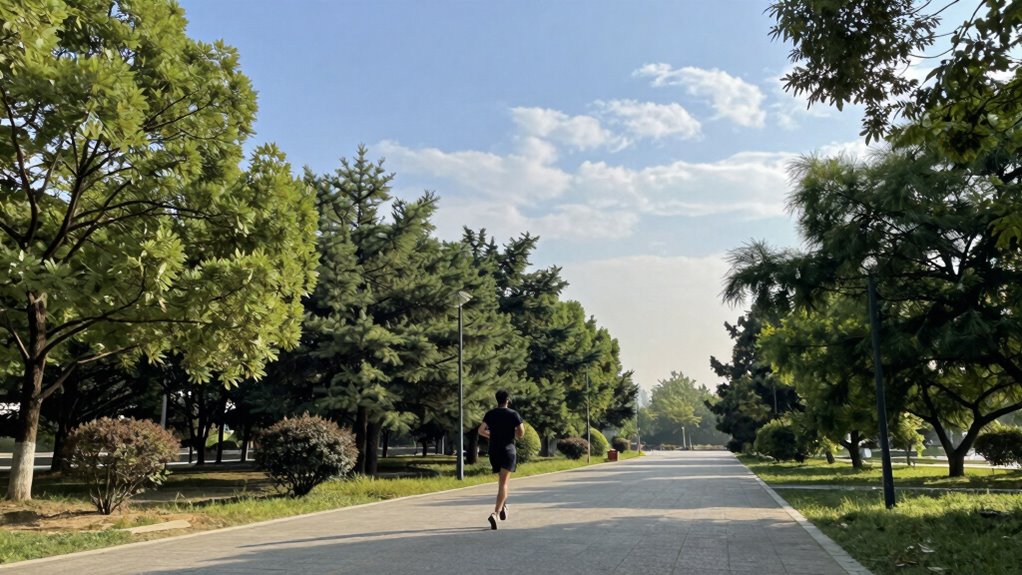
Poor air quality can profoundly hinder your exercise performance, making it harder to breathe and reducing your stamina. When the air quality is poor, pollutants and irritants in the air can clog your lungs and cause inflammation, which affects your breathing efficiency. As a result, your exercise efficiency drops because your body has to work harder to get enough oxygen. You might notice yourself tiring faster or struggling to maintain your usual intensity. Bad air quality can also lead to discomfort and coughing during workouts. If you want to perform at your best, it is crucial to pay attention to air quality levels and choose outdoor times when pollution is lower. Improving your awareness helps you avoid unnecessary strain and protect your respiratory health during exercise. Additionally, understanding air quality and health can help you make better decisions about when and where to exercise. Being aware of microplastics in dust and other indoor pollutants is also important, especially if you exercise indoors frequently. Monitoring air pollution levels can provide valuable insight into safe exercise times and locations, helping you optimize your workouts and safeguard your health. Recognizing the impact of air quality on respiratory function can further enhance your ability to exercise safely and effectively. Staying informed about air quality monitoring tools and resources can improve your overall awareness and safety during outdoor activities.
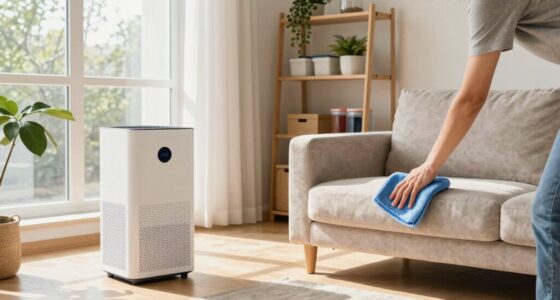
indoor air purifier for workout room
As an affiliate, we earn on qualifying purchases.
As an affiliate, we earn on qualifying purchases.
Common Air Pollutants and Their Effects on Breathing
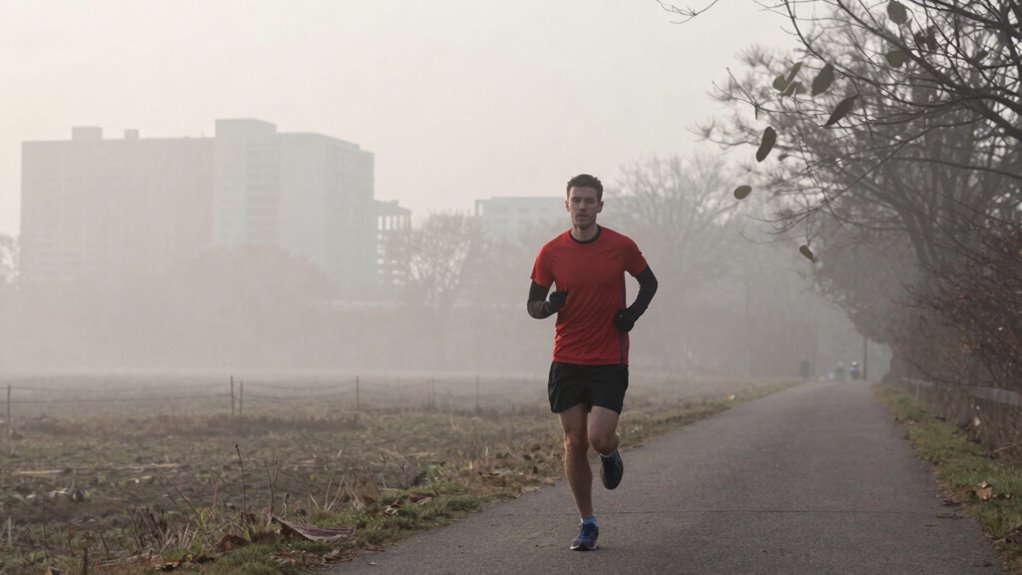
You may notice that particulate matter can irritate your lungs and make breathing harder during exercise. Ozone, another common pollutant, can inflame your airways and reduce lung function over time. Understanding how these pollutants affect you helps you choose safer environments for your workouts. Incorporating aquatic exercises can be a beneficial alternative, as exercising in water reduces the impact of air pollutants on your respiratory system. Additionally, using portable oil radiators that are designed with safety features can improve indoor air quality when exercising indoors. Being aware of air quality indices can help you plan your outdoor activities to minimize exposure. Incorporating natural pools that utilize eco-friendly filtration systems can also provide a cleaner environment for outdoor exercise. Choosing the right styling products can further support respiratory health by avoiding harsh chemicals often found in some sprays and aerosols.
Particulate Matter Impact
Particulate matter (PM) is a significant air pollutant that can severely affect your breathing, especially during exercise. When you breathe in PM, tiny particles penetrate deep into your lungs, challenging your respiratory health. These particles come from sources like vehicle emissions, industrial processes, and natural events, and they can cause inflammation and irritation in your airways. During physical activity, your breathing rate increases, leading to higher exposure levels. This increased respiration can intensify the impact of pollutants, especially when combined with temperature fluctuations, which may further stress your respiratory system. Exposure to PM can also be influenced by air quality monitoring, helping individuals make informed decisions about outdoor activities. Additionally, choosing appropriate outdoor gear can help minimize direct contact with pollutants in certain environments. This heightened exposure can reduce your lung function, cause coughing, wheezing, and shortness of breath. Understanding air quality indexes can help you better assess the safety of outdoor exercise conditions and plan accordingly. Over time, ongoing inhalation of PM may contribute to chronic respiratory issues. To protect yourself, it is crucial to be aware of air pollution levels and avoid outdoor exercise when particulate matter concentrations are high, safeguarding your respiratory health. Maintaining senior wellness through awareness of air quality can help reduce health risks associated with pollution exposure.
Ozone and Lung Health
While particulate matter can harm your lungs, ozone—a common urban air pollutant—also poses a significant threat to respiratory health. Ozone formation occurs when pollutants from vehicles and industry react with sunlight, creating high ozone levels, especially in summer. Breathing in ozone irritates your airways, leading to lung inflammation that makes it harder to breathe, particularly during exercise. This inflammation can worsen asthma symptoms and reduce your lung function over time. Ozone exposure not only triggers immediate respiratory discomfort but also increases the risk of chronic lung problems. If you exercise outdoors on days with high ozone levels, you’re more likely to experience these adverse effects. Protect your lung health by monitoring air quality reports and avoiding vigorous activity during times of elevated ozone. Additionally, understanding smart home privacy and security practices can help you keep your environment safe from external threats that may compromise your health data. Regular outdoor activity in polluted environments can also lead to long-term respiratory issues, emphasizing the importance of awareness and preventative measures. Staying informed about air quality indices can help you make better decisions about when to exercise outdoors. Incorporating air pollution mitigation strategies such as using air purifiers indoors or scheduling outdoor exercise during cleaner times can further protect your respiratory health.
As an affiliate, we earn on qualifying purchases.
When and Where Is It Safe to Exercise Outdoors?
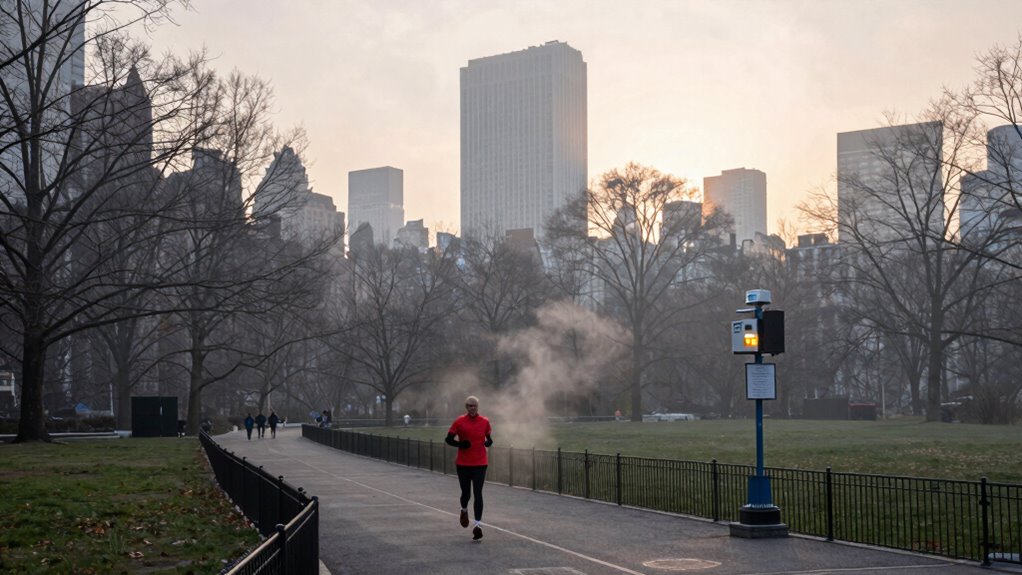
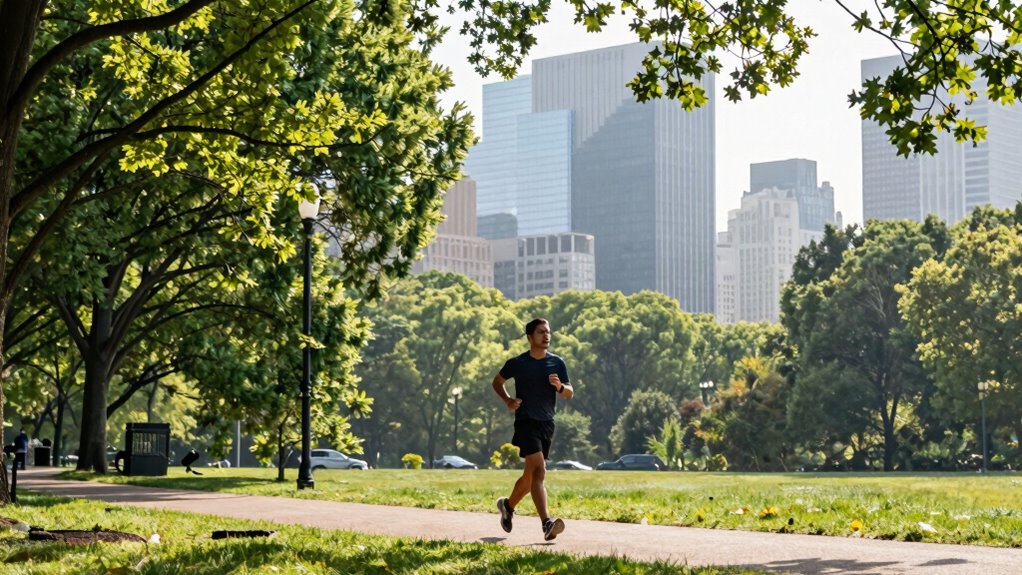
Exercising outdoors can boost your mood and improve your health, but understanding when and where it’s safe to do so is essential for protecting your lungs. Seasonal variations greatly affect air quality, so avoid outdoor workouts during high pollution periods, especially in winter or summer smog events. Urban areas tend to have higher pollution levels than rural settings, making rural locations generally safer for outdoor exercise. Check local air quality reports before heading out and plan activities when pollution levels are low. Additionally, early mornings or late evenings often offer cleaner air, particularly during warmer months. Being mindful of these factors helps you enjoy outdoor exercise without risking your lung health. Sound healing science also suggests that certain frequencies and vibrations can positively influence well-being, highlighting the importance of choosing environments with good air quality for overall health. Recognizing seasonal and environmental factors that influence air pollution can help you better schedule outdoor workouts. Understanding air quality levels and their fluctuations throughout the year can further aid in making safer exercise choices. Staying informed about air pollution trends can help you adapt your routine for optimal health.
exercise mask for pollution protection
As an affiliate, we earn on qualifying purchases.
As an affiliate, we earn on qualifying purchases.
How Poor Air Quality Reduces Endurance and Stamina

Poor air quality can considerably diminish your endurance and stamina during physical activity. Air pollution causes your lungs to work harder, reducing the efficiency of oxygen exchange. This results in decreased physical endurance, making it harder to sustain exercise over time. When pollutants like particulate matter and nitrogen dioxide are present, your body responds with inflammation and oxidative stress, impairing muscle function and recovery. The table below highlights key pollutants and their effects on stamina:
| Pollutant | Effect on Endurance | Source |
|---|---|---|
| Particulate Matter | Causes inflammation, reduces oxygen uptake | Vehicle emissions, industry |
| Ozone | Irritates airways, limits lung capacity | Smog |
| Nitrogen Dioxide | Decreases lung function, hampers stamina | Combustion engines |
| Sulfur Dioxide | Aggravates respiratory issues, impairs performance | Burning fossil fuels |
Additionally, exposure to air pollutants can have long-term impacts on respiratory health, further reducing exercise capacity over time.
Tips to Minimize Air Pollution Exposure During Workouts
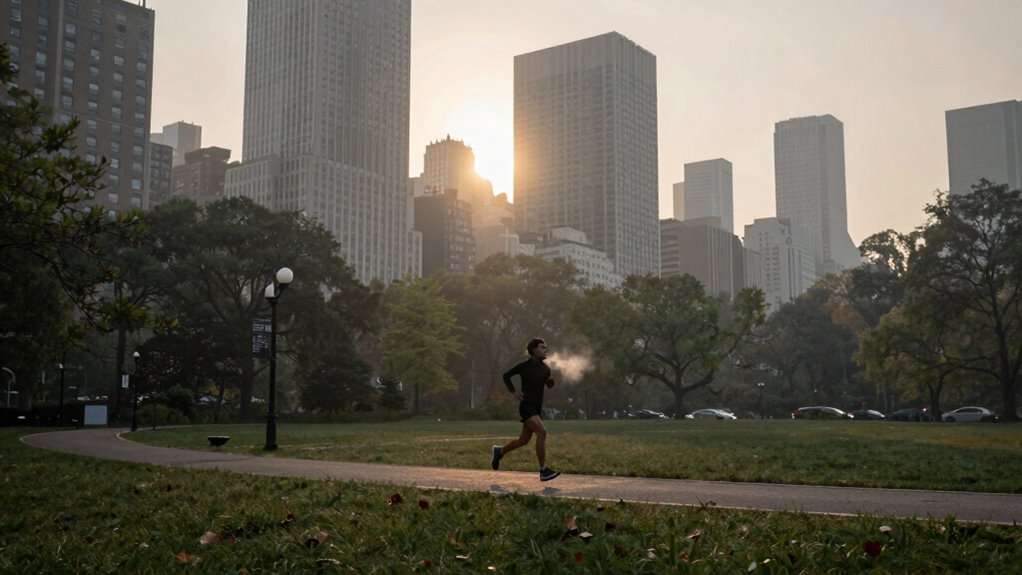
To reduce your exposure to air pollution during workouts, it’s vital to plan your exercise routines around air quality conditions. High pollution levels can negatively impact your health and exercise intensity. To stay safe, consider these tips:
- Check local air quality reports before heading out.
- Opt for outdoor workouts early in the morning or late evening when pollution is lower.
- Choose less intense exercise sessions on days with poor air quality.
- Consider indoor workouts when air pollution is high, especially if you’re sensitive.
How Indoor Air Quality Impacts Your Fitness Results

Poor indoor air quality can make it harder for you to breathe during workouts, reducing your endurance and performance. Proper ventilation helps remove pollutants and speeds up recovery, so your muscles can rest and rebuild effectively. When the air around you is clean, your fitness results improve faster and feel more sustainable.
Air Pollutants and Breathing
Indoor air quality plays a crucial role in how effectively you breathe during exercise, directly influencing your performance and recovery. When pollutants like dust, pet dander, or volatile organic compounds (VOCs) are present, your respiratory health can suffer, making breathing harder and reducing stamina. Air filtration systems help remove these pollutants, ensuring cleaner air for your lungs. This can lead to better oxygen intake and quicker recovery. Being mindful of indoor air quality means you’re supporting your respiratory system, allowing you to maximize workout efficiency. To improve your indoor environment, consider:
- Using air purifiers with HEPA filters
- Regularly cleaning and dusting your space
- Avoiding smoking indoors
- Ensuring proper humidity levels
Ventilation’s Role in Recovery
Effective ventilation plays an essential role in your recovery process after exercise by guaranteeing a steady supply of fresh air. Good air circulation helps remove carbon dioxide and other indoor pollutants, preventing buildup that can impair your breathing. When ventilation is efficient, your oxygen intake improves, allowing your muscles to recover faster and more effectively. Proper airflow reduces fatigue and enhances your overall comfort during recovery periods. By maintaining fresh indoor air, you support your body’s natural healing processes and reduce the risk of respiratory issues. You’ll notice better energy levels and quicker bounce-back after workouts. Prioritizing ventilation in your exercise space ensures ideal air quality, helping you maximize your fitness results and stay healthier in the long run.
Best Tools to Monitor Air Quality for Exercisers
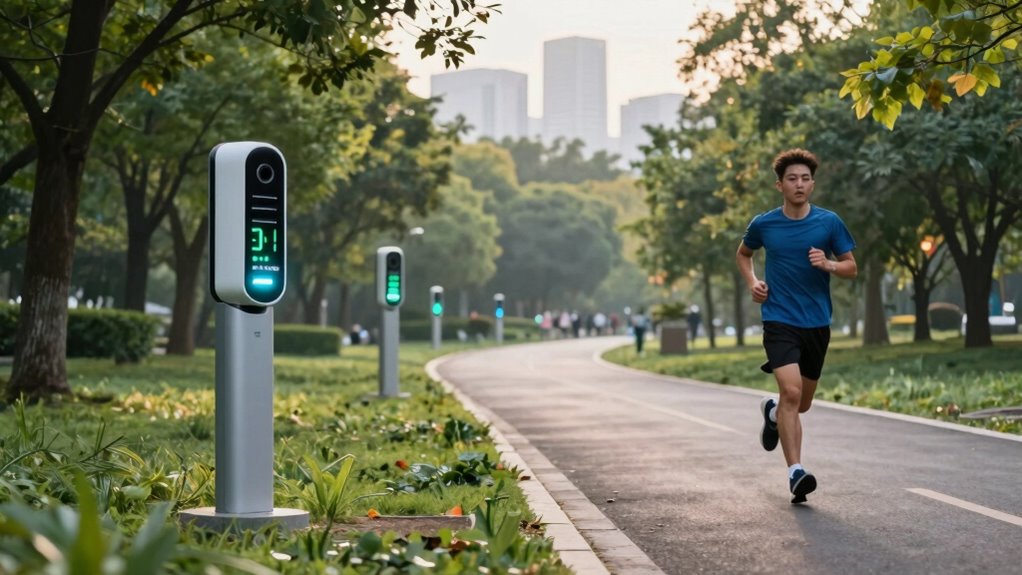
To guarantee you’re exercising in safe air conditions, choosing the right tools to monitor air quality is essential. Accurate air quality monitoring helps you assess your exercise environment and avoid pollution spikes that can harm your performance. Portable air quality monitors provide real-time data on pollutants like PM2.5, VOCs, and CO2, so you can adjust your workout accordingly. Smartphone apps paired with external sensors offer convenient tracking, alerting you when air quality drops below safe levels. Indoor air purifiers with built-in sensors can also help maintain ideal conditions during your workout. Additionally, weather apps often include air quality indices, giving quick updates before heading outside. Using these tools ensures you stay informed, making your exercise environment safer and more conducive to peak performance.
How to Adjust Your Workout Routine Based on Air Quality Levels

When air quality levels decline, it’s crucial to modify your workout to protect your health and maintain performance. Start by using air quality monitoring tools to stay informed about current conditions. If pollution levels are high, consider reducing the intensity or duration of your exercise outdoors. Opt for shorter sessions or shift your workout to times when air quality improves, such as early mornings or after rain. If the air quality is poor, it’s best to avoid outdoor exercise altogether and move indoors. Remember, even moderate pollution can affect your lungs and overall performance. Listening to your body is key—if you experience breathing difficulties or discomfort, stop exercising and seek cleaner air. Adjusting your routine based on air quality helps keep you safe while staying active.
The Long-Term Benefits of Exercising in Clean Air
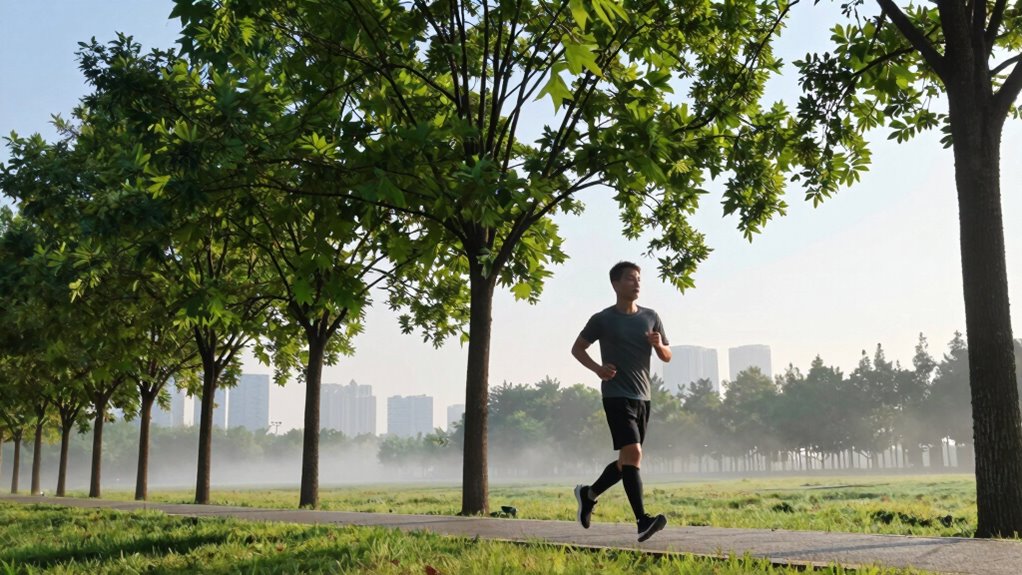
Exercising in clean air offers significant long-term health benefits that can enhance your overall quality of life. Improved air quality reduces exposure to pollutants that can cause respiratory issues, cardiovascular disease, and decreased lung function. Over time, consistent outdoor exercise in good air quality strengthens your lungs and boosts your immune system. You’ll notice better stamina, increased energy levels, and improved mental health. Prioritizing exercise benefits in clean air helps you maintain a healthier, more active lifestyle.
Here are some benefits to keep in mind:
- Reduced risk of respiratory illnesses
- Enhanced lung capacity
- Lowered blood pressure and heart disease risk
- Improved mental clarity and mood
Frequently Asked Questions
How Does Air Quality Influence Recovery After Exercise?
Poor air quality, especially air pollution, can hinder your recovery after exercise by stressing your respiratory health. When you breathe in pollutants, your lungs work harder to clear them out, which can cause inflammation and fatigue. This added strain slows down recovery, making muscle repair and energy replenishment take longer. To optimize recovery, you should avoid exercising in polluted environments and focus on breathing clean air to protect your respiratory health.
Can Air Pollution Cause Long-Term Lung Damage in Athletes?
Yes, air pollution health risks can cause long-term lung damage in athletes. You might not notice immediate effects, but continuous exposure to polluted air slowly chips away at your lung health. Over time, this can lead to serious lung damage, affecting your breathing and performance. Don’t ignore the hidden dangers—protect your lungs now, because the long-term risks of air pollution are more serious than you think.
What Are the Signs of Breathing Difficulty During Outdoor Workouts?
During outdoor workouts, you might notice breathing discomfort, like shortness of breath or a tight chest, which indicates trouble breathing. Airway irritation can cause coughing or wheezing, making it harder to breathe deeply. If you experience these signs, it’s best to slow down or stop exercising, especially if air quality is poor. Recognizing these symptoms early helps prevent further airway irritation and protects your respiratory health.
Does Altitude Affect Air Quality and Exercise Performance?
Yes, altitude dramatically affects air quality and your exercise performance. You might feel like you’re suffocating from oxygen deprivation, as if the air’s turned to invisible molasses. Altitude sickness can hit fast, leaving you exhausted and disoriented. The thinner air hampers your lungs, making every breath a struggle. Prepare for slower progress and heightened fatigue because altitude changes how your body absorbs oxygen, impacting your stamina and overall workout success.
Are Certain Exercise Types More Affected by Poor Air Quality?
Certain exercise types, like indoor training, are less affected by poor air quality, while outdoor activities in urban air are more impacted. When you exercise outdoors, especially in cities with high pollution, your performance can decline, and health risks increase. You should consider indoor workouts or schedule outdoor sessions during times of better air quality to protect your lungs and optimize your exercise results.
Conclusion
Breathe in the clarity, breathe out the doubt. Prioritize clean air to fuel your workouts, protect your lungs, and boost your stamina. Monitor air quality, adjust your routines, and choose indoor or outdoor spaces wisely. Embrace the fresh air that awakens your body, energizes your mind, and elevates your performance. With each mindful breath, you strengthen your resilience, sharpen your focus, and release your full potential—because ideal air quality isn’t just a choice; it’s your foundation for success.
Fall yard work Picks
leaf blowers
As an affiliate, we earn on qualifying purchases.