
TL;DR

Get home appliances delivered free with Prime
- Fast, free delivery on millions of items
- Prime Video, Amazon Music and more included
- Member-only deals all year
Apple is holding its first dedicated smart-home event in New York on October 13, with new hardware expected but not confirmed by the company. Reports point to a smart display and updated HomePod Mini and Apple TV; the larger opportunity is whether Apple can make Siri AI and its Home platform work reliably across a household.
Apple is hosting its first dedicated smart-home event in New York on October 13, a move that signals renewed attention to Apple Home as reports point to a new smart display and refreshed HomePod Mini and Apple TV. Apple has not said what it will announce. The bigger test may be whether Siri AI and Apple Intelligence can make its home platform more useful, not simply whether it adds another screen.
Bloomberg has reported that Apple plans to release a smart-home display alongside updated versions of the HomePod Mini and Apple TV. MacRumors has reported that the display may be called HomeView. Those product details, including the name, are based on reporting and have not been confirmed by Apple. The company has described the October 13 gathering as a “Welcome Home experience,” but has not published an announcement agenda.
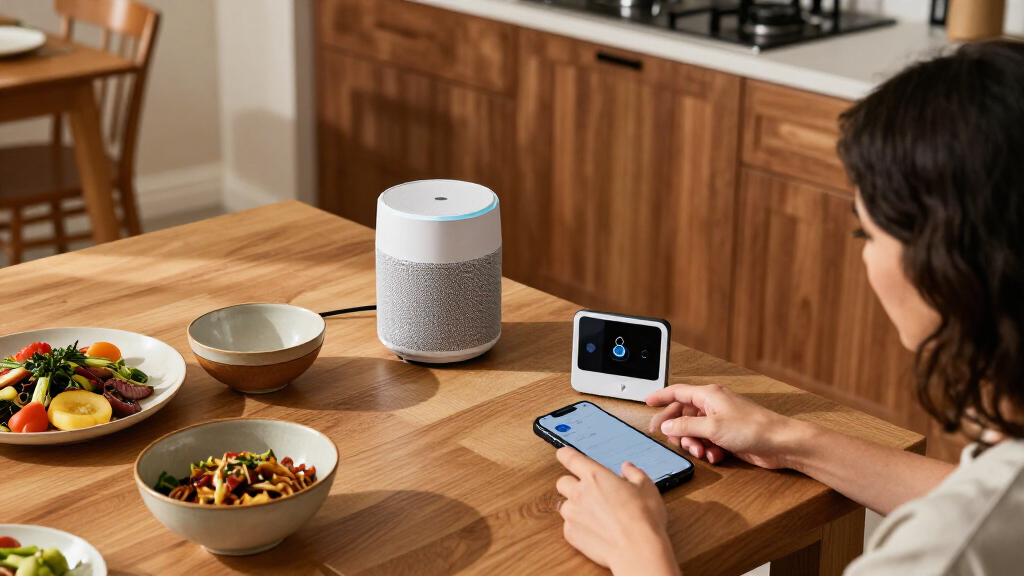
According to Bloomberg’s reported description, the display could have a six-inch square screen and come either on a speaker base or in a wall-mounted form. Reported features include facial recognition for showing personalized messages and calendar information, controls for devices such as locks and thermostats, and FaceTime and intercom calling. The report also puts its possible price at $350. If accurate, those features would resemble existing smart displays more than a new product category.
The proposed distinction is software. Bloomberg has reported that the display would run a new homeOS built around Siri AI. Apple’s existing HomePods and Apple TV have not yet received the newer Siri experience described in the source report; their voice control has remained more basic. Whether the event will introduce homeOS, explain its capabilities, or provide a release date is not yet known.
The Assistant Is the Real Test
A screen can put smart-home controls within easy reach, but a household platform has to do more than display device buttons. Apple’s opportunity is to connect people, rooms and compatible devices in ways that make everyday tasks simpler. In the report’s examples, a system with reliable information could flag an oven left on when no one is home, suggest turning off air conditioning when a window is open, or send a notification to the room where someone is located. These are potential uses, not features Apple has confirmed.
The stakes also extend beyond convenience. Home systems can control locks, heating and cooling, and security equipment, so an assistant that misunderstands a request could have consequences beyond a mistaken search result. A useful product would need to respond accurately, distinguish among household members, and handle sensitive controls safely. Apple will be judged not just on how conversational Siri sounds, but on how consistently it works in a varied, shared home.
As an affiliate, we earn on qualifying purchases.
Apple’s Long Hardware Gap
Apple’s current home hardware has had a long refresh cycle. The source report notes that the HomePod Mini launched in October 2020, while the newest Apple TV 4K available at the time of the report was four years old. Neither product was designed chiefly as a dedicated home-control display. Amazon and Google, by contrast, have released multiple generations of voice-controlled smart speakers and screens that can show camera feeds, control household devices and support calls.
Apple has made changes to the platform underneath its devices. After helping establish the Matter smart-home standard, the company rebuilt HomeKit’s underlying architecture and redesigned the Home app about four years before the report. The source says those changes broadened the range of third-party devices that could work with Apple Home, compared with the earlier approval process. Matter and Thread can help devices communicate, but they do not by themselves provide the software that coordinates a home.
Apple is also arriving later to generative AI in home assistants. The source report says Amazon introduced Alexa Plus in 2023 and launched it in 2025, while Google’s Gemini for Home remained in early access. Apple announced Apple Intelligence in 2024, but the report says the updated Siri reached users only recently. The history suggests that adding AI to a home assistant has been difficult for the major technology companies, not just Apple.
““A smart home isn’t just about the devices you put in it. It’s about making them work together.””
— The Verge report
smart home display with facial recognition
As an affiliate, we earn on qualifying purchases.
As an affiliate, we earn on qualifying purchases.
Products and Siri Remain Unconfirmed
Apple has not confirmed the reported display, HomeView name, $350 price, or product specifications. It is also unclear whether the event will include refreshed HomePod Mini and Apple TV models, or whether those devices will ship alongside the display. The reports provide expectations, not an official product announcement.
The capabilities and timing of Siri AI for the home are also unsettled. The source report describes homeOS as a possible foundation, but Apple has not explained how the assistant would handle multiple users, device permissions, or sensitive actions such as controlling locks. Nor is it clear how many existing Apple Home devices would support any new software. The practical value will depend on performance across different homes and third-party products, not on demonstrations alone.
As an affiliate, we earn on qualifying purchases.
Watch for the October 13 Reveal
The next milestone is Apple’s October 13 event in New York. Apple may confirm hardware, software, pricing and availability there; until it does, reported features should be treated as unverified. Readers assessing the announcement should look for specifics on supported devices, household profiles, privacy controls, and what Siri can safely do without a direct command.
After an announcement, the key evidence will be the product’s performance in real homes: whether it can reliably coordinate devices from different manufacturers, understand who is speaking, and respond appropriately when a request affects security or household systems. A launch date and hands-on testing will clarify whether Apple’s software can turn renewed hardware investment into a genuinely more useful smart-home platform.
smart home control devices compatible with Siri
As an affiliate, we earn on qualifying purchases.
As an affiliate, we earn on qualifying purchases.
Key Questions
What has Apple confirmed about the October 13 event?
Apple has scheduled a New York event called the “Welcome Home experience”. It has not confirmed which products or software it will announce.
What new Apple smart-home products have been reported?
Bloomberg has reported a smart display, refreshed HomePod Mini and Apple TV. MacRumors has reported the display may be called HomeView. Apple has not verified those details.
Why could Siri AI matter more than the display?
The screen can provide controls, but software must make devices work together. A capable assistant could help manage routines and household information, provided it works reliably and safely.
What is still unknown about the rumored display?
Apple has not confirmed its name, price, design, features, release date, or which existing devices it will support. The reported $350 price and six-inch screen remain unconfirmed.
Source: rss
Cold & flu season Picks
humidifiers
As an affiliate, we earn on qualifying purchases.