
TL;DR

Get home appliances delivered free with Prime
- Fast, free delivery on millions of items
- Prime Video, Amazon Music and more included
- Member-only deals all year
A House Beautiful report outlines 13 categories of household belongings that organizing and design experts say are worth reviewing after five years in a home. The advice is to keep items that are useful or meaningful, donate or sell usable extras, and dispose of hazardous or expired products responsibly.
House Beautiful has published a 13-item decluttering checklist for people who have lived in their homes for at least five years, drawing on advice from organizing and design professionals. The recommendations cover accumulated bags and cords, unused equipment, decor, leftover renovation materials and expired products; they are suggestions, not a rule that every household should discard the same belongings.
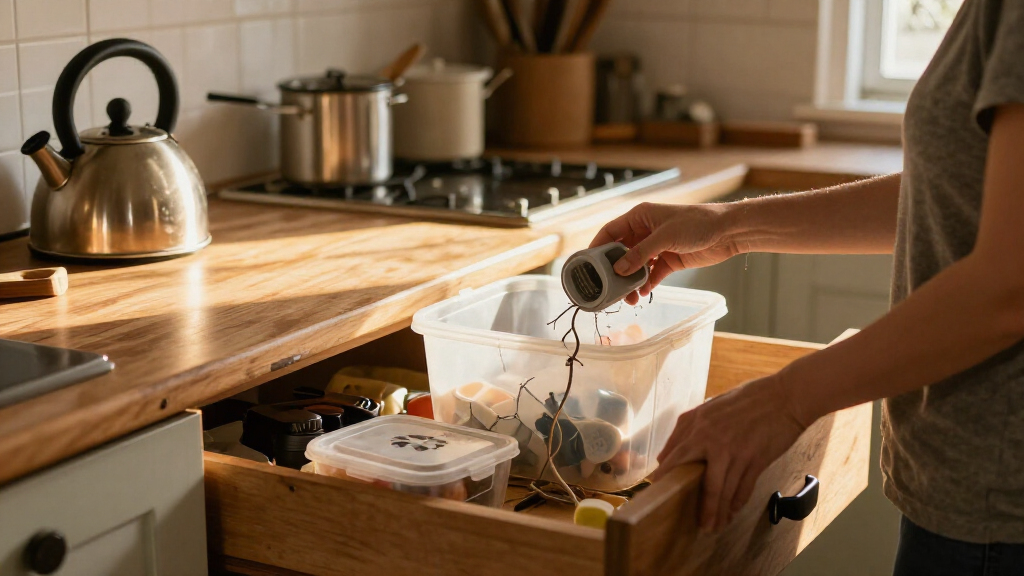
The list includes tote bags, reusable water bottles and branded giveaways; manuals and cables for devices people no longer own; worn linens; fitness equipment that has fallen out of use; and supplies for projects that have remained unfinished. It also suggests reviewing decorative accessories and decor that no longer suits the home, along with leftover paint, tile and building materials.
The remaining categories are rarely used kitchen gadgets, wellness devices, furniture that no longer suits the household’s routines, expired or unwanted bathroom and cleaning products, and unopened boxes. The supplied report identifies unopened boxes as its final category but does not provide further detail about how to handle them.
The experts advise making decisions item by item. Usable equipment can be sold or donated, while some worn textiles may be recyclable where local options exist. Leftover paint and building products may require a municipal hazardous-waste drop-off rather than ordinary rubbish collection, depending on the material and local rules.
Make Storage Match Daily Life
The advice addresses a common practical problem: belongings accumulate while a home’s available space stays the same. Organizers quoted in the report argue that a review after several years can reveal what residents actually use, rather than what they once expected to use. That can free up closets, cabinets and work surfaces without requiring a major renovation or a whole-house cleanout.
The recommendations are not a call to discard possessions simply because they are old. Their focus is on items that are unused, damaged, duplicated or no longer suited to a household. Keeping objects that remain useful or meaningful is consistent with the experts’ emphasis on intentional choices rather than clearing space for its own sake.
Products Worth Considering

Ring Alarm 8-Piece Kit (2nd Gen) Home Security System

Shark PowerDetect Corded Stick Vacuum with HEPA Filtration, Purple (HZ4001AMZ)
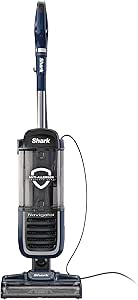
Shark Navigator Swivel Pro Upright Vacuum NV151
As an affiliate, we earn on qualifying purchases.
Why Experts Suggest a Five-Year Review
The report frames five years as a useful moment to reassess a home, not as a scientific threshold or deadline. Ann Lightfoot, cofounder of DDH Home Organizing & Move Management, said the initial period of settling in can give way to a buildup of possessions, while residents gain a clearer sense of how they use their space.
Laura Kinsella, founder of Urban OrgaNYze, said people’s work, families, routines and interests may change while the items they have collected remain. Kerrie Kelly, CEO and creative director of Kerrie Kelly Studio, recommended working one drawer, cabinet or closet at a time, rather than trying to tackle an entire home in a weekend.
“Taking stock after five years gives us a chance to see what’s actually taking up space, what we’re still using, and what we’ve simply gotten used to storing.”
— Laura Kinsella, founder of Urban OrgaNYze
Local Disposal Rules Still Apply
The report does not establish a universal standard for when an item should be discarded, and it offers no evidence that every household accumulates the same categories. Whether an item can be recycled, donated or accepted at a hazardous-waste facility depends on its condition, material and local services. The supplied material also does not explain what to do with unopened boxes beyond naming them as a category to review.
Residents should check local guidance before disposing of paint, cleaners or other potentially hazardous products. The report’s suggestions are expert opinions about organizing, not a substitute for municipal disposal instructions.
Start With One Small Area
The practical next step is to choose a limited area or category, remove its contents, clean the space and return only items the household intends to keep. Kelly recommends this incremental approach because it avoids turning decluttering into an all-at-once project. Residents can sort usable extras for donation or sale, set aside recycling where accepted, and check municipal rules for items needing special disposal.
There is no stated follow-up deadline or formal program tied to the report. The checklist is a prompt for households to make their own decisions based on how they live now.
Key Questions
Does the advice mean I should throw away everything I have owned for five years?
No. The report recommends reviewing belongings, not discarding them solely because of age. Keep items that are useful, meaningful or regularly used.
What are some of the 13 categories to review?
The list includes excess tote bags and branded items, cables for devices no longer owned, worn linens, unused fitness equipment, long-delayed project supplies, redundant kitchen gadgets and expired products.
How should I dispose of leftover paint?
Check local waste guidance. The report’s organizer advises taking leftover paint and related building materials to a town or municipal hazardous-waste drop-off when appropriate; disposal options vary by location and product.
Where should I begin if the whole house feels overwhelming?
Start with one drawer, cabinet or closet, as designer Kerrie Kelly recommends. Review one category at a time rather than attempting to clear the entire home in a single weekend.
Source: housebeautiful.com