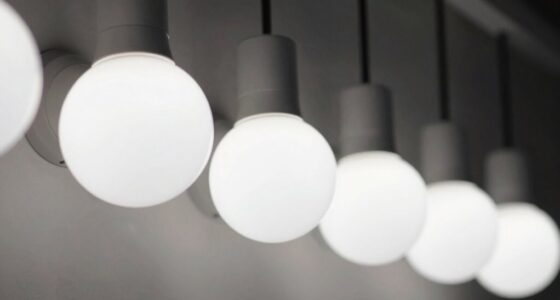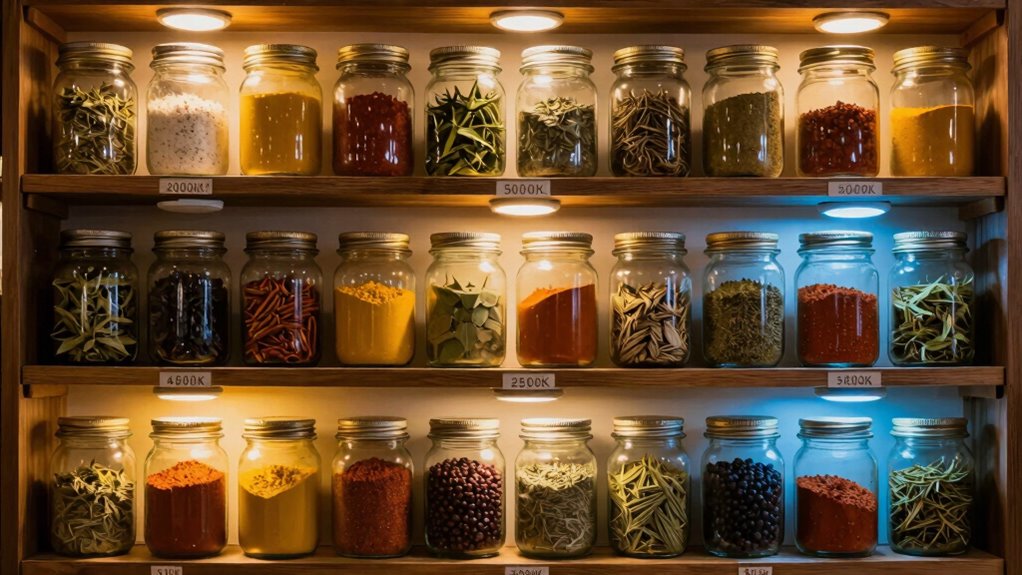

Choosing between 4000K, 5000K, and 6500K shop lights depends on your work needs. 4000K offers a neutral, comfortable glow for general tasks, while 5000K provides a bright, natural light ideal for detailed work. 6500K mimics daylight, making it perfect for inspection and precision. Understanding how each affects visibility and color recognition helps you pick the best option. Continue exploring to find tips on installation and getting the most from your lighting choices.

Get home appliances delivered free — and shop member deals
- Fast, free delivery on millions of items
- Access to Prime Big Deal Days deals on October 6–7
- Prime Video, Amazon Music and more included
Key Takeaways
- 4000K offers a neutral, balanced light suitable for general shop tasks and reducing eye strain.
- 5000K provides bright, natural illumination ideal for detailed, precision work.
- 6500K mimics daylight, enhancing visibility and color accuracy for inspection and fine tasks.
- Higher temperatures like 6500K may reduce energy efficiency but improve clarity and detail recognition.
- Proper fixture placement and adjustment ensure optimal lighting for safety and task performance.
As an affiliate, we earn on qualifying purchases.
What Do 4000K, 5000K, and 6500K Mean for Your Shop Lighting?
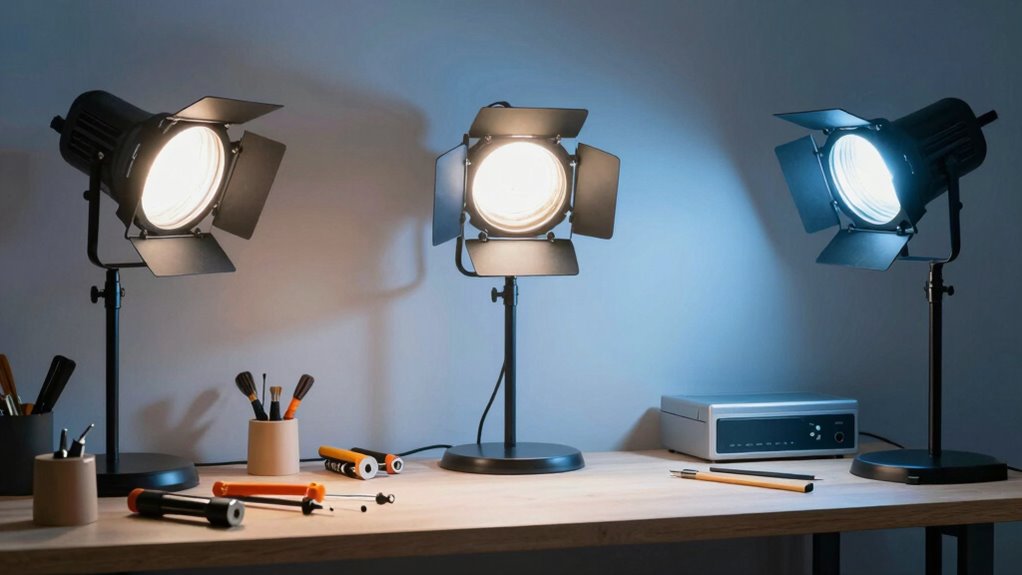
Understanding what the numbers 4000K, 5000K, and 6500K mean is essential when choosing shop lighting, as they indicate the color temperature of the light. These ratings influence how you perceive colors and can affect the overall mood of your workspace. A 4000K light offers a neutral, balanced tone that enhances accurate color perception without feeling too harsh. Moving to 5000K, the light becomes cooler, improving clarity and making details pop, which boosts mood and focus. At 6500K, the light is very cool, almost daylight-like, which can make your shop feel bright and energetic. Your choice impacts how products are viewed and how you feel working inside, making color temperature and mood enhancement key factors in selecting the right lighting. Additionally, understanding digital concepts related to lighting can help optimize your workspace for productivity and comfort.
As an affiliate, we earn on qualifying purchases.
How Does Light Color Temperature Affect Visibility and Color Recognition?
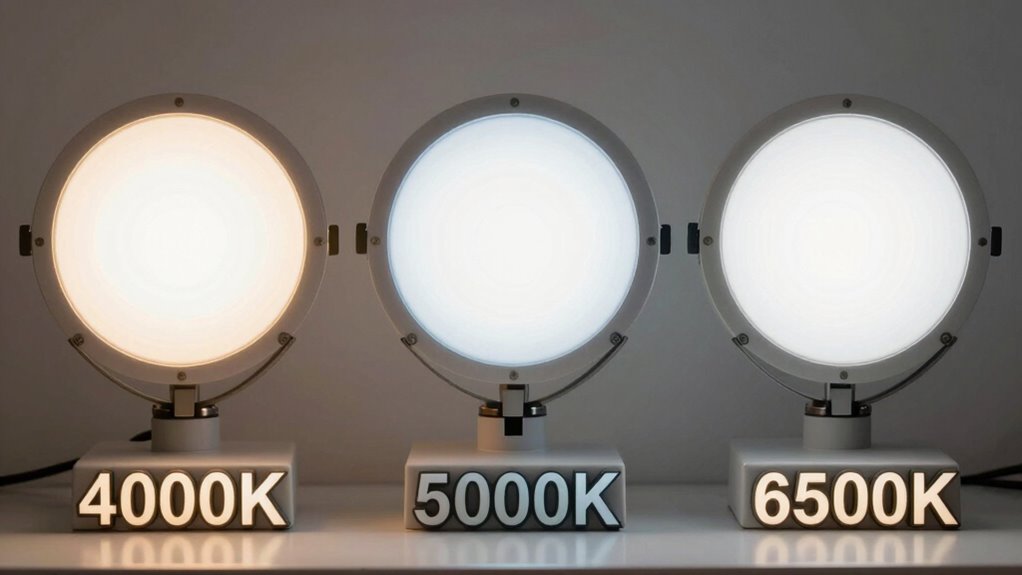
The color temperature of your shop lighting directly influences how well you can see details and distinguish colors. Higher temperatures, like 6500K, enhance color perception, making it easier to identify small differences and subtle shades. Lower temperatures, such as 4000K, tend to soften colors, which may reduce visibility enhancement but create a more comfortable environment. The table below highlights how different temperatures impact visibility and color recognition: Additionally, selecting an appropriate lighting color temperature can support better decision-making and reduce eye strain during extended periods of work.
As an affiliate, we earn on qualifying purchases.
Which Shop Light Color Temperature Is Best for Your Workshop Tasks?
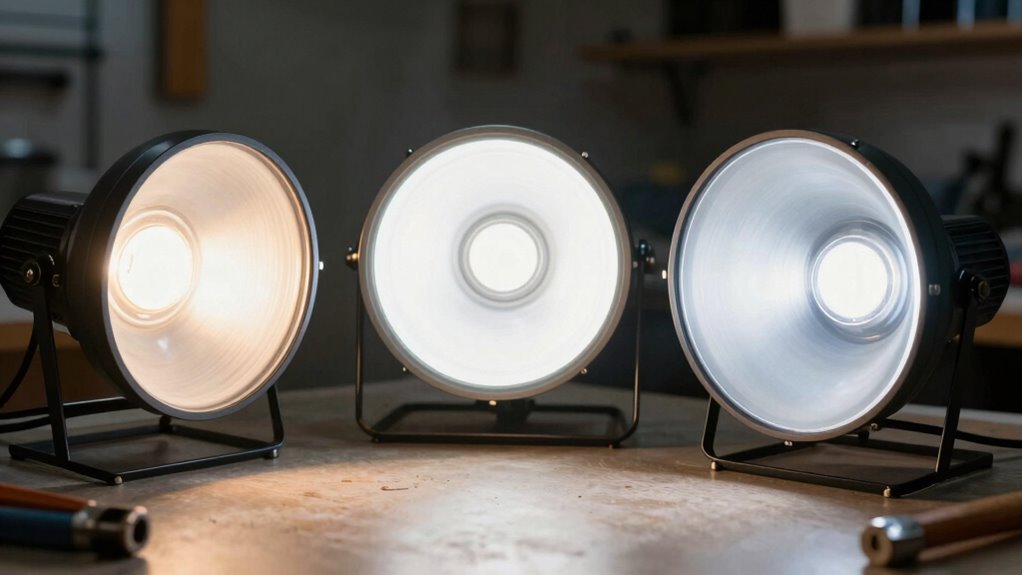
Choosing the right shop light color temperature depends on the specific tasks you perform in your workshop. For tasks requiring high attention to detail and accurate color recognition, a 5000K or 6500K light provides a bright, crisp illumination that enhances visibility. These higher temperatures create a cool, neutral ambient ambiance, making it easier to spot imperfections or color differences. If your work involves longer hours, consider energy efficiency; LED lights in the 4000K to 5000K range tend to consume less power while still offering clear, effective lighting. For general tasks, 4000K strikes a balance between ambient ambiance and energy efficiency, creating a comfortable environment without sacrificing visibility. Ultimately, choosing the right temperature depends on balancing task precision, ambient feel, and energy savings.
shop light color temperature bulbs
As an affiliate, we earn on qualifying purchases.
As an affiliate, we earn on qualifying purchases.
What Are the Pros and Cons of 4000K, 5000K, and 6500K Shop Lights?
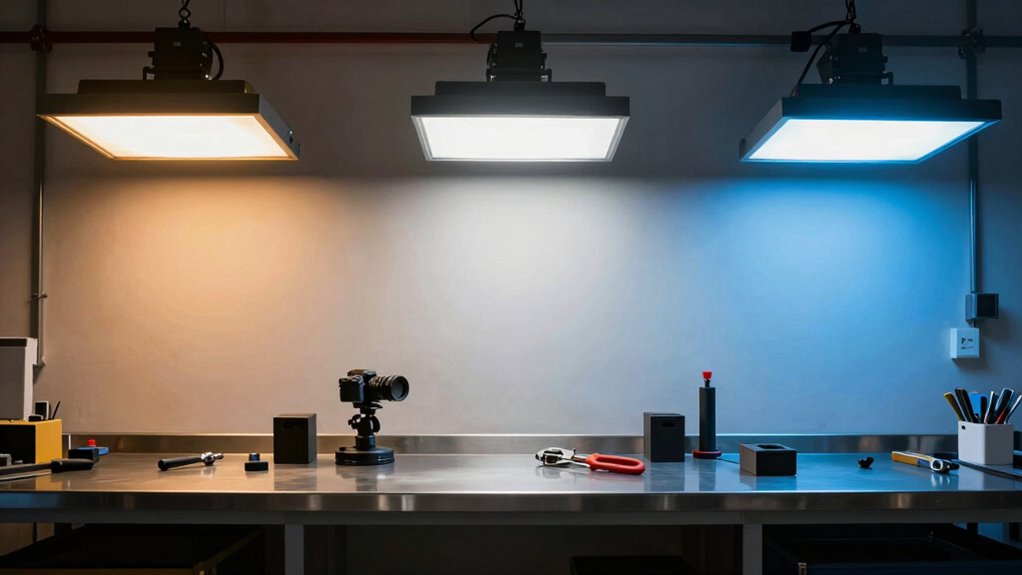
When selecting shop lights, each color temperature offers distinct advantages and drawbacks that can impact your workspace.
| Temperature | Aesthetic Appeal | Energy Efficiency | Best For |
|---|---|---|---|
| 4000K | Neutral, modern look | Moderate | General tasks, detailing |
| 5000K | Bright, natural light | High | Precision work, reading |
| 6500K | Cool, clinical vibe | Slightly lower | Inspection, technical work |
4000K lights provide a balanced aesthetic and decent energy efficiency, suitable for most workshops. 5000K offers a crisp, natural appearance with excellent energy efficiency, ideal for detailed tasks. 6500K delivers a cool, clinical look, but may sacrifice some energy efficiency. Your choice affects both visual appeal and operational costs.
How Can You Install and Adjust Shop Lights for the Best Results?

Proper installation and adjustment of shop lights guarantee you get the best illumination for your workspace. Start with a thorough lighting installation by positioning fixtures evenly across the area to minimize shadows and glare. Mount lights at an ideal height—generally 8 to 12 feet—depending on your ceiling height and task needs. When adjusting fixtures, aim for uniform light distribution and avoid direct glare into your eyes. Use fixture adjustment to tilt or reposition lights for focused task areas or broader coverage. Confirm the wiring and connections are secure and compliant with safety standards. Regularly check and fine-tune your lighting setup as needed, especially if you change work surfaces or add new equipment. Proper fixture adjustment enhances visibility, reduces eye strain, and maximizes the efficiency of your shop lighting.
Frequently Asked Questions
How Does Ambient Lighting Influence the Perception of Shop Light Colors?
Ambient lighting influences how you perceive shop light colors by reflecting off surfaces and affecting color temperature psychology. Bright, warmer ambient light can make shop lights seem more inviting, while cooler ambient light enhances clarity and detail. When ambient light reflects off surfaces, it alters the perceived color temperature, impacting your overall impression and decision-making. Adjusting ambient lighting helps you see shop light colors more accurately and creates the desired atmosphere.
Are There Health Considerations When Choosing Between These Color Temperatures?
Choosing between 4000K, 5000K, and 6500K affects your health impact considerations because higher color temperatures can cause eye strain and disrupt sleep patterns. Think of it like sunlight: cooler temps mimic daylight, which can boost alertness but strain your eyes if overused. You should consider these color temperature effects for comfort and well-being, especially if you’re working long hours under shop lighting.
Can LED Shop Lights Change Color Temperature Dynamically?
Yes, many LED shop lights offer dynamic color temperature adjustment thanks to their LED flexibility. You can easily change the color temperature to suit your needs, whether you want brighter, cooler light or warmer tones. These lights often come with dimming and control features, allowing you to customize your workspace. This flexibility helps improve visibility, comfort, and energy efficiency, making your lighting adaptable for various tasks and preferences.
What Is the Lifespan Difference Among 4000K, 5000K, and 6500K Lights?
Think of your shop lights like a marathon runner—longevity depends on their build. Generally, all three color temperatures—4000K, 5000K, and 6500K—offer similar lifespans, often around 25,000 to 50,000 hours. Your choice impacts color rendering and light distribution more than lifespan. So, pick based on how you want your space to look and feel, knowing all three can last years with proper care.
How Do Energy Costs Compare for Different Shop Light Color Temperatures?
You’ll find that energy costs are similar across different shop light color temperatures like 4000K, 5000K, and 6500K because wattage primarily determines energy use. However, higher color temperatures like 6500K can improve color rendering, making details clearer, which enhances aesthetic appeal and productivity. While the energy expense remains constant, choosing the right temperature can boost your workspace’s visual quality, potentially reducing the need for additional lighting.
Conclusion
Choosing the right shop light color temperature can transform your workspace into a bright, welcoming haven. Picture your tools gleaming under crisp, clear 6500K light or your workpieces glowing warmly beneath 4000K. With the right balance, you’ll see every detail with clarity and confidence. So, pick the temperature that matches your tasks, install it thoughtfully, and enjoy a workspace where every project shines just right—bright, vibrant, and perfectly lit.
NFL season / tailgating Picks
team gear
As an affiliate, we earn on qualifying purchases.