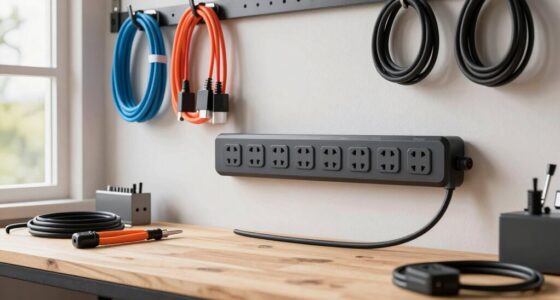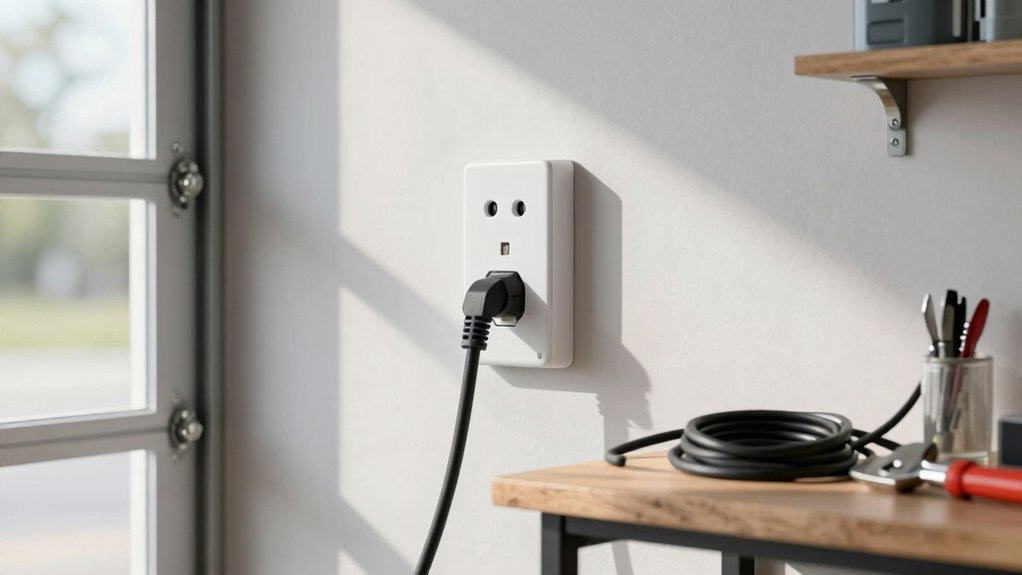

GFCI outlets are required in garages to protect you from electrical shocks caused by water and moisture. You’ll find them on all garage receptacle circuits, especially near sinks, workbenches, and storage areas. These safety devices quickly shut off power when they detect ground faults, preventing hazards. Installing and maintaining GFCIs is essential for code compliance and safety. To understand exactly where they’re needed and how they work, keep exploring for detailed guidance.

Get home appliances delivered free with Prime
- Fast, free delivery on millions of items
- Prime Video, Amazon Music and more included
- Member-only deals all year
Key Takeaways
- GFCIs are mandatory on all garage receptacle circuits to prevent electrical shocks from water and moisture exposure.
- They are required for outlets near sinks, workbenches, and moisture-prone areas for safety.
- GFCI protection can be provided via receptacles or circuit breakers to meet electrical code standards.
- Outlets serving general power or tools should have GFCIs, especially in wet or damp environments.
- Regular inspection and proper installation ensure compliance and enhance safety in garage electrical systems.
As an affiliate, we earn on qualifying purchases.
Why GFCI Outlets Are Essential in Your Garage
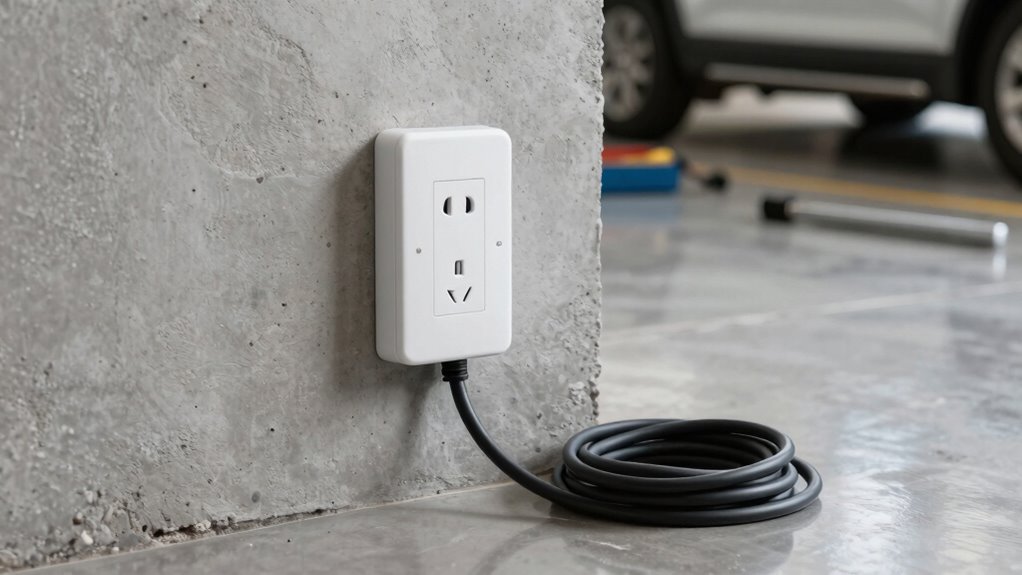
Have you ever considered how dangerous electrical shocks can be in a garage? Electrical hazards are common there because of water, tools, and exposed wiring. GFCI outlets are essential because they quickly shut off power if they detect a ground fault, preventing shocks. Proper outlet placement is vital—you should install GFCIs near sinks, workbenches, and areas prone to moisture. Without GFCIs, accidental contact with live wires or faulty appliances can lead to severe injuries or even death. These outlets provide an added layer of safety, especially in garages where electrical risks are higher. Proper installation techniques, including understanding ground fault detection, are crucial to ensure these devices function correctly. Additionally, understanding electrical safety standards helps ensure your system complies with current regulations. Ensuring that your electrical system is aligned with modern safety practices can further reduce the risk of accidents. By ensuring GFCIs are properly positioned, you reduce the chance of dangerous shocks and protect yourself and your family from unnecessary harm. Regularly inspecting your electrical system and being aware of water and moisture risks can help prevent potential hazards. Always verify the proper installation procedures and protect your savings to ensure your safety measures meet current standards.
As an affiliate, we earn on qualifying purchases.
Where Does the Electrical Code Require GFCIs in Garages?
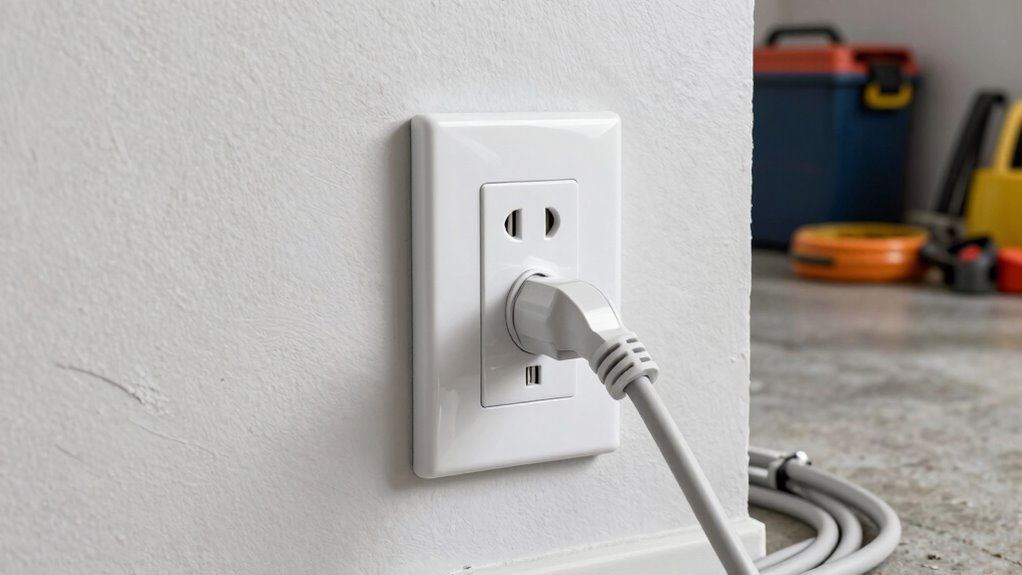
The electrical code clearly outlines where GFCIs are required in garages to protect your safety. You’ll find specific rules about outlets near sinks, work areas, and other locations prone to moisture. Keep in mind, there are some exceptions and regional variations to these requirements, so it’s important to check your local codes. Incorporating traditional techniques and cultural artifacts can also influence the overall decor and safety features in your space.
Code Requirements Overview
Electrical codes specify that GFCIs are mandatory in garage receptacle circuits to protect against shock hazards. They require GFCI outlets on all receptacles in garages, including those in unfinished spaces. This applies whether the outlets are on a dedicated circuit or shared with other areas. Typically, the GFCI protection is connected at the electrical panel or through a circuit breaker designed for GFCIs. The goal is to prevent dangerous shocks when using power tools or appliances. Ensuring GFCI protection is properly installed helps minimize electrical risks and complies with safety standards. Additionally, understanding the role of media in shaping public perception can influence awareness about electrical safety practices.
Specific Garage Locations
GFCIs are required in specific areas within garages to guarantee safety where moisture and electrical hazards are most likely. You need GFCIs on all electrical outlets used for garage lighting, especially those near sinks or water sources. Any outlets used for storage organization, such as powering power tools or appliances, must also be GFCI protected. This includes outlets installed on walls or workbenches where moisture might contact the electrical system. GFCIs aren’t required for outlets solely dedicated to appliances stored in cabinets or on shelves, but if they are used for general power, protection is necessary. The goal is to minimize electrical shock risks in high-moisture zones and areas prone to water contact, ensuring your garage remains a safe workspace. Additionally, understanding work-life harmony can help create a safer and more balanced environment in your home workspace. Proper garage electrical safety practices, including the use of GFCIs, are essential for preventing accidents and ensuring peace of mind. Incorporating electrical code compliance into your planning can further enhance safety and reduce potential hazards.
Exceptions and Variations
Although most garages require GFCIs for safety, there are specific exceptions and variations outlined by the electrical code. Some installations may qualify for alternative methods, such as using GFCI circuit breakers instead of receptacles, depending on local codes. Certain older garages might have pre-existing wiring that doesn’t meet current standards, allowing for specific exceptions after an electrical inspection procedure. These procedures verify if the wiring or system qualifies for alternative installation methods while maintaining safety. In some cases, GFCI protection isn’t required for outlets serving only dedicated appliances or equipment, but only if approved by code and inspected properly. Always consult your local electrical inspector to confirm whether any exceptions apply to your garage, and guarantee any variations meet safety standards. Staying informed about wall art trends can also help you keep your garage space both functional and stylish.
As an affiliate, we earn on qualifying purchases.
Garage Areas That Need GFCI Protection by Law
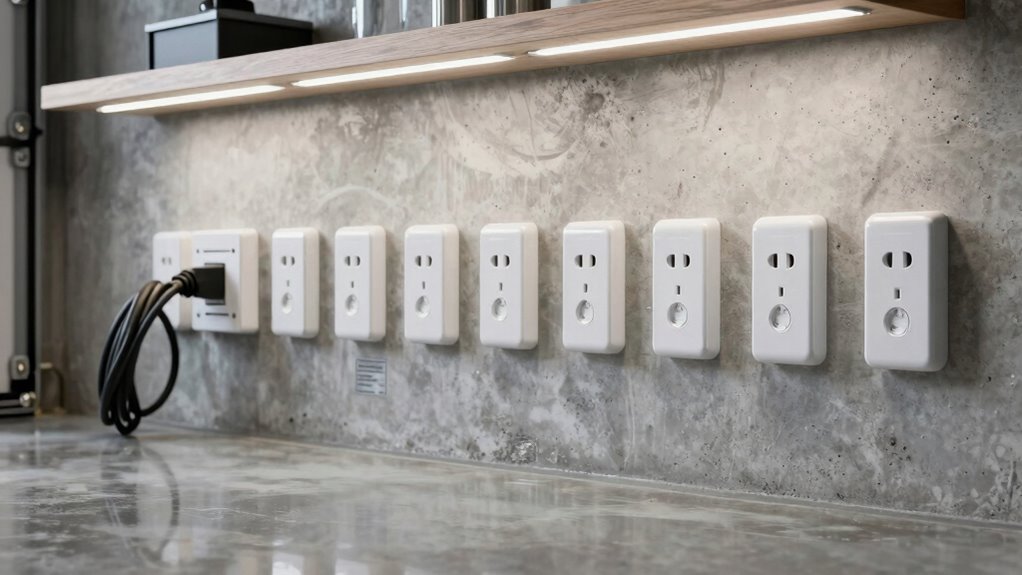
You need GFCI protection for circuits that serve the garage, as required by code, to prevent shocks. Outlets located near water sources, like sinks or wet areas, also must have GFCIs installed for safety. Ensuring these areas are protected helps keep you safe and compliant with electrical regulations. Proper filter sizing/flow and regular maintenance can also reduce the risk of electrical hazards in these wet environments. Installing GFCIs in garages not only enhances safety but also aligns with best practices for electrical fire prevention, and using the right GFCI devices can further ensure reliable protection. Incorporating proper installation techniques can maximize the effectiveness of GFCI protection and prevent potential hazards. Additionally, understanding electrical codes related to garage wiring can help ensure full compliance and safety.
Code-Mandated Garage Circuits
To guarantee safety, the electrical code mandates GFCI protection for all garage circuits. This includes circuits supplying garage lighting, outlets, and the electrical panel. You must ensure these circuits are protected to prevent electrical shock hazards. Visualize the main electrical panel, where GFCI breakers are installed to monitor safety. Imagine walking into your garage and flipping a switch for the lighting or plugging in a power tool—both require GFCI protection. The code requires that:
- Garage lighting circuits are GFCI protected.
- Outlets in the garage must be on GFCI circuits.
- Any circuit supplying the electrical panel in the garage needs GFCI protection.
These requirements keep you safe while maintaining proper electrical standards in your garage.
Outlets Near Water Sources
Have you ever wondered why outlets near water sources in your garage must be protected by GFCI devices? It’s because water and electricity don’t mix, creating a risk of shock or electrocution. This includes outlets used for garden lighting, which often connects outdoors or near water features, and those in tool storage areas where moisture may be present. GFCIs quickly cut off power if they detect a ground fault, preventing accidents. By law, any outlet within six feet of a sink, water heater, or other water source in your garage needs GFCI protection. This safety measure helps protect you and your family from potentially deadly shocks while working on projects or using garden lighting near damp areas. Additionally, understanding ground fault circuit interrupters can help you recognize the importance of these devices in preventing electrical hazards in moist environments. Proper installation of GFCIs is crucial to ensure they function correctly and provide maximum safety. Installing GFCIs in areas prone to moisture is an essential part of electrical safety to reduce the risk of shock injuries.
As an affiliate, we earn on qualifying purchases.
How to Identify GFCI Outlets and Ensure They Are Up to Code
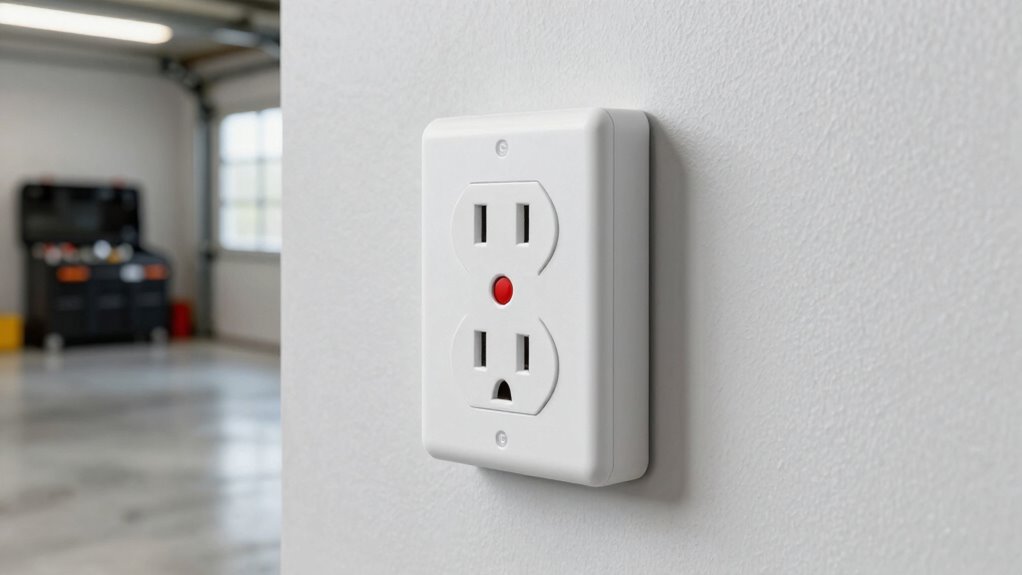
Identifying GFCI outlets in your garage is essential for safety and code compliance. GFCI outlets are designed to protect you from electrical shocks, especially in areas with high moisture. To spot them, look for a small “Test” and “Reset” button on the face of the outlet. Key areas for outlet placement include near water sources, workbenches, and garage doors, ensuring proper circuit protection. Additionally, understanding electrical safety standards can help you verify that your outlets meet all necessary requirements. Here are three things to check:
Identify GFCI outlets by the Test and Reset buttons for safe garage electrical protection.
- Location of the outlet—should be in designated areas with water exposure.
- Presence of the “Test” and “Reset” buttons—indicates a GFCI.
- Proper wiring and grounding—verify outlets are wired correctly and up to code. Ensuring that code compliance is maintained can prevent potential safety hazards and ensure your garage’s outlets meet safety standards and compliance requirements.
Regularly inspecting GFCI outlets and understanding electrical safety can also help maintain a safe environment in your garage.
Installing GFCI Outlets in Your Garage: A Step-by-Step Guide
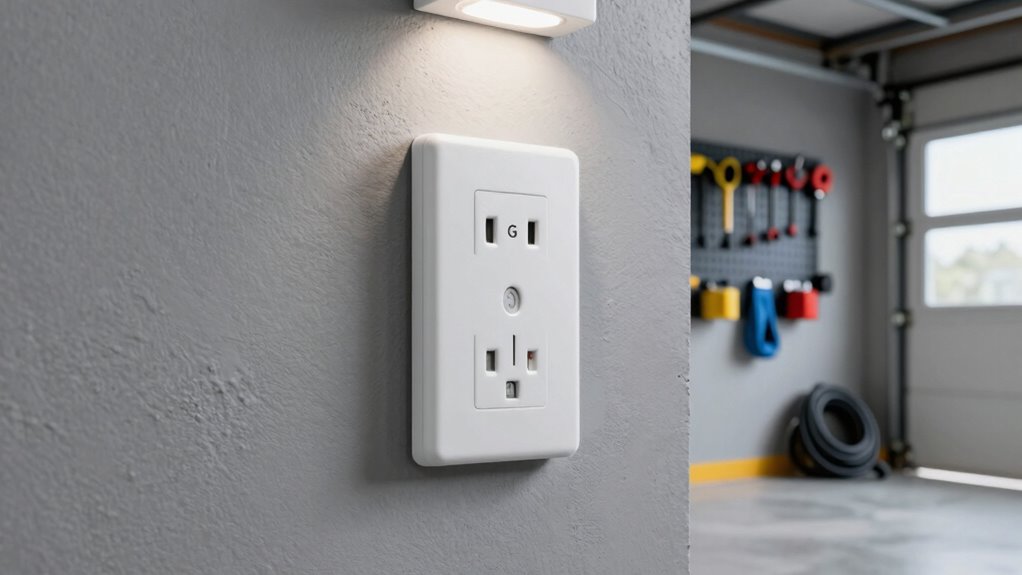
Installing GFCI outlets in your garage is a straightforward process that can substantially boost safety and code compliance. Start by turning off power at your electrical panel to guarantee safety. Locate the circuit that supplies power to your garage lighting and outlets. Remove the existing outlet, disconnect wires, and connect the GFCI following the manufacturer’s instructions. Use the table below to understand wiring connections:
| Step | Action | Key Point |
|---|---|---|
| 1 | Turn off power at the electrical panel | Safety first |
| 2 | Remove existing outlet | Access wiring |
| 3 | Connect black, white, and ground wires | Follow GFCI instructions |
| 4 | Mount GFCI and restore power | Test for proper operation |
Proper installation ensures your garage lighting and outlets are protected.
Benefits of Using GFCIs for Safety and Code Compliance
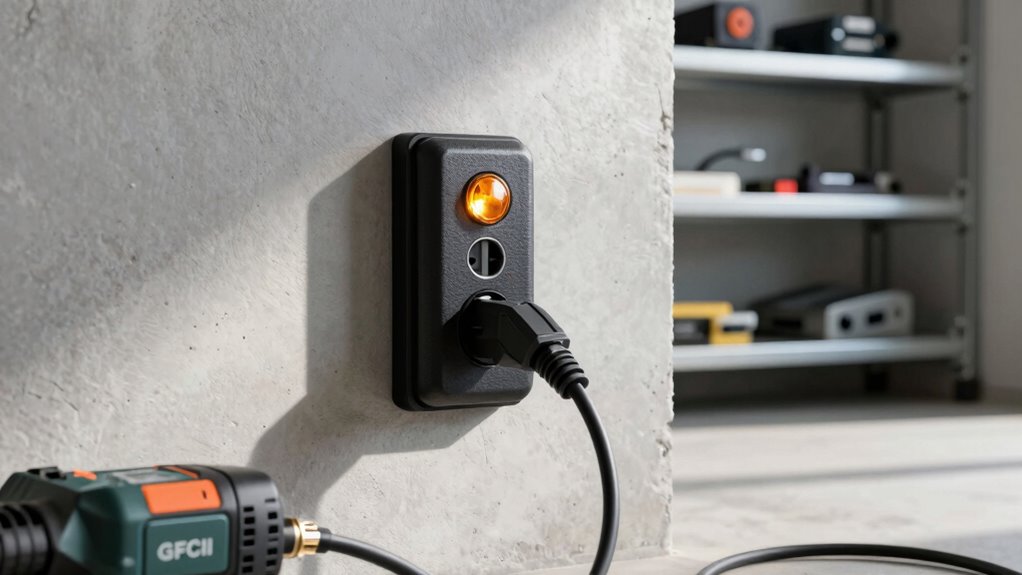
Ever wonder why GFCIs are considered essential in garages? They provide critical safety benefits and guarantee you meet electrical codes. First, they quickly shut off power when detecting safety hazards like ground faults, preventing electric shocks. Second, GFCIs enhance electrical durability by protecting outlets from moisture and corrosion, which are common in garages. Third, using GFCIs keeps your home compliant with local codes, avoiding potential fines or safety issues during inspections. By reducing the risk of dangerous electrical accidents, GFCIs safeguard both your property and loved ones. They’re an investment in safety and compliance, offering peace of mind while you work or relax in your garage. Installing GFCIs isn’t just smart—it’s vital for a safe, code-compliant space.
Frequently Asked Questions
Can GFCIS Be Installed Outdoors in Garages?
Yes, GFCIs can be installed outdoors in garages. They’re designed for outdoor wiring and provide essential GFCI safety, protecting you from electrical shocks in damp or wet conditions. You should make certain they’re weather-resistant and properly rated for outdoor use. Installing GFCIs outdoors in garages helps prevent accidental shocks, especially where moisture or water exposure is possible, enhancing overall safety for anyone working or spending time there.
How Often Should GFCIS Be Tested for Proper Operation?
Imagine your home’s electrical system as a vigilant guardian. You should test GFCIs at least once a month to guarantee electrical safety and proper operation. Regular GFCI maintenance acts like a health check, catching any issues early. To keep your garage safe, develop a routine to press the test button, then reset it. This proactive step guarantees your GFCI functions correctly when you need it most, protecting you and your family.
What Are Common Signs a GFCI Is Malfunctioning?
You’ll notice a ground fault indicator light that’s no longer on or a reset button that won’t stay pressed when a GFCI malfunctions. Sometimes, the outlet might trip frequently, signaling circuit safety issues. If the GFCI doesn’t respond when tested or reset, it’s a sign it may be faulty. These signs indicate your GFCI isn’t providing proper protection against ground faults, risking safety in your home.
Are There Any Specific GFCI Types Recommended for Garages?
While some might think all GFCI types are the same, for garage safety, you should opt for dedicated outdoor or weather-resistant GFCIs. These are designed to withstand moisture, dust, and temperature fluctuations common in garages. Look for GFCI types with a durable, rugged build and proper certification. This guarantees reliable protection, minimizes false trips, and keeps you and your equipment safe in challenging garage environments.
Can I Replace a Standard Outlet With a GFCI Myself?
Yes, you can replace a standard outlet with a GFCI yourself, but make certain you follow electrical codes for outlet safety. Turn off the power at the breaker box, test the outlet, and carefully install the GFCI, following the manufacturer’s instructions. Remember, adhering to electrical codes is essential for safety and compliance. If you’re unsure or uncomfortable, it’s best to hire a licensed electrician to do the work safely.
Conclusion
Installing GFCI outlets in your garage isn’t just about following the law—it’s about protecting yourself and your family. Did you know that GFCIs can prevent up to 99% of electrocutions? That’s a powerful reason to make certain your garage outlets are up to code. By understanding where GFCIs are required and how to install them properly, you’re taking a vital step toward a safer, compliant space. Your safety is worth the effort!
NFL season / tailgating Picks
team gear
As an affiliate, we earn on qualifying purchases.