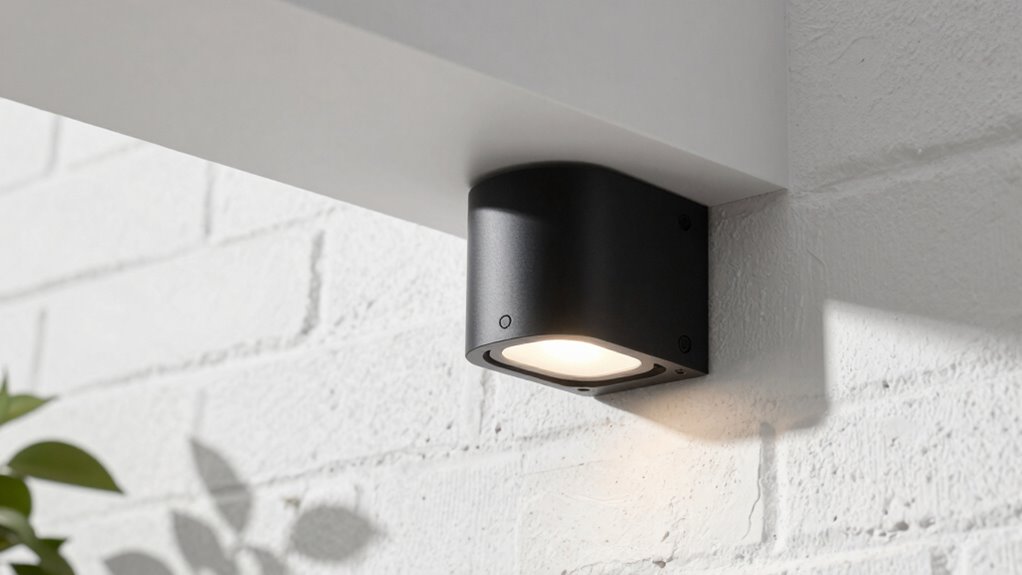

To avoid false triggers, position your motion sensor lights at appropriate heights and angles, ideally on entry points, pathways, or dark corners. Keep sensors away from direct sunlight, heat sources, or moving branches, and create physical barriers to prevent animals from triggering them. Adjust sensitivity settings to limit response to relevant movements and fine-tune detection zones for your environment. If you’d like expert tips on placement strategies, keep exploring how to optimize your setup effectively.

Get home appliances delivered free with Prime
- Fast, free delivery on millions of items
- Prime Video, Amazon Music and more included
- Member-only deals all year
Key Takeaways
- Mount sensors at appropriate heights to maximize coverage and reduce exposure to environmental triggers like wind or animals.
- Position sensors away from direct sunlight, heat sources, and reflective surfaces to prevent false activations.
- Install sensors near entry points and pathways, ensuring unobstructed views of high-traffic areas.
- Use physical barriers or landscaping to limit animal access and prevent false triggers from pests.
- Fine-tune sensitivity and detection zones to target relevant motion while ignoring minor or irrelevant movements.
As an affiliate, we earn on qualifying purchases.
What Causes False Triggers in Motion Sensor Lights?
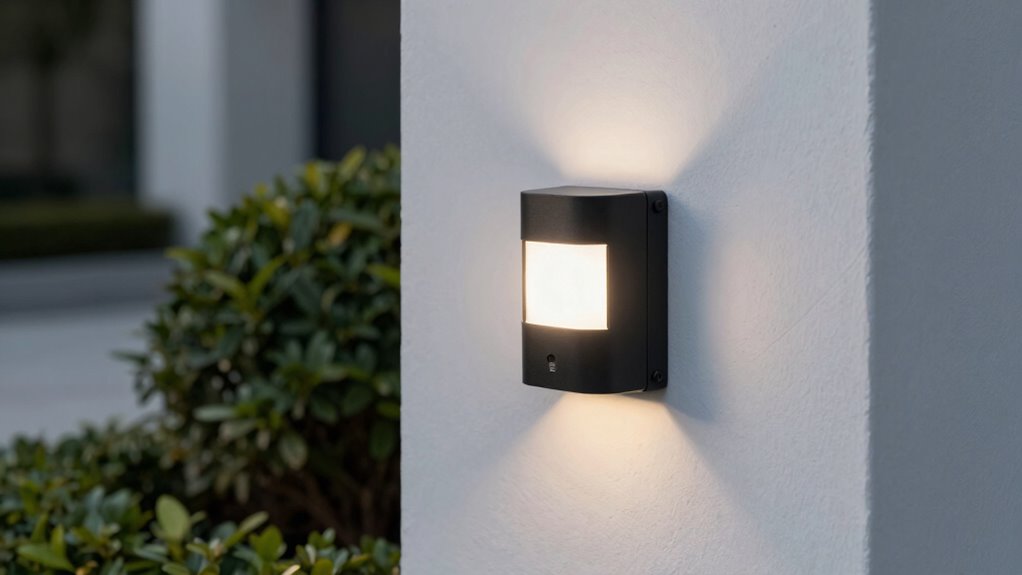
False triggers in motion sensor lights often occur because the sensors mistakenly detect movement or changes in their environment that aren’t caused by actual motion. Sensor malfunctions can cause the lights to activate unexpectedly, especially if the sensor’s components are faulty or dirty. Environmental factors also play a significant role; things like heat from the sun, moving branches, or reflections from nearby surfaces can set off the sensor. Rapid temperature changes, such as sunlight hitting a wall, can trigger false alarms. Additionally, pests like insects crawling near the sensor can cause it to think there’s movement. By understanding these causes, you can better position your lights and maintain the sensors to minimize false triggers and guarantee reliable operation. Regularly inspecting the sensor’s sensitivity settings can also help prevent unnecessary activations. Proper sensor placement is crucial to avoid environmental triggers that lead to false alarms, and consulting trusted market reputation resources can guide you in choosing reliable motion sensor lights that resist false triggers. Ensuring the sensor components are clean and functioning correctly can significantly reduce the likelihood of false alarms caused by malfunctions. Being aware of how technological advancements improve sensor accuracy can further enhance your setup.
adjustable sensitivity motion sensor
As an affiliate, we earn on qualifying purchases.
As an affiliate, we earn on qualifying purchases.
How Do Motion Sensors Detect Movement?
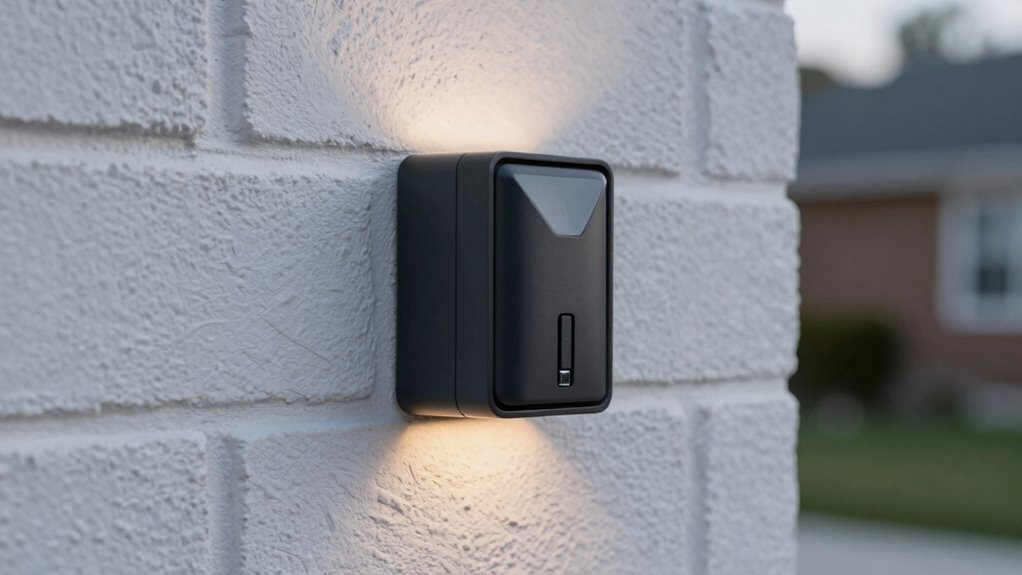
Motion sensors detect movement by monitoring changes in their environment, typically through specific detection technologies like infrared, ultrasonic, or microwave sensors. When a person or object moves within the sensor’s range, it detects a change in heat, sound waves, or electromagnetic signals. Proper sensor calibration is essential for accurate detection and to minimize false triggers. If the sensor isn’t calibrated correctly, it might respond to irrelevant movements or fail to detect real ones. Additionally, the way you position the sensor affects its ability to detect movement effectively. Keep in mind that frequent triggering can impact the battery lifespan, especially for battery-powered models. Regular calibration and strategic placement help guarantee your motion sensor works efficiently and lasts longer. Understanding the detection technology used in your sensor can also improve placement and reduce false alarms. Considering regional flavors and environmental factors, such as outdoor lighting or temperature variations, can also influence sensor performance and help prevent false triggers. Ensuring that the sensor is properly installed in accordance with the manufacturer’s guidelines can further enhance its accuracy and longevity. Proper sensor placement can also help minimize environmental interference and improve overall detection accuracy. Additionally, incorporating knowledge of environmental influences from astrology and cultural beliefs may provide insights into optimal sensor positioning based on regional behaviors.
motion sensor light placement kit
As an affiliate, we earn on qualifying purchases.
As an affiliate, we earn on qualifying purchases.
Where Is the Best Place to Install Motion Sensor Lights?
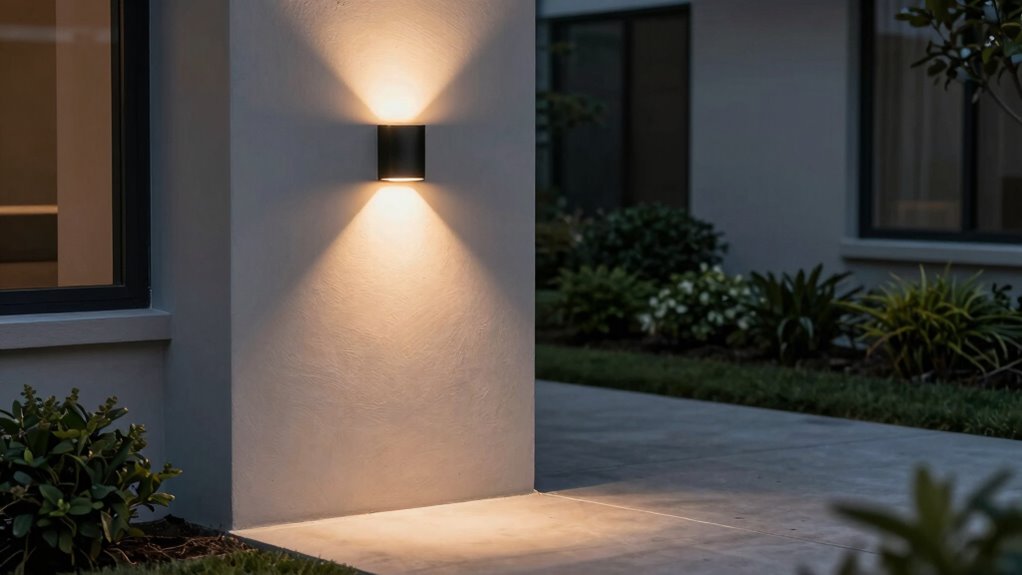
Where’s the best place to install motion sensor lights? You want to maximize lighting aesthetics while guaranteeing energy savings. Position your lights where they’ll illuminate key areas like entryways, pathways, and driveways without shining directly into windows or neighboring properties. Mount them at a height that covers a broad area but avoids false triggers from small animals or passing cars. Avoid placing sensors where they face direct sunlight or heat sources, which can cause false alarms. Keep sensors unobstructed by trees or fixtures that might block movement detection. Proper placement ensures your lights turn on only when needed, reducing energy consumption. Additionally, considering sensor calibration can help fine-tune detection sensitivity to minimize false triggers. Understanding pollution impact on sensor performance can also help maintain accurate detection in different environments. Being aware of environmental factors like temperature fluctuations can further improve sensor reliability and reduce false alarms.
infrared motion detector for outdoor use
As an affiliate, we earn on qualifying purchases.
As an affiliate, we earn on qualifying purchases.
How to Adjust Sensor Sensitivity to Prevent False Alarms?
Have you noticed your sensor lights turning on unexpectedly? Adjusting the sensor sensitivity is key to false alarm prevention. Start by performing sensor calibration to fine-tune detection range. Next, set the sensitivity level to avoid detecting minor movements, such as passing cars or branches swaying. Additionally, understanding dream symbolism related to timing and perception can help in configuring sensors to respond appropriately to environmental cues. Finally, test the sensor after adjustments, ensuring it responds only to intended motion. Consider these steps for better control:
Calibrate, adjust sensitivity, and test to prevent false sensor light triggers effectively.
- Calibrate regularly to maintain peak detection.
- Limit sensitivity to prevent minor triggers.
- Test after each change to confirm proper function.
- Practice mindful placement to align with inner strength and reduce unnecessary disturbances. Incorporating mind-body awareness can also help in understanding optimal sensor positioning and avoiding false triggers.
Why Sensor Height and Angle Matter for Accurate Detection?
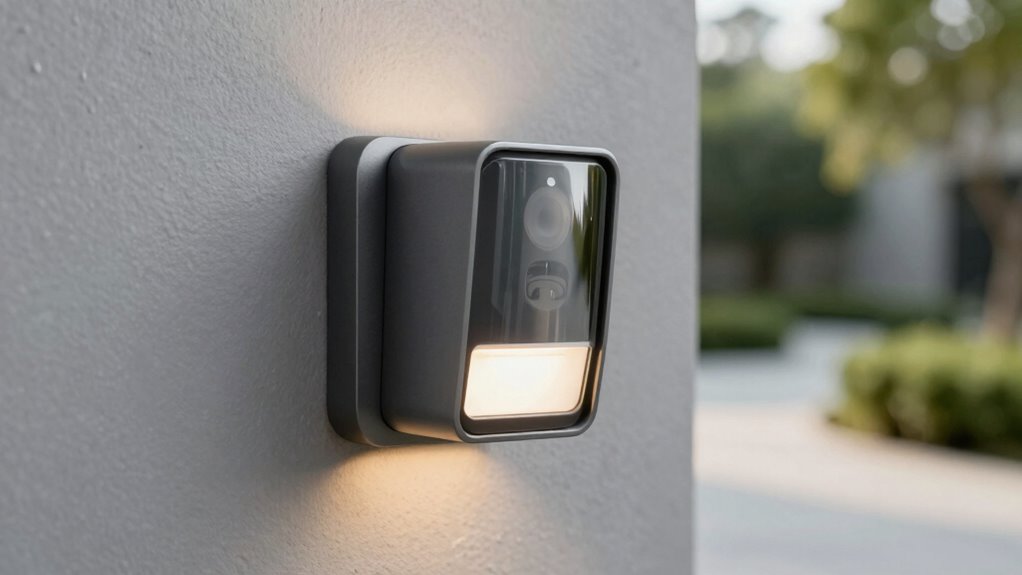
Proper placement of your sensor light’s height and angle directly impacts its ability to detect motion accurately. If the sensor isn’t calibrated correctly, it may miss motion or trigger false alarms. The right height ensures the sensor can cover the intended area without blind spots, while the angle influences its detection zone. Environmental factors like trees, bushes, or nearby lights can interfere with sensor performance, so positioning should minimize these obstacles. Adjusting the sensor’s angle helps avoid false triggers caused by wind, moving shadows, or small animals. Keep in mind that sensor calibration isn’t just a one-time step; periodic adjustments may be necessary to account for changing environmental conditions. A well-placed sensor can also prevent false triggers caused by animals, which is especially important in areas with wildlife or small pets. Proper placement sensor placement can be influenced by the layout of your property and the specific areas you want to monitor. Additionally, understanding the sensor detection zone helps in optimizing overall performance. Regular testing and sensor calibration are essential to maintain accurate detection over time.
How to Keep Pets and Small Animals From Triggering Your Lights?
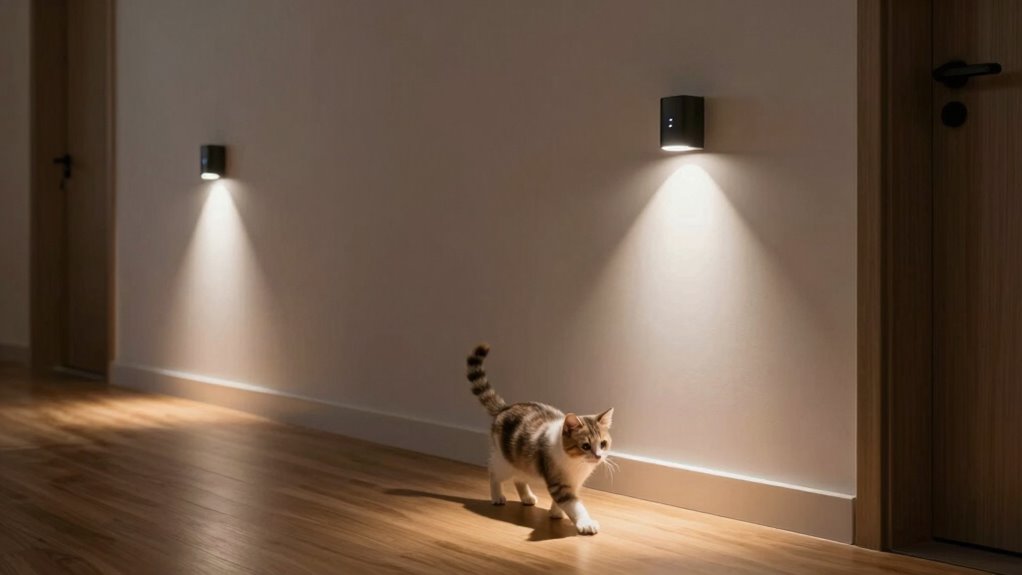
Pets and small animals can often trigger your motion sensor lights unexpectedly, but there are effective ways to minimize these false alarms. First, use pet-proofing tips like adjusting sensor height or angles so they don’t detect low-moving animals. Second, consider installing animal friendly sensors designed to ignore small movements, reducing false triggers. Third, create physical barriers or landscaping that limit animals’ access to sensor zones without restricting your pets’ movement. These strategies help prevent false alarms while maintaining safety. Additionally, understanding how HRV insights relate to motion detection can help optimize sensor sensitivity for various environments. Proper sensor placement and detection range adjustments are crucial for distinguishing between animals and humans, further enhancing system accuracy. Implementing sensor calibration techniques can also improve detection accuracy by fine-tuning the system to your specific setting. Moreover, adjusting the detection zone ensures that only relevant motion triggers the lights, reducing unnecessary activations. Incorporating privacy considerations by selecting appropriate sensor types can also help balance security and user comfort. By implementing these pet proofing tips, you enhance your lighting system’s accuracy. Remember, choosing sensors specifically designed to be animal friendly is key to keeping your lights responsive to real needs without constant false triggers.
Key Spots to Install Motion Sensor Lights for Safety and Efficiency?
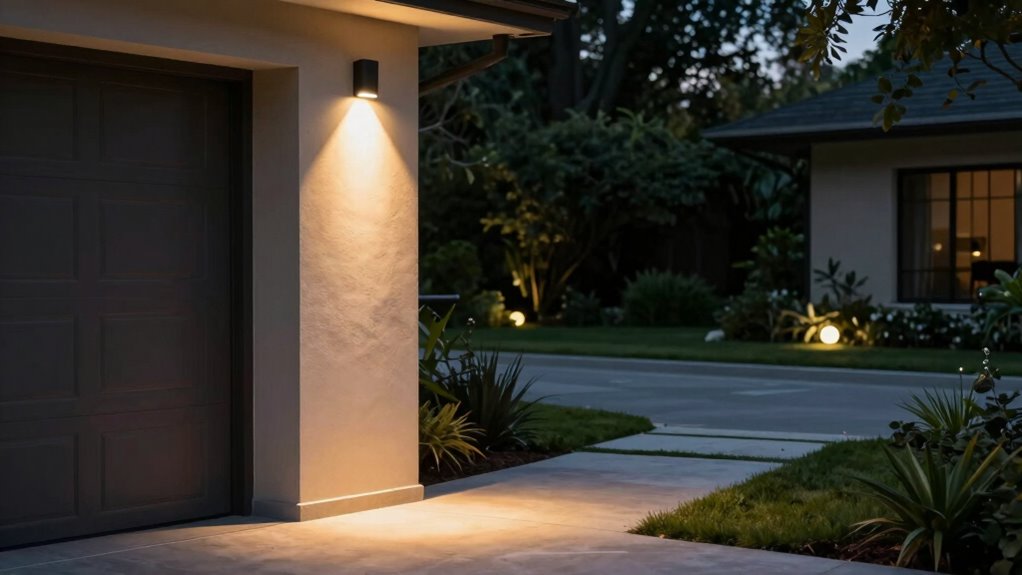
You should prioritize installing motion sensor lights at high-traffic entry points like doors and garages to enhance safety and deter intruders. Dark pathways and corners also benefit from lighting, reducing the risk of trips and falls. By focusing on these spots, you’ll maximize both security and efficiency around your property.
High-Traffic Entry Points
Where do most accidents and intrusions tend to occur around your property? High-traffic entry points are prime locations for motion sensor lights, boosting safety and security. Proper placement guarantees these critical spots are well-lit without false triggers. When installing, consider these key factors:
- Main Doors and Garages – These are the first lines of defense and most frequented, so ensure they’re well-lit for quick access.
- Pathways and Walkways – Illuminate routes leading to entry points, balancing landscaping design and aesthetic considerations without overdoing it.
- Side Entrances and Windows – These often overlooked spots benefit from strategic lighting to deter intruders.
Focus on placement that complements your landscaping design, avoids glare, and enhances overall safety efficiently.
Dark Pathways and Corners
Dark pathways and corners often become overlooked safety hazards, but installing motion sensor lights there can make a significant difference. These spots are perfect for enhancing garden illumination and adding decorative accents to your outdoor space. Proper placement guarantees you’re alerted to movement and prevents accidents in less-visible areas. Consider installing lights near fences, along garden paths, or in obscure corners.
| Location | Benefits |
|---|---|
| Garden entrances | Improves safety, highlights features |
| Pathway intersections | Prevents trips, guides movement |
| Corners of patios | Adds decorative accents, enhances ambiance |
| Hidden garden corners | Boosts security and safety |
| Driveway edges | Alerts you to vehicles or pedestrians |
Maximize safety, charm, and efficiency by focusing on dark pathways and corners.
Troubleshooting Tips to Fine-Tune Your Motion Sensor Lights?
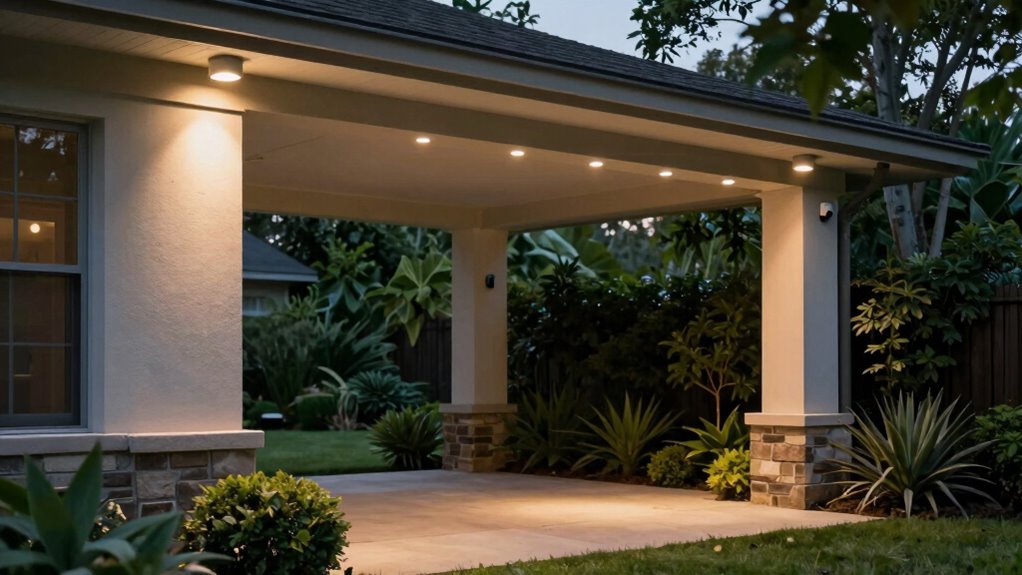
When your motion sensor lights aren’t working as expected, troubleshooting can help identify and fix common issues. First, check the sensor’s placement to make certain it’s not obstructed or facing direct sunlight, which can cause false triggers. Second, adjust the sensitivity settings to balance lighting aesthetics and avoid unnecessary activations—this also supports energy-saving tips. Third, verify that the timer or duration settings match your needs; too short or too long can impact performance. Also, clean the sensor lens regularly to remove dirt or bugs that may interfere with detection. Remember, fine-tuning these elements improves both the visual appeal and efficiency of your lighting, guaranteeing it operates smoothly and conserves energy.
Frequently Asked Questions
Can Weather Conditions Affect the Performance of Motion Sensor Lights?
Weather conditions can definitely impact the performance of your motion sensor lights. Rain, snow, fog, or wind can cause false triggers or reduce sensitivity. To minimize this, check the sensor calibration regularly and adjust it if needed. Proper placement is key—avoid areas prone to harsh weather or direct sunlight. Keeping sensors clean and protected from extreme weather guarantees they work effectively, reducing false triggers caused by weather impact.
Are There Different Types of Motion Sensors Suitable for Various Environments?
Yes, different types of motion sensors suit various environments. You should consider sensor placement and environmental considerations when selecting. For outdoor use, opt for weather-resistant sensors like PIR or ultrasonic types, which handle elements well. Indoor environments may benefit from passive infrared sensors, which are less sensitive to outside elements. Matching the sensor type to your environment guarantees reliable performance and minimizes false triggers.
How Often Should I Test My Motion Sensor Lights for Optimal Operation?
To guarantee your sensor stays sharp, test your motion sensor lights monthly. During testing, focus on proper sensor calibration and follow installation tips to optimize performance. Adjust the sensitivity if needed, and verify the sensor responds promptly to movement. Regular testing helps catch any malfunctions early and maintains reliable lighting. Keep the sensor’s sight clear and free from obstructions, ensuring it’s always primed for precise, perfect performance.
What Is the Typical Lifespan of Motion Sensor Light Bulbs?
The typical lifespan of motion sensor light bulbs varies but generally ranges from 25,000 to 50,000 hours. You should expect to replace them every 2 to 5 years, depending on usage and bulb quality. To guarantee peak performance, monitor their brightness and functionality regularly. If you notice flickering or dimming, it’s time for a replacement. Proper maintenance helps extend bulb lifespan and keeps your sensor lights working effectively.
Are Energy-Efficient Options Available for Motion Sensor Lighting Systems?
Yes, energy-efficient options like energy-saving bulbs are available for motion sensor lighting systems. These bulbs consume less power and last longer, helping you conserve on energy costs. You can also integrate smart automation, allowing you to control and customize your lighting remotely or set schedules. This combination guarantees your system is both eco-friendly and convenient, reducing unnecessary triggers and enhancing overall efficiency.
Conclusion
To keep your motion sensor lights working smoothly, proper placement is key. By avoiding false triggers—especially from pets or passing cars—you can enjoy better security and energy efficiency. Did you know that about 60% of false alarms come from improper sensor placement? With the right height, angle, and sensitivity adjustments, you’ll prevent unnecessary activations. Take the time to fine-tune your setup, and your lights will serve you reliably and effectively for years to come.
Fall Picks
fall essentials
As an affiliate, we earn on qualifying purchases.