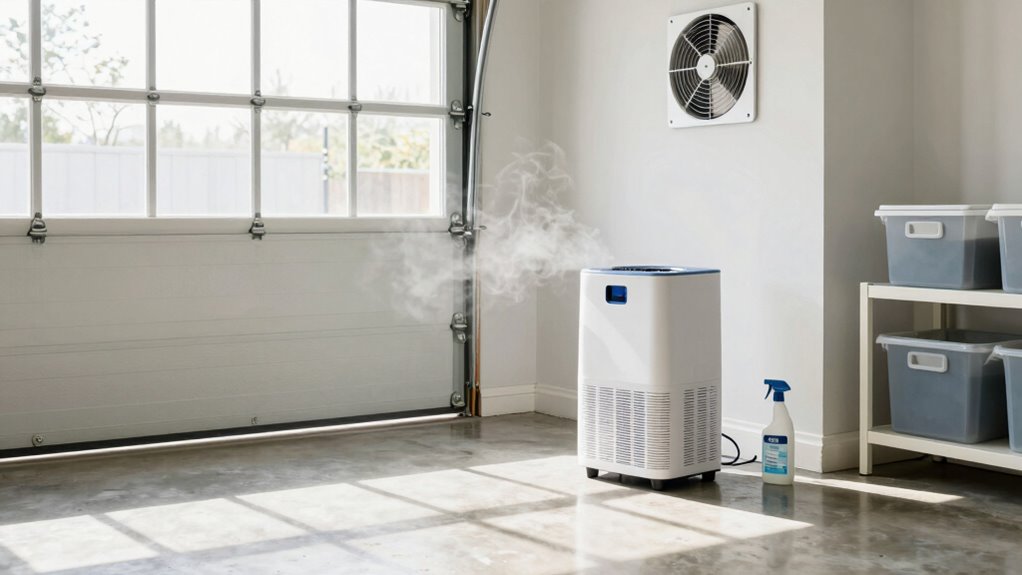

To stop mold in your garage before it starts, control moisture by improving insulation, sealing leaks, and using moisture barriers. Enhance ventilation with exhaust fans or by opening windows regularly, and keep humidity below 60%. Keep your space organized and free of clutter, which traps moisture. Use mold-resistant paints and non-porous flooring. Regularly inspect corners, stored items, and hidden spots for early signs. If you want to learn how to maintain a dry, mold-free garage, keep exploring these tips.

Get home appliances delivered free — and shop member deals
- Fast, free delivery on millions of items
- Access to Prime Big Deal Days deals on October 6–7
- Prime Video, Amazon Music and more included
Key Takeaways
- Maintain low humidity levels (below 60%) using dehumidifiers and proper ventilation.
- Insulate walls and seal gaps around doors and windows to prevent moisture intrusion.
- Regularly inspect for early mold signs, including spots, fuzzy patches, and musty odors.
- Keep the garage organized with sealed storage containers to reduce clutter and moisture traps.
- Ensure proper drainage, clean gutters, and fix leaks promptly to eliminate sources of moisture.
As an affiliate, we earn on qualifying purchases.
How Does Mold Develop in Your Garage?
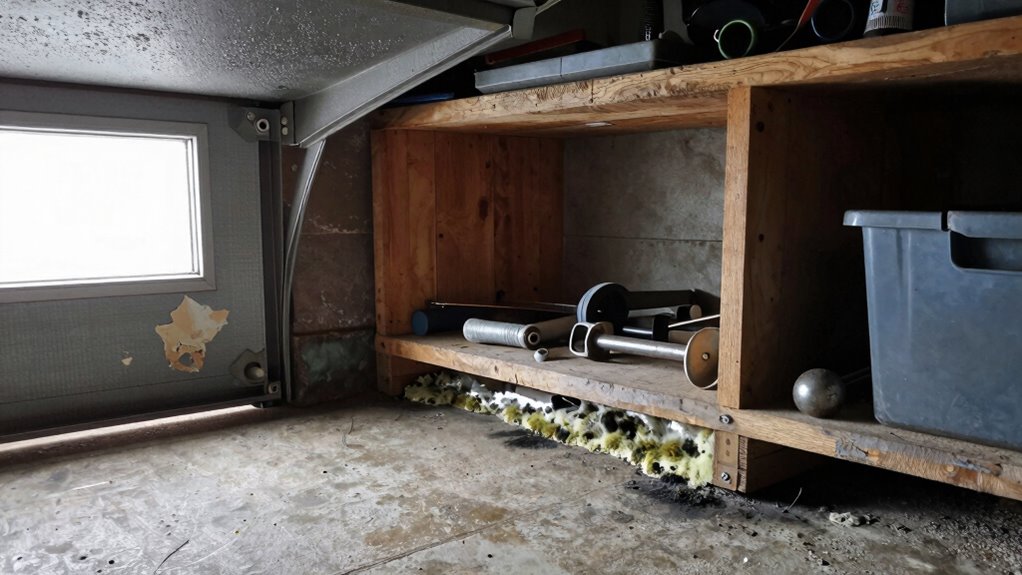
Mold thrives in garages when moisture and warmth combine, creating the perfect environment for spores to grow. Poor garage insulation allows temperature fluctuations and humidity buildup, which encourages mold development. If your garage isn’t well-insulated, cold and warm air mix, leading to condensation that fosters mold growth on walls and ceilings. Storage organization also plays a role; cluttered spaces trap moisture and block airflow, increasing humidity levels. When you leave boxes or tools in damp corners, mold spores settle and spread easily. To prevent this, improve your garage insulation to control temperature swings, and keep your storage organized to promote airflow. Removing excess clutter and maintaining dry conditions are essential for stopping mold before it gets a foothold. Additionally, reducing indoor humidity levels can help prevent mold growth, especially if your garage is prone to excess moisture from sources like microplastics in dust. Understanding how environmental factors influence mold development can aid in creating a long-term prevention plan. Proper indoor air quality management, including ventilation and dehumidification, is also key to keeping mold at bay.
As an affiliate, we earn on qualifying purchases.
How Can You Recognize Early Signs of Garage Mold?
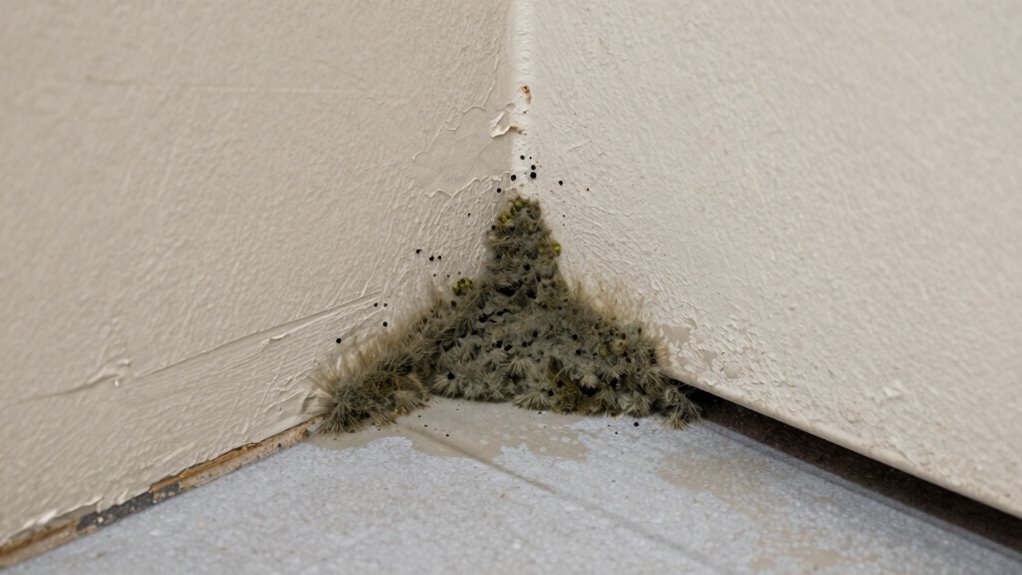
You can spot early signs of garage mold by looking for visible growth on walls, ceilings, or stored items. A persistent musty smell is also a strong indicator that mold might be forming. Paying attention to these signs helps you catch problems early before they spread. Additionally, monitoring for dampness and humidity levels can help prevent mold from developing in the first place. Regularly controlling ventilation and airflow in your garage is also crucial in reducing moisture buildup. Ensuring proper water damage and drying practices can further minimize the risk of mold growth, especially since mold often thrives in environments with high moisture levels. Being aware of moisture management techniques can help you implement effective preventative measures.
Visible Mold Growth
Early signs of garage mold often appear as visible patches or spots that stand out against the usual surfaces. You might notice fuzzy or slimy areas on walls, ceilings, or stored items, especially in damp, poorly ventilated spots. Regular garage organization helps you spot these growths early, preventing mold from spreading. Keep an eye on hidden corners and behind stored boxes, where moisture can linger. Addressing these signs quickly is key to pest prevention, as mold attracts pests seeking damp environments. If you see discoloration or fuzzy growths, take action immediately by cleaning the affected areas and improving airflow. Staying vigilant about visible mold growth allows you to stop it before it becomes a major problem, saving you time and costly repairs later. Additionally, understanding Guided Access and accessibility features can help create a safer environment by making it easier to monitor and address issues like mold. Regularly inspecting your garage and maintaining proper ventilation can significantly reduce the risk of mold development. Incorporating moisture control measures, such as dehumidifiers or moisture barriers, can further help prevent mold growth before it starts. Recognizing the importance of proper drainage around your garage is also crucial, as poor drainage can lead to increased moisture levels. Implementing these strategies early can also make it easier to detect hidden mold, which often goes unnoticed until it causes significant damage.
Musty Odor Detects
Have you noticed a persistent, musty smell lingering in your garage? This is often one of the first signs of mold growth. Musty odors are caused by mold spores releasing volatile organic compounds (VOCs) as they grow. When you detect these odors, it indicates mold may be starting to develop behind walls, in corners, or under stored items. Don’t ignore it—musty smells are early warning signs that mold spores are becoming airborne and spreading. Addressing this promptly can prevent larger mold colonies from forming. Ventilate the space, check for hidden moisture, and inspect areas where humidity might be high. Recognizing the smell early helps you take swift action before visible mold or health issues arise. Understanding mold growth conditions can help you prevent future infestations effectively and even influence nail hygiene practices, as both require controlling moisture and humidity.
As an affiliate, we earn on qualifying purchases.
What Are the Best Ways to Control Moisture and Prevent Mold?
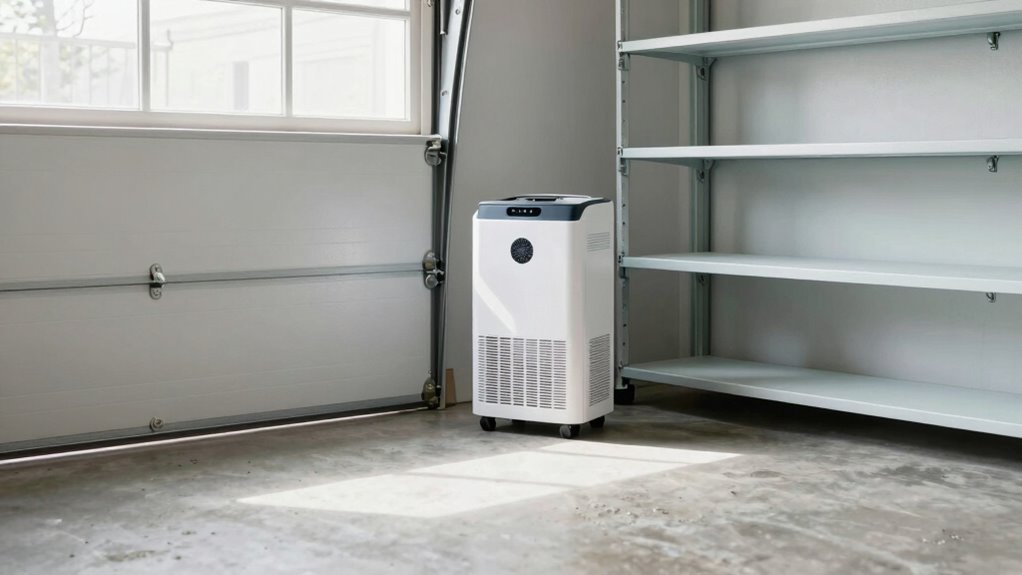
Controlling moisture is essential to preventing mold growth in your garage. Start by improving your garage insulation, which helps regulate temperature and reduces condensation. Installing moisture barriers on floors and walls adds a protective layer that prevents ground moisture from seeping in. Keep gutters and downspouts clear to direct water away from your garage foundation. Use a dehumidifier if humidity levels consistently stay above 60%, as this minimizes excess moisture in the air. Additionally, guarantee proper sealing around doors, windows, and any openings to prevent leaks. Proper ventilation, combined with these moisture control methods, reduces dampness and discourages mold growth. Being aware of common mold signs can help you spot issues early before they become severe. Regularly inspecting your garage for excess moisture and addressing issues promptly creates an environment inhospitable for mold to thrive. Incorporating moisture barriers into your garage’s construction or renovation plans can significantly reduce the risk of mold development. Understanding the importance of humidity control is crucial for maintaining a dry and mold-free space. Maintaining consistent air circulation further helps to prevent moisture buildup and keeps the environment dry. Staying proactive with these measures creates an environment inhospitable for mold to thrive.
sealed storage containers for garage
As an affiliate, we earn on qualifying purchases.
As an affiliate, we earn on qualifying purchases.
How Do You Improve Ventilation and Airflow in Your Garage?
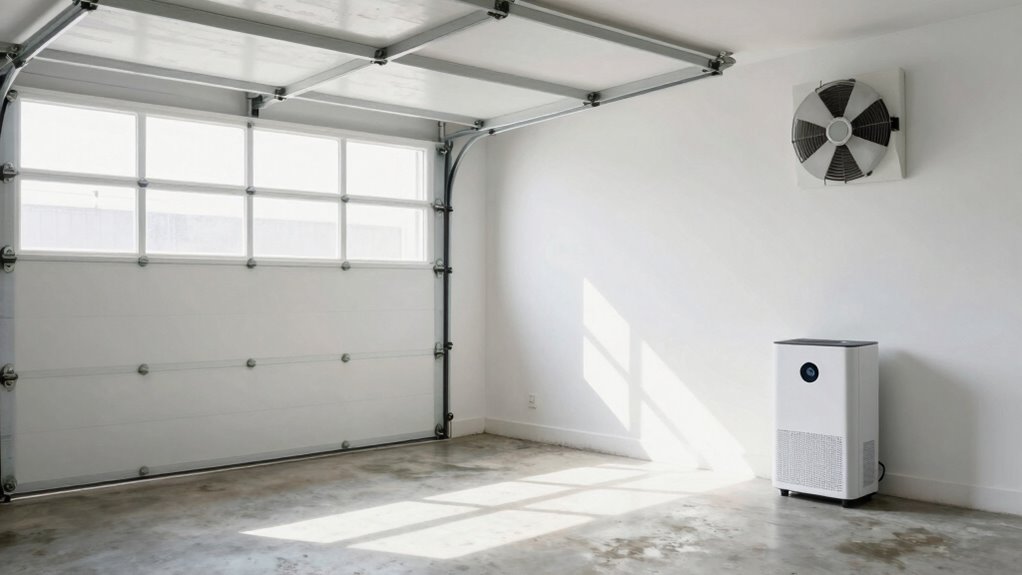
You can improve airflow in your garage by enhancing natural air circulation—think about opening windows and doors regularly. Installing mechanical ventilation systems, like exhaust fans or vents, helps move stale air out and fresh air in. Combining these methods guarantees better ventilation and reduces the risk of mold growth. Incorporating interactive murals or digital frames that promote awareness of proper ventilation practices can also encourage consistent airflow management. Regularly monitoring humidity levels and addressing any moisture buildup promptly further supports a healthier environment. Additionally, understanding the importance of proper filter sizing and flow can ensure your ventilation systems operate efficiently and effectively. Properly maintaining these systems and understanding air exchange rates can optimize airflow and prevent stagnation that promotes mold formation. To achieve optimal results, consider utilizing measurement tools to accurately assess airflow and humidity, ensuring your ventilation strategies remain effective over time.
Enhance Natural Air Circulation
Improving natural air circulation is essential for preventing mold buildup in your garage. By encouraging natural airflow, you reduce moisture and humidity that mold thrives on. Use simple ventilation techniques like opening windows and doors regularly to allow fresh air to circulate freely. Installing vents or using existing ones properly can also enhance airflow. Keep the garage door slightly open during dry, warm days to promote better ventilation without compromising security. Positioning fans near vents or open windows can help move stale air out and bring fresh air in. Remember, consistent airflow helps control moisture levels, making your garage less inviting for mold growth. Focus on maximizing natural ventilation, and you’ll create a healthier, mold-resistant environment.
Install Mechanical Ventilation
Installing mechanical ventilation is one of the most effective ways to improve airflow and reduce moisture buildup in your garage. Ventilation systems actively circulate air, preventing stale, damp conditions that promote mold growth. By installing exhaust fans or air exchange units, you enhance air quality and control humidity levels. These systems draw out moist air and bring in fresh air from outside, creating a healthier environment. Proper placement and regular maintenance guarantee peak performance. Mechanical ventilation helps maintain consistent airflow, especially in poorly ventilated garages or those with limited natural ventilation. This proactive approach minimizes mold risks, protects stored items, and keeps the space safe and dry. Investing in a good ventilation system is key to long-term moisture control and mold prevention.
How to Keep Your Garage Clean and Dry to Stop Mold Growth
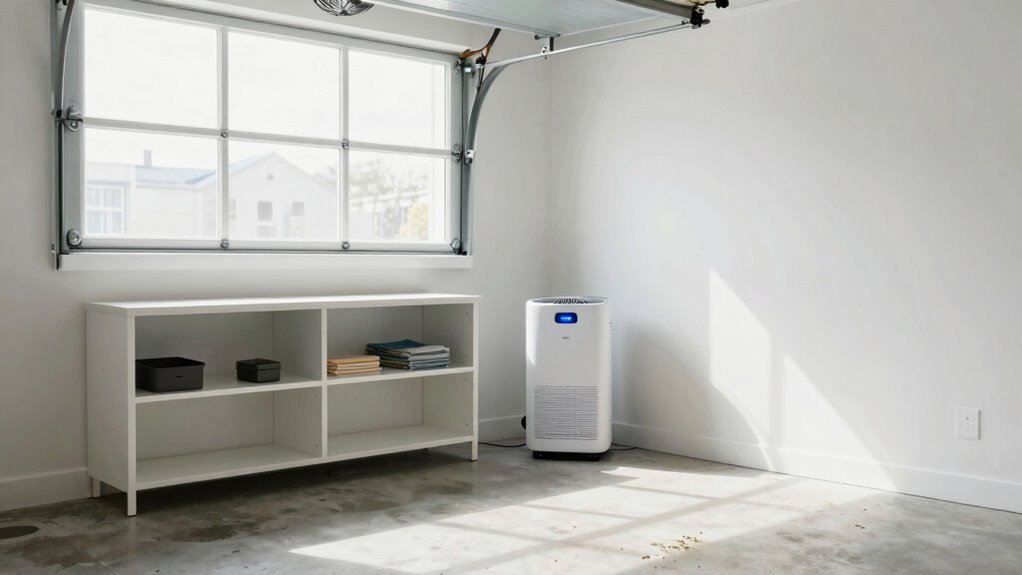
Maintaining a clean and dry garage is essential for preventing mold growth, especially in areas prone to moisture buildup. You can achieve this by staying on top of garage organization, which reduces clutter where moisture can collect. Use effective storage solutions like sealed bins and shelves to keep items off the floor, preventing water damage and mold spores from settling. Regularly sweep and vacuum the space to remove dust and debris that can trap moisture. Address leaks or spills immediately and guarantee proper drainage around your garage. Proper ventilation also helps keep humidity in check. By keeping your garage organized and dry, you create an environment less conducive to mold, protecting both your belongings and your health.
Which Mold-Resistant Materials Should You Use in Your Garage?
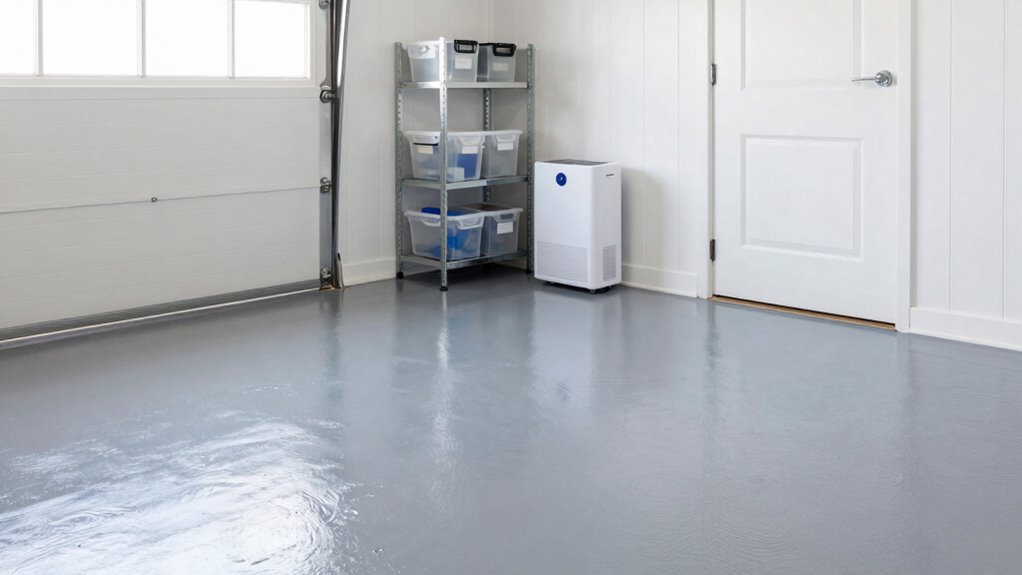
Choosing the right materials for your garage can substantially reduce mold growth, especially in areas prone to moisture. Start with mold resistant paint on walls and ceilings; it creates a barrier that inhibits mold spores from taking hold. For flooring, opt for water resistant flooring like epoxy coatings or vinyl, which prevent moisture from seeping in and causing mold issues underneath. Avoid porous materials such as carpet or wood that trap moisture. Instead, use sealed concrete or other non-porous surfaces that are easier to keep dry and clean. These materials work together to create an environment less hospitable to mold. By selecting mold resistant paint and water resistant flooring, you’re actively preventing mold from developing, saving you time and effort in the long run.
How Often Should You Check Your Garage for Mold?
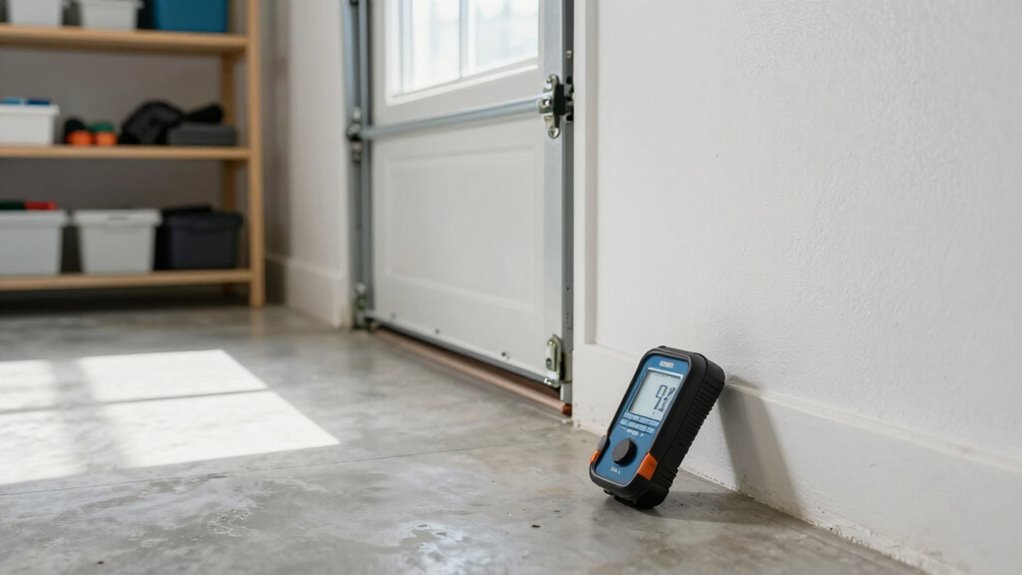
You should check your garage for mold at least once a month, especially if it’s prone to moisture or has had previous mold issues. Regular inspections help catch early signs before it spreads. During checks, focus on areas with poor garage insulation or leaks. Also, inspect for pest activity, as pests can worsen mold problems. Use this table to guide your monitoring:
| Area to Check | Signs to Watch For | Action Needed |
|---|---|---|
| Garage walls/ceiling | Water stains, discoloration | Improve insulation, repair leaks |
| Corners, vents | Musty odors, mold growth | Clean and treat mold, seal gaps |
| Storage areas | Pest droppings, mold on boxes | Pest prevention, mold removal |
Consistent checks prevent mold buildup and maintain a healthy garage environment.
When Is It Time to Call a Professional for Mold Problems?
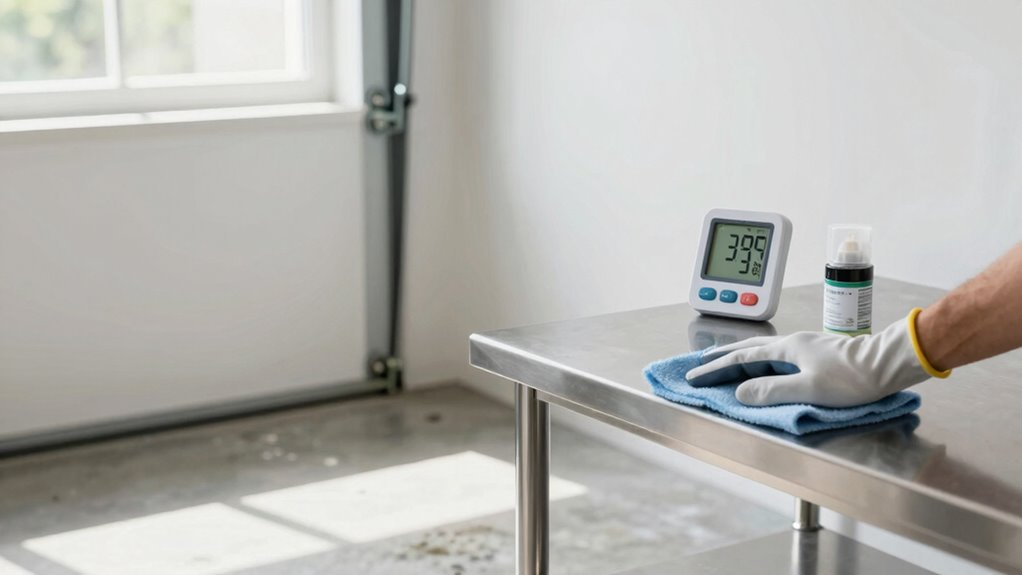
Recognizing when mold problems are beyond your control is essential for maintaining a safe garage environment. If mold covers a large area—more than 10 square feet—or keeps returning despite your efforts, it’s time to call a professional. Mold prevention through proper ventilation and moisture control is helpful, but DIY remediation has its limits. If you notice persistent musty odors, visible mold in hard-to-reach places, or signs that mold is affecting your health, don’t delay seeking expert help. Professionals have the tools and expertise to safely remove mold and address underlying issues. Attempting extensive mold removal without proper knowledge can spread spores or cause health risks. Knowing when to call in pros ensures your garage stays safe and mold-free long-term.
Frequently Asked Questions
Can Mold in Garages Affect Indoor Air Quality?
Yes, mold in garages can affect indoor air quality by releasing spores and allergens into the air. To prevent this, you should improve garage ventilation and control moisture levels. Proper ventilation helps circulate air and reduces humidity, while moisture control prevents mold growth. Keep the garage dry and well-ventilated, especially in humid months, to protect your indoor air quality and maintain a healthy living environment.
Are There Eco-Friendly Methods to Prevent Garage Mold?
Yes, you can use eco-friendly methods like biodegradable treatments and natural repellents to prevent garage mold. Biodegradable treatments gently inhibit mold growth without harming the environment, while natural repellents like tea tree oil or vinegar deter mold spores. Regularly ventilate your garage and keep humidity low to enhance these eco-friendly strategies. These approaches protect your space and promote a healthier, sustainable environment.
What Are the Health Risks Associated With Garage Mold Exposure?
Garage mold exposure can pose health risks like respiratory issues, allergic reactions, and asthma flare-ups. Mold spores become airborne, making it easy to breathe them in, especially in poorly ventilated spaces. If you spend time in your garage, you might develop coughing, sneezing, or throat irritation. Protect yourself by controlling moisture and thoroughly cleaning mold to reduce mold spores, minimizing your risk of health problems.
How Long Does It Take for Mold to Develop After Moisture Exposure?
Moisture duration can turn into mold formation in just 24 to 48 hours. Imagine a drop of water lingering on a surface, slowly seeping into unseen corners. That brief window is enough for mold spores to settle and grow, especially in a damp garage. The longer moisture stays, the faster mold forms, creating a hidden threat that can escalate quickly if you don’t address it promptly.
Can Insulation Help Prevent Mold Growth in Garages?
Yes, insulation can help prevent mold growth in garages if it’s properly installed. Good insulation enhances insulation effectiveness and helps regulate temperature, reducing condensation. Pairing insulation with moisture barriers, like vapor barriers, blocks moisture from seeping into walls and creating a damp environment ideal for mold. Guarantee the insulation is moisture-resistant and properly sealed to prevent mold spores from developing, keeping your garage dry and mold-free.
Conclusion
Don’t let mold creep into your garage like an uninvited guest. By staying vigilant, controlling moisture, and maintaining good airflow, you hold the power to keep mold at bay. Think of your garage as a fortress—each proactive step is a brick in your defense. When you act now, you prevent future headaches and protect your space. After all, a dry garage isn’t just clean; it’s your sanctuary.
Fall yard work Picks
leaf blowers
As an affiliate, we earn on qualifying purchases.