In a heated garage, you’ll notice a steady temperature that protects your items from extreme cold, moisture, and temperature swings. This prevents damage like mold, warping, and rust. In contrast, an unheated garage requires careful moisture control, insulation, and organization to prevent damage — especially if you store sensitive items like electronics, artwork, or wood. If you want to know how to optimize either space, continue exploring these options and tips.
Open a free Amazon Business account
Business pricing, bulk buying and tax-exempt orders.
As an affiliate, we earn on qualifying purchases.
Key Takeaways
- Heated garages provide a stable environment that prevents moisture buildup, mold, and temperature-related damage to stored items.
- Unheated garages require moisture control measures like waterproof containers and proper ventilation to prevent mold and warping.
- Insulation in heated garages enhances temperature regulation and energy efficiency, protecting sensitive items from temperature fluctuations.
- Storage in unheated garages is more vulnerable to extreme temperature swings, which can damage electronics, wood, fabrics, and artwork.
- Maintenance and safety are easier in heated garages due to consistent climate control, reducing risks of mold, rust, and material deterioration.
As an affiliate, we earn on qualifying purchases.
Should You Choose a Heated or Unheated Garage?
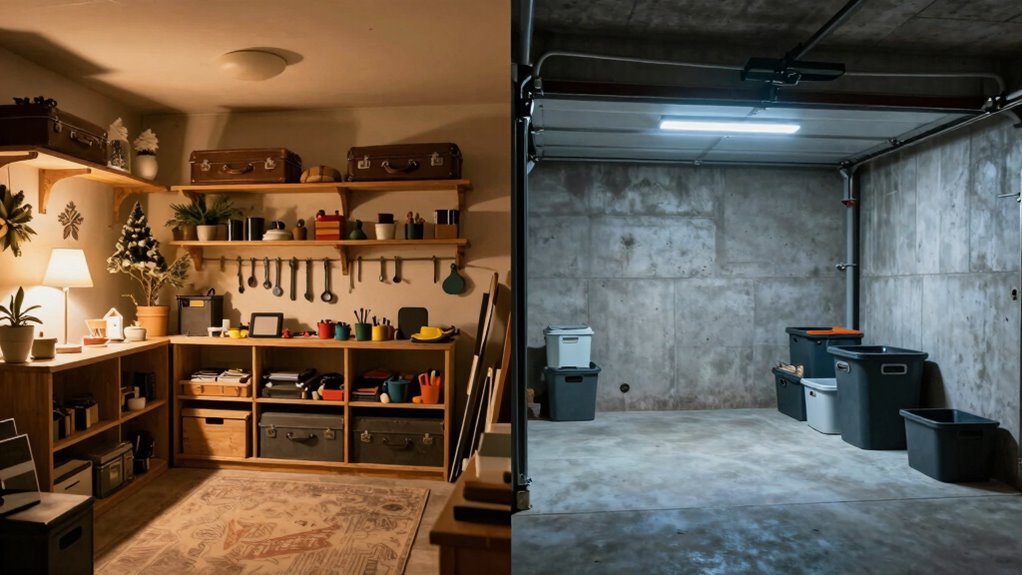
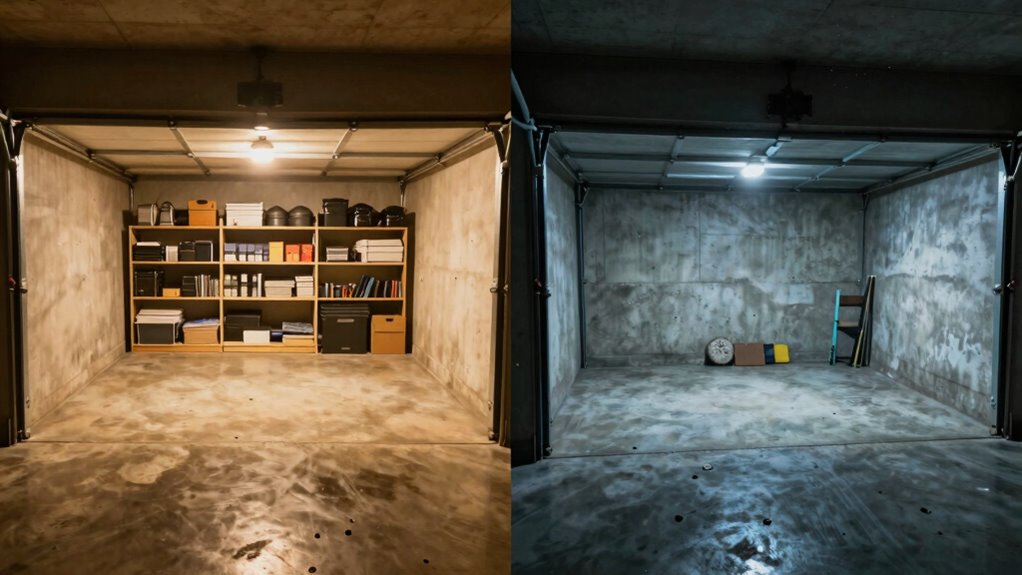
Deciding whether to choose a heated or unheated garage depends on your needs and climate. If you want better storage organization and to protect sensitive items, a heated garage provides consistent warmth and reduces temperature fluctuations. Good garage insulation helps maintain a stable environment, preventing moisture buildup and mold growth. An unheated garage might suffice if you mainly use the space for parking and light storage, especially in milder climates. However, without insulation and heating, temperature swings can damage stored items over time. Consider how often you’ll access the garage and the types of items stored. For ideal storage conditions, a heated garage with proper insulation offers better protection and helps keep everything in good condition. Proper garage insulation is essential for maintaining a consistent environment and enhancing the benefits of heating. Additionally, understanding how climate influences storage needs can help you decide whether heating is necessary for your situation. Being aware of the temperature regulation capabilities of your space can also guide your decision-making process. Ensuring proper humidity control can further prevent issues like mold and material deterioration over time.
waterproof storage containers for garage
As an affiliate, we earn on qualifying purchases.
As an affiliate, we earn on qualifying purchases.
How Does a Heated Garage Protect Your Storage Items?

A heated garage keeps temperatures steady, so your items aren’t exposed to extreme swings that can cause damage. It also helps prevent moisture buildup, which can lead to mold, rust, or warping. With consistent warmth, your storage stays safer and in better condition over time. Additionally, maintaining a controlled environment can reduce the risk of microplastics in dust settling on your belongings, enhancing overall storage safety. Proper temperature regulation can also improve energy efficiency, lowering your utility costs and ensuring a more sustainable storage solution. Moreover, a controlled environment can minimize the need for frequent repairs or replacements of stored items caused by environmental damage. Understanding home environment factors can further help you optimize your garage storage conditions for longevity. Implementing advanced insulation techniques can further enhance temperature stability and protect your stored items more effectively.
Maintains Consistent Temperatures
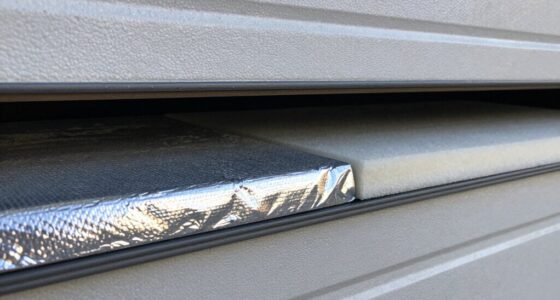
Maintaining a consistent temperature in your garage helps protect your storage items from damage caused by extreme temperature fluctuations. A heated garage provides reliable temperature regulation, preventing sudden drops or spikes that can harm delicate items like electronics, wood, or fabrics. Good insulation efficiency is key, as it helps keep the heat in and maintains steady conditions regardless of outdoor weather. Additionally, proper insulation plays a crucial role in maximizing energy efficiency and maintaining consistent temperatures within the space. Proper insulation materials can also help reduce energy costs by minimizing heat loss. This stability reduces stress on your stored belongings, preventing warping, cracking, or deterioration caused by inconsistent heat. Temperature stability is essential for preserving various sensitive items over time. Moreover, utilizing natural insulation techniques, such as incorporating native plants or eco-friendly materials, can further enhance the climate control within your garage. Implementing advanced insulation techniques can significantly improve overall climate regulation and energy savings. Additionally, insulation efficiency is vital to ensure your garage remains a controlled environment. Ultimately, a heated garage with effective insulation helps create a controlled space where your items stay safe and preserved over time.
Prevents Moisture Damage
Because moisture can cause significant damage to stored items, it actively helps prevent this problem. Maintaining proper ventilation techniques allows excess humidity to escape, reducing the risk of mold and mildew. Insulation methods also play a vital role by controlling temperature fluctuations that create condensation. When your garage stays warm and dry, moisture doesn’t accumulate on surfaces or inside boxes. This stable environment protects delicate items like paper, fabrics, and electronics from warping, rust, and decay. Additionally, a well-insulated space minimizes cold spots where condensation might form. Combining effective ventilation with robust insulation creates an environment that discourages moisture buildup, ensuring your belongings stay dry, safe, and in good condition over time. Using product roundups can help you choose the best tools and materials to optimize your garage’s moisture control.
As an affiliate, we earn on qualifying purchases.
Temperature and Humidity Differences in Garage Types

The temperature and humidity levels in your garage can vary considerably depending on whether it’s heated or unheated. In a heated garage, consistent temperature control reduces humidity fluctuations, especially if insulation quality is high. Better insulation minimizes heat loss, helping maintain stable conditions. Conversely, an unheated garage experiences more temperature swings, which can cause humidity to rise and fall unpredictably. Ventilation efficiency also plays a key role; good airflow prevents excess moisture buildup and helps regulate humidity levels. Without proper ventilation, moisture can accumulate, leading to mold or damage. Proper drying methods are essential in both types of garages to prevent moisture-related issues. Additionally, understanding the regional climate can help you better anticipate storage needs and moisture control strategies. Recognizing the influence of climate factors can further optimize your approach to maintaining a stable environment. Overall, a heated garage with well-insulated walls and effective ventilation offers more stable temperature and humidity, creating a safer environment for storage and protecting your belongings from moisture-related issues. In some cases, installing dehumidifiers can also significantly improve moisture management, especially in humid climates. Monitoring indoor conditions regularly is crucial for adjusting your strategies and ensuring optimal storage conditions.
As an affiliate, we earn on qualifying purchases.
What Items Benefit Most From a Heated Garage?

A heated garage provides ideal conditions for a variety of sensitive items that can be damaged by extreme cold or fluctuating temperatures. With proper garage insulation and effective temperature regulation, delicate belongings stay protected. Items like wooden furniture, musical instruments, and artwork benefit most from consistent warmth, preventing warping, cracking, or deterioration. Additionally, electronics such as computers, printers, and cameras require stable temperatures to function properly and avoid damage. Seeds, plants, and certain pharmaceuticals also thrive in a heated environment, ensuring they remain viable. By maintaining a steady climate, you extend the lifespan of these valuables and avoid costly replacements. Creating a controlled environment helps safeguard your most sensitive possessions against the damaging effects of cold weather and temperature swings.
Cost and Energy Use of Heating Your Garage

Heating your garage can considerably impact your energy bills, so understanding the differences in consumption is key. You’ll find various system options that vary in efficiency and upfront costs, affecting your long-term expenses. Considering these factors helps you choose a solution that balances comfort with affordability. Additionally, energy efficiency plays a crucial role in minimizing ongoing costs while maintaining a comfortable environment. Being aware of outdoor conditions can also influence your heating needs, as extreme weather may require more robust solutions. Understanding climate considerations can help you select the most suitable heating system for your region. Exploring backup power options can ensure your garage remains functional during outages or storms, especially if you rely on it for work or storage.
Energy Consumption Differences
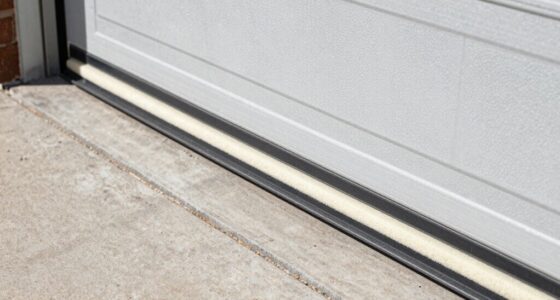
Have you ever wondered how much it costs to keep a garage warm? Your energy consumption largely depends on insulation techniques and overall energy efficiency. Well-insulated garages lose less heat, reducing the need for frequent heating, which cuts down on energy use and costs. Upgrading insulation, sealing gaps, and adding weatherstripping can make a significant difference. An energy-efficient setup minimizes heat loss and requires less energy to maintain a comfortable temperature. Without proper insulation, your heating system works harder, consuming more power and increasing expenses. So, if you’re aiming to save money while keeping your garage warm, investing in effective insulation techniques is a smart move. It’s the key to lowering energy consumption and making your heating efforts more cost-effective.
Heating System Options
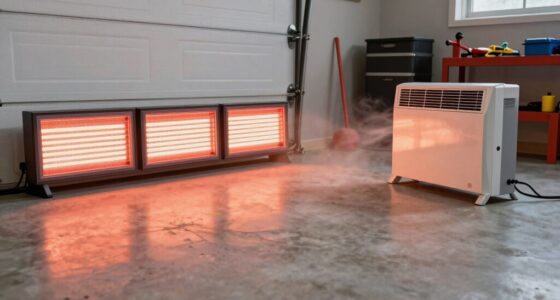
Choosing the right heating system for your garage can substantially impact both upfront costs and ongoing energy expenses. Your options vary from electric heaters, propane or natural gas units, to infrared or baseboard systems. The efficiency of each depends heavily on your garage’s insulation; well-insulated garages retain heat better and reduce energy use. Good garage insulation minimizes heat loss, making any heating system more cost-effective. Electric heaters are easy to install but may increase energy bills, while gas options often have higher initial costs but lower operating expenses. Infrared heaters quickly warm objects and people, providing comfort with less energy. Ultimately, your choice hinges on your budget, the level of insulation, and how often you’ll use the space.
Cost Implications
Understanding the cost implications of heating your garage involves considering both initial expenses and ongoing energy use. Installation costs can be significant, especially if you choose a thorough heating system. These costs include equipment, labor, and potential upgrades to your electrical system. While upfront expenses might seem high, energy savings over time can offset these costs, especially if you select efficient heating options. Keep in mind that continuous energy use adds to your monthly bills, so choosing a system with good insulation can reduce running costs. Proper insulation minimizes heat loss, decreasing energy consumption and improving overall cost efficiency. Ultimately, balancing installation costs with long-term energy savings helps you determine the most economical way to heat your garage.
How to Prepare Your Items for Storage in an Unheated Garage

Preparing your items for storage in an unheated garage requires careful attention to prevent damage from temperature fluctuations and humidity. To optimize storage, consider using climate control solutions like dehumidifiers or moisture absorbers to reduce humidity, which can cause mold or warping. Pack fragile items in sturdy, waterproof containers, and wrap delicate belongings in protective materials. Elevate items off the floor to avoid moisture exposure and guarantee proper ventilation. Label boxes clearly for easy retrieval and organization. Avoid storing perishable or temperature-sensitive items that could be harmed by cold or heat. Focus on storage optimization by grouping similar items together and keeping frequently used belongings accessible. Proper preparation ensures your belongings stay safe and in good condition despite the unheated environment.
Tips for Maintaining Belongings in a Heated Garage
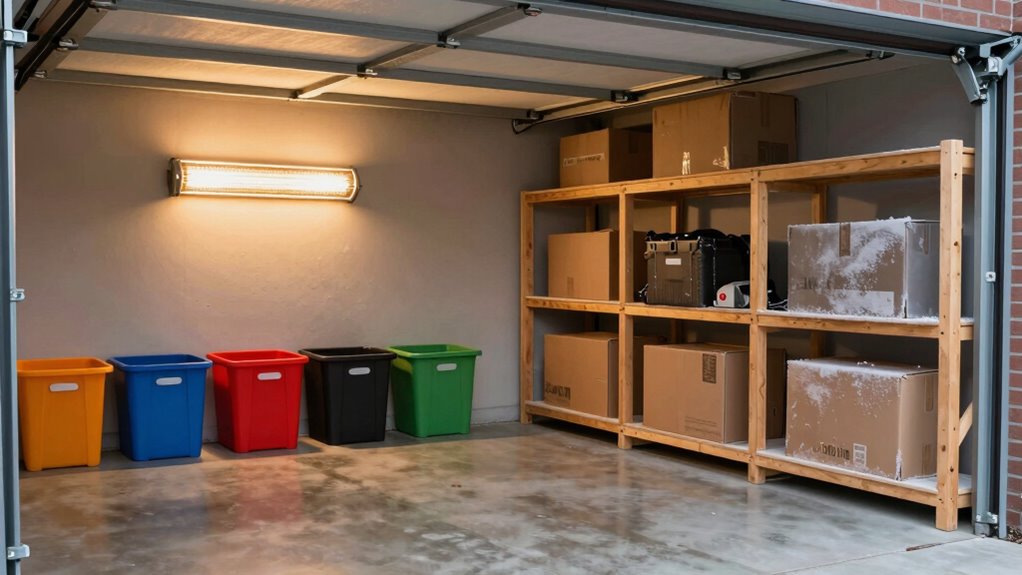
A heated garage can be a valuable space for storage, but maintaining your belongings requires some specific precautions. Proper garage insulation helps regulate temperature and prevents moisture buildup that can damage items. To keep your belongings safe, focus on effective storage organization—use labeled bins and shelves to prevent clutter and make items easy to find.
Consider these tips:
- Guarantee your garage insulation is adequate to avoid temperature fluctuations.
- Use airtight containers for sensitive items to prevent humidity damage.
- Elevate storage off the floor to protect against potential minor leaks.
- Regularly check and clean your storage areas for dust and pests.
Is Upgrading to a Heated Garage Worth It?

Upgrading to a heated garage can be a worthwhile investment if you frequently work on projects, store delicate items, or want to extend your outdoor season. A heated space prevents damage from temperature fluctuations and makes working comfortably year-round. Proper garage insulation enhances efficiency, reducing energy costs while maintaining consistent warmth. Additionally, a heated garage allows for better parking space optimization, as you can store and access vehicles without concern for snow or ice buildup.
| Benefits of Upgrading | Considerations for Upgrade |
|---|---|
| Protects delicate items | Higher initial cost |
| Extends outdoor season | Increased energy use |
| Improves workspace | Need for proper insulation |
| Enhances parking | Maintenance requirements |
Frequently Asked Questions
How Does Insulation Affect Garage Temperature Regulation?
Thermal insulation plays a vital role in garage temperature regulation by providing a barrier that minimizes heat transfer. When you add insulation, it helps maintain more consistent temperatures, reducing fluctuations caused by external weather. This thermal insulation promotes temperature stability, meaning your stored items stay safer from extreme cold or heat. As a result, your garage becomes a more effective storage space, protecting your belongings and making climate control easier to manage.
Can an Unheated Garage Still Prevent Pests?
An unheated garage can still help prevent pests if you implement proper storage solutions. Keep your space clean, seal cracks, and store items in airtight containers to deter pests like rodents and insects. Regularly inspect for signs of pests, and consider using traps or natural repellents. While unheated garages aren’t pest-proof, these measures greatly reduce the likelihood of infestations, making your storage safer and more secure.
What Are the Long-Term Maintenance Costs for Heated Garages?
The long-term maintenance costs for heated garages are generally higher than unheated ones. You’ll face increased expenses from energy bills due to heating, and potential repairs for HVAC systems. When considering cost comparison, energy efficiency plays a crucial role; investing in energy-efficient heating options can reduce costs over time. Keep in mind that regular maintenance of heating units is essential to prevent costly breakdowns, ensuring your garage stays functional and efficient.
How Does Garage Ventilation Impact Storage Conditions?
Garage ventilation greatly impacts storage conditions by enhancing airflow optimization and moisture control. Proper ventilation helps prevent mold, rust, and warping by reducing excess humidity and stale air. You should guarantee good airflow with vents or exhaust fans, especially in unheated garages. This way, your stored items stay dry, clean, and in good condition, ultimately extending their lifespan and maintaining a healthier environment for your belongings.
Are There Safety Concerns With Heating Systems in Garages?
Think of your garage heating system as a double-edged sword—while it keeps your space cozy, it also brings fire hazards if not properly maintained. You should regularly check for electrical safety issues, like faulty wiring or overloaded outlets, to prevent accidents. Always make certain your heating units are installed by professionals and kept clear of flammable materials, so your garage remains a safe haven rather than a hazard zone.
Conclusion
Choosing between a heated and unheated garage is like picking the right shield for your treasures. A heated space offers warmth and stability, protecting your belongings from the harshest weather swings. But if cost is a concern, an unheated garage can still serve well with some prep. Weigh your needs carefully—whether it’s the safety of delicate items or budget considerations—and you’ll find the perfect fit, turning your garage into a sanctuary rather than a battleground against the elements.
Flea & tick season Picks
flea and tick prevention
As an affiliate, we earn on qualifying purchases.