TL;DR
Apartment Therapy’s report on interior design argues that trying too hard to make a home “timeless” can leave it bland. Designers interviewed by the publication recommend adding personal objects and color, and working with a home’s existing architecture rather than copying a style wholesale.
Apartment Therapy has published a report on why efforts to create a “timeless” home can produce rooms that feel generic or bland, rather than enduring. Interior designers quoted in the article say the problem is often treating timelessness as a strict formula: avoiding color, removing personal belongings or imposing a fashionable look that does not suit the home.

Get home appliances delivered free with Prime
- Fast, free delivery on millions of items
- Prime Video, Amazon Music and more included
- Member-only deals all year
The report, written by Kelsey Mulvey, draws on comments from interior designers about three recurring choices: relying entirely on neutrals, leaving out personal touches and forcing a design style onto a home’s existing architecture. The designers do not argue that neutral rooms or traditional elements are inherently bad. Their point is that those choices do not, by themselves, make a room timeless.
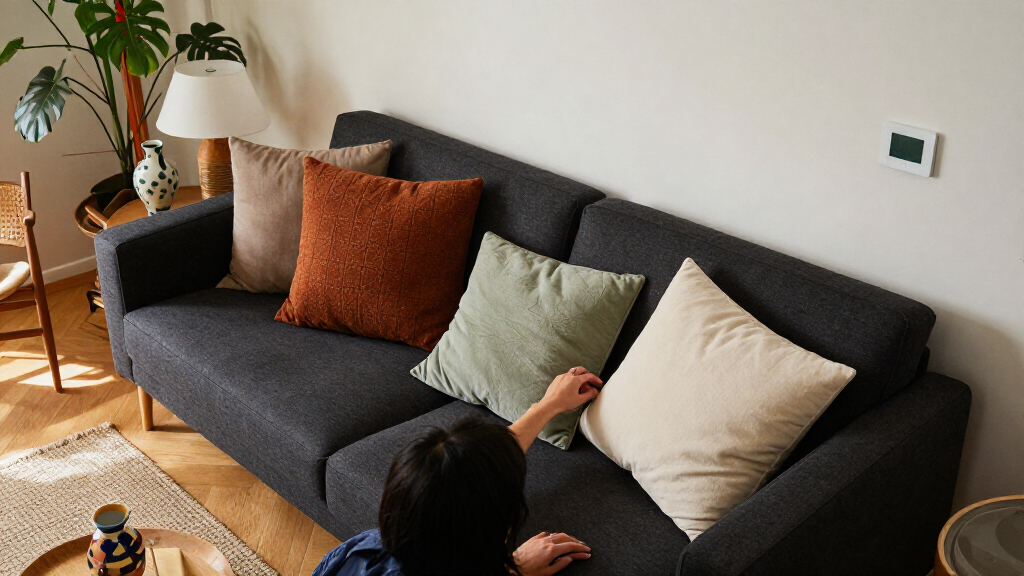
Designer Liz Potarazu says a room built from nearly identical creams or beiges can feel tied to a particular moment, rather than free of trends. Dijana Savic-Jambert similarly cautions that a greige palette is not a guarantee against a poor design choice. The report suggests introducing at least one stronger color as one way to give a neutral room more character.
The designers also encourage residents to keep objects that reflect their lives, including collected items and inherited furniture, even when they do not match a coordinated scheme. For traditional details such as wall molding, the advice is to first consider the home’s architecture. Adding a feature associated with another style may be a deliberate design choice, the report says, but it does not automatically make a room more enduring.
Personality Over Safe Decorating
The advice matters to readers planning a room refresh because the pursuit of broad appeal can lead to choices that feel less personal, not more durable. The designers’ comments suggest that timelessness is not a measurable guarantee or a single look; it is a judgment about how well a space reflects its residents and fits its setting.
That distinction can also shape spending decisions. Instead of replacing everything to recreate a polished style seen in a magazine or online, homeowners can consider whether existing furniture, meaningful objects or architectural features can form the basis of a room. Adding color or an unusual piece may be a more personal choice than buying a matching set, though the report does not claim that any one approach will suit every home.
Products Worth Considering

Ring Alarm 8-Piece Kit (Newest Model) – Home Security System

Dyson V9 Motorbar Cordless Vacuum

Blueair Blue Pure 311i Max Smart Air Purifier
As an affiliate, we earn on qualifying purchases.
The Appeal of Timeless Interiors
The article places its advice amid renewed interest in traditional interiors, including the look of English cottages and homes associated with filmmaker Nancy Meyers. It says that interest has helped make “timeless” a common decorating goal, with some people hoping their homes will remain stylish for decades.
Apartment Therapy’s report challenges the assumption that avoiding all trends is the way to reach that goal. Its designers instead emphasize choices tied to the particular home and the people living in it. The article is based on professional opinions and examples, not a survey or a study comparing how different interiors age.
““‘Timeless’ can become an excuse to play it so safe that you take all the personality out of it.””
— Sydelle Reed, an interior designer in Jersey City, as quoted by Apartment Therapy
Advice, Not a Design Test
The source is a design-advice report, not evidence that a specific palette or decorating method will remain appealing for a particular length of time. “Timeless” is not defined by a shared standard in the article, and the designers’ recommendations are professional opinions rather than guarantees of future value or taste.
The report also does not provide cost estimates, room-by-room plans or a way to determine how much color or personal detail is right for each home. A feature that fits one property’s architecture may not work in another. Readers will need to weigh the designers’ principles against their own preferences, practical needs and the existing space.
Applying the Advice at Home
The next step for someone reconsidering a room is to look at what is already there: its architectural details, furniture and objects with personal meaning. From that starting point, the report suggests choosing a color or distinctive item that feels intentional, rather than stripping the room back to a uniform palette or copying a complete look.
Apartment Therapy does not announce a follow-up study or a specific next milestone. The practical question for readers is whether a proposed change suits both the home and the people who live in it. The designers’ advice is to treat timelessness as a result of thoughtful, personal choices—not as a checklist that guarantees a room will never look dated.
Key Questions
What does the Apartment Therapy report say makes a “timeless” home feel boring?
Designers quoted in the report point to all-neutral palettes, missing personal touches and styles imposed without regard to the home’s architecture. They say these choices can make a room feel generic, although none is automatically a mistake in every home.
Does the report say homeowners should avoid neutral colors?
No. It says a neutral palette does not guarantee timelessness. Designer Liz Potarazu recommends considering a bolder color to add personality, while the report does not prescribe a particular shade or amount.
Should personal or inherited items be kept even if they do not match?
The designers quoted encourage residents to use objects that reflect their experiences and tastes. Sydelle Reed says people can keep an inherited piece even if it does not match, but the report presents this as design advice rather than a rule.
How can a homeowner use traditional design without making a room feel themed?
The report recommends considering the home’s existing features before adding traditional details, and adapting inspiration rather than reproducing a style wholesale. It does not provide a universal formula; what works depends on the space and its residents.
Source: apartmenttherapy.com