
Your energy bills might have suddenly spiked due to outdated or inefficient appliances, leaks, or seasonal changes that cause your heating or cooling systems to work harder. Tiny drafts around windows, poor insulation, or dust buildup can also reduce efficiency and increase costs. Additionally, if you’re using smart thermostats improperly or leaving appliances on, your bills can rise unexpectedly. To keep costs in check, learn more about quick fixes and longer-term upgrades that could help.
Key Takeaways
- Seasonal changes increase heating or cooling demand, raising energy consumption unexpectedly.
- Outdated appliances or inefficient lighting can significantly boost energy usage.
- Air leaks around windows and doors cause temperature loss, leading to higher energy bills.
- Neglecting insulation issues or poor HVAC maintenance reduces system efficiency.
- Leaving appliances on or using smart thermostats improperly can lead to unnecessary energy waste.

evelor 6-Pack A19 LED Light Bulbs,60 Watt Equivalent Daylight 5000K with E26 Base,Efficient 9W,800 Lumens Non-Dimmable LED Bulbs,15000 Hours, Ideal for Bedroom Living Room
【Energy Efficiency】: EVELOR A19 LED light bulb is an energy-saving 9W (60W equivalent) bulb, saving up to 90%…
As an affiliate, we earn on qualifying purchases.
As an affiliate, we earn on qualifying purchases.
Why Did My Energy Bill Suddenly Increase? Common Causes Explained
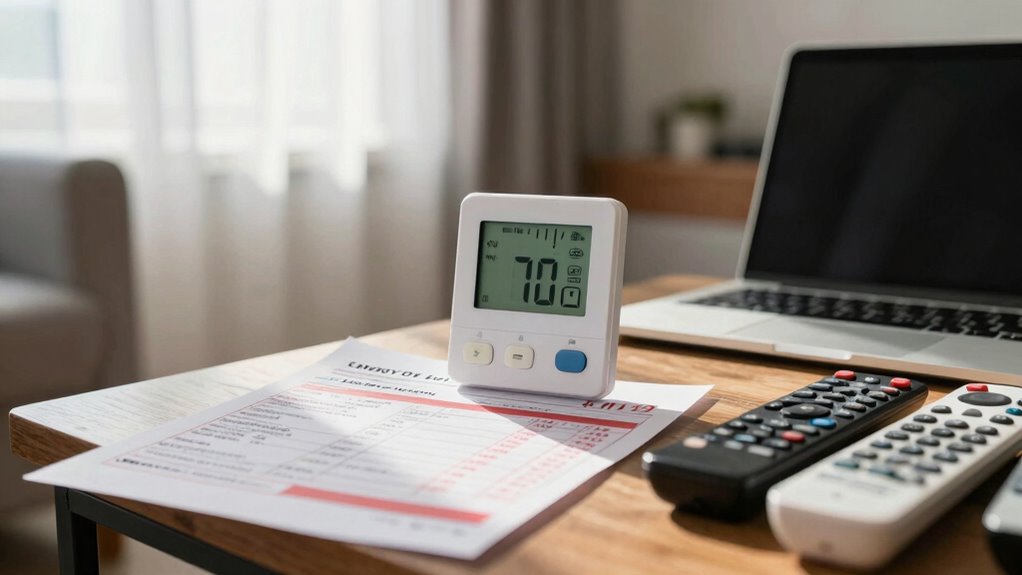
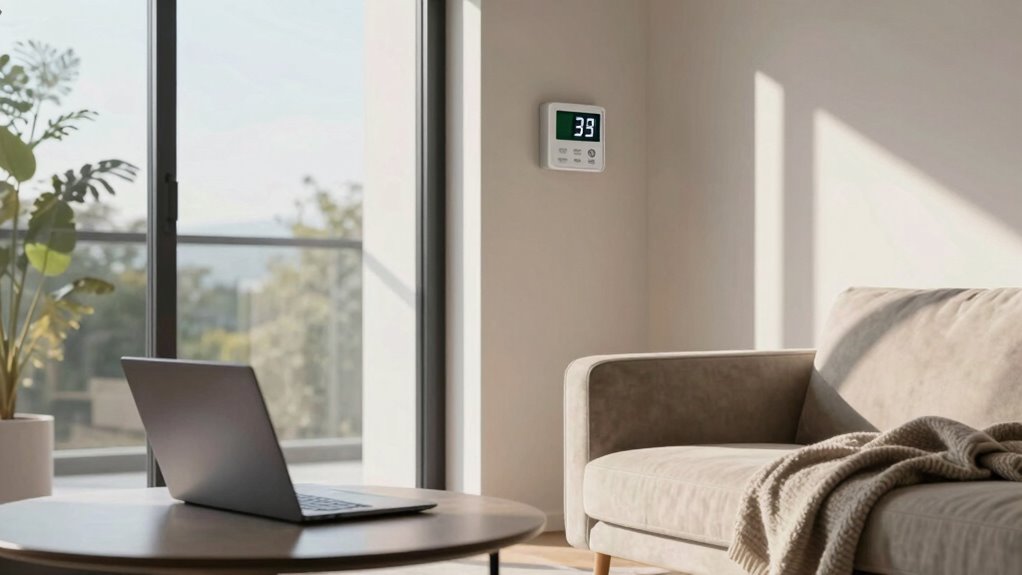
If your energy bills suddenly spike, it’s often due to changes in your usage patterns or external factors beyond your control. One common cause is outdated or inefficient lighting; switching to energy-efficient lighting can markedly cut costs. Additionally, not using a smart thermostat effectively can lead to higher energy consumption, especially if your heating or cooling systems run longer than needed. The benefits of a smart thermostat include better temperature control and energy savings, which help prevent unexpected bill increases. Other factors might include leaving appliances on unnecessarily or neglecting insulation issues. Recognizing these causes allows you to take simple steps—like upgrading lighting and optimizing your thermostat—to reduce your energy usage and keep your bills in check. Proper energy management strategies can also make a significant difference in controlling your overall consumption. Being aware of factors like indoor air quality and dust buildup can also impact your energy efficiency by affecting HVAC performance. Ensuring proper insulation and sealing in your home can further minimize energy loss and stabilize your bills. Regular maintenance of HVAC systems and checking for air leaks can also contribute to more consistent energy costs.

Amazon Smart Thermostat – Save money and energy – Works with Alexa and Ring – C-wire required
Smart upgrade – Amazon Smart Thermostat is an easy way to switch from a traditional thermostat and help…
As an affiliate, we earn on qualifying purchases.
As an affiliate, we earn on qualifying purchases.
How Seasonal Changes Impact Your Home’s Energy Usage
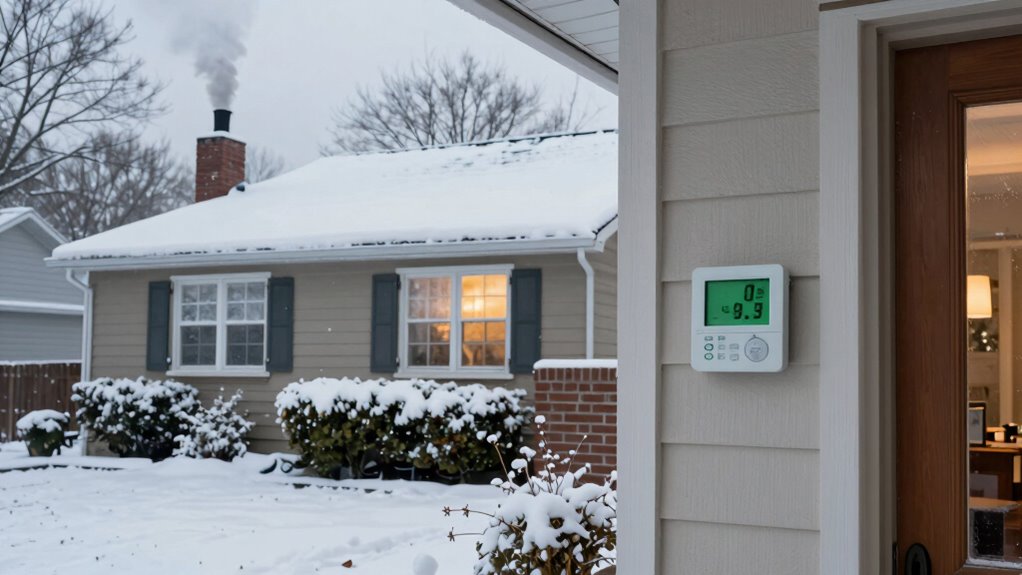
As the seasons change, so does your home’s energy consumption. During colder months, you may notice your heating system working harder, increasing energy use. Conversely, in warmer weather, your cooling system kicks in more often, driving up bills. Seasonal shifts also affect solar efficiency; shorter days and less sunlight reduce the energy your panels generate. To combat this, weatherproofing techniques like sealing gaps, adding insulation, and installing storm windows help maintain consistent indoor temperatures. These measures reduce strain on your heating and cooling systems, lowering energy consumption. Additionally, smart thermostats can adapt your home’s heating and cooling schedules based on seasonal patterns, further optimizing energy use. Being aware of seasonal variations in energy demand can help you implement timely adjustments to your energy management strategies. Recognizing how weather patterns influence energy needs allows homeowners to better anticipate and prepare for fluctuations, ultimately saving money. Understanding how seasonal changes influence your home’s energy use allows you to plan ahead and implement strategies that keep your bills in check year-round.
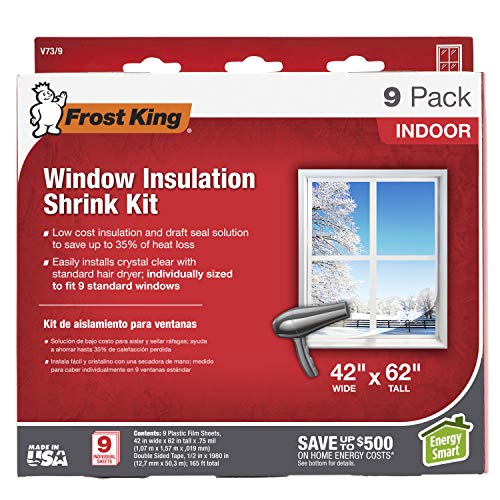
Frost King V73/9H Indoor Shrink Window Kit 42 62-Inch, Clear, 9-Pack
This product adds a great value
As an affiliate, we earn on qualifying purchases.
As an affiliate, we earn on qualifying purchases.
Are Old Appliances Costing You More? When to Upgrade
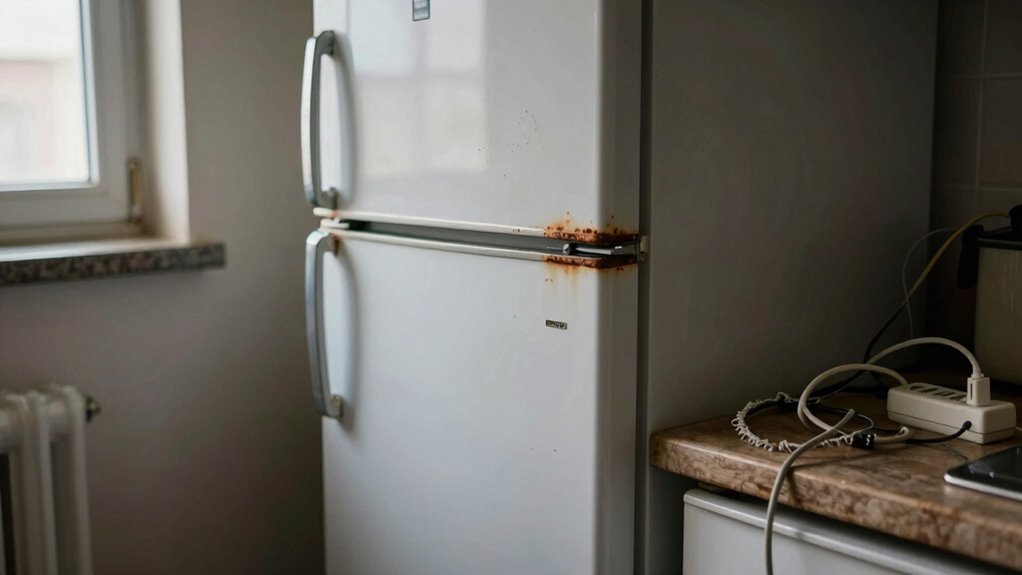
Have you ever noticed your energy bills creeping higher even when your usage seems steady? Old appliances often have lower appliance efficiency, causing them to work harder and consume more energy. Over time, wear and outdated technology reduce their effectiveness, leading to higher utility costs. Knowing the right upgrade timing is essential; if your appliances are over 10 years old or show signs of frequent breakdowns, it’s probably time to replace them. Modern appliances are designed for better energy efficiency, which can greatly cut your bills. Upgrading at the right moment not only saves money but also reduces your home’s environmental impact. Don’t wait until your energy costs become unmanageable—consider replacing old appliances now for a more cost-effective and energy-efficient home.

Flex Caulk, Waterproof & Weatherproof Hybrid Polymer Sealant, Strong, Paintable, Indoor, Outdoor, Bath, Shower, Sink, Window, Baseboards, Door, RV, Roof, Wood, Auto & Marine, Clear, 6.6 oz, 1-Pack
So easy to use.
As an affiliate, we earn on qualifying purchases.
As an affiliate, we earn on qualifying purchases.
How to Find and Seal Energy Leaks in Your Home
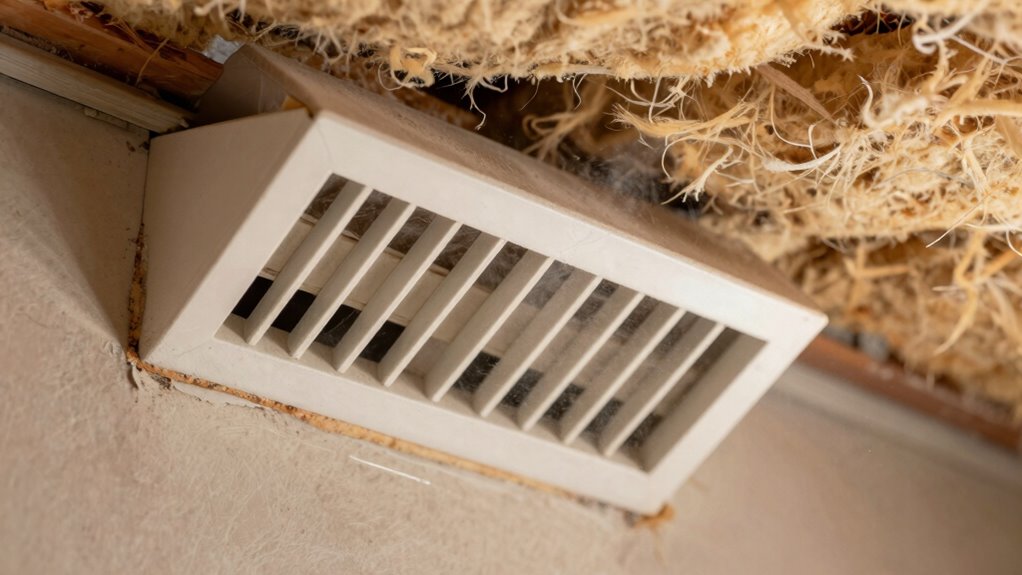
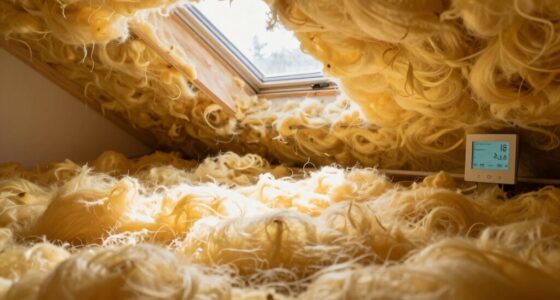
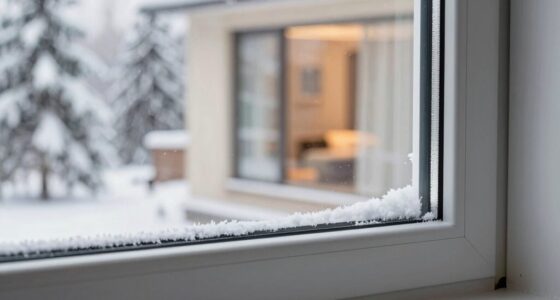
Energy leaks can silently undermine your home’s efficiency, causing your heating and cooling systems to work harder than necessary. To find leaks, start by inspecting common trouble spots. Check for insulation gaps in your attic, basement, and walls—these gaps let warm or cool air escape. Feel for drafts around windows and doors, especially during extreme weather. Window drafts are often caused by worn weatherstripping or gaps in the window frame. Seal these leaks with weatherstripping, caulk, or foam sealant to prevent air from slipping in or out. Don’t forget to test your home with a candle or incense near suspected areas; flickering smoke indicates a draft. Sealing these leaks improves comfort and reduces energy waste, helping you save on bills. Additionally, air infiltration can often be detected with a simple smoke test, revealing hidden pathways for air to escape. Using energy-efficient sealing products can further enhance your home’s overall insulation, reducing energy loss and increasing comfort. Proper home insulation techniques are also essential in creating an effective barrier against unwanted air leaks.
Easy Ways to Lower Unexpected Energy Costs Today
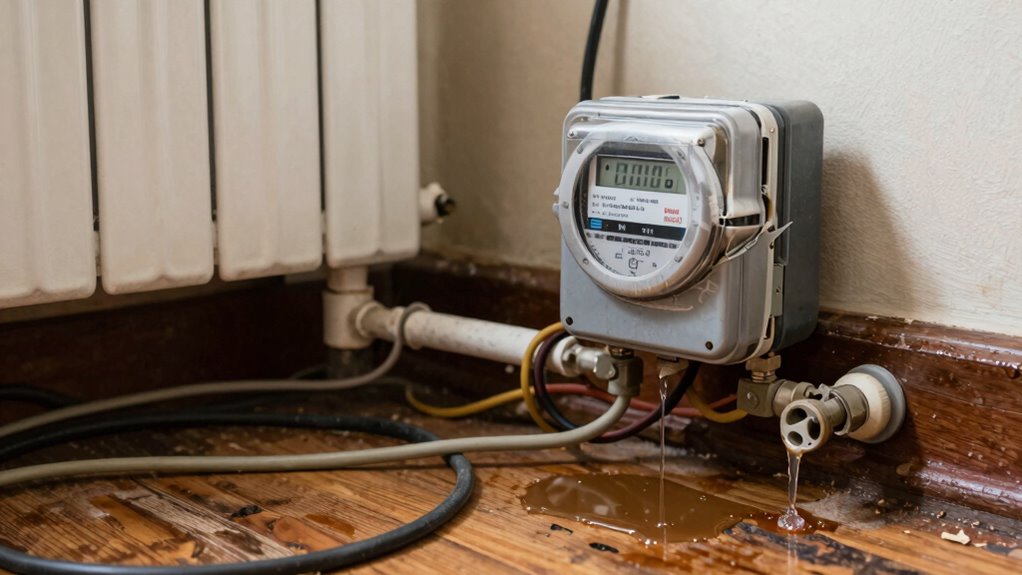
If you want to cut your energy costs quickly, start with simple changes that don’t require a big investment. Using energy saving gadgets like smart thermostats and LED bulbs can make an immediate difference. Consider exploring renewable energy options, such as small solar panels, to offset part of your consumption. You can also lower your bills by adjusting your thermostat, unplugging unused electronics, and washing clothes in cold water. Installing window coverings helps keep heat in during winter and out in summer, reducing heating and cooling costs. These quick fixes can save money today while setting the stage for more sustainable solutions. Small, intentional adjustments add up and can considerably reduce unexpected energy expenses. Additionally, integrating smart home privacy and security practices can ensure your energy-saving devices are protected from potential cyber threats. To further optimize your energy use, consider how efficient appliances and systems can enhance your overall savings and comfort. Incorporating outdoor transformation essentials, like fire pits or landscaping, can also help improve your outdoor space’s energy efficiency by providing natural shading or windbreaks. Being mindful of indoor air quality and humidity can also contribute to a healthier and more energy-efficient home environment. Implementing proper insulation and sealing can further prevent energy loss and improve your home’s overall efficiency.
Frequently Asked Questions
Can My Neighbors’ Energy Use Affect My Bill?
Yes, your neighbors’ energy use can affect your bill due to neighbor influence and shared infrastructure. If your neighbors consume a lot of energy, especially during peak times, it can strain the local grid, leading to higher rates for everyone. Shared infrastructure, like transformers and power lines, distributes energy across neighborhoods. When demand increases nearby, it can cause fluctuations or higher costs that impact your monthly bill.
Do Energy Prices Vary by Utility Provider?
Yes, energy prices vary by utility provider, like different chefs seasoning the same dish differently. Some providers focus on renewable energy, which might cost more but is eco-friendly. Others emphasize energy efficiency, helping you save money in the long run. Your choice of utility provider can impact your bill, so shopping around and understanding their energy sources can help you find the best deal and reduce your energy expenses.
How Does Indoor Humidity Influence Energy Consumption?
Indoor humidity considerably influences your energy consumption. When indoor air is too humid, your HVAC system works harder to dehumidify and cool the space, increasing energy use. Proper humidity control helps maintain a comfortable environment without overburdening your system. By managing indoor air moisture levels effectively, you can reduce energy bills, improve air quality, and create a more comfortable living space.
Are Solar Panels a Cost-Effective Solution?
Yes, solar panels are a cost-effective solution if you’re looking to lower energy bills. With solar savings, you can substantially cut expenses over time, especially as energy prices rise. The initial panel installation might seem pricey, but many areas offer incentives and tax credits to offset costs. Over the long run, you’ll enjoy reduced utility bills and a smaller carbon footprint, making solar panels a smart investment.
What Is the Average Increase in Energy Costs During Winter?
During winter, you typically see a 10-20% increase in energy costs, driven by seasonal heating demands and decreased insulation efficiency. As temperatures drop, your heating needs spike, pushing up bills. Poor insulation allows heat to escape, making your system work harder. To combat this, consider sealing leaks, adding insulation, and setting your thermostat wisely. These steps can help you manage rising winter energy expenses more effectively.
Conclusion
While skyrocketing energy bills can feel overwhelming, understanding their causes empowers you to take control. Just as old appliances drain your wallet, sealing leaks saves money and comfort, proving that small changes make a big difference. Balancing seasonal shifts with smart upgrades allows you to navigate fluctuations gracefully. In the end, it’s not just about cutting costs but creating a home where efficiency and coziness coexist—turning sudden spikes into opportunities for smarter living.