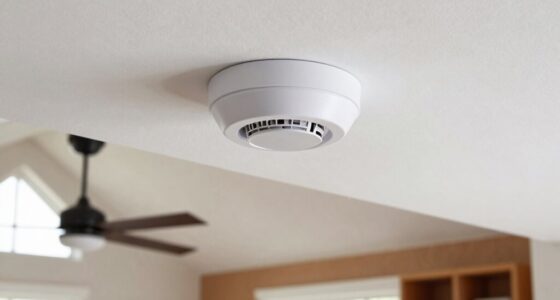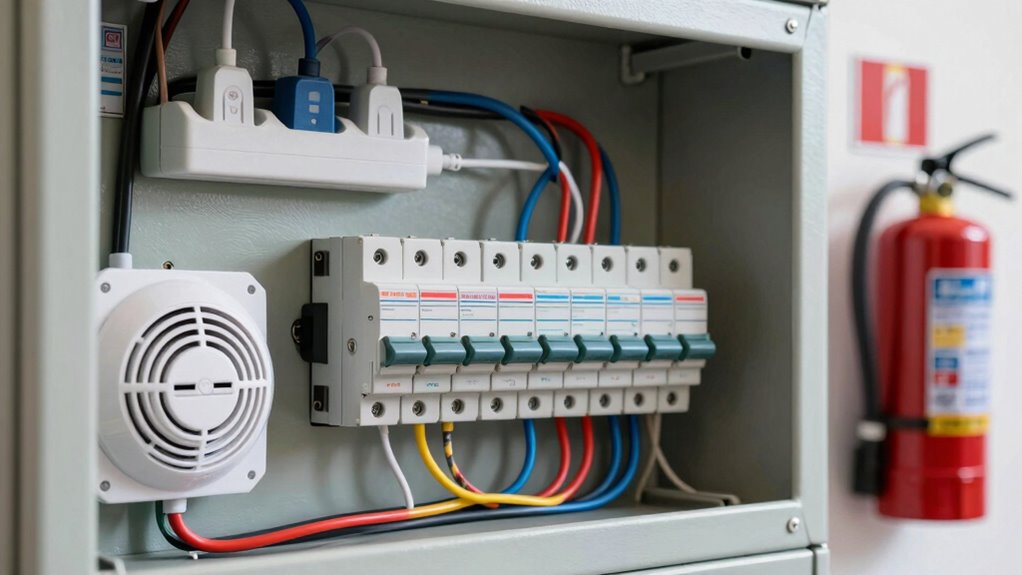

To prevent electrical fires at home, regularly inspect your wiring for damage, avoid overloading outlets, and use only certified electrical devices. Keep cords in good condition, unplug appliances when not in use, and guarantee outdoor wiring is weatherproof. Follow safety standards, recognize warning signs like flickering lights or warm outlets, and handle electrical equipment carefully. Having an emergency plan helps you respond quickly if a fire occurs. Keep exploring for more tips to stay safe.

Get home appliances delivered free — and shop member deals
- Fast, free delivery on millions of items
- Access to Prime Big Deal Days deals on October 6–7
- Prime Video, Amazon Music and more included
Key Takeaways
- Regularly inspect and maintain wiring, outlets, and appliances to identify and repair damage promptly.
- Use certified electrical equipment and ensure proper installation by qualified electricians.
- Avoid overloading outlets and power strips; follow manufacturer guidelines for safe appliance use.
- Develop and practice emergency plans for electrical fires, including clear evacuation routes.
- Stay informed about electrical safety standards and trends to implement the latest prevention practices.
As an affiliate, we earn on qualifying purchases.
How to Inspect and Maintain Your Electrical Wiring for Safety
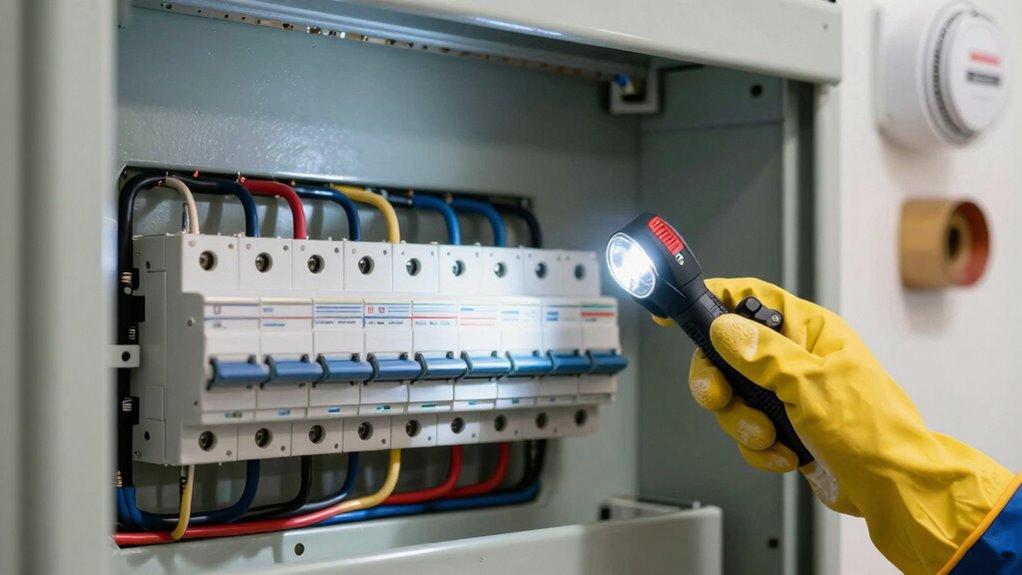
Regularly inspecting and maintaining your electrical wiring is essential for preventing fires and ensuring safety at home. Start by checking for signs of wear, such as frayed or damaged insulation, and replace faulty wires immediately. Proper grounding techniques are crucial; guarantee outlets and appliances are correctly grounded to prevent electrical shocks and fire hazards. When troubleshooting circuits, turn off power before inspecting or repairing, and look for loose connections or overloaded circuits that could cause overheating. Use a circuit tester to identify issues and confirm everything is functioning properly. Keep an eye out for flickering lights or tripped breakers, which may indicate wiring problems. Staying proactive with circuit troubleshooting and grounding methods helps protect your home and keeps your electrical system safe. Additionally, understanding region-specific wiring standards can help you recognize unique characteristics and potential safety concerns specific to your area. Regularly reviewing your electrical system and adhering to safety guidelines can further reduce the risk of electrical fires and prevent electrical hazards, thereby enhancing overall safety.
outdoor weatherproof electrical outlet
As an affiliate, we earn on qualifying purchases.
As an affiliate, we earn on qualifying purchases.
The Importance of Using Certified Electrical Devices and Equipment
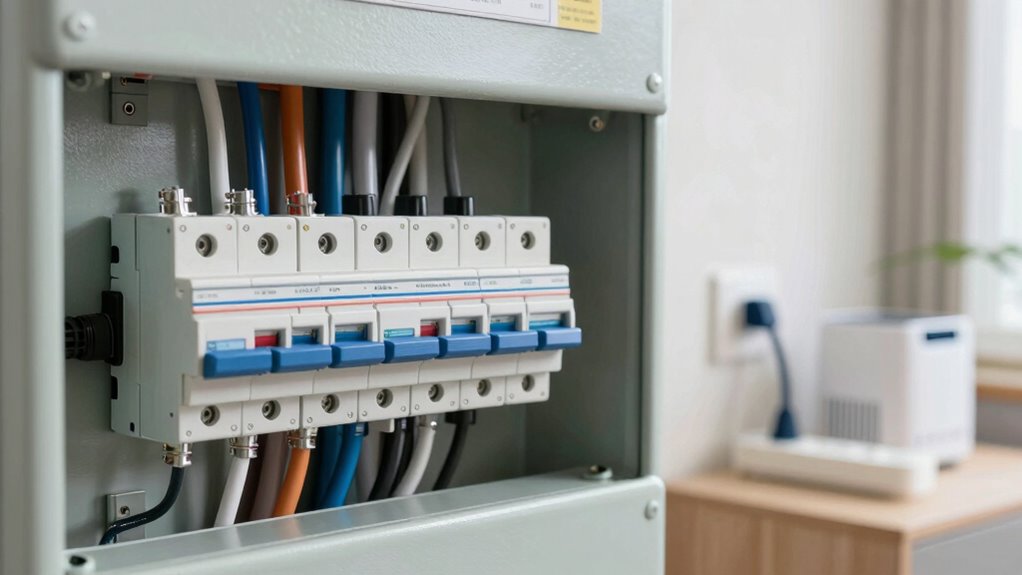
Always check for certification labels before purchasing electrical devices to guarantee they meet safety standards. Regularly inspecting your equipment helps catch any signs of wear or damage early. Using certified, well-maintained devices considerably reduces the risk of electrical fires in your home. Incorporating outdoor electrical safety practices, especially in backyard areas with features like fire pits or outdoor ovens, further enhances your safety. Being aware of electrical basics can also help you identify potential hazards before they escalate. Understanding the Bucolic Beauty of Saratoga Springs can provide insight into the importance of maintaining natural surroundings free from electrical hazards, much like understanding electrical safety helps protect your home. Additionally, ensuring that outdoor electrical installations are properly grounded and weatherproofed can prevent water-related hazards, especially in areas prone to rain or humidity.
Verify Certification Labels
Verifying certification labels on electrical devices and equipment is essential because these labels indicate that the product meets safety standards set by recognized organizations. Certification verification helps guarantee you’re using safe, reliable products that reduce fire risks. Always check for labels from trusted agencies like UL, CSA, or ETL. Label authenticity is vital; counterfeit or tampered labels can look convincing but don’t guarantee safety. Before purchasing or installing, inspect the label carefully for proper branding, clear printing, and certification numbers. If the label appears damaged or suspicious, avoid using the device. Confirm the certification details with the issuing organization if needed. Doing this simple step helps prevent electrical fires caused by substandard or unsafe equipment, giving you peace of mind and protecting your home. Additionally, understanding electrical safety standards can further assist in recognizing quality products that meet all necessary safety criteria. Being aware of certification processes can also help you identify genuine safety assurances and avoid counterfeit labels. Recognizing reliable safety marks is crucial for ensuring the device has undergone proper testing and approval.
Regular Equipment Inspections
After confirming that your electrical devices carry proper certification labels, it’s equally important to conduct routine inspections of your equipment. Regularly check your electrical panel to guarantee all circuit breakers are functioning properly and haven’t tripped unexpectedly. Look for signs of wear, overheating, or corrosion on outlets, cords, and plugs. Faulty or outdated equipment can cause sparks or shorts, increasing fire risk. Don’t ignore unusual smells or buzzing sounds—they’re warning signs of trouble. Regular inspections give you peace of mind and help prevent costly, dangerous electrical fires. Incorporating proper electrical wiring practices can significantly reduce the risk of fire hazards, and understanding how certified electrical devices are tested and approved can further enhance your safety measures. Additionally, investing in smart locks and office gear designed with security in mind can help safeguard your space from potential intrusions that could compromise electrical safety. Conducting routine safety checks can also catch potential issues early before they develop into serious hazards.
As an affiliate, we earn on qualifying purchases.
How to Recognize Electrical Problems That Could Lead to Fires
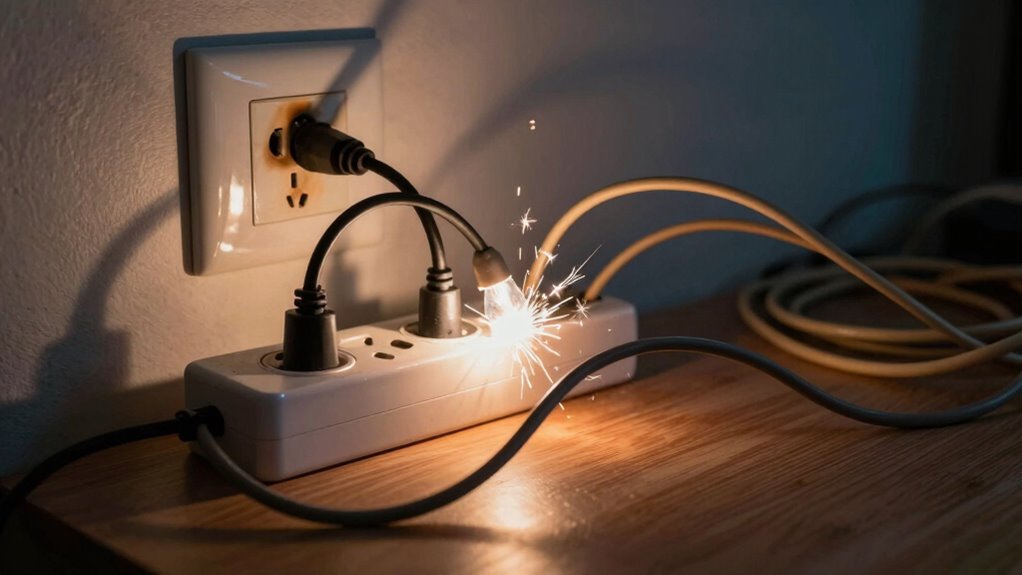
Electrical problems often start subtly, but recognizing the warning signs early can prevent dangerous fires. Look for signs like frequent electrical surges, flickering lights, or outlets that feel warm or emit a burning smell. Faulty switches can also cause sparks or intermittent operation, increasing fire risk. Regularly inspect your wiring and electrical devices for damage or wear. Being aware of emerging wall art trends can also help you identify outdated or unsafe electrical setups in your home. Additionally, understanding industry trends in electrical safety can empower you to take proactive measures to protect your household. Staying informed about electrical safety standards can further help you maintain a safe home environment.
As an affiliate, we earn on qualifying purchases.
Safe Appliance Practices to Prevent Overloads and Short Circuits
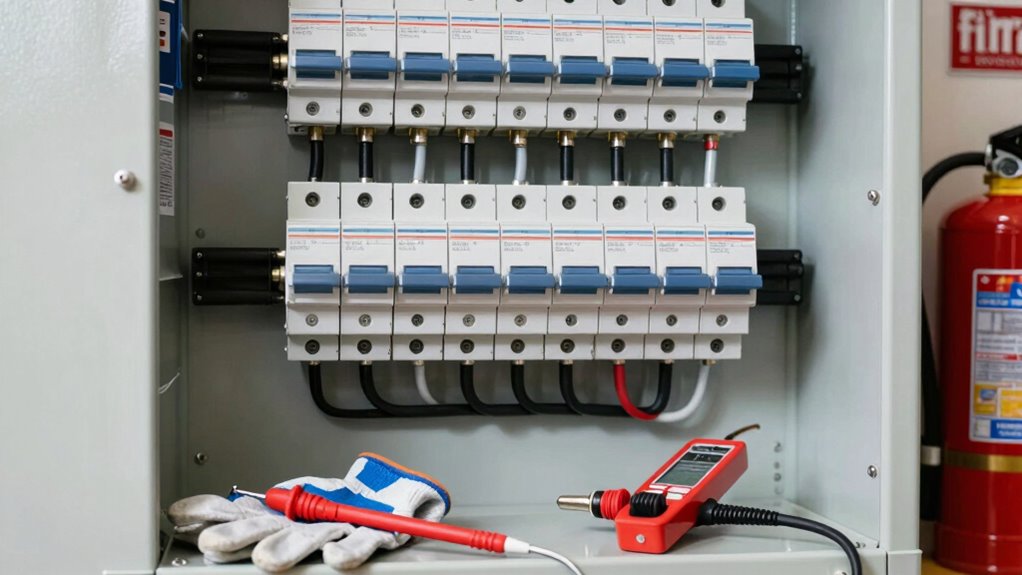
Using appliances responsibly is essential to prevent electrical overloads and short circuits that can lead to fires. Proper appliance placement helps avoid overheating and damage, reducing fire risk. Never overload outlets or power strips, and always follow manufacturer guidelines. Practice power strip safety by avoiding daisy-chaining multiple strips, which can cause sparks or fires. Keep appliances away from water and ensure cords are in good condition. Here are some key tips:
Using appliances responsibly prevents overloads, overheating, and fires—follow safety tips to keep your home safe.
- Place high-wattage appliances on dedicated outlets to prevent overloads.
- Use power strips with overload protection and avoid plugging too many devices into one.
- Regularly check cords and plugs for damage, replacing any frayed or broken ones immediately.
Staying vigilant with these practices keeps your home safe and fire-free.
Simple Steps to Prevent Overloading Outlets and Power Strips
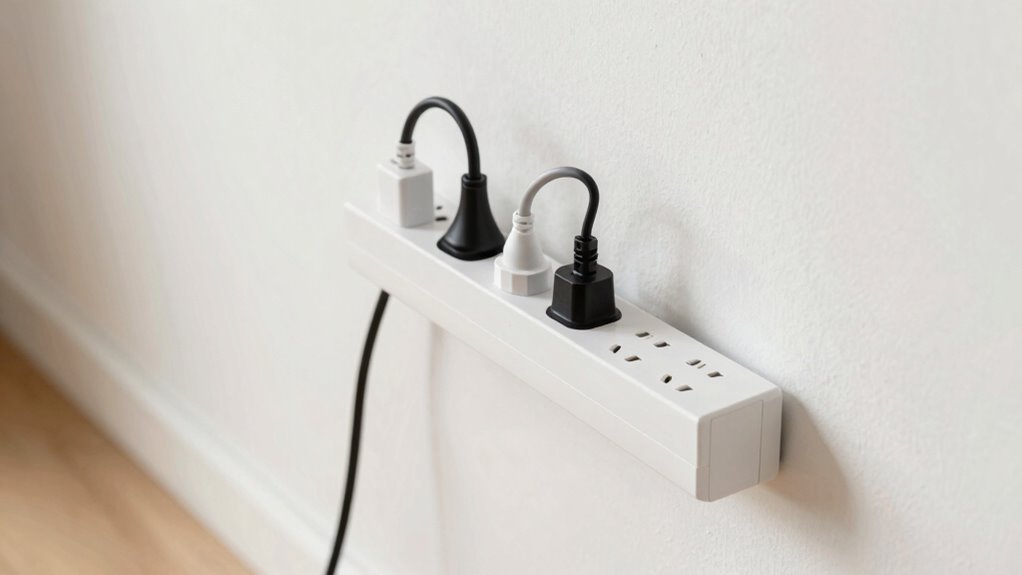
To prevent overloading outlets and power strips, you need to be mindful of how many devices you connect at once. Outlet safety is essential to avoid overheating and potential fires. Never plug too many devices into a single outlet or power strip, as this can exceed the recommended load. Use power strips with built-in circuit breakers to protect against overloads. When using power strip usage, make sure it’s rated for the devices you’re plugging in and avoid daisy-chaining multiple strips together. Regularly check cords and plugs for damage, and unplug devices when not in use. Keeping outlets clear of excess cords and avoiding extension cords for high-power appliances also reduces risks. Following these simple steps helps maintain safe outlet and power strip practices at home. Proper outlet and power strip use can help prevent electrical fires by reducing overload risks, especially when you are aware of your home’s electrical load capacity. Additionally, choosing wearable tech and biosensors that monitor electrical safety can further alert you to potential overloads before they become hazardous. It’s also beneficial to understand the heat buildup in wiring, which can indicate dangerous conditions and should be checked by a qualified electrician. Understanding the horsepower of electric dirt bikes can also be useful, as it relates to the power your electrical system may need to support if you’re using high-powered tools or devices, ensuring your home’s wiring can handle the load safely.
Create an Emergency Plan to Respond Effectively to Electrical Fires
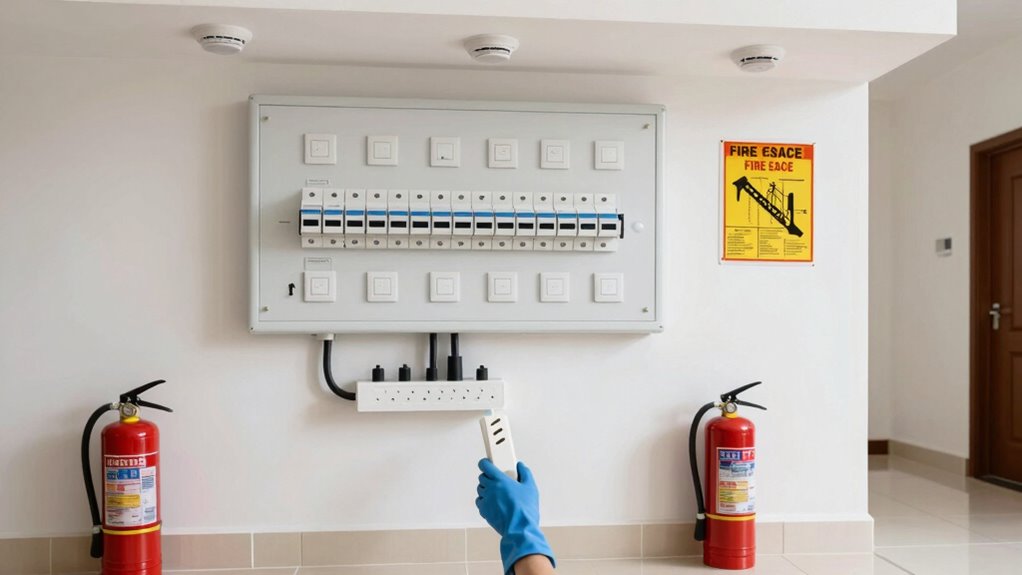
You need a clear emergency plan to handle electrical fires quickly and safely. Make sure you know your evacuation routes and assign someone to call emergency services. Having these steps ready can make a big difference in protecting yourself and your family.
Establish Evacuation Procedures
Have you ever thought about what you would do if a fire suddenly broke out in your home? Preparing for this moment can make all the difference. Establish clear evacuation procedures so everyone knows what to do. Practice evacuation drills regularly to ensure quick, calm action. Identify and keep emergency exits unobstructed, so you can escape swiftly. Make sure all family members understand how to leave safely and where to gather outside. Visualize the steps to take if smoke or flames block your usual route—plan alternate exits. Knowing your escape plan reduces panic and saves precious seconds during an emergency. Remember, preparation builds confidence, so everyone stays safe when it matters most. Your readiness is your best defense against electrical fires.
Assign Emergency Contacts
When a fire breaks out, knowing who to call can make all the difference in guaranteeing a swift response. You should have your emergency contact list ready, including local fire services, neighbors, and nearby family members. Make certain everyone in your household knows these contacts and understands when to call them. Clear communication speeds up your fire response and can prevent the fire from spreading. Assign specific roles so everyone knows what to do, whether it’s calling emergency services or helping others evacuate. Keep your emergency contacts easily accessible, such as on your phone or a visible wall poster. Regularly review and update this list to assure it’s accurate. Being prepared with the right emergency contact can save lives and minimize damage during an electrical fire.
Frequently Asked Questions
How Often Should I Have a Professional Electrical Inspection?
You should schedule a professional electrical inspection at least every 3 to 5 years to guarantee electrical safety in your home. If you notice flickering lights, frequent circuit breaker trips, or outdated wiring, consider more frequent inspections. Regular inspections help identify potential hazards early, reducing fire risks. Staying proactive with inspection frequency is key to maintaining a safe environment, so don’t delay scheduling evaluations with a licensed electrician.
What Are the Signs of Hidden Electrical Wiring Issues?
You might notice hidden hazards like flickering lights, burning smells, or unexplained circuit breaker trips, which can signal wiring anomalies. Discolored outlets or warm switches are also red flags. If you see these signs, don’t ignore them—these issues often stem from hidden electrical wiring problems. Regular inspections by a professional can reveal hidden hazards before they cause a fire, ensuring your home stays safe.
Can Outdoor Electrical Outlets Cause Fires if Not Properly Maintained?
Outdoor electrical outlets are like open gates, inviting trouble if not properly maintained. If neglected, moisture and dirt can cause short circuits, increasing fire risk. You should regularly check for signs of wear, keep outlets dry, and use weatherproof covers. Follow outdoor safety and maintenance tips to guarantee your outlets stay safe, protecting your home from potential electrical fires caused by poor upkeep. Proper care keeps your outdoor spaces safe and fire-free.
Are There Specific Fire-Resistant Materials I Should Use in My Home?
Yes, using fire-resistant materials in your home enhances safety by reducing fire risks. Opt for fire-resistant drywall, insulation, and flooring to create a safer environment. These materials slow the spread of flames and give you more time to react if a fire occurs. Incorporating fire-resistant building materials is a proactive step toward home safety, especially in areas prone to electrical issues or other fire hazards, helping protect your family and property.
How Do I Select the Right Size Circuit Breaker for My Home?
Think of your home’s electrical system as a busy highway; selecting the right circuit breaker is like choosing the right traffic controller. You need to match the circuit breaker type and its electrical load capacity to your home’s total electrical demand. For standard circuits, a 15- or 20-amp breaker usually suffices, but for heavy appliances, consider a breaker with a higher capacity. Always consult a professional to guarantee safety and proper sizing.
Conclusion
By following these simple yet essential steps, you’ll turn your home into an impenetrable fortress against electrical fires. Regular inspections, using certified devices, and practicing safe appliance habits can save your home from disaster—possibly even from burning to the ground. Stay vigilant, prepared, and proactive; your safety is worth more than a thousand fire alarms ringing in the night. Protect your loved ones and your home with unwavering dedication—because nothing is more precious than your safety.
Fall yard work Picks
leaf blowers
As an affiliate, we earn on qualifying purchases.