TL;DR
A dehumidifier size calculator helps you match capacity to your space’s moisture needs. Accurate sizing prevents wasted energy and keeps your home comfortable. Use your room details and moisture severity to get the best recommendation.
Ever bought a dehumidifier that’s either too loud, too small, or just doesn’t do the job? You’re not alone. Picking the right size isn’t just about square footage — it’s about understanding moisture levels, room conditions, and how much water you need to remove.
That’s where a dehumidifier size calculator comes in. It transforms guesswork into a precise estimate, saving you money, energy, and frustration. By the end, you’ll know how to match your room’s needs with the perfect capacity, avoiding the common trap of undersizing or overspending.
Always include moisture severity and room conditions in your sizing calculation.
Use the calculator’s capacity estimate to pick the next larger standard model for safety.
Remember that capacity ratings changed after 2019—current models perform differently under real conditions.
Consider climate, ceiling height, and water sources for a more accurate match.
A good calculator guides you but doesn’t replace understanding your space’s unique moisture challenges.
What Exactly Does a Dehumidifier Size Calculator Do for You?
A dehumidifier size calculator estimates how many pints of water your space needs removed per day. It considers your room size, moisture sources, and humidity levels. The goal? Find the unit that matches your moisture load, not just your square footage.
For example, a damp basement with moisture seeping through walls will need a different capacity than a small, dry bedroom. The calculator crunches these factors to recommend a capacity class—like 30, 40, or 50 pints per day—so you don’t overspend or underperform.
As an affiliate, we earn on qualifying purchases.
How to Use Your Room Details to Get an Accurate Size Estimate
- Measure the room’s floor area in square feet. For example, a 200 sq ft bedroom.
- Note the ceiling height — taller ceilings mean more air to dehumidify. A 10-foot ceiling adds 25% more air volume than an 8-foot room.
- Assess moisture sources: Is there a shower nearby? Do you dry laundry indoors? Is the basement damp or visibly wet?
- Estimate current humidity. Is it often above 60%? Is there condensation on windows?
- Input these details into the calculator. It will recommend a capacity — say, a 30-pint unit for a moderately damp 200 sq ft room with high humidity.
For instance, I used the calculator for my 300 sq ft basement, which gets musty after rain. It suggested a 50-pint model because of high moisture and poor ventilation. That way, I avoid wasting money on a smaller, less capable unit or buying one that’s too big and noisy.
As an affiliate, we earn on qualifying purchases.
Understanding Capacity, Coverage, and Tank Size—What Matters Most?
| Feature | What It Means |
|---|---|
| Capacity | Water removed in 24 hours under test conditions. This figure is crucial because it indicates how much moisture the unit can handle in a typical environment. Choosing a capacity too low for your actual moisture load results in constant running, inefficiency, and inadequate drying. Conversely, a capacity that’s too high can lead to unnecessary energy consumption and noise. Understanding this tradeoff helps you select a unit that balances performance with energy efficiency, ensuring your space stays dry without waste. |
| Coverage Area | Estimates how much space the dehumidifier can effectively serve, often based on ideal conditions. Overestimating coverage can lead to underperformance if your environment is more humid or poorly ventilated. Underestimating means you might buy a larger unit than necessary, increasing costs. Recognizing the importance of this feature helps you match the device to your specific space and conditions, avoiding both undersizing and overspending. |
| Tank Size | The volume of water the dehumidifier’s collection bucket can hold before needing to be emptied. Larger tanks reduce the frequency of emptying but can add weight and bulk to the unit. However, in spaces with continuous drainage options, tank size becomes less critical. Choosing the right tank size involves balancing convenience with mobility and considering whether automatic drainage is feasible, especially for larger or more humid spaces where frequent emptying could be impractical. |
For example, a 50-pint unit with a small tank might need frequent emptying unless it has continuous drainage. Conversely, a 20-pint unit with a large tank might be fine for occasional use but won’t keep up in a damp basement.
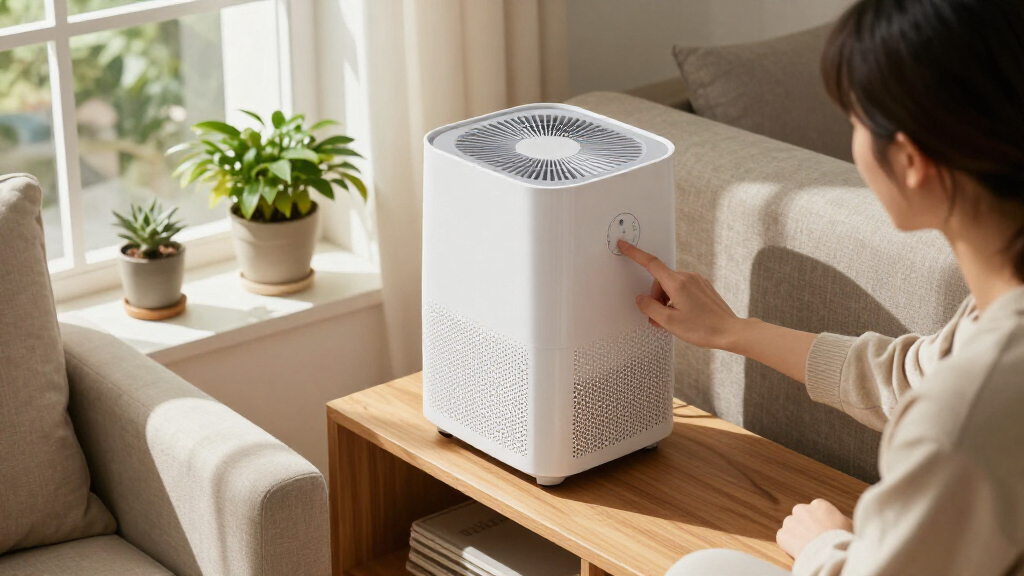
30 pint dehumidifier for small room
As an affiliate, we earn on qualifying purchases.
As an affiliate, we earn on qualifying purchases.
When Your Moisture Level Demands a Bigger or Smaller Dehumidifier
Your calculator will suggest a capacity based on room size and moisture severity. But watch out for these signs that you need more or less:
- High humidity > 60%: Usually needs a larger unit to maintain comfort and prevent mold growth. If ignored, excessive moisture can lead to health issues, structural damage, and mold proliferation, which are costly and hazardous.
- Visible dampness or condensation on windows and walls: Indicates the current capacity isn’t sufficient to keep humidity in check. This can accelerate mold growth and damage your home’s structure if not addressed.
- Frequent laundry drying indoors or showers nearby: These sources add significant moisture. A unit that can handle increased load prevents humidity from rising too high, protecting your indoor air quality.
- Groundwater seepage or water intrusion in the space: These conditions dramatically increase moisture load. A larger, more robust dehumidifier is essential to combat persistent dampness, prevent mold, and preserve the integrity of your space.
For example, a crawl space with standing water calls for a 50-pint or even commercial-grade unit because smaller models will never keep up with the continuous moisture influx. Meanwhile, a dry guest bedroom might only need a 20-pint model, even if it’s large, because the moisture sources are minimal. Recognizing these signs helps you avoid under-sizing, which can lead to persistent dampness, or over-sizing, which wastes energy and money.
As an affiliate, we earn on qualifying purchases.
Why Size Ratings Changed After 2019 and What It Means for You
In 2019, testing standards shifted to cooler, more realistic conditions—around 65°F, 60% RH. Older units rated at 70 pints might now perform closer to 50 pints in real life. It’s a common source of confusion.
For example, a 50-pint model made before 2019 might seem too small, but it’s actually performing like a 35-40 pint under current standards. Always check if ratings are based on the new test conditions, as relying on outdated labels could lead you to choose an undersized unit that underperforms in real-world conditions. Understanding these changes ensures you select a unit that truly meets your needs, avoiding disappointment and additional costs.
Matching Dehumidifier Capacity to Your Climate and Room Use
Climate plays a big role. Hot, humid regions need higher capacity units, especially in basements or open areas, to effectively manage moisture and prevent mold. Cooler spaces might require units designed for low temperatures, with features like automatic defrost, which prevent frost buildup and maintain efficiency. Ignoring climate considerations can lead to undersized units that struggle in summer or units that cycle excessively in winter, wasting energy and reducing lifespan.
For example, in a Florida basement, a 50-pint model might be necessary to keep humidity below 50%, ensuring comfort and mold prevention. In contrast, a chilly basement in New York might do fine with a 30-pint unit if it has frost control. Recognizing your climate’s demands helps you choose a unit that performs reliably year-round, saving money and avoiding frequent replacements.
How a Good Calculator Will Help You Pick the Right Unit
A solid dehumidifier size calculator will tell you:
- Estimated moisture removal in pints per day
- Recommended capacity class (20, 30, 50 pints)
- Ideal humidistat setting (around 45-50%)
- Drainage options—manual or continuous
- Warning if your space needs moisture repairs first
It’s a starting point, not a guarantee. Every home’s moisture load varies with weather, construction, and habits. But it’s a huge step toward effective, efficient drying. Using the calculator’s guidance, you can avoid the pitfalls of under- or overestimating your needs, leading to better comfort, lower energy bills, and longer-lasting equipment.
Frequently Asked Questions
How do I know if my room needs a larger or smaller dehumidifier?
If your room feels damp, has condensation, or you notice water on windows and walls, you probably need a larger unit. Conversely, if it runs constantly but doesn’t dry out, it might be too small or mis-sized for the environment.
Can I use a 50-pint dehumidifier in a small room?
Yes, but it might be overkill. Larger units can be noisier and cost more upfront. If you’re concerned about noise or energy, a smaller, properly sized model might serve just as well for a small, dry space.
What’s the best capacity for a damp basement?
Most damp basements benefit from a 30- to 50-pint unit, depending on moisture sources and size. If water seeps through walls or the space is large, lean toward 50 pints for reliable control.
Does ceiling height affect dehumidifier sizing?
Definitely. Higher ceilings mean more air volume, which requires a slightly larger capacity to keep humidity in check. For example, a 12-foot ceiling adds about 50% more space than an 8-foot ceiling of the same floor area.
Conclusion
Matching your dehumidifier’s size to your space’s needs isn’t just about avoiding waste — it’s about making your home more comfortable and healthier. A little effort with a calculator saves money, energy, and frustration. Think of it as giving your space the right breath of fresh air, every day.
Next time you shop, remember: size matters, but understanding your moisture load matters even more. Choose wisely, and your dehumidifier will work quietly and effectively for years to come.
Dehumidifier Size Calculator
Estimate daily pint capacity from room size and how damp the space feels.
Your room likely starts in the 20 to 30 pint range. Compare compact dehumidifiers for smaller spaces.
See compact dehumidifier matchesYour room points to a 35 to 40 pint unit. Compare mid-size dehumidifiers and check drainage options.
See mid-size dehumidifier matchesYour conditions call for a 50 pint or larger unit. Compare larger dehumidifiers and confirm room moisture sources.
See larger dehumidifier matchesEstimate only. Check product specs, local rates, and site conditions before buying or planning around these numbers.