A Level 2 EV charger turns overnight home charging from a trickle into a full battery, but the right pick depends on your amperage capacity, whether you want app control, and how your panel is wired. My top overall pick is the Emporia Level 2 48A Hardwired Charger, which pairs maximum charging speed with reliable WiFi scheduling and load-management integration. The EVIQO 48A Hardwired is a strong alternative with sharper display ergonomics, while the AIMILER 32A is the value play if you want dependable charging without paying for smart features you may never use. The main tradeoffs in this category come down to plug-in convenience versus hardwired 48A speed, and app-connected scheduling versus simple, budget-friendly operation. Keep reading for the full breakdown of all 15 chargers.

Get home appliances delivered free with Prime
- Fast, free delivery on millions of items
- Prime Video, Amazon Music and more included
- Member-only deals all year
Complete the kit


Key Takeaways
- Hardwired 48A models like the Emporia and EVIQO charge roughly 50% faster than 32A plug-in units, but they demand professional installation and a 60A circuit — most drivers with modest daily mileage won’t notice the difference overnight.
- NEMA 14-50 plug-in chargers dominated this lineup because they work with existing dryer-style outlets, making them the fastest and cheapest path to Level 2 charging if your home already has a compatible circuit.
- WiFi and app scheduling separated the premium tier from the budget tier more than raw amperage did — the Emporia, IYILO, and EVIQO smart models can schedule around off-peak utility rates, which compounds into real savings.
- The 32A budget units (AIMILER, EVDANCE, Disaenco) all delivered nearly identical 7.68 kW output; their real differences came down to connector build quality, cable stiffness in cold weather, and included holsters.
- UL/ETL certification varied across the list, and insurers or utility rebate programs may require it — the RIPPLEON and AIMILER 40A stand out for carrying explicit UL2594/ETL listing.


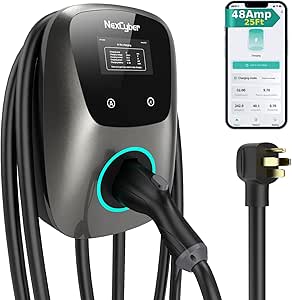


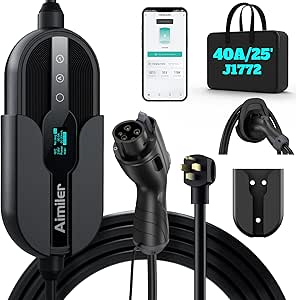

| ev charger level 2 | Connector | Cable length | Certifications | Voltage |
|---|---|---|---|---|
| Emporia Level 2 EV Charger wit | SAE J1772 | 25 ft | UL listed; ENERGY STAR certified | 240V |
| BETUMODA Level 2 EV Charger | SAE J1772 | 25 ft | — | 240V AC |
| AIMILER Level 2 EV Charger | J1772 | 25 ft | ETL, FCC | — |
| ELEGRP Level 2 40A Portable EV | J1772 | 25 ft | — | 240V |
| Emporia Pro Level 2 EV Charger | J1772 | 25 ft | ENERGY STAR, NEMA, UL | — |
| EMPORIA Level 2 EV Charger wit | SAE J1772 | 25 ft | UL Listed, ENERGY STAR | 240V |
| EVDANCE Level 2 EV Charger | SAE J1772 | 25 ft | — | 240V |
| Disaenco Portable Level 2 EV C | J1772 | 25 ft | — | 240V |
| 32A Level 2 Portable EV Charge | J1772 | — | — | 240V |
| Level 2 EV Charger with Wi-Fi | J1772 | 25 ft | ETL, FCC, ENERGY STAR | 240V |
| EVIQO Level 2 EV Charger J1772 | J1772 (Tesla adapter included) | 25 ft | UL, ETL, FCC, Energy Star | 240V |
| RIPPLEON Level 2 EV Charger | J1772 with NACS adapter | 25 ft | UL2594, ETL, FCC, IP65 | — |
| IYILO Level 2 Wi-Fi EV Charger | SAE J1772 | 25 ft | ETL, Energy Star | — |
| AIMILER Level 2 EV Charger | J1772 | 25 ft | ETL, FCC; meets UL2231, UL2594 and others | — |
| EVIQO Level 2 48A J1772 Hardwi | J1772 | 25 ft | UL, ETL, FCC, Energy Star | — |
More Details on Our Top Picks
Emporia Level 2 EV Charger with J1772 Connector – 48 Amp, 240V, WiFi Enabled, 25ft Cable, NEMA 14-50, White
Flexible installation and useful app controls make this Emporia a strong all-around Level 2 choice. On a NEMA 14-50 connection it delivers up to 40 amps; hardwiring unlocks up to 48 amps, so buyers can match the setup to their electrical capacity. Its 25-foot cable gives more reach than a short garage lead, while Wi-Fi adds scheduled charging and energy monitoring. Compared with the BETUMODA 40A, it offers a hardwired upgrade path and named safety and efficiency certifications; compared with the Emporia Pro, it lacks the included Vue monitor and PowerSmart load balancing. The tradeoff is practical: maximum output requires hardwiring and professional installation may be needed. Choose it for an adaptable home setup, not if you want full output from a plug-in installation.
Pros:- Supports plug-in or hardwired installation
- Hardwired setup provides up to 48A charging
- Wi-Fi app offers scheduling and real-time energy monitoring
- UL listed and ENERGY STAR certified
Cons:- NEMA 14-50 installation limits output to 40A
- Hardwiring may require a professional electrician
Best for: EV owners who want app-based energy tracking now and the option to move from a 14-50 plug to hardwired charging later
Not ideal for: Drivers who need 48A output from a plug-in setup or want panel load balancing included
- Voltage:240V
- Maximum amperage:48A hardwired / 40A with NEMA 14-50
- Connector:SAE J1772
- Cable length:25 ft
- Installation:NEMA 14-50 or hardwired
- Connectivity:2.4 GHz Wi-Fi
- Certifications:UL listed; ENERGY STAR certified
Our verdict“Pick this Emporia for a flexible, app-connected home charger, provided 40A on a plug is enough or you can arrange hardwiring.”
BETUMODA Level 2 EV Charger, 40 Amp 240V 9.6kW, 25ft Cable, LED Display
Five selectable current levels give the BETUMODA a practical advantage for households that want to adapt charging to outlet capacity or other electrical loads. It reaches 40A and 9.6 kW through a NEMA 14-50 plug, and its 0–12-hour delay timer can shift a session to a preferred charging window. The 25-foot cable and LED display keep the setup straightforward. Compared with the ELEGRP 40A, it offers an 8A setting for lower-current charging; the ELEGRP, by contrast, lists an IP67 rating and outdoor operating range. BETUMODA specifies several electrical protections, but its guidance favors dry environments and a properly grounded outlet. That makes it a better fit for a sheltered garage than an exposed driveway. Tesla drivers also need a separate adapter.
Pros:- Offers five current settings from 8A to 40A
- Provides up to 9.6 kW through a NEMA 14-50 plug
- Delay timer supports sessions up to 12 hours later
- 25-foot cable and LED display aid everyday setup
Cons:- Product guidance recommends a dry environment
- Tesla requires a separately sold adapter
Best for: Owners with a grounded NEMA 14-50 outlet who want to choose among several charging current levels and schedule delayed sessions
Not ideal for: Buyers planning exposed outdoor use or Tesla owners who do not want to source an adapter
- Maximum output:9.6 kW
- Voltage:240V AC
- Maximum current:40A
- Current settings:8A, 16A, 24A, 32A, 40A
- Connector:SAE J1772
- Plug:NEMA 14-50
- Cable length:25 ft
- Delay timer:0–12 hours
Our verdict“Choose BETUMODA for adjustable, scheduled charging in a sheltered location with a suitable 14-50 outlet.”
AIMILER Level 2 EV Charger, 32A, 25 ft Cable, NEMA 14-50 Plug, J1772 Connector
Wi-Fi scheduling at a 32A ceiling is the AIMILER’s defining balance: it gives drivers app access without the higher current draw of the 40A BETUMODA or ELEGRP. Scheduling and charging history can help households manage when the car charges, while the display shows charging and electrical information at the unit. Its 25-foot cable suits many garage layouts, and NEMA Type 4 protection is listed in the product description. Compared with the BETUMODA, this charger trades maximum output and a delay timer for Wi-Fi app controls; the BETUMODA offers five current settings and up to 40A. AIMILER’s 2.4 GHz Wi-Fi requirement may complicate setup, and its 5-15P adapter is not included. Tesla and NACS vehicles need a separate adapter.
Pros:- Wi-Fi app supports scheduling and charging history
- Adjustable current from 16A to 32A
- 25-foot cable provides useful reach
- Display shows charging and electrical information
Cons:- Maximum current is lower than the 40A BETUMODA and ELEGRP
- Requires a 2.4 GHz Wi-Fi network for app controls
- Tesla and NACS vehicles need a separate adapter
Best for: J1772 EV and plug-in hybrid owners who want app scheduling and status tracking at up to 32A
Not ideal for: Drivers seeking 40A charging, built-in access for Tesla or NACS vehicles, or a charger that avoids Wi-Fi setup
- Output voltage:240V
- Maximum current:32A
- Current adjustment:16A–32A
- Connector:J1772
- Plug:NEMA 14-50
- Cable length:25 ft
- Connectivity:Wi-Fi
- Certifications:ETL, FCC
Our verdict“Choose AIMILER if app scheduling matters more than reaching the 40A output available from the BETUMODA or ELEGRP.”
ELEGRP Level 2 40A Portable EV Charger with 25 ft Cable
IP67 protection and a stated outdoor temperature range set the ELEGRP apart for buyers who charge outside. It supplies up to 40A and 9.6 kW from a NEMA 14-50 outlet, with five current settings and a 1–12-hour delay for adapting charging to the circuit or schedule. Compared with the BETUMODA 40A, it is the clearer choice for exposed locations based on its listed protection rating, while BETUMODA offers an 8A setting that ELEGRP does not. The AIMILER 32A adds Wi-Fi app scheduling, which ELEGRP’s listed feature set does not include. In exchange, ELEGRP keeps controls on the charger and adds a stated two-year warranty. It still depends on a 240V 14-50 outlet, and Tesla owners need a separate NACS adapter.
Pros:- IP67 rating supports indoor and outdoor use
- Adjustable current from 16A to 40A
- Delay setting ranges from 1 to 12 hours
- ETL certification and a stated two-year warranty
Cons:- Requires a 240V NEMA 14-50 outlet
- Tesla vehicles require a separately sold NACS adapter
Best for: Drivers who need a portable 40A J1772 charger for a garage or outdoor charging spot and have a NEMA 14-50 outlet
Not ideal for: Buyers who need hardwired installation, app-based monitoring, or Tesla charging without an adapter
- Maximum output:9.6 kW
- Voltage:240V
- Maximum current:40A
- Current settings:16A, 20A, 24A, 32A, 40A
- Connector:J1772
- Plug:NEMA 14-50
- Cable length:25 ft
- Protection and certification:IP67; ETL
- Warranty:2 years
Our verdict“Pick ELEGRP for 40A portable charging where its outdoor rating matters more than app controls.”
Emporia Pro Level 2 EV Charger with PowerSmart – 48A Fast Home Charging Station with J1772 Connector, 240V, 25′ Cable
PowerSmart load balancing is the reason to choose the Emporia Pro over a simpler high-amperage charger: it is designed to balance charging with the home’s existing electrical panel, helping owners pursue faster charging without a panel upgrade. It also includes the Emporia Vue energy monitor, plus app scheduling and usage tracking over Wi-Fi or Bluetooth. Like the standard Emporia Level 2, it supports plug-in or hardwired installation and has a 25-foot J1772 cable; the Pro adds the load-balancing system and Vue, while the standard model is a more straightforward option. The added monitoring hardware may be unnecessary for buyers who only want to charge. Hardwiring may call for an electrician, and the product data lists 48A but does not specify the separate output limits for each installation type.
Pros:- PowerSmart is designed to balance charger load with the electrical panel
- Includes Emporia Vue for home energy monitoring
- Supports Wi-Fi and Bluetooth connectivity
- Offers hardwired or NEMA 14-50 installation
Cons:- Vue monitoring hardware may be unnecessary for buyers seeking only charging
- Hardwired installation may require a professional electrician
Best for: Homeowners who want load balancing and household energy monitoring to help manage charging alongside existing electrical demand
Not ideal for: Drivers who want a simple charger without an energy monitor or do not need load balancing
- Input voltage:240V AC
- Listed amperage:48A
- Connector:J1772
- Cable length:25 ft
- Installation:Hardwired or NEMA 14-50 plug
- Connectivity:Wi-Fi, Bluetooth
- Included:Emporia Vue energy monitor
- Certifications:ENERGY STAR, NEMA, UL
Our verdict“Choose the Emporia Pro when load balancing and whole-home energy monitoring justify its added hardware.”
EMPORIA Level 2 EV Charger with J1772 Connector, 48 Amp, 240V, WiFi Enabled, 25ft Cable, Hardwired, White
The Emporia 48A hardwired charger is the speed-focused pick here, with charging of up to 46 miles of range per hour when the vehicle and installation support it. Its Wi-Fi app adds scheduled charging and real-time energy data, while UL listing and ENERGY STAR certification give buyers clear safety and efficiency credentials. Compared with the plug-in Level 2 EV Charger with Wi-Fi, 48A, this model trades outlet flexibility for a hardwired connection and the ability to deliver its full stated current. That makes it a better fit for a dedicated home charging setup, but a less convenient choice for renters or anyone who may move the charger. Installation requires hardwiring, and Tesla or NACS drivers need a separate adapter.
Pros:- Up to 48A hardwired charging, with stated speeds of up to 46 miles of range per hour
- Wi-Fi app provides real-time energy data and scheduled charging
- UL listed and ENERGY STAR certified
- 25-foot J1772 cable suits most North American EVs
Cons:- Requires hardwired installation, with professional installation recommended
- Tesla and NACS vehicles need a separate adapter
- Less portable than the plug-in Level 2 chargers in this roundup
Best for: EV owners with a dedicated 240V hardwired installation who value fast charging, scheduled sessions, and energy-use data.
Not ideal for: Renters or drivers who need a plug-in charger they can relocate, and Tesla or NACS owners without an adapter.
- Voltage:240V
- Amperage:48A
- Connector:SAE J1772
- Cable length:25 ft
- Installation:Hardwired with whip
- Wi-Fi:2.4 GHz
- Certifications:UL Listed, ENERGY STAR
- Stated charging speed:Up to 46 miles of range per hour
Our verdict“Choose this Emporia if you want a fast, connected charger for a permanent hardwired setup and can accommodate its installation requirements.”
EVDANCE Level 2 EV Charger, 32A/240V, NEMA 14-50P, 7.68kW Portable Home Charging Station with 25ft Cable
The EVDANCE 32A makes the most sense for drivers who want one charger for home and occasional travel. It plugs into a NEMA 14-50 outlet, offers five current settings from 10A to 32A, and includes a carrying case and wall-mount bracket. That flexibility is useful when the available circuit varies, though buyers still need a suitable outlet and should set current to match the circuit. Its LED screen shows charging information without relying on an app, unlike the Wi-Fi-focused 32A Portable EV Charger with Smart Life app. The tradeoff is a lower maximum output than 40A and 48A options, so charging may take longer. IP66 protection is specified, but the product is not recommended for direct sunlight or heavy rain.
Pros:- Adjustable current from 10A to 32A
- LED screen displays charging data and delay settings
- 25-foot cable and portable design
- Includes carrying case and wall-mount bracket
Cons:- 32A maximum output is lower than the 40A and 48A options
- Tesla vehicles require a separately purchased J1772 adapter
- Not recommended for direct sunlight or heavy rain
Best for: J1772 EV owners with a NEMA 14-50 outlet who want an adjustable charger they can store, carry, or wall-mount.
Not ideal for: Drivers seeking the fastest charging available in this group, or those who need a charger rated for exposed, heavy-rain installation.
- Voltage:240V
- Maximum current:32A, adjustable to 10A, 16A, 20A, 24A, or 32A
- Maximum power:7.68 kW
- Connector:SAE J1772
- Plug:NEMA 14-50P
- Cable length:25 ft
- Warranty:1 year
Our verdict“Pick the EVDANCE for adjustable, portable charging with a useful screen and travel accessories, provided 32A meets your charging needs.”
Disaenco Portable Level 2 EV Charger, 32A, NEMA 14-50, 25 ft Cable, J1772 Connector
The Disaenco AURA A32J is a straightforward portable charger for buyers who want adjustable output and a longer stated warranty than the EVDANCE 32A. It supplies up to 7.7 kW and lets the driver choose a setting from 10A to 32A, which can help match charging to the available circuit. A 25-foot cable and LCD display make it easier to position the charger and check its status at a glance. Its feature set is simpler than the app-connected 32A charger in this roundup: the provided data lists no Wi-Fi or scheduled charging. The CE certification is also distinct from the UL or ETL listings cited for some alternatives. Buyers need a NEMA 14-50 outlet, which may require installation.
Pros:- Adjustable output from 10A to 32A
- 25-foot cable supports flexible placement
- LCD display shows charging status
- Two-year warranty
Cons:- Requires a NEMA 14-50 outlet, which may need professional installation
- No Wi-Fi or app features are listed
- Maximum 32A output is below the higher-current chargers in this roundup
Best for: J1772 EV and PHEV owners who want a portable 32A charger, a display, and a two-year warranty.
Not ideal for: Drivers who need Wi-Fi controls, a documented UL or ETL listing, or more than 32A output.
- Model:AURA A32J
- Voltage:240V
- Maximum power:7.7 kW
- Maximum current:32A, adjustable from 10A to 32A
- Connector:J1772
- Plug:NEMA 14-50
- Cable length:25 ft
- Certification:CE
- Warranty:2 years
Our verdict“Choose the Disaenco if a portable 32A charger with a display and two-year warranty fits your setup better than app controls or higher output.”
32A Level 2 Portable EV Charger, J1772, NEMA 14-50, 7.68 kW, 25 ft Cable
This 32A portable charger combines adjustable current with app scheduling, button controls, and a cable specified for temperatures down to -22°F. Those details make it a stronger fit for drivers who want to schedule sessions or charge in cold conditions than the display-focused Disaenco AURA A32J, which lists no app connectivity. Its ETL listing to UL 2594 and UL 2231-1/-2 provides a stated safety credential, while the 25-foot TPU cable adds reach. The tradeoff is that app features depend on 2.4 GHz Wi-Fi, and the charger still needs a properly installed NEMA 14-50 outlet. Its 32A ceiling also means it will not match the higher output of the 40A and 48A models for drivers with compatible vehicles and circuits.
Pros:- Current adjustable from 16A to 32A
- App scheduling plus controls on the charger
- ETL listed to UL 2594 and UL 2231-1/-2
- 25-foot TPU cable specified to -22°F
Cons:- Requires a compatible, properly installed NEMA 14-50 outlet
- App features require 2.4 GHz Wi-Fi
- 32A maximum output is below the 40A and 48A alternatives
Best for: J1772 EV owners with a NEMA 14-50 outlet who want app-based scheduling and a cable specified for freezing temperatures.
Not ideal for: Drivers without reliable 2.4 GHz Wi-Fi, or those seeking charging above 32A.
- Voltage:240V
- Maximum current:32A
- Adjustable current:16A, 20A, 24A, or 32A
- Maximum power:7.68 kW
- Connector:J1772
- Plug:NEMA 14-50
- Cable length and material:25 ft TPU
- Minimum cable temperature:-22°F
- Safety listing:ETL listed to UL 2594 and UL 2231-1/-2
Our verdict“Pick this model if you want app scheduling and a cold-resistant cable in a portable 32A charger and have the required outlet and Wi-Fi.”
Level 2 EV Charger with Wi-Fi, 48A, NEMA 14-50 Plug, 25 ft Cable, J1772 Connector
This charger bridges plug-in convenience and higher charging capacity: it supports up to 40A from its NEMA 14-50 plug or up to 48A when hardwired. Its touchscreen works without the app, while Wi-Fi adds charging history, cost tracking, status, and notifications. Compared with the hardwired EMPORIA 48A, it can connect through an outlet when used in plug-in mode, though that mode has a lower current ceiling. The touchscreen also gives it a more self-contained control option than chargers whose features depend on a phone. Buyers should check the installation and weather guidance carefully: professional installation is recommended, and the manufacturer advises against direct sunlight or rainy-day exposure. Tesla and NACS vehicles need a separate adapter.
Pros:- Supports up to 40A plugged in or 48A hardwired
- Touchscreen provides controls without the app
- Wi-Fi app tracks charging status, history, and costs
- 25-foot cable and three-year warranty
Cons:- Plug-in mode is limited to 40A, below its hardwired maximum
- Professional installation is recommended for hardwired use
- Manufacturer advises against direct sunlight or rainy-day exposure
Best for: J1772 EV owners who want a touchscreen and the choice of NEMA 14-50 plug-in or higher-current hardwired installation.
Not ideal for: Drivers who need an outdoor location exposed to sun or rain, or Tesla and NACS owners without an adapter.
- Voltage:240V
- Maximum current:48A hardwired; 40A with NEMA 14-50 plug
- Connector:J1772
- Plug type:NEMA 14-50
- Cable length:25 ft
- Certifications:ETL, FCC, ENERGY STAR
- Water protection:NEMA Type 3; described as having some IP65 waterproofing
- Warranty:3 years
- Dimensions:19 × 10 × 15.75 in (D × W × H)
Our verdict“Choose this charger if you value a touchscreen and installation flexibility, and your location suits its stated weather guidance.”
EVIQO Level 2 EV Charger J1772 40A NEMA 14-50 – 240V Wall Charging Station
This option stands out for buyers who want full smart features without hardwiring. Plugging into an existing NEMA 14-50 outlet makes setup far simpler than the hardwired EVIQO 48A model, while the adjustable 6–40A output lets you dial back current on a shared circuit. Compared with the IYILO 40A, this pick includes a Tesla adapter in the box and carries a longer list of certifications (UL, ETL, FCC, Energy Star). The 25-ft cable and IP66 housing make it equally at home on a driveway or in a garage.
The tradeoff: if your panel can support a 60A circuit, a hardwired 48A unit like the Emporia will charge noticeably faster. And the 2.4 GHz-only WiFi can be finicky with modern mesh routers.
Pros:- Plug-in NEMA 14-50 design avoids electrician fees if the outlet already exists
- 25-ft cable easily reaches across garages and driveways
- Includes Tesla adapter for near-universal vehicle compatibility
- UL/ETL/FCC/Energy Star certified IP66 housing for outdoor use
Cons:- Requires a dedicated 50A circuit that many older homes lack
- 2.4 GHz-only WiFi may struggle with newer dual-band routers
Best for: Homeowners with an existing NEMA 14-50 outlet who want app scheduling and cost tracking without paying an electrician
Not ideal for: Households with long-range EVs and panel capacity for 48A — hardwired units like the Emporia or EVIQO 48A will reclaim range faster
- Connector:J1772 (Tesla adapter included)
- Max Amperage:40A (adjustable 6–40A)
- Voltage:240V
- Plug Type:NEMA 14-50
- Cable Length:25 ft
- Weather Protection:IP66 / NEMA 4
- Certifications:UL, ETL, FCC, Energy Star
- Warranty:3 years
Our verdict“The most balanced plug-in choice for buyers who want smart charging today and no hardwiring hassle.”
RIPPLEON Level 2 EV Charger, Hardwired, 48A, 11.5kW, 240V
For drivers who drive long daily distances, this model’s 48A/11.5kW output — roughly 50 miles of range per hour — is the headline. The included NACS adapter covers both J1772 and Tesla vehicles out of the box, something the IYILO and AIMILER chargers in this roundup do not offer. Flexibility is another strength: it works as a 40A plug-in unit on a NEMA 14-50 outlet or hits full 48A when hardwired, so buyers can start simple and upgrade later.
Compared with the EVIQO 40A, you give up nothing on cable length (both are 25 ft), but you trade convenience for speed — unlocking the full 11.5kW requires professional hardwired installation, and the IP65 rating is a step below the IP66 protection on the EVIQO units.
Pros:- 48A/11.5kW hardwired output adds roughly 50 miles of range per hour
- Works as plug-in (40A) or hardwired (48A) depending on setup
- NACS adapter included for Tesla and J1772 vehicles
- RFID card access adds a second control layer beyond the app
Cons:- Full 48A speed requires professional hardwired installation
- IP65 rating is slightly less weatherproof than IP66 competitors
Best for: High-mileage drivers and multi-EV households that need the fastest possible overnight recovery
Not ideal for: Renters or anyone without panel capacity for a 60A circuit — the plug-in EVIQO 40A is the smarter fit
- Max Current:48A hardwired / 40A plug-in
- Max Power:11.5 kW
- Connector:J1772 with NACS adapter
- Cable Length:25 ft
- Installation:Hardwired or NEMA 14-50 plug
- Certifications:UL2594, ETL, FCC, IP65
- Controls:App, RFID card, plug-and-play
- Warranty:3 years
Our verdict“The pick when charging speed matters more than installation simplicity.”
IYILO Level 2 Wi-Fi EV Charger, 40A, 9.6 kW, 240V, NEMA 14-50P
This model makes sense for buyers who want core smart features — scheduling, energy tracking, adjustable 6–40A current — at a lower commitment level than premium options. The connector overheat protection that automatically halts charging is a genuine safety differentiator at this price point. Compared with the EVIQO 40A, you keep the same 25-ft cable and NEMA 14-50 plug format but give up UL certification (this one carries ETL and Energy Star) and any bundled Tesla adapter.
The tradeoffs are real: 5 GHz WiFi is not supported, same as most rivals here, and Tesla owners must buy a NACS adapter separately. If universal compatibility matters more than savings, the RIPPLEON with its included NACS adapter is the better spend.
Pros:- Adjustable amperage from 6A to 40A suits varied circuits
- Overheat protection automatically stops unsafe charging
- App scheduling and energy tracking rival pricier competitors
- 25-ft cable handles driveway and garage parking
Cons:- No Tesla/NACS adapter included
- 2.4 GHz-only WiFi limits router compatibility
- Fewer certifications than UL-listed rivals like the EVIQO
Best for: J1772 EV owners who want app-based scheduling and energy monitoring at the lowest entry cost
Not ideal for: Tesla owners — the missing NACS adapter adds cost and hassle versus the RIPPLEON or EVIQO 40A
- Connector:SAE J1772
- Max Current:40A (adjustable)
- Max Power:9.6 kW
- Plug Type:NEMA 14-50P
- Cable Length:25 ft
- Certifications:ETL, Energy Star
- Warranty:3 years
Our verdict“A sensible value play for non-Tesla EV owners who don’t need premium certifications or bundled adapters.”
AIMILER Level 2 EV Charger, 40A 240V, 25ft Cable, ETL Certified
Where most chargers here hide everything behind an app, this one puts a smart LED touch screen right on the unit showing live amperage, voltage, and charge status — genuinely useful when you just want to glance at progress without opening your phone. The built-in leak protection is another standout: it can eliminate the need for a separate GFCI breaker, which may reduce installation cost compared with the IYILO or EVIQO plug-in units.
The interface quirk is the main frustration: buttons only respond when the charging gun is removed, which confuses first-time users. And like the IYILO, there’s no Tesla adapter in the box, so NACS owners should look at the RIPPLEON instead. The 2.4 GHz-only WiFi also complicates setup on newer networks.
Pros:- LED touch screen shows amperage, voltage, and status at a glance
- Built-in leak protection can remove the need for a GFCI breaker
- Meets multiple UL safety standards with IP66/NEMA 4 weather resistance
- Adjustable 16–40A output across a wide range of circuits
Cons:- Buttons only work when the charging gun is pulled out
- No Tesla adapter included
- 2.4 GHz-only WiFi complicates setup with modern routers
Best for: Buyers who prefer on-device information and control over relying entirely on a phone app
Not ideal for: Tesla/NACS owners and anyone on a 5 GHz-only network — both require workarounds
- Connector:J1772
- Max Amperage:40A (adjustable 16–40A)
- Max Power:9.6 kW
- Plug:NEMA 14-50P
- Cable Length:25 ft
- Weather Protection:NEMA Type 4 / IP66
- Certifications:ETL, FCC; meets UL2231, UL2594 and others
- Circuit Requirement:20A–50A breaker
Our verdict“The pick for drivers who want real-time info on the charger itself rather than buried in an app.”
EVIQO Level 2 48A J1772 Hardwired EV Charger
This model is better suited to buyers planning a permanent, permanent-installation charging setup from day one. The 48A output matches the RIPPLEON for speed, but the IP66/NEMA 4 housing and UL plus Energy Star certifications edge out that rival’s IP65 rating, making this the tougher choice for exposed outdoor walls. A DIP switch even allows configuration up to 50A on suitable circuits, and the glow-in-the-dark holster is a thoughtful touch for dark garages.
Compared with EVIQO’s own 40A plug-in model, you gain speed but lose flexibility: there’s no outlet option, so a licensed electrician and a dedicated 60A circuit are mandatory. Renters and anyone with a loaded electrical panel should skip straight to the plug-in alternatives in this guide.
Pros:- 48A output (configurable to 50A) for the fastest overnight recovery
- IP66/NEMA 4 housing is among the most weatherproof in this lineup
- UL, ETL, FCC, and Energy Star certifications
- Glow-in-the-dark holster aids nighttime use
Cons:- Hardwired installation by a licensed electrician is required
- Needs a dedicated 60A circuit and compatible panel
- App requires 2.4 GHz WiFi
Best for: Homeowners undertaking a permanent installation who want maximum speed and the toughest outdoor-rated enclosure
Not ideal for: Renters and anyone without panel headroom for a 60A dedicated circuit
- Connector:J1772
- Max Charging Current:48A (50A with DIP switch)
- Circuit Requirement:240V, dedicated 60A circuit
- Installation:Hardwired, electrician required
- Cable Length:25 ft
- Weather Protection:IP66 / NEMA 4
- Certifications:UL, ETL, FCC, Energy Star
- Warranty:3 years
Our verdict“The permanent-installation choice for owners who want 48A speed and the most rugged certified housing.”

How We Picked
I evaluated each charger against four buyer-relevant criteria. Charging performance came first: I compared true sustained output (7.68 kW at 32A versus 9.6 kW at 40A versus 11.5 kW at 48A) and how each model handles load management, since a charger that can’t share capacity with other appliances limits real-world flexibility. Installation practicality was next — plug-in NEMA 14-50 units are dramatically easier to deploy than hardwired models, but hardwiring unlocks the 48A ceiling and better weatherproofing.
Smart features and usability separated the connected tier from the basic tier: WiFi scheduling, energy tracking, and utility-rate integration matter if you’re on time-of-use billing, and are wasted money if you’re not. Finally, I weighed build quality and certification, favoring ETL and UL-listed units with robust J1772 connectors, weather-rated enclosures, and stiff-but-manageable 25-ft cables. Rankings reflect which charger best serves a specific buyer situation — not just which has the highest amperage on paper.
| ev charger level 2 | Connector |
|---|---|
| Emporia Level 2 EV Charger wit | SAE J1772 |
| BETUMODA Level 2 EV Charger | SAE J1772 |
| AIMILER Level 2 EV Charger | J1772 |
| ELEGRP Level 2 40A Portable EV | J1772 |
| Emporia Pro Level 2 EV Charger | J1772 |
| EMPORIA Level 2 EV Charger wit | SAE J1772 |
| EVDANCE Level 2 EV Charger | SAE J1772 |
| Disaenco Portable Level 2 EV C | J1772 |
| 32A Level 2 Portable EV Charge | J1772 |
| Level 2 EV Charger with Wi-Fi | J1772 |
| EVIQO Level 2 EV Charger J1772 | J1772 (Tesla adapter included) |
| RIPPLEON Level 2 EV Charger | J1772 with NACS adapter |
| IYILO Level 2 Wi-Fi EV Charger | SAE J1772 |
| AIMILER Level 2 EV Charger | J1772 |
| EVIQO Level 2 48A J1772 Hardwi | J1772 |
Factors to Consider When Choosing Ev Charger Level 2
Before matching yourself to one of the 15 chargers above, it helps to understand the decisions that shape this category. Most buyers overestimate the amperage they need and underestimate the installation requirements, which leads to paying for speed they can’t use.Match Amperage to Your Actual Driving, Not Your Ambitions
The most common mistake I see is buyers defaulting to 48A when a 32A charger covers their needs. A 32A unit adds roughly 25 miles of range per hour — enough to fully recover an average day of driving in two to three hours of overnight plug-in time. A 48A charger only wins if you routinely deplete a large battery and need it full by morning, or if you share one charger between two vehicles. Amperage also cascades into cost: a 48A hardwired charger requires a 60A dedicated circuit and heavier gauge wiring, which can double your electrician bill compared with a 40A circuit for a plug-in unit. Check your car’s onboard charger rating too — many hybrids and older EVs cap out at 32A internally, making anything faster pointless.
Plug-In vs. Hardwired: Decide Before You Buy
A NEMA 14-50 plug-in charger connects to a standard 240V receptacle, so if your garage already has one — common in homes with former dryer or range circuits — installation can be a five-minute DIY job. Hardwired models must be permanently connected by an electrician, but they unlock 48A output (plug-in units are capped at 40A by code in most jurisdictions) and are generally required for outdoor, weather-exposed installations. Hardwiring also removes the plug as a failure point, which matters because receptacles under continuous high load can heat and degrade over years. If you rent or might move, a plug-in unit travels with you. If you own and plan to stay, hardwiring is the more durable long-term choice.
Smart Features: Only Pay for What Your Utility Bill Rewards
WiFi-connected chargers like the Emporia and IYILO let you schedule charging sessions, track energy usage in dollars, and respond to time-of-use electricity rates. If your utility charges dramatically less at night — common in California and increasingly elsewhere — this feature pays for itself within a year or two. If you’re on a flat-rate plan, app scheduling adds convenience but little financial value, and a dumb charger with a simple delay timer does the same job. One caveat: app quality varies widely in this category, and a poorly maintained app can render a smart charger frustrating. Check whether the manufacturer supports the charger with ongoing firmware updates before committing to a connected model.
Cable Length and Connector Ergonomics Matter Daily
A 25-foot cable is the sweet spot in this lineup and worth insisting on, because it determines where you can mount the charger relative to your charge port. Front-port vehicles parked nose-in, or drivers charging two cars from one wall unit, need every foot. Cable stiffness is the underrated factor: cheaper cables turn into rigid pipes below freezing, making them miserable to coil in a northern garage in January. The J1772 connector itself should feel solid in the hand with a positive locking action, and a wall holster is non-negotiable — a connector left hanging by its cable will fail years before its time. Also confirm the connector is rated for outdoor use with a weatherproof cap if your setup isn’t under cover.
Certification, Rebates, and Insurance
UL2594 or ETL listing is not a formality — many utility rebate programs, homeowners insurance policies, and warranty claims require it, and an uncertified charger installed by a non-licensed installer can void coverage after an electrical fire. Several models in this roundup carry full UL2594 listing (the RIPPLEON and AIMILER 40A), while others carry partial or alternate certifications. Before buying, check your utility’s EV charger rebate program: many offer credits that effectively offset a meaningful chunk of the cost, but almost always restrict eligibility to listed, often WiFi-capable hardwired units. Buying a certified smart charger can cost less out of pocket than a cheaper uncertified one once rebates are applied.
Future-Proofing: Solar, Batteries, and Two-EV Households
If you have solar panels, a home battery, or plan to add either, prioritize chargers with dynamic load management — the Emporia line stands out here because it can meter your whole home and automatically throttle charging to use only surplus solar. Two-EV households should look at chargers supporting scheduling per vehicle or daisy-chained load sharing, since adding a second 48A circuit often exceeds a typical 200A panel’s capacity. Even if you drive one modest EV today, panel capacity is finite and expensive to upgrade, so a charger that communicates with your energy ecosystem protects that investment. This is the one area where spending more upfront genuinely changes what the hardware can do later.
Frequently Asked Questions
Can I use a 48A charger on a 50-amp circuit?
No — electrical code requires a circuit rated for 125% of the charger’s continuous load, so a 48A charger needs a dedicated 60A circuit. A 50A circuit supports a maximum of 40A continuous charging, which is why every plug-in NEMA 14-50 unit in this roundup tops out at 40A. If you buy a 48A model like the Emporia Pro or EVIQO hardwired unit, it must be hardwired to a 60A breaker by an electrician. Attempting to run 48A through an undersized circuit risks chronic breaker trips at best and conductor overheating at worst. Many 48A chargers, however, can be configured to a lower amperage output, so they remain a viable future-proof buy even if your panel only supports 40A today.
Will a Level 2 charger work with my car if it’s not the same brand?
Yes, as long as your car uses the J1772 standard, which covers every non-Tesla EV sold in North America — and Teslas work too via the J1772 adapter included with those vehicles. Every charger in this roundup uses a J1772 connector, so brand matching between charger and car is irrelevant. What does vary is your car’s onboard charger rating, which caps how fast it can accept power regardless of the charger’s output. A car with a 32A internal limit will charge at 7.68 kW whether it’s plugged into a 32A AIMILER or a 48A Emporia, so check your vehicle spec before paying for headroom you can’t use. The 2026 shift toward native NACS ports on new vehicles doesn’t change this, since NACS cars ship with J1772 adapters.
Is a portable Level 2 charger a good substitute for a wall-mounted unit?
Portable units like the ELEGRP, EVDANCE, and Disaenco make excellent stopgaps and travel chargers, but they involve tradeoffs for daily use. The plug and cord endure more physical stress being handled and coiled daily, which shortens lifespan compared with a wall-mounted unit you touch only at the connector. Portables also typically lack the weather-sealed, permanently installed enclosure that hardwired models offer for outdoor exposure. That said, a portable is ideal for renters, drivers who split time between two homes, or anyone who wants Level 2 charging on road trips where a 14-50 outlet is available. If it becomes your permanent primary charger, mount it on a bracket and treat the cable gently to get full service life from it.
How much does installation actually cost beyond the charger itself?
Installation typically rivals or exceeds the charger’s cost, and it varies mainly with circuit amperage and distance from your electrical panel. A 40A plug-in installation near the panel might run a few hundred dollars, while a 60A hardwired run across a house to a detached garage can exceed a thousand. Older homes with 100A or 150A service may require a panel upgrade or a load-management device before any Level 2 charger can be added, which changes the math entirely. Get two or three electrician quotes before choosing your charger, because the amperage decision you make at purchase directly drives these installation costs. Also ask your electrician about utility rebate paperwork at the same time, since many programs require the installer’s signature.
Do I need WiFi in an EV charger, or is it a gimmick?
It depends entirely on your electricity rate structure and how you use the car. On a time-of-use plan, a WiFi charger that automatically charges during cheap overnight windows saves real money every month, and energy tracking helps you verify those savings. WiFi also enables remote firmware updates, remote unlocking for guests, and integration with solar or home-battery systems — the Emporia models are the strongest here. On a flat-rate plan with one driver and predictable routine, connectivity adds little, and a basic charger with a manual delay timer achieves the same overnight result with one fewer thing to break or become obsolete. Be honest about which household you are; paying for smarts you won’t configure is the most common overspend in this category.
Conclusion
For the best overall pick, the Emporia 48A Hardwired wins on the strength of its speed ceiling, dependable app, and whole-home energy integration — it’s the charger that grows with a household. If you want that near-premium experience for less, the EVIQO 40A NEMA 14-50 is my best value pick, combining smart scheduling with plug-in simplicity. The Emporia Pro with PowerSmart stands as the best premium choice for solar and battery households that need dynamic load management. Best for beginners goes to the AIMILER 32A: it’s affordable, certified, dead simple, and covers overnight needs for most drivers. For specific needs, the ELEGRP 40A portable suits renters and road-trippers, the RIPPLEON 48A is the pick when explicit UL2594 certification is required for rebates or insurance, and the IYILO 40A WiFi fits time-of-use ratepayers on a midrange budget. Match the pick to your circuit, your rate plan, and how long you’ll stay in the home — that’s the whole decision.
Fall yard work Picks
leaf blowers
As an affiliate, we earn on qualifying purchases.