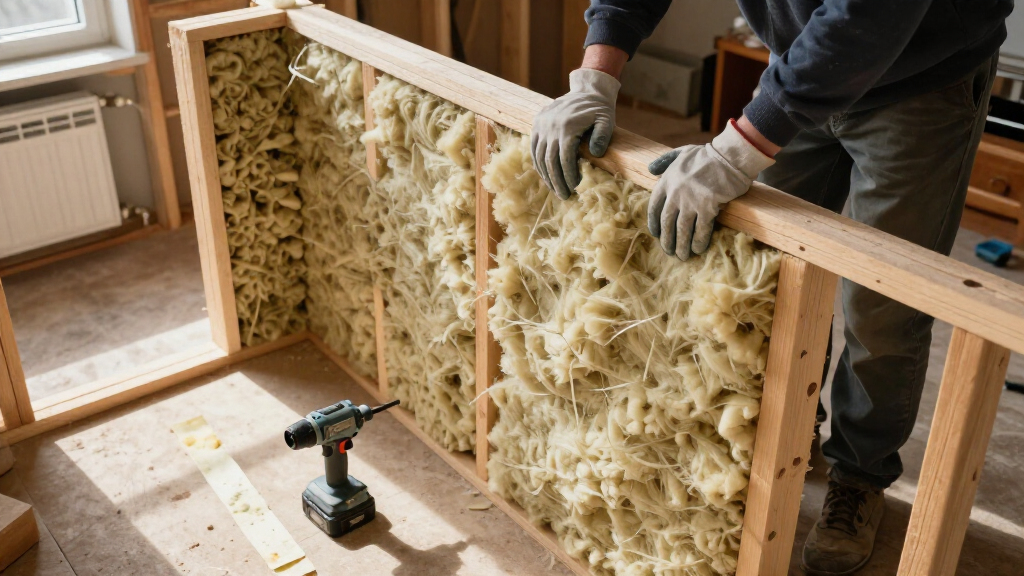

The best dense pack wall insulation depends on whether you need cavity-filling material, air sealing, or a straightforward batt installation. My best overall pick is the Amptern 12-Pack High-Density Closed-Cell Spray Foam Kit for its stated 240 board feet of coverage, while the Owens Corning R-19 batts suit standard 15-inch stud bays and the Y’allCanDIY kit bundles application tools and safety gear for DIY users. The main tradeoffs are coverage and installation control versus fire protection, cavity fit, and the added care spray foam requires. Fiberglass batts are easier to place in open walls, but they do not serve the same air-sealing role as expanding foam. Read on for the full comparison and guidance on matching the material to your wall.

Get home appliances delivered free with Prime
- Fast, free delivery on millions of items
- Prime Video, Amazon Music and more included
- Member-only deals all year
Complete the kit



Key Takeaways
- Amptern leads for larger foam jobs because its listed 240-board-foot capacity gives it a clear coverage advantage among the kits.
- Owens Corning R-19 is the batt pick for deeper cavities; its 6.5-inch thickness and stated R-value distinguish it from the R-13 roll.
- The Y’allCanDIY kit emphasizes setup convenience by bundling a gun, cleaner, and safety gear, while separate kits may require buyers to plan for accessories.
- BEEST’s lineup separates by fire-rating claims and package size; match the exact product label and intended use rather than assuming all spray foam is interchangeable.
- These products do not all serve the same meaning of dense pack: batts are cavity insulation, while the listed spray foams are expanding products with different application and safety demands.
| Amptern 12-Pack High-Density Closed-Cell Spray Foam Insulation Kit, 240 Board Feet |  | Best Complete DIY Kit | Foam type: High-density closed-cell | Stated coverage: 240 board feet | Pack size: 12 cans | VIEW LATEST PRICE | See Our Full Breakdown |
| Closed Cell Spray Foam Insulation Kit – DIY Expanding Polyurethane |  | Best for Larger Spray-Foam Jobs | Foam type: High-density expanding polyurethane | Application form: Spray | Number of cans: 18 | VIEW LATEST PRICE | See Our Full Breakdown |
| BEEST FullStop Fire-Rated Spray Foam Insulation, 6-Pack |  | Best for Fire-Test Documentation | Material: Polyurethane foam | Pack count: 6 cans | Can size: 26.8 ounces each | VIEW LATEST PRICE | See Our Full Breakdown |
| Owens Corning R-19 Unfaced Fiberglass Insulation Batt (15 in x 93 in, 6.5 in Thick) |  | Best for Standard 2×6 Wall Cavities | Material: Fiberglass | Thermal resistance: R-19 | Dimensions: 15 inches wide x 93 inches long | VIEW LATEST PRICE | See Our Full Breakdown |
| Wall Insulation 2 ft W x 4 ft L (Pack of 6) | 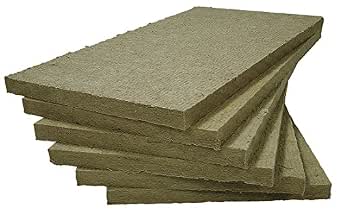 | Best for Dense Acoustic Wall Panels | Material: Mineral fiber | Panels per pack: 6 | Panel dimensions: 48 inches long x 24 inches wide | VIEW LATEST PRICE | See Our Full Breakdown |
| Y’allCanDIY 18-Can Spray Foam Insulation Kit with Gun, Cleaner, and Safety Gear |  | Best Accessory-Complete Foam Kit | Material: Polyurethane foam | Foam cans: 18 | Can volume: 33.8 fl oz (1,000 ml) per can, per description | VIEW LATEST PRICE | See Our Full Breakdown |
| BEEST FullStop Spray Foam Insulation Kit, 12 Cans, Up to 240 Board Feet |  | Best for Stated Coverage | Can count: 12 | Listed coverage: Up to 240 board feet | R-value: 8.24 at 2-inch thickness | VIEW LATEST PRICE | See Our Full Breakdown |
| Owens Corning R-13 Pink Kraft-Faced Fiberglass Insulation Roll, 15 in. x 32 ft., 3-Pack |  | Best for Standard 2×4 Cavities | Material: Fiberglass | R-value: R-13 | Facing: Kraft-faced | VIEW LATEST PRICE | See Our Full Breakdown |
| BEEST FullStop Fire-Rated Spray Foam Insulation – 12 Pack (12×26.8 oz) |  | Best Fire-Rated Gap-Sealing Pick | Material: Polyurethane | Package quantity: 12 cans | Can volume: 26.8 fl oz per can | VIEW LATEST PRICE | See Our Full Breakdown |
| dense pack wall insulation | Material |
|---|---|
| Amptern 12-Pack High-Density C | — |
| Closed Cell Spray Foam Insulat | — |
| BEEST FullStop Fire-Rated Spra | Polyurethane foam |
| Owens Corning R-19 Unfaced Fib | Fiberglass |
| Wall Insulation 2 ft W x 4 ft | Mineral fiber |
| Y’allCanDIY 18-Can Spray Foam | Polyurethane foam |
| BEEST FullStop Spray Foam Insu | — |
| Owens Corning R-13 Pink Kraft- | Fiberglass |
| BEEST FullStop Fire-Rated Spra | Polyurethane |
More Details on Our Top Picks
Amptern 12-Pack High-Density Closed-Cell Spray Foam Insulation Kit, 240 Board Feet
The Amptern kit is the strongest fit here for buyers who want a spray-foam system with application and safety accessories in one package. Its 12 cans cover up to 240 board feet, giving it more stated coverage than the BEEST FullStop Fire-Rated 6-Pack, while the included gun, cleaner, protective gear, and nozzles make it better equipped for a DIY sealing job than a foam-only purchase. The closed-cell formula adheres to materials from wood and concrete to metal and glass, so it can address irregular gaps around walls, windows, and other building details. That versatility does not make it a direct substitute for cavity batts: coverage depends on application, and even spraying takes preparation. The cans also work best near 68°F, so temperature-sensitive projects need planning.
Pros:- Includes a spray gun, cleaner, nozzles, gloves, goggles, and coverall suit.
- Up to 240 board feet of stated coverage across 12 cans.
- Adheres to a broad range of common building materials.
- Closed-cell foam helps limit air movement and heat transfer while also reducing sound.
Cons:- Even coverage requires preparation and controlled application.
- Best results depend on keeping cans near the recommended temperature.
Best for: DIY renovators sealing mixed-material gaps who want the spray gun, cleaner, and protective gear included with the foam.
Not ideal for: Buyers insulating large, uniformly framed wall cavities who want fitted batts or panels rather than careful spray application.
- Foam type:High-density closed-cell
- Stated coverage:240 board feet
- Pack size:12 cans
- Included components:Spray gun, adjustable nozzle, gun cleaner, disposable foam straws, gloves, safety goggles, coverall suit
- Compatible materials:Wood, concrete, brick, stone, metal, PVC, glass, MDF
- Recommended can temperature:Approximately 68°F
- Working temperature:41°F–86°F
- Recommended spray distance:10–12 inches
Our verdict“Choose Amptern for a well-equipped DIY spray-foam kit to seal varied gaps, but choose fitted insulation for straightforward full-cavity installation.”
Closed Cell Spray Foam Insulation Kit – DIY Expanding Polyurethane
For a project that calls for a larger supply of canned foam, the ixirpro kit stands apart with 18 cans of high-density polyurethane and a full set of application and safety accessories. That makes it a better match for broader sealing work than the six-can BEEST FullStop Fire-Rated kit, although the BEEST product provides stated board-foot coverage and ASTM E84 surface-burning results that are not listed for ixirpro. The foam adheres to common construction materials and reaches full cure in 24 hours, giving DIY users a defined wait before the cured material is at full strength. Each can holds 26.46 fluid ounces. The tradeoff is the care spray foam demands: keep the gun at the specified distance, manage overspray, and use protective gear because application involves chemical fumes.
Pros:- Includes 18 cans, a gun, nozzles, protective suit, and cleaner.
- Each can contains 26.46 fluid ounces of polyurethane foam.
- Full cure time is listed as 24 hours.
- Adheres to wood, concrete, brick, stone, metal, glass, MDF, and PVC.
Cons:- The listing does not provide a board-foot coverage figure.
- Careful distance control is needed to limit overspray.
- Application requires protective gear due to chemical fumes.
Best for: DIYers with several wall or building-envelope gaps to seal who want an 18-can kit and can manage careful foam application.
Not ideal for: Buyers who need a stated board-foot coverage figure or documented fire-test data before choosing an insulation product.
- Foam type:High-density expanding polyurethane
- Application form:Spray
- Number of cans:18
- Volume per can:26.46 fluid ounces
- Full cure time:24 hours
- Color:White
- Compatible materials:Wood, concrete, brick, stone, metal, glass, MDF, PVC
- Item weight:36 pounds
Our verdict“Pick ixirpro for a larger multi-area spray-foam supply, but favor BEEST FullStop if documented board-foot coverage and fire-test data matter more.”
BEEST FullStop Fire-Rated Spray Foam Insulation, 6-Pack
The BEEST FullStop 6-Pack earns its place for buyers who want fire-test information alongside insulation and gap sealing. Its listed ASTM E84 Flame Spread Index is 0, with a Smoke Developed Index of 120, giving it a documentation advantage over the Amptern kit, whose supplied details do not include these test results. The six cans provide up to 120 board feet of coverage and are listed for thermal and sound insulation across walls, attics, basements, roofs, sheds, and garages. At two inches, the stated R-value is 8.24, though the listing also gives a conflicting per-inch figure of 8.14; I would verify the intended rating before comparing it with other insulation. This is still spray foam, not a quick-fit batt, and application is recommended within a narrow temperature range.
Pros:- Lists ASTM E84 Flame Spread Index 0 and Smoke Developed Index 120.
- Provides up to 120 board feet of stated coverage in six cans.
- Designed to provide both thermal and sound insulation.
- Bonds to wood, metal, drywall, concrete, and brick.
Cons:- Recommended application temperature is limited to 68–77°F.
- Coverage depends on application and site conditions.
- The listing gives conflicting R-value information for two-inch thickness versus per-inch rating.
Best for: Renovators who want a canned foam option with listed ASTM E84 surface-burning results for targeted sealing and insulation work.
Not ideal for: Buyers needing a larger one-purchase coverage supply or a simple batt product for filling standard wall framing.
- Material:Polyurethane foam
- Pack count:6 cans
- Can size:26.8 ounces each
- Stated coverage:Up to 120 board feet
- Thickness:2 inches
- Listed R-value:8.24 at 2 inches; listing also states 8.14 per inch
- ASTM E84 results:Flame Spread Index 0; Smoke Developed Index 120
- Recommended application temperature:68–77°F
Our verdict“Choose BEEST FullStop when its listed ASTM E84 results suit your selection criteria, but verify the R-value and plan around its application-temperature range.”
Owens Corning R-19 Unfaced Fiberglass Insulation Batt (15 in x 93 in, 6.5 in Thick)
Unlike the spray-foam kits in this roundup, Owens Corning R-19 is a fitted batt for framing rather than a product for sealing scattered cracks. Its 6.5-inch thickness and R-19 rating suit 2×6 walls, floors, and attics, making it the clearer choice when the job is to fill consistent cavities. The eight-batt bag covers 77.5 square feet, while the Auralex mineral-fiber panels offer a denser, two-inch format aimed more at acoustic treatment than a full-depth framed wall. These batts cut to fit and recover quickly, which can help with installation, but they are unfaced: any vapor-control requirements need to be addressed separately for the specific assembly. They are also too thick for many 2×4 cavities unless modified or compressed, which can undermine the fit.
Pros:- R-19 thermal resistance is specified for 2×6 framing.
- Six-and-a-half-inch thickness fits deeper standard wall cavities.
- Eight batts cover 77.5 square feet per bag.
- Batts can be cut to fit framing and recover quickly.
Cons:- Unfaced construction provides no vapor barrier.
- The 6.5-inch batt may not fit 2×4 wall cavities without compression or modification.
- Less suited than spray foam for irregular gaps and penetrations.
Best for: Homeowners insulating open 2×6 wall framing who want a defined R-19 batt format rather than expanding foam.
Not ideal for: DIYers filling narrow 2×4 cavities or seeking an insulation product with a built-in vapor barrier.
- Material:Fiberglass
- Thermal resistance:R-19
- Dimensions:15 inches wide x 93 inches long
- Thickness:6.5 inches
- Coverage:77.5 square feet per bag
- Quantity:8 batts per bag
- Facing:Unfaced; no vapor barrier
- Recommended uses:2×6 framing, walls, floors, and attics
Our verdict“Choose this Owens Corning batt for open, regular 2×6 cavities, but use a different format for 2×4 walls or irregular air leaks.”
Wall Insulation 2 ft W x 4 ft L (Pack of 6)
The Auralex panels take a different route from the batt and spray-foam options: they provide two-inch mineral-fiber boards that can be mounted with adhesive or mechanical fasteners. Their dense format suits buyers who want acoustic absorption as part of a wall treatment, with thermal insulation as an additional function. Compared with Owens Corning R-19 batts, these panels cover only 48 square feet and are much thinner, so they are not a like-for-like replacement for filling deep 2×6 cavities. The six 48-by-24-inch panels weigh 52 pounds together, a substantial load to manage while positioning them. Auralex lists no warranty, and the supplied data does not specify an R-value, so buyers focused on quantified cavity thermal performance may prefer a rated batt instead.
Pros:- Dense mineral-fiber panels support acoustic absorption and thermal insulation.
- Six panels provide 48 square feet of coverage.
- Can be attached using adhesive or mechanical fasteners.
- Two-inch panel format can suit surface-mounted treatment projects.
Cons:- The 52-pound pack can be cumbersome to handle during installation.
- No manufacturer warranty is listed.
- No R-value is provided in the supplied product data.
Best for: Home studio owners and renovators adding dense mineral-fiber panels to a wall where acoustic absorption and some thermal insulation are both desired.
Not ideal for: Buyers filling standard wall cavities who need a published R-value, broad coverage, or a lightweight insulation format.
- Material:Mineral fiber
- Panels per pack:6
- Panel dimensions:48 inches long x 24 inches wide
- Thickness:2 inches
- Total coverage:48 square feet
- Pack weight:52 pounds
- Installation:Adhesive or mechanical fasteners
- Warranty:No warranty
Our verdict“Choose the Auralex panels for dense acoustic wall treatment with an insulation function, not as a substitute for rated, full-depth cavity batts.”
Y’allCanDIY 18-Can Spray Foam Insulation Kit with Gun, Cleaner, and Safety Gear
For buyers tackling small wall cavities, cracks, and irregular gaps, this kit stands out for putting application tools and protective gear in the same package as 18 cans of polyurethane foam. Its stated rating reaches up to R-8 at 2 inches, but that does not make it a direct substitute for dense-packed cavity insulation or a full wall system: coverage changes with application depth and conditions. Compared with the BEEST FullStop 12-can kit, Y’allCanDIY includes more cans and a wider temperature window of 60–90°F, though BEEST lists a board-foot coverage figure and a specific R-value. The included gun, cleaner, and safety gear reduce separate equipment needs, but precise application and clean, dry surfaces still matter. I’d choose it for targeted sealing, not broad, uniform cavity fills.
Pros:- Includes 18 foam cans plus a reusable-style application gun and cleaner
- Safety gear is included, reducing the need to source basic protection separately
- Adheres to a broad range of listed building materials
- Recommended application range of 60–90°F is wider than the BEEST FullStop kits’ 68–77°F range
Cons:- Coverage depends on application depth and environmental conditions
- Requires careful surface preparation and controlled application to avoid uneven fills
- Up to R-8 at 2 inches does not establish suitability for dense-packed whole-wall insulation
Best for: DIYers sealing a mix of wall gaps and penetrations who want the foam gun, cleaner, and basic protective gear included.
Not ideal for: Buyers insulating entire wall cavities to a specified density or coverage target, since this kit’s coverage varies and is not presented as a dense-pack system.
- Material:Polyurethane foam
- Foam cans:18
- Can volume:33.8 fl oz (1,000 ml) per can, per description
- Thermal resistance:Up to R-8 at 2-inch thickness
- Recommended application temperature:60–90°F (15–32°C)
- Included accessories:Teflon-coated foam gun, gun cleaner, gloves, safety glasses, respirator mask, coverall, straws, spreaders, and nozzles
- Compatible materials:Wood, concrete, metal, glass, brick, drywall, masonry, and stone
- Container type:Aerosol can
Our verdict“Choose this kit for targeted gap sealing with tools and safety gear included, but not as a specified dense-pack solution for whole walls.”
BEEST FullStop Spray Foam Insulation Kit, 12 Cans, Up to 240 Board Feet
The clearest differentiator here is the stated yield: up to 240 board feet from 12 cans. That gives project planners a more usable benchmark than the Y’allCanDIY kit, whose coverage is described as variable, although actual yield still depends on the job and application. BEEST also lists an R-value of 8.24 at 2 inches and Class A surface-burning criteria based on ASTM E84 testing. Those details make it easier to compare the kit’s stated performance, but they do not establish that it is designed for dense packing an entire wall cavity. The package includes a gun, cleaner, gloves, goggles, and coverall. The main constraint is its narrow 68–77°F application range, so I’d plan work around suitable conditions rather than choosing it for flexible, year-round use.
Pros:- Lists coverage of up to 240 board feet for project planning
- States R-8.24 at 2-inch thickness
- Includes foam gun, cleaner, gloves, goggles, and coverall
- Meets Class A surface-burning criteria based on ASTM E84 testing
Cons:- Recommended application temperature range is narrow at 68–77°F
- Requires careful application and protective gear
- The stated coverage and R-value do not by themselves confirm suitability for dense-packed wall cavities
Best for: DIYers planning a bounded sealing or insulation project who want a stated board-foot yield and a complete basic application kit.
Not ideal for: People working in spaces that are often outside 68–77°F, or those seeking a product specifically rated for dense-packed whole-wall installation.
- Can count:12
- Listed coverage:Up to 240 board feet
- R-value:8.24 at 2-inch thickness
- Application temperature:68–77°F
- Fire performance:Meets Class A surface-burning criteria based on ASTM E84 testing
- Included components:Foam gun, foam cleaner, glasses, coverall, and gloves
- Item weight:26.6 lb
- Compatible surfaces:Wood, metal, drywall, concrete, and brick
Our verdict“Pick BEEST FullStop when stated coverage and included tools matter more than temperature flexibility or whole-wall dense-pack specifications.”
Owens Corning R-13 Pink Kraft-Faced Fiberglass Insulation Roll, 15 in. x 32 ft., 3-Pack
Unlike the spray-foam kits in this roundup, this Owens Corning roll is a pre-sized fiberglass option for 2×4 walls, with an R-13 rating and kraft facing. That format is more predictable for open, accessible cavities with matching dimensions; it is not a gap-filling material and won’t conform to irregular voids the way the BEEST FullStop foam can. The 3.5-inch thickness aligns with the stated 2×4-wall use, while the facing supports installation. Its formaldehyde-free fiberglass and stated noise-control use may also suit buyers prioritizing conventional batt-style wall work. The tradeoff is fit: walls with different framing depths or obstacles can call for another approach. Coverage is only identified as one bag, so I would verify the package quantity against the project before planning a full room.
Pros:- R-13 rating and 3.5-inch thickness are specified for 2×4 wall installation
- Kraft facing supports installation in suitable open cavities
- Fiberglass is described as formaldehyde-free
- Roll format can cover continuous, accessible wall sections without spray-foam application
Cons:- Designed for 2×4 walls, limiting fit in other cavity depths
- Does not expand to seal cracks or irregular gaps like the spray-foam kits
- Coverage is listed only as one bag, leaving project yield unclear from the supplied data
Best for: Homeowners insulating open, regularly spaced 2×4 wall cavities who prefer faced fiberglass rolls over aerosol foam.
Not ideal for: Buyers filling closed or irregular cavities, sealing numerous penetrations, or insulating walls with framing dimensions that do not match the listed 2×4 use.
- Material:Fiberglass
- R-value:R-13
- Facing:Kraft-faced
- Dimensions:15 in. × 32 ft. per roll
- Thickness:3.5 in.
- Pack quantity:3 rolls
- Recommended use:Residential or commercial walls and roofs
- Coverage:Listed as 1 bag
Our verdict“Choose this roll for accessible, standard 2×4 cavities, and choose a gap-filling foam product instead for irregular voids or air-leak sealing.”
BEEST FullStop Fire-Rated Spray Foam Insulation – 12 Pack (12×26.8 oz)
This BEEST package pairs Class A fire-rated claims with an R-8.24 rating at 2 inches and stated coverage of up to 240 board feet. Against the other 12-can BEEST FullStop kit in this lineup, it offers similar listed thermal performance and coverage, while this version also specifies water resistance, 24-hour full cure, and 26.8-ounce cans. Those details help buyers weigh moisture exposure and scheduling, but the cure time can hold up follow-on work, and the foam’s high density may make trimming less forgiving. It expands to seal gaps on listed materials, which suits targeted air-leak work better than installing a uniform dense-packed wall fill. I’d favor it where its fire and moisture attributes matter, while checking local assembly requirements rather than treating the product rating as a substitute for a rated wall system.
Pros:- Class A fire-rated claim, with a listed Flame Spread Index of 0
- R-8.24 at 2-inch thickness and up to 240 board feet per 12-pack
- Water-resistant, low-absorption description may suit areas where moisture is a concern
- Adheres to listed materials including wood, metal, concrete, glass, brick, and drywall
Cons:- Application temperature is limited to 68–77°F
- Full cure takes 24 hours, which can delay follow-on work
- High-density foam may be difficult to trim or adjust after curing
Best for: DIYers sealing wall, attic, or basement gaps who prioritize stated fire performance and water resistance in a spray-foam product.
Not ideal for: Buyers needing fast turnaround, easy post-cure trimming, or a product explicitly specified for dense-packed whole-wall cavities.
- Material:Polyurethane
- Package quantity:12 cans
- Can volume:26.8 fl oz per can
- Listed coverage:Up to 240 board feet
- R-value:8.24 at 2-inch thickness
- Application temperature:68–77°F
- Full cure time:24 hours
- Water resistance:Water resistant; low absorption
- Compatible materials:Wood, metal, concrete, glass, brick, and drywall
Our verdict“Choose this BEEST kit for targeted sealing when its stated fire and moisture properties matter, but not when easy trimming or a quick cure is the priority.”

How We Picked
I compared the nine options by the factors that shape a wall-insulation purchase: stated coverage or dimensions, insulation type, fit for common wall cavities, application demands, and any listed fire-rating or accessory details. I gave weight to information a buyer can verify from the product descriptions, while avoiding assumptions about performance values that were not provided.
The ranking favors options with a clearer match to substantial wall work and a well-defined use case. The Amptern kit ranks first for its stated coverage; the Owens Corning batts rank strongly for predictable placement in open stud bays; and Y’allCanDIY earns a distinct place for its included tools and safety gear. Other spray kits follow based on their stated pack size, purpose, and how clearly they distinguish themselves. The fiberglass roll and smaller batt pack remain useful for conventional cavities or limited projects, but are less versatile for buyers seeking foam application or larger-area coverage.
| dense pack wall insulation | Material |
|---|---|
| Amptern 12-Pack High-Density C | — |
| Closed Cell Spray Foam Insulat | — |
| BEEST FullStop Fire-Rated Spra | Polyurethane foam |
| Owens Corning R-19 Unfaced Fib | Fiberglass |
| Wall Insulation 2 ft W x 4 ft | Mineral fiber |
| Y’allCanDIY 18-Can Spray Foam | Polyurethane foam |
| BEEST FullStop Spray Foam Insu | — |
| Owens Corning R-13 Pink Kraft- | Fiberglass |
| BEEST FullStop Fire-Rated Spra | Polyurethane |
Factors to Consider When Choosing Best Dense Pack Wall Insulation
Before choosing a product, I would start with the wall assembly and installation conditions, not the package size alone. Dense-pack work is not simply a matter of buying the densest-sounding material: cavity depth, access, moisture, fire protection, and local requirements all affect the right choice.
Match the insulation type to the wall and installation method
Fiberglass batts are designed to fit open cavities and work best when cut and placed without gaps, folds, or compression. Expanding spray foam serves a different purpose: it grows to fill space and can seal irregular gaps, but it calls for careful application and suitable protective measures. Do not treat a spray-foam kit as a direct substitute for a professionally specified dense-pack material; check that the product and method suit the wall assembly. For closed walls, identify how the material will enter the cavity and how installation quality will be verified. Choosing the material before confirming access can leave you with a product that is difficult to install properly.
Measure cavities and calculate coverage before ordering
Measure wall height, bay width, cavity depth, and the number of bays, then use the manufacturer’s coverage method to estimate how much material is needed. Board-foot claims and batt dimensions describe different kinds of coverage, so they cannot be compared as if they were equivalent. Allow for offcuts and irregular framing, but do not rely on a generous estimate to compensate for poor measurement. A common mistake is to buy by pack count without checking whether the listed coverage assumes a particular application thickness. For walls with mixed stud spacing or obstructions, plan each section separately and confirm that the selected format can reach it.
Check cavity depth, framing spacing, and the intended R-value
A batt’s width and thickness need to suit the framing, while its R-value should fit the wall design and local energy requirements. For example, the listed R-19 batt is thicker than the R-13 roll, so the deeper option is not automatically the right fit for a shallower cavity. Compressing a batt to force it into place can undermine its intended performance; leaving gaps can also reduce the benefit. Spray foam has different application and performance characteristics, so compare its technical documentation with the complete wall assembly rather than guessing from the product name. If the wall depth or required insulation level is unclear, confirm it before buying.
Treat fire protection and building rules as separate checks
A product labeled fire-rated should not be read as a blanket approval for every exposed wall installation. The required protective covering, approved locations, and local code rules can depend on the exact foam and assembly. Read the product’s technical sheet and label, and ask the local building department or a qualified installer when the wall is part of a regulated project. Also confirm whether the claimed rating applies to the material alone or to a tested assembly. This step can change the total project plan, since an additional thermal barrier or other finish may be required.
Account for spray-foam handling, cleanup, and installation limits
Spray foam is less forgiving than placing a batt: overspray, uneven application, or excessive expansion can create cleanup problems or interfere with nearby components. Check ventilation, protective equipment, temperature limits, curing instructions, and disposal guidance before opening a kit. Included accessories can reduce setup gaps, but they do not replace reading the instructions or protecting adjacent surfaces. Foam can also be difficult to remove once cured, so practice and controlled application matter. If the work area is enclosed, occupied, or hard to ventilate, consider whether a professional installation is the safer route.
Compare total project needs, not just material format
The material itself is only one part of a wall retrofit: access, air sealing, vapor control, finish removal, and repairs may shape the final scope. Fiberglass may call for separate air-sealing work, while spray foam may require dedicated tools, cleanup supplies, and added protection. Check whether the kit includes a gun, cleaner, or safety gear, and identify any items you must supply separately. For a small repair, a compact package may limit leftover material; for multiple walls, a higher-coverage kit may reduce interruptions. Choose the setup that fits the whole job rather than selecting by one headline specification.
Frequently Asked Questions
Is spray foam the same thing as dense-pack wall insulation?
No. Dense-pack usually refers to insulation installed at a specified density into a wall cavity, while the spray-foam kits listed here expand and cure in place. The methods, equipment, and quality checks differ, so do not assume a spray-foam product meets a dense-pack specification just because it fills a cavity. Check the manufacturer’s instructions and the project requirements for the exact application. If you are insulating a closed wall, confirm how the installer will control coverage and verify the result.
Can I install these products in a closed existing wall without removing drywall?
That depends on the product and installation method. Batts generally need access to open cavities, while cavity-fill work through small openings requires a material and process specifically suited to that job. The spray-foam kits in this roundup should not be assumed to work as a simple injection system for finished walls. Hidden wiring, plumbing, moisture, and fire-blocking can also complicate a retrofit. Confirm the wall construction and approved application method before drilling or filling cavities.
How do I decide between the R-13 roll and the R-19 batts?
Start with the cavity depth and framing layout, then check the R-value required for your wall and climate. The R-13 roll and R-19 batts differ in stated insulation level, thickness, and format, so one may fit a particular bay better than the other. Do not compress thicker insulation into a shallower cavity or leave voids around a narrower batt. Verify the product dimensions against the actual stud spacing, which can vary in older walls. If the assembly has unusual layers or moisture concerns, seek project-specific guidance before selecting by R-value alone.
Does a fire-rated spray foam kit mean I can leave the foam exposed?
Not necessarily. A fire-rating claim may apply only under stated test conditions, and building rules can require a covering or thermal barrier over foam. The exact requirements depend on the product, where it is installed, and the wall assembly. Read the label and technical documentation for the specific BEEST product rather than applying one kit’s claim to another. For permitted or occupied spaces, verify local requirements before planning an exposed installation.
When should I hire an insulation professional instead of using a DIY kit?
Professional help makes sense when the wall is closed, the cavity depth is uncertain, the project has fire-code or moisture concerns, or consistent coverage would be hard to verify. It is also a sensible choice when ventilation and protective equipment are difficult to manage or when foam could affect wiring and plumbing. DIY kits suit accessible, well-understood jobs where the user can follow application and curing instructions closely. Ask for the proposed material, installation method, and coverage plan before work begins. That comparison helps distinguish a suitable DIY project from one that needs specialized equipment or inspection.
Conclusion
For most buyers comparing the listed options, I would choose the Amptern 12-Pack as best overall for its stated 240-board-foot capacity. The Owens Corning R-13 roll is the value-minded pick for conventional, accessible cavities where its dimensions and R-value fit; the Owens Corning R-19 batts are the better choice for buyers who need the deeper batt format. For beginners who want a more complete spray-foam setup, Y’allCanDIY stands out for its included gun, cleaner, and safety gear. For a fire-rating-focused need, compare the exact BEEST FullStop label and installation requirements before choosing between the six- and twelve-can packs. If the job involves closed walls or code-sensitive work, prioritize a verified installation plan over a DIY kit.