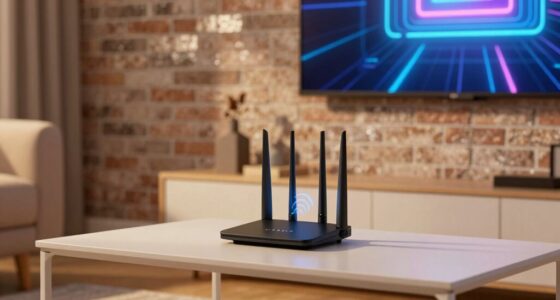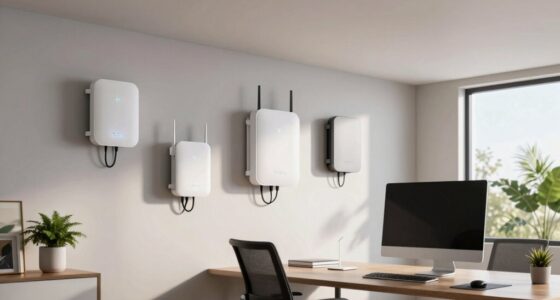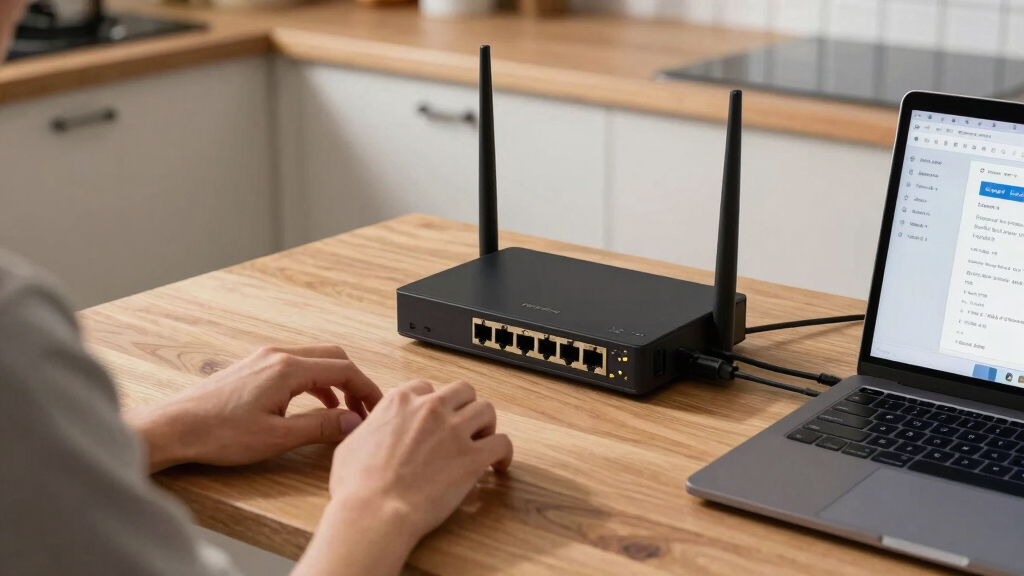

Finding the best MikroTik home router in 2026 involves balancing performance, features, and value. The Mikrotik hEX RB750Gr3 stands out as the best overall choice, thanks to its reliable gigabit ports and straightforward setup. For those seeking faster wireless speeds, the MikroTik hAP ax S delivers Wi-Fi 6 technology, though it comes at a higher price. Meanwhile, the MikroTik RB4011iGS+RM offers robust networking capacity for advanced users. These options highlight the main tradeoffs: affordability versus advanced features, wired versus wireless performance. Continue reading for a detailed breakdown of each router and what suits your specific needs.

Get home appliances delivered free with Prime
- Fast, free delivery on millions of items
- Prime Video, Amazon Music and more included
- Member-only deals all year
Complete the kit


Key Takeaways
- The top picks balance performance and value, with the hEX RB750Gr3 leading as the best overall due to its reliability and simplicity.
- Wireless capabilities vary significantly; Wi-Fi 6 routers like the hAP ax S provide faster speeds but at a higher cost.
- Port options differ, with some models offering 2.5G Ethernet and multiple ports suitable for expanding networks.
- Build quality and ease of setup are consistent strengths for MikroTik, but advanced features require familiarity with network configuration.
- Price ranges reflect feature sets; budget-friendly options are available, but investing in higher-end models benefits those with complex needs.
| Mikrotik hEX RB750Gr3 5-Port Ethernet Gigabit Router |  | Best Overall for Wired Simplicity | Number of Ports: 5 Gigabit Ethernet ports | CPU: Dual-core 880MHz | RAM: 256MB | VIEW LATEST PRICE | See Our Full Breakdown |
| Mikrotik hEX S (2025) E60iUGS Wired Router with 2.5G SFP, 5 Gigabit Ethernet Ports, PoE Out, USB, Dual-Core CPU |  | Best for High-Speed Wired Connectivity | Product code: E60iUGS | Architecture: ARM | CPU: EN7562CT, 950 MHz, 2 cores | VIEW LATEST PRICE | See Our Full Breakdown |
| Mikrotik hAP ac³ RBD53iG-5HacD2HnD-US Wireless Dual-Band Router Home Access Point |  | Best for Extensive Wi-Fi Coverage in Homes | Number of Ethernet Ports: 5 | PoE-out ports: 1 | RAM: 256 MB | VIEW LATEST PRICE | See Our Full Breakdown |
| Mikrotik hAP ax S Wi-Fi 6 Router |  | Best for Future-Proof Wireless Performance | Wi-Fi Standard: Wi-Fi 6 (802.11ax) | Frequency Band: Tri-Band | Data Transfer Rate: 4132.4 Mbps | VIEW LATEST PRICE | See Our Full Breakdown |
| Mikrotik hEX 5 Port Gigabit Router (E50UG) |  | Best for Cost-Effective Wired Networking | Number of Ports: 5 | Compatible Devices: PC, Printer, Ethernet-enabled devices | Voltage: 24V | VIEW LATEST PRICE | See Our Full Breakdown |
| MikroTik RouterBOARD 5009UG+S+ with Marvell Armada ARMv8 CPU |  | Best for High-Performance Home Networks | CPU: Marvell Armada ARMv8, 4 cores, 1.4GHz | RAM: 1GB DDR4 | Ethernet Ports: Multiple Gigabit ports | VIEW LATEST PRICE | See Our Full Breakdown |
| MikroTik RB4011iGS+RM Ethernet 10-Port Gigabit Router |  | Best for High-Capacity, Secure Home Networks | Number of Ports: 10 Gigabit ports | SFP+ Interface: Yes, 10Gbps | CPU: Quad-core Cortex A15 | VIEW LATEST PRICE | See Our Full Breakdown |
| MikroTik home router | RAM | Number of Ports | CPU |
|---|---|---|---|
| Mikrotik hEX RB750Gr3 5-Port E | 256MB | 5 Gigabit Ethernet ports | Dual-core 880MHz |
| Mikrotik hEX S | 512 MB | — | EN7562CT, 950 MHz, 2 cores |
| Mikrotik hAP ac³ RBD53iG-5HacD | 256 MB | — | — |
| Mikrotik hAP ax S Wi-Fi 6 Rout | — | 5 | — |
| Mikrotik hEX 5 Port Gigabit Ro | — | 5 | — |
| MikroTik RouterBOARD 5009UG+S+ | 1GB DDR4 | — | Marvell Armada ARMv8, 4 cores, 1.4GHz |
| MikroTik RB4011iGS+RM Ethernet | 1GB | 10 Gigabit ports | Quad-core Cortex A15 |
More Details on Our Top Picks
Mikrotik hEX RB750Gr3 5-Port Ethernet Gigabit Router
The Mikrotik hEX RB750Gr3 stands out as the best choice for users who prioritize straightforward, wired network setups without needing Wi-Fi. Its dual-core 880MHz CPU and 256MB RAM deliver solid performance for small to medium networks, especially with hardware IPsec encryption supporting speeds up to 470 Mbps—ideal for secure remote access. Compared to the Mikrotik hEX S, it lacks a high-speed SFP port, limiting future expansion, but its simplicity and affordability make it perfect for dedicated wired environments. The absence of wireless connectivity means it’s not suitable for wireless households but excels where wired reliability is key. The microSD slot adds expandability, and the passive PoE input offers flexible power options. However, setup requires some technical knowledge, and limited storage or wireless features may restrict some users.
Pros:- Compact and affordable design
- Powerful dual-core CPU with hardware IPsec encryption
- Includes microSD slot for storage expansion
- Passive PoE input for flexible power options
Cons:- No wireless connectivity limits versatility
- Limited storage capacity and advanced features
Best for: Tech-savvy users seeking a dedicated, wired router for small office or home office environments.
Not ideal for: Home users needing Wi-Fi or easy plug-and-play setup, since it offers no wireless features and requires configuration knowledge.
- Number of Ports:5 Gigabit Ethernet ports
- CPU:Dual-core 880MHz
- RAM:256MB
- Storage:16MB microSD slot
- PoE:Passive PoE (PoE in)
- Dimensions:113x89x28mm
- Features:IPsec hardware encryption, The Dude server, PCB temperature and voltage monitors
Our verdict“This router suits users who want a reliable, wired-only device with straightforward security features and minimal fuss.”
Mikrotik hEX S (2025) E60iUGS Wired Router with 2.5G SFP, 5 Gigabit Ethernet Ports, PoE Out, USB, Dual-Core CPU
The Mikrotik hEX S (2025) is designed for users needing versatile, high-speed wired connections, with support for 2.5G SFP alongside standard Gigabit Ethernet ports. Its dual-core ARM CPU and 512MB RAM provide robust performance, especially compared to the Mikrotik hEX RB750Gr3, which lacks SFP and higher Ethernet speeds. The inclusion of PoE out allows powering other devices, making it suitable for deploying access points or cameras without extra power supplies. Its rugged build and extensive port options make it ideal for small offices or advanced home networks. However, it does not offer wireless features, and setup can be complex for less experienced users. Also, security protocols are not built-in, requiring manual configuration.
Pros:- Supports 2.5G SFP and Gigabit Ethernet for versatile, high-speed connections
- Includes PoE out for powering other devices
- Solid industrial build suitable for various environments
- Powered by RouterOS v7 for advanced management
Cons:- Lacks wireless connectivity, limiting use for wireless households
- Setup can be technically demanding
Best for: Small business or power users needing fast, reliable wired connections with PoE capabilities.
Not ideal for: Home users seeking a plug-and-play Wi-Fi router, as this device is strictly wired and more complex to configure.
- Product code:E60iUGS
- Architecture:ARM
- CPU:EN7562CT, 950 MHz, 2 cores
- RAM:512 MB
- Ethernet ports:5 Gigabit
- SFP ports:1 (2.5G supported)
- PoE out:Ether5, passive up to 57V, 0.5A
Our verdict“This router is best for users who need a durable, high-speed wired network with expandability for small-scale enterprise environments.”
Mikrotik hAP ac³ RBD53iG-5HacD2HnD-US Wireless Dual-Band Router Home Access Point
The Mikrotik hAP ac³ is tailored for households needing strong Wi-Fi coverage, thanks to external high-gain antennas and dual-band support. Its quad-core CPU and 256MB RAM handle demanding network loads, making it more powerful than the basic Mikrotik hEX RB750Gr3, which is wired-only. While setup can be complex for newcomers, its multiple mounting options and external antennas enable flexible placement for optimal coverage. It supports WPA3 security, aligning with modern standards, but lacks integrated modem functionality, so it must be paired with a separate internet source. This device excels for users seeking extensive Wi-Fi coverage but isn’t ideal for those desiring simple plug-and-play solutions or integrated modems.
Pros:- Excellent coverage with external high-gain antennas
- Supports PoE for flexible power options
- Multiple mounting options for optimal placement
- Quad-core CPU with ample RAM for demanding networks
Cons:- Complex setup may challenge beginners
- No built-in modem functionality
Best for: Homeowners needing reliable, extensive Wi-Fi coverage with advanced security features.
Not ideal for: Users who want a simple, wireless router with basic security and minimal setup fuss.
- Number of Ethernet Ports:5
- PoE-out ports:1
- RAM:256 MB
- Wireless Standards:802.11ac, Wi-Fi 4, Wi-Fi 5
- Antenna Type:External high gain
- Maximum Data Transfer Rate:1000 Gbps
Our verdict“This access point makes the most sense for households seeking extensive Wi-Fi coverage with robust processing power.”
Mikrotik hAP ax S Wi-Fi 6 Router
The Mikrotik hAP ax S leads as the top choice for those wanting the latest Wi-Fi technology, supporting Wi-Fi 6 (802.11ax) with tri-band coverage. Its 4132 Mbps data transfer rate and dual antennas deliver fast, stable wireless connections suitable for streaming, gaming, and multiple device households. Compared to the Mikrotik hAP ac³, it offers faster speeds and better efficiency, though it doesn’t include a modem, limiting its standalone use. The app-based control simplifies management, but security features beyond WPA2 are not detailed, and some users may prefer hardware-based security options. This pick is perfect for tech enthusiasts or households planning for the future with high-bandwidth needs.
Pros:- Supports Wi-Fi 6 for faster, more efficient wireless
- Tri-band design ensures stable coverage
- Multiple ports for versatile device connections
- Future-proof with latest wireless standard
Cons:- No modem compatibility limits standalone use
- Advanced security features are not explicitly detailed
Best for: Home users and small offices seeking cutting-edge Wi-Fi 6 speeds and tri-band coverage.
Not ideal for: Users requiring built-in modem functionality or minimal setup effort.
- Wi-Fi Standard:Wi-Fi 6 (802.11ax)
- Frequency Band:Tri-Band
- Data Transfer Rate:4132.4 Mbps
- Number of Ports:5
- Antenna Type:Internal
- Coverage:Home/Small Office
Our verdict“This router is ideal for households looking to maximize Wi-Fi speeds and coverage with the latest technology.”
Mikrotik hEX 5 Port Gigabit Router (E50UG)
The Mikrotik hEX E50UG offers a compelling balance of performance and price for users needing reliable wired connections, with five Gigabit Ethernet ports and a modern ARM CPU. Its 512MB RAM supports advanced routing features, making it suitable for small networks or small businesses. Compared with the Mikrotik hEX RB750Gr3, it provides higher RAM and more modern hardware, but it remains wired-only, limiting its flexibility for wireless needs. Its compact size and lightweight design make it easy to install in tight spaces, but the lack of Wi-Fi and limited accessories may restrict some users. This router makes sense for those prioritizing wired speed and stability over wireless features.
Pros:- High performance ARM CPU with 512MB RAM
- Five Gigabit Ethernet ports for wired connectivity
- Compact, lightweight design
- Suitable for advanced routing applications
Cons:- No wireless connectivity, limiting flexibility
- Limited features for casual users or those seeking easy setup
Best for: Small business or tech-savvy home users seeking dependable wired network performance at a budget.
Not ideal for: Home users needing integrated Wi-Fi or simple setup, since it’s purely wired and basic in features.
- Number of Ports:5
- Compatible Devices:PC, Printer, Ethernet-enabled devices
- Voltage:24V
- Data Transfer Rate:1 Gbps
- Switch Type:Managed, Layer 2
- Color:Turquoise
- Item Weight:281 grams
Our verdict“This router is perfect for users who prioritize wired network stability and performance at an affordable price.”
MikroTik RouterBOARD 5009UG+S+ with Marvell Armada ARMv8 CPU
The MikroTik RouterBOARD 5009UG+S+ stands out for its robust processing power, featuring a quad-core Marvell Armada ARMv8 CPU at 1.4GHz, which makes it well-suited for demanding home network environments where multiple devices and heavy traffic are common. Compared to the RB4011iGS+RM, it offers a more traditional router setup with multiple Ethernet ports but lacks the advanced gigabit ports or SFP+ interfaces, focusing instead on raw processing. Its 1GB DDR4 RAM provides decent memory for typical home use, but might fall short in very large or complex setups. This model is ideal for users who prioritize reliable, high-performance routing over advanced features like multiple SFP+ ports. However, it’s not the best choice for those seeking extensive network expansion or future-proofing with high-speed fiber connections.
- BestFor: Home users with demanding network needs, including multiple smart devices and local servers
- NotIdealFor: Beginners or those requiring ultra-high-speed fiber connectivity or extensive port options
- Pros: Powerful quad-core CPU for demanding tasks; Reliable performance with 1GB DDR4 RAM; Multiple Ethernet ports for flexible device connections
- Cons: Limited RAM for very large network configurations; No dedicated SFP+ ports for fiber connections
Verdict: This router makes the most sense for tech-savvy users seeking reliable, high-performance networking at home without the need for fiber or extensive port expansion.
- CPU:Marvell Armada ARMv8, 4 cores, 1.4GHz
- RAM:1GB DDR4
- Ethernet Ports:Multiple Gigabit ports
- Model:RB5009UG+S+
- Form Factor:Standard rack-mountable
- Power Supply:External
- Management:Web, CLI
Our verdict“Best for High-Performance Home Networks — a strong pick in this lineup.”
MikroTik RB4011iGS+RM Ethernet 10-Port Gigabit Router
The MikroTik RB4011iGS+RM is designed for users who need a balance of speed, security, and expandability, with ten Gigabit ports and a 10Gbps SFP+ interface that surpass the RouterBOARD 5009UG+S+ in fiber connectivity options. Its quad-core Cortex A15 CPU and hardware acceleration for IPsec enable high throughput for encrypted traffic, making it ideal for privacy-conscious households or small offices. Compared with the RouterBOARD 5009UG+S+, it offers more advanced security features and faster wired connections, but its 1GB RAM might limit multitasking when managing many simultaneous connections. The durable metal enclosure adds to its suitability for rack-mounted setups, though it requires a compatible power supply and can be complex for newcomers.
- BestFor: Tech-savvy users needing multiple high-speed ports and security acceleration
- NotIdealFor: Beginners or casual users who want a simple, plug-and-play router
- Pros: Ten Gigabit ports plus 10Gbps SFP+ for fiber; Hardware acceleration for IPsec enhances security throughput; Durable metal enclosure suitable for professional setups
- Cons: Requires compatible PoE power supply; Configuration complexity for less experienced users; Limited RAM may constrain advanced multitasking
Verdict: This router suits users seeking high-speed, secure, and expandable networking in a professional or advanced home environment.
- Number of Ports:10 Gigabit ports
- SFP+ Interface:Yes, 10Gbps
- CPU:Quad-core Cortex A15
- RAM:1GB
- PoE Output:Yes, on port 10
- Enclosure:Solid metal
- Dimensions:228 x 120 x 30 mm
Our verdict“Best for High-Capacity, Secure Home Networks — a strong pick in this lineup.”
How We Picked
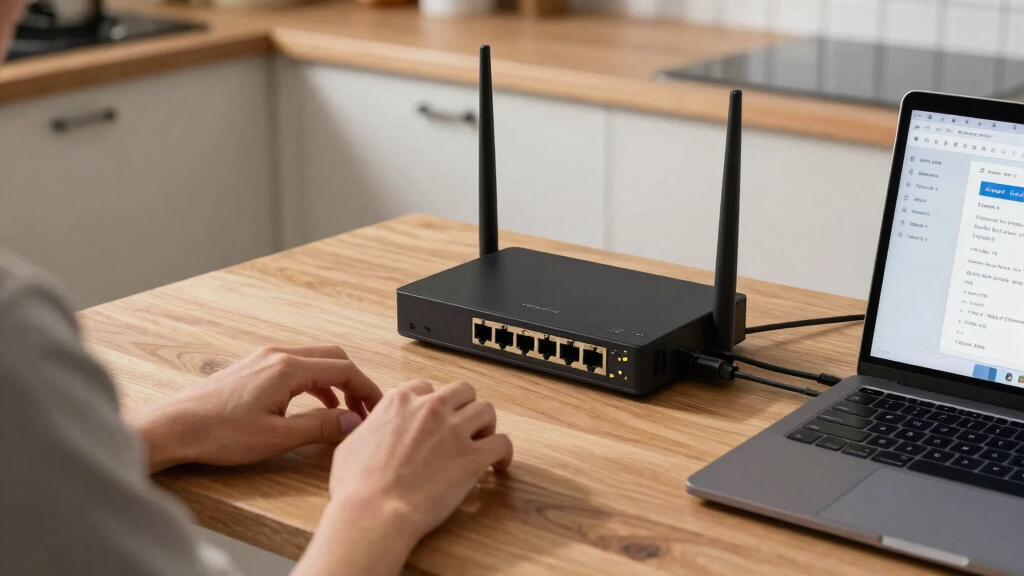
The selection process focused on performance, ease of use, build quality, and value for home users. I prioritized routers that balance straightforward setup with reliable operation, especially for those new to MikroTik. Features like port speed, wireless standards, and hardware robustness were key determinants. I also considered user reviews and the potential for future-proofing—such as Wi-Fi 6 support or higher port counts—ensuring that each product offers a clear advantage over alternatives. The ranking reflects a combination of these factors, emphasizing models that cater to both casual users and more demanding home networks.| MikroTik home router | CPU |
|---|---|
| Mikrotik hEX RB750Gr3 5-Port E | Dual-core 880MHz |
| Mikrotik hEX S | EN7562CT, 950 MHz, 2 cores |
| Mikrotik hAP ac³ RBD53iG-5HacD | — |
| Mikrotik hAP ax S Wi-Fi 6 Rout | — |
| Mikrotik hEX 5 Port Gigabit Ro | — |
| MikroTik RouterBOARD 5009UG+S+ | Marvell Armada ARMv8, 4 cores, 1.4GHz |
| MikroTik RB4011iGS+RM Ethernet | Quad-core Cortex A15 |
Factors to Consider When Choosing Best MikroTik Home Routers
Choosing the right MikroTik router depends on understanding your home network needs. While features are important, other considerations such as ease of use, future-proofing, and specific port requirements can significantly influence your decision. Being aware of common pitfalls, like overpaying for unnecessary features or underestimating your bandwidth needs, can help you make a smarter purchase.Performance and Speed
Assess your internet plan and the number of devices connected. If your service offers gigabit speeds, selecting a router with Gigabit Ethernet ports and wireless support (like Wi-Fi 6) ensures you won’t bottleneck your connection. For smaller households, lower speeds suffice, but for larger homes or streaming-heavy use, investing in higher performance models provides smoother experiences.
Port and Connectivity Options
The number and type of ports—such as Gigabit Ethernet, 2.5G ports, or USB—are critical if you plan to connect multiple wired devices or expand your network. Avoid models with fewer ports if you anticipate needing more connections in the future, but also consider whether those extra ports are worth the added cost if your setup is simple.
Wireless Standards and Coverage
Wi-Fi 6 (802.11ax) offers faster speeds and better performance in congested environments, making it ideal for modern households. However, it comes at a premium, so evaluate whether your devices can take advantage of the new standard. For smaller or less demanding setups, Wi-Fi 5 (802.11ac) might be sufficient, saving money while still providing reliable coverage.
Ease of Setup and Management
MikroTik routers are known for their flexibility, but that can mean a steeper learning curve. If you prefer a simple experience, look for models with user-friendly interfaces or mobile app support. Advanced users might prioritize extensive configuration options, but beginners should beware of complexity that could lead to setup frustration.
Price and Future-Proofing
Higher-priced routers generally include more features and longer relevance, but they aren’t always necessary for casual use. Consider your future needs—if you plan to upgrade your internet speed or add smart home devices, investing in a more capable model like the RB4011iGS+RM may save money long-term. Conversely, budget models can suffice for basic browsing and streaming.
Frequently Asked Questions
Is a MikroTik router suitable for a smart home setup?
Many MikroTik routers are capable of supporting smart home devices, especially those with advanced features and good wireless coverage like the hAP ax S. However, MikroTik’s configuration interface can be complex for beginners, so if simplicity is a priority, pairing it with a dedicated smart home hub or choosing a more user-friendly router might be better. For tech-savvy users, MikroTik offers extensive customization to optimize your smart home network.
Can I use a MikroTik router for gaming or streaming?
Yes, MikroTik routers with gigabit ports and Wi-Fi 6 support can handle high-bandwidth activities like gaming and streaming. The primary factors are ensuring your internet plan provides sufficient speed and choosing a model with low latency and quality of service (QoS) features. The higher-end models, such as the RB4011iGS+RM, are better suited for minimizing lag in demanding applications, but even more modest models can perform well with proper network setup.
Are MikroTik routers easy to set up for non-technical users?
While MikroTik routers excel in flexibility and advanced features, they are generally more complex to configure than consumer-focused brands. Beginners may find the RouterOS interface intimidating, but MikroTik offers some models with simplified management tools. For those who want easy setup, pairing MikroTik with comprehensive guides or opting for models with mobile app support can reduce setup frustration.
How future-proof are MikroTik home routers?
MikroTik routers with Wi-Fi 6 and multiple gigabit ports are designed to stay relevant for several years, especially as internet speeds increase and smart devices proliferate. However, the complexity of MikroTik’s configuration may require a learning curve if you want to leverage advanced features. Investing in higher-end models like the RB4011iGS+RM provides more headroom for future upgrades and expanding network demands.
Is it worth paying extra for a MikroTik router with 2.5G ports?
Upgrading to a router with 2.5G Ethernet ports makes sense if your internet plan or local network devices support faster speeds. It can future-proof your setup and reduce bottlenecks, especially in busy households or small offices. However, if your current internet speed is well below gigabit levels, the extra cost might not provide immediate benefits but could be advantageous as your bandwidth needs grow.
Conclusion
For most home users seeking reliable performance with straightforward setup, the Mikrotik hEX RB750Gr3 offers excellent value as the best overall choice. Those prioritizing wireless speed should consider the MikroTik hAP ax S, especially if Wi-Fi 6 is a must-have. For advanced networking needs or future expansion, the MikroTik RB4011iGS+RM provides a high-capacity solution. Beginners or less technical users might prefer models with simpler management, while power users will appreciate MikroTik’s extensive customization options. Your ideal pick depends on your specific network demands and technical comfort level.
As an affiliate, we earn on qualifying purchases.Cold & flu season Picks
humidifiers