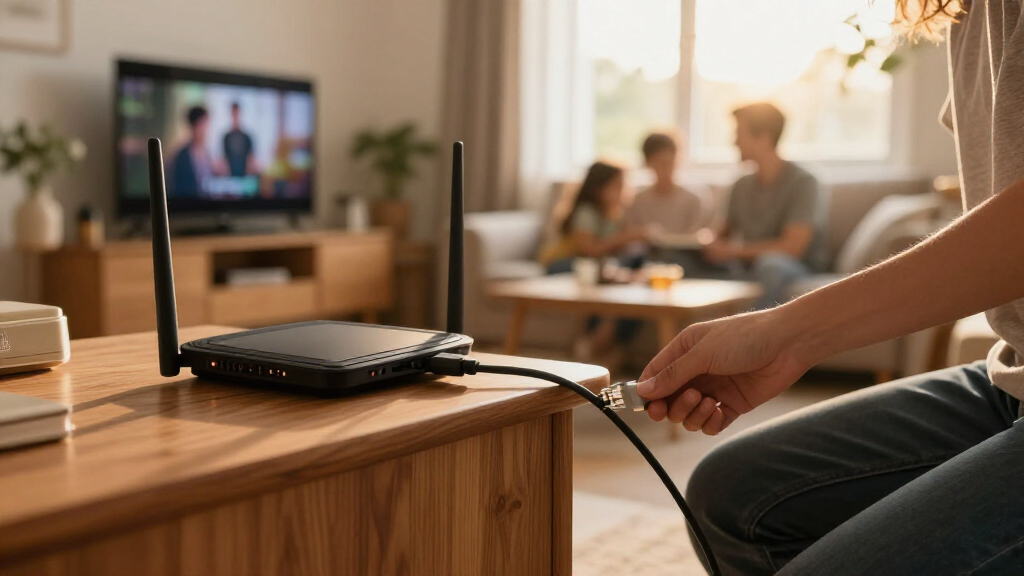
Among these best Wi-Fi routers, I’d make the TP-Link Archer BE600 my best overall pick for its tri-band Wi-Fi 7 design and more flexible device capacity than basic dual-band models. The TP-Link Archer AX21 is a practical value choice for homes that do not need Wi-Fi 7, while the TP-Link Deco X55 three-pack is a stronger fit when coverage across several rooms matters more than peak speed from one router. The main tradeoffs are newer wireless features versus lower cost, single-router simplicity versus mesh coverage, and speed capacity versus setup and management preferences. A router’s advertised speed also does not guarantee faster internet if your plan, devices, or home layout set the limit. Read on for the full breakdown of all 15 picks and how I’d match them to different homes.

Get home appliances delivered free with Prime
- Fast, free delivery on millions of items
- Prime Video, Amazon Music and more included
- Member-only deals all year
Complete the kit


Key Takeaways
- Wi-Fi 7 offers the biggest appeal for newer devices and demanding networks: the Archer BE600, BE550, BE700, BE230, BE400, and NETGEAR models give buyers several ways to move beyond Wi-Fi 6, but dual-band and tri-band designs are not interchangeable.
- Mesh is a coverage choice, not automatically a speed upgrade: the Deco X55 three-pack and eero 6 are designed to spread a network across multiple areas, while a standalone router can be simpler when one central location covers the home.
- The Archer AX21 remains a sensible value baseline: Wi-Fi 6 can be enough for everyday streaming, browsing, and connected devices if the internet plan and client devices do not call for newer standards.
- Wired ports and network controls separate specialist picks from simple home routers: GL.iNet Flint 2 stands out for gaming-oriented wired connections and customization, while eero 6 favors a straightforward mesh setup.
- Coverage claims and maximum throughput are not the same as real-home performance: wall materials, router placement, device capability, and backhaul design can matter more than a model’s headline speed figure.
| TP-Link AX1800 WiFi 6 Router (Archer AX21 V5) |  | Best Value Wi-Fi 6 Pick | Wi-Fi technology: Wi-Fi 6 (802.11ax) | Bands: Dual-band | Total bandwidth: Up to 1.8 Gbps | VIEW LATEST PRICE | See Our Full Breakdown |
| TP-Link BE6500 Dual-Band WiFi 7 Router (BE400) |  | Best Wi-Fi 7 Step-Up for Most Homes | Wi-Fi technology: Wi-Fi 7 | Bands: Dual-band | Maximum band speeds: 5,764 Mbps on 5 GHz; 688 Mbps on 2.4 GHz | VIEW LATEST PRICE | See Our Full Breakdown |
| TP-Link Tri-Band WiFi 7 Router (Archer BE600) |  | Best for Multi-Gig Wired Networks | Wi-Fi technology: Wi-Fi 7 | Bands: Tri-band: 6 GHz, 5 GHz, and 2.4 GHz | Total bandwidth: Up to 9.7 Gbps | VIEW LATEST PRICE | See Our Full Breakdown |
| TP-Link Dual-Band Wi-Fi 7 Router, Archer BE230 |  | Best for a Simple Wi-Fi 7 Upgrade | Wi-Fi technology: Wi-Fi 7 | Bands: Dual-band | Data transfer rate: Up to 3.6 Gbps | VIEW LATEST PRICE | See Our Full Breakdown |
| NETGEAR Nighthawk WiFi 7 Router RS700S, Up to 3,500 sq ft, 19 Gbps | 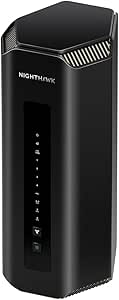 | Best for Large, High-Demand Homes | Wi-Fi technology: Wi-Fi 7 | Bands: Tri-band | Wi-Fi speed: Up to 19 Gbps | VIEW LATEST PRICE | See Our Full Breakdown |
| NETGEAR Nighthawk WiFi 7 Router, Up to 2,500 sq ft, 9.3 Gbps | 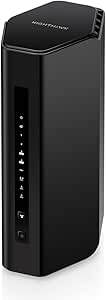 | Best for Wi-Fi 7 Speed and Wired Connections | Wi-Fi generation: Wi-Fi 7 | Maximum speed: Up to 9.3 Gbps | Bands: Tri-band: 2.4 GHz, 5 GHz, and 6 GHz | VIEW LATEST PRICE | See Our Full Breakdown |
| GL.iNet GL-MT6000 Flint 2 Wi-Fi 6 Gaming Router with Dual 2.5G Ports |  | Best for VPN-Focused Gaming Setups | Wi-Fi standard: Wi-Fi 6 | Maximum speed: Up to 6 Gbps | Bands: Dual-band: 2.4 GHz and 5 GHz | VIEW LATEST PRICE | See Our Full Breakdown |
| eero 6 Mesh WiFi Router |  | Best for Simple Setup in Smaller Homes | Wi-Fi standard: Wi-Fi 6 (802.11ax) | Maximum speed: Up to 900 Mbps | Stated coverage: Up to 1,500 sq. ft. | VIEW LATEST PRICE | See Our Full Breakdown |
| TP-Link Tri-Band WiFi 7 Router (Archer BE550) |  | Best for Multi-Gig Wired Homes | Model: BE9300 | Wi-Fi generation: Wi-Fi 7 | Maximum speed: Up to 9.2 Gbps | VIEW LATEST PRICE | See Our Full Breakdown |
| TP-Link Deco X55 AX3000 WiFi 6 Mesh System (3-Pack) |  | Best for Whole-Home Mesh Coverage | Wi-Fi standard: Wi-Fi 6 (802.11ax) | Maximum data rate: Up to 3,000 Mbps | Bands: Dual-band: 2.4 GHz and 5 GHz | VIEW LATEST PRICE | See Our Full Breakdown |
| NETGEAR Nighthawk WiFi 6 Router R6700AX |  | Best for Small Homes | Wi-Fi standard: Wi-Fi 6 (802.11ax) | Maximum speed: Up to 1.8 Gbps | Coverage: Up to 1,500 sq ft | VIEW LATEST PRICE | See Our Full Breakdown |
| TP-Link AXE5400 Tri-Band WiFi 6E Router (Archer AXE75) |  | Best for 6 GHz Wi-Fi | Wi-Fi generation: Wi-Fi 6E | Maximum combined speed: Up to 5,400 Mbps | Bands: Tri-band: 2.4 GHz, 5 GHz, and 6 GHz | VIEW LATEST PRICE | See Our Full Breakdown |
| TP-Link Tri-Band WiFi 7 Router Archer BE700 |  | Best for High-Speed Wi-Fi 7 | Wi-Fi standard: Wi-Fi 7 | Band speeds: Up to 11,528 Mbps on 6 GHz, 2,882 Mbps on 5 GHz, and 688 Mbps on 2.4 GHz | Bands: Tri-band: 2.4 GHz, 5 GHz, and 6 GHz | VIEW LATEST PRICE | See Our Full Breakdown |
| TP-Link Dual-Band AX3000 Wi-Fi 6 Wireless Gigabit Internet Router for Home | 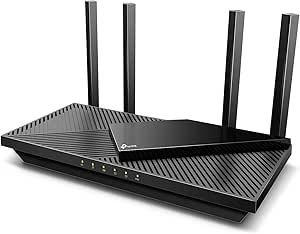 | Best Value Wi-Fi 6 Features | Wi-Fi standard: Wi-Fi 6 (802.11ax) | Combined Wi-Fi speed: Up to 2,976 Mbps | Band speeds: 2,402 Mbps on 5 GHz and 574 Mbps on 2.4 GHz | VIEW LATEST PRICE | See Our Full Breakdown |
| NETGEAR Nighthawk WiFi 7 Router RS90 |  | Best for Busy Connected Homes | Wireless standard: Wi-Fi 7 | Maximum speed: Up to 3.6 Gbps | Coverage: Up to 2,000 sq ft | VIEW LATEST PRICE | See Our Full Breakdown |
| Wi-Fi router | Bands | Security |
|---|---|---|
| TP-Link AX1800 WiFi 6 Router | Dual-band | WPA/WPA2 and WPA3 |
| TP-Link BE6500 Dual-Band WiFi | Dual-band | WPA3 and HomeShield |
| TP-Link Tri-Band WiFi 7 Router | Tri-band: 6 GHz, 5 GHz, and 2.4 GHz | TP-Link HomeShield and advanced security features |
| TP-Link Dual-Band Wi-Fi 7 Rout | Dual-band | WPA, WPA2, and WPA3 |
| NETGEAR Nighthawk WiFi 7 Route | Tri-band | WPA3 and Advanced Router Protection; 30-day NETGEAR Armor trial |
| NETGEAR Nighthawk WiFi 7 Route | Tri-band: 2.4 GHz, 5 GHz, and 6 GHz | NETGEAR Armor, with a 30-day free trial |
| GL.iNet GL-MT6000 Flint 2 Wi-F | Dual-band: 2.4 GHz and 5 GHz | — |
| eero 6 Mesh WiFi Router | — | — |
| TP-Link Tri-Band WiFi 7 Router | Tri-band: 2.4 GHz, 5 GHz, and 6 GHz | WPA3 and HomeShield |
| TP-Link Deco X55 AX3000 WiFi 6 | Dual-band: 2.4 GHz and 5 GHz | — |
| NETGEAR Nighthawk WiFi 6 Route | Dual-band: 2.4 GHz and 5 GHz | WPA3 and WPA2 |
| TP-Link AXE5400 Tri-Band WiFi | Tri-band: 2.4 GHz, 5 GHz, and 6 GHz | — |
| TP-Link Tri-Band WiFi 7 Router | Tri-band: 2.4 GHz, 5 GHz, and 6 GHz | — |
| TP-Link Dual-Band AX3000 Wi-Fi | Dual-band | — |
| NETGEAR Nighthawk WiFi 7 Route | Dual-band | WPA3 and Advanced Router Protection |
More Details on Our Top Picks
TP-Link AX1800 WiFi 6 Router (Archer AX21 V5)
I’d choose the Archer AX21 V5 for a straightforward upgrade to Wi-Fi 6 without paying for newer Wi-Fi 7 hardware. Its dual-band design and OFDMA support can help share capacity among several active devices, while beamforming and four antennas are intended to extend a usable signal through the home. Compared with the TP-Link Archer BE230, it gives up Wi-Fi 7 features and higher listed speeds, but may suit households whose internet plan and devices do not call for them. The tradeoff is a more basic wireless ceiling: there is no 6 GHz band, and the router needs a separate modem for most ISP connections. Setup may also take more effort for buyers unfamiliar with router settings.
Pros:- Wi-Fi 6 with OFDMA supports sharing capacity across multiple devices.
- Beamforming and four high-gain antennas are designed for broad home coverage.
- WPA3 support adds a current security option.
- Five Ethernet ports provide wired connections for computers, TVs, or consoles.
Cons:- No 6 GHz band or Wi-Fi 7 support.
- A separate modem is required for most ISP connections.
- Setup can be challenging for less technical users.
Best for: Households seeking an affordable Wi-Fi 6 upgrade for everyday streaming, browsing, and multiple connected devices.
Not ideal for: Buyers with Wi-Fi 7 or 6 GHz devices, multi-gig internet plans, or a preference for especially simple guided setup.
- Wi-Fi technology:Wi-Fi 6 (802.11ax)
- Bands:Dual-band
- Total bandwidth:Up to 1.8 Gbps
- Maximum band speeds:1,200 Mbps on 5 GHz; 574 Mbps on 2.4 GHz
- Antennas:4
- Ethernet ports:5
- Security:WPA/WPA2 and WPA3
- VPN support:OpenVPN and PPTP VPN
Our verdict“Pick the Archer AX21 V5 for capable everyday Wi-Fi 6 at a simpler feature level than the Archer BE230.”
TP-Link BE6500 Dual-Band WiFi 7 Router (BE400)
The TP-Link BE400 brings Wi-Fi 7 features to a dual-band router, making it a sensible step up for homes that want newer wireless technology without moving to a more elaborate tri-band model. Multi-Link Operation can let compatible devices use more than one band to improve connection flexibility, while the two 2.5 Gbps ports give faster wired devices room to connect. Its stated coverage of up to 2,400 square feet puts it ahead of the Archer AX21 V5 on paper, though walls and layout affect real coverage. Compared with the tri-band Archer BE600, the BE400 has fewer bands and slower listed capacity, but is less geared toward intensive multi-device use. Buyers should note it does not work with Deco mesh systems, and some advanced settings may take technical know-how.
Pros:- Wi-Fi 7 and Multi-Link Operation support newer compatible devices.
- Two 2.5 Gbps ports support faster wired connections.
- Listed coverage reaches up to 2,400 square feet.
- Tether app setup and WPA3 with HomeShield add accessible management and security features.
Cons:- Dual-band design has less capacity separation than tri-band Wi-Fi 7 models such as the Archer BE600.
- Not compatible with TP-Link Deco mesh systems.
- Requires a separate modem and advanced features may take configuration.
Best for: Households upgrading to Wi-Fi 7 that want 2.5 Gbps wired connections and a manageable dual-band setup.
Not ideal for: Existing Deco mesh owners, buyers who need three Wi-Fi bands, or users who want to tune advanced network features without learning router settings.
- Wi-Fi technology:Wi-Fi 7
- Bands:Dual-band
- Maximum band speeds:5,764 Mbps on 5 GHz; 688 Mbps on 2.4 GHz
- Listed coverage:Up to 2,400 sq. ft.
- Antennas:6 high-performance antennas
- Ports:1 × 2.5 Gbps WAN/LAN, 1 × 2.5 Gbps LAN, 3 × 1 Gbps LAN
- Security:WPA3 and HomeShield
- Voice assistant compatibility:Alexa and Google Assistant
Our verdict“Choose the BE400 for a Wi-Fi 7 upgrade with useful multi-gig ports, but pick the Archer BE600 if you need tri-band capacity.”
TP-Link Tri-Band WiFi 7 Router (Archer BE600)
The Archer BE600 is the most connection-flexible TP-Link option in this group for homes with fast wired equipment as well as demanding Wi-Fi clients. Its tri-band Wi-Fi 7 design includes 6 GHz, giving compatible devices a separate band to use rather than crowding the 2.4 or 5 GHz connections. The port selection is a standout: a 10 Gbps WAN/LAN port, a 2.5 Gbps WAN/LAN port, and three 2.5 Gbps LAN ports can suit a multi-gig internet setup, network storage, or wired gaming systems. Compared with the dual-band Archer BE400, it offers more band and port flexibility, but its extra capabilities can be wasted in a modest home with older devices. The router is larger, and less technical users may find its advanced options more involved than they need.
Pros:- Tri-band Wi-Fi 7 includes a 6 GHz band for compatible devices.
- A 10 Gbps port and three 2.5 Gbps LAN ports offer extensive multi-gig connectivity.
- Listed coverage reaches up to 2,600 square feet.
- USB 3.0 and Tether app management add connection and control options.
Cons:- Many households will not make use of its high-speed ports or Wi-Fi 7 capacity.
- Advanced features may feel excessive or confusing for casual users.
- Requires compatible client devices to benefit from Wi-Fi 7 features.
Best for: Multi-gig households with Wi-Fi 7 devices, wired gaming PCs or storage, and several high-bandwidth users.
Not ideal for: Small households with older devices, standard-speed internet, or no need for multi-gig wired connections.
- Wi-Fi technology:Wi-Fi 7
- Bands:Tri-band: 6 GHz, 5 GHz, and 2.4 GHz
- Total bandwidth:Up to 9.7 Gbps
- Listed coverage:Up to 2,600 sq. ft.
- Ports:1 × 10 Gbps WAN/LAN, 1 × 2.5 Gbps WAN/LAN, 3 × 2.5 Gbps LAN, USB 3.0
- Processor:Quad-core CPU
- Security:TP-Link HomeShield and advanced security features
- Dimensions:11.29 × 6.02 × 1.87 inches
Our verdict“Choose the Archer BE600 when tri-band Wi-Fi 7 and multiple multi-gig wired connections matter more than simplicity.”
TP-Link Dual-Band Wi-Fi 7 Router, Archer BE230
The Archer BE230 suits buyers who want Wi-Fi 7 features without paying in complexity for a tri-band router. Its dual-band design supports listed speeds up to 3.6 Gbps, with Multi-Link Operation and 4K-QAM aimed at improving throughput for compatible devices. TP-Link lists coverage up to 2,000 square feet, and its Tether app makes setup and routine management more approachable than routers that ask users to tune every setting. Compared with the Archer BE600, the BE230 lacks a 6 GHz band and its multi-gig port selection, so it is not the better fit for homes built around 6 GHz clients or several very fast wired devices. It does offer mesh compatibility for expanding coverage, but the listed coverage is not a guarantee in homes with thick walls or difficult layouts.
Pros:- Wi-Fi 7 features include Multi-Link Operation and 4K-QAM.
- Tether app supports accessible setup and management.
- Listed coverage reaches up to 2,000 square feet.
- Mesh compatibility offers a way to expand coverage.
Cons:- No 6 GHz band, unlike the tri-band Archer BE600.
- Does not match the BE600’s multi-gig wired-port options.
- Requires a separate modem, and obstacles can reduce coverage.
Best for: Households seeking a relatively straightforward Wi-Fi 7 router for everyday streaming, gaming, and compatible devices.
Not ideal for: Buyers who need a 6 GHz band, multiple multi-gig wired ports, or dependable coverage across a large, obstructed home from one router.
- Wi-Fi technology:Wi-Fi 7
- Bands:Dual-band
- Data transfer rate:Up to 3.6 Gbps
- Listed coverage:Up to 2,000 sq. ft.
- Ports:5
- Processor:Quad-core 2.0 GHz
- Security:WPA, WPA2, and WPA3
- Wireless compatibility:802.11be, 802.11ac, 802.11ax, 802.11g, and 802.11n
Our verdict“Pick the Archer BE230 for an app-managed Wi-Fi 7 upgrade, but choose the Archer BE600 for 6 GHz or multi-gig wired networking.”
NETGEAR Nighthawk WiFi 7 Router RS700S, Up to 3,500 sq ft, 19 Gbps
The Nighthawk RS700S is aimed at homes where a single router needs to serve many users across a broad area. Its tri-band Wi-Fi 7 design, stated 19 Gbps combined speed, and coverage claim of up to 3,500 square feet give it more listed capacity and reach than the Archer BE600, which is the stronger choice here for multi-gig wired flexibility. NETGEAR says the RS700S can support up to 200 devices, a useful fit for busy smart homes with simultaneous streaming and gaming. The port mix is less generous for fast wired networking: it has one 10 Gig WAN port and four 1 Gig LAN ports. Buyers should also account for the separate modem requirement and the fact that NETGEAR Armor moves to a subscription after its 30-day trial.
Pros:- Tri-band Wi-Fi 7 with listed combined speed up to 19 Gbps.
- Listed coverage reaches up to 3,500 square feet.
- Designed to support up to 200 connected devices.
- 10 Gig WAN port and WPA3 security support fast service and current protection.
Cons:- Only the WAN port is listed as 10 Gig; the four LAN ports are 1 Gig.
- Requires a separate modem or gateway, which may need bridge-mode configuration.
- NETGEAR Armor requires a subscription after the included 30-day trial.
Best for: Owners of large or multi-story homes with many connected devices, Wi-Fi 7 clients, and heavy concurrent streaming or gaming.
Not ideal for: Buyers who need multiple multi-gig LAN connections, do not need broad single-router coverage, or want ongoing security features without a subscription.
- Wi-Fi technology:Wi-Fi 7
- Bands:Tri-band
- Wi-Fi speed:Up to 19 Gbps
- Listed coverage:Up to 3,500 sq. ft.
- Antennas:3
- Ports:5 total: 1 × 10 Gig WAN and 4 × 1 Gig LAN
- Processor:Quad-core 2.6 GHz
- Security:WPA3 and Advanced Router Protection; 30-day NETGEAR Armor trial
Our verdict“Choose the RS700S for broad coverage and high device capacity, but favor the Archer BE600 if you need several multi-gig wired ports.”
NETGEAR Nighthawk WiFi 7 Router, Up to 2,500 sq ft, 9.3 Gbps
I’d pick this Nighthawk for a busy home that needs tri-band Wi-Fi 7 alongside fast wired links. Its rated 9.3 Gbps capacity and two 2.5 Gig LAN ports give newer devices and multi-gig connections room to benefit, while the stated 2,500-square-foot coverage suits many homes without adding mesh nodes. Compared with the eero 6, it offers a much higher speed ceiling and a 6 GHz band, but gives up eero’s simpler mesh-first approach and built-in Zigbee hub. The Nighthawk app is intended to make setup and management accessible, though the feature set may be more than a modest broadband plan or older devices can use. NETGEAR Armor starts with a 30-day trial; continued use requires a subscription. Larger or unusually shaped homes may still need mesh coverage.
Pros:- Tri-band Wi-Fi 7 includes 6 GHz for compatible devices
- Rated speeds reach up to 9.3 Gbps
- Two 2.5 Gig LAN ports support faster wired connections
- App-based setup and management
Cons:- Actual wireless speeds depend on the internet plan, client devices, and environment
- Homes larger than the stated coverage area may need a mesh system
- Ongoing NETGEAR Armor security requires a subscription after the 30-day trial
Best for: Households with Wi-Fi 7 devices, multi-gig internet or wired equipment, and a home within the stated coverage area
Not ideal for: Budget-conscious households with an older, slower internet plan, or owners of large homes who need whole-home mesh coverage
- Wi-Fi generation:Wi-Fi 7
- Maximum speed:Up to 9.3 Gbps
- Bands:Tri-band: 2.4 GHz, 5 GHz, and 6 GHz
- Stated coverage:Up to 2,500 sq ft
- Ethernet ports:Two 2.5 Gig LAN and two 1 Gig LAN
- Security:NETGEAR Armor, with a 30-day free trial
Our verdict“Choose this Nighthawk if you want a fast, multi-gig-ready Wi-Fi 7 router and do not need mesh coverage out of the box.”
GL.iNet GL-MT6000 Flint 2 Wi-Fi 6 Gaming Router with Dual 2.5G Ports
The Flint 2 is the specialist pick here: it pairs Wi-Fi 6 with OpenVPN and WireGuard support, making it a stronger fit for buyers who want network-level VPN options alongside gaming and streaming. Its rated 6 Gbps speed and two 2.5G ports also give wired gaming PCs or fast internet connections useful headroom. Compared with the NETGEAR Nighthawk WiFi 7 Router, it lacks Wi-Fi 7 and a 6 GHz band, so it is less forward-looking for newer wireless devices. In return, its VPN support and Linux-based system offer more networking flexibility than a straightforward app-managed router. That flexibility brings a learning curve: the product data flags setup as complex for beginners, and gives no detailed firmware-update schedule. I’d choose it for control, not for the simplest plug-and-play experience.
Pros:- Supports both OpenVPN and WireGuard
- Two 2.5G ports plus four 1G ports provide several wired connection options
- Rated maximum speed of up to 6 Gbps
- WPA3 security and 1 GB of RAM
Cons:- Setup may be challenging for beginners
- Wi-Fi 6 lacks the 6 GHz band and Wi-Fi 7 features found on newer picks
- Product information does not specify a detailed firmware-update schedule
Best for: Gamers and technically confident households that want VPN support, multiple wired devices, and hands-on network options
Not ideal for: First-time router buyers who want a simple setup, or households prioritizing Wi-Fi 7 and a 6 GHz band
- Wi-Fi standard:Wi-Fi 6
- Maximum speed:Up to 6 Gbps
- Bands:Dual-band: 2.4 GHz and 5 GHz
- Ports:Six total: two 2.5G and four 1G
- VPN support:OpenVPN and WireGuard
- Security protocol:WPA3
- Memory and storage:1 GB RAM and 8 GB eMMC
- Operating system:Linux
Our verdict“Pick the Flint 2 if VPN flexibility and wired gaming connections matter more to you than Wi-Fi 7 or beginner-friendly setup.”
eero 6 Mesh WiFi Router
The eero 6 makes sense when easy app-based setup matters more than chasing high throughput. It covers up to 1,500 sq. ft., supports more than 75 devices, and adds a built-in Zigbee smart home hub for compatible gear. Automatic updates also reduce the amount of routine network maintenance a less technical household needs to handle. Compared with the TP-Link Deco X55, this single eero unit has a smaller stated coverage area and fewer Ethernet ports, so it is a weaker match for sprawling homes or several wired devices. Its rated speed of up to 900 Mbps also makes it a poor fit for buyers seeking a high-speed Wi-Fi 7 upgrade, such as the NETGEAR Nighthawk WiFi 7 Router. Its appeal is a straightforward, compact starting point, not maximum capacity.
Pros:- App-based setup is designed to be straightforward
- Automatic updates help keep security and performance current
- Built-in Zigbee hub supports compatible smart home devices
- Supports more than 75 devices
Cons:- Rated speed is up to 900 Mbps, below the Wi-Fi 7 routers in this roundup
- Two Ethernet ports limit wired expansion
- Stated coverage of 1,500 sq. ft. may not suit larger homes
Best for: People in smaller homes who want simple router management, automatic updates, and a hub for compatible Zigbee devices
Not ideal for: Large households needing broad mesh coverage, homes with several wired devices, or users with internet service faster than this router’s rated capacity
- Wi-Fi standard:Wi-Fi 6 (802.11ax)
- Maximum speed:Up to 900 Mbps
- Stated coverage:Up to 1,500 sq. ft.
- Device capacity:More than 75 devices
- Ethernet ports:Two gigabit ports
- Smart home hub:Built-in Zigbee hub
- Processor and memory:1.2 GHz quad-core processor and 512 MB RAM
- Dimensions:3.9 x 3.8 x 2.4 inches
Our verdict“Choose the eero 6 for a smaller home where easy management and Zigbee integration matter more than speed or wired-port count.”
TP-Link Tri-Band WiFi 7 Router (Archer BE550)
The Archer BE550 is a compelling fit when your network needs Wi-Fi 7 and several fast wired connections. It pairs a rated 9.2 Gbps across three bands with four 2.5G LAN ports, so a home office, gaming setup, or local storage device can connect at multi-gig speeds without relying on Wi-Fi. Compared with the NETGEAR Nighthawk WiFi 7 Router, its stated wireless speed is slightly lower, but it supplies more 2.5G LAN ports—a useful difference for homes with multiple wired clients. The 2,000-square-foot coverage rating is below the Nighthawk’s, and EasyMesh compatibility offers a route to expansion rather than a guarantee of coverage in every layout. Setup through the Tether app is available, though the product data warns that configuration may challenge less technical users. HomeShield and WPA3 round out the package.
Pros:- Tri-band Wi-Fi 7 with a rated maximum speed of up to 9.2 Gbps
- Four 2.5G LAN ports support multiple fast wired devices
- EasyMesh compatibility provides an expansion option
- WPA3 and HomeShield security features
Cons:- Stated coverage is 2,000 sq. ft., less than the NETGEAR Nighthawk WiFi 7 Router’s 2,500 sq. ft.
- Setup may be challenging for non-technical users
- Performance depends on compatible devices, modem, and internet service
Best for: Households with multi-gig internet or several wired PCs, consoles, and storage devices that also want Wi-Fi 7
Not ideal for: Buyers who prioritize the broadest stated coverage, need a very simple setup, or do not have devices or broadband that can use Wi-Fi 7
- Model:BE9300
- Wi-Fi generation:Wi-Fi 7
- Maximum speed:Up to 9.2 Gbps
- Bands:Tri-band: 2.4 GHz, 5 GHz, and 6 GHz
- Stated coverage:Up to 2,000 sq. ft.
- Ethernet ports:One 2.5G WAN and four 2.5G LAN ports
- Security:WPA3 and HomeShield
- Antennas:Six internal antennas
Our verdict“Choose the Archer BE550 if you want Wi-Fi 7 plus more 2.5G LAN connections than the Nighthawk offers in this roundup.”
TP-Link Deco X55 AX3000 WiFi 6 Mesh System (3-Pack)
For a large or awkwardly laid-out home, I’d favor the Deco X55’s three-unit mesh design over a single fast router. The system is rated to cover up to 6,500 sq. ft. and support up to 150 devices, making it better suited to distributing Wi-Fi across multiple rooms or floors than the eero 6, whose stated coverage is 1,500 sq. ft. Each Deco unit has Ethernet ports for wired connections, and the app-based setup keeps day-to-day management accessible. The tradeoff is dual-band Wi-Fi 6: unlike the tri-band Wi-Fi 7 Archer BE550, it has no 6 GHz band and a lower 3 Gbps rated maximum. It also needs a separate modem for most internet services. Choose it for reach and mesh coverage, not for the highest single-router speeds.
Pros:- Three-unit mesh system with stated coverage up to 6,500 sq. ft.
- Supports up to 150 devices
- Three Ethernet ports per unit provide wired connection options
- Deco app supports setup and network management
Cons:- Dual-band Wi-Fi 6 has no 6 GHz band and trails Wi-Fi 7 routers in rated speed
- A separate modem is needed for most internet service providers
- Advanced network features may take time to configure
Best for: Families in large, multi-room homes who need mesh coverage for many devices and want wired ports around the house
Not ideal for: Small-home buyers who need only one router, or Wi-Fi 7 users seeking a 6 GHz band and higher rated throughput
- Wi-Fi standard:Wi-Fi 6 (802.11ax)
- Maximum data rate:Up to 3,000 Mbps
- Bands:Dual-band: 2.4 GHz and 5 GHz
- Coverage:Up to 6,500 sq. ft.
- Units:Three
- Device capacity:Up to 150 devices
- Ethernet ports:Three per unit
- Security protocols:WPA3, WPA2, and WPA
- Warranty:Two years
Our verdict“Choose the Deco X55 if broad mesh coverage across a large home matters more than Wi-Fi 7 speed or a single-router setup.”
NETGEAR Nighthawk WiFi 6 Router R6700AX
The R6700AX is a sensible fit for an apartment or compact home where a straightforward Wi-Fi 6 connection matters more than newer standards or extra capacity. Its stated coverage of up to 1,500 sq ft and support for up to 20 devices suit everyday streaming, browsing, and connected home gear. Compared with the TP-Link AX3000, it offers a similarly practical dual-band Wi-Fi 6 setup, while the TP-Link lists four antennas and this model lists two. The Nighthawk app simplifies setup, and WPA3 adds a current security option. The tradeoffs are its smaller coverage target and a gigabit WAN port, which limits the wired internet connection to that port’s capacity. It also needs a separate modem, and some advanced security features may require a subscription after a trial.
Pros:- Wi-Fi 6 with stated speeds up to 1.8 Gbps
- Nighthawk app supports easy setup and management
- WPA3 and WPA2 security support
- Four Ethernet ports for wired devices
Cons:- Coverage is limited to a stated 1,500 sq ft and may not suit multi-story homes
- Gigabit WAN port can constrain faster-than-gigabit internet service
- Requires a separate modem, and some advanced features may require a subscription
Best for: Apartment dwellers and people in smaller single-story homes with up to 20 connected devices who want app-guided setup.
Not ideal for: People in large or multi-story homes, or households seeking Wi-Fi 7, mesh expansion, or a faster-than-gigabit WAN connection.
- Wi-Fi standard:Wi-Fi 6 (802.11ax)
- Maximum speed:Up to 1.8 Gbps
- Coverage:Up to 1,500 sq ft
- Device capacity:Up to 20 devices
- Bands:Dual-band: 2.4 GHz and 5 GHz
- Ethernet ports:4 LAN ports
- WAN port:1 Gigabit
- Security:WPA3 and WPA2
Our verdict“Choose the R6700AX for a compact home that needs app-managed Wi-Fi 6, but skip it if you need broader coverage or faster-than-gigabit wired service.”
TP-Link AXE5400 Tri-Band WiFi 6E Router (Archer AXE75)
The Archer AXE75 earns its place for buyers who want access to the 6 GHz band without moving to Wi-Fi 7. Its tri-band design can give compatible devices a less crowded band for responsive gaming or streaming, while older devices can remain on 2.4 or 5 GHz. Compared with the dual-band NETGEAR Nighthawk R6700AX, the AXE75 offers an additional band and EasyMesh support for extending coverage with compatible equipment. That added flexibility comes with more setup choices, so it is a better match for someone willing to manage a more involved network than a basic app-led router. The listed 5,400 Mbps is a combined maximum across bands, not a guarantee for one device. A modem is generally needed, and some HomeShield features may require a subscription.
Pros:- Tri-band Wi-Fi 6E includes the 6 GHz band
- EasyMesh compatibility supports expansion with compatible devices
- VPN support and multiple listed security protocols
- Five ports provide wired connectivity options
Cons:- The speed figure is combined across bands and depends on compatible devices and conditions
- Setup and band management may feel more involved than with a basic dual-band router
- Requires a modem for most providers, and premium security features may require a subscription
Best for: Households with Wi-Fi 6E devices that want a dedicated 6 GHz band and the option to expand coverage using EasyMesh.
Not ideal for: People with no 6 GHz-capable devices, or buyers who want a simple dual-band setup and do not need mesh expansion.
- Wi-Fi generation:Wi-Fi 6E
- Maximum combined speed:Up to 5,400 Mbps
- Bands:Tri-band: 2.4 GHz, 5 GHz, and 6 GHz
- Processor:1.0 GHz dual-core
- RAM:512 MB
- Antennas:8
- Ports:5
- Mesh support:EasyMesh compatible
- Security protocols:WPA2, WPA2-Enterprise, and WPA3
Our verdict“Pick the AXE75 if you have Wi-Fi 6E devices and value a third band, but choose a simpler dual-band router if you will not use 6 GHz.”
TP-Link Tri-Band WiFi 7 Router Archer BE700
The Archer BE700 is the speed-focused pick here, aimed at households with newer Wi-Fi 7 devices and demanding local or internet-connected workloads. Its tri-band Wi-Fi 7 platform includes Multi-Link Operation and a 10 Gbps WAN port, giving compatible devices and fast internet plans more room than the dual-band NETGEAR Nighthawk RS90. It also has a 2.5 Gbps LAN port for a fast wired connection, a useful distinction for a desktop, NAS, or other high-throughput device. The listed band rates add up to a large headline figure, but actual speeds depend on client hardware, internet service, and the home environment. This is more capability than many households need; the RS90 is a more restrained Wi-Fi 7 choice. The BE700 also requires a modem and may be a costly fit for homes with mostly older devices.
Pros:- Tri-band Wi-Fi 7 with 6 GHz support
- 10 Gbps WAN and 2.5 Gbps LAN ports
- Multi-Link Operation and other Wi-Fi 7 features
- Tether app setup and EasyMesh compatibility
Cons:- Many benefits depend on compatible Wi-Fi 7 client devices
- Headline band speeds do not indicate real-world speed for an individual device
- Requires a compatible modem and may be more router than typical homes need
Best for: Tech-forward households with Wi-Fi 7 clients, a fast internet plan, and wired devices that can use multi-gigabit ports.
Not ideal for: Households with mostly Wi-Fi 5 or Wi-Fi 6 devices, or anyone whose internet plan and wired equipment cannot make use of its higher-capacity ports.
- Wi-Fi standard:Wi-Fi 7
- Band speeds:Up to 11,528 Mbps on 6 GHz, 2,882 Mbps on 5 GHz, and 688 Mbps on 2.4 GHz
- Bands:Tri-band: 2.4 GHz, 5 GHz, and 6 GHz
- WAN port:1 x 10 Gbps
- LAN ports:1 x 2.5 Gbps and 3 x 1 Gbps
- Antennas:6
- Wi-Fi features:Beamforming, Multi-Link Operation, Multi-RUs, and 4K-QAM
- Mesh compatibility:EasyMesh
- Setup:TP-Link Tether app for Android and iOS
Our verdict“Choose the BE700 for a Wi-Fi 7 home that can use its tri-band capacity and multi-gigabit ports, not for a network of mostly older devices.”
TP-Link Dual-Band AX3000 Wi-Fi 6 Wireless Gigabit Internet Router for Home
This TP-Link AX3000 focuses on useful Wi-Fi 6 basics: dual-band service, four antennas, Beamforming, and app control. Its stated 2,976 Mbps combined speed is above the R6700AX’s 1.8 Gbps figure, and the four antennas give it a different coverage-oriented hardware profile than that NETGEAR’s two-antenna design. The AX3000 also lists WPA3 and HomeShield, making it a well-equipped option for streaming, browsing, and a mix of household devices without stepping up to Wi-Fi 6E or Wi-Fi 7. But the speed rating is not a per-device promise, and the supplied details do not specify a coverage area or mesh compatibility. Compared with the AXE75, it lacks the 6 GHz band and tri-band flexibility. It needs a modem for most providers, so it is not a standalone internet gateway.
Pros:- Wi-Fi 6 dual-band design with up to 2,976 Mbps combined speed
- Four antennas and Beamforming for directed wireless coverage
- WPA3 and TP-Link HomeShield security features
- App control and Alexa compatibility
Cons:- No coverage area is specified in the supplied product details
- Mesh networking capability is not listed
- Requires a modem for most internet providers
Best for: Households seeking a feature-rich Wi-Fi 6 router for everyday streaming, gaming, and smart devices without a need for 6 GHz.
Not ideal for: Buyers who need a stated coverage target, confirmed mesh expansion, tri-band connectivity, or Wi-Fi 7 features.
- Wi-Fi standard:Wi-Fi 6 (802.11ax)
- Combined Wi-Fi speed:Up to 2,976 Mbps
- Band speeds:2,402 Mbps on 5 GHz and 574 Mbps on 2.4 GHz
- Bands:Dual-band
- Antennas:4
- Ports:5
- RAM:512 MB
- Security protocols:WPA2-Enterprise, WPA2-PSK, and WPA3
- Control:App control; Alexa compatible
Our verdict“Choose this AX3000 for a capable dual-band Wi-Fi 6 setup, but look to the AXE75 if you need 6 GHz or confirmed mesh support.”
NETGEAR Nighthawk WiFi 7 Router RS90
The Nighthawk RS90 pairs Wi-Fi 7 with a stated capacity of up to 50 devices and coverage up to 2,000 sq ft, making it a more plausible fit for a busy household than the smaller R6700AX, which is rated for 20 devices and 1,500 sq ft. Its 2.5 Gig WAN port also leaves more headroom for a faster internet plan than the R6700AX’s gigabit WAN. The dual-band design keeps this model less elaborate than the tri-band TP-Link Archer BE700, but it also means there is no 6 GHz band listed. A quad-core processor and four gigabit LAN ports suit a mix of wireless and wired devices. The tradeoffs are the need for a separate modem, possible bridge-mode setup with some gateways, and security features that may require a subscription after a free trial.
Pros:- Wi-Fi 7 with stated speeds up to 3.6 Gbps
- Rated for up to 50 devices and 2,000 sq ft of coverage
- 2.5 Gig WAN port supports faster-than-gigabit internet service
- Nighthawk app offers setup and network management
Cons:- Dual-band design does not list a 6 GHz band
- LAN ports are gigabit, rather than multi-gigabit
- Requires a separate modem; some gateway setups may need bridge mode and advanced security may require a subscription
Best for: Families and shared homes with many connected devices that want Wi-Fi 7 and a 2.5 Gig WAN port without moving to a tri-band router.
Not ideal for: Buyers who need a 6 GHz band, multi-gigabit LAN ports, or a router that works without a separate modem.
- Wireless standard:Wi-Fi 7
- Maximum speed:Up to 3.6 Gbps
- Coverage:Up to 2,000 sq ft
- Device capacity:Up to 50 devices
- Bands:Dual-band
- WAN port:2.5 Gig
- LAN ports:4 x 1 Gig
- Processor:Quad-core 2.0 GHz
- Security:WPA3 and Advanced Router Protection
Our verdict“Pick the RS90 for a busy household that wants Wi-Fi 7 and a faster WAN connection, but choose a tri-band router if you specifically need 6 GHz.”

How We Picked
I compared the 15 routers around the decisions buyers actually face: wireless generation, band configuration, wired connectivity, coverage approach, ease of management, and fit for common home layouts. I gave weight to whether a router’s capabilities suit its likely users, rather than treating the largest advertised throughput or newest standard as an automatic win. Mesh systems were judged for their role in extending coverage, while standalone routers were compared on flexibility, connectivity, and likely fit for a central placement.
The ranking favors balanced usefulness across a range of homes. The Archer BE600 leads because its tri-band Wi-Fi 7 setup offers a more versatile combination of newer wireless capability and network capacity than entry-level dual-band options. More specialized choices rank below it when they serve a narrower need, such as mesh coverage, gaming controls, or premium performance. Older Wi-Fi 6 and Wi-Fi 6E models remain relevant when they match a household’s devices and budget, but they do not outrank newer picks solely on value or familiarity.
| Wi-Fi router | Bands |
|---|---|
| TP-Link AX1800 WiFi 6 Router | Dual-band |
| TP-Link BE6500 Dual-Band WiFi | Dual-band |
| TP-Link Tri-Band WiFi 7 Router | Tri-band: 6 GHz, 5 GHz, and 2.4 GHz |
| TP-Link Dual-Band Wi-Fi 7 Rout | Dual-band |
| NETGEAR Nighthawk WiFi 7 Route | Tri-band |
| NETGEAR Nighthawk WiFi 7 Route | Tri-band: 2.4 GHz, 5 GHz, and 6 GHz |
| GL.iNet GL-MT6000 Flint 2 Wi-F | Dual-band: 2.4 GHz and 5 GHz |
| eero 6 Mesh WiFi Router | — |
| TP-Link Tri-Band WiFi 7 Router | Tri-band: 2.4 GHz, 5 GHz, and 6 GHz |
| TP-Link Deco X55 AX3000 WiFi 6 | Dual-band: 2.4 GHz and 5 GHz |
| NETGEAR Nighthawk WiFi 6 Route | Dual-band: 2.4 GHz and 5 GHz |
| TP-Link AXE5400 Tri-Band WiFi | Tri-band: 2.4 GHz, 5 GHz, and 6 GHz |
| TP-Link Tri-Band WiFi 7 Router | Tri-band: 2.4 GHz, 5 GHz, and 6 GHz |
| TP-Link Dual-Band AX3000 Wi-Fi | Dual-band |
| NETGEAR Nighthawk WiFi 7 Route | Dual-band |
Factors to Consider When Choosing Best Wi-Fi Routers
Before choosing a router, I’d start with the limits of the whole connection rather than the biggest number on the box. The right choice depends on your internet plan, home layout, client devices, and whether you want hands-on controls or a simpler app-led setup. These factors help distinguish a meaningful upgrade from features that may sit unused.
Match Wi-Fi generation to the devices you own
Wi-Fi 7 can be a sensible long-term choice, but it cannot make older phones and laptops use Wi-Fi 7 features they do not support. Check the wireless capabilities of the devices that matter most, especially work laptops, newer phones, and gaming hardware. If most of your household is on Wi-Fi 5 or Wi-Fi 6, a capable Wi-Fi 6 router may meet daily needs without paying for features that few devices can use. A mixed-device home can still benefit from a newer router, but the improvement will vary by client. I’d buy for the devices you expect to use over the next several years, not an assumed speed jump on every gadget.
Choose bands for capacity, not just a bigger spec
Dual-band routers divide wireless traffic across 2.4GHz and 5GHz, while tri-band models add another band that can help manage more demanding networks. That extra band is most useful when the router has many active devices or compatible clients that can take advantage of the available capacity. It does not automatically make every connection faster, and walls or distance can still weaken a signal. Consider how many devices stream, game, or transfer large files at the same time. If your household’s use is modest, spending more for additional bands may bring less benefit than improving placement or coverage.
Decide whether you need a mesh system
A single router is often the cleaner choice when it can sit in a central, open location and reach the rooms you use. Mesh makes more sense in homes with dead zones, long layouts, multiple floors, or walls that block a signal. A multi-unit system can improve reach, but each node needs a suitable location and may rely on wireless backhaul to communicate with the others. Putting a node in a weak-signal room can extend that weak connection rather than fix it. Before buying mesh, try to identify where the signal drops and whether wired backhaul is available.
Check wired ports and your internet plan
Router performance is only one part of the connection; your broadband plan and modem or gateway also set limits. If your plan is slower than the router’s wireless capacity, a newer model may improve local network handling without raising your internet speed. Wired Ethernet matters for desktop computers, consoles, network storage, and access points that benefit from a stable link. Check the number and speed of the ports against the equipment you intend to connect, rather than assuming every router offers the same arrangement. Faster ports are most useful when the devices and broadband connection can use them.
Balance setup simplicity against control
Some router apps focus on quick installation and everyday management, while other systems offer more settings for users who want to tailor their network. A simpler interface can make guest access and basic troubleshooting easier for a household that does not want to manage technical details. More advanced controls may suit users who want to configure traffic, VPN functions, or network rules, though added flexibility can bring a steeper learning curve. Look at any account, subscription, or app requirements before choosing a setup style. If several people will manage the network, prioritize an interface they can use without relying on one technically confident person.
Plan for placement, ventilation, and upkeep
A router tucked into a cabinet or placed at one edge of the home can perform worse than its specifications suggest. A central, elevated, open position usually gives the signal a better path, while thick walls and metal obstacles can reduce reach. Larger or more powerful models may need more room and airflow, so check whether the intended location can accommodate them. Firmware updates and a supported security policy also matter after setup, particularly for a router expected to stay in service for years. I’d favor a model whose physical design and maintenance requirements fit the home, not just one with impressive headline features.
Frequently Asked Questions
Should I choose a Wi-Fi 7 router if most of my devices are Wi-Fi 6?
You can, but the main benefit may be future readiness and additional network capacity rather than an immediate speed increase on older devices. Wi-Fi 6 clients will continue to connect using the features they support. If you plan to keep the router through several device upgrades or already have newer Wi-Fi 7 hardware, a model such as the Archer BE600 may make sense. If the household has few demanding devices and the broadband plan is modest, a Wi-Fi 6 option may be a better fit. Compare the full system cost and features against your actual upgrade timeline.
Will a mesh system fix slow Wi-Fi in every room?
Mesh can improve coverage where a single router’s signal struggles, but it cannot remove every source of poor performance. The nodes need a strong enough connection to one another, and placement affects how well they can relay data. Thick walls, interference, and a slow internet plan can still limit results. If you can connect mesh nodes with Ethernet, that can provide a more dependable link between them. First identify whether the problem is weak signal, limited broadband, or an overloaded network, since each calls for a different fix.
Do I need a tri-band router for a busy household?
Not automatically. Tri-band can help when several compatible devices are active at once, but the benefit depends on the router’s design, client support, and how traffic is distributed. A household with many connected devices but light usage may not gain much compared with a good dual-band router. For simultaneous gaming, video calls, streaming, and large transfers, extra wireless capacity may be more useful. Check whether device placement, Ethernet connections, or mesh coverage would solve the household’s bottleneck more directly.
Should I replace my ISP-provided router with one of these models?
Replacing it may make sense if the current equipment has weak coverage, limited ports, or lacks features you need. First check whether your provider allows a separate router, whether the existing gateway can be put into bridge mode, and whether you still need its modem function. Some setups require keeping the ISP gateway and adding a router behind it, which can create extra configuration steps. Compare the router’s capabilities with the limits of your broadband plan and connected devices. If the ISP equipment already covers the home reliably, an upgrade may have little practical effect.
How can I tell whether my problem is router coverage or internet speed?
Run a speed test near the router and again in the room where performance feels poor, using the same device and a similar connection method. If speeds are consistently low even close to the router, the broadband plan, modem, or provider may be the limiting factor. If performance drops mainly in distant rooms, placement or coverage is a more likely issue. Testing with an Ethernet-connected device can help separate Wi-Fi problems from the underlying internet connection. Repeat checks at different times, since congestion can change results.
Conclusion
For most buyers seeking one versatile modern router, I’d start with the TP-Link Archer BE600 as the best overall, particularly when tri-band Wi-Fi 7 capacity fits the household. The TP-Link Archer AX21 is my best value for everyday use when Wi-Fi 6 is sufficient, while the NETGEAR Nighthawk RS700S is the best premium choice for buyers prioritizing a more ambitious Wi-Fi 7 router. For beginners who want a guided, multi-unit setup, I’d choose the eero 6; for wider home coverage, compare it with the Deco X55 three-pack. If wired gaming connections and hands-on network controls are the priority, the GL.iNet Flint 2 is the more targeted pick. Choose based on the bottleneck you need to solve—coverage, device capacity, simplicity, or wired connectivity—rather than buying the highest headline specification.
NFL season / tailgating Picks
team gear
As an affiliate, we earn on qualifying purchases.