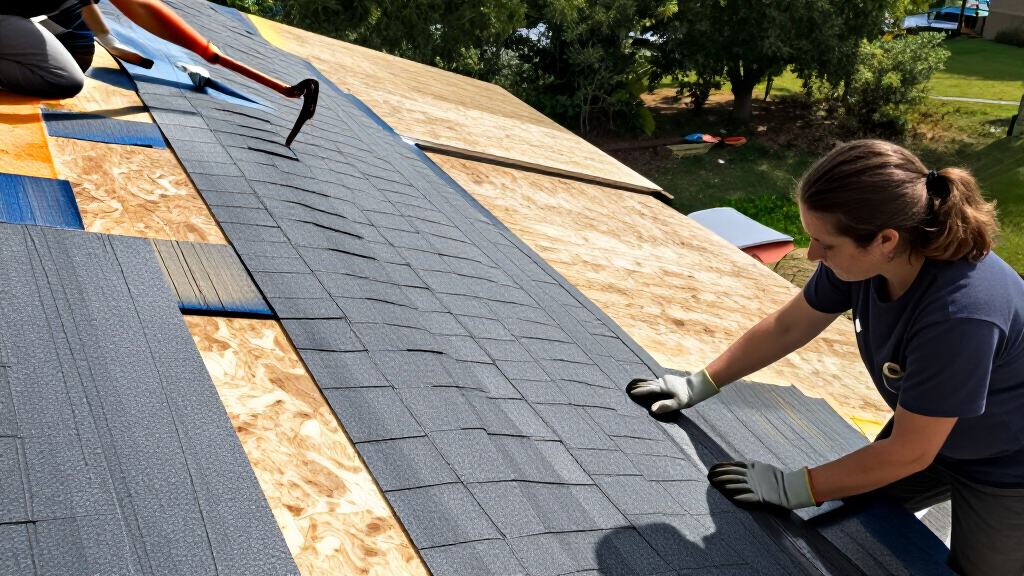

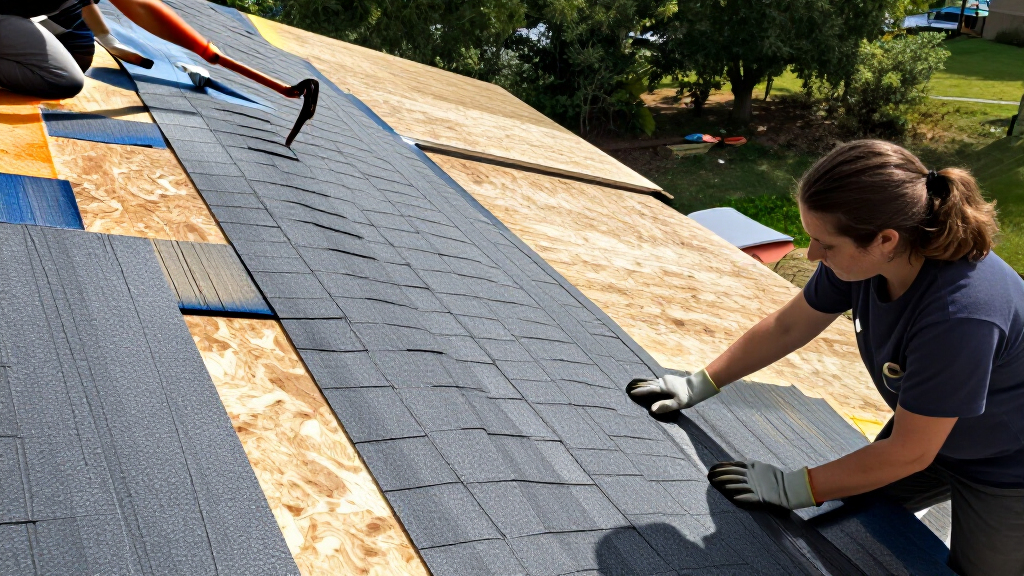
For an all-around synthetic roof underlayment, I would start with DuPont Roof Protector; Grace Vycor Ice and Water Shield HT stands out for self-adhering protection in vulnerable areas, while Grip-Rite ShingleLayment-LWE offers a practical option for standard shingle projects. The right choice depends on whether you need broad roof-deck coverage, added protection against water intrusion, or a membrane suited to a particular installation. Roll width, stated service life, surface grip, and compatibility with your roofing material can matter as much as the material category. No single roll is the best match for every roof or climate. Continue reading for my full comparison and guidance on matching underlayment to your project.

Get home appliances delivered free — and shop member deals
- Fast, free delivery on millions of items
- Access to Prime Big Deal Days deals on October 6–7
- Prime Video, Amazon Music and more included
Complete the kit


Key Takeaways
- Synthetic rolls dominate this lineup, with multiple 25-year, lifetime, and 50-year labels; those claims are not directly comparable without checking the manufacturer’s definitions and warranty conditions.
- Self-adhering membranes serve a different job from broad-coverage synthetic rolls. Grace Vycor HT, Grace Select, Grace Ice and Water Shield, and ZIP System Peel-and-Stick suit targeted water protection, but installation and surface conditions matter.
- Roll dimensions affect layout and handling, not just coverage. The 48-inch-by-250-foot options offer substantial coverage per roll, while narrower or shorter products may suit smaller areas or detailed work.
- Weight and construction details matter more than a label alone. Zeluga‘s stated 95 GSM and SIPA‘s 100 GSM provide useful comparison points, but buyers still need to confirm tear resistance, fastening rules, and roof compatibility.
- The best pick depends on the roof plan, not the longest stated lifespan. For standard coverage, compare synthetic options such as DuPont, Grip-Rite, and Interwrap; reserve peel-and-stick products for applications that call for their added adhesion and water barrier.
| Interwrap UDL25 Roof Underlayment, 48 in x 250 ft |  | Best for Versatile Steep-Slope Coverage | Brand: Interwrap | Model: UDL25 | Roll size: 48 in x 250 ft | VIEW LATEST PRICE | See Our Full Breakdown |
| Grace Vycor Ice and Water Shield HT Self-Adhering Underlayment, 75 Feet |  | Best for Hot Metal Roofs and Fastener Sealing | Manufacturer: Grace | Model: G77511 | Material: Polymeric film with rubberized asphalt adhesive | VIEW LATEST PRICE | See Our Full Breakdown |
| HydroShield 25-Year Synthetic Underlayment, Single Roll |  | Best for Installation Guidance | Coverage: 10 squares | Roll length: 250 lineal feet | Roll width: 48 inches | VIEW LATEST PRICE | See Our Full Breakdown |
| Grace Select Self-Adhering Roofing Underlayment, 36 in. x 195 sq. ft. |  | Best for Easier Self-Adhering Installation | Brand: Grace Select | Material: Butyl and rubberized asphalt | Roll length: 65 ft | VIEW LATEST PRICE | See Our Full Breakdown |
| DuPont Roof Protector Roofing Underlayment Roll, 42 in. x 286 ft. |  | Best for Lightweight, Low-Waste Coverage | Roll coverage: 10 squares | Roll width: 3.5 ft | Roll length: 286 ft | VIEW LATEST PRICE | See Our Full Breakdown |
| ArmorLay 25 Synthetic Roof Underlayment, 4 ft x 250 ft |  | Best for Steep-Slope Walkability | Material: Polyvinyl chloride (PVC) | Roll dimensions: 4 ft x 250 ft | Coverage: 1,000 sq ft (10 squares) | VIEW LATEST PRICE | See Our Full Breakdown |
| Grace Self-Adhering Ice and Water Shield, 36 in. x 66.6 ft., 200 sq. ft. |  | Best for Leak-Prone Areas | Roll size: 36 in. x 66.6 ft. | Coverage: 200 sq ft | Roll thickness: 40 mils | VIEW LATEST PRICE | See Our Full Breakdown |
| HydroShield Lifetime Synthetic Roof Underlayment, Single Roll |  | Best Warranty-Backed Synthetic | Coverage: 10 squares | Roll dimensions: 48 in. x 250 ft. | Weight per square: 2.8 lb | VIEW LATEST PRICE | See Our Full Breakdown |
| ZIP System Peel-and-Stick Roof Underlayment, Standard Temperature |  | Best for ZIP System Roof Assemblies | Material: Rubberized asphalt | Model: Standard Temp | Application: Roof decks, including eaves and valleys | VIEW LATEST PRICE | See Our Full Breakdown |
| Zeluga 32-390 Synthetic Roofing Underlayment, 48 in. x 250 ft., 95 GSM, Gray |  | Best for Extended Exposure | Material: Woven polypropylene | Weight: 95 GSM | Roll dimensions: 48 in. x 250 ft. | VIEW LATEST PRICE | See Our Full Breakdown |
| BlackKnight 4 ft x 250 ft Synthetic Roofing Underlayment |  | Best for Traction-Focused Installation | Roll dimensions: 4 ft x 250 ft | Coverage: 1,000 sq ft (10 squares) | Construction: Four layers | VIEW LATEST PRICE | See Our Full Breakdown |
| Grip-Rite ShingleLayment-LWE Synthetic Roofing Underlayment, 4 ft x 250 ft |  | Best for Longer Temporary Exposure | Material: Polypropylene | Dimensions: 4 ft x 250 ft | Coverage: 1,000 sq ft | VIEW LATEST PRICE | See Our Full Breakdown |
| SIPA 100 GSM Synthetic Waterproof Roof Underlayment, 48 in x 250 ft |  | Best for Specified Roof-System Compatibility | Dimensions: 48 in x 250 ft | Coverage: 1,000 sq ft | Material: Non-woven PP laminated with PE, plus 4% UV and water-resistant adhesive | VIEW LATEST PRICE | See Our Full Breakdown |
| HydroShield 50-Year Synthetic Underlayment, Single Roll |  | Best for Long Warranty Coverage | Coverage: 10 squares | Roll length: 250 lineal ft | Roll width: 48 in | VIEW LATEST PRICE | See Our Full Breakdown |
| roof underlayment | Material | Coverage | Weight |
|---|---|---|---|
| Interwrap UDL25 Roof Underlaym | Plastic | — | — |
| Grace Vycor Ice and Water Shie | Polymeric film with rubberized asphalt adhesive | 225 square feet | — |
| HydroShield 25-Year Synthetic | Synthetic | 10 squares | — |
| Grace Select Self-Adhering Roo | Butyl and rubberized asphalt | 195 sq. ft. | 33 lbs |
| DuPont Roof Protector Roofing | Woven polypropylene scrim | — | 19 pounds |
| ArmorLay 25 Synthetic Roof Und | Polyvinyl chloride (PVC) | 1,000 sq ft (10 squares) | — |
| Grace Self-Adhering Ice and Wa | Rubberized asphalt with cross-laminated polyethylene surface | 200 sq ft | 55 lb |
| HydroShield Lifetime Synthetic | — | 10 squares | — |
| ZIP System Peel-and-Stick Roof | Rubberized asphalt | — | 51 lb |
| Zeluga 32-390 Synthetic Roofin | Woven polypropylene | 1,000 sq ft (10 squares) | 95 GSM |
| BlackKnight 4 ft x 250 ft Synt | — | 1,000 sq ft (10 squares) | 23.6 lb |
| Grip-Rite ShingleLayment-LWE S | Polypropylene | 1,000 sq ft | 18.5 lb |
| SIPA 100 GSM Synthetic Waterpr | Non-woven PP laminated with PE, plus 4% UV and water-resistant adhesive | 1,000 sq ft | 21.1 lb |
| HydroShield 50-Year Synthetic | Synthetic | 10 squares | — |
More Details on Our Top Picks
Interwrap UDL25 Roof Underlayment, 48 in x 250 ft
Interwrap UDL25 is a versatile synthetic choice for roofers who want one underlayment suited to asphalt or synthetic shingles, metal roofing, and cedar shakes. Its slip-resistant walking surface is a practical advantage during installation, while Class A fire and Class 4 hail ratings add protection credentials not listed for the HydroShield 25-Year Synthetic Underlayment. It is also lighter and stronger than #30 felt, with recycled content and recyclability for buyers who value material reuse. The tradeoff is scheduling: its six-month UV exposure limit calls for roofing to follow within that window. Unlike the self-adhering Grace products in this lineup, UDL25 is not described as sealing around fasteners, so it may be less suited to details where that added barrier is the priority.
Pros:- Compatible with asphalt and synthetic shingles, metal roofing, and cedar shakes
- Slip-resistant walking surface supports safer movement during installation
- Class A fire and Class 4 hail ratings
- Recyclable construction with at least 20% reclaimed content
Cons:- Must be covered within six months of UV exposure
- Does not have the stated self-adhering, fastener-sealing feature of the Grace membranes
Best for: Roofers seeking a lightweight synthetic underlayment for steep-slope jobs that may use shingles, metal, or cedar, with added fire and hail ratings.
Not ideal for: Projects likely to remain uncovered beyond six months, or roof areas where a self-adhering membrane that seals around fasteners is the main requirement.
- Brand:Interwrap
- Model:UDL25
- Roll size:48 in x 250 ft
- Material:Plastic
- Temperature range:-40°F to 240°F
- UV exposure:6 months
- Reclaimed content:Minimum 20%
- Recyclability:Recyclable
Our verdict“Choose UDL25 for broad steep-slope roof compatibility and fire and hail ratings, but pick a self-adhering Grace membrane when fastener sealing matters more.”
Grace Vycor Ice and Water Shield HT Self-Adhering Underlayment, 75 Feet
Grace Vycor Ice and Water Shield HT is the specialist pick here for roof sections exposed to high temperatures or vulnerable to wind-driven water and ice dams. Its rubberized asphalt adhesive bonds to the roof deck and seals around fasteners, a different kind of protection from the broad synthetic coverage offered by Interwrap UDL25. A stated resistance up to 260°F makes it the stronger fit of those two when heat under metal roofing is a concern. The tradeoffs are substantial: the roll weighs 62 pounds, covers 225 square feet, and has a 120-day UV limit, so handling and timing require planning. Compared with the lighter, larger-format synthetic rolls in this group, it makes more sense for targeted protection than covering an entire roof by default.
Pros:- Self-adhering rubberized asphalt membrane seals around fasteners
- Temperature resistance up to 260°F suits hot roof applications
- Slip-resistant surface
- Designed to protect against wind, rain, and ice dams
Cons:- Heavy at 62 pounds, making handling more demanding
- UV exposure is limited to 120 days
- 225-square-foot coverage is less suited to efficient whole-roof coverage than larger synthetic rolls
Best for: Roofers protecting hot metal roof areas, eaves, or other leak-prone sections where an adhered membrane and sealing around fasteners are priorities.
Not ideal for: DIYers working alone or crews seeking lightweight, broad-area coverage; the 62-pound roll is heavy, and the 120-day exposure window limits scheduling flexibility.
- Manufacturer:Grace
- Model:G77511
- Material:Polymeric film with rubberized asphalt adhesive
- Roll width:36 inches
- Roll length:75 feet
- Coverage:225 square feet
- Temperature resistance:Up to 260°F
- UV exposure:Up to 120 days
- Item weight:62 pounds
Our verdict“Choose Vycor HT for heat-exposed or leak-prone roof areas that need an adhered, fastener-sealing barrier, not for lightweight whole-roof coverage.”
HydroShield 25-Year Synthetic Underlayment, Single Roll
HydroShield 25-Year Synthetic Underlayment earns its place for making layout and fastening easier to follow: pre-printed nailing and overlap lines give installers visible references as they roll out the material. That guidance can help reduce guesswork, especially for a less experienced crew, while the roll covers 10 squares and weighs 17 pounds. The listed 25-year warranty and multiple compliance references also give buyers more documentation than the DuPont Roof Protector listing provides. The limitation is that the supplied details do not specify UV exposure duration, temperature range, or slip resistance, so buyers who need those criteria should verify them before choosing. Compared with the wider material compatibility stated for Interwrap UDL25, HydroShield’s data is less explicit about suitable roof coverings.
Pros:- Pre-printed nailing pattern and overlap lines help guide installation
- Covers 10 squares per roll
- 17-pound item weight is manageable compared with the 62-pound Grace Vycor HT roll
- 25-year warranty and listed code compliance references
Cons:- UV exposure duration is not provided in the supplied product details
- Slip resistance is not specified
- The supplied description does not name compatible roofing materials
Best for: Roofers and capable DIY crews who want printed layout cues, a manageable roll weight, and a stated 25-year warranty.
Not ideal for: Buyers who need confirmed UV exposure limits, temperature performance, or named compatibility with specific roofing materials before ordering.
- Coverage:10 squares
- Roll length:250 lineal feet
- Roll width:48 inches
- Weight per square:1.8 pounds
- Item weight:17 pounds
- Material:Synthetic
- Pattern:Pre-printed nailing pattern and overlap lines
- Warranty:25 years
- Compliant codes:ASTM D-5034, ASTM D-226 Type I & II, ASTM D-4869, ASTM E-108, ICC-ES AC48, ICC-CCRR-0330
Our verdict“Choose HydroShield 25-Year when clear layout markings and a stated warranty matter most, provided you confirm the exposure and roof-material details for your project.”
Grace Select Self-Adhering Roofing Underlayment, 36 in. x 195 sq. ft.
Grace Select is the more manageable self-adhering option for crews who want fastener-sealing protection without handling the much heavier Grace Vycor HT roll. At 33 pounds, it is nearly half that roll’s listed weight, and the foldable release paper is intended to make application easier. Its rubberized asphalt seals around roofing nails, while a slip-resistant surface supports movement during installation. The key compromise is its 30-day UV exposure limit, much shorter than Vycor HT’s 120 days and Interwrap UDL25’s six months. Coverage is also 195 square feet per roll, so it is better suited to targeted areas or projects planned for prompt installation than broad jobs with uncertain schedules. It is specifically described for roofing applications, not general-purpose waterproofing.
Pros:- Self-adhering rubberized asphalt seals around roofing nails
- 33-pound roll is lighter than Grace Vycor HT
- Foldable release paper supports easier handling and application
- Slip-resistant surface
Cons:- Limited to 30 days of UV exposure
- 195-square-foot coverage means more rolls may be needed for broad areas
- Intended for roofing applications rather than general-purpose use
Best for: Roofers or DIYers who want a lighter self-adhering membrane for leak-prone roof sections and can install the roof covering within a month.
Not ideal for: Projects with delayed roofing schedules or buyers seeking a large-coverage synthetic roll; its exposure window is short and coverage is 195 square feet.
- Brand:Grace Select
- Material:Butyl and rubberized asphalt
- Roll length:65 ft
- Roll width:36 in
- Coverage:195 sq. ft.
- Thickness:25 mil
- Weight:33 lbs
- Installation type:Self-adhesive
- UV exposure:Up to 30 days
Our verdict“Choose Grace Select for manageable, self-adhering protection on roof sections you can cover promptly, but favor Vycor HT when a longer exposure window or higher heat resistance is needed.”
DuPont Roof Protector Roofing Underlayment Roll, 42 in. x 286 ft.
DuPont Roof Protector is the coverage-focused synthetic pick: its 42-inch-wide, 286-foot roll covers 10 squares while weighing 19 pounds. That combination can mean fewer roll changes and less material handling than smaller rolls, though it is slightly heavier than the 17-pound HydroShield 25-Year roll. Its four-layer construction pairs a woven polypropylene scrim with water resistance and slip-resistant surfaces, balancing durability and grip without the weight of a self-adhering membrane such as Grace Vycor HT. The product is intended for steep-slope roofs beneath asphalt shingles or metal roofing, so it is not the flexible all-material choice Interwrap UDL25 claims to be. The supplied details also omit a warranty, UV exposure limit, and temperature rating; buyers who need those specifics should check before selecting it.
Pros:- 10-square coverage from a 19-pound roll
- Four-layer construction combines a woven scrim, water resistance, and slip-resistant surfaces
- Designed for use beneath asphalt shingles or metal roofing
- Roll length and coverage may help reduce overlaps and installation waste
Cons:- Intended for steep-slope roofing applications
- Warranty and UV exposure limit are not provided in the supplied details
- Listed roofing compatibility is narrower than Interwrap UDL25’s stated range
Best for: Roofing crews covering steep-slope asphalt-shingle or metal roofs who want a large roll, low carrying weight, and a reinforced synthetic barrier.
Not ideal for: Buyers who need confirmed UV, temperature, or warranty specifications, or who are roofing outside the stated steep-slope shingle and metal applications.
- Roll coverage:10 squares
- Roll width:3.5 ft
- Roll length:286 ft
- Construction:Four-layer synthetic
- Material:Woven polypropylene scrim
- Weight:19 pounds
- Product dimensions:48 x 8 x 8 inches
- Package quantity:1
Our verdict“Choose DuPont Roof Protector for lightweight, broad coverage under steep-slope shingles or metal, but verify exposure and warranty details if they affect your project.”
ArmorLay 25 Synthetic Roof Underlayment, 4 ft x 250 ft
ArmorLay 25 earns its place for roofers who value a textured, slip-resistant surface while working on steep pitches. Its 1,000-square-foot roll matches the coverage of the Zeluga 32-390, but ArmorLay is the more straightforward choice if the stated 60-day UV window suits the project schedule. Zeluga allows up to 180 days of exposure, making it a better fit when installation or final roofing may be delayed. ArmorLay is water resistant and meets ASTM D4869 and ASTM D226, but the supplied information does not describe a self-adhering seal around fasteners like the Grace Self-Adhering Ice and Water Shield does. The main tradeoff is schedule flexibility: keep the roof covered within the 60-day exposure limit.
Pros:- Textured, slip-resistant surface supports footing on steep slopes
- Covers 1,000 square feet per roll
- Water-resistant layer provides secondary protection beneath roofing
- Meets ASTM D4869 and ASTM D226
Cons:- UV exposure is limited to 60 days
- The description identifies water resistance but does not state that it seals around fasteners
- The supplied data does not specify a warranty
Best for: Roofing crews covering steep-slope decks who want a textured synthetic roll and expect to install the final roofing within 60 days.
Not ideal for: Projects likely to remain exposed for several months; Zeluga 32-390 lists a longer, 180-day UV exposure window.
- Material:Polyvinyl chloride (PVC)
- Roll dimensions:4 ft x 250 ft
- Coverage:1,000 sq ft (10 squares)
- UV exposure:Up to 60 days
- Water resistance:Water resistant
- Surface:Textured, slip resistant
- Color:Gray
- Standards:ASTM D4869 and ASTM D226
Our verdict“Choose ArmorLay 25 for steep-slope work when its slip-resistant surface matters more than a longer exposure window.”
Grace Self-Adhering Ice and Water Shield, 36 in. x 66.6 ft., 200 sq. ft.
For eaves, valleys, and other vulnerable sections, this Grace membrane offers a different kind of protection from full-deck synthetics such as HydroShield Lifetime: its rubberized asphalt adhesive is designed to seal around fasteners. That makes it a targeted choice where water penetration is a greater concern than maximizing coverage per roll. The 200-square-foot roll is far smaller than the 1,000-square-foot ArmorLay 25 or Zeluga 32-390, so outfitting a whole roof takes more rolls and more handling. A cross-laminated polyethylene surface adds slip resistance, and the product is listed for use beneath shingles, slate, tile, cedar shakes, and metal. The 55-pound roll and 120-day UV limit call for thoughtful handling and prompt roof completion.
Pros:- Rubberized asphalt is designed to seal around fasteners
- Cross-laminated polyethylene surface provides slip resistance
- Listed for use under shingles, slate, tile, cedar shakes, and metal
- Ripcord split release is designed to simplify application
Cons:- Each roll covers only 200 square feet
- At 55 pounds, the roll is heavy to lift and position
- UV exposure is limited to 120 days
Best for: Roofers adding a self-adhering water barrier at eaves, valleys, and other leak-prone areas beneath varied roof coverings.
Not ideal for: Buyers covering a large roof deck with one economical-to-handle roll format; its 200-square-foot coverage means substantially more rolls than ArmorLay 25.
- Roll size:36 in. x 66.6 ft.
- Coverage:200 sq ft
- Roll thickness:40 mils
- Material:Rubberized asphalt with cross-laminated polyethylene surface
- Weight:55 lb
- Tensile strength:250 psi
- UV exposure:120 days
- Color:Black
Our verdict“Choose this Grace shield for self-sealing protection in vulnerable roof areas, not as the simplest way to cover an entire large deck.”
HydroShield Lifetime Synthetic Roof Underlayment, Single Roll
HydroShield Lifetime is the standout for buyers who want a limited lifetime warranty paired with a full 10-square roll. Its pre-printed nailing patterns and overlap lines give installers clear placement cues, reducing guesswork during layout. That makes it a more guided synthetic option than ArmorLay 25, whose supplied details emphasize walkability but do not mention printed installation markings. HydroShield is also light at 25.6 pounds per roll, a practical advantage when moving material onto the roof. The tradeoff is that the product data does not state an exposure limit, surface traction rating, or water-sealing behavior around fasteners, so it is less specifically documented for delayed exposure or leak-prone details than Zeluga 32-390 and the Grace self-adhering shield. Buyers should verify those requirements for their roof assembly.
Pros:- Limited lifetime warranty
- Printed nailing patterns and overlap lines aid layout
- Covers 10 squares per roll
- Roll weight is 25.6 pounds
Cons:- The supplied product data does not state a UV exposure limit
- No self-adhering or fastener-sealing feature is listed
- The supplied details do not specify a slip-resistant surface
Best for: Homeowners and contractors seeking a full-coverage synthetic underlayment with printed layout guides and a limited lifetime warranty.
Not ideal for: Projects needing a clearly stated long UV exposure window or a self-adhering membrane that seals around fasteners; those attributes are specified for other options in this lineup.
- Coverage:10 squares
- Roll dimensions:48 in. x 250 ft.
- Weight per square:2.8 lb
- Item weight:25.6 lb
- Warranty:Limited lifetime
- Installation aids:Pre-printed nailing pattern and overlap lines
- Standards and codes:ASTM D-4869, ASTM D-5034, ASTM D-4533, ASTM D-226, ASTM D-779, ICC ESR-4487
- Package quantity:1 roll
Our verdict“Pick HydroShield Lifetime when warranty coverage and printed installation guides matter more than a stated extended UV window.”
ZIP System Peel-and-Stick Roof Underlayment, Standard Temperature
This peel-and-stick membrane makes the most sense for a roof built around compatible ZIP System components. Its rubberized asphalt adhesive forms a waterproof layer across roof decks, including eaves and valleys, and helps seal around nails—protection that mechanically attached ArmorLay 25 does not claim. When paired with ZIP System sheathing and tape, it qualifies for the Leak-Free 30-year Guarantee, but that benefit is conditional rather than a standalone product warranty. The supplied data does not give roll coverage or an exposure duration, which makes project planning less transparent than with Zeluga 32-390, whose 1,000-square-foot coverage and 180-day UV window are stated. Choose ZIP when system compatibility is the priority; skip it if the roof uses unrelated components or you need those specifications upfront.
Pros:- Rubberized asphalt membrane provides a waterproof barrier
- Self-adhesive layer is designed to help seal around nails
- Slip-resistant surface supports traction during installation
- Qualifies for a 30-year system guarantee when used with compatible ZIP System sheathing and tape
Cons:- The 30-year guarantee depends on use with compatible ZIP System sheathing and tape
- The supplied specifications do not state roll coverage
- The supplied specifications do not state a UV exposure limit
Best for: Builders using ZIP System sheathing and tape who want a self-adhering waterproof membrane across roof decks, eaves, and valleys.
Not ideal for: Roofing crews working with non-ZIP assemblies or buyers who need stated coverage and UV exposure data before planning material quantities and schedules.
- Material:Rubberized asphalt
- Model:Standard Temp
- Application:Roof decks, including eaves and valleys
- Weight:51 lb
- Package quantity:1
- Color:Black adhesive, dark gray backer
- System guarantee:Leak-Free 30-year Guarantee when used with ZIP System sheathing and tape
- Manufacturer:Huber Engineered Woods
Our verdict“Choose ZIP System underlayment when you are building a compatible ZIP assembly and can meet the guarantee’s system requirements.”
Zeluga 32-390 Synthetic Roofing Underlayment, 48 in. x 250 ft., 95 GSM, Gray
Zeluga 32-390 is the strongest fit here when the roof may sit uncovered while work proceeds: its 180-day UV resistance is longer than the 60 days listed for ArmorLay 25 and the 120 days listed for the Grace ice and water shield. The roll covers 1,000 square feet, and printed fastening and overlap guides help crews place it consistently. Its textured, slip-resistant surface supports walkability, while the listed approvals include ICC-ES ESR-5197 and Florida and Texas approvals. Unlike the Grace and ZIP System self-adhering membranes, Zeluga is designed for mechanically attached roofing; it is a secondary water-protection layer, not a peel-and-stick barrier that seals around fasteners. That distinction matters when choosing protection for eaves, valleys, or other leak-prone details.
Pros:- Up to 180 days of UV resistance
- Covers 1,000 square feet per roll
- Textured, slip-resistant surface supports walkability
- Printed fastening and overlap guidelines aid placement
Cons:- Designed for mechanically attached roofing rather than peel-and-stick installation
- Does not provide the stated fastener-sealing behavior of the Grace or ZIP System membranes
- A 95 GSM specification may not suit buyers seeking a heavier-weight underlayment
Best for: Roofers who need a full-deck synthetic underlayment with printed layout guidance and a longer stated UV exposure window.
Not ideal for: Buyers seeking a self-adhering membrane to seal around fasteners, particularly at eaves and valleys; consider Grace or ZIP System for that application.
- Material:Woven polypropylene
- Weight:95 GSM
- Roll dimensions:48 in. x 250 ft.
- Coverage:1,000 sq ft (10 squares)
- UV resistance:Up to 180 days
- Item weight:18.56 lb
- Surface:Slip-resistant textured TPO
- Standards and approvals:ICC-ES ESR-5197, AC188, ASTM D8257, CAN/CSA A123.3; Florida FL-17194 and Texas T.D.I. approvals
Our verdict“Choose Zeluga 32-390 for a mechanically attached full-deck synthetic when long exposure time and printed placement guides are priorities.”
BlackKnight 4 ft x 250 ft Synthetic Roofing Underlayment
BlackKnight’s four-layer construction and traction-focused surfaces make this a fit for crews prioritizing footing and deck protection while laying underlayment. Printed nail guides help keep fastening consistent, and the included 50 cap nails offer a useful start, though they are not a full fastener supply for most jobs. Its 1,000-square-foot roll matches the coverage of Grip-Rite ShingleLayment-LWE and SIPA, so those alternatives do not offer a coverage advantage. BlackKnight’s stated UV window is up to six months, shorter than Grip-Rite’s 180 days only by a small margin in practical scheduling terms; both remain temporary coverings, not finished roofing. The tradeoff is that additional fasteners are sold separately, so buyers should plan for the roof’s fastening requirements before work begins.
Pros:- Four-layer construction is designed to resist tearing, cracking, and moisture.
- Traction-focused top surface and slip-resistant base support footing during installation.
- Printed nail guides help with consistent fastener placement.
- Includes 50 galvanized plastic cap nails.
Cons:- The included 50 cap nails may not cover the full project; additional fasteners are sold separately.
- UV protection is temporary and limited to up to six months.
- At 23.6 pounds, it weighs more than the listed Grip-Rite roll.
Best for: Roofing crews who want traction-oriented surfaces, printed fastening guides, and a large roll for residential roof-deck installation.
Not ideal for: Buyers who need a complete fastener supply in one package or expect the roof to remain uncovered beyond the stated temporary UV-exposure period.
- Roll dimensions:4 ft x 250 ft
- Coverage:1,000 sq ft (10 squares)
- Construction:Four layers
- UV resistance:Up to 6 months
- Included fasteners:50 galvanized plastic cap nails
- Weight:23.6 lb
- Color:Black
- Model:4X250-Professional Grade
Our verdict“Choose BlackKnight if traction features and four-layer construction matter more than minimizing roll weight or buying all fasteners together.”
Grip-Rite ShingleLayment-LWE Synthetic Roofing Underlayment, 4 ft x 250 ft
Grip-Rite ShingleLayment-LWE is the strongest fit here when weather or scheduling may leave the deck exposed during a roofing project: its stated UV treatment lasts up to 180 days. That gives it a longer listed exposure window than SIPA’s 60 days, while still making clear that this is temporary protection rather than a finished roof covering. The polypropylene roll covers 1,000 square feet, matching BlackKnight and SIPA, and its non-skid surface and placement guides support safer handling and more orderly fastening. At 18.5 pounds, it is also lighter than BlackKnight’s 23.6-pound roll. The tradeoff is a comparatively straightforward feature set: the product data lists no included fasteners, and buyers should arrange the full fastening plan separately.
Pros:- UV treated for up to 180 days of temporary exposure.
- Non-skid top surface and slip-resistant base support installation footing.
- Placement guides help align and fasten the material.
- 18.5-pound roll is lighter than the listed BlackKnight option.
Cons:- The listed UV period is for temporary exposure, not indefinite uncovered use.
- No fasteners are listed as included.
- The product data does not specify a layer count or separate warranty term.
Best for: Contractors or homeowners whose roofing schedule may leave an asphalt-shingle or other compatible roof deck temporarily exposed for several weeks.
Not ideal for: Buyers who need included fasteners or a self-adhering membrane for vulnerable roof areas rather than a mechanically installed synthetic layer.
- Material:Polypropylene
- Dimensions:4 ft x 250 ft
- Coverage:1,000 sq ft
- Weight:18.5 lb
- UV resistance:Up to 180 days
- Quantity:1 roll
- Model:SL154250LWE
Our verdict“Pick Grip-Rite when a longer stated temporary exposure window and lighter roll matter more than included fasteners or extra construction details.”
SIPA 100 GSM Synthetic Waterproof Roof Underlayment, 48 in x 250 ft
SIPA’s clearest advantage is its stated compatibility with asphalt shingles and metal roofing, backed by listed ASTM standards and TDI/FBC approval. That documentation can help buyers comparing materials for a particular roof system, while the 1,000-square-foot roll provides the same coverage as BlackKnight and Grip-Rite. Its non-woven polypropylene laminated with polyethylene is described as water-resistant, with UV protection for up to 60 days. That is a shorter exposure window than Grip-Rite’s 180 days, so SIPA is a better match for projects expected to reach roof covering sooner. The tradeoff is practical: no fasteners or tools are included, and the product information gives fewer installation aids than BlackKnight’s printed nail guides or Grip-Rite’s placement guides.
Pros:- Listed for use with asphalt shingles and metal roofing.
- Standards and approvals include ASTM D4869, ASTM D226, and TDI/FBC approval.
- Provides 1,000 square feet of coverage.
- Lightweight synthetic construction weighs 21.1 pounds per package.
Cons:- UV resistance is limited to up to 60 days, shorter than Grip-Rite’s stated 180 days.
- Roofing fasteners and tools must be supplied separately.
- No printed placement or nail guides are listed.
Best for: Residential or commercial roofers seeking a documented synthetic underlayment for asphalt-shingle or metal-roof installations.
Not ideal for: Crews expecting a long delay before roofing or buyers who want fasteners and installation guides included with the roll.
- Dimensions:48 in x 250 ft
- Coverage:1,000 sq ft
- Material:Non-woven PP laminated with PE, plus 4% UV and water-resistant adhesive
- Weight:21.1 lb
- UV resistance:Up to 60 days
- Color:Gray
- Standards and approvals:ASTM D4869, ASTM D226; TDI/FBC approved
- Package quantity:1
Our verdict“Choose SIPA when listed roof-system compatibility and approvals are a priority and the project can be covered within its shorter UV window.”
HydroShield 50-Year Synthetic Underlayment, Single Roll
HydroShield’s 50-year warranty sets it apart from the other three products, whose supplied details focus on construction, installation, or temporary UV exposure rather than a stated warranty of this length. Its roll covers 10 squares and includes printed nailing and overlap lines, which can help crews maintain consistent placement across the deck. Compared with BlackKnight, it does not list included cap nails or a four-layer build; compared with SIPA, it provides a specific warranty term but does not list the same roof-system approvals. The warranty is a meaningful differentiator, not a substitute for checking installation requirements and warranty conditions. HydroShield also lists relevant ASTM standards and an ICC evaluation report, while the supplied product data does not state a UV-exposure period.
Pros:- Includes a stated 50-year warranty.
- Printed nailing pattern and overlap lines guide placement.
- Covers 10 squares per roll.
- Lists multiple ASTM standards and ICC ESR-4487.
Cons:- No UV-exposure duration is provided in the product data.
- No included fasteners are listed.
- The product details do not specify a layer count or named roof-covering compatibility.
Best for: Roofing buyers who prioritize a long stated warranty and want printed nailing and overlap guides for installation.
Not ideal for: Buyers who need a listed UV-exposure window, included fasteners, or explicit compatibility details for a particular roof system.
- Coverage:10 squares
- Roll length:250 lineal ft
- Roll width:48 in
- Weight per square:2.0 lb
- Item weight:19 lb
- Material:Synthetic
- Warranty:50 years
- Standards and codes:ASTM D-4869, ASTM D-5034, ASTM D-226, ASTM D-4533, ASTM D-7349, ICC ESR-4487
Our verdict“Choose HydroShield if warranty length and printed installation guides lead your decision, but verify exposure limits and warranty conditions before buying.”
How We Picked
I compared these 14 products by the factors that shape a roof underlayment purchase: material and installation style, listed roll dimensions and coverage, stated service-life language, and the practical distinction between broad-deck coverage and self-adhering water barriers. I also considered how clearly a product’s named use can guide a buyer, and whether the format appears suited to a full roof, a smaller area, or targeted protection. Product names and specifications alone do not establish code compliance or performance under every roofing system, so I treat warranty and lifespan labels as claims to verify rather than proof of equal durability.
The order favors versatility and usefulness for common roof projects first, then rewards products with a clearer specialized role. Conventional synthetic underlayments rank ahead of niche membranes for general coverage because they fit a wider range of reroofing plans; self-adhering options rise when their specific water-protection role is the priority. Products with limited details in the supplied listing are harder to distinguish, so I avoid claiming performance advantages that the specifications do not establish. Before purchase, buyers should confirm the current technical data sheet, local code, roofing-material compatibility, and installation instructions.
Factors to Consider When Choosing Best Roof Underlayment
Before choosing a roll, I would pin down the roof’s exposure risks and installation requirements. The biggest mistake is selecting by a lifespan label or roll size alone, then finding the product is incompatible with the roof covering, deck, or local rules.
Match the Material to the Job
Start by separating synthetic sheet underlayments from self-adhering membranes; they are not interchangeable simply because both sit beneath the roof covering. Synthetic rolls generally make sense for broad deck coverage, while peel-and-stick products are often chosen for vulnerable areas or assemblies that call for an adhered barrier. Some projects use both, with a field underlayment across most of the roof and a membrane in specified locations. Check the roofing manufacturer’s instructions and local code before mixing materials. A product’s name or marketing category is not a substitute for confirming the approved application. Buying the more specialized membrane for every square foot can add installation complexity without solving a need your roof actually has.
Read Lifespan and Warranty Claims Carefully
Labels such as 25-year, lifetime, and 50-year can sound like direct measures of quality, but they may refer to different warranty terms or conditions. Ask what the stated period covers, whether it applies to the underlayment itself or the roofing assembly, and what installation details affect eligibility. Temporary exposure limits can also matter if weather may delay shingle installation. Do not assume a longer number means the product can remain uncovered longer. Compare written warranties and technical sheets rather than ranking products by the headline alone. If the documents do not define the claim clearly, treat it as a point to verify, not a reason by itself to pay more.
Plan Coverage, Overlap, and Waste
Roll dimensions give a starting point for estimating material, but net installed coverage is smaller than the printed area once overlaps, valleys, penetrations, and cuts are included. A wide roll can speed open runs yet be harder to position on a small or complex roof. Measure each roof plane and allow for the layout required by the product instructions, rather than dividing roof area by the roll’s nominal coverage. A roof with many hips, valleys, dormers, or skylights can create more waste than a simple gable roof. Ask your installer how much extra material the roof geometry calls for. Ordering too tightly can cause a delay, while excessive overage ties up material and may leave unwanted leftovers.
Check Roofing-System and Code Compatibility
Underlayment selection depends on the roof covering, deck, slope, and local requirements, not only on climate. Confirm that the product is approved for the planned shingles, metal panels, tile, or other covering, and check any rules for low-slope areas or special assemblies. Fastener type and placement can affect both installation and warranty terms. Some adhered products also have limits related to surface condition or temperature, so the name “standard temperature” should prompt a check of the stated working range. Have the roofer confirm the full assembly before materials arrive. If the roof design falls outside ordinary conditions, get written guidance from the manufacturer or a qualified roofing professional.
Choose for Weather Exposure and Work Timing
Think about how long the deck may sit exposed and where water is most likely to collect or enter. Wind-driven rain, ice-dam risk, and prolonged construction delays can shift the choice toward products designed for more protective or adhered applications, subject to code and system instructions. In milder conditions with prompt roof-covering installation, a conventional synthetic roll may be sufficient. The installer’s ability to work safely also matters: slippery surfaces, steep pitches, and changing weather can make a product harder to handle. Ask for the manufacturer’s exposure limits and installation temperature range before scheduling work. A higher-spec product cannot make an unsafe installation or uncovered deck risk-free.
Balance Roll Handling Against Project Scale
Large rolls can reduce seams and trips across a broad roof, but they may be cumbersome for a small crew or a roof with tight access. Handling and layout can affect labor and placement quality, so the easiest roll to buy is not always the easiest one to install. Narrower formats or smaller quantities may suit repairs and detail work, though they can create more seams on a large plane. Confirm who will install the material and what equipment or crew size the job allows. For a contractor-led project, ask the installer which format fits the roof layout and crew workflow. For a do-it-yourself project, prioritize clear instructions, manageable roll dimensions, and safe access over nominal coverage alone.
Frequently Asked Questions
Can I use synthetic underlayment instead of an ice-and-water membrane everywhere?
Not automatically. Synthetic underlayment and self-adhering membrane have different roles, and local codes or the roof system may require an adhered barrier in particular locations. A synthetic roll may work for general deck coverage, but it may not meet requirements for eaves, valleys, or other vulnerable areas. Check the roof covering instructions and local rules before choosing a single material for the whole deck. If the project calls for both types, follow the specified placement and overlap details rather than substituting one for the other.
Does a 50-year label mean an underlayment will last twice as long as a 25-year product?
No; the numbers should not be treated as a direct, like-for-like durability test. Warranty language can differ in what it covers, and conditions may depend on the roof assembly, installation, or exposure. Compare the written warranty and technical data for each product, including any limits on uncovered exposure and approved roof coverings. A higher stated term may be useful, but it does not by itself prove longer real-world service. Choose based on documented compatibility and the needs of your roof, not the number alone.
Should I buy a peel-and-stick product for my entire roof?
That depends on the roof design, project specification, and local requirements; it is not a universal upgrade. Peel-and-stick products can add an adhered water barrier, but they may require careful surface preparation and temperature-aware installation. Using them across the full deck can also change labor and handling needs compared with a synthetic roll. Ask the roofing manufacturer or installer whether full-deck application is approved for your assembly. If only certain areas need added protection, a specified combination of membrane and field underlayment may be more appropriate.
How much underlayment should I order for a roof?
Begin with the measured roof planes, then account for the product’s required overlaps and the waste created by the roof shape. Nominal roll coverage is not the same as installed coverage, especially around valleys, hips, penetrations, and dormers. The wide 48-inch rolls in this lineup may cover open runs efficiently, but cuts and layout still affect the final quantity. Ask the installer to calculate the order from the manufacturer’s installation pattern rather than relying on a simple roof-area division. Confirm the quantity before work starts so a shortage does not interrupt installation.
What should I verify before installing underlayment if rain is in the forecast?
Check the product’s published exposure limits, installation conditions, and fastening instructions before relying on it as temporary weather protection. Underlayment is part of a roof assembly, and not every product is intended to remain exposed for the same length of time or withstand the same conditions. Make sure seams, edges, and penetrations are handled according to the instructions, and plan the roofing work so the deck is not left exposed longer than allowed. Weather forecasts can change, so have a cover-up plan and consult the installer about safe scheduling. Do not treat a waterproof or synthetic label as a guarantee against every leak during construction.
Conclusion
For most standard roof projects, I would begin with DuPont Roof Protector as the best overall direction, then compare it with other broad-coverage synthetic rolls such as Grip-Rite ShingleLayment-LWE and Interwrap UDL25 against the roof’s specifications. For a value-focused choice, compare the synthetic options by verified coverage, handling, warranty terms, and compatibility rather than assuming a longer lifespan label is worth a premium. For a premium, targeted water barrier, Grace Vycor Ice and Water Shield HT is the clearest specialized pick in this group; buyers seeking a peel-and-stick system should also review Grace Select, Grace Ice and Water Shield, and ZIP System against their project requirements. Beginners should favor a product with clear installation documentation and confirm the plan with a roofing professional, especially on complex or steep roofs. For broad synthetic coverage, compare DuPont, Grip-Rite, Interwrap, ArmorLay, and the HydroShield rolls; for self-adhering protection, focus on the Grace and ZIP options. My final choice would follow the roof assembly, code, and installation plan—not the product label alone.
NFL season / tailgating Picks
team gear
As an affiliate, we earn on qualifying purchases.