
TL;DR

Get home appliances delivered free with Prime
- Fast, free delivery on millions of items
- Prime Video, Amazon Music and more included
- Member-only deals all year
Matter Alpha’s report describes seven types of smart-home devices that may benefit from Thread’s low-power mesh networking: bulbs, door and window sensors, motion and occupancy sensors, smart locks, blinds and shades, buttons and remotes, and compatible home hubs. The benefits depend on each product’s features and the presence of a Thread border router; Thread support does not guarantee every device can relay traffic or work with every smart-home setup.
Matter Alpha has published a guide to seven kinds of smart-home devices that may work better with Thread, a low-power wireless mesh network: smart bulbs, contact sensors, motion and occupancy sensors, locks, blinds and shades, buttons and remotes, and compatible hubs. The report argues that Thread can suit devices that send small amounts of data, run on batteries or are placed around the home, while stressing that features vary by product.
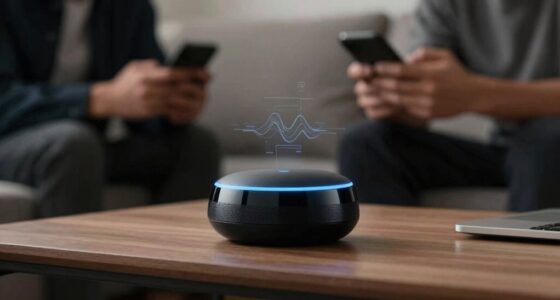
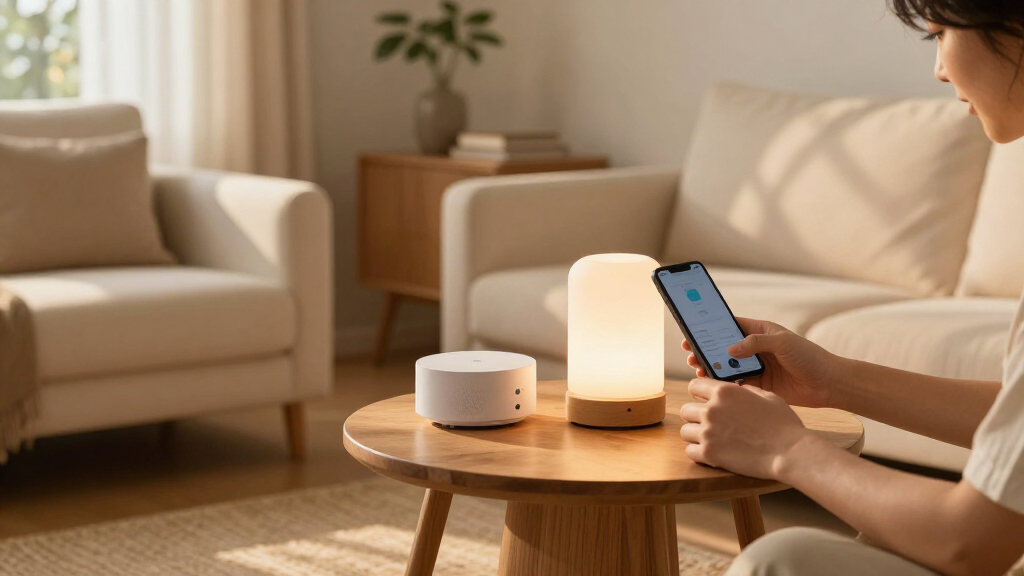
The guide’s central point is that many everyday smart-home commands do not need Wi-Fi’s capacity. A bulb receiving an on-off instruction or a sensor reporting that a door opened sends little data. Thread’s low-power, mesh-based design can be a better fit for those jobs, particularly where battery life and coverage across a home matter. The source does not provide comparative battery-life figures or network-performance tests.
Matter Alpha says door and window sensors can trigger alerts or automations, such as adjusting heating when a window opens. Motion and occupancy sensors can activate lights or other devices when a room is occupied. The report also points to smart locks, whose battery power and location near entrances can make low-power connectivity useful, and to blinds and shades distributed across a home, where simple open-and-close commands do not require high bandwidth.
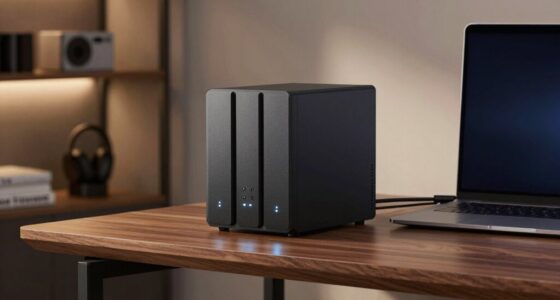
The other categories are smart bulbs, which may join a Thread network and, on some models, relay communications; smart buttons and remotes, which send simple control commands; and smart-home hubs or media streamers that include a Thread border router. The report names the Google TV Streamer and the 128 GB third-generation Apple TV 4K among products with smart-home hub functions, and identifies IKEA’s KAJPLATS bulbs and Aqara’s U400 lock as examples. Product capabilities should be checked with manufacturers: not every Thread device acts as a router, and the report’s list is a guide, not a compatibility guarantee.
Where Thread Can Help at Home
For shoppers, Thread is a connectivity feature to weigh against a device’s needs, not a reason on its own to replace working equipment. Battery-powered sensors and locks may benefit from a network designed for low-power messages, while blinds and bulbs may make use of a mesh that can carry commands among devices. Those potential advantages are relevant when choosing equipment for rooms far from a router or when adding multiple devices across a home.
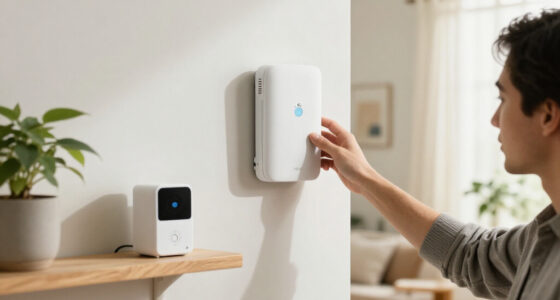
Thread also matters because device performance depends on the rest of the setup. A Thread border router is needed to connect a Thread network with other home networks and services. Some products with that capability may already be in a household, but buyers should check their specific model and software support. Compatibility, border-router availability and device-specific features determine whether the proposed benefit will apply in practice.
The distinction between Thread and Matter is also useful: Matter is a smart-home interoperability standard, while Thread is one possible network technology for carrying device communications. A product’s label and supported features matter. A device described as compatible with one standard does not, by that fact alone, establish support for every platform, automation or Thread function.
Products Worth Considering

Philips Hue Bridge Pro Smart Lighting Hub

Ring Floodlight Cam Wired Plus, 1080p HD Outdoor Security Camera with Motion-Activated Floodlights, 4-Pack, White

Philips Hue Large Smart Light Tube, Black – White and Color Ambiance LED Color-Changing Light – 1 Pack
As an affiliate, we earn on qualifying purchases.
Thread in Matter Devices
Matter Alpha frames Thread as an increasingly common option for manufacturers addressing battery-powered devices and remote placements. Its report contrasts Thread with Wi-Fi for devices that send limited information, while noting that Wi-Fi remains common in smart homes. Thread forms a mesh, allowing compatible network devices to pass communications onward; the exact role each product can play depends on its design.
The source gives examples rather than a product-by-product comparison. It describes IKEA’s KAJPLATS range as supporting Matter over Thread and also offering Zigbee connectivity, and identifies the Aqara Smart Lock U400 as a Thread-equipped lock. It also names media-streaming devices with border-router functions. These examples show how connectivity may appear in different product types, but the report does not establish that every model in a named range has identical capabilities.
“Smart home devices typically work well with Wi-Fi, but some are even better when they have Thread.”
— Matter Alpha report
Features Depend on Each Device
The report does not include independent tests comparing Thread and Wi-Fi for battery life, response times, range or reliability. Its descriptions of improved responsiveness and suitability are the report’s assessment, not quantified findings. Home construction, network layout, device firmware and the number and placement of compatible devices may affect real-world performance.
It is also unclear from the source whether every named product is available in every market, or which versions and software updates support each cited feature. Thread support alone does not establish that a bulb can relay network traffic, that a hub supports every Matter device, or that a lock supports a particular credential system. The source says to confirm router functionality with manufacturers; buyers should also check platform and regional compatibility.
Check Compatibility Before Buying
The report offers no announced product launch, regulatory decision or follow-up test. For consumers, the next step is to check the exact model’s specifications: confirm Thread and Matter support where needed, whether a border router is required, and whether the device can relay Thread traffic if that function matters. Buyers should also verify compatibility with their existing smart-home platform and review power requirements, including how often batteries need replacement or charging.
Whether Thread improves a particular home setup will depend on those product details and the network already in place. Further clarity would come from manufacturer specifications and independent comparisons measuring performance across comparable devices and home conditions.
Key Questions
Which smart-home devices does the report say may benefit from Thread?
Matter Alpha discusses bulbs, door and window sensors, motion and occupancy sensors, smart locks, blinds and shades, buttons and remotes, and compatible hubs. The benefits depend on each product’s capabilities and home setup.
Does Thread replace Wi-Fi?
No. The report presents Thread as a possible fit for devices that send small amounts of data, not as a universal replacement for Wi-Fi. Different devices and services may use different network technologies.
Do Thread devices need a border router?
A Thread network generally needs a Thread border router to connect with other home networks and services. Check whether an existing hub or media device supports that role and whether it is compatible with the products you plan to use.
Can every Thread bulb or device relay network traffic?
No. Matter Alpha says router functionality is not universal. Check the manufacturer’s specifications for the exact model rather than assuming Thread support means a device can relay communications.
Does the report prove Thread devices last longer on batteries?
No. The report describes low power use as a potential advantage, but provides no comparative battery-life measurements. Actual results may depend on the device, settings, firmware and network conditions.
Source: matteralpha.com