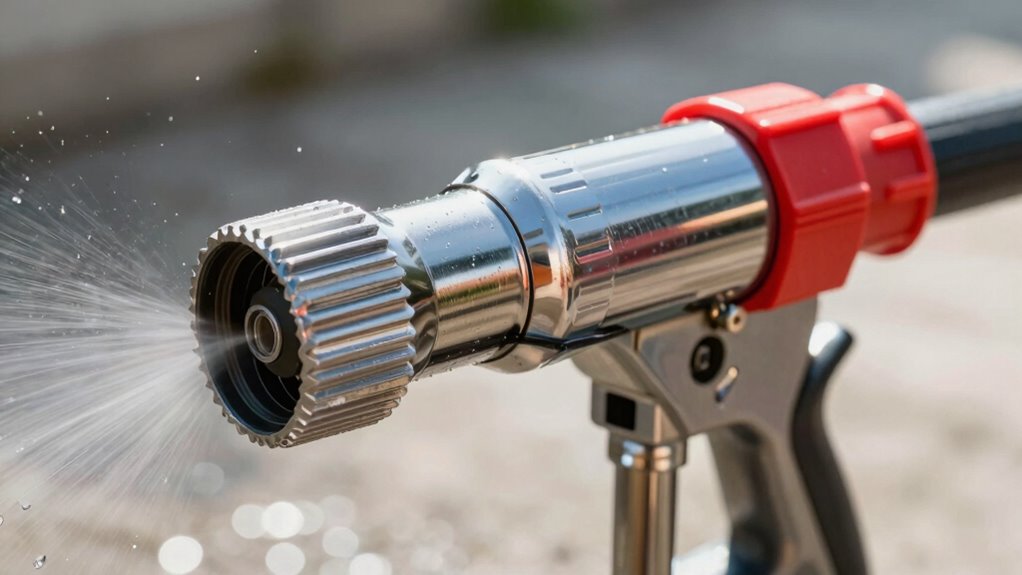

A pressure washer’s PSI indicates how much water pressure it generates, essential for cleaning surfaces safely and effectively. Lower PSI is better for delicate materials like wood or painted surfaces, while higher PSI is suitable for tough tasks like cleaning concrete. Always match the PSI to your surface to avoid damage or poor results. Proper adjustments and safety precautions are vital for maximum use. Keep exploring to discover more tips on choosing and handling the right PSI.

Get home appliances delivered free with Prime
- Fast, free delivery on millions of items
- Prime Video, Amazon Music and more included
- Member-only deals all year
Key Takeaways
- Choose the appropriate PSI based on surface material to prevent damage and ensure effective cleaning.
- Lower PSI is suitable for delicate surfaces; higher PSI works for tough, durable surfaces like concrete.
- Proper equipment maintenance and calibration help maintain consistent PSI and maximize cleaning efficiency.
- Use safety gear and proper nozzles to protect yourself and optimize pressure application.
- Avoid setting excessively high PSI to prevent surface damage, water waste, and runoff issues.
pressure washer with adjustable PSI
As an affiliate, we earn on qualifying purchases.
As an affiliate, we earn on qualifying purchases.
What Does PSI Mean, and Why Is It Important for Pressure Washing?
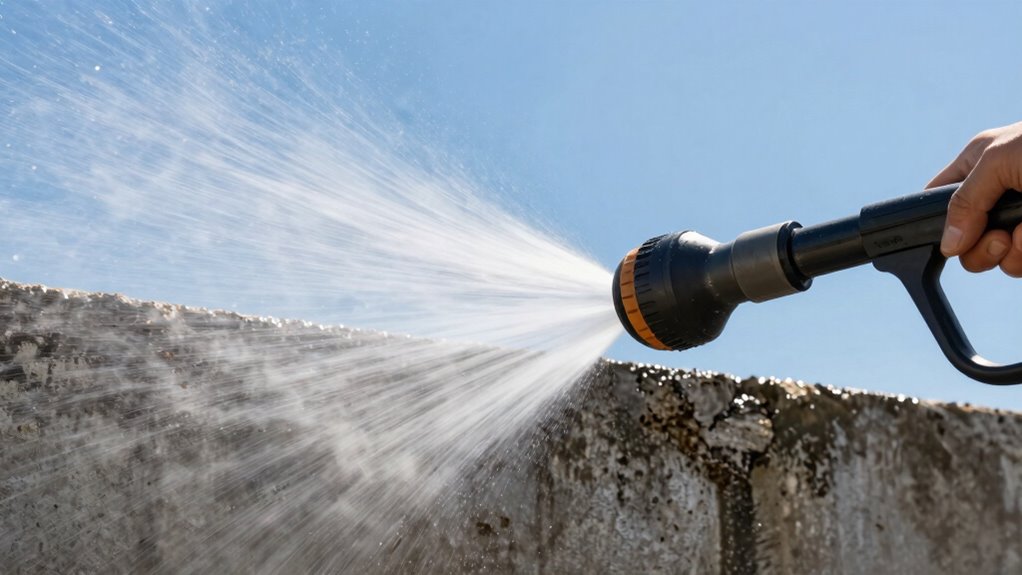
Understanding what PSI means is essential because it directly impacts how effectively your pressure washer cleans. PSI, or pounds per square inch, measures the water pressure your device generates. Higher PSI means more force, which can clean stubborn dirt but might also cause damage if not used carefully. Proper pressure washer maintenance helps guarantee your unit delivers consistent PSI, preventing issues like leaks or reduced performance. Water temperature plays a role too, as hot water can boost cleaning power without necessarily increasing PSI. Knowing the PSI rating helps you choose the right setting for each task, ensuring efficient cleaning without harming surfaces. Additionally, being aware of early warning signs can help you identify problems before they lead to more serious issues. Regularly monitoring your pressure washer’s performance ensures it maintains the correct PSI and prevents wear and tear. Maintaining the correct PSI is also important for equipment longevity, as consistent performance reduces strain on the machine’s components. Recognizing how pressure settings influence cleaning outcomes is crucial for safe and effective use. Proper pressure regulation is essential to adapt to different surfaces and cleaning needs. Remember, maintaining ideal PSI and water temperature is key to effective, safe pressure washing.
best pressure washer for concrete cleaning
As an affiliate, we earn on qualifying purchases.
As an affiliate, we earn on qualifying purchases.
How Do PSI Ratings Impact Different Surfaces and Cleaning Tasks?
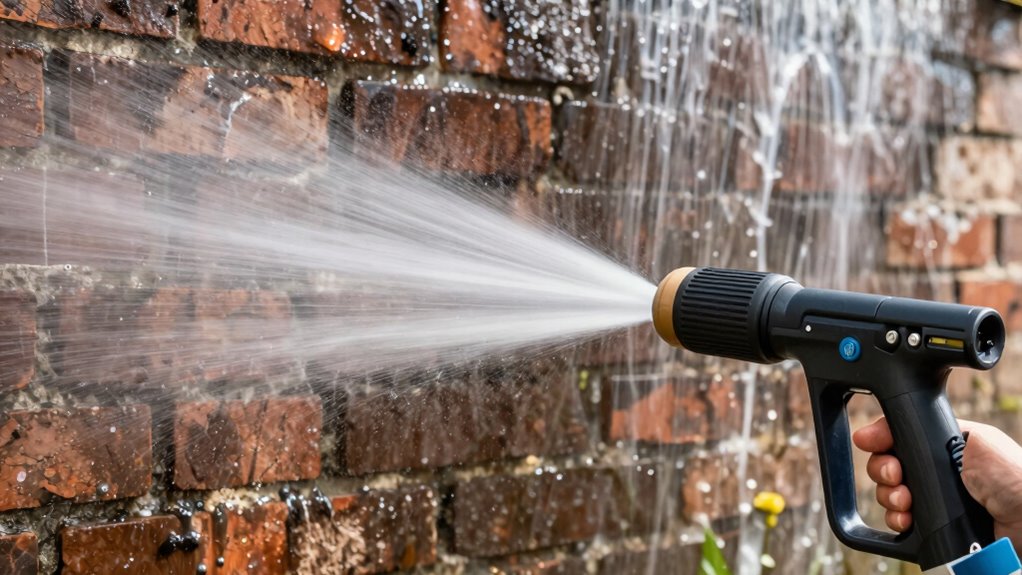
Different surfaces and cleaning tasks require varying PSI levels to be effective and safe. For delicate surface textures like wood or painted surfaces, lower PSI ratings prevent damage while still cleaning effectively. Conversely, tougher surfaces such as concrete or brick need higher PSI to remove dirt and grime thoroughly. Chemical compatibility also plays a role; some cleaning agents work best with specific PSI levels to maximize results without harming the surface. Using too high a PSI on soft or sensitive materials can cause etching or chipping, while too low a PSI might not clean adequately. Always consider the surface texture and chemical compatibility when selecting a pressure washer’s PSI to guarantee safe, efficient cleaning tailored to each task. Additionally, understanding pressure washer safety guidelines helps prevent accidental damage or injury during use, and knowing the appropriate PSI range for different surfaces ensures optimal cleaning without risking surface integrity. Being aware of microplastics in dust and the importance of proper air filtration can also contribute to a safer cleaning environment. Proper equipment maintenance further extends the lifespan of your pressure washer and ensures consistent performance. Recognizing how surface sensitivity impacts cleaning methods can help prevent unintended damage and improve overall results.
delicate surface pressure washer nozzles
As an affiliate, we earn on qualifying purchases.
As an affiliate, we earn on qualifying purchases.
How to Choose the Right PSI for Your Pressure Washer and Surface Type
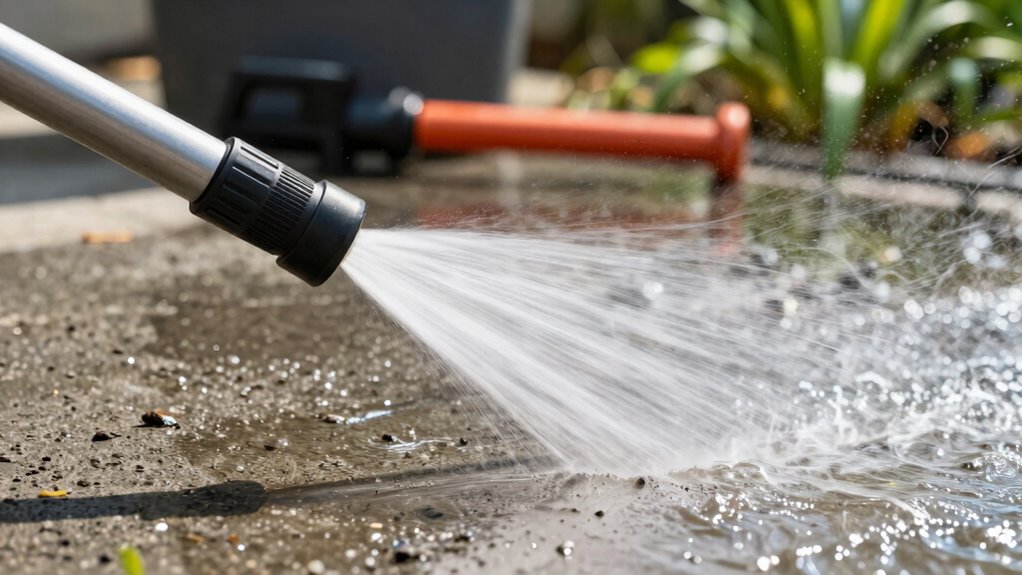
Choosing the right PSI for your pressure washer depends on the surface you’re cleaning and the type of dirt or grime you’re tackling. To select the proper PSI, consider the surface material and debris. Higher PSI isn’t always better and can damage delicate surfaces. Use pressure washer accessories wisely for targeted cleaning, and guarantee your psi measurement accuracy to avoid over- or under-cleaning. Additionally, incorporating outdoor transformation essentials like landscaping and seating areas can enhance your overall cleaning approach, ensuring your backyard remains both functional and aesthetically pleasing. Here are tips to help you decide:
Choose the right PSI based on surface type and debris for safe, effective cleaning.
- For delicate surfaces like wood or painted siding, opt for lower PSI settings.
- For tough grime on concrete or driveways, choose higher PSI levels.
- Always verify your pressure washer’s PSI with accurate measurement tools for consistent results.
- Understanding pressure washer PSI and how it relates to different surfaces can help prevent damage and improve cleaning efficiency.
Matching PSI to surface type ensures effective cleaning without damage.
As an affiliate, we earn on qualifying purchases.
When Should You Use Low to Medium PSI Pressure Washers?
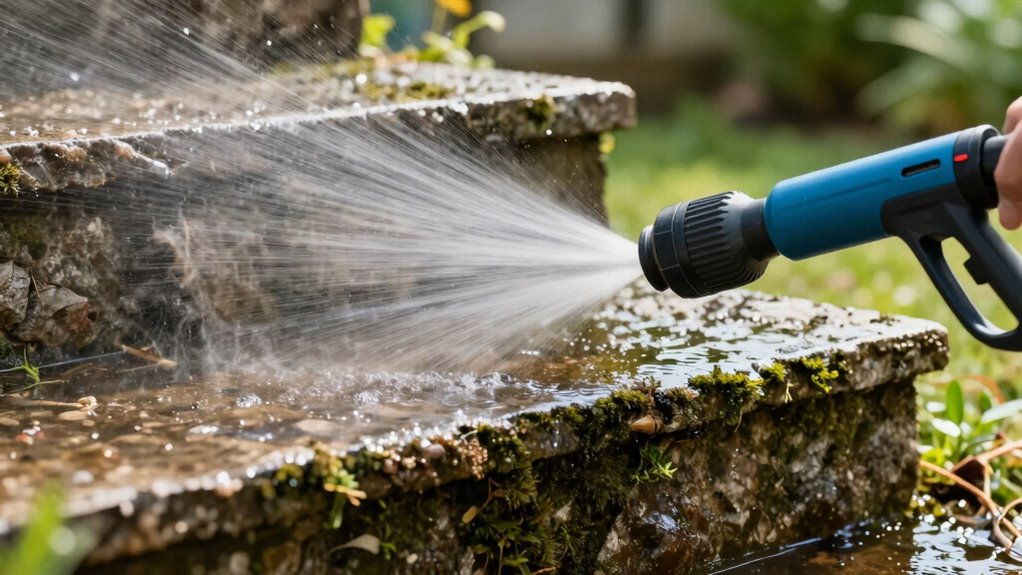
You should consider using a low to medium PSI pressure washer when cleaning delicate surfaces like wood, painted walls, or windows. These settings help you clean effectively without causing damage or stripping paint. By choosing the right pressure, you reduce the risk of harming surfaces while still getting the job done. Additionally, understanding appliance know‑how can help you select the appropriate settings for various cleaning tasks. Being aware of consumer safety guidelines can further ensure you use pressure washers responsibly and avoid accidental damage. Using the correct home maintenance techniques can extend the life of your surfaces and equipment. Knowing the proper pressure settings can also improve your cleaning efficiency and prevent surface deterioration. Incorporating rustic decor principles into your approach can help you maintain the aesthetic integrity of your outdoor and indoor spaces while cleaning.
Gentle Surface Cleaning
Ever wonder when it’s best to reach for a low or medium PSI pressure washer? You should use these settings for gentle surface cleaning, especially on delicate materials. Low to medium PSI is perfect for cleaning surfaces like painted walls, siding, and outdoor furniture without causing damage. To maximize effectiveness, opt for eco-friendly detergents and adjust water temperature to suit the surface. Using warm water can help loosen dirt and grime more efficiently. Regular use of glycolic acid products is also linked to maintaining youthful skin, which highlights the importance of gentle, non-abrasive cleaning methods for sensitive surfaces. Gentle exfoliation can be achieved through appropriate water pressure settings, ensuring you clean effectively without damage. Understanding surface sensitivity helps you choose the correct PSI setting and avoid unintended harm, especially when considering material durability and the impact of high-pressure streams. Additionally, being aware of auditory processing can help prevent noise-related stress during pressure washing, making the process more comfortable. Recognizing pressure levels allows users to tailor their cleaning approach for optimal safety and effectiveness.
Reducing Damage Risk
Wondering when to stick with low or medium PSI pressure washers? You should use them when cleaning delicate surfaces like sidings, decks, or outdoor furniture. These PSI levels reduce the risk of damage, especially if you’re concerned about stripping paint or gouging wood. To further protect surfaces, choose the right pressure washer accessories, such as wide-angle nozzles, which distribute pressure evenly. Using lower PSI also helps minimize environmental impact by conserving water and reducing runoff of detergents or debris. This approach guarantees effective cleaning without harming your property or the environment. Always start with the lowest PSI setting and adjust as needed. This method keeps your surfaces safe and extends the lifespan of your equipment while supporting eco-friendly practices. Understanding pressure washer PSI levels and how they relate to different cleaning tasks can help you make informed decisions to match your cleaning needs. Additionally, being aware of regional climate influences can guide you in choosing appropriate cleaning techniques and products for different environments. Incorporating knowledge about protective cleaning techniques can further optimize your approach and safeguard sensitive surfaces during maintenance.
What Are the Best Uses and Precautions for High PSI Pressure Washers?
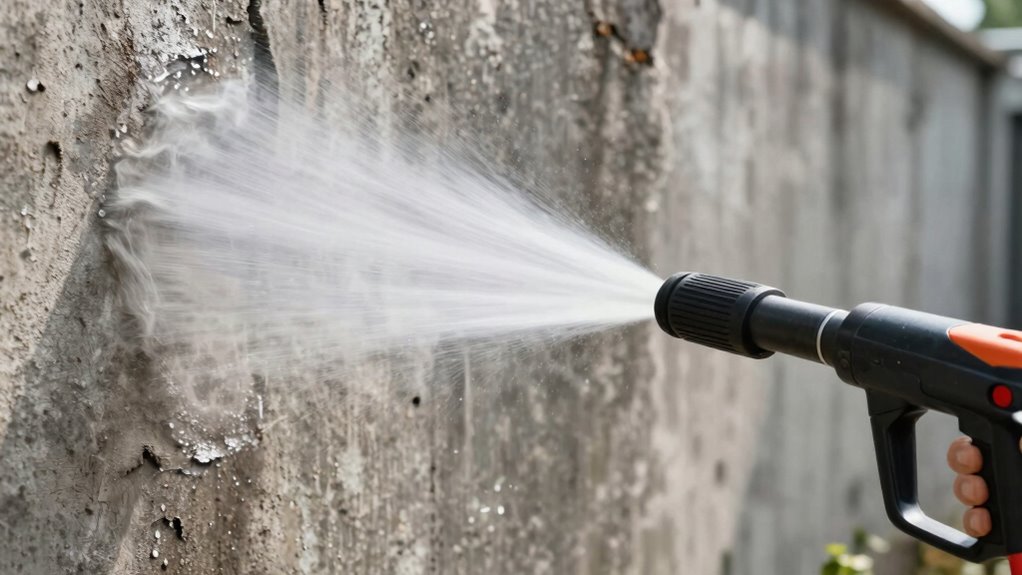
High PSI pressure washers are powerful tools best suited for heavy-duty cleaning tasks, but they require careful handling to prevent damage or injury. Use the right pressure washer accessories to target specific surfaces effectively. Be mindful of the environmental impact by avoiding excessive water use and choosing eco-friendly detergents. These machines excel at cleaning large surfaces like concrete driveways, brick walls, and rusted equipment. However, keep these precautions in mind:
High PSI pressure washers are ideal for tough cleaning but require careful handling and eco-friendly practices.
- Avoid spraying fragile surfaces or plants to prevent damage
- Keep a safe distance to prevent injury from high-pressure jets
- Regularly inspect equipment to ensure proper function and avoid leaks
Safety Tips for Operating Pressure Washers at Different PSI Levels
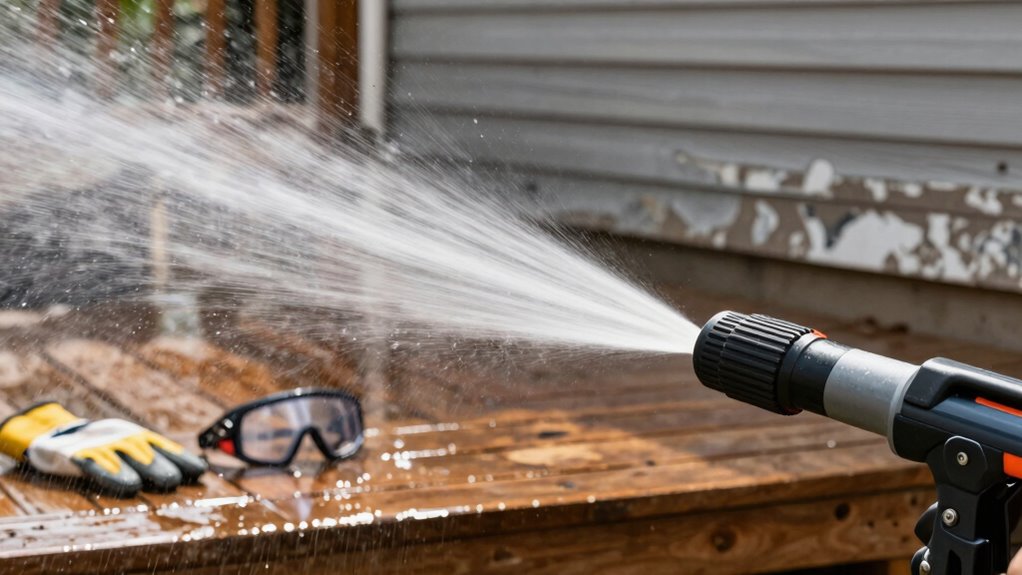
When operating a pressure washer at different PSI levels, it’s essential to wear proper PPE like goggles and gloves to protect yourself from debris and spray. Always adjust the pressure settings to match the task, ensuring you don’t use more force than necessary. Taking these precautions helps keep you safe and prevents damage to surfaces or injuries.
Proper PPE Usage
Operating a pressure washer safely requires wearing the appropriate personal protective equipment (PPE), especially as PSI levels increase. High-pressure water can cause serious injuries if safety protocols aren’t followed. Make certain to wear suitable protective gear such as waterproof gloves, safety goggles, and sturdy boots to shield yourself from flying debris and water spray. Remember, PPE is your first line of defense against potential hazards.
- Protective gear like goggles and gloves keeps you safe from splashes and debris.
- Safety protocols include checking equipment before use and maintaining a firm grip.
- Never skip PPE, regardless of pressure level, to prevent injuries. Wearing the right gear ensures you operate the pressure washer confidently and safely, reducing risks and allowing you to focus on the job at hand.
Adjust Pressure Settings
Adjusting the pressure settings on your pressure washer is essential for guaranteeing safe and effective cleaning, especially as PSI levels vary. Before changing settings, verify that your pressure gauge is properly calibrated to avoid over-pressurizing. Always check nozzle compatibility; different nozzles produce different spray angles and pressure levels, which impact safety and cleaning results. When increasing pressure, do so gradually to prevent damage or injury. Lowering PSI for delicate surfaces helps prevent surface damage or strip paint. Remember, high pressure isn’t always better—use the lowest effective setting. Regularly inspect your equipment to guarantee nozzles and gauges are functioning correctly. Properly adjusting pressure prevents accidents and prolongs your washer’s lifespan while delivering exceptional cleaning performance.
Common Mistakes to Avoid When Setting and Using PSI
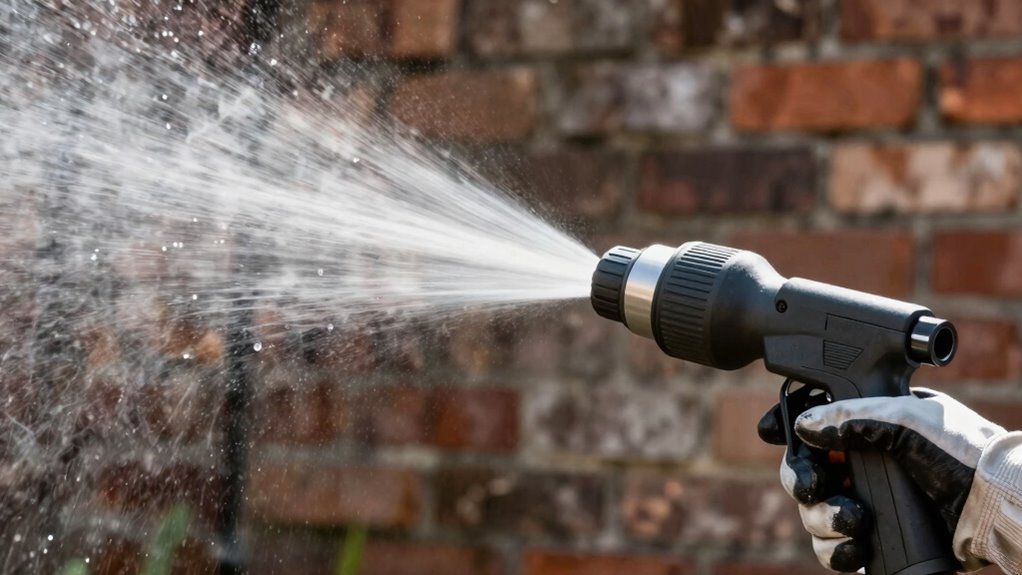
A common mistake people make is setting the PSI too high or too low for their specific cleaning task, which can lead to damage or ineffective cleaning. Incorrect PSI can harm surfaces, increase the environmental impact, and complicate pressure washer maintenance. To avoid this:
Setting the correct PSI prevents damage, ensures effective cleaning, and protects the environment.
- Use the right PSI for the surface to prevent damage and reduce water waste.
- Regularly inspect and maintain your pressure washer to guarantee it operates at the best PSI.
- Be mindful of environmental impact by avoiding excessive pressure that wastes water or causes runoff issues.
Neglecting these points can lead to costly repairs and environmental harm. Properly setting and maintaining your pressure washer ensures efficient cleaning, prolongs equipment life, and minimizes environmental impact.
How to Adjust PSI Settings for Optimal Cleaning Results
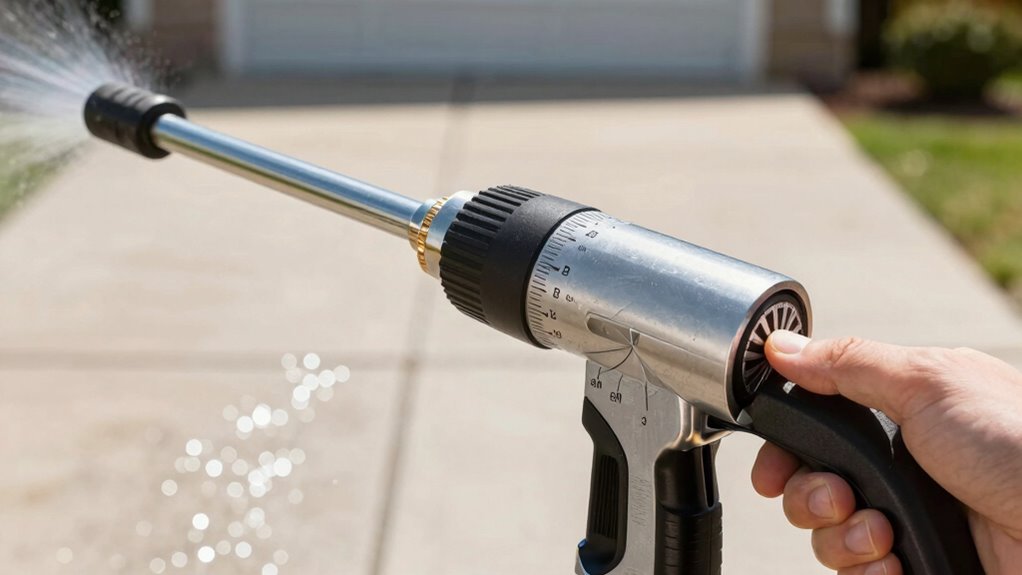
Setting the correct PSI on your pressure washer is key to achieving the best cleaning results without damaging surfaces. To adjust your PSI accurately, start by checking your equipment maintenance—ensure filters are clean and no leaks exist. Adjust the pressure control knob or dial according to the manufacturer’s guidelines for the task at hand. Keep in mind that water temperature influences PSI; hotter water typically increases cleaning power, so you may need to lower PSI when using warm or hot water to prevent surface damage. Always test on a small, inconspicuous area first. Properly adjusting PSI guarantees ideal cleaning, prolongs your equipment’s lifespan, and keeps surfaces safe from harm. Regular maintenance and water temperature considerations are essential for effective pressure washing.
Frequently Asked Questions
Can PSI Ratings Vary Between Different Brands of Pressure Washers?
Yes, PSI ratings can vary between brands of pressure washers. You might notice differences because of brand consistency and how each manufacturer calibrates their equipment. Some brands might advertise higher PSI ratings, but actual performance can differ due to calibration and build quality. It’s crucial for you to contemplate these factors, test the equipment if possible, and read reviews to verify the pressure washer meets your cleaning needs effectively.
How Does GPM (Gallons per Minute) Affect Cleaning Performance?
GPM, or gallons per minute, directly impacts your cleaning performance by determining water flow. Higher GPM means more water flows through the pressure washer, increasing cleaning speed and efficiency. This allows you to tackle larger surfaces faster and remove dirt more effectively. Keep in mind, balancing GPM with PSI guarantees ideal cleaning results without damaging surfaces, making your cleaning tasks quicker and more thorough.
Is Higher PSI Always Better for Tough Stains?
Higher PSI isn’t always better for tough stains. While it can increase cleaning power, it also risks surface damage if you use too much pressure. Plus, higher PSI can lead to water wastage if you’re not careful. For tough stains, focus on adjusting the nozzle and technique first, rather than just increasing PSI. Always test in a small area to avoid damaging surfaces or wasting water unnecessarily.
What Maintenance Is Needed to Keep PSI Consistent?
Think of your pressure washer as a race car; to keep it running fast, you need regular check-ups. To maintain consistent PSI, regularly inspect and clean the nozzle, ensuring no blockages. Also, monitor your pump’s lifespan by using proper oil and avoiding overuse. These simple steps prevent pressure drops, keep your machine performing at its best, and extend its lifespan, much like tuning a car for peak performance.
Are There Environmental Concerns With High PSI Pressure Washing?
Yes, there are environmental concerns with high PSI pressure washing, especially if you’re not mindful of eco-friendly practices. High-pressure water can lead to water waste and runoff containing detergents or pollutants, impacting nearby ecosystems. To minimize this, use water conservation techniques and eco-friendly cleaning agents. Always aim for the lowest effective PSI, and be cautious to avoid damaging surfaces or causing runoff that could harm the environment.
Conclusion
Choosing the right PSI is like tuning a musical instrument—you need the perfect pitch for the best sound. When you match your pressure washer’s PSI to your cleaning task and surface, you’ll get sparkling results without damage. Always stay safe and avoid common mistakes, adjusting settings as needed. Think of PSI as the volume knob—dial it up or down to achieve the clearest, safest clean, just like tuning a guitar for perfect harmony.
Evergreen bestsellers Picks
bestsellers
As an affiliate, we earn on qualifying purchases.