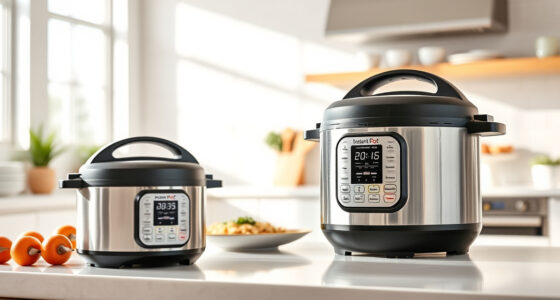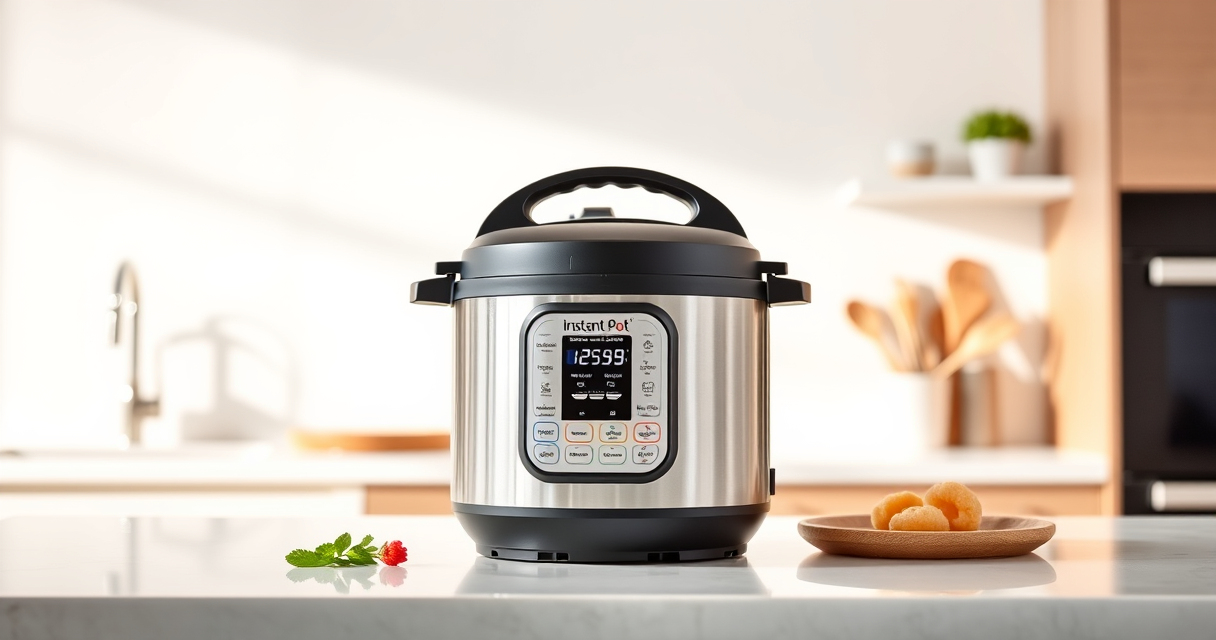

If your Instant Pot isn’t sealing properly, it can disrupt your cooking process and lead to safety concerns. Fortunately, most sealing issues are fixable with some simple troubleshooting. This guide walks you through the common causes and clear steps to resolve sealing problems, ensuring your Instant Pot works safely and efficiently every time.

Get home appliances delivered free — and shop member deals
- Fast, free delivery on millions of items
- Access to Prime Big Deal Days deals on October 6–7
- Prime Video, Amazon Music and more included
Before attempting any fixes, make sure you understand your specific model’s parts and follow safety precautions. Proper sealing is essential for safe pressure cooking, so take your time to identify and address the issue correctly.
Key Takeaways
| Common Cause | Sealing ring or lid misplacement |
| Quick Fix | Ensure the sealing ring is properly fitted and lid is closed correctly |
| Maintenance Tip | Regularly inspect and replace worn sealing rings |
| Safety Reminder | Never force the lid if it doesn’t lock properly |
Check the Sealing Ring
- Open the lid and remove the sealing ring from the lid.
- Inspect the ring for cracks, tears, or deformation.
- Make sure the ring is clean and free of food debris or residue.
Ensure Proper Lid Placement
- Align the lid correctly with the pressure cooker base, ensuring the arrow or indicator lines up.
- Press down firmly to ensure the lid is securely locked into place.
- Check that the anti-spin or positioning features are properly engaged, especially on the Instant Pot 4QT RIO Mini.
Verify the Lid Lock and Pressure Valve
- Confirm the lid lock is fully engaged and clicked into position.
- Ensure the pressure release valve is in the ‘Sealing’ position, not ‘Venting.’
- Clean the valve if it’s clogged or sticky to ensure proper sealing.
Test the Seal
Close the lid, set the valve to sealing, and start a short pressure cycle. If the lid seals properly and the pressure builds, the issue is likely resolved. If not, proceed to replace the sealing ring or seek further inspection.
Replace Worn Components
- If the sealing ring is cracked, torn, or deformed, replace it with an authentic replacement. For 5 & 6-quart models, consider using the Instant Pot Sealing Ring (ASIN B008FUUQJW) or Silicone Sealing Ring (ASIN B07Q42WDJZ).
- Regular inspection and replacement of the sealing ring prolongs the life of your pressure cooker and maintains safety.
The Products in This Guide

Instant Pot 4QT RIO Mini 7-in-1 Multi-Cooker
- ✔ Model: B0F9B923NC
- ✔ Capacity: 4QT
- ✔ Functions: 7-in-1

AOZITA Steamer Basket
- ✔ Compatibility: 6 & 8 qt models
- ✔ Material: Stainless Steel
- ✔ Design: 2 Tier
Instant Pot 4QT RIO Mini 7-in-1 Multi-Cooker
The Instant Pot 4QT RIO Mini 7-in-1 Multi-Cooker is perfect for small households, offering pressure cooking, slow cooking, sautéing, steaming, rice making, yogurt, and warming functions. Its anti-spin design helps keep the pot steady during use, and the compact size makes it easy to store.
Pros:
- 7 versatile cooking functions
- Compact and space-saving design
- Easy to use with clear indicators
- Fast cooking times
Cons:
- Limited capacity for larger families
- Requires occasional sealing ring replacement
- Lid locking can be tight initially
Best for: Small families, singles, students
Not ideal for: Cooking for large groups or big families
Bottom line: A versatile, space-saving multi-cooker ideal for small kitchens and quick meals.
AOZITA Steamer Basket
The AOZITA Steamer Basket is a great accessory to expand your Instant Pot’s capabilities. Its 2-tier design allows simultaneous cooking of different foods, saving time and effort.
Pros:
- Two-tier stackable design
- Made of durable stainless steel
- Compatible with 6 and 8-quart models
- Easy to clean with silicone handles
Cons:
- Requires extra space inside the pot
- Not a replacement for sealing components
- May need additional utensils for handling
Best for: Steaming vegetables, seafood, and multi-dish cooking
Not ideal for: For replacing sealing rings or lid components
Bottom line: A versatile steaming accessory to maximize your Instant Pot’s functionality.
Frequently Asked Questions
Why isn’t my Instant Pot sealing properly?
Common causes include a worn or misaligned sealing ring, lid not properly closed, or pressure valve not in the sealing position. Inspect and correct these issues to restore sealing.
How often should I replace the sealing ring?
It’s recommended to replace the sealing ring every 12-18 months, or sooner if it shows signs of cracks, tears, or persistent odors.
Can I reuse the sealing ring from a different model?
Sealing rings are model-specific. Use the correct ring designed for your Instant Pot model to ensure proper sealing and safety.
What safety precautions should I take when troubleshooting?
Always unplug the Instant Pot and allow it to cool before inspecting or replacing parts. Handle components carefully to prevent injury.
Ensure Proper Sealing for Safe, Efficient Cooking
By following these troubleshooting steps, you can resolve most sealing issues with your Instant Pot quickly and safely. Regular maintenance, such as inspecting and replacing worn sealing rings, helps keep your appliance functioning optimally. Remember, proper sealing is crucial for safe pressure cooking, so always double-check your lid and components before use.
Affiliate disclosure: As an Amazon Associate we earn from qualifying purchases. Prices and availability are accurate as of the time of publishing.
NFL season / tailgating Picks
team gear
As an affiliate, we earn on qualifying purchases.