
To keep yourself safe with home backup power, always follow safety guidelines. Choose the right generator by calculating your essential loads and guarantee proper placement outdoors, at least 20 feet from windows and vents. Never overload circuits, operate in well-ventilated areas, and use protective gear. Regularly inspect and maintain your equipment, and know emergency shutdown procedures. If you’re curious about more safety tips, you’ll soon discover how to protect your home and loved ones effectively.
Key Takeaways
- Install generators outdoors, at least 20 feet from the home, in well-ventilated areas to prevent carbon monoxide poisoning.
- Never overload circuits; prioritize essential devices and avoid running multiple appliances simultaneously.
- Regularly inspect and maintain generator equipment, including fuel storage, wiring, and safety features.
- Use proper connection procedures, including turning off the generator before connecting to transfer switches or circuit breakers.
- Follow manufacturer guidelines and comply with local safety regulations to prevent fire hazards and electrical shocks.
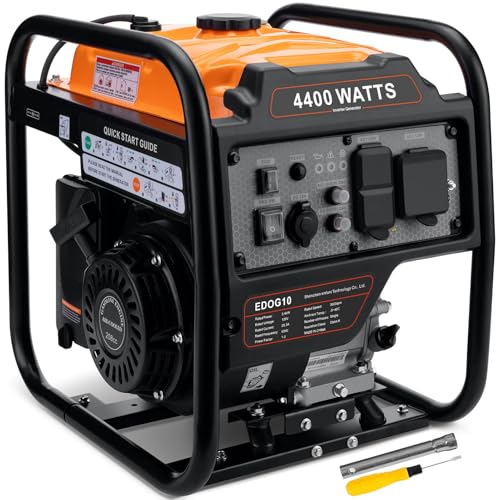
Oxseryn 4400-Watts Inverter Generator, Open Frame Generator Gas Powered, Emergency Home Backup, RV Ready 30A Outlet, EPA Compliment
Powerful Output: 4400 peak watts and 3400 running watts, 2*120V AC ports, 1* 30A RV port, 1*12V DC…
As an affiliate, we earn on qualifying purchases.
As an affiliate, we earn on qualifying purchases.
Why Backup Power Systems Can Be Dangerous and How to Stay Safe
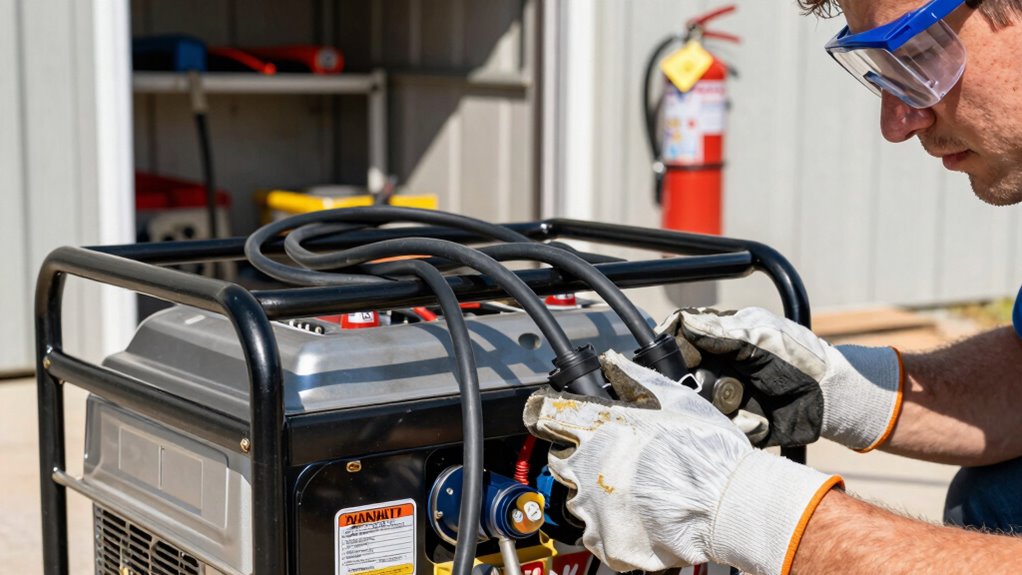
While backup power systems can keep your home running during outages, they also pose serious safety risks if not handled properly. Fire hazards are a real concern, especially if the system is overloaded or improperly installed, increasing the risk of electrical fires. Electrical shocks are another danger, often caused by faulty wiring or contact with live components. If you attempt to set up or maintain the system without proper knowledge, you could expose yourself to these hazards. Always guarantee your backup power system is installed correctly and maintained regularly. Avoid tampering with electrical connections unless you’re qualified. Staying aware of these risks helps prevent accidents and keeps your home safe during power outages. Proper gear care can also help prevent electrical issues caused by improper handling of equipment.

OSHA Danger Sign – Emergency Generator Danger High | Decal | Protect Your Business, Construction Site, Warehouse & Shop Area | Made in The USA
EXTREMELY DURABLE: All our OSHA safety products are made from commercial grade materials specifically rated for outdoor or…
As an affiliate, we earn on qualifying purchases.
As an affiliate, we earn on qualifying purchases.
How to Safely Choose a Backup Generator for Your Home

Choosing the right backup generator for your home requires careful consideration of your power needs, safety features, and installation requirements. Start by calculating your essential loads to determine the generator’s size. Pay attention to fuel storage options—fuel tanks should be safe, secure, and compliant with local regulations. Consider noise mitigation features to minimize disruption during operation, especially if your generator will be close to living spaces. Look for models with built-in safety features like automatic shutoff and overload protection. Additionally, check the generator’s efficiency and maintenance needs. Proper selection guarantees reliable backup power while reducing risks. Remember, a well-chosen generator not only keeps your home powered but also helps prevent safety hazards related to fuel and noise issues.

200 Amp Single Phase Generator Automatic Transfer Switch w/Power Management Replacement for Generac RXSW200A3 for Indoor and Outdoor Use, 120/240 V, Service Entrance Rated, NEMA 3R Aluminum Enclosure
Designed for use with single-phase generators, this transfer switch seamlessly transfers power from utility to generator
As an affiliate, we earn on qualifying purchases.
As an affiliate, we earn on qualifying purchases.
Where and How to Place Your Generator for Safe Operation
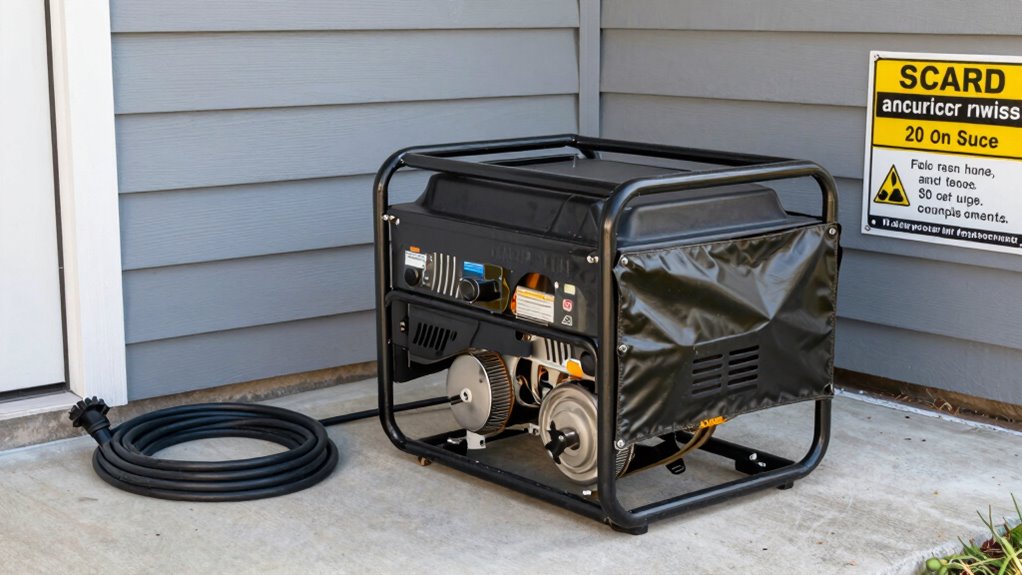
To guarantee safe operation, you should carefully select the location for your generator, keeping it well away from your home and living spaces. Proper outdoor placement is essential to prevent carbon monoxide buildup and ensure safety. Choose a dry, level area with good drainage to protect your generator from moisture. Make sure the spot meets ventilation requirements, allowing fresh air to circulate freely around the unit. Avoid enclosed spaces, decks, or areas with tight enclosures that could trap exhaust gases. Keep the generator at least 20 feet from windows, doors, and vents to prevent fumes from entering your home. Regularly check the placement to verify there are no obstructions that could hinder airflow or cause safety hazards during operation. Additionally, understanding the contrast ratio of your generator’s exhaust system can help ensure optimal ventilation and safety. Being aware of exhaust emissions is crucial to prevent dangerous buildup and ensure safe operation in all conditions. Properly assessing the market reputation of your generator brand can also provide insights into its safety features and reliability. Paying attention to manufacturer safety guidelines can further enhance safe usage practices. Furthermore, consulting local regulations can help ensure your setup complies with safety standards and prevents potential hazards.

4 Gallon Fuel Tank, Generator Gas Fuel Tank Universal Generator Gas Tank, Gasoline Storage Container with Spout Gauge Generator Petcock Filter 5-8KW Power Equipment
【HIGH-CAPACITY FUEL TANK】This durable 4-gallon gasoline tank is designed to extend generator runtime, making it ideal for long…
As an affiliate, we earn on qualifying purchases.
As an affiliate, we earn on qualifying purchases.
How to Connect Your Backup Power System Correctly

Once you’ve selected a safe, well-ventilated spot for your generator, the next step is to connect your backup power system correctly to guarantee safe and reliable operation. Proper connection involves making sure your fuel storage is secure and accessible, and your battery maintenance is up to date for electric start models. To do this:
- Confirm the generator is off, then connect it to your home’s transfer switch or main circuit breaker, following manufacturer instructions.
- Check that your fuel supply is filled and stored properly, away from heat sources.
- Inspect and maintain the battery connections regularly, ensuring they’re clean and tight for consistent power delivery.
- Consider the home layout to ensure your generator is positioned to minimize noise and exhaust impact on living spaces.
- Additionally, understanding fire safety measures is essential to prevent hazards during operation and storage. Proper fuel handling is also crucial to reduce the risk of leaks and fires. Regularly reviewing power connection procedures can help prevent accidental damage or unsafe setups. Ensuring that you are familiar with electric vehicle safety considerations can further enhance overall backup power safety during outages.
Following these steps helps prevent hazards and ensures your system functions smoothly during outages.
Safety Gear and Precautions When Operating Backup Generators
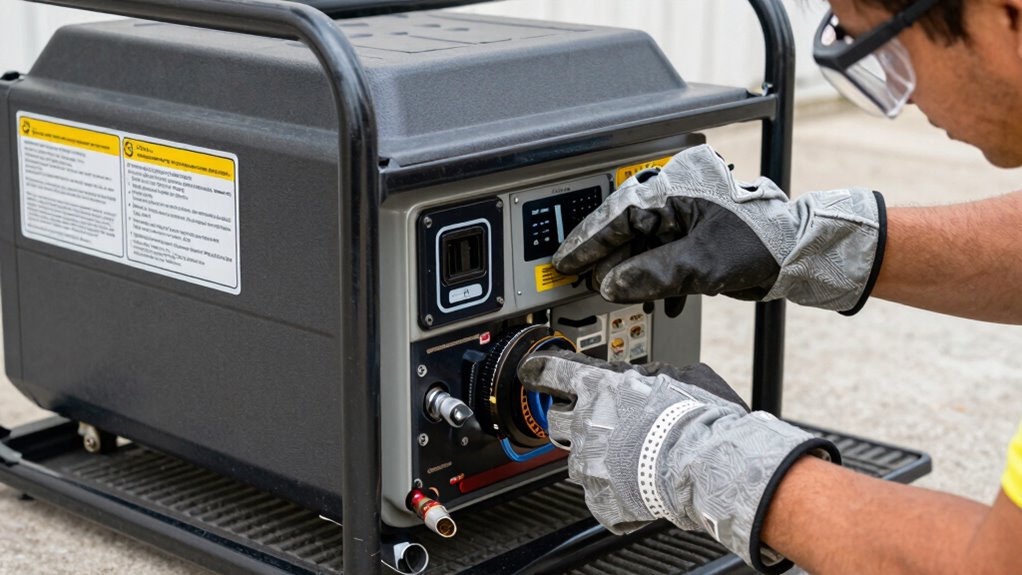
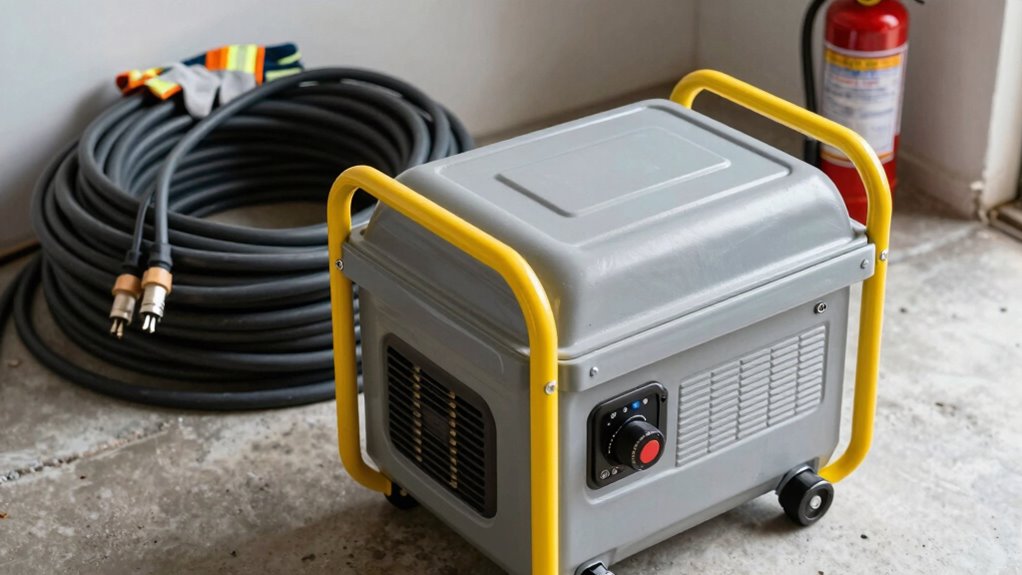
Operating a backup generator safely requires wearing the right safety gear and following essential precautions. Always don protective clothing, such as gloves, long sleeves, and sturdy footwear, to prevent burns and injuries from hot surfaces or moving parts. Use ear protection to guard against high noise levels, and wear eye protection to shield your eyes from sparks or debris. Before starting, confirm your emergency preparedness plan is in place, including knowing how to shut off the generator quickly if needed. Keep a fire extinguisher nearby, and never operate the generator in enclosed spaces to avoid carbon monoxide poisoning. Follow all manufacturer instructions, and stay alert for any signs of mechanical issues. Proper safety gear and precautions help prevent accidents and keep you safe during operation. Regular maintenance and understanding generator operation can also reduce the risk of hazards, especially when ensuring the airflow around the unit is unobstructed. Additionally, understanding the testing accuracy of your equipment ensures reliable performance and safety. Maintaining a safe environment around the generator enhances overall safety and helps prevent potential accidents. Being aware of protocols for emergency shutdowns is also crucial for safe operation.
What to Do During a Power Outage With Your Backup System

During a power outage, your top priority is to ensure safety first and avoid hazards. Make certain your backup system is managing power properly to prevent overloads or damage. Stay alert, follow safety guidelines, and monitor your system closely to keep everyone safe.
Ensure Safety First
When a power outage occurs, your top priority should be ensuring everyone’s safety. Stay alert to potential fire hazards and risks of electrical shock. To protect yourself and others, follow these steps:
- Keep a safe distance from backup generators, avoiding carbon monoxide buildup and fire risks.
- Never overload circuits or connect appliances improperly, which could cause electrical shock or damage.
- Turn off all backup system equipment if you notice sparks or unusual smells, preventing fire hazards or electrical issues.
- Regularly inspect and maintain your backup power system to ensure it functions safely when needed, especially considering proper maintenance and safety precautions. Additionally, familiarize yourself with backup system safety guidelines to prevent accidents during operation. Being aware of carbon monoxide risks associated with generators can help you take extra precautions. It’s also wise to keep a carbon monoxide detector in your home to alert you to dangerous levels of this gas. Ensuring your generator is operated in a well-ventilated area can significantly reduce carbon monoxide poisoning risks.
Remain calm and check on family members, especially those with health concerns. Avoid handling electrical equipment during storms or when wet, to prevent electrical shock. Prioritize safety over convenience at all times.
Manage Power Properly
To guarantee your backup system works effectively during a power outage, you should actively monitor its performance and make adjustments as needed. Keep an eye on the energy efficiency of your system to prevent overloads and unnecessary fuel consumption. Regularly check that your appliances are within the capacity limits specified by electrical codes, ensuring safe operation. Avoid overloading circuits or running too many devices simultaneously, as this can strain your system and pose safety hazards. Stay aware of your backup system’s status, listening for warning alarms or irregular sounds. If you notice any issues, shut down non-essential appliances to reduce load. Proper management helps maximize your system’s reliability and safety, keeping your home powered efficiently during outages.
Common Mistakes to Avoid When Using Backup Power
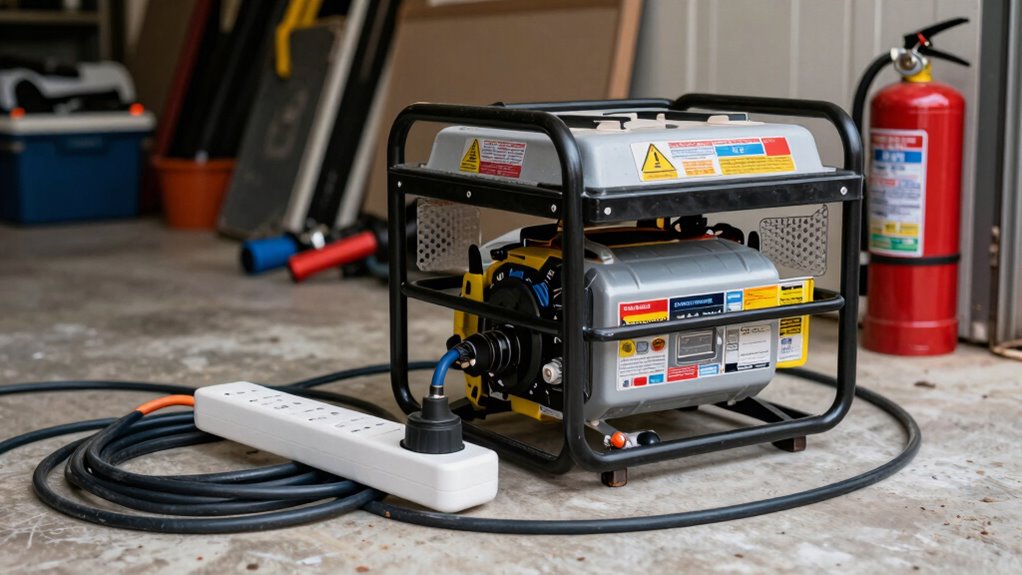
One common mistake is overloading your backup power sources, which can cause damage or failures. Another is placing generators in improper locations, risking carbon monoxide buildup or fire hazards. Being aware of these issues helps guarantee safe and reliable backup power during outages. Additionally, neglecting to consider proper ventilation can lead to environmental hazards and increased risks of health issues. Proper ventilation practices are essential to ensure safety when using backup power sources. Ensuring that your setup complies with safety guidelines can significantly reduce these risks. Recognizing the importance of aviation regulations can also help in understanding and implementing proper safety measures for backup power systems. Incorporating existential themes into safety routines can promote a more conscientious approach to managing backup power safely.
Overloading Power Sources
Overloading your backup power source might seem like a quick fix when you’re trying to run multiple devices at once, but it can lead to serious safety hazards. Overloading can cause electrical hazards, including electrical fires and damage to your equipment. It also increases the risk of power surges that can fry sensitive electronics. To avoid these dangers, keep these tips in mind:
- Do not exceed the wattage limit specified by your power source.
- Prioritize essential devices and avoid running everything simultaneously.
- Use a power strip with overload protection to prevent overloads and protect your devices.
Incorrect Generator Placement
Placing your generator in the wrong spot can cause safety risks and reduce its effectiveness. Incorrect generator placement can lead to safety hazards like carbon monoxide buildup, which is deadly if inhaled. Never set your generator indoors or in enclosed spaces, as fumes can quickly accumulate. Avoid placing it near windows, vents, or doors where exhaust gases can enter your home. Make certain the generator is on a dry, stable surface, away from water sources and combustible materials. Proper generator placement also involves keeping it outdoors in a well-ventilated area, at least 20 feet away from your home, with extension cords running safely. By choosing the right location, you minimize safety hazards and ensure your backup power system works efficiently when you need it most.
How to Maintain Your Backup Power System Safely

Regular maintenance is essential to keep your backup power system operating safely and reliably. Proper upkeep ensures your energy storage remains efficient and your fuel types are in good condition. To maintain safety:
Regular maintenance ensures your backup power system stays safe, efficient, and reliable when you need it most.
- Check your energy storage units regularly for signs of corrosion or damage, and keep terminals clean.
- Inspect fuel levels and condition, ensuring tanks are free of leaks and fuel types are appropriate for your system.
- Test safety features like automatic shut-off and ventilation systems to prevent hazards.
Routine inspections help identify issues before they become dangerous. Always follow manufacturer guidelines for maintenance schedules, and handle fuel with care. Regular upkeep minimizes risks, prolongs system lifespan, and guarantees your backup power operates securely when needed.
When to Call a Professional for Backup Power Safety Checks

While routine maintenance helps keep your backup power system in good shape, there are times when professional expertise is necessary to guarantee safety. If you notice signs like flickering lights, burning smells, or unusual noises, it’s time to call a professional. Faulty electrical wiring can pose serious fire hazards, so don’t attempt to fix complex issues yourself. Regular safety checks by a certified technician ensure your system operates correctly and safely, minimizing risks of electrical shocks or fires. Also, if your system isn’t switching on during outages or shows signs of corrosion, professional inspection is essential. Addressing these issues promptly protects your home and loved ones from potential hazards caused by faulty wiring or compromised safety features. Always prioritize expert help when in doubt.
Frequently Asked Questions
Can Backup Generators Be Safely Used Indoors?
No, you shouldn’t use backup generators indoors. They produce carbon monoxide, a deadly gas, so proper indoor ventilation is vital. Running a generator inside can lead to dangerous carbon monoxide buildup, risking poisoning. Always operate generators outdoors, away from windows and vents, to guarantee safe airflow. Remember, never use a generator indoors or in enclosed spaces to protect yourself and your loved ones from carbon monoxide risks.
How Often Should I Test My Backup Power System?
Did you know that regular testing can extend your backup power system’s lifespan by up to 20%? You should test your system at least once a month and follow proper maintenance schedules and testing procedures. This guarantees reliable operation during emergencies, prevents malfunctions, and keeps your system in top shape. Consistent testing helps identify issues early, so you can address them promptly and stay prepared for power outages.
Are There Specific Safety Certifications for Backup Generators?
Yes, there are specific safety certifications for backup generators, such as UL (Underwriters Laboratories) listing or CSA (Canadian Standards Association) approval. When performing generator maintenance, always follow safety precautions like wearing protective gear and guaranteeing proper ventilation. These certifications verify the generator meets safety standards, reducing risks. Regularly check that your generator has the necessary certifications, and adhere to safety precautions during maintenance to keep yourself and your home safe.
What Are the Signs of a Malfunctioning Backup Generator?
Did you know that nearly 70% of generator malfunctions are caused by poor maintenance? When your backup generator malfunctions, watch for odd noises, frequent cycling, or difficulty starting. These signs indicate issues that could lead to electrical hazards or system failure. Regular generator maintenance helps prevent these problems, ensuring safe operation. If you notice any of these signs, have a professional inspect your unit to avoid potential electrical hazards and keep your power backup reliable.
How Do Weather Conditions Affect Backup Power Safety?
Weather hazards like storms, heavy rain, or snow can impact your backup power safety by causing power disruptions or damaging your generator. You need to guarantee your generator is protected from moisture and extreme weather to prevent malfunctions or accidents. Always monitor weather conditions and shut down your generator if severe weather strikes. Regular maintenance and proper placement help keep your backup power system reliable and safe during unpredictable weather hazards.
Conclusion
Think of your backup power system as a trusted lighthouse guiding your home safely through stormy nights. By following safety rules, you keep its beam steady and bright, avoiding dangerous pitfalls. Regular maintenance and cautious operation guarantee it remains a reliable guardian, not a reckless flame. When you treat it with care, your home stays secure, and you navigate power outages smoothly—like a ship steering clear of treacherous waters, guided by a steady, safe light.