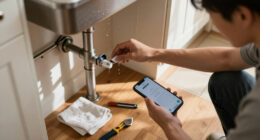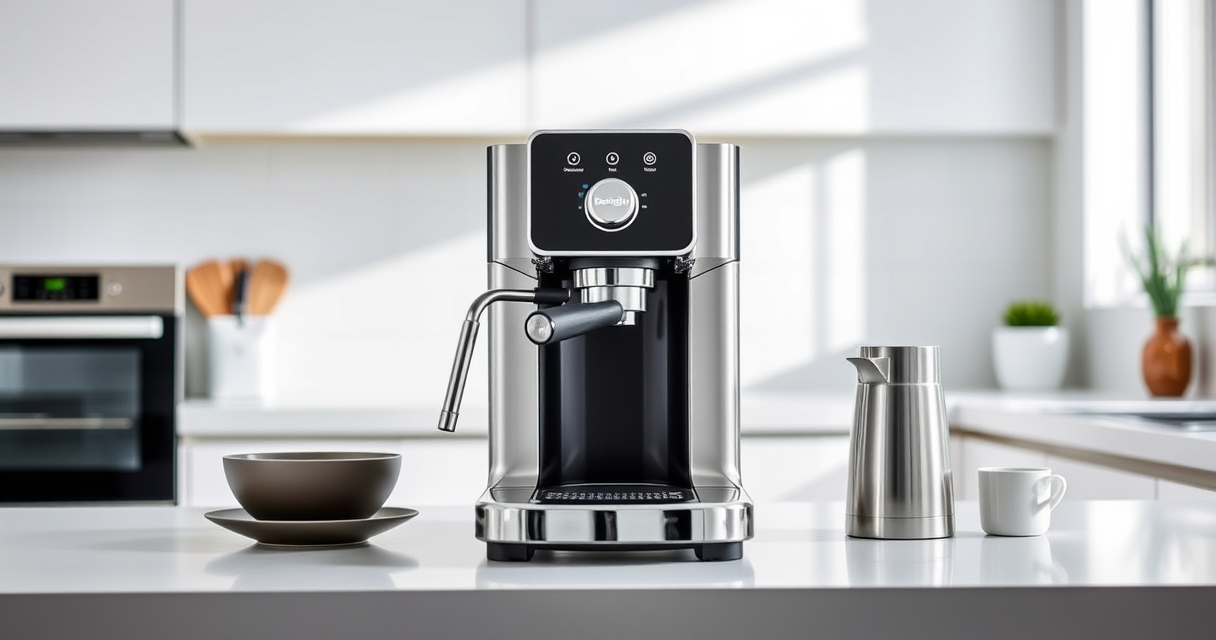

If your De’Longhi espresso machine is leaking water, it can disrupt your brewing experience and potentially damage the device. Leaks often stem from clogs, worn seals, or mineral buildup. Addressing these issues promptly can restore your machine’s performance and extend its lifespan. This guide provides clear, safe, and effective troubleshooting steps tailored specifically for De’Longhi models, including the popular Magnifica Evo Next.

Get home appliances delivered free with Prime
- Fast, free delivery on millions of items
- Prime Video, Amazon Music and more included
- Member-only deals all year
Before beginning any repairs, ensure your machine is unplugged and cooled down. Collect necessary tools and replacement parts, such as a water filter or descaling solution, if needed. Follow each step carefully to avoid further damage and ensure your safety.
Key Takeaways
| Identify leak sources | Leaks often originate from seals, hoses, or mineral buildup. |
| Routine maintenance helps | Regular descaling and filter replacement prevent leaks. |
| Check the water tank and connections | Loose or cracked components are common leak causes. |
| Replace worn parts | Seals, gaskets, or hoses may need replacing over time. |
| Seek professional repair if unsure | Complex issues might require expert assistance. |
Step 1: Unplug and Inspect Your Machine
Before starting any troubleshooting, unplug the De’Longhi espresso machine and allow it to cool completely. Carefully remove the water tank, drip tray, and any detachable parts. Examine the water tank and internal components for visible cracks, warping, or damage that could cause leaks. Check the area around the water inlet and outlet for mineral deposits or debris that could obstruct water flow.
Look for loose fittings, cracked hoses, or swollen gaskets. Sometimes, simple loose connections are the culprit, and tightening or reseating parts can resolve the leak.
Step 2: Clear Any Mineral Buildup
Mineral deposits from hard water can clog internal channels and cause water to back up and leak. Use a descaling solution, such as the De’Longhi EcoDecalk Descaler, following the manufacturer’s instructions. Run the descaling cycle to flush out mineral buildup, paying special attention to the water inlet and internal pathways.
This process not only helps prevent leaks but also maintains your machine’s optimal brewing performance. Regular descaling (every 2-3 months) is recommended to keep your machine in top condition.
Step 3: Check and Replace Seals and Gaskets
Worn or damaged seals and gaskets are common sources of leaks. Remove the water tank and inspect the rubber seals around the water inlet and other access points. Look for cracks, brittleness, or flattening. If you notice any deterioration, replace these parts with genuine De’Longhi replacement seals or gaskets.
Reinstall the parts securely, ensuring they sit correctly to prevent water from escaping during operation. Proper sealing is crucial for preventing future leaks.
Step 4: Tighten Fittings and Replace Damaged Hoses
Loose fittings or cracked hoses can cause persistent leaks. Check all water connections, including the internal hoses and external fittings. Use appropriate tools to tighten fittings without over-tightening, which can cause damage.
If you find cracked or brittle hoses, replace them with compatible parts. Ensure all connections are secure and properly seated before testing the machine.
Step 5: Test the Machine and Confirm Repair
After completing the above steps, reassemble the machine and fill the water tank. Plug it in and run a test brew cycle without coffee to check for leaks. Observe the water inlet area, hoses, and seals carefully during operation.
If no leaks are detected, your repair was successful. If leaks persist, revisit previous steps or consider professional servicing.
Additional Tips and Warnings
- Always unplug the machine before servicing. This prevents electrical hazards.
- Use genuine replacement parts. Inferior parts may not fit properly or last longer.
- Regular maintenance is key. Descale and inspect your machine every few months to prevent future leaks.
- If unsure about repairs, consult a professional technician. Attempting complex fixes without proper knowledge can cause further damage.
- Be cautious with water and electrical components. Avoid water contact with electrical parts to prevent shocks.
The Products in This Guide
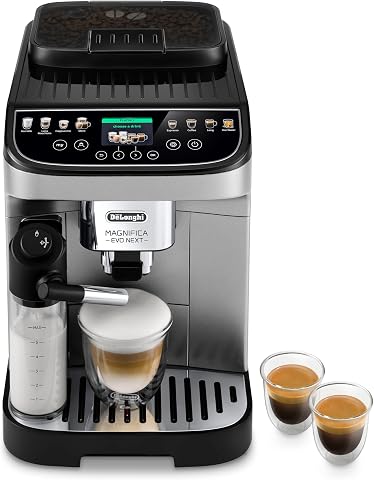
De’Longhi Magnifica Evo Next Fully Automatic Espresso Ma
- ✔ Power: 1450W
- ✔ Voltage: 120V
- ✔ Material: Plastic and stainless steel

De’Longhi Replacement Water Filter
- ✔ Material: Activated carbon
- ✔ Filter Life: Up to 40 liters
- ✔ Installation: Quick-release
De’Longhi Magnifica Evo Next Fully Automatic Espresso Ma
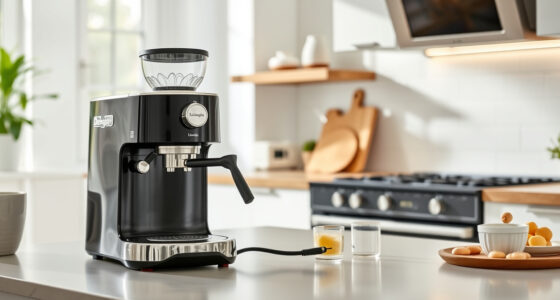
The De’Longhi Magnifica Evo Next is a versatile and reliable fully automatic espresso machine. Its advanced features, including a built-in grinder and LatteCrema hot system, make it a favorite among coffee enthusiasts. Despite occasional leaks, routine maintenance and proper care keep it performing at its best.
Pros:
- User-friendly interface
- Consistent grinding and brewing
- Automatic descaling compatible
- Multiple drink options
Cons:
- Can develop leaks over time
- Requires regular descaling
- Complex internal repairs
Best for: Home baristas who want a versatile, all-in-one espresso machine
Not ideal for: Users seeking a simple, manual espresso maker or quick repairs
Bottom line: A high-quality espresso machine with features that justify routine maintenance and occasional troubleshooting.
De’Longhi Replacement Water Filter
Replacing the water filter regularly helps prevent mineral buildup and potential leaks. The De’Longhi Replacement Water Filter is designed to optimize water quality and improve your machine’s performance.
Pros:
- Improves water taste
- Reduces lime scale
- Easy to install
- Extends machine lifespan
Cons:
- Requires periodic replacement
- Additional cost
- Must remember to change
Best for: Maintaining optimal water quality in your espresso machine
Not ideal for: Those who use filtered or soft water already
Bottom line: A cost-effective way to maintain water quality and prevent leaks caused by mineral deposits.
Frequently Asked Questions
What causes water leaks in my De’Longhi espresso machine?
Leaks can result from mineral buildup clogging internal pathways, worn or damaged seals and gaskets, loose fittings, or cracked hoses.
How often should I descale my De’Longhi machine?
It’s recommended to descale every 2-3 months, or more frequently if you have hard water, to prevent mineral deposits that can cause leaks.
Can I fix leaks myself or should I contact a technician?
Simple issues like loose fittings or clogged pathways can often be fixed at home. However, complex problems or internal damage may require professional repair.
Is descaling necessary even if my machine is not leaking?
Yes, regular descaling keeps mineral buildup in check, ensuring your machine functions efficiently and prolongs its lifespan.
What maintenance can prevent future leaks?
Regular descaling, replacing water filters, inspecting seals and hoses, and ensuring all fittings are tight will reduce the risk of leaks.
Keep Your Espresso Brewing Smoothly
A small leak doesn’t have to turn into a big problem. By following these troubleshooting steps and maintaining your De’Longhi espresso machine regularly, you can keep it running smoothly and enjoy perfect coffee every time. Remember, safety first—unplug your machine before inspecting or repairing, and don’t hesitate to seek professional help if needed.
Affiliate disclosure: As an Amazon Associate we earn from qualifying purchases. Prices and availability are accurate as of the time of publishing.
Fall yard work Picks
leaf blowers
As an affiliate, we earn on qualifying purchases.