If your De’Longhi espresso machine is leaking water, it can disrupt your daily coffee routine and potentially cause damage. Water leaks may stem from various issues, from simple clogs to more complex component failures. Addressing these problems promptly can save you time and money.

Get home appliances delivered free with Prime
- Fast, free delivery on millions of items
- Prime Video, Amazon Music and more included
- Member-only deals all year
This guide provides practical, safe, and accurate steps to identify the cause of water leaks and apply effective fixes. Whether you’re a seasoned barista or a casual coffee drinker, understanding these common issues will help you maintain your machine in top condition.
Key Takeaways
| Identify common causes | Leaks often originate from clogged filters, worn seals, or internal blockages. |
| Perform basic maintenance | Regular cleaning and descaling can prevent many leaks. |
| Follow safe troubleshooting steps | Disassemble only if you’re confident, and always unplug first. |
| Replace faulty parts | Worn seals or filters should be replaced for effective repair. |
| Seek professional help if needed | Persistent leaks may require servicing by a professional technician. |
Check the Water Container and Seals
- Unplug your De’Longhi espresso machine and carefully remove the water reservoir.
- Inspect the container for cracks or damage. If you notice any, replacing the water container is essential.
- Check the rubber seals or gaskets around the water tank inlet for wear or displacement. Worn or misaligned seals are common causes of leaks.
- If seals are damaged or displaced, replace or reposition them properly, then reattach the water container.
Examine the Brew Group and Internal Components
Remove the brewing unit (if accessible) according to your model’s instructions. Look for signs of mineral buildup, cracks, or loose fittings. Mineral deposits can cause blockages that lead to water backflow.
Clean the brew group thoroughly with a damp cloth and descaling solution if necessary. Ensure all components are seated correctly before reassembling.
Perform a Descaling Process
Mineral deposits from hard water can cause internal blockages, resulting in leaks. Use a descaling solution like the De’Longhi EcoDecalk, following the manufacturer’s instructions.
Run the descaling cycle without coffee beans to flush out mineral buildup. Regular descaling every 2-3 months will keep your machine functioning smoothly and prevent leaks.
Inspect the Drip Tray and External Hoses
- Check the drip tray for overflowing or improper placement. Empty and clean it regularly.
- Inspect external hoses and connections for cracks, loose fittings, or leaks. Tighten or replace parts as needed.
- Ensure all external components are correctly reattached after cleaning or maintenance.
Replace Worn or Damaged Parts
If you identify damaged seals, gaskets, or other components during inspection, replacing them is often the best fix. Use genuine replacement parts like the De’Longhi Water Filter to maintain optimal performance.
Follow your model’s manual for specific part replacement procedures or consult a professional technician for complex repairs.
The Products in This Guide
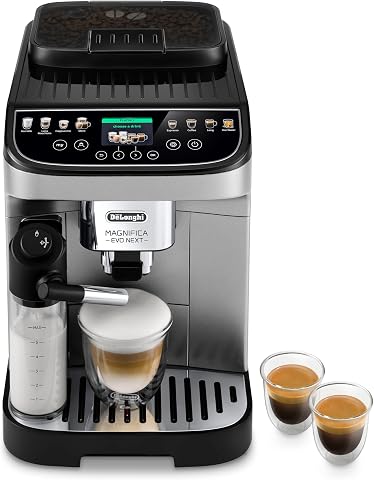
De’Longhi Magnifica Evo Next Fully Automatic Espresso Ma
- ✔ Power: 1450W
- ✔ Water Filter: Optional
- ✔ Warranty: 1 Year

De’Longhi Replacement Water Filter
- ✔ Filter Type: Carbon and resin
- ✔ Replacement Indicator: Yes
- ✔ Country of Origin: USA
De’Longhi Magnifica Evo Next Fully Automatic Espresso Ma
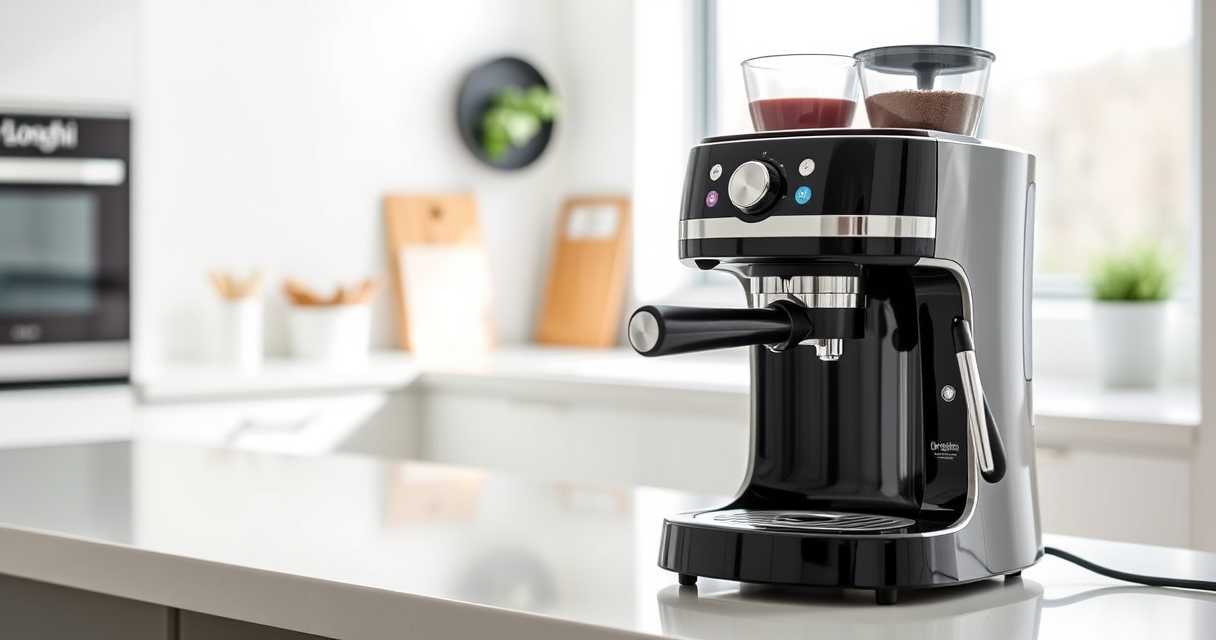
<p>The De’Longhi Magnifica Evo Next is known for its versatility and ease of use. Its built-in grinder, customizable recipes, and milk frother make it a top choice for coffee lovers.</p><p>However, like all machines, it can experience issues such as water leaks, which are often fixable with proper troubleshooting and maintenance.</p>
Pros:
- Automatic cleaning features
- Customizable drink options
- Built-in grinder for fresh coffee
- Efficient milk frother
Cons:
- Can develop leaks if not maintained
- Requires regular descaling
- Complex disassembly for some repairs
Best for: Home baristas seeking a fully automatic espresso experience
Not ideal for: Users uncomfortable with minor DIY repairs
Bottom line: Regular maintenance and timely parts replacement can keep your De’Longhi machine leak-free and brewing perfect espresso.
De’Longhi Replacement Water Filter
<p>The De’Longhi Replacement Water Filter helps optimize water quality, preventing lime scale buildup that can cause leaks. Installing this filter is simple and can significantly extend your machine’s lifespan.</p><p>It’s a valuable addition for regular users, especially in areas with hard water.</p>
Pros:
- Improves water taste
- Reduces lime scale
- Easy to install
- Enhances machine performance
Cons:
- Requires replacement every few months
- Additional cost
- Only compatible with some models
Best for: Maintaining water quality and preventing leaks
Not ideal for: If your machine already has mineral buildup, descaling may be more effective
Bottom line: Using a water filter reduces mineral deposits and helps prevent leaks, ensuring better-tasting coffee.
Frequently Asked Questions
Why is my De’Longhi espresso machine leaking water?
Leaks can occur due to damaged seals, mineral buildup, clogged filters, or loose fittings. Regular maintenance can prevent many of these issues.
How often should I descale my De’Longhi espresso machine?
Descaling every 2-3 months is recommended, especially if you have hard water, to prevent mineral deposits that can cause leaks.
Can I fix a water leak myself?
Yes, if you’re comfortable with basic disassembly and replacement of seals or filters. Always unplug the machine before attempting repairs.
What parts are most likely to cause leaks?
Worn or damaged seals, gaskets, or internal tubing are common culprits. Replacing these parts often resolves the leak.
When should I seek professional repair?
If you’ve tried troubleshooting and the leak persists, or if the internal components appear damaged, professional servicing is recommended.
Keep Your Coffee Flowing: Fix Water Leaks in Your De’Longhi
Regular maintenance, timely replacement of worn parts, and proper cleaning are key to preventing water leaks in your De’Longhi espresso machine. Addressing issues early ensures your machine continues to brew delicious coffee without interruptions. If problems persist despite your efforts, consulting a professional technician can save you time and guarantee a long-lasting, leak-free machine.
Affiliate disclosure: As an Amazon Associate we earn from qualifying purchases. Prices and availability are accurate as of the time of publishing.
Fall Picks
fall essentials
As an affiliate, we earn on qualifying purchases.