A circuit breaker panel controls the power flow to your home’s outlets and appliances, helping prevent overloads and short circuits by automatically shutting off electricity when issues occur. It contains individual breakers linked to specific areas, making it easy to turn off power for repairs or safety. Understanding how to identify, manage, and troubleshoot your panel can prevent hazards and guarantee safe operation. Keep exploring to learn more about keeping your electrical system efficient and secure.

Get home appliances delivered free with Prime
- Fast, free delivery on millions of items
- Prime Video, Amazon Music and more included
- Member-only deals all year
Key Takeaways
- A circuit breaker panel controls and distributes electrical power, protecting against overloads and short circuits.
- Different types include main breaker, main lug, and split-bus panels, chosen based on installation needs.
- Proper labeling of circuits aids quick identification, troubleshooting, and safety management.
- Common issues like tripped breakers indicate overloads or faults, requiring inspection or reset.
- Upgrading panels enhances safety, supports new electrical demands, and prevents outdated system risks.
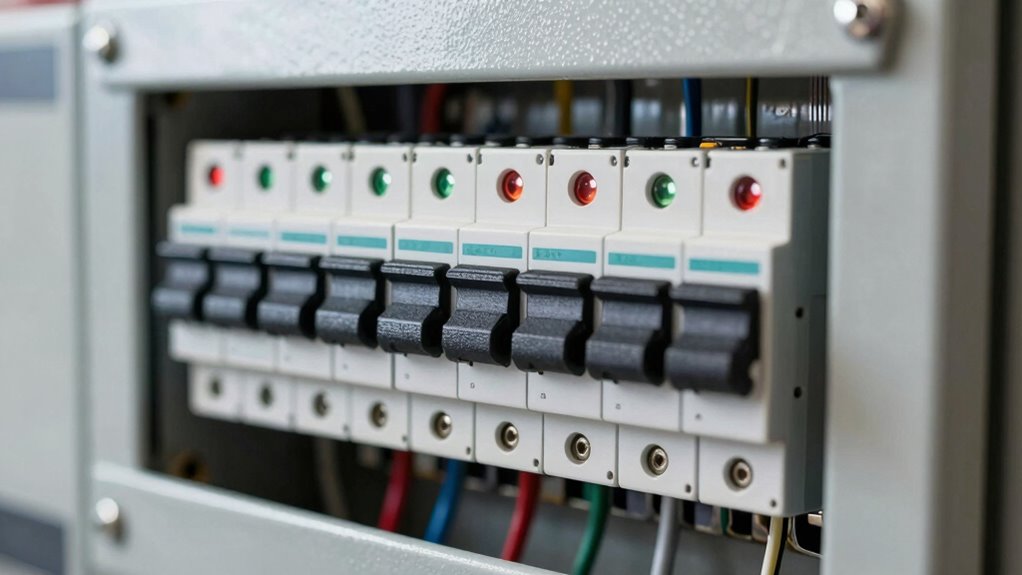
circuit breaker panel with labeling
As an affiliate, we earn on qualifying purchases.
As an affiliate, we earn on qualifying purchases.
What Is a Circuit Breaker Panel and How Does It Work
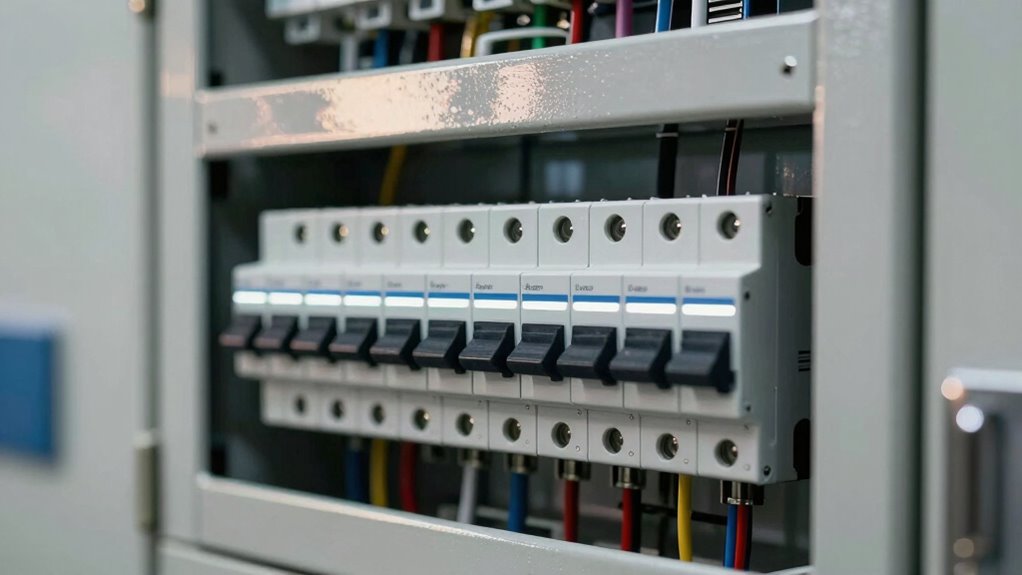
Ever wondered what a circuit breaker panel is and how it keeps your home safe? It’s a crucial part of your electrical safety system, controlling the power flow to your appliances and outlets. When there’s an overload or short circuit, the breaker trips, stopping electricity to prevent damage or fire. Regular panel maintenance ensures everything functions correctly and helps spot potential issues early. The panel contains individual circuit breakers, each linked to a specific area or device, making it easy to shut off power selectively. Understanding how it works can help you troubleshoot problems and keep your home safe. Proper care and awareness of your circuit breaker panel are fundamental to maintaining a reliable, safe electrical system in your home. Additionally, knowing about circuit breaker technology can help you choose the right panel for your needs and ensure optimal safety and performance. Being familiar with electrical safety tips can further protect you and your household from potential hazards. Recognizing signs of wear and tear in your breakers can prevent unexpected failures and enhance overall safety.
As an affiliate, we earn on qualifying purchases.
Types of Circuit Breaker Panels and How to Choose the Right One
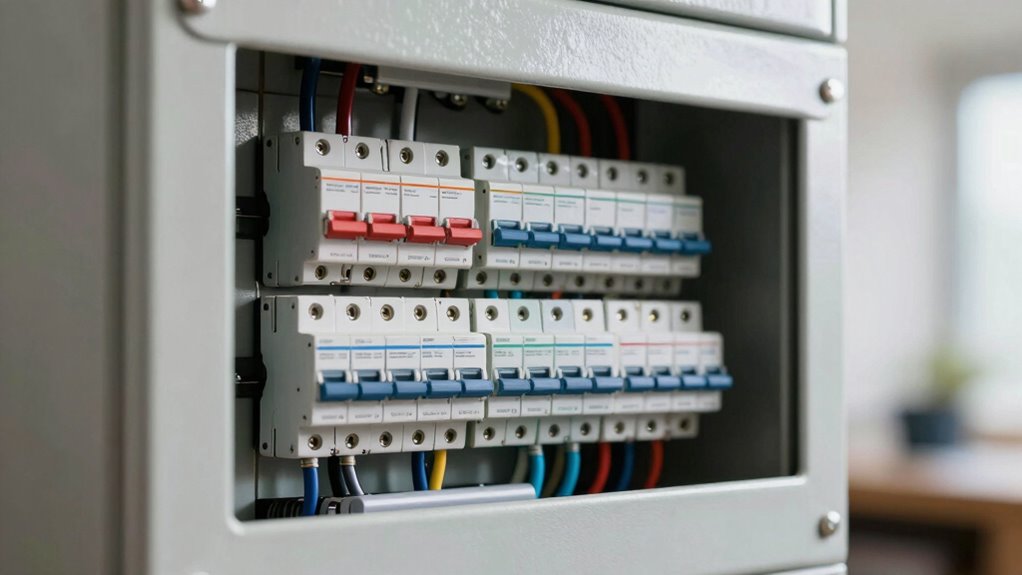
Are you unsure which type of circuit breaker panel is best suited for your home? Choosing the right panel depends on your electrical needs, safety precautions, and future expansion plans. There are main types: main breaker panels, main lug panels, and split-ban panels. Main breaker panels offer centralized control and safety, while split-ban panels separate the main breaker from individual circuits. When selecting, consider panel installation space, compatibility with your wiring system, and load capacity. Safety precautions are essential during installation; always turn off power and consult a professional if unsure. Properly selecting and installing the right panel ensures your home’s electrical safety and reliability, preventing overloads and potential hazards.
As an affiliate, we earn on qualifying purchases.
Reading and Understanding Your Circuit Breaker Panel Labels
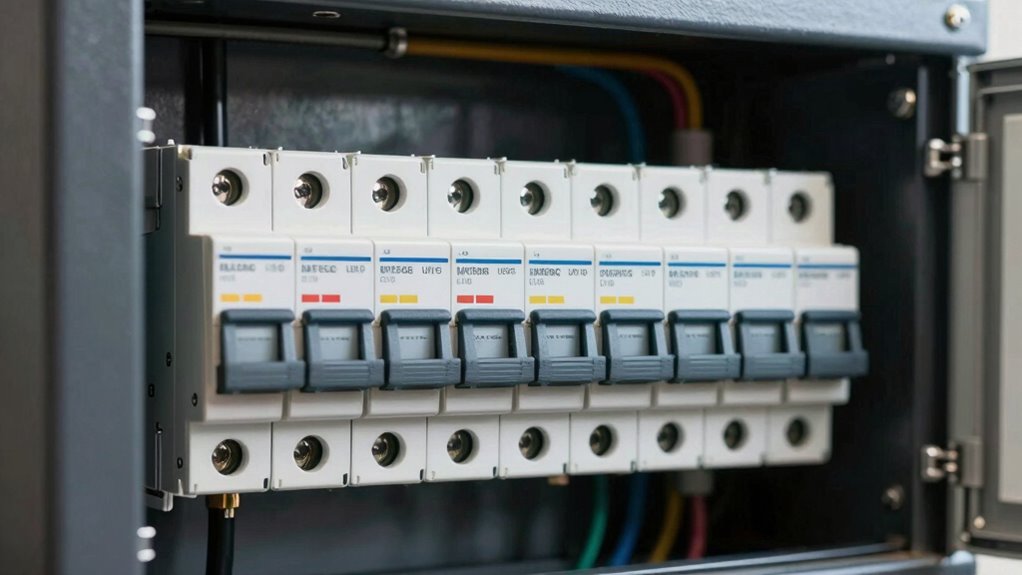
Understanding your circuit breaker panel labels is essential for safely managing your electrical system. Clear label readability helps you quickly identify which breaker controls each circuit, preventing accidental cuts or shocks. When inspecting labels, verify they are legible and up-to-date, as faded or missing labels can lead to confusion. Safety precautions include turning off the main breaker before working on any circuit and double-checking labels before resetting a breaker. Familiarize yourself with the labels’ layout, noting which area each breaker serves, such as kitchen or bedroom. Properly labeled panels make troubleshooting easier and reduce the risk of electrical accidents. Regularly review and update labels if any changes occur, ensuring safe and efficient operation of your electrical system. Additionally, understanding label readability can significantly enhance your ability to manage electrical safety effectively. Incorporating landscaping elements around your electrical panels can also improve visibility and accessibility, further promoting safety and ease of use. To ensure long-term safety, it’s also important to consider piercings and other personal safety measures when working near electrical components. Proper training and awareness of electrical regulations are essential for safe maintenance and upgrades. Being aware of Glycolic Acid Benefits for Skin can also inform you about proper skincare routines that may include exfoliation, which is unrelated but important for overall health.
As an affiliate, we earn on qualifying purchases.
Common Circuit Breaker Panel Problems and How to Troubleshoot
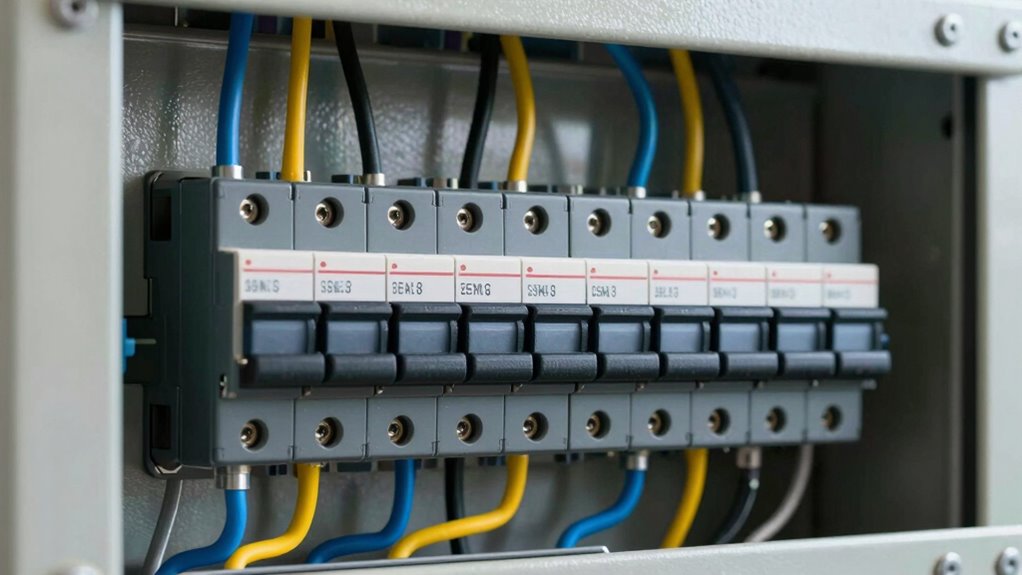
While clear labels help you identify circuits quickly, problems can still arise within your breaker panel. Common issues include tripped breakers from overcurrent or ground faults. Overcurrent protection is designed to prevent wiring damage by shutting off power when circuits draw too much current. Ground faults occur when electricity leaks to the ground, causing safety hazards and breaker trips. To troubleshoot, start by locating the tripped breaker and resetting it. If it trips again, inspect for overloaded circuits or damaged wiring. Use a multimeter to check for ground faults or short circuits. Proper maintenance and prompt troubleshooting can prevent further damage and ensure your panel functions safely. Regular inspections and understanding circuit breaker operation are essential for safety and reliability. Additionally, choosing the right breaker panel components can improve overall system safety and performance. Being aware of electrical safety standards can also help prevent emergencies and ensure your system complies with local regulations. Familiarity with electrical codes can further guide you in maintaining a safe and efficient electrical system.
When and How to Upgrade or Replace Your Circuit Breaker Panel
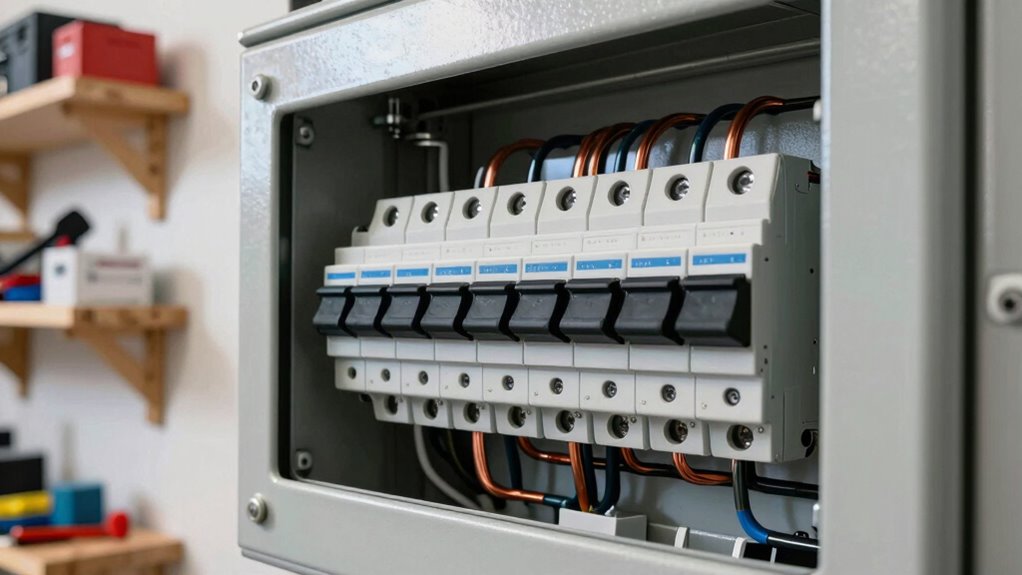
Knowing when to upgrade or replace your circuit breaker panel is essential for maintaining a safe and efficient electrical system. Signs include frequent trips, flickering lights, or outdated panels that can’t support modern loads like smart home integration. Consider upgrading if you’re planning energy efficiency upgrades or adding new appliances. An old or overloaded panel can pose safety risks and limit future expansion. If your home’s wiring is over 25 years old, it’s also time for an upgrade. A new panel can improve safety, support smart home features, and handle increased power demands. When replacing, consult a licensed electrician to ensure proper installation. Upgrading your panel can also help prevent issues related to heat buildup, which can be a fire hazard. Using proper load management techniques during an upgrade can further enhance safety and efficiency. Additionally, understanding circuit breaker safety is crucial for preventing electrical fires and ensuring your system operates reliably. Properly maintaining electrical components can extend the lifespan of your system and prevent unexpected failures. Upgrading doesn’t just protect your home; it also enhances energy efficiency and prepares your system for future technology needs. Regular inspections can also help identify potential safety hazards early before problems occur.
Frequently Asked Questions
How Often Should I Have My Circuit Breaker Panel Inspected?
You should have your circuit breaker panel inspected every 3 to 5 years to guarantee proper electrical maintenance and panel safety. Regular inspections help identify potential issues like wear, corrosion, or faulty connections before they cause problems. If you notice frequent breaker trips or flickering lights, schedule an inspection sooner. Staying proactive with panel safety keeps your home safe and prevents costly electrical repairs down the line.
Can a Circuit Breaker Panel Be Installed Outdoors?
Yes, you can install a circuit breaker panel outdoors. Picture a weatherproof enclosure shielding the panel from rain, snow, and sun, ensuring safety and durability. Outdoor installation requires weatherproof enclosures that protect the electrical components from the elements. These enclosures are designed to withstand harsh weather, so your panel remains safe and functional, even during storms or extreme temperatures. Proper outdoor setup keeps your electrical system reliable and secure.
What Safety Precautions Should I Take When Working on a Panel?
When working on a panel, always wear personal protective equipment like insulated gloves and safety glasses to prevent shocks or injuries. Follow lockout procedures to guarantee the panel stays de-energized while you work. Turn off the main power, verify the circuit is dead with a tester, and keep tools insulated. These precautions protect you from electrical hazards and ensure a safe, accident-free repair or inspection process.
Are There Smart Circuit Breaker Panels Available?
Did you know smart circuit breaker panels are gaining popularity? Yes, they’re available now. These panels integrate smart technology, allowing you to monitor energy usage in real-time and control circuits remotely. They enhance energy management, helping you save on electricity bills and improve safety. With features like automatic fault detection and easy app control, smart panels make managing your home’s power simpler, smarter, and more efficient.
How Does a Surge Protector Relate to Circuit Breaker Panels?
A surge protector connects to your circuit breaker panel to guard your home against power surges. When a power surge occurs, the surge protector absorbs the excess voltage, preventing it from damaging your appliances or wiring. This added layer of surge protection helps keep your electronics safe, especially during thunderstorms or when power fluctuations happen. Installing a surge protector near your panel guarantees your entire home benefits from enhanced protection against sudden power surges.
Conclusion
Understanding your circuit breaker panel is like having a trusted map in your home’s electrical landscape. By knowing how it works, reading labels, troubleshooting issues, and knowing when to upgrade, you keep your home safe and running smoothly. Think of it as tending a garden—you’re the gardener, ensuring everything stays in harmony. With this knowledge, you’ll confidently navigate your electrical system, preventing small sparks from becoming household fires.
Halloween Picks
halloween
As an affiliate, we earn on qualifying purchases.