Shelf load ratings tell you the maximum weight a shelf can safely support. These numbers usually reflect results from engineering tests based on material, design, and installation quality. Keep in mind, conditions like humidity, sunlight, and proper support affect these ratings. Overloading can cause damage or safety hazards. To guarantee your shelves stay secure, understanding what these ratings truly mean is key—if you want to learn more, stay tuned for detailed guidance.
Key Takeaways
- Shelf load ratings indicate the maximum weight the shelf can support safely under specified conditions.
- These ratings are based on standardized engineering tests and calculations, not universal guarantees.
- Factors like material, design, support, and installation influence the actual load capacity.
- Environmental conditions, such as outdoor weather or natural light, can reduce a shelf’s effective load limit.
- Proper weight distribution and adherence to labeled ratings are essential for safety and shelf longevity.

FLEXIMOUNTS 2-Pack 2x6ft Garage Shelving 24-inch-by-72-inch Heavy Duty Wall Mounted Shelves Garage Storage Rack Floating Shelves, 1400lbs Load Capacity, Black, Classic Series
1400 lbs Total Capacity: Our garage wall shelving is engineered for superior strength and durability, supporting up to…
As an affiliate, we earn on qualifying purchases.
As an affiliate, we earn on qualifying purchases.
What Are Shelf Load Ratings and Why Do They Matter?
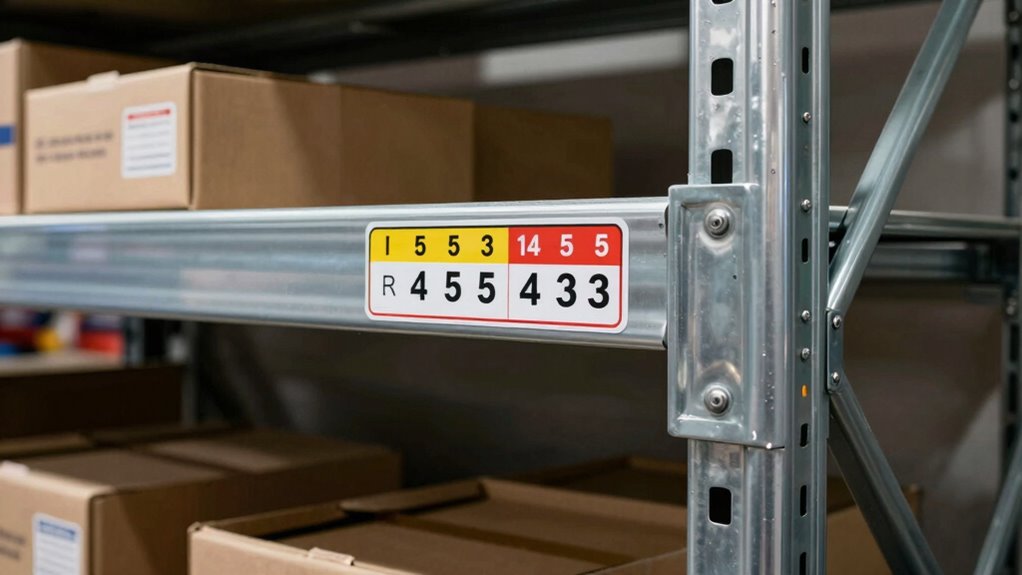
Ever wondered how much weight a shelf can safely hold? That’s where shelf load ratings come in. They tell you the maximum weight a shelf can support without risking damage or failure. Knowing this is essential for creative storage solutions, ensuring your space remains functional and safe. Proper load ratings help you avoid overloading, which could lead to sagging or breaking. Understanding these ratings allows you to maintain the aesthetic design you want, without sacrificing stability. shelf load ratings are determined through standardized testing methods that assess a shelf’s strength under various conditions. Whether you’re displaying decorative items or storing heavy objects, knowing the load capacity helps you choose the right shelf for your needs. It’s not just about safety—it’s about making smart choices that keep your space both beautiful and practical. Additionally, understanding the material strength of your shelves can help you select the most suitable options for different weight capacities. Incorporating smart home safety features can further enhance the security and durability of your storage solutions. Being aware of testing methods can also give you confidence in the reliability of the load ratings provided by manufacturers. Recognizing the significance of proper installation ensures your shelves function safely over time.

DurayLoly 72.12" H Garage Shelving, Storage Shelves Load 2100LBS, 5-Tier Adjustable Shelving Unit with Thickened Wooden Boards for Multiple Scenarios, 72.12" H x 35.55" W x 11.85" D, Black
【Spacious 72.12" H Garage Shelving】DurayLoly’s 35.55"W x 11.85"D x 72.12"H shelving unit fits garages, basements, or utility rooms….
As an affiliate, we earn on qualifying purchases.
As an affiliate, we earn on qualifying purchases.
How Do Shelf Materials Influence Load Capacity?
The materials used for shelves directly affect how much weight they can hold, with stronger materials supporting heavier loads. Construction quality also plays a key role, as well-built shelves tend to last longer and stay safer under stress. Additionally, durable materials guarantee your shelves remain reliable over time, even with frequent use. Incorporating high-quality materials ensures better load capacity and enhances the overall safety of your storage solutions. It is also important to consider how the surface finish of the materials can influence their durability and resistance to wear. Moreover, understanding the cosmic influences on personal traits can sometimes influence how we select and care for our storage solutions, especially when considering their long-term reliability. Paying attention to material properties can help in choosing shelves that meet both safety and aesthetic requirements.
Material Strength Differences
Different shelf materials have a significant impact on load capacity because their inherent strength varies. Material properties like tensile strength, stiffness, and durability determine how much weight a shelf can support safely. For example, solid wood tends to be stronger than particleboard, but manufacturing variations can influence the final strength of each piece. Variations in density, grain structure, and treatment processes can lead to differences even within the same material type. Understanding these factors helps you gauge a shelf’s true load capacity. It’s vital to take into account both the fundamental material properties and how manufacturing practices might affect the final product. This knowledge ensures you select shelves that meet your weight requirements and maintain safety over time.
Impact of Construction Quality
While material strength sets the foundation for load capacity, construction quality plays a vital role in how well a shelf performs under weight. Well-built shelves with precise joints and sturdy supports distribute weight evenly, preventing sagging or failure. This distribution of weight directly impacts shelf aesthetics, as high construction quality keeps shelves looking neat and stable over time. Additionally, the choice of materials influences material sustainability, but how you assemble and reinforce those materials determines the shelf’s true load-bearing ability. Proper assembly techniques are essential to ensure that the load is effectively supported and that the shelf remains durable. Good construction also involves attention to detail, which ensures that every component contributes to the overall strength and stability of the shelf. Using appropriate fasteners and following manufacturer guidelines can significantly enhance overall stability and safety. Investing in skilled craftsmanship and quality construction practices can minimize the risk of structural issues occurring later. Poor construction can undermine even the strongest materials, leading to wobbling or collapse. By investing in quality craftsmanship, you guarantee that your shelves not only hold more weight but also maintain their appearance and structural integrity longer. Good construction is essential for maximizing load capacity and shelf longevity.
Durability and Longevity
Have you ever wondered how the materials you choose for your shelves impact their ability to hold weight over time? The durability and longevity of your shelves depend largely on the materials used. Stronger materials like solid wood or metal tend to withstand heavy loads longer, maintaining their structural integrity. This choice directly affects the shelf’s load capacity, ensuring it can support your storage needs effectively. It also influences shelf aesthetics, as durable materials keep shelves looking good and stable over years. When considering storage organization, selecting high-quality materials guarantees your shelves won’t sag or warp, even with frequent use. Additionally, incorporating energetic alignment into your selection process can help you choose materials that resonate positively with your space, enhancing overall harmony. Selecting appropriate material selection can also help prevent issues like warping or cracking, which compromise load capacity. Using cheaper or weaker materials might save money upfront but can lead to quicker wear and tear, reducing load capacity over time. According to knowledge about material strength, choosing the right materials is essential for long-term durability. Ultimately, investing in durable materials helps your shelves last longer, supporting your storage needs and maintaining a neat, organized space.
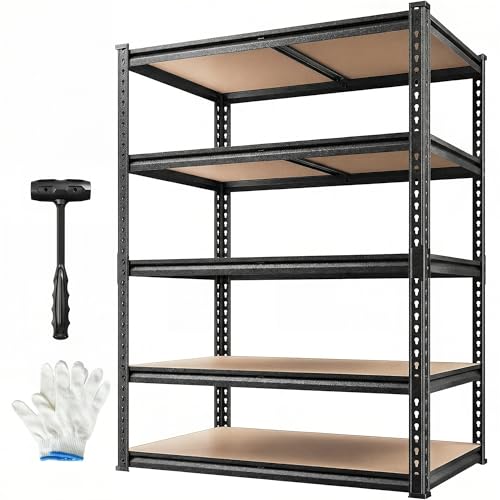
REIBII 2400LBS Storage Shelves 5 Tier Garage Shelving Heavy Duty, Adjustable Metal Shelving Unit, Garage Shelves for Basement, Warehouse, Pantry, Closet, Kitchen 72" H x 35.55" W x 16" D, Black
【72 "H x 35.55 "W x 16" D Multipurpose storage shelves】The professionally garage shelving with perfect size is…
As an affiliate, we earn on qualifying purchases.
As an affiliate, we earn on qualifying purchases.
How Are Shelf Load Ratings Determined?
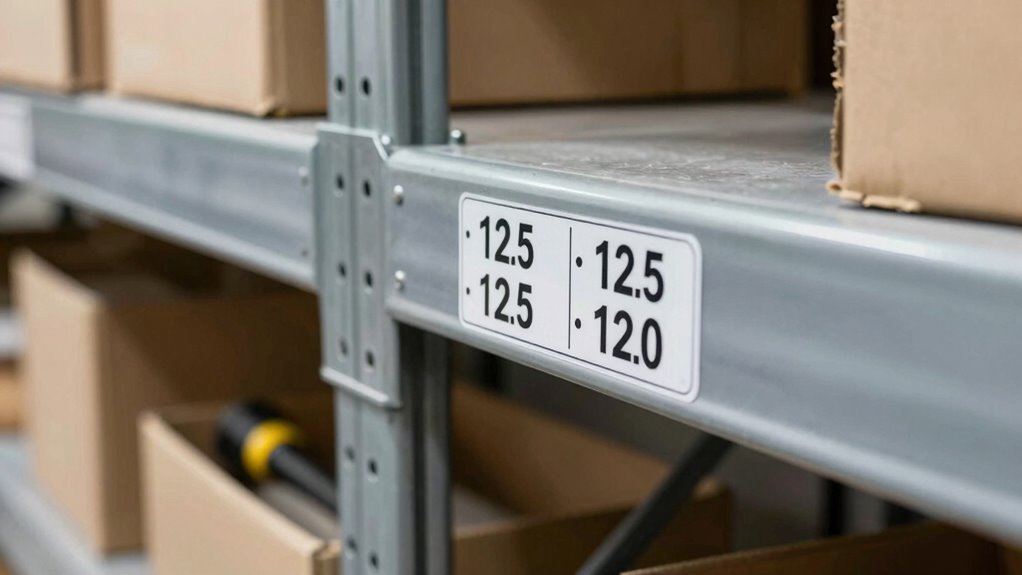
Shelf load ratings are determined through a combination of engineering tests and calculations that assess how much weight a shelf can safely support. During load testing, manufacturers apply gradually increasing weights to the shelf to observe its response, guaranteeing it can handle the specified load without bending or breaking. Shelf labeling is then used to communicate these ratings clearly, often based on test results. Engineers consider factors like material strength, shelf thickness, and support design to calculate safe load limits. These calculations help establish a rating that ensures safety under typical use. Additionally, cultural influences such as perceptions linked to astrological signs can sometimes affect how consumers interpret product reliability. The process guarantees that the shelf’s load capacity is both accurate and reliable, giving you confidence in the shelf’s ability to hold your items without risking damage or failure.

CX Black & Yellow, 4-Tier Heavy Duty Plastic Storage Shelves that Support up to 200lbs/shelf, Organization and Storage, Weather-Resistant Design, Easy Assembly (55"H x 48"W x 20"D)
MAXIMIZE STORAGE CAPACITY : Holds up to 8 Black & Yellow 27-Gallon Containers to keep spaces neat and…
As an affiliate, we earn on qualifying purchases.
As an affiliate, we earn on qualifying purchases.
What Factors Affect Shelf Strength and Stability?
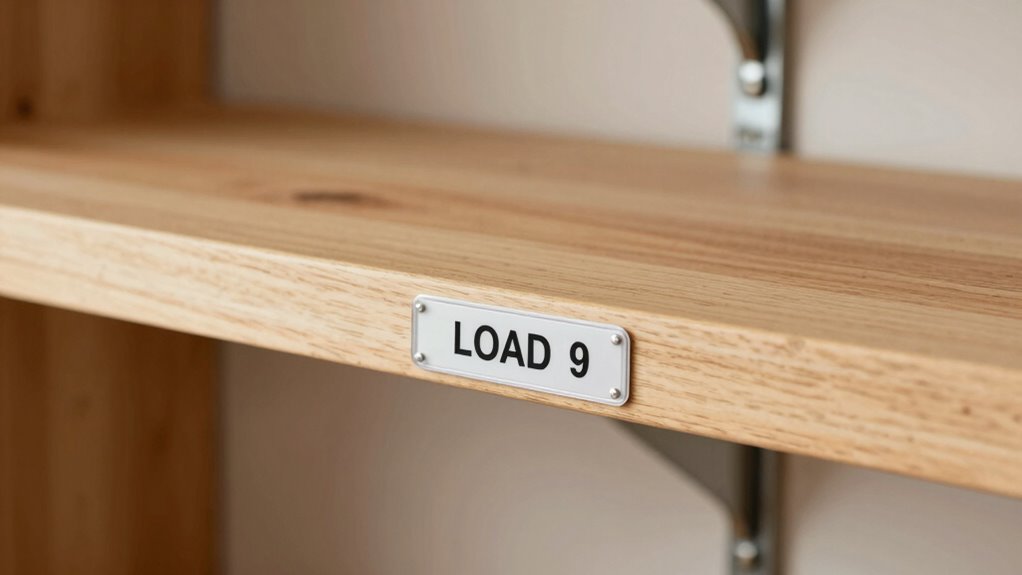
What factors influence how strong and stable a shelf remains under load? Several elements come into play. First, the material you choose affects durability—metal tends to be stronger than glass or plastic. The shelf’s design also matters; thicker shelves usually support more weight. Aesthetic design influences how and where you place the shelf, but it shouldn’t compromise strength. For example, a sleek, minimalist look might use thinner materials, reducing load capacity. Color options can impact visibility and placement but don’t directly affect strength. Proper support brackets and correct installation are vital for stability, regardless of style. Additionally, understanding natural light can help you choose optimal locations for your shelves, ensuring they are both functional and enhance your cozy space. Moreover, considering how material properties influence load capacity helps you make more informed choices. Elements like material composition play a crucial role in determining how well a shelf can handle weight over time. Recognizing the importance of load distribution ensures your shelves remain stable even under uneven or shifting loads. Furthermore, understanding the weight limits specified by manufacturers can prevent overloading and potential damage. Ultimately, understanding these factors helps you select a shelf that balances aesthetic appeal with the necessary strength and stability for your needs.
Common Myths About Shelf Load Ratings Debunked
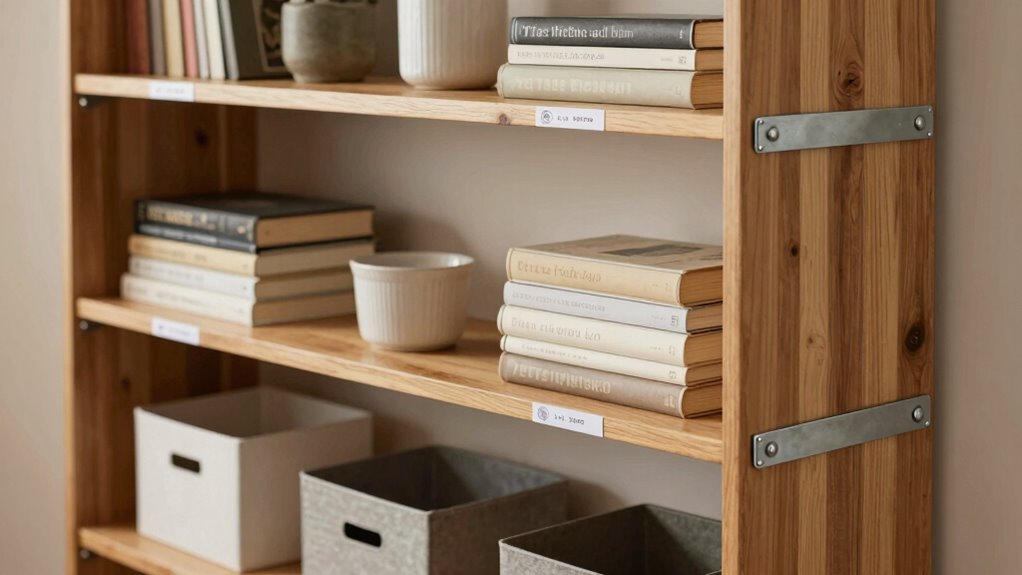
Many people believe that shelf load ratings are absolute and universally accurate, but this is a common misconception. These ratings often vary based on factors like shelf material, mounting, and environment. For example, decorative shelving may appear sturdy but isn’t designed for heavy loads, especially outdoors where weather can weaken materials. Indoor vs outdoor conditions greatly impact shelf strength—outdoor shelves face moisture and temperature fluctuations that reduce load capacity. It’s also a mistake to assume the number on the label applies to all situations; ratings are specific to certain conditions. Additionally, natural materials used in outdoor environments can degrade over time, further affecting load capacity.
- Visualize a delicate decorative shelf holding heavy books, risking failure.
- Consider outdoor shelves exposed to elements, which may need higher ratings or different materials.
- Understand that ratings are guidelines, not guarantees, for every scenario.
How to Read and Interpret Shelf Labels and Specs
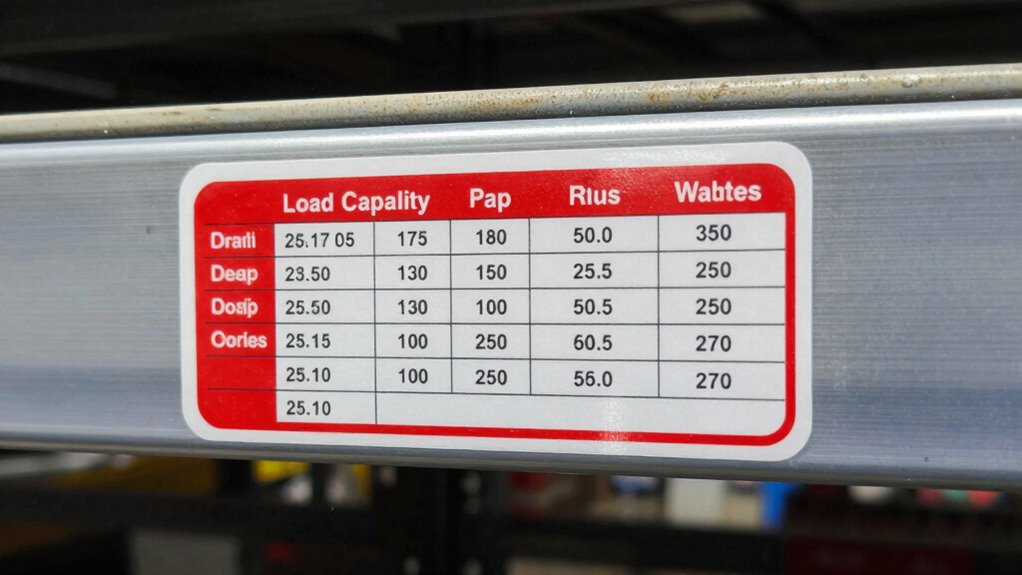
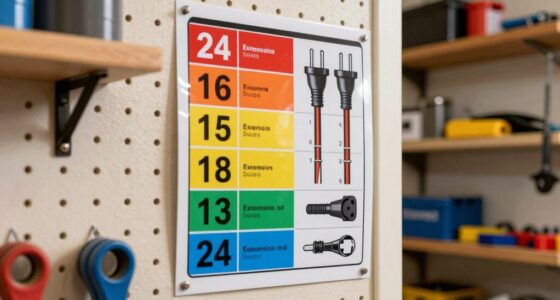
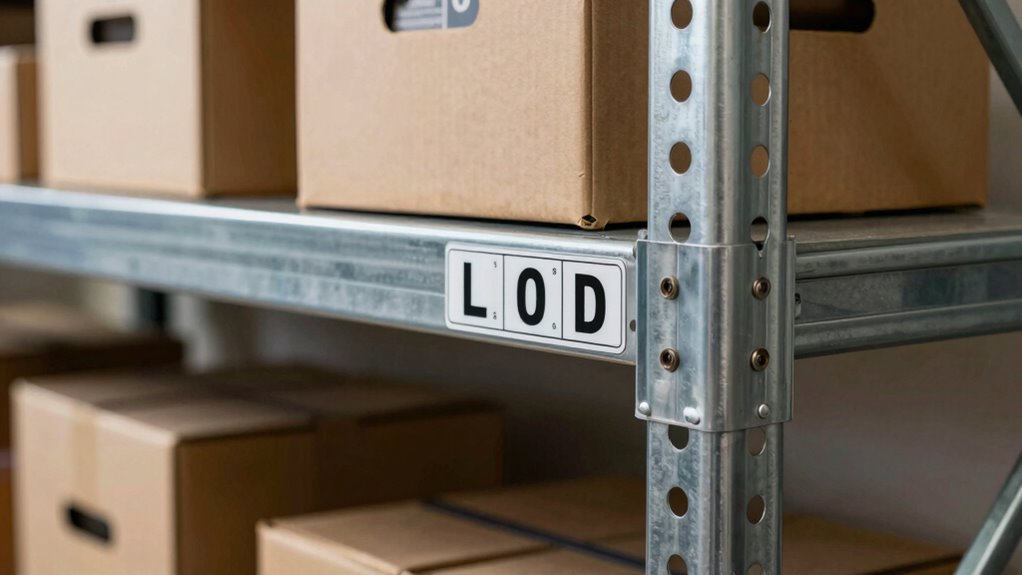
Understanding how to read and interpret shelf labels and specifications is essential for guaranteeing you choose the right storage solution. Start by examining the color coding on labels, which quickly indicates weight capacity ranges or shelf types. Bright colors often highlight maximum load limits, guiding you to avoid overloading. Pay attention to label placement; typically, labels are positioned at the front or side of the shelf for easy visibility. Confirm the label clearly displays the load rating and any special instructions. Check for consistency in labeling across different shelves to avoid confusion. By paying close attention to these details, you can confidently select shelves that meet your load requirements without risking damage or safety issues.
How to Choose the Right Shelves Based on Load Ratings
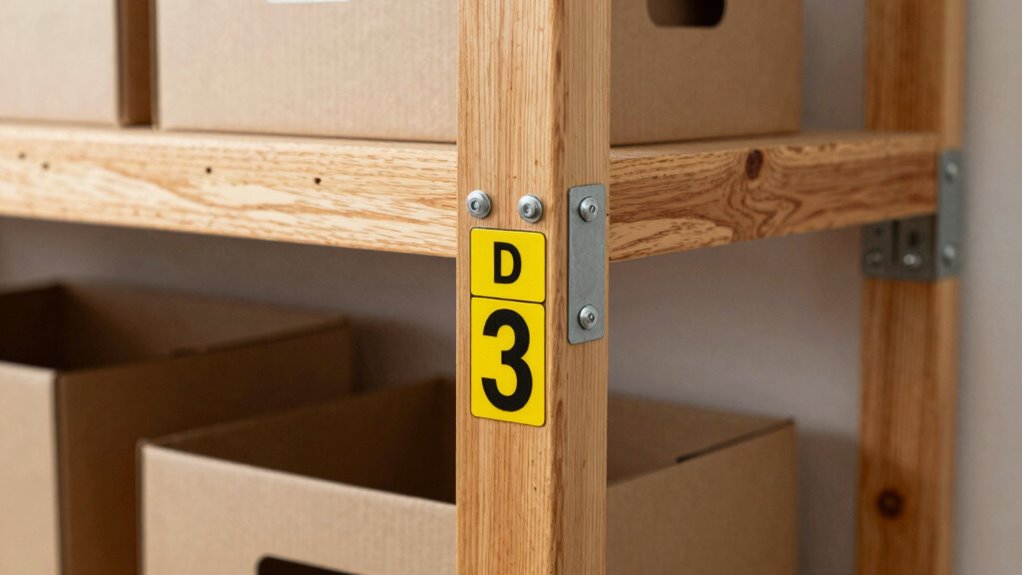
Choosing the right shelves based on load ratings starts with evaluating the weight of the items you plan to store. You want shelves that can handle your needs without risking damage or instability. First, consider the weight capacity to guarantee safety and durability. Next, think about shelf aesthetics—matching style and finish with your space’s design. Finally, trust brand reputation; well-known brands often guarantee quality and accurate load ratings.
- Visualize your items: heavy boxes or fragile collectibles?
- Match shelf style to your decor for a cohesive look.
- Choose reputable brands for reliable load ratings and long-lasting quality.
What Are the Risks of Overloading Shelves?
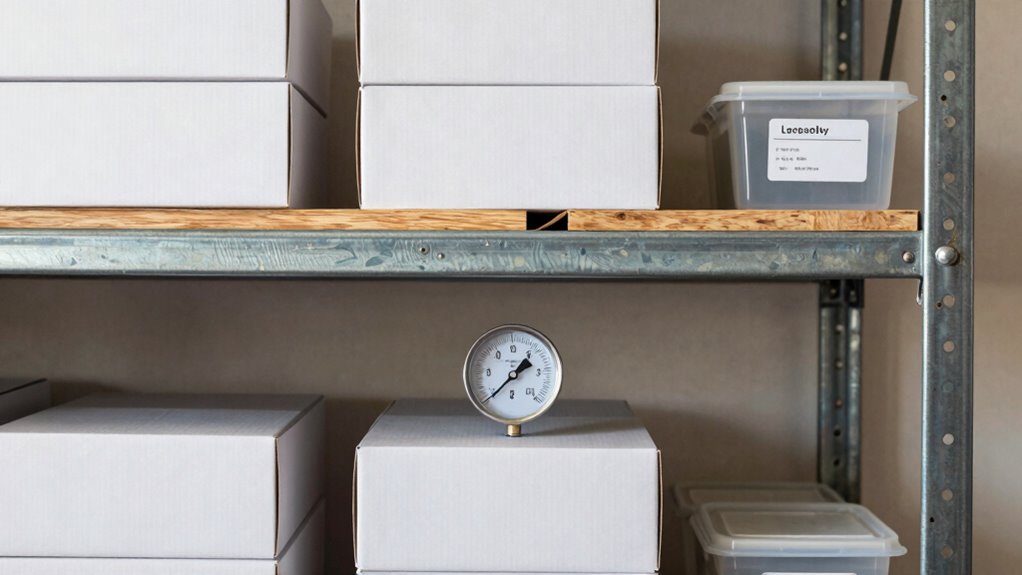
Overloading shelves can lead to serious safety hazards and damage your storage space. When shelves are overloaded, they risk collapsing or warping, which can cause injury or damage to your stored items. This risk is especially relevant if you’re aiming for creative storage solutions or maintaining an aesthetic design—overstuffed shelves can look cluttered and chaotic. Overloading also increases strain on the shelf brackets and supports, reducing their lifespan and leading to costly repairs. Additionally, excessive weight can compromise the stability of your entire shelving unit, making it unsafe for everyday use. To preserve your shelves’ integrity and safety, always adhere to recommended load ratings, even if you’re trying to maximize space or achieve a specific visual appeal.
Best Practices for Safe and Efficient Shelf Loading

To load shelves safely and efficiently, you should focus on proper weight distribution to prevent uneven stress. Regularly inspecting shelves helps catch potential issues before they become hazards. By following these practices, you guarantee both safety and ideal shelf performance.
Proper Weight Distribution
Have you ever wondered why some shelves tip or collapse while others stay sturdy? Proper weight distribution is key. You want to keep heavier items on lower shelves and lighter ones higher up, preventing unnecessary strain. Good shelf organization helps maintain balance and reduces the risk of tipping.
To visualize proper weight distribution:
- Place bulky, heavy items at the center and bottom of shelves
- Avoid stacking heavy objects on the edges or top shelves
- Regularly rearrange items to keep weight balanced as inventory changes
This ensures your shelves stay stable and safe. Proper weight distribution not only protects your shelves but also makes access easier and extends their lifespan. Focus on organized, balanced loads for safe, efficient storage.
Regular Shelf Inspection
How often do you check your shelves for stability? Regular shelf inspection is key to maintaining safety and efficiency. You should routinely examine shelf organization to guarantee items are stored securely and evenly distributed. Look for signs of sagging, loose brackets, or shifted items that could compromise load capacity. Adhere to consistent labeling standards so you can quickly identify weight limits and fragile items. During inspections, verify that weight is properly distributed across shelves and that stored items don’t exceed load ratings. Keep shelves free of clutter and debris, which can cause imbalance. Regular checks help catch potential hazards early, preventing accidents or damage. Making inspection a habit ensures your shelving system remains safe, organized, and compliant with load ratings.
When Should You Consult a Professional for Custom Shelving?

Knowing when to call in a professional for custom shelving can save you time, money, and headaches down the line. If your project involves complex shelf aesthetics or decorative shelving that requires precise measurements or unique designs, professional help is a smart choice. You should also consult a pro when:
- The space has irregular dimensions or structural challenges
- You need weight-bearing capacity beyond standard options
- You want a seamless, high-quality finish that enhances your decor
A professional can guarantee your custom shelving is both functional and visually appealing. They can also recommend materials and designs that match your style and meet load requirements. When your project demands more than basic solutions, it’s time to bring in an expert for the best results.
Frequently Asked Questions
How Accurate Are Manufacturer’s Load Ratings in Real-World Conditions?
Manufacturer’s load ratings are generally accurate if you consider proper load distribution and material durability. You need to distribute weight evenly across the shelf to prevent overloading, which can cause failure. Keep in mind that the shelf’s material quality impacts its strength; weaker materials may not meet the rated capacity in real-world conditions. Always follow installation guidelines and avoid exceeding the specified load to *guarantee* safety and longevity.
Can Different Items With Varying Weights Be Safely Stored Together?
You can safely store different items with varying weights together if you prioritize proper weight distribution and shelf stability. An uneven load can turn your shelf into a wobbly disaster, so evenly spread out heavier objects and lighter ones. This guarantees the shelf remains sturdy and prevents accidents. Always follow load rating guidelines, and remember that a well-balanced shelf is a fortress against potential chaos.
How Do Temperature and Humidity Affect Shelf Load Capacity?
Temperature impact and humidity effects both influence shelf load capacity. High temperatures can weaken shelf materials over time, reducing their strength, while extreme cold might cause brittleness. Humidity causes moisture buildup, leading to wood swelling or metal rusting, which compromises stability. You should monitor environmental conditions closely and store sensitive items accordingly, as fluctuations in temperature and humidity can substantially decrease the effective load your shelves can safely hold.
What Signs Indicate a Shelf Is Overloaded or Unsafe?
Your shelf’s warning signs are like a storm warning, signaling trouble ahead. If you notice sagging, warping, or cracks in the shelf material, it’s a red flag. Uneven weight distribution can cause these issues, making the shelf unsafe. Also, listen for creaking or rattling sounds, which indicate stress. Always guarantee your load is balanced and within the recommended weight limits to prevent accidents and prolong shelf life.
Are There Industry Standards for Shelf Load Testing and Certification?
Yes, industry standards for shelf load testing and certification exist, ensuring safety and durability. You should consider material durability and proper mounting techniques when evaluating these standards. Organizations like ASTM and UL set guidelines for testing load capacity, verifying that shelves can handle specified weights without failure. Following these standards helps prevent accidents, prolongs shelf life, and guarantees safety in your storage setup.
Conclusion
Now that you’ve unraveled the secrets behind shelf load ratings, you’re armed with the knowledge to turn your shelves into steadfast guardians of your belongings. Treat them like loyal friends—respect their limits and give them the care they deserve. When you do, your storage will stand tall and proud, holding your treasures safely. Remember, a well-balanced shelf is like a sturdy bridge—built with purpose, ready to carry your world with confidence.