
TL;DR

Get home appliances delivered free with Prime
- Fast, free delivery on millions of items
- Prime Video, Amazon Music and more included
- Member-only deals all year
A BTU calculator estimates the cooling capacity you need based on your room size and conditions. Correct sizing prevents short cycling, humidity issues, and wasted energy, making your cooling system last longer and work better.
Imagine turning on your air conditioner and feeling a blast of cool, refreshing air—immediately. Now, picture it cycling on and off constantly, never quite hitting that perfect chill. The secret to avoiding that frustration? Picking a unit that matches your space perfectly. That’s where a BTU calculator becomes your best friend. It takes the guesswork out of sizing, helping you find a unit that cools effectively without wasting energy or causing humidity issues.
In this article, you’ll learn how a simple calculator can guide you to the right AC size. You’ll see real-world examples, understand why too much or too little capacity hurts, and get practical tips to make your cooling system last longer and work smarter.
Use a BTU calculator to match your room’s size and conditions for optimal cooling.
Avoid oversizing—short cycling, humidity, and energy waste follow a big unit.
Understand the difference between ASHRAE and SACC ratings for portable ACs.
Tweak capacity for sunlight, occupancy, and room use—these small adjustments matter.
For complex spaces, a professional Manual J load calculation beats online tools.
What is a BTU Calculator and Why It Matters
A BTU calculator estimates how many British Thermal Units (BTUs) your air conditioner needs to cool your space comfortably. Think of it as a heat-removal GPS—pointing you toward the right size. Using the right capacity prevents short-cycling, humidity problems, and wasted energy. For example, a small 5,000 BTU unit in a 300 sq ft bedroom might struggle to cool effectively, leading to longer run times and uneven temperatures. Conversely, an oversized unit, like a 14,000 BTU in a similar space, will cool too quickly, shutting off before dehumidification occurs, resulting in clammy air and energy waste.
Understanding why capacity matters is crucial. An undersized unit can’t keep up during peak heat, causing discomfort, while an oversized one wastes electricity, shortens equipment lifespan, and can cause humidity issues that lead to mold growth. A BTU calculator considers these factors, providing a more tailored recommendation. This personalized approach ensures your AC operates efficiently, maintains ideal humidity levels, and provides consistent comfort, ultimately saving you money and avoiding the frustration of constant adjustments or equipment failures.
12,000 BTU portable air conditioner
As an affiliate, we earn on qualifying purchases.
As an affiliate, we earn on qualifying purchases.
How to Use a BTU Calculator in 3 Easy Steps
- Measure your room’s square footage accurately. For example, a living room 15 feet by 20 feet equals 300 sq ft. Precise measurement ensures your calculation reflects real space, preventing over- or under-sizing.
- Adjust for conditions: Is it sunny? Do more people hang out there? Add or subtract capacity accordingly. For a sunny, 300 sq ft room with 3 people, adding about 1,800 BTU accounts for heat gain and occupancy. This adjustment is important because heat gain from sunlight and body heat can significantly increase the cooling load. Ignoring these factors can result in choosing an AC that’s too small, leading to inadequate cooling, or too large, causing short cycling and humidity problems. Proper adjustment ensures your unit can handle real-world conditions, providing consistent comfort and reducing energy waste.
- Input your data into the calculator—many online tools are free and simple. The result will suggest a range, like 7,000 to 8,000 BTUs, guiding your purchase. Choosing a unit within this range ensures that your AC can meet the actual cooling demands without excessive cycling or energy use, supporting both comfort and efficiency.
For example, if your room is 250 sq ft and gets lots of sunlight, a calculator might recommend a 6,500 BTU unit instead of a basic 5,000 BTU one. This extra capacity helps the unit run longer, dehumidify better, and maintain a steady, comfortable temperature—key for avoiding short cycling and humidity problems.
As an affiliate, we earn on qualifying purchases.
Comparison: 6000, 8000, and 12000 BTU Units — Which Fits Your Room?
| BTU Rating | Best For | Room Size | Pros | Cons |
|---|---|---|---|---|
| 6,000 BTU | Small Bedrooms or Offices | Up to 150 sq ft | Quiet operation, low energy consumption, suitable for small, cozy spaces | Limited cooling capacity; not suitable for larger or sun-exposed rooms |
| 8,000 BTU | Living Rooms, Medium Bedrooms | 150-250 sq ft | Versatile and effective for average-sized rooms, balances energy use and cooling | Can short cycle if oversized for the space, leading to inefficiency and uneven cooling |
| 12,000 BTU | Large Living Rooms or Sunrooms | 250-400 sq ft | Powerful cooling for bigger spaces, handles higher heat loads | Higher energy consumption; potential humidity issues if too large for the space |
Matching BTU capacity to your room size isn’t just about comfort; it’s about efficiency and longevity of your equipment. An undersized unit may run constantly without reaching desired temperatures, increasing wear and tear. Oversized units cool too quickly, shutting off prematurely, which can cause humidity to linger and promote mold growth. Choosing the right size ensures your space stays comfortable, humidity remains controlled, and your energy bills stay manageable. Additionally, the tradeoff between capacity and efficiency impacts your long-term costs. A correctly sized unit operates more smoothly, consumes less energy, and reduces the likelihood of repairs, making it a smarter investment over time.
energy efficient window air conditioner
As an affiliate, we earn on qualifying purchases.
As an affiliate, we earn on qualifying purchases.
Why Oversizing or Undersizing Your AC Is a Big Mistake
Think of your AC like a racecar. Too big, and it revs too fast, shutting off before it actually cools, which leads to frequent cycling. This rapid on-off pattern causes excessive wear, shortens the unit’s lifespan, and wastes energy. Additionally, oversized units often struggle to dehumidify effectively because they cool the air too quickly, leaving moisture in the environment that results in clammy, uncomfortable conditions. On the other hand, an undersized AC struggles to keep up during heatwaves, running nonstop, which increases energy costs, accelerates equipment wear, and can result in uneven cooling. It may also fail to remove enough humidity, leading to a damp, muggy environment that fosters mold and mildew. Therefore, improper sizing not only affects comfort but also leads to higher maintenance costs and potential health issues due to poor humidity control. Proper sizing balances these factors, ensuring your system operates optimally, reducing long-term expenses, and maintaining a healthier indoor environment.
As an affiliate, we earn on qualifying purchases.
When to Call in the Pros or Use a Manual J Calculation
Online BTU calculators are handy for small spaces, but for whole homes or complex rooms, a Manual J calculation is essential. This detailed process considers factors like insulation quality, window orientation, local climate, and occupancy patterns—elements that significantly influence cooling loads. A professional HVAC technician performs this calculation, ensuring that your system is neither under- nor over-sized, which can save you money and prevent discomfort or equipment failure in the long run. For example, a poorly calculated load might suggest a 10,000 BTU unit when your space actually needs 14,000 BTU, leading to inadequate cooling and increased energy costs. Investing in a Manual J load calculation might seem like an extra step, but it ensures your system is precisely tailored to your home’s specific needs, promoting energy efficiency, consistent comfort, and longer equipment lifespan. Skipping this step may seem like a shortcut but often results in higher bills, increased wear on your system, and potential indoor air quality issues due to improper humidity control.
Frequently Asked Questions
How do I know what size AC to buy for my room?
Start by measuring the square footage. Use a BTU calculator that adjusts for sunlight, occupancy, and room use. For most rooms, 20 BTU per sq ft is a good rule, but more precise calculations improve comfort and efficiency.Can I just buy a bigger AC for faster cooling?
Not really. An oversized AC will short cycle, fail to dehumidify, and waste energy. It’s better to match the capacity closely to your room’s needs, ensuring steady, effective cooling.What’s the difference between BTU and tons?
One ton equals 12,000 BTU per hour. So, a 1.5-ton system provides about 18,000 BTU, suitable for larger spaces. Knowing this helps in understanding central AC sizing.How important is ceiling height when sizing an AC?
Very important. Most calculators assume 8-foot ceilings. Taller rooms need more capacity because they contain more air to cool. Adjust accordingly or consult a professional for larger spaces.Should I get a professional load calculation or just use an online BTU calculator?
For small rooms, online calculators are usually fine. For whole houses or complex spaces, a Manual J calculation by an HVAC pro ensures the best fit, saving you money and headaches in the long run.Conclusion
Choosing the right-sized air conditioner isn’t just about cooling; it’s about creating comfort, saving money, and extending your system’s life. A simple BTU calculator gives you the power to make smarter decisions. When in doubt, lean toward a slightly larger unit for efficiency and humidity control—your future self will thank you.
Now, imagine a cool, quiet room that stays perfectly comfortable—no more sweating, no more short cycles. That’s the difference a well-sized AC can make. Take the time to size it right, and enjoy the cool comfort you deserve.
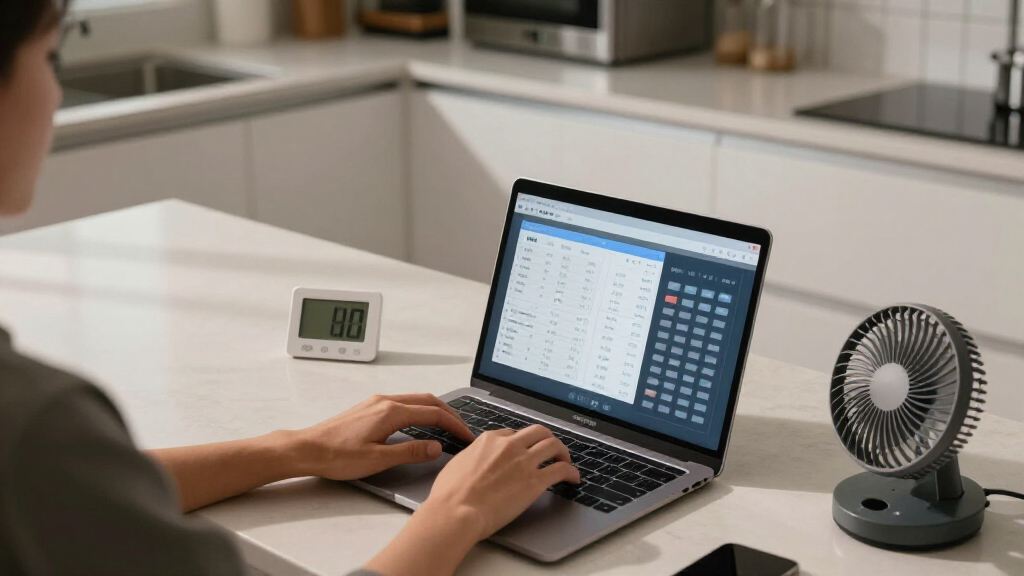
Air Conditioner BTU Calculator
Estimate a right-size cooling range from room area, ceiling height, sun exposure, and occupancy.
Your estimate fits a compact room unit. Compare 6,000 BTU air conditioners sized for smaller rooms.
See compact AC matchesYour estimate lands in the mid-size range. Compare 8,000 BTU window air conditioners for bedrooms or offices.
See mid-size AC matchesYour estimate needs a larger-capacity unit. Compare 12,000 BTU air conditioners and confirm room conditions before buying.
See larger AC matchesEstimate only. Check product specs, local rates, and site conditions before buying or planning around these numbers.
Halloween Picks
halloween
As an affiliate, we earn on qualifying purchases.