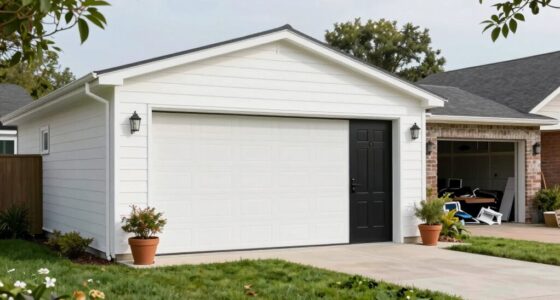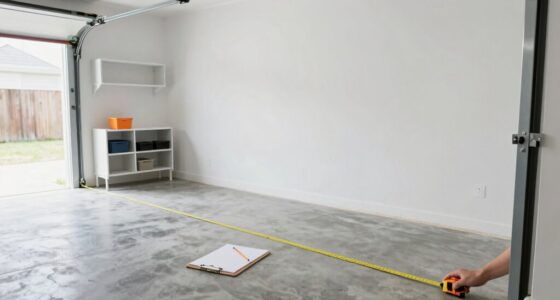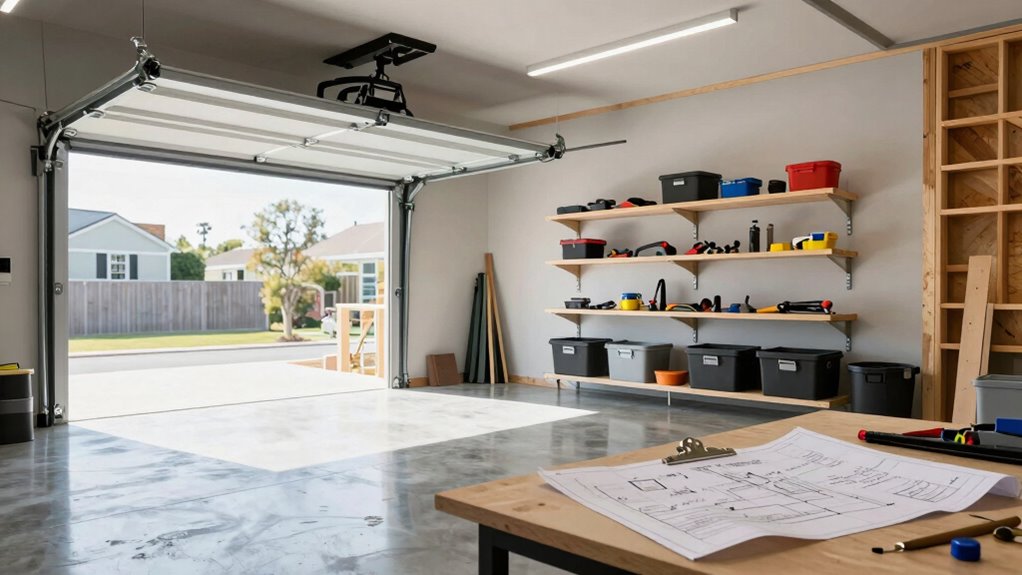

When upgrading your garage, you’ll likely need various permits depending on the scope of work. Building permits are necessary for structural changes like adding walls, windows, or expanding space. Electrical permits are required if you upgrade wiring or install new outlets or lighting. Sometimes, mechanical or zoning permits come into play for ventilation or driveway modifications. To guarantee your project stays safe, legal, and smooth, it’s important to understand which permits are needed and how to get them—more details can help you navigate this process effectively.

Get home appliances delivered free with Prime
- Fast, free delivery on millions of items
- Prime Video, Amazon Music and more included
- Member-only deals all year
Key Takeaways
- Building permits are typically required for structural changes like expanding or modifying the garage.
- Electrical permits are needed for wiring upgrades, new outlets, or dedicated circuits.
- Mechanical permits may be necessary for ventilation, heating, or cooling system additions.
- Zoning approvals might be required for garage size, placement, or conversion into living space.
- Always check local regulations to determine permit requirements for insulation, painting, or storage updates.
As an affiliate, we earn on qualifying purchases.
Do You Need a Building Permit for Your Garage Upgrade?
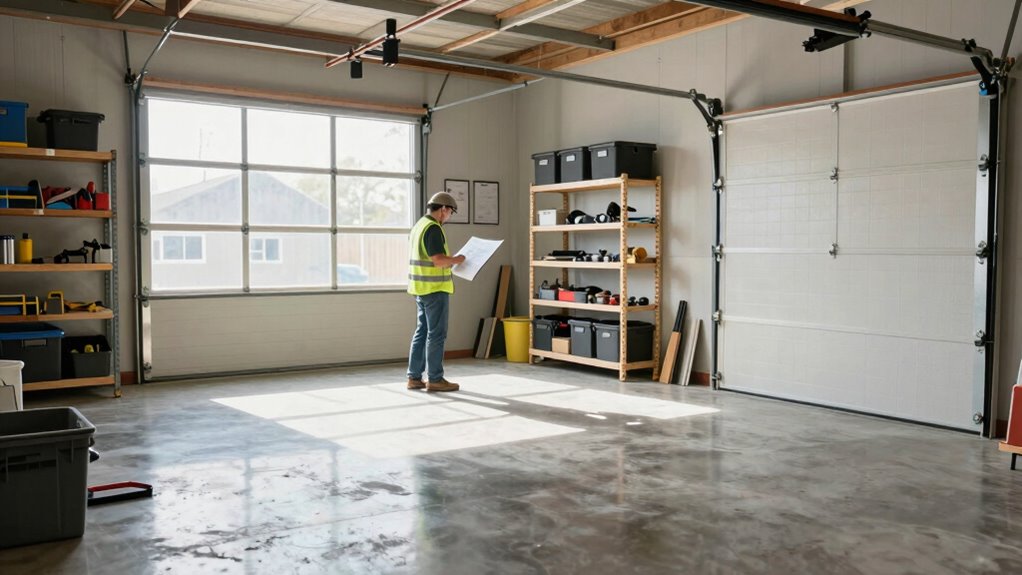
Many homeowners wonder if they need a building permit before upgrading their garage. The answer often depends on the scope of your project and local regulations. If your upgrade involves significant changes, like altering garage dimensions or adding windows, you might need a permit. When choosing garage materials, verify they meet safety and code standards, as some materials may require special approval. Selecting a qualified contractor is essential—they’ll know if your project needs permits and can handle the paperwork for you. Even small updates, like replacing siding or installing new doors, can sometimes trigger permit requirements. It’s best to check with your local building department early in the planning process to avoid delays or fines later. Additionally, understanding building code requirements can help ensure your project remains compliant and safe throughout the process. Being aware of permit exemptions can also save you time and effort if your project qualifies. Consulting with your local authorities can provide clarity on permit procedures and help you navigate the process smoothly. Moreover, researching sound insulation standards can be beneficial if you plan to upgrade your garage for functional use or conversion purposes.
As an affiliate, we earn on qualifying purchases.
What Types of Permits Are Usually Required for a Garage Renovation?
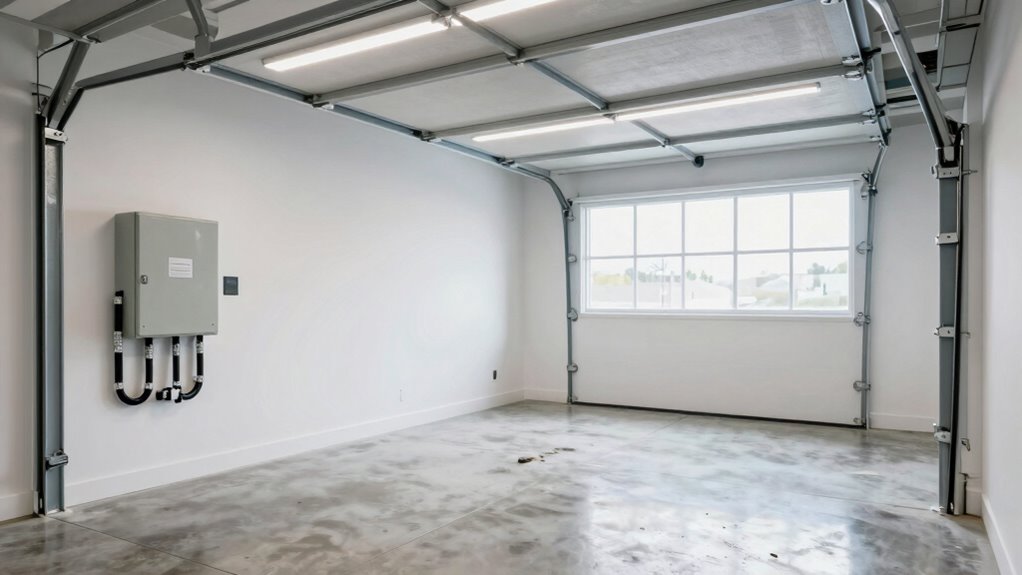
When undertaking a garage renovation, several types of permits may be necessary to guarantee your project complies with local building codes. These permits ensure safety and proper integration of your garage organization and storage solutions. Typically, you’ll need:
- Building Permit – For structural changes like adding windows or walls, ensuring your new storage solutions meet safety standards.
- Electrical Permit – If you’re upgrading lighting or installing outlets to support your garage organization enhancements.
- Mechanical Permit – Needed when adding ventilation or heating systems, especially if you plan to convert your garage into a more functional space.
Getting these permits helps avoid issues with local authorities and ensures your garage upgrade is safe, compliant, and ready to support your storage needs.
As an affiliate, we earn on qualifying purchases.
How Can You Tell If Your Garage Upgrade Needs a Building Permit?
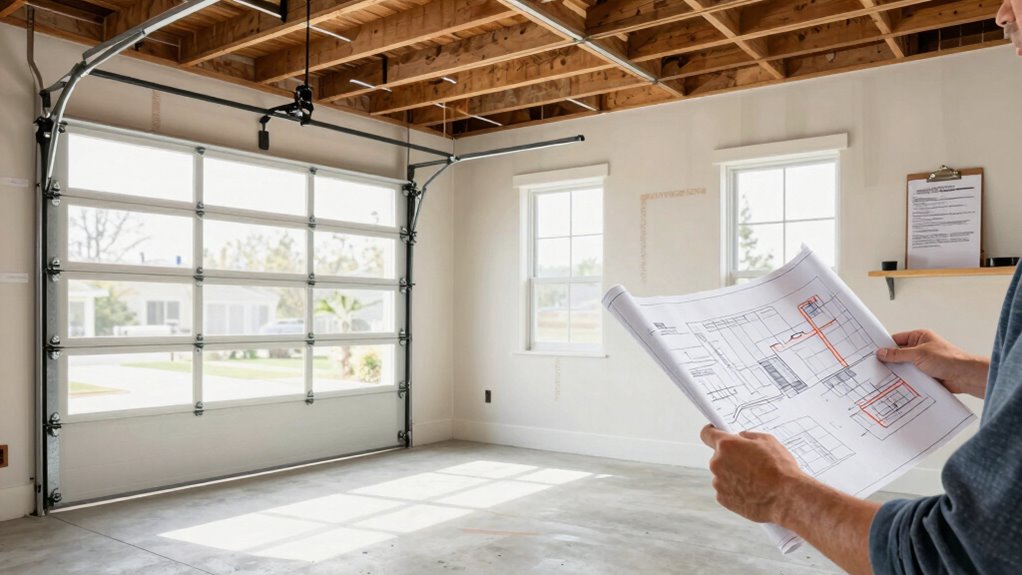
To determine if your garage upgrade needs a permit, start by considering the scope of your renovation—major structural changes usually require approval. Check your local building codes to see what modifications are mandated for permits in your area. Also, make certain your project complies with property line regulations to avoid any legal issues down the line.
Scope of Renovation
Determining whether your garage upgrade requires a building permit depends on the scope of the work you’re planning. If your project involves significant changes, you’ll likely need a permit. Visualize these scenarios:
- Installing new garage doors or windows to improve access and ventilation.
- Expanding the garage size to add extra storage solutions or create dedicated spaces for garage organization.
- Rewiring or plumbing work to enhance electrical or water systems within the garage.
If your project involves only minor updates like repainting or adding shelving, permits might not be necessary. However, larger renovations that impact structure, electrical, or plumbing systems usually do. Always check local regulations to ensure you’re following the right steps for a smooth upgrade process.
Local Building Codes
Understanding your local building codes is essential because regulations can vary considerably depending on where you live. Typically, if you’re making significant changes like adding garage insulation or altering paint colors that affect the structure, you’ll need a permit. Smaller updates, like repainting or minor insulation, often don’t require approval, but it’s best to check. Some codes specify limits on insulation upgrades or require approval for certain color schemes that impact the exterior appearance. To determine if your project needs a permit, consult your local building department or review their guidelines. Additionally, knowing about whole-home water systems can help ensure that upgrades or modifications comply with local standards if plumbing is involved.
Property Line Regulations
Before you start making upgrades to your garage, it’s important to check how your property line regulations might impact your project. If your garage is close to your property boundaries, you could face restrictions related to landscaping regulations and driveway standards. To determine if you need a permit, consider these key points:
- Measure how close your garage is to the property line—most areas require setbacks of at least 3-5 feet.
- Check local landscaping rules that might restrict planting or fencing near property boundaries.
- Review driveway standards to ensure your new or expanded driveway doesn’t encroach on neighboring properties.
If your project conflicts with these regulations, you’ll likely need a building permit before proceeding. Always verify with your local building office to avoid violations.
As an affiliate, we earn on qualifying purchases.
When Are Electrical Permits Necessary in Garage Projects?
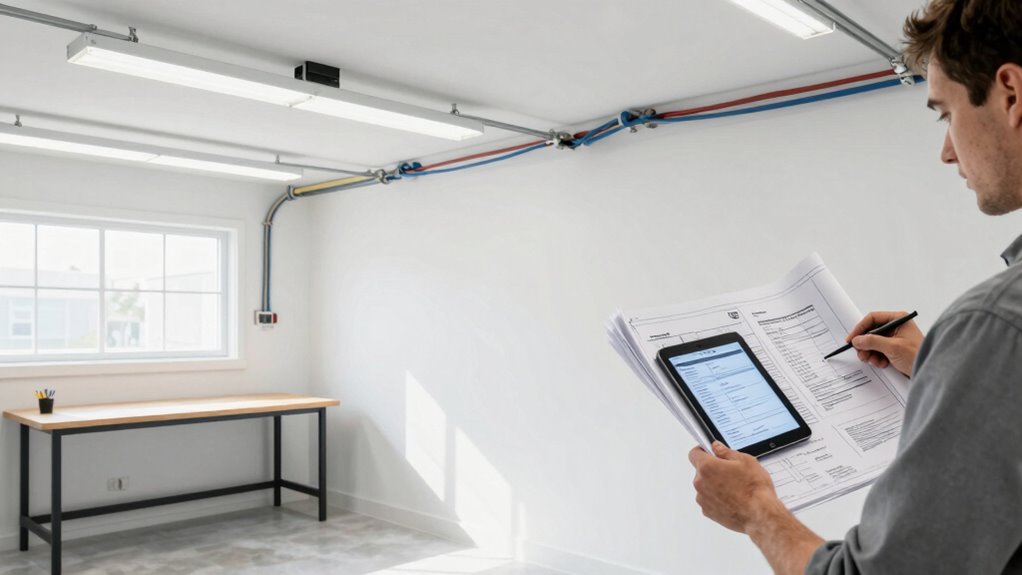
You’ll need an electrical permit whenever you’re making significant changes to your garage’s wiring or adding new circuits. Ensuring your work meets electrical code standards is essential to stay safe and avoid issues during inspections. Additionally, adhering to local regulations related to permits helps ensure your project is legally compliant and reduces the risk of future complications. Being aware of permit requirements for electrical work can help you plan effectively and avoid costly delays. Understanding electrical code standards can also guide you in making compliant modifications to your garage’s wiring system. Recognizing the environmental impact of tissue paper can be beneficial when considering sustainable materials for other home projects. Proper planning and knowledge of permitting processes are crucial to a smooth garage upgrade.
When Is Permit Required
Electrical permits are generally required whenever you plan to add or modify wiring in your garage, especially if the work involves new circuits, outlets, or lighting fixtures. This guarantees your garage remains safe and compliant, while also preserving its aesthetics and functionality. Consider these scenarios:
- Installing additional outlets to support advanced storage solutions or power tools.
- Rewiring to upgrade lighting, improving garage aesthetics and visibility.
- Creating a dedicated electrical circuit for a new garage heater or appliances.
If your project involves significant electrical changes, a permit guarantees your work meets safety standards and prevents future issues. Even if your goal is simply to enhance storage or organize tools, electrical updates often require permits to ensure everything is up to code and safe for everyday use.
Electrical Code Compliance
Ensuring your garage project complies with electrical codes is essential for safety and legality, and permits are often necessary to verify this compliance. Any work involving garage lighting or new electrical outlets typically requires an electrical permit. This guarantees that your wiring meets safety standards and prevents hazards. If you’re adding outlets for better storage organization or upgrading existing wiring, check local regulations to determine if a permit is needed. Electrical permits also ensure that your wiring is inspected and approved by professionals, reducing the risk of fire or electrical failure. Even minor upgrades, like installing switches or lighting fixtures, can sometimes require permits depending on local codes. Understanding the permitting process can help you avoid delays and ensure a smooth upgrade. Familiarity with local building codes can also provide clarity on specific requirements for garage electrical work. Additionally, being aware of permitting requirements can help you plan your project efficiently and avoid unexpected costs.
Inspection Process Details
Knowing when to get an electrical permit for your garage project is essential to stay compliant with local regulations. During the inspection process, authorities will verify that your work meets safety standards and enhances your garage aesthetics. Typically, electrical permits are necessary when you:
- Install new wiring or outlets, ensuring proper material selection for durability.
- Upgrade existing electrical panels to support added capacity.
- Add lighting or specialty circuits for tools or heating systems.
- Incorporate cycling gear storage solutions that require electrical integration.
These inspections confirm your electrical work is safe and compliant. They also ensure your material choices contribute to a polished look and long-lasting functionality. Utilizing traditional techniques and materials can help achieve a more authentic and cohesive appearance. Additionally, understanding the importance of proper licensing can prevent potential safety hazards** and ensure your project adheres to local building codes. Following proper permitting procedures** can also streamline the approval process and avoid costly delays or rework. Skipping permits can lead to costly rework or safety hazards, so always plan for an inspection before finalizing your garage upgrade.
Which Structural Changes in Your Garage Require Special Permits?
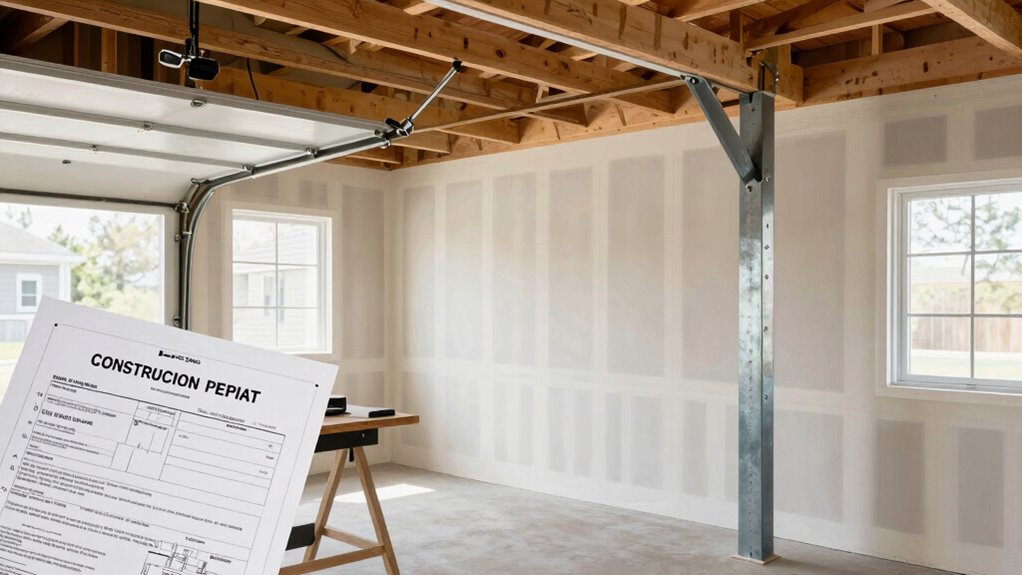
When you plan to make significant structural changes to your garage, obtaining the necessary permits is essential to guarantee safety and compliance with local building codes. Structural modifications like installing new garage flooring or reconfiguring storage organization often require special permits. If you’re removing or adding walls, expanding the garage, or altering load-bearing elements, these changes usually need approval. Upgrading the foundation or ceiling height also falls into this category. These permits ensure that your upgrades meet safety standards and don’t compromise the building’s integrity. Proper planning and understanding of building permits can help you avoid costly mistakes. Always check with your local building department before starting work. Skipping permits can lead to fines, delays, or even having to undo your improvements, so it’s best to get approval upfront. Additionally, understanding structural integrity is crucial for maintaining the safety of your property. Being aware of the permitting process can streamline your project and prevent unexpected setbacks. It’s also helpful to familiarize yourself with regional regulations that may vary depending on your location.
How Do Zoning Rules Affect Your Garage Expansion Plans?
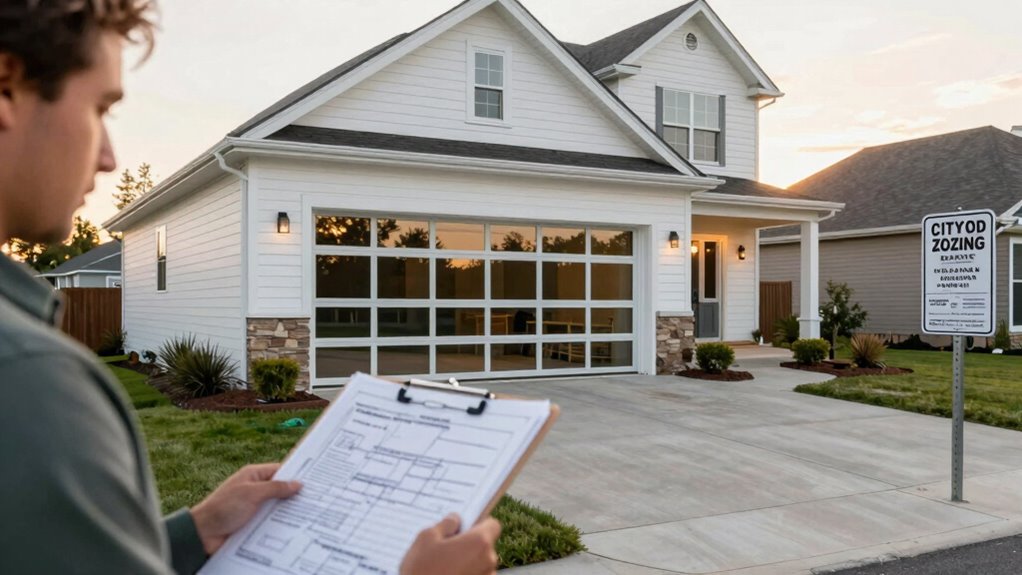
Before you start tearing down walls or expanding your garage, it’s important to understand how local zoning rules can impact your plans. Zoning regulations often dictate the size, placement, and purpose of your garage, affecting your garage design and storage solutions. These rules might restrict how close your garage can be to property lines or limit its total square footage. To visualize this, consider:
Understanding local zoning rules ensures your garage expansion stays compliant and avoids costly setbacks.
- A garage that must stay a certain distance from your home’s front or side yard.
- Restrictions on building an oversized structure that dominates your lot.
- Limits on converting your garage into a living space, affecting potential design choices.
- Awareness of security zone info can help you understand how regulations may influence the safety features and layout of your garage expansion.
Understanding these rules helps you plan effectively, ensuring your expansion aligns with local regulations and avoids costly setbacks.
How to Apply for Garage Permits: A Step-by-Step Guide

Applying for a garage permit may seem intimidating, but breaking it down into clear steps can make the process manageable. First, gather your project details, including plans for garage paint and storage organization. Next, visit your local building department’s website or office to obtain the permit application form. Complete the form accurately, providing details about your upgrade. Then, submit your application along with any required documents, such as site plans or drawings. Review the table below for typical requirements:
| Required Documents | Purpose |
|---|---|
| Building plans | Show scope of garage upgrade |
| Property survey | Verify boundary and setbacks |
| Permit fee receipt | Confirm application payment |
Once approved, follow local guidelines for inspection and compliance.
Common Mistakes to Avoid When Applying for Permits
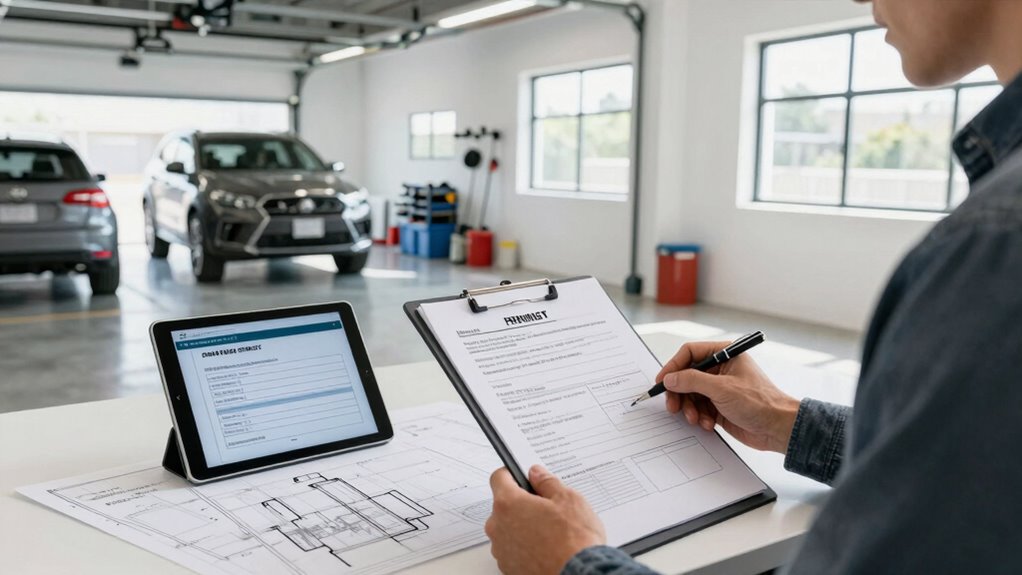
One common mistake is missing permit deadlines, which can cause delays or fines. You also want to make sure your application forms are complete; leaving out details can lead to rejection. Finally, ignoring local regulations might result in your permit being denied or your project needing costly adjustments.
Missing Permit Deadlines
Have you ever overlooked a deadline and found yourself scrambling to get your permit approved? Missing permit deadlines can delay your garage upgrade, affecting everything from garage aesthetics to storage solutions. To avoid this, stay organized and be aware of key dates. Picture this:
- You forget to submit your application, leaving your project in limbo.
- You miss the review window, causing unnecessary delays.
- You overlook renewal deadlines, risking project shutdowns.
These slip-ups can push back your plans for a sleek, functional garage. To stay on track, set reminders, double-check submission dates, and keep in close contact with your permitting office. Meeting deadlines ensures your garage upgrade proceeds smoothly, keeping your project aligned with your vision for better aesthetics and smarter storage.
Incomplete Application Forms
Ever found yourself frustrated because your permit application gets rejected or delayed? One common mistake is submitting incomplete application forms. Missing details about your garage upgrade, like plans for storage organization or garage lighting, can cause delays. When forms are incomplete, reviewing agencies lack the information needed to assess your project properly. Double-check that all sections are filled out accurately, including details about structural changes and electrical systems. Attach detailed diagrams or photos if required. Omitting important information can lead to rejection or further questions, prolonging your project timeline. To avoid this, review the application carefully and verify every field is complete and clear. Properly filled forms help streamline approval and get your garage upgrade underway without unnecessary setbacks.
Ignoring Local Regulations
Falling short on understanding local regulations can cause major setbacks for your garage upgrade project. Ignoring rules may lead to fines, delays, or even having to undo completed work. Make certain you check for requirements like:
- Zoning restrictions that affect garage aesthetics and exterior design.
- Building codes for proper insulation and ventilation, especially if you’re adding tool storage.
- Permits needed for electrical or structural modifications.
Overlooking these details can result in costly rework or legal issues. Ensure your project aligns with local standards to avoid surprises. Taking the time to understand regulations helps your garage look great, stay functional, and remain compliant with all rules. Don’t skip this step—your upgrade depends on it.
Why Permits Are Key to Keeping Your Garage Safe and Code-Compliant
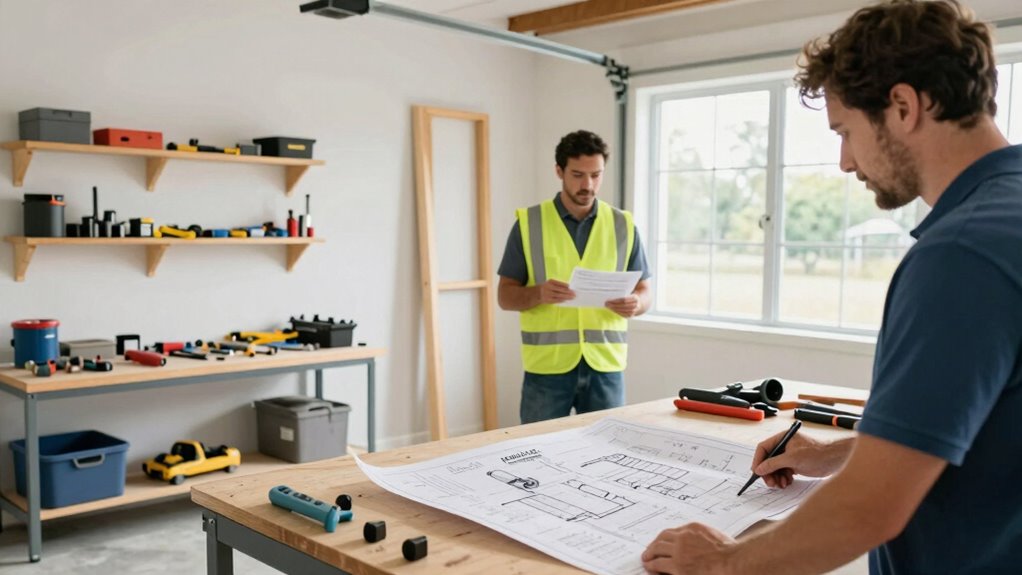
Permits are essential because they guarantee your garage upgrade meets safety standards and complies with local building codes. This helps prevent issues that could compromise structural integrity or fire safety. When you obtain permits, you verify that your improvements enhance garage aesthetics without sacrificing functionality. Properly permitted upgrades also support better parking solutions, making your garage safer and more organized. Without permits, your project might overlook critical safety features or code requirements, risking fines or future repairs. Plus, a permit process encourages you to work with licensed professionals who prioritize quality and safety. Ultimately, permits protect your investment, keep your garage safe, and assure it remains compliant with regulations, giving you peace of mind as you upgrade your space.
What Documents and Approvals Do You Need Before Starting Your Garage Upgrade?
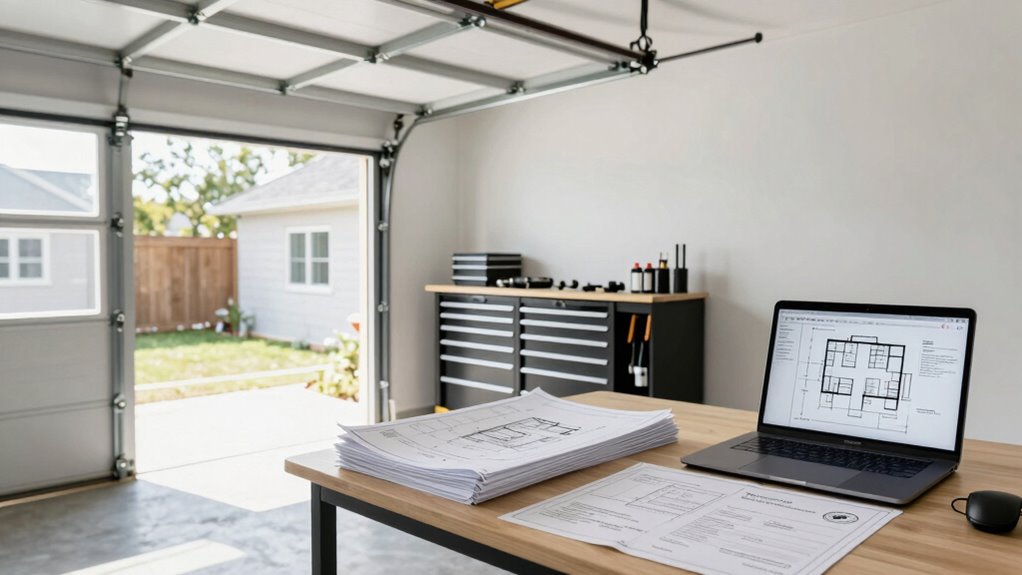
Before you begin your garage upgrade, it’s important to gather the necessary documents and approvals to guarantee the project complies with local regulations. First, check if you need a building permit to address changes in garage aesthetics or added storage solutions. Second, obtain any zoning approvals, especially if you’re expanding or altering property boundaries. Third, secure structural permits if you’re modifying load-bearing walls or foundations. These documents ensure your project meets safety standards and avoids legal issues. Having these approvals in hand helps streamline construction and keeps your garage upgrade compliant. Be sure to consult local authorities or a contractor familiar with regional codes to avoid surprises during your upgrade. Proper documentation makes your project smoother and safeguards your investment.
Frequently Asked Questions
How Long Does the Permit Approval Process Usually Take?
The permit approval process typically takes anywhere from a few weeks to a couple of months, depending on your local jurisdiction. Permit timelines vary based on the complexity of your garage upgrade and how complete your application is. To speed things up, make certain your submission is thorough and accurate. Stay in contact with your city or county office, and be prepared to address any additional requests during the approval process.
Are There Specific Permits for Adding Insulation to My Garage?
Yes, you’ll likely need a permit for adding insulation to your garage. When doing so, consider garage ventilation to prevent moisture buildup. You may need approval for insulation materials to guarantee they’re code-compliant and suitable for your climate. Check with your local building department to see if specific permits are required, especially if you’re upgrading ventilation systems or using specialized insulation materials. Proper permits ensure your project meets safety standards.
Do I Need a Permit to Convert My Garage Into a Living Space?
Yes, you typically need a permit to convert your garage into a living space. This process guarantees your garage meets safety, building, and zoning codes, impacting garage aesthetics and storage solutions. You’ll want to check local regulations, as permits usually cover electrical, plumbing, insulation, and ventilation. Securing the proper permits helps avoid fines and ensures your new living area is safe, functional, and compliant with all standards.
Can I Start Construction Before Obtaining All Necessary Permits?
You shouldn’t start construction before obtaining all necessary permits, as permit exemptions are rare and ignoring this can lead to fines or legal issues. Starting early might seem tempting, but it risks construction delays and costly rework if authorities discover unauthorized work. Always check with your local building department first. Obtaining permits guarantees your project complies with codes, avoids delays, and keeps your upgrade on track legally.
What Are the Penalties for Building Without Permits?
Building without permits is like sailing without a map—you risk hefty penalties. Permit violations can lead to fines, stop-work orders, or even having to tear down your work. You might also face construction delays and increased costs to correct issues. Local authorities take permit compliance seriously, so always secure the necessary permits before starting your garage upgrade to avoid these costly consequences and guarantee your project’s legal and safe.
Conclusion
Securing the right permits guarantees your garage upgrade is safe and compliant. Did you know that over 60% of home renovations face delays or fines due to permit issues? By understanding the necessary approvals, you prevent costly mistakes and keep your project on track. Taking the time to apply properly not only safeguards your investment but also guarantees your garage remains a secure, functional space for years to come.
Halloween Picks
halloween
As an affiliate, we earn on qualifying purchases.