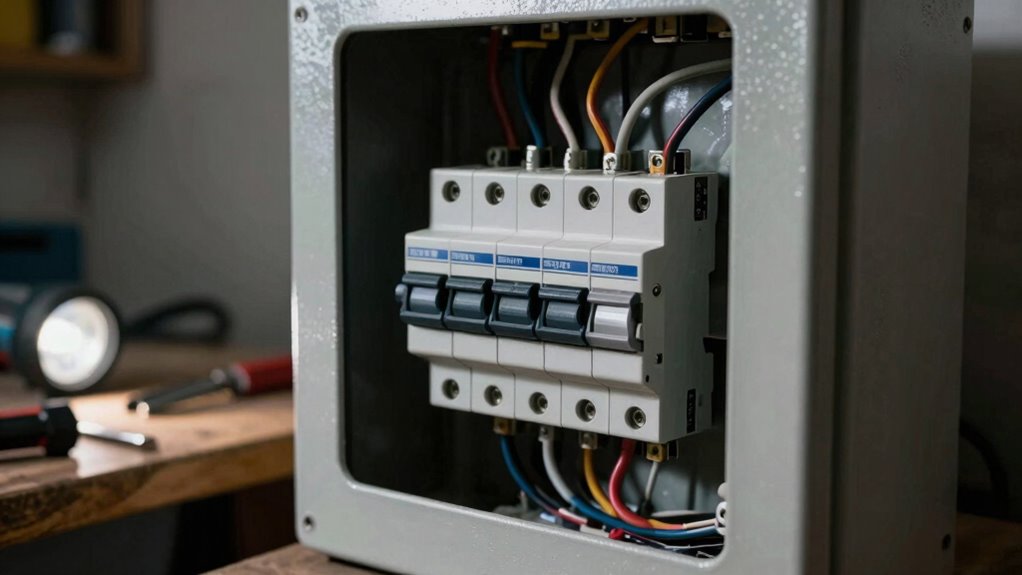
If your garage circuit breaker keeps tripping, it’s usually due to overloading, faulty wiring, or environmental issues like moisture and dust. Running multiple high-power tools or lights on one circuit can overload it, while damaged wiring may cause shorts. Moisture and dust also increase the risk of faults. To fix this, you may need to redistribute your devices, inspect wiring, or replace worn components. For more details on preventing future trips, keep exploring the possible causes and solutions.

Get home appliances delivered free with Prime
- Fast, free delivery on millions of items
- Prime Video, Amazon Music and more included
- Member-only deals all year
Key Takeaways
- Overloading circuits with multiple high-power devices can cause breaker trips.
- Faulty, damaged, or exposed wiring increases the risk of shorts and trips.
- Moisture and dust buildup lead to corrosion and insulation issues, triggering electrical faults.
- Repeated trips and flickering lights indicate underlying wiring or overload problems.
- Regular inspection, proper organization, and circuit upgrades help prevent future breaker trips.
As an affiliate, we earn on qualifying purchases.
How to Tell if Your Garage Circuit Breaker Is Tripping Frequently

If your garage circuit breaker trips repeatedly, it’s a clear sign something’s wrong. You might notice the garage lighting flickering or not turning on at all, which indicates the breaker is frequently shutting off power. Check the circuit breaker labels to identify which circuit controls your garage. If the breaker trips while using specific appliances or outlets, it’s a sign of underlying issues. Keep track of how often it trips—constant trips signal a problem needing attention. Also, if you see the breaker’s switch in the off or intermediate position, that’s a red flag. Regular tripping disrupts your garage activities and suggests potential wiring problems or overloads. Recognizing these signs early can help you address the issue before more serious damage occurs. Additionally, using proper electrical protection can help prevent overloads and safeguard your garage’s wiring system. Understanding electrical safety tips is crucial to avoid personal injury or property damage when troubleshooting or working on electrical issues. Being aware of wiring issues can also help you identify the root cause of frequent breaker trips and prevent future electrical hazards. Performing a thorough inspection of connections and possible short circuits can further aid in diagnosing the problem.
As an affiliate, we earn on qualifying purchases.
Are You Overloading Your Garage Circuits?
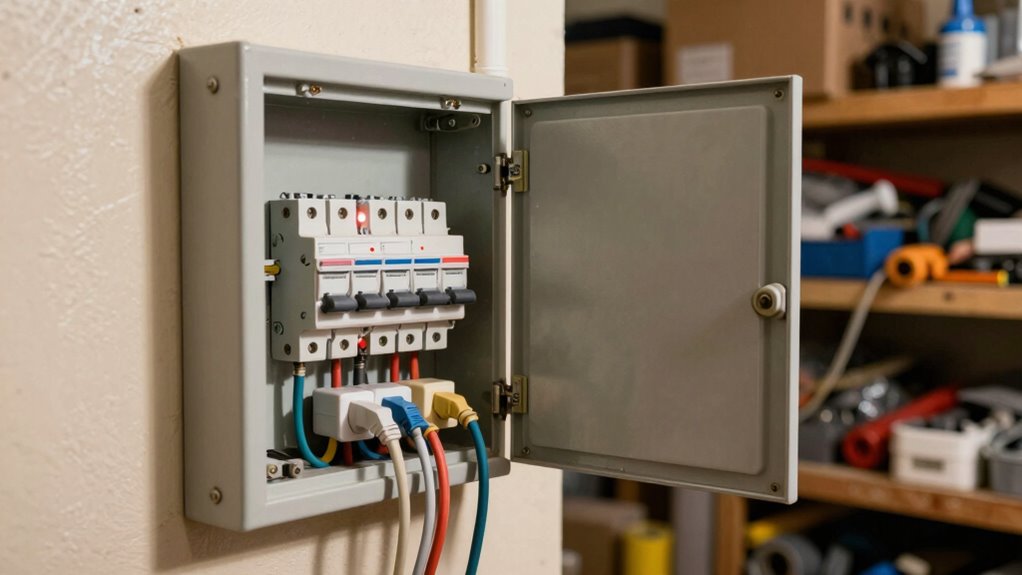
If you’re running too many appliances or devices on the same circuit, you might be overloading it without realizing. Connecting multiple high-power tools can quickly trip your breaker, especially if your panel is already close to capacity. Keep an eye on how much you’re plugging in to avoid overloading and unnecessary trips. Incorporating smart controls on your appliances can help monitor power usage and prevent overloads. Additionally, ensuring proper cable wiring and avoiding damaged or faulty cords can reduce the risk of heat buildup that may cause breakers to trip. Using high-quality flywheels and engine upgrades in your vehicle can also prevent electrical issues that contribute to circuit overloads. Being aware of electrical demand and digital content trends can further help prevent circuit problems.
Excessive Appliance Use
Have you ever wondered whether you’re overloading your garage circuits with too many appliances? If you’re running multiple devices at once, you could be exceeding the circuit’s capacity, causing the breaker to trip. Garage lighting and power tools are common culprits, especially when used simultaneously. Overloading not only trips the breaker but also risks damaging appliances and compromising tool safety. To prevent this, avoid plugging in too many high-wattage devices at once. Distribute your appliances across different circuits if possible, and turn off unnecessary devices when using power tools or bright garage lighting. Keeping an eye on your usage helps guarantee your garage’s electrical system functions safely and reliably, reducing the chances of unexpected breaker trips.
Multiple Devices Connected
Connecting multiple devices to your garage outlets can quickly lead to overloading the circuit. For example, when you plug in garage shelving lights alongside power tools or a vacuum, you’re adding to the load. Lighting fixtures, especially if they’re high-wattage, can also strain the circuit when combined with other devices. If you’re running several tools or appliances at once, the total draw might exceed the circuit’s capacity, causing the breaker to trip. Be mindful of how many devices you connect simultaneously. Distributing the load across multiple circuits or unplugging some items while others are in use can prevent overloads. Keeping an eye on the total wattage guarantees your garage circuits stay safe and functional, avoiding unnecessary trips.
Overloaded Circuit Panels
Overloading your garage circuit panel can be a hidden cause of breaker trips that many homeowners overlook. When you plug in multiple devices or run high-demand appliances simultaneously—like garage lighting, power tools, or space heaters—you may exceed the circuit’s capacity. Over time, insulation wiring can become strained, especially if it’s old or poorly installed. This overload puts stress on the breaker, causing it to trip as a safety measure. It’s easy to forget how much you’re pushing the system, but consistently overloading can lead to overheating and potential fire hazards. To prevent this, avoid connecting too many devices to a single circuit and consider upgrading your panel if you frequently overload it. Proper load management keeps your garage safe and your breaker functioning correctly.
moisture and dust electrical protection
As an affiliate, we earn on qualifying purchases.
As an affiliate, we earn on qualifying purchases.
Could Faulty Wiring Be Causing Your Breaker Trips?

Faulty wiring can be a hidden cause of frequent breaker trips in your garage. Signs like scorching marks, frayed cables, or burning smells indicate wiring damage that needs attention. Regular wiring inspections help prevent overloads and electrical fires, keeping your garage safe. Additionally, proper kitchen gear care and disposal practices can reduce environmental hazards caused by electrical issues.
Signs of Wiring Damage
Wiring damage can often be the unseen culprit behind frequent circuit breaker trips in your garage. Signs of wiring damage include scorch marks, frayed or exposed wires, and burning smells, all of which threaten electrical safety. You might notice outlets or switches that feel warm or are faulty, or experience intermittent power issues. Damaged wiring can cause short circuits, leading to breaker trips to prevent further hazards. If your wiring is outdated or shows signs of wear, it’s time for wiring upgrades to guarantee safety and reliability. Ignoring these signs risks electrical fires and damage to your appliances. Regular inspections and prompt repairs are essential to keep your garage’s electrical system safe and functioning properly.
Overloaded Circuits Risks
Have you ever noticed your circuit breaker tripping more frequently when you use multiple devices at once? Overloaded circuits are a common cause, especially if you’re running garage lighting alongside power tools or appliances. When too much draws through a single circuit, it exceeds its capacity, causing the breaker to trip as a safety measure. Check your circuit breaker labels to identify which circuits control your garage lighting and outlets. If you find that multiple high-power devices are connected to the same circuit, it’s a sign you’re overloading it. Consistently pushing a circuit beyond its limit can damage wiring over time, increasing the risk of faults and failures. Avoid plugging everything into one circuit to prevent trips and protect your wiring from unnecessary stress.
Proper Wiring Inspections
Could hidden electrical issues be causing your circuit breaker to trip unexpectedly? Faulty wiring often lies behind these problems. To identify potential hazards, perform proper wiring inspections by checking:
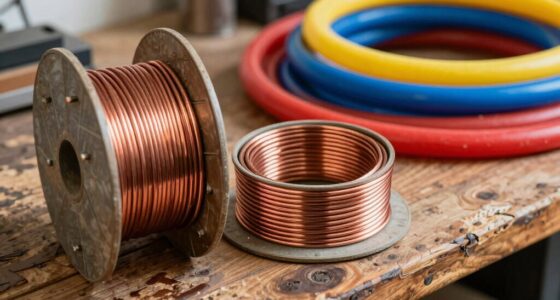
- Wiring color – verify wiring matches standard codes (e.g., black for hot, white for neutral, green or bare for ground).
- Circuit labeling – verify circuits are correctly labeled for quick identification and safety.
- Connections – look for loose or corroded connections that can cause arcing or overheating.
- Damaged insulation – inspect wiring insulation for cracks or wear, which can lead to shorts.
Additionally, consider Free Floating backyard transformation elements like outdoor wiring setups that may be improperly installed or maintained, increasing the risk of electrical issues. Regular inspections help catch wiring issues early, preventing unnecessary breaker trips and potential electrical fires. If you’re unsure, always consult a licensed electrician for a thorough assessment.
circuit overload protection device
As an affiliate, we earn on qualifying purchases.
As an affiliate, we earn on qualifying purchases.
How Moisture and Dust Affect Your Garage Electrical System

Moisture intrusion can cause corrosion on wiring and connections, leading to shorts and tripped breakers. Dust accumulation, on the other hand, can insulate electrical parts, causing overheating and potential failure. Both issues increase the risk of electrical faults and circuit breaker trips. To keep your system safe, regularly inspect for signs of moisture and dust. Keeping outdoor electrical components properly sealed and protected can significantly reduce these risks. Regular maintenance and proper insulation are essential for preventing moisture and dust buildup. Using dust suppression techniques can help minimize dust accumulation around electrical systems, further reducing the risk of overheating. Additionally, choosing high-quality precious metal investments like those offered in Gold IRAs can provide long-term stability and security for your financial future. Proper ventilation and moisture barriers can also play a crucial role in protecting your garage’s electrical system from environmental damage.
Detecting and Fixing Ground Faults in Your Garage
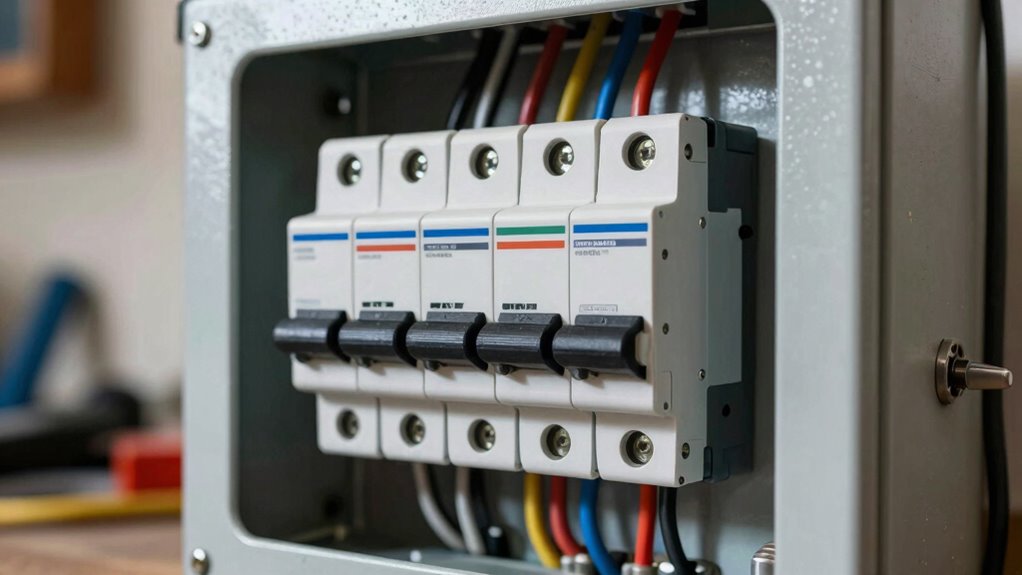
Ground faults are a common cause of circuit breaker trips in garages, often occurring when electrical current leaks to the ground due to damaged wiring or faulty appliances. To detect these issues, you should regularly perform ground fault detection tests using a multimeter or an outlet tester designed for GFCIs. Here are steps to fix ground faults:
- Unplug all appliances and turn off the circuit breaker.
- Inspect wiring for visible damage or loose connections.
- Test outlets and appliances for grounding issues.
- Reset GFCI outlets and monitor for trips.
- Using appropriate testing tools, you can ensure your electrical system is functioning correctly and safely. Regular inspections can help identify ground faults early before they cause larger issues. Additionally, understanding ground fault mechanisms can aid in preventing future electrical hazards. Knowing how grounding and wiring integrity impact safety can also prevent electrical fires.
Maintaining your circuit breaker and performing ground fault detection helps prevent unexpected trips. If you find persistent faults, consider consulting an electrician to ensure safe and reliable circuit breaker maintenance.
When Should You Replace Your Garage Breaker or Wiring?

Knowing when to replace your garage breaker or wiring is essential for maintaining safety and preventing electrical hazards. If your garage lighting flickers frequently or trips the breaker often, it might be time for an upgrade. Insulation issues in the wiring can cause shorts or overheating, which increase fire risk and damage your electrical system. Signs like scorch marks around outlets, warm switches, or a persistent burning smell indicate wiring problems that need prompt replacement. If your breaker is old—more than 10-15 years—or if wiring shows visible wear or corrosion, substituting it is a wise safety measure. Upgrading your garage electrical system ensures reliable power and reduces the risk of electrical failures or fires caused by faulty wiring or an outdated breaker. Regular inspections and proper electrical system maintenance are also key to preventing potential hazards before they become serious issues. Additionally, understanding electrical safety standards can help you make informed decisions about when to upgrade or repair components. Recognizing these signs early can help you prevent costly repairs and ensure your garage remains a safe environment, especially considering the importance of following regional electrical codes for safety compliance.
Tips to Prevent Circuit Breaker Trips in Your Garage
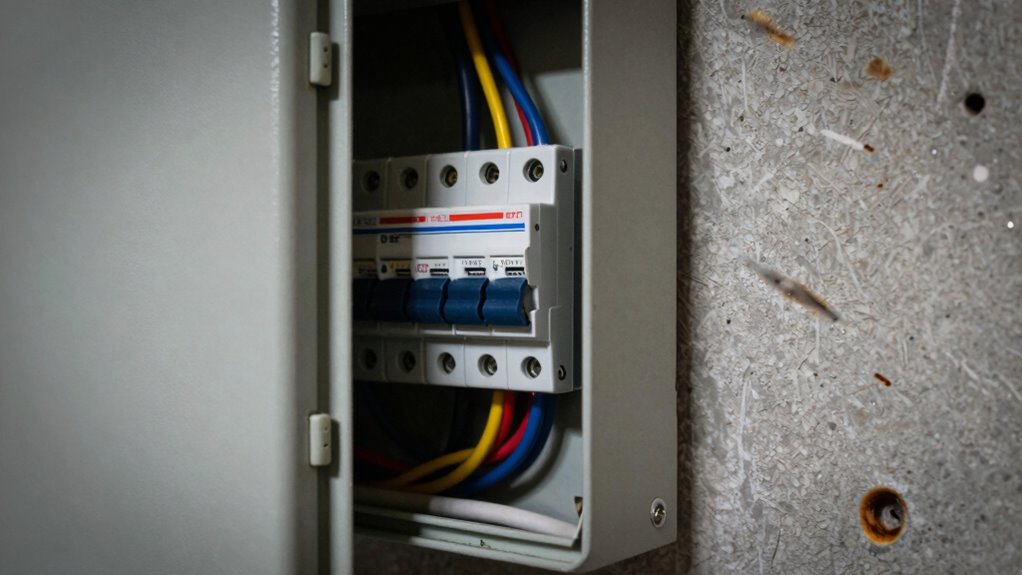
Regularly maintaining your garage’s electrical system can help prevent circuit breaker trips and guarantee safety. To keep things running smoothly, consider these tips. First, avoid overloading circuits by spreading high-wattage devices, like garage lighting and power tools, across multiple outlets. Second, organize your storage to prevent accidental damage to wiring or outlets. Third, install dedicated circuits for heavy appliances or tools to reduce strain on your main breaker. Finally, regularly inspect wiring and outlets for signs of wear or damage, and address issues promptly. Proper storage organization not only keeps your garage tidy but also minimizes risks of electrical problems. By following these steps, you can reduce the chances of trips and ensure a safer, more efficient garage environment.
Frequently Asked Questions
Can a Tripped Breaker Be a Sign of a Bigger Electrical Problem?
Yes, a tripped breaker can signal a bigger electrical problem. It might be caused by an electrical overload, where too many devices draw power simultaneously, or faulty wiring, which can create dangerous sparks or shorts. If your breaker trips frequently, don’t ignore it. You should have a professional electrician inspect your system to identify and fix any underlying issues, ensuring your home’s safety and preventing future problems.
How Often Should I Have My Garage Wiring Inspected?
Think of garage wiring inspections like oil changes for your car—it keeps everything running smoothly. You should have your garage wiring inspected at least every 3 to 5 years, especially if you notice flickering garage lighting or if your circuit breaker trips frequently. Ensuring circuit compatibility and proper wiring prevents electrical fires and keeps your garage safe. Regular inspections catch potential issues early, saving you money and headaches down the road.
Are Surge Protectors Effective in Preventing Breaker Trips?
Surge protectors can help prevent breaker trips caused by electrical overloads, but they aren’t foolproof. A surge protector works by absorbing excess voltage, protecting your devices and reducing strain on your circuit. However, if your garage wiring frequently trips the breaker, a surge protector alone won’t solve the root issue. You need to identify the source of the overload or consider upgrading your wiring or circuit capacity for better protection.
Is It Safe to Reset a Breaker Without Identifying the Cause?
Resetting a breaker without identifying the cause is like ignoring a warning light on your dashboard; it risks electrical safety. You might temporarily fix the symptom, but the underlying circuit issue remains. For safe circuit troubleshooting, always find the root problem before resetting. Otherwise, you could overload wires, cause a fire, or damage appliances. Always prioritize safety and consult a professional if you’re unsure about the electrical system.
What Are the Signs of a Failing Garage Circuit Breaker?
You’ll notice signs of a failing garage circuit breaker through frequent trips, a breaker that won’t reset, or persistent flickering lights. If your garage insulation is poor, it can increase the circuit load, stressing the breaker. Over time, this added load weakens the breaker, causing it to trip more often or fail completely. Regular maintenance and monitoring your circuit load can help prevent these issues and guarantee safe operation.
Conclusion
If your garage circuit breaker keeps tripping, it’s likely trying to protect you from electrical hazards. Some believe it’s just a nuisance, but frequent trips could signal serious issues like overloads or faulty wiring. Don’t ignore the warning—investigate the cause promptly. Regular maintenance and mindful usage can help prevent trips. Remember, a healthy electrical system isn’t just about convenience; it’s about safety. Stay vigilant, and keep your garage safe and functional.
NFL season / tailgating Picks
team gear
As an affiliate, we earn on qualifying purchases.