
Garage floor expansion joints are features that help manage the natural movement of concrete caused by temperature changes and settling. They prevent cracks and structural damage by allowing the concrete to expand and contract safely. These joints come in different types and materials, and proper installation is key for their effectiveness. If you notice cracks, gaps, or shifting, maintenance might be needed. Keep exploring to discover how to guarantee your garage floor stays smooth and durable for years to come.

Get home appliances delivered free with Prime
- Fast, free delivery on millions of items
- Prime Video, Amazon Music and more included
- Member-only deals all year
Key Takeaways
- Expansion joints accommodate concrete movement caused by temperature changes and settling, preventing cracks and structural damage.
- Different types include saw-cut, sealant-filled, prefabricated, and modular joints, each suited for specific needs.
- Materials like rubber, polyurethane, PVC, and aluminum offer varying flexibility, durability, and aesthetic options.
- Proper placement involves regular intervals and strategic positioning to balance functionality and visual appeal.
- Regular inspection and maintenance ensure joints remain effective, preventing deterioration and preserving garage integrity.
garage floor expansion joint sealant
As an affiliate, we earn on qualifying purchases.
As an affiliate, we earn on qualifying purchases.
What Are Garage Floor Expansion Joints and Why Do They Matter?
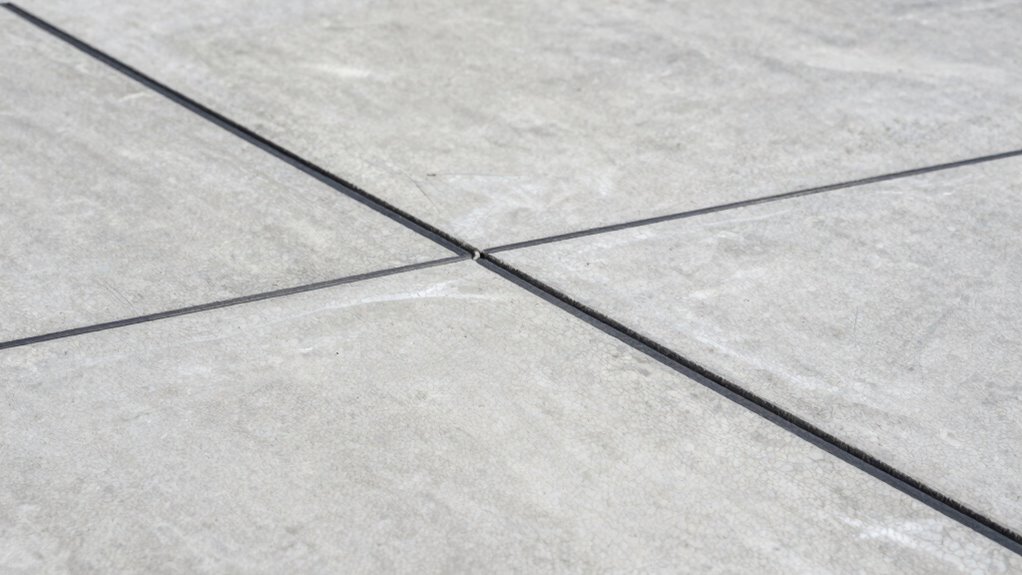
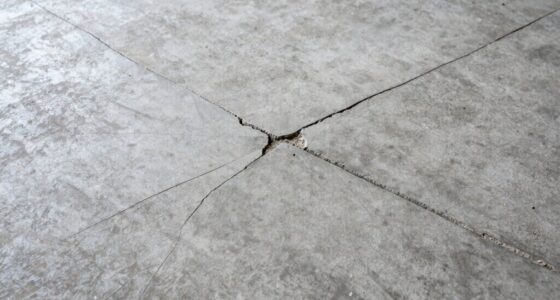
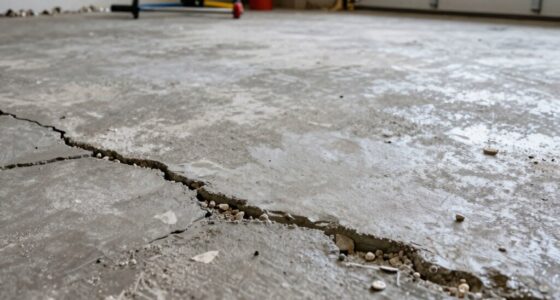
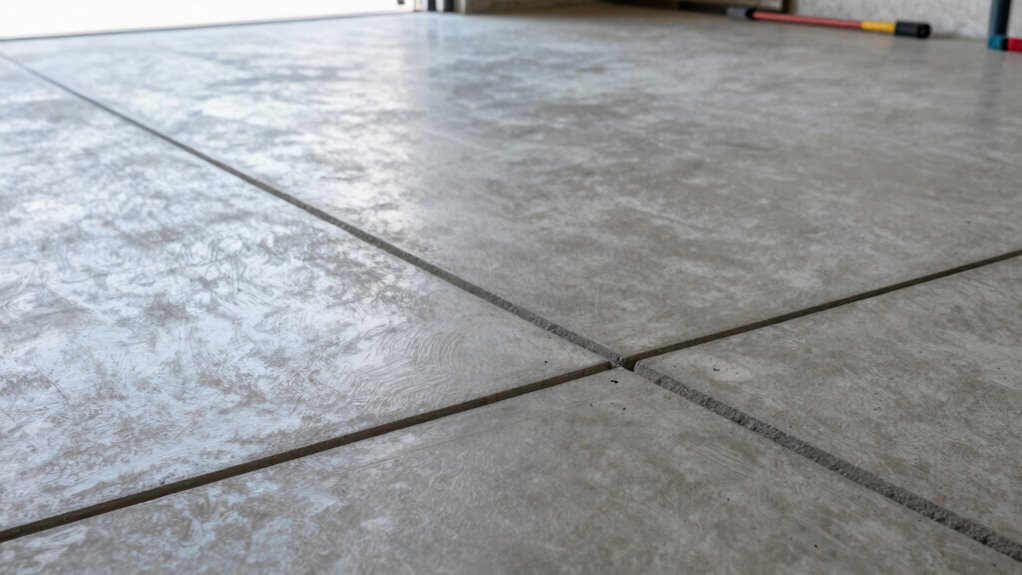
Have you ever wondered why your garage floor has visible lines or gaps? These are garage floor expansion joints, crucial for managing the natural movement of concrete. They help prevent cracks and damage caused by temperature changes and settling. A well-designed expansion joint system can accommodate various movement ranges, ensuring your floor remains intact over time. While some might see them as a flaw, these joints actually contribute to better garage aesthetics by maintaining a smooth, durable surface. Additionally, they support insulation considerations by allowing the concrete to expand without causing structural issues. Properly placed expansion joints ensure your garage remains stable and visually appealing over time. Without them, your floor could crack or buckle, leading to costly repairs. Understanding their purpose helps you appreciate how these seemingly simple gaps serve a fundamental role in your garage’s longevity and appearance**. Recognizing the contrast ratio between different materials used in garage floors can also influence how well the surface withstands temperature fluctuations and wear over time. Moreover, selecting the right expansion joint materials can significantly enhance the durability of your garage floor. Incorporating proper installation techniques** further ensures that these joints perform effectively throughout the lifespan of your garage.
prefabricated garage floor expansion joints
As an affiliate, we earn on qualifying purchases.
As an affiliate, we earn on qualifying purchases.
How Do Expansion Joints Prevent Cracks and Damage in Your Garage?
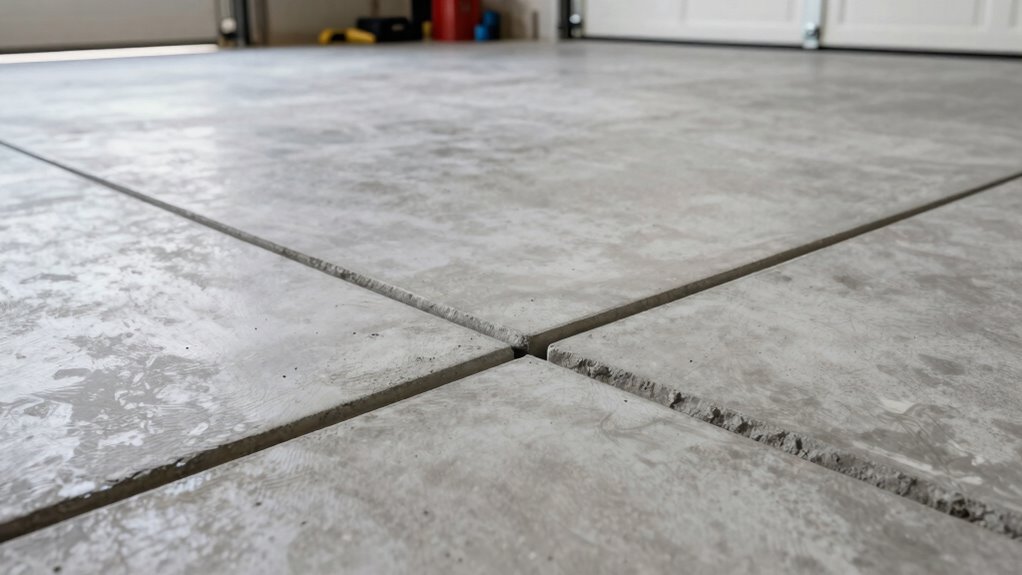
Expansion joints serve as designated points where your garage floor can expand and contract safely, preventing the buildup of stress that leads to cracks. When your concrete moves with temperature changes or settling, these joints absorb the shifts, reducing the risk of damage. Properly placed expansion joints maintain your garage’s aesthetics by keeping cracks and uneven surfaces at bay. They also help preserve paint compatibility, preventing paint from cracking or peeling due to floor movement. To understand their importance, consider this: emerging trends in digital publishing highlight innovative ways to educate homeowners about proper garage maintenance and repair techniques. Incorporating DIY tools and safety tips into your repair routine can further ensure effective and safe maintenance of your garage floor. Additionally, selecting the right expansion joint materials can significantly enhance the durability and effectiveness of your garage floor’s protection. Being aware of household safety considerations can also help prevent accidents during repair or maintenance tasks. Proper installation and regular inspection of these joints can further prolong the lifespan of your garage floor, especially when considering material compatibility and environmental conditions.
rubber expansion joints for concrete
As an affiliate, we earn on qualifying purchases.
As an affiliate, we earn on qualifying purchases.
What Are the Different Types of Garage Floor Expansion Joints?
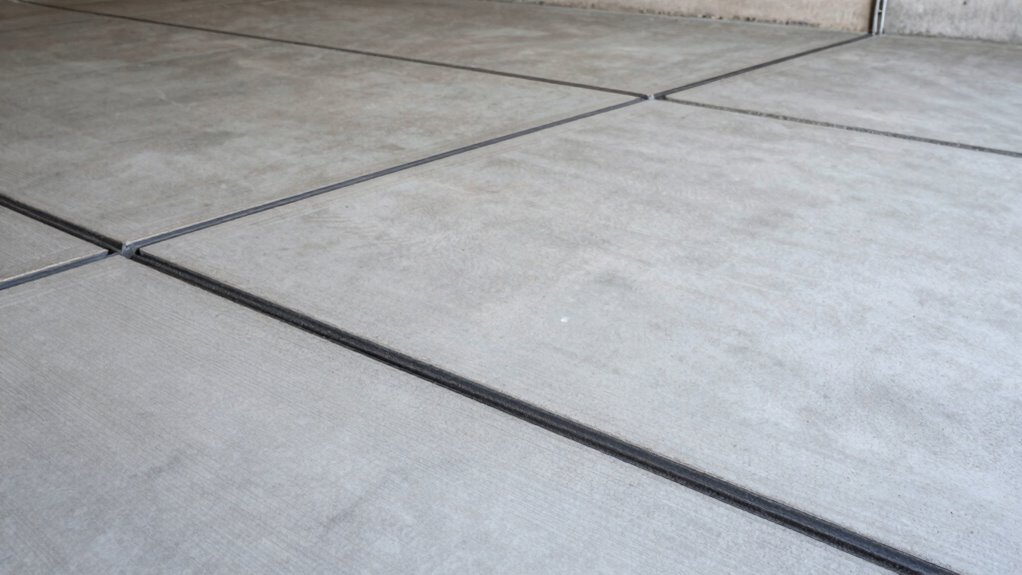
There are several types of garage floor expansion joints to contemplate, each suited for different needs. You can choose from materials like rubber, silicone, or metal, depending on your budget and environment. Understanding these options helps you select the right joint to prevent cracks and maintain a smooth surface. Incorporating advanced materials can enhance the durability and flexibility of your garage floor, especially in varying climate conditions. Using climate-resistant materials ensures your garage floor remains intact despite temperature fluctuations. Additionally, selecting the appropriate expansion joint design can significantly improve the longevity of your garage flooring. Considering material compatibility is also crucial to ensure the joint performs well over time without deterioration. Being aware of battery inverter generator features can help you better understand the importance of choosing the right materials for long-term performance.
Types of Expansion Joints
Garage floor expansion joints come in several types, each designed to accommodate movement and prevent cracking. The most common are saw-cut joints, which are precise and minimally invasive, maintaining garage aesthetics. Expansion joints with flexible sealants absorb movement and reduce stress on the concrete, minimizing environmental impact. Prefabricated joints are factory-made, offering uniform quality and durability. Ultimately, modular interlocking joints provide easy installation and maintenance, ideal for larger areas. Below is a comparison table:
| Type | Key Feature |
|---|---|
| Saw-cut joints | Precise, minimal visual disruption |
| Sealant-filled joints | Flexibility, absorbs movement |
| Prefabricated joints | Consistent quality, quick installation |
| Modular interlocking | Easy to install, scalable for large areas |
Choosing the right type balances garage aesthetics with environmental considerations.
Material Options Available
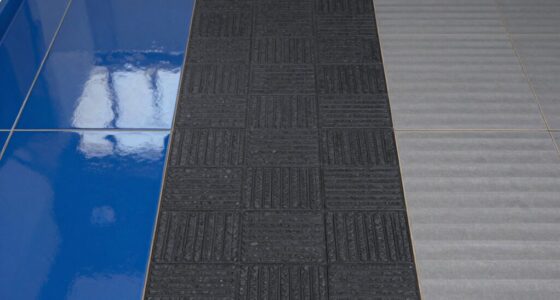
Choosing the right material for your garage floor expansion joints helps guarantee they perform well and last over time. Common options include rubber, PVC, polyurethane, and aluminum, each offering different levels of material durability and aesthetic options. Rubber and polyurethane are flexible, absorbing movement effectively, making them great for high-stress areas. PVC is affordable and easy to install, but may not be as durable long-term. Aluminum joints offer a sleek look and high durability, especially suited for exposed or decorative floors. Your choice depends on your specific needs, such as resisting moisture, handling temperature changes, or matching your garage’s style. Considering both material durability and aesthetic options assures you select the best expansion joint for your garage floor. Additionally, understanding material durability can help you choose options that withstand environmental stressors and last longer.
As an affiliate, we earn on qualifying purchases.
How to Install and Place Expansion Joints in Your Garage
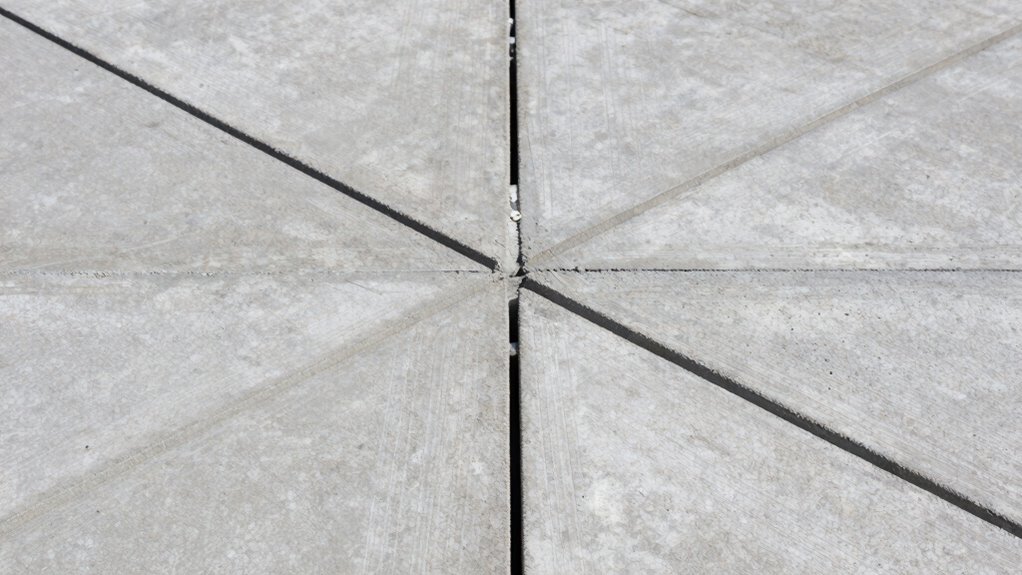
Installing and placing expansion joints correctly is essential for a durable garage floor. You’ll need to follow proper placement techniques and a clear, step-by-step process to guarantee everything fits and functions properly. Proper placement helps accommodate natural movement in the concrete, which can occur due to temperature changes and ground settling. Incorporating future economies principles can help in planning for long-term maintenance and cost savings. Understanding mythology-inspired names with powerful meanings can serve as a reminder of strength and resilience during the construction process. Additionally, considering system efficiency can optimize performance and reduce potential issues over time. Selecting high-quality materials, such as espreso machines for home brewing, can further enhance the durability and performance of your garage flooring system. Let’s walk through the key steps to get your joints installed effectively.
Proper Placement Techniques
To guarantee your garage floor remains durable and crack-free, proper placement of expansion joints is essential. You should position joints strategically to allow for movement without compromising garage aesthetics or joint aesthetics. Place joints at regular intervals, typically every 10-12 feet, and where cracks or control joints already exist. Avoid placing joints in high-traffic zones or areas prone to heavy loads. Proper spacing helps prevent random cracking and maintains a clean, seamless look. Consider the layout of your garage to ensure joints are discreet yet effective. Additionally, understanding best gear and knife roundups for smart shopping can help you select quality materials for installation. Being aware of subtopic best practices ensures that your expansion joints are installed correctly and last longer, preventing costly repairs in the future.
Installation Step-by-Step
Are you ready to properly install expansion joints in your garage floor? First, clean the area thoroughly to ensure a secure fit. Mark the locations where the joints will go, considering garage aesthetics and potential environmental impact. Use a saw or chisel to create a groove for the joint material, ensuring it’s deep enough. Insert the expansion joint material, making sure it sits flush with the surface. Seal the edges with a compatible, flexible sealant to prevent debris build-up. Additionally, using proper installation techniques can significantly extend the lifespan of your garage floor by accommodating movement and temperature changes. Finally, allow the sealant to cure before driving on the floor. Keep these key points in mind:
- Clean and prep the surface
- Mark joint placement accurately
- Cut grooves for installation
- Seal joints properly
Ensuring the use of quality materials, such as regional flavors and chicory/coffee insights, can also help maintain the integrity of your garage floor over time. Following these steps ensures your garage remains functional, visually appealing, and environmentally conscious.
Signs Your Garage Expansion Joints Need Maintenance or Replacement
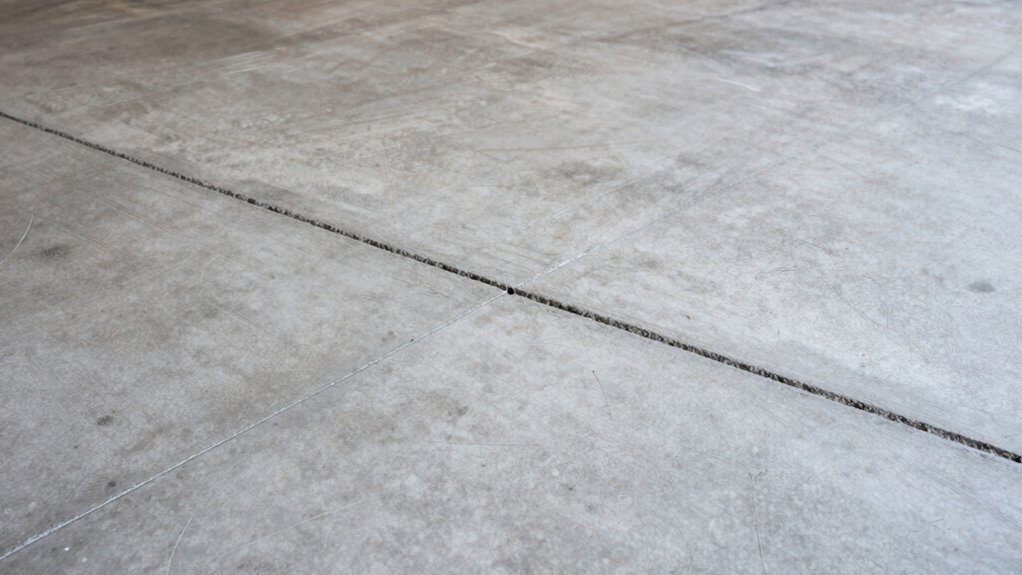
Over time, your garage expansion joints can show signs of wear that signal it’s time for maintenance or replacement. Cracks or gaps widening beyond normal expansion indicate deterioration, affecting both garage aesthetics and safety. You might notice uneven flooring or small debris collecting in the joints, which can cause further damage if ignored. If you experience increased noise when driving over the joints or notice the concrete shifting, these are clear signs they’re failing. Homeowners often find that damaged joints diminish the overall appearance of their garage and compromise structural integrity. Addressing these signs early helps prevent costly repairs and keeps your garage looking neat and functional. Regular inspection guarantees you catch issues before they escalate, maintaining the longevity of your garage floor.
Common Mistakes When Installing Expansion Joints
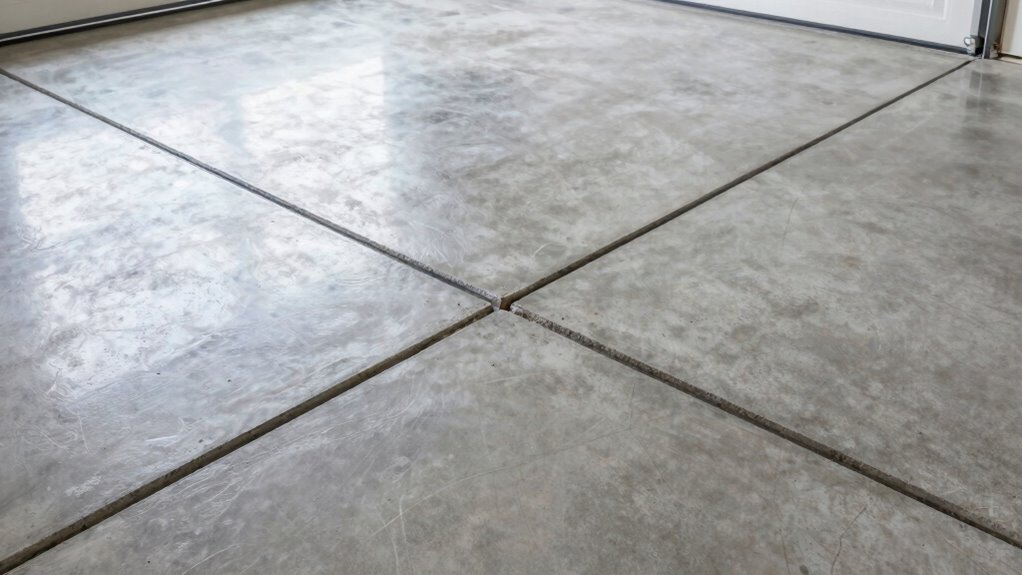
Installing expansion joints might seem straightforward, but many homeowners and contractors make common mistakes that can lead to future problems. Poor installation can hurt your garage aesthetics and compromise the floor’s durability. To avoid issues, don’t:
Proper installation of expansion joints prevents damage and maintains your garage’s appearance and durability.
- Place joints too close together, causing unnecessary visual clutter.
- Use incorrect materials or loose fittings, which can lead to uneven surfaces.
- Neglect proper surface preparation, resulting in poor adhesion.
- Overlook expansion and contraction needs, causing cracks or buckling.
Following DIY tips and paying attention to placement can help maintain a clean look and functional performance. Properly installed joints prevent damage, preserve aesthetics, and improve longevity. Being mindful of these common pitfalls ensures your garage floor remains smooth, stable, and visually appealing for years to come.
How to Maintain and Care for Your Garage Floor Expansion Joints
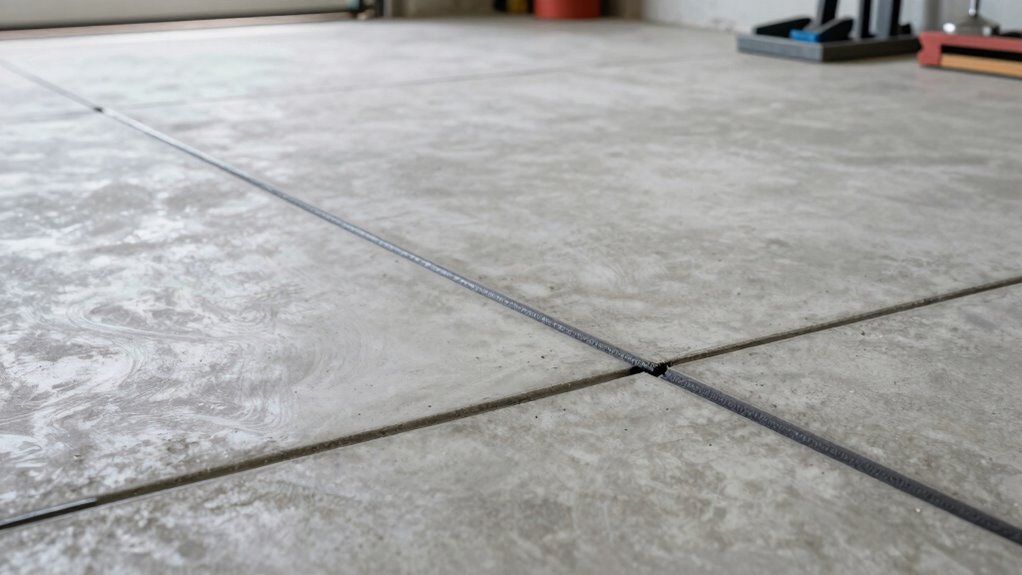
To keep your garage floor expansion joints functioning properly, regular inspection and maintenance are essential. Check for cracks, debris, or signs of wear that could hinder movement or compromise garage aesthetics. Clean the joints gently with a brush and a mild detergent to remove dirt and debris, preventing buildup that can cause damage. If you notice any cracks or gaps, address them promptly to avoid further deterioration. When applying paint or sealants, make sure they are compatible with the joint material to maintain both appearance and flexibility. Proper maintenance helps preserve the functionality and visual appeal of your garage floor, preventing costly repairs down the line. Regular care keeps your garage looking neat and ensures the expansion joints perform effectively over time.
When to Call a Professional for Expansion Joint Repairs
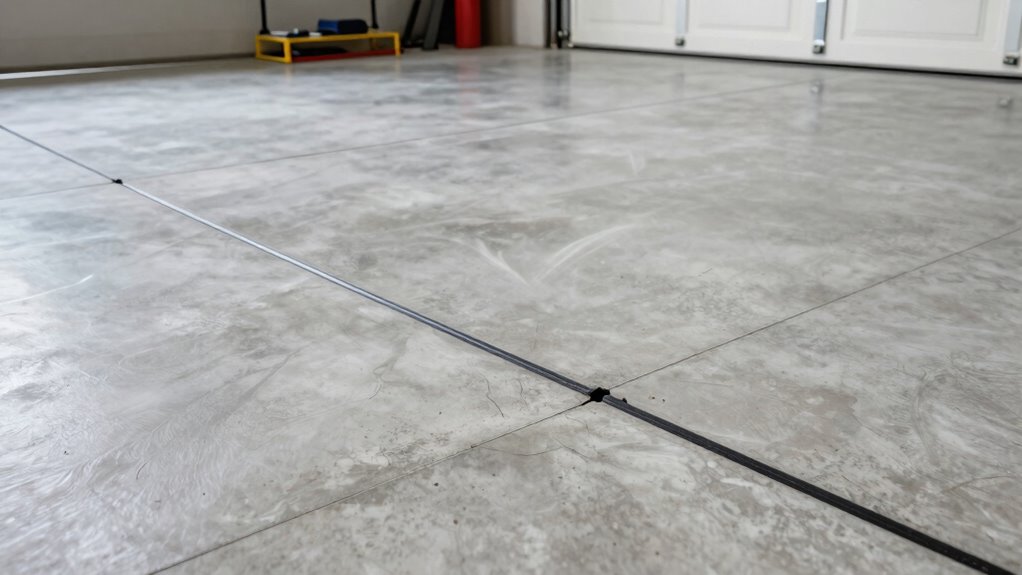
While regular inspection and simple repairs can keep your garage floor expansion joints in good shape, there comes a point when professional assistance becomes necessary. If you notice persistent cracking, uneven surfaces, or damage that affects your garage aesthetics, it’s time to call in experts. Professionals can assure the repairs maintain paint durability and aesthetic appeal, preventing further deterioration. You should seek help when:
- Cracks widen or deepen over time
- Joints become difficult to open or close
- You notice significant water pooling or debris buildup
- Surface damage impacts the overall look and function
Addressing these issues promptly helps preserve your garage’s appearance and structural integrity, saving you money in the long run. Trusting professionals guarantees proper repair techniques and long-lasting results.
Frequently Asked Questions About Garage Floor Expansion Joints
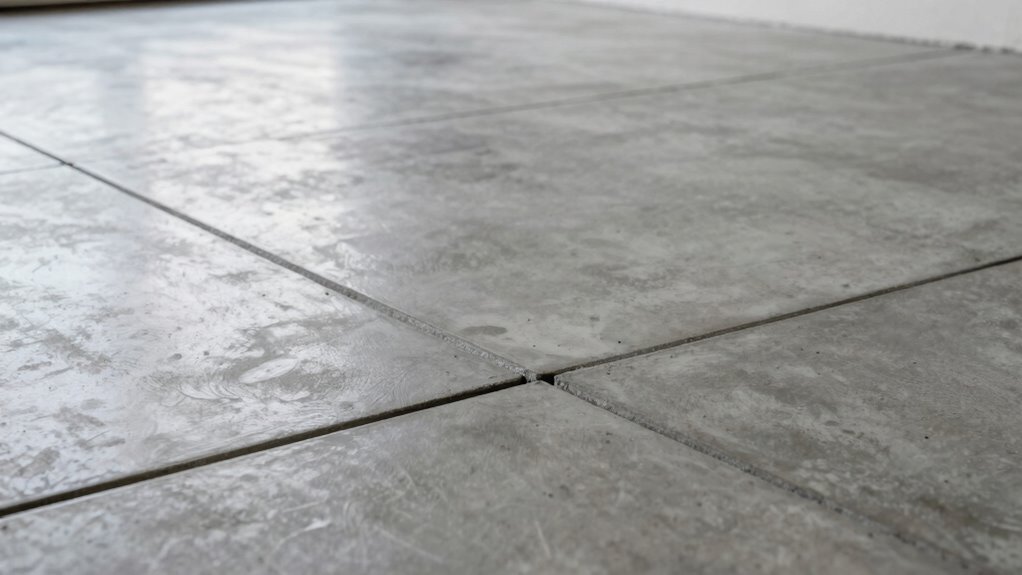
Garage floor expansion joints often raise questions for homeowners looking to maintain a safe and durable surface. You might wonder how these joints impact garage aesthetics or whether they affect insulation options. Expansion joints are designed to prevent cracks caused by concrete expansion and contraction, not to compromise your garage’s appearance. They can be discreetly installed to blend with the floor, preserving the garage’s visual appeal. As for insulation, expansion joints don’t interfere directly, but proper sealing around them can improve insulation efficiency. You may also ask if these joints require special maintenance—generally, they do not, but keeping them clean helps prevent debris buildup. Understanding these FAQs helps you guarantee your garage remains functional, attractive, and well-insulated.
Frequently Asked Questions
How Long Do Garage Floor Expansion Joints Typically Last?
Garage floor expansion joints typically last around 10 to 20 years, depending on sealant durability and joint maintenance. If you regularly inspect and reseal the joints as needed, you can extend their lifespan. Harsh weather, heavy vehicle traffic, and poor maintenance can shorten this period. Staying proactive guarantees your joints stay functional, preventing cracks and damage in your garage floor over time.
Can Expansion Joints Be Replaced Without Damaging the Floor?
Did you know that proper garage joint maintenance can extend the life of your floor? You can replace expansion joints without damaging the floor if you proceed carefully and use the right tools. It’s important to cut and remove old joints precisely, then install new ones securely. This process helps prevent floor cracking and maintains stability, ensuring your garage stays durable and safe over time.
Are There Specific Materials Better for Certain Climates?
Yes, certain materials are better suited for specific climates due to climate durability. For example, silicone or polyurethane joints excel in temperature fluctuations, resisting cracking and degradation. In contrast, asphalt-based materials work well in milder, stable climates. When choosing, compare materials based on climate conditions, durability, and flexibility. Your goal is to select a joint material that withstands your area’s temperature extremes and moisture levels, ensuring long-lasting performance.
How Much Do Professional Installation Services Usually Cost?
You’ll find that professional installation services typically cost between $300 and $1,000, depending on your garage’s size and the complexity of the job. Imagine a smooth, seamless surface, knowing you’re covered by service warranties that protect your investment. Doing a cost comparison helps you weigh options, ensuring you choose reliable experts who deliver quality work and lasting results. Budget wisely, and enjoy a durable, professional finish that stands the test of time.
Do Expansion Joints Impact Garage Floor Aesthetics?
Expansion joints can impact your garage aesthetics, but their design plays a key role in minimizing visual disruption. Well-planned expansion joint design guarantees they blend seamlessly with your garage floor, maintaining a clean look. When professionally installed, these joints can complement your overall garage aesthetics, preventing cracks and damage without drawing attention. Choosing discreet or matching materials helps keep your garage’s appearance sleek while providing necessary flexibility.
Conclusion
Don’t ignore your garage floor expansion joints—they’re key to preventing costly cracks and damage. While installing or maintaining them might seem tricky, doing it right saves you money and stress later. If you’re unsure or notice issues, calling a professional is a smart move. Remember, a well-maintained expansion joint keeps your garage solid and durable, so don’t delay. Protect your investment today and enjoy a crack-free, long-lasting garage floor.
Halloween Picks
halloween
As an affiliate, we earn on qualifying purchases.