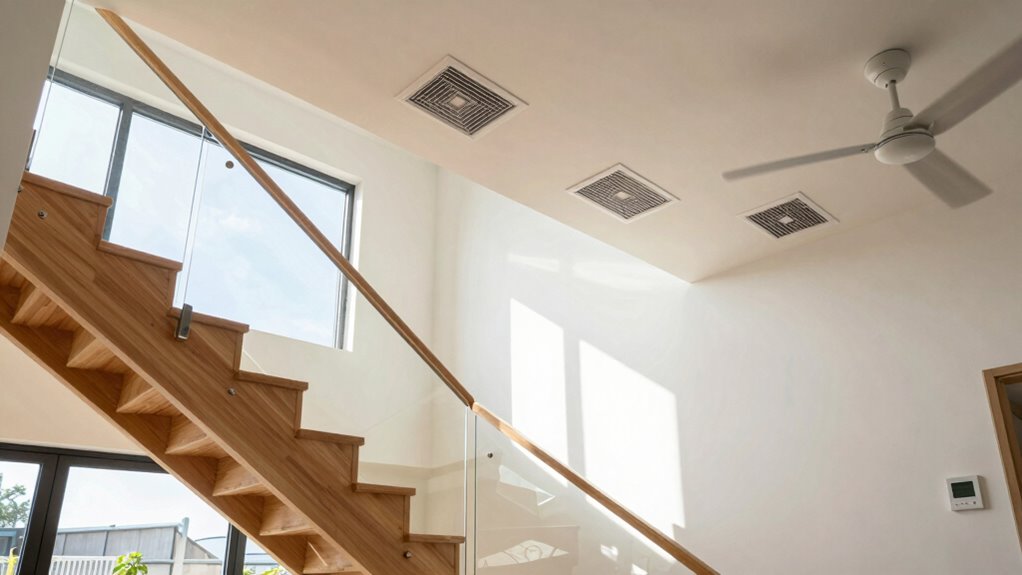

To balance airflow in your two-story home, start by inspecting vents and removing blockages or dust. Use dampers or adjustable registers to control airflow to each room or zone, and consider installing dampers in the ductwork for better regulation. Seal leaks around windows and doors to prevent drafts. Regularly monitor temperatures and adjust vents as needed. If uneven temperatures persist, more advanced solutions like zoning or professional help can make a difference—discover how to implement these strategies effectively.
Key Takeaways
- Install and adjust dampers in ductwork to control airflow to specific rooms or zones.
- Use zoning systems with separate thermostats for precise temperature regulation on each floor.
- Seal leaks around ducts, windows, and doors to prevent unwanted air transfer and improve balance.
- Regularly inspect vents, filters, and ductwork for blockages or dirt that hinder airflow.
- Employ smart thermostats and ventilation controls to optimize system performance and airflow distribution.

Therwen Backdraft Damper Duct Manual Volume Damper with Sleeve Galvanized Sheet Adjustment Airflow Ducting Branch HVAC Air Balancing for Range Hoods, Fans(1 Pc,4 Inch)
Suitable Size: the bend end interface of air duct damper measures about 3.87 inches/ 9.84 cm in diameter…
As an affiliate, we earn on qualifying purchases.
As an affiliate, we earn on qualifying purchases.
Why Is My Upstairs So Much Warmer Than the Downstairs?
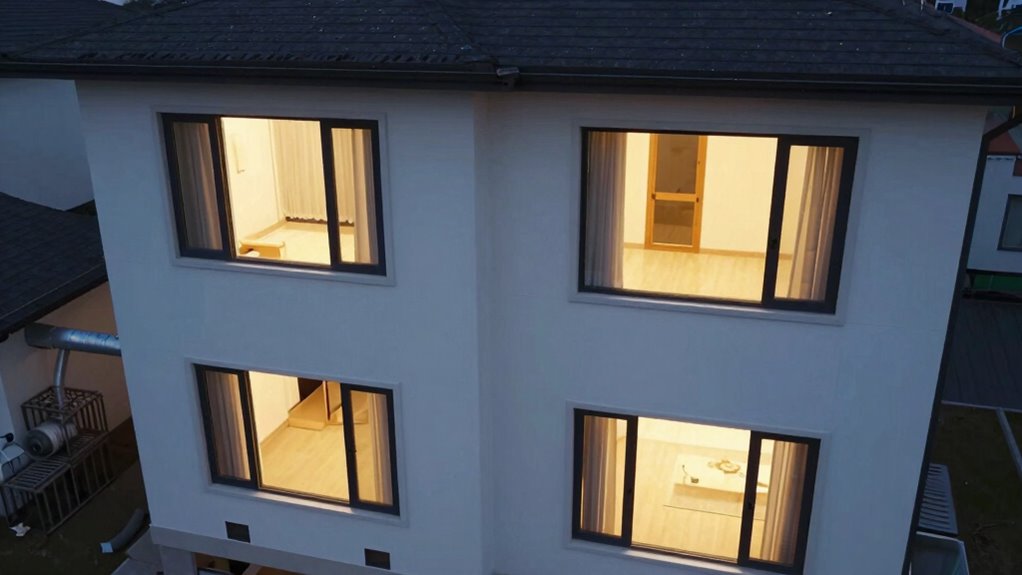
Have you ever noticed that your upstairs feels considerably warmer than your downstairs? This often happens because warm air rises, making the upper level harder to cool. Poor exterior insulation can worsen the problem by allowing heat to seep in during summer and escape in winter, increasing temperature fluctuations. Additionally, high indoor humidity levels upstairs can trap heat, making the space feel even warmer. Without proper insulation, hot or cold air easily enters or escapes, forcing your HVAC system to work harder. To improve comfort, focus on sealing leaks and upgrading exterior insulation. Maintaining balanced indoor humidity also helps regulate temperature. When you address insulation and humidity issues, you’ll find it easier to keep your upstairs cooler and more comfortable year-round. Proper ventilation systems can also help reduce indoor humidity and improve overall airflow distribution throughout your home. Exploring sound ventilation methods, such as incorporating sound-absorbing materials, can enhance airflow efficiency and comfort. Additionally, ensuring your home’s exterior insulation is sufficient can prevent unwanted heat transfer, making a significant difference in temperature regulation. Improving airflow and circulation through proper ventilation can further help minimize temperature disparities between floors.
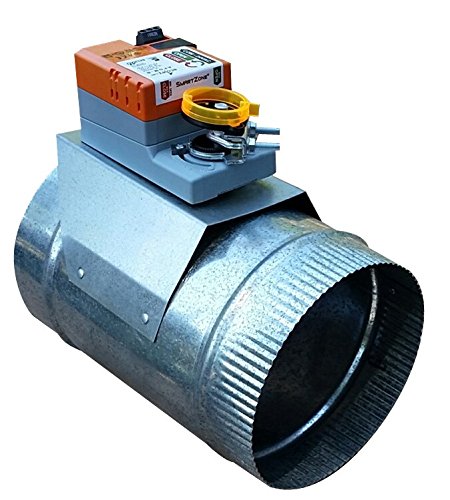
Zone Damper 6" Round Professional-Grade (HVAC Zoning) – Preminum replacement for Honeywell, EWC, Durozone, more (06)
PRO-Grade, Commercial Construction Quality
As an affiliate, we earn on qualifying purchases.
As an affiliate, we earn on qualifying purchases.
How to Check Your Home’s Airflow and Spot Problem Areas
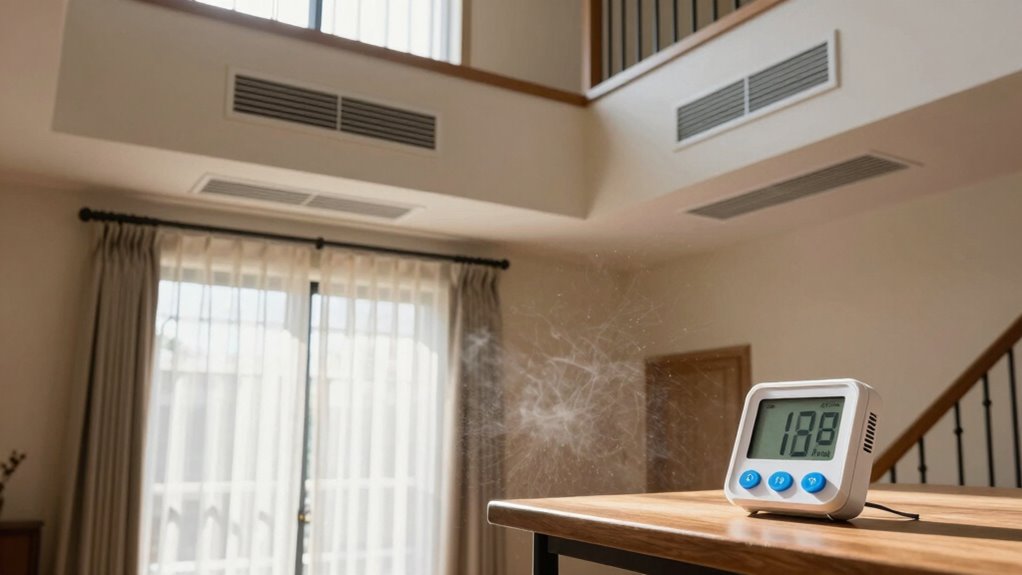
To check your home’s airflow, start by inspecting your air vents regularly for blockages or dust buildup. You can also use smoke tests to see how air moves through different areas and identify leaks or poor circulation. Monitoring temperature differences between rooms helps pinpoint areas where airflow needs balancing. Incorporating proper ventilation techniques can also improve overall airflow efficiency and indoor air quality. Additionally, evaluating the air exchange rate can help ensure your home maintains proper ventilation levels for optimal comfort and health. To further optimize airflow, consider assessing your natural ventilation options, such as windows and vents, which can enhance air movement without relying solely on mechanical systems.
Inspect Air Vents Regularly
How can you tell if your home’s airflow is working properly? Regularly inspecting your air vents helps you spot issues early. Check for blocked or dusty vents, which can reduce airflow and strain your HVAC system. Make sure your air filter is clean—dirty filters restrict airflow and decrease efficiency. Also, consider duct cleaning if you notice uneven heating or cooling. Use this quick reference:
| Symptom | Possible Cause | Action |
|---|---|---|
| Poor airflow in rooms | Blocked or dusty vents | Clear vents, replace filter |
| Uneven temperatures | Dirty ducts | Schedule duct cleaning |
| Excess dust or debris | Old or clogged filters | Replace filter |
| No airflow at all | Damaged ductwork | Call a professional |
Regular checks keep airflow balanced and your home comfortable. Additionally, maintaining proper airflow aligns with the concept of spiritual awakening and enlightenment, promoting a balanced environment conducive to well-being. Recognizing signs of airflow imbalance can also be linked to understanding home environment and health, emphasizing the importance of a healthy living space.
Use Smoke Tests
Wondering if your home’s airflow is balanced? Smoke testing is an effective way to see how airflow patterns move throughout your house. You’ll need a smoke pen or incense stick—light it and hold it near vents, registers, or suspected problem areas. Watch how the smoke flows; smooth, steady movement indicates good airflow, while erratic or stagnant smoke suggests blockages or leaks. Smoke testing helps you identify uneven distribution between floors or rooms, revealing where airflow might be compromised. It’s a simple, visual method to pinpoint trouble spots that might not be obvious otherwise. By understanding your home’s airflow patterns through smoke testing, you can target specific areas for adjustments or repairs, ultimately improving overall ventilation and comfort.
Monitor Temperature Differences
Monitoring temperature differences between rooms is a straightforward way to identify airflow issues in your home. If some areas feel warmer or cooler than others, it indicates uneven airflow or poor humidity control. Use a thermometer to check the temperature in different rooms, especially upstairs and downstairs. Significant variations suggest blocked vents or leaks. Consider using air purifiers in problem areas to improve air quality and help maintain consistent temperatures. Maintaining proper humidity levels also aids in balancing airflow, preventing mold and condensation. Using gap-sealing products can further minimize drafts and improve overall airflow efficiency. Regularly tracking temperature differences helps you spot hotspots or cool zones early, so you can address issues before they escalate. Understanding airflow patterns can help you better diagnose and resolve circulation issues. Additionally, being aware of airflow dynamics can assist in optimizing your HVAC system’s performance. Being mindful of privacy policies related to smart thermostats and sensors can also help protect your data. This simple step guarantees your HVAC system works efficiently, creating a more comfortable, balanced environment throughout your entire home.

SmartZone-3X : 3 Zone HVAC Controller KIT w/ Temp Sensor; Dual Climate Control to Replace Honeywell HZ322, EWC, Zonefirst, Zonex, Durozone & More
3 Zone HVAC zone control – Version 3.0 (Replaces SmartZone-2X)
As an affiliate, we earn on qualifying purchases.
As an affiliate, we earn on qualifying purchases.
Simple Ways to Adjust Vents and Dampers for Better Circulation
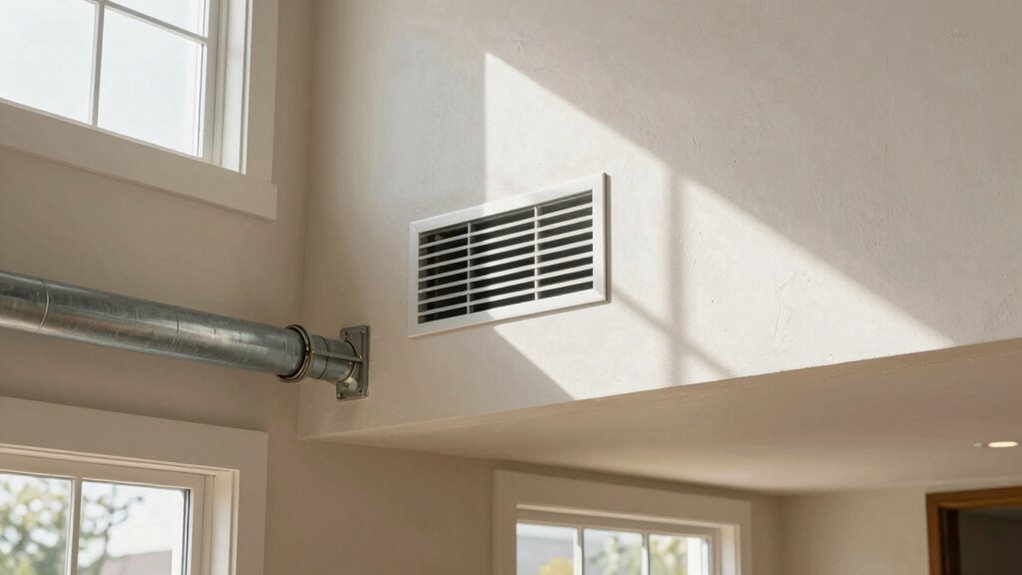
Adjusting your vents and dampers is one of the simplest ways to improve airflow throughout your two-story home. Start by checking your vent placement to guarantee vents are not blocked by furniture or curtains, which can restrict airflow. Proper vent placement helps distribute air evenly across rooms. Next, focus on damper adjustment; most vents have dampers inside that control airflow to specific rooms. Adjust these dampers to increase airflow to rooms that feel stuffy or cool, and reduce it where there’s excess. Small changes, like slightly opening or closing dampers, can considerably balance circulation. Regularly inspecting and tweaking vent positions and dampers helps maintain consistent temperatures and improves overall airflow, making your home more comfortable. Additionally, understanding airflow principles can guide you in optimizing your home’s ventilation system more effectively. Being aware of air pressure balance can further enhance the efficiency of your adjustments and promote better circulation. Incorporating proper vent placement techniques is also essential for achieving optimal airflow throughout your home. Paying attention to proper damper adjustment can significantly improve your home’s overall ventilation and comfort, especially when combined with a good understanding of airflow dynamics.

A/C Pro Super Seal AC Stop Leak Kit with Dispensing Hose – 3 OZ
UNABLE TO SHIP THIS ITEM TO CALIFORNIA and WASHINGTON
As an affiliate, we earn on qualifying purchases.
As an affiliate, we earn on qualifying purchases.
Using Dampers and Zoning to Balance Airflow Effectively
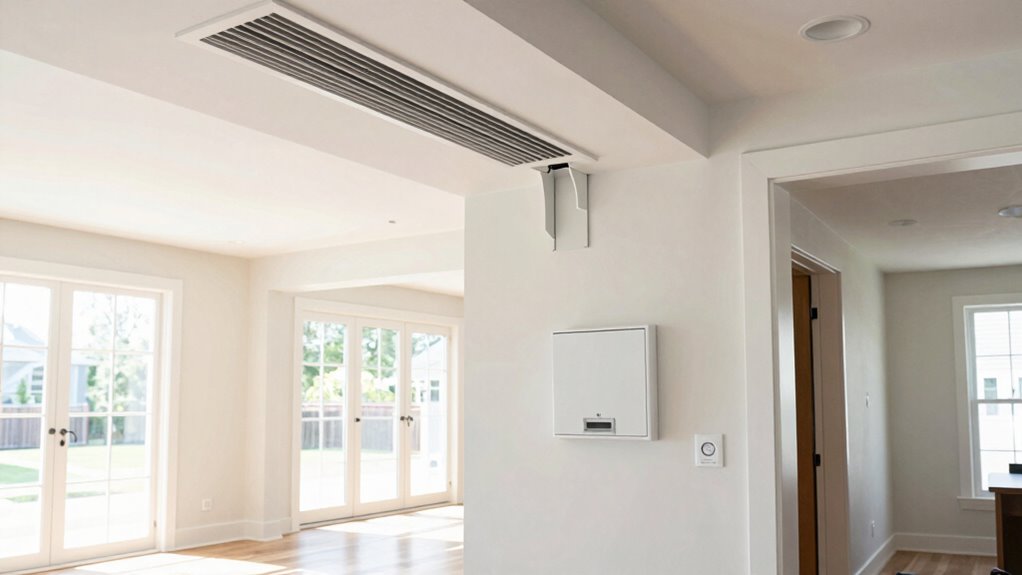
Using dampers and zoning systems is one of the most effective ways to balance airflow in a two-story home. Damper installation allows you to control airflow to specific areas, preventing hot or cold spots. Zoning strategies divide your home into separate zones, each with its own thermostat, giving you better temperature control. Incorporating smart home safety features can further optimize system performance and energy efficiency. Consider these key steps:
- Install dampers in your ductwork to regulate airflow to each zone.
- Set up zoning strategies by assigning different zones for upstairs and downstairs.
- Use a central control panel to adjust dampers for ideal airflow.
- Regularly evaluate and fine-tune your system to maintain comfort.
Additionally, understanding how airflow balance impacts overall comfort can help you make more informed adjustments. Maintaining proper ventilation ensures that your system functions efficiently and reduces the risk of moisture buildup. This approach guarantees efficient heating and cooling, reducing energy waste and enhancing comfort throughout your home.
Tips to Maintain Even Air Distribution Year-Round
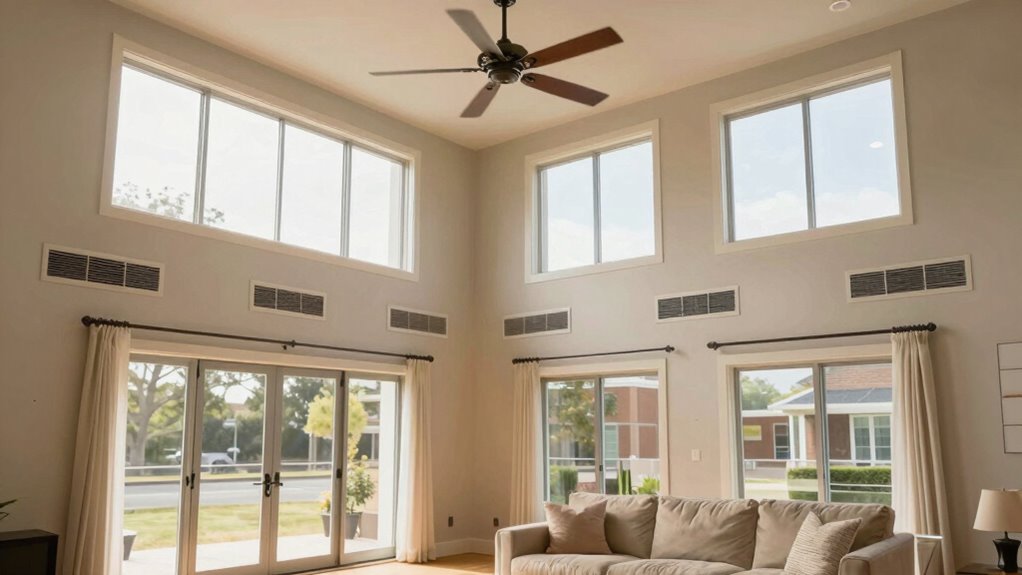
To keep your home comfortable all year, make a habit of adjusting your vent settings as needed. Sealing air leaks around windows, doors, and ducts also helps guarantee consistent airflow. Regularly checking these areas can prevent uneven heating and cooling, saving you energy and money. Incorporating proper vent maintenance can further improve airflow balance throughout your home. Using a smart thermostat can optimize your system’s performance and ensure even temperature distribution.
Adjust Vent Settings Regularly
Regularly tweaking your vent settings is essential for maintaining even airflow throughout your home. Proper adjustment helps optimize vent placement and airflow patterns, ensuring heated or cooled air reaches every room evenly. To do this effectively:
- Close vents in rooms you don’t use often to redirect airflow.
- Slightly open vents in warmer areas to balance temperature differences.
- Use adjustable registers to fine-tune airflow in specific rooms.
- Regularly check for blocked or closed vents that disrupt airflow patterns.
Seal Air Leaks Properly
Sealing air leaks is a key step in maintaining even airflow throughout your home all year round. You should start by identifying and sealing gaps around windows, doors, and duct joints. Caulking leaks in these areas prevents unwanted air escape and drafts, helping your HVAC system work more efficiently. Use weatherstripping on doors and window frames to block leaks and guarantee a tight seal. For larger gaps, apply a high-quality sealant or foam insulation. Regularly inspect your home for new leaks, especially in less visible spots. Properly sealing these gaps reduces pressure imbalances, improves energy efficiency, and keeps airflow balanced between floors. Taking these steps assures a more comfortable, consistent indoor climate regardless of the season.
When to Call an HVAC Professional for Airflow Issues
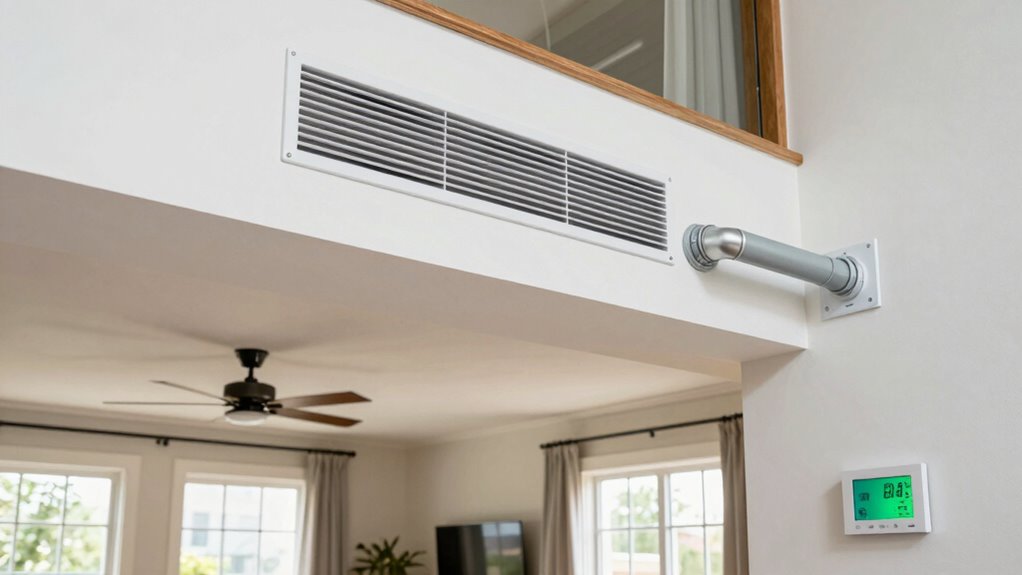
Recognizing when to call an HVAC professional is essential if airflow issues persist despite your efforts. If uneven airflow affects your home’s energy efficiency or indoor air quality, it’s time to seek expert help. Here are four signs to watch for:
- Persistent hot or cold spots that won’t improve with your adjustments
- Unusual noises from your HVAC system or ductwork
- Elevated energy bills despite no changes in usage
- Frequent system failures or incomplete heating/cooling cycles
These issues often indicate underlying problems like duct blockages, leaks, or system inefficiencies. An HVAC professional can diagnose and resolve airflow problems, ensuring your home stays comfortable, energy-efficient, and maintains healthy indoor air quality.
Frequently Asked Questions
Can Duct Design Impact Airflow Balance in a Two-Story Home?
Yes, duct design greatly impacts airflow balance in your two-story home. Using high-quality duct material reduces air loss and maintains consistent airflow. Proper vent placement ensures heated or cooled air reaches all areas evenly, preventing hot or cold spots. When ducts are well-designed with appropriate sizing and strategic vent locations, you’ll enjoy better temperature control and improved efficiency throughout your home.
How Does Insulation Affect Airflow and Temperature Differences?
Insulation effectiveness plays a key role in airflow and temperature differences in your home. Proper insulation helps maintain consistent temperature regulation by reducing heat transfer between floors and rooms. When insulation is dense and well-installed, it prevents warm or cool air from escaping or entering undesirably, supporting balanced airflow and more stable temperatures. This means your HVAC system works more efficiently, keeping your home comfortable and reducing energy costs.
Are There Specific Vents Better for Balancing Airflow Upstairs and Downstairs?
Imagine you’re adjusting vents in your home. For better airflow balance, consider installing return vents near the ceiling and supply vents near the floor, especially on opposite sides of each room. Using window placement strategically can help, and ceiling fans can circulate air efficiently. These specific vents and fans work together to promote even airflow upstairs and downstairs, keeping your home comfortable year-round.
How Long Should I Wait After Adjusting Vents Before Assessing Results?
You should wait at least 15 to 30 minutes after each vent adjustment before evaluating airflow. This allows the system to stabilize and the changes to take effect. During this time, avoid making further adjustments, so you get an accurate airflow assessment. Patience is key—monitor the air movement and temperature differences, then fine-tune your vent adjustments accordingly for ideal airflow balance throughout your home.
Can Smart Thermostats Improve Airflow Regulation in Multi-Story Homes?
Yes, smart thermostats can improve airflow regulation in multi-story homes. They use smart sensors to monitor temperature and humidity levels on each floor, allowing precise adjustments. Zoning systems work with these thermostats to direct airflow efficiently to different areas, preventing hot or cold spots. This setup helps maintain consistent comfort throughout your home, reduces energy waste, and makes balancing airflow easier and more effective.
Conclusion
Remember, a house divided against itself cannot stand — and neither can your airflow. By checking, adjusting, and maintaining your vents and dampers, you’ll create a more balanced, comfortable home year-round. Don’t wait for small issues to become big problems; act now to keep every room feeling just right. When in doubt, calling an HVAC pro can save you time and guarantee the job’s done right. Stay proactive, and enjoy the perfect indoor climate.