
A transfer switch is a device that automatically or manually switches your home’s power from the utility to a generator during outages, ensuring safe and seamless power transfer. It prevents backfeed to protect your appliances and utility workers. There are manual and automatic types, each suited to different needs and budgets. Proper installation and maintenance are key for reliable operation. Keep exploring to discover how this essential device keeps your home powered safely and efficiently.
Key Takeaways
- Transfer switches detect power outages and automatically or manually switch your home or business to backup power sources like generators.
- They prevent back feed into the utility grid, ensuring safety for utility workers and protecting your appliances.
- Types include manual (user-operated) and automatic (sensor-driven), each with different costs and convenience levels.
- Proper installation involves verifying voltage ratings, secure wiring, and adherence to local codes for safety and compatibility.
- Regular maintenance and testing are essential to ensure reliable operation during power outages.

200 Amp Single Phase Generator Automatic Transfer Switch w/Power Management Replacement for Generac RXSW200A3 for Indoor and Outdoor Use, 120/240 V, Service Entrance Rated, NEMA 3R Aluminum Enclosure
Designed for use with single-phase generators, this transfer switch seamlessly transfers power from utility to generator
As an affiliate, we earn on qualifying purchases.
As an affiliate, we earn on qualifying purchases.
What Is a Transfer Switch and Why Do You Need One?
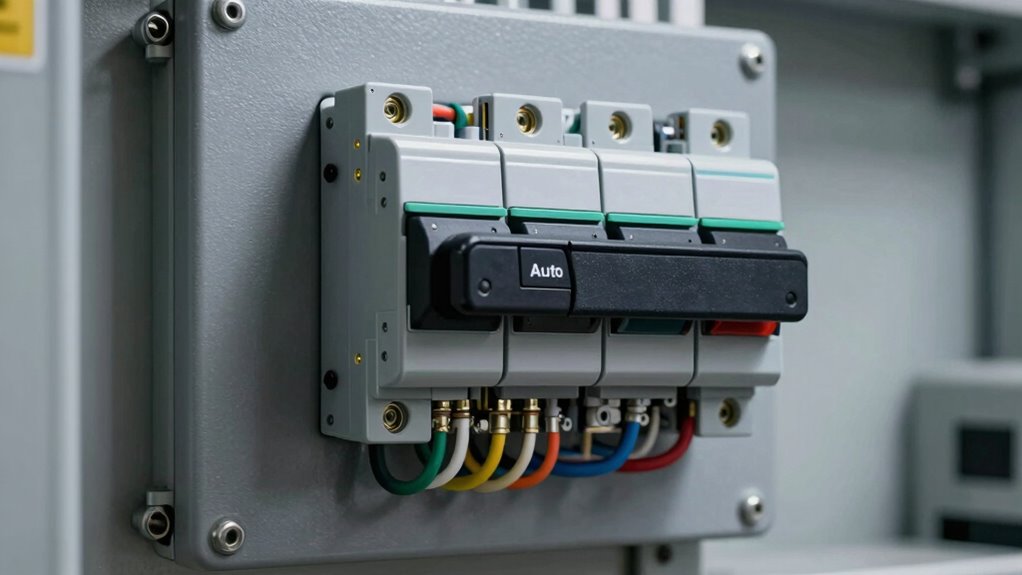
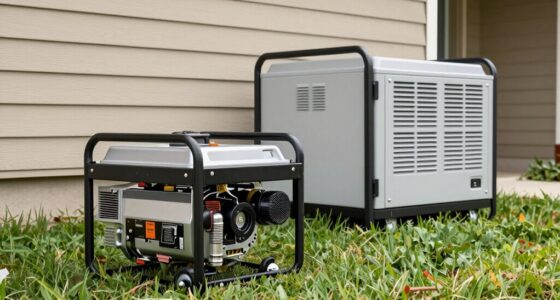
Ever wondered how backup power systems switch seamlessly during an outage? That’s where a transfer switch comes in. It’s a crucial component of your emergency preparedness, ensuring your generator kicks in automatically when the power fails. Without one, you’d need to manually operate your generator, risking delays during stressful situations. Regular generator maintenance helps keep your transfer switch working reliably, so it can switch power sources swiftly and safely. This device detects outages and directs electricity flow from your utility to your generator, preventing back feed and protecting your appliances. Whether you’re preparing for storms or other emergencies, a transfer switch provides peace of mind by ensuring continuous power. It’s an essential investment to keep your home or business running smoothly during unexpected outages. Incorporating outdoor living features like fire pits or seating areas can enhance your space for gatherings once power is restored. Proper installation and understanding of transfer switch operation are key to maximizing safety and efficiency. Additionally, understanding the importance of automatic transfer switches can help you choose the right system for your needs. Investing in a high-quality transfer switch can also ensure better longevity and performance over time. Considering emergency preparedness strategies, such as having the right transfer switch, can further improve your resilience during outages.
manual transfer switch for home backup power
As an affiliate, we earn on qualifying purchases.
As an affiliate, we earn on qualifying purchases.
Should You Use a Manual or Automatic Transfer Switch?
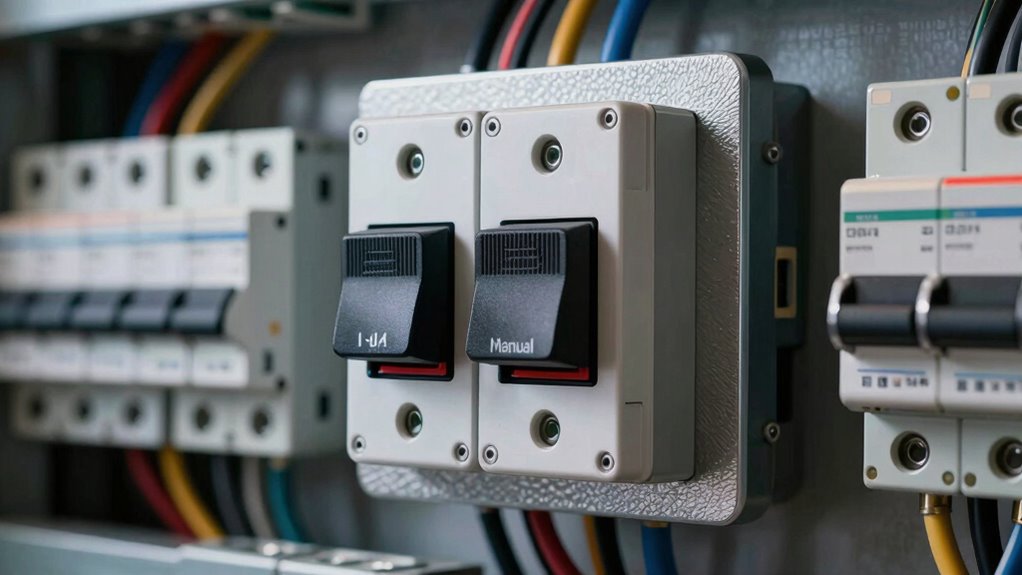
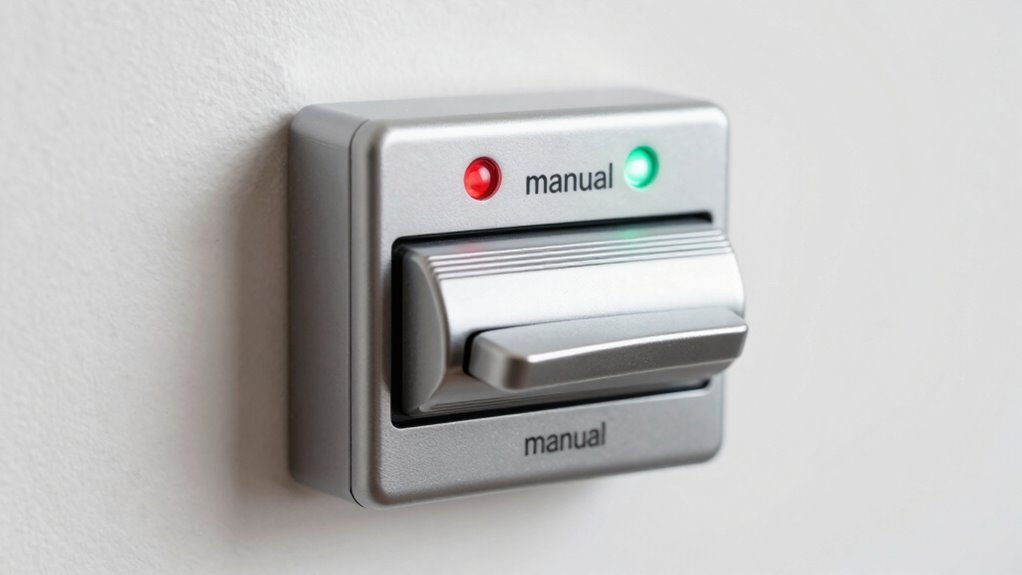
When choosing between manual and automatic transfer switches, you’ll want to take into account how easy they are to operate, along with their cost and maintenance needs. Automatic switches offer hands-free operation but tend to be more expensive and require regular upkeep. Manual switches are simpler and cheaper but need you to be present to activate them during a power outage. To enhance security and ensure reliable operation, consider the security features that various transfer switch models may include.
Ease of Operation
Deciding between a manual and an automatic transfer switch hinges on how quickly and easily you want the transfer process to occur. An automatic switch offers seamless, hands-free operation, which means less effort during power outages and quicker restoration. This body-based approach can also enhance energy efficiency by reducing downtime. Manual switches require you to intervene, which might be simpler but takes more time and effort. Consider your comfort with technology and your need for rapid response. An automatic switch minimizes environmental impact by maintaining consistent power, reducing waste and potential damage caused by power interruptions. Additionally, selecting the right type of switch can influence your overall data protection strategy, especially when considering backup solutions for critical systems. If you prioritize convenience and smooth operation, an automatic transfer switch is the better choice. For those who prefer simplicity and control, a manual switch may suffice. Understanding power management can help you make an informed decision aligned with your specific needs. Proper safety precautions are essential when installing or maintaining transfer switches to prevent electrical hazards and ensure reliable operation. Recognizing the importance of electrical safety standards can further help in ensuring proper installation and compliance.
Cost and Maintenance
Choosing between a manual and an automatic transfer switch also involves considering the costs and ongoing maintenance. A cost analysis reveals that manual switches are generally less expensive upfront but may require more frequent attention. Automatic switches, while pricier initially, save time and effort during power outages. Regular maintenance keeps your switch reliable; here’s a simple maintenance checklist:
| Manual Switch | Automatic Switch |
|---|---|
| Check contacts | Test auto functions |
| Inspect wiring | Replace batteries if needed |
| Clean terminals | Schedule professional inspections |
Manual switches demand more user involvement, but cost less. Additionally, understanding home energy management can help optimize your entire system’s efficiency and reliability. Proper system diagnostics can also identify potential issues before they lead to failures, ensuring continuous power supply. Moreover, incorporating preventative maintenance is essential for prolonging the lifespan of your switch and maintaining dependable performance. Automatic switches offer convenience but come with higher initial costs and potentially higher maintenance needs. Your choice depends on your budget and how much convenience you want.
home transfer switch installation kit
As an affiliate, we earn on qualifying purchases.
As an affiliate, we earn on qualifying purchases.
How Do Transfer Switches Work and What Are Their Key Parts?
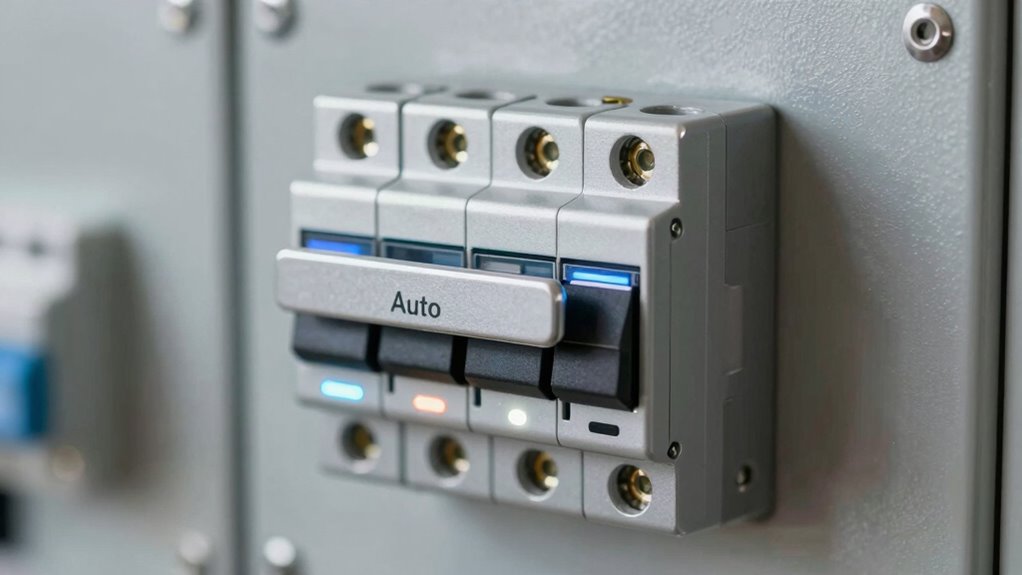
Transfer switches are essential devices that automatically or manually switch your power source from the utility grid to a backup generator during an outage. They contain key transfer switch components, including contact points, control circuitry, and relays, that enable smooth switching. The switching mechanisms are designed to prevent power overlap, assure no backfeed occurs between sources. When a power outage is detected, the control circuitry signals the relay to disconnect your home from the utility and connect it to the generator. Once power is restored, the switch reverts to the utility supply. These components work together seamlessly, allowing safe, reliable operation. Understanding how these parts interact helps you appreciate how transfer switches protect your home and guarantee continuous power during emergencies. Additionally, the Indonesian decor masks highlight the importance of well-crafted components, ensuring durability and safety in such critical devices. Recognizing the key parts of a transfer switch can also help in troubleshooting and maintenance.
automatic transfer switch safety features
As an affiliate, we earn on qualifying purchases.
As an affiliate, we earn on qualifying purchases.
When Do You Need a Transfer Switch in Your Home?

Knowing when you need a transfer switch is key to ensuring your home stays powered during outages. If you rely on a generator, a transfer switch is essential for generator safety and proper operation. Without one, you risk backfeeding electricity into the grid, which can be dangerous for utility workers and damage your generator. You should consider installing a transfer switch if you experience frequent power outages or want a reliable backup power source for critical appliances. It’s also crucial for emergency preparedness, allowing you to quickly switch to generator power without risking injury or damage. A transfer switch simplifies the process, making it safer and more efficient to restore power during emergencies. Proper maintenance and understanding the horsepower of electric dirt bikes can also inform how you select and operate backup generators for optimal performance. Additionally, being aware of essential safety tips when using portable oil radiators can help prevent hazards during power outages that may require alternative heating solutions. Recognizing the importance of proper wiring is vital to ensure your transfer switch functions correctly and safely. Moreover, understanding the types of transfer switches available can help you choose the best option for your specific needs. Overall, if maintaining power during outages is a priority, a transfer switch is a smart investment.
What Factors Should You Consider When Choosing a Transfer Switch?
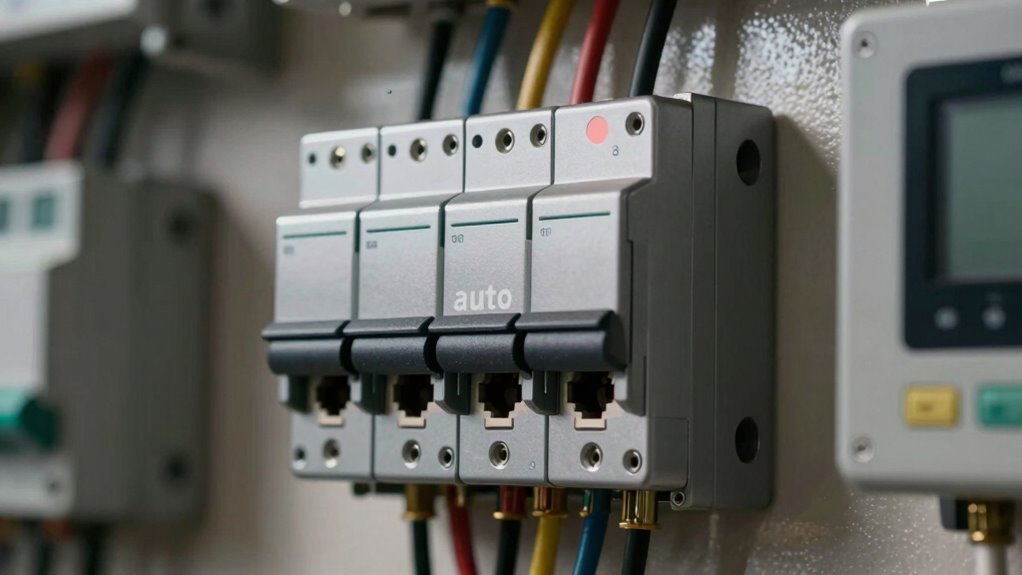
When selecting a transfer switch, you need to evaluate your power capacity needs to guarantee it can handle your home’s load. Compatibility with your existing equipment is also vital to prevent issues down the line. Additionally, choose the right type of transfer switch—manual or automatic—that best fits your safety and convenience preferences.
Power Capacity Requirements
Selecting the right transfer switch depends heavily on understanding your power capacity needs. You must assess the total load of the appliances and systems you’ll connect, guaranteeing the switch can handle their combined wattage. If you use a battery backup system, verify the switch can support its startup surge, which is often higher than normal running power. Surge protection features are also essential to prevent voltage spikes from damaging your equipment during power transitions. Consider future expansion—if you add devices later, your switch should accommodate that increased load. Properly matching your transfer switch’s capacity ensures reliable operation and prevents overloads or failures. Additionally, understanding power safety guidelines helps in selecting and installing the correct transfer switch for your setup. Incorporating knowledge about HRV insights can also be beneficial when planning for long-term financial security in case of power outages or emergencies.
Compatibility With Equipment
Ensuring compatibility with your equipment is essential because an incompatible transfer switch can cause malfunctions or safety hazards. You should perform compatibility testing to confirm that the switch works seamlessly with your existing setup. Equipment compatibility involves checking voltage and amperage ratings to match your appliances and circuits. If the transfer switch isn’t designed for your specific load or circuitry, it could lead to electrical issues or damage. Always verify that the switch supports your generator’s power output and the types of appliances you plan to connect. Consulting manufacturer specifications and testing for compatibility helps prevent problems and guarantees safe, reliable operation. By prioritizing compatibility, you safeguard your system and maintain ideal performance during power transfers.
Type of Transfer Switch
Choosing the right type of transfer switch depends on several key factors that affect your home’s safety and convenience. First, consider generator compatibility; not all switches work with every generator, so verify your switch matches your power source. Manual transfer switches require you to operate them manually during an outage, while automatic ones switch seamlessly, offering added convenience. Also, think about circuit breaker interchange; some transfer switches can replace or integrate with existing circuit breakers, simplifying installation. Your home’s electrical setup and load requirements influence this choice, so assess your system carefully. Ultimately, selecting the appropriate transfer switch ensures reliable power transfer, enhances safety, and accommodates your generator’s specifications.
How to Install a Transfer Switch: A Step-by-Step Guide
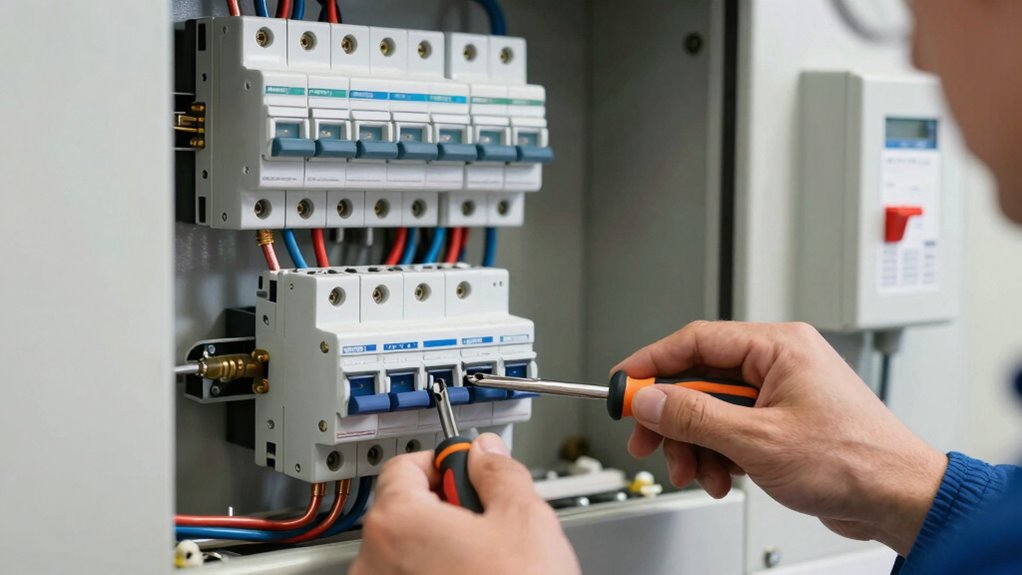
Ready to install a transfer switch? First, verify your generator compatibility by checking its wattage and connection type. Before starting, prioritize safety precautions: turn off the main power, use insulated tools, and wear protective gear. Mount the transfer switch near your main electrical panel, following the manufacturer’s instructions. Turn off the breaker feeding your appliances, then disconnect the electrical panel cover. Connect the transfer switch’s input wires to the main panel’s existing circuits, and link the switch to your generator outlet using the appropriate cables. Secure all connections tightly and replace the panel cover. Finally, turn on the main power and test the transfer switch with your generator, making sure it switches power seamlessly. Always follow manufacturer instructions and local codes for a safe, effective installation.
Troubleshooting Common Transfer Switch Issues
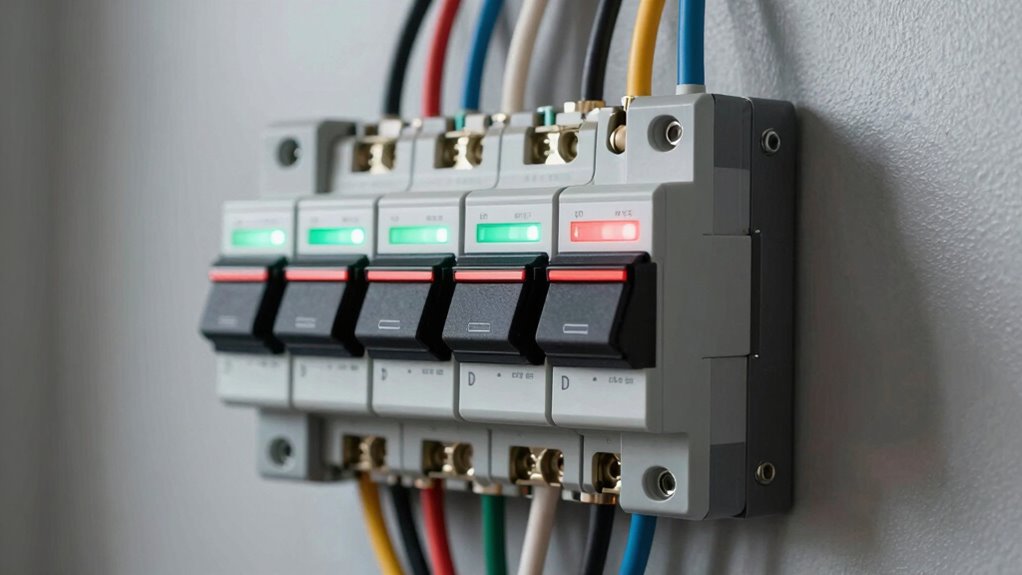
When your transfer switch isn’t functioning properly, identifying the root cause can save you time and frustration. Start by checking your generator maintenance routines, ensuring it’s running smoothly and ready to switch on when needed. Poor generator maintenance can lead to issues like inconsistent power delivery or failure to start, affecting the transfer switch’s operation. Voltage regulation problems are another common culprit; if voltage isn’t stable, the switch may not activate correctly or could cause damage. Use a multimeter to verify proper voltage levels and look for loose wiring or corrosion that might interfere with electrical flow. Regular inspections and timely maintenance help prevent these issues, ensuring your transfer switch operates reliably during power outages.
Benefits of Installing a Transfer Switch for Reliable Backup Power
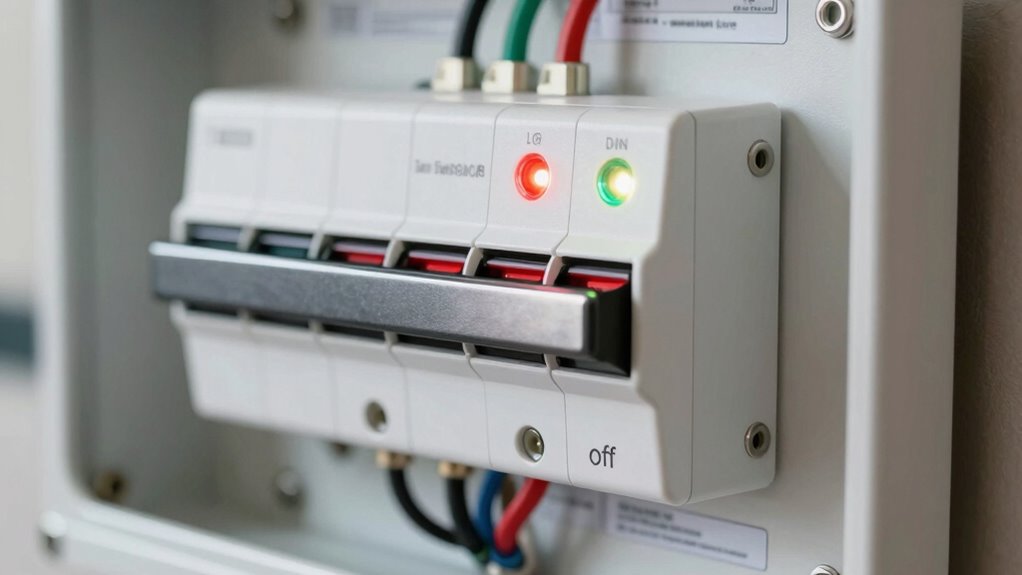
Installing a transfer switch offers a reliable way to guarantee your backup power system works seamlessly during outages. It assures your generator kicks in automatically, reducing downtime and keeping essential systems running. This improves indoor air quality by preventing the buildup of pollutants when power is lost. Plus, a transfer switch supports renewable energy sources like solar panels, enabling you to switch effortlessly between power sources. Here’s how benefits stack up:
| Benefit | Description | Impact |
|---|---|---|
| Reliability | Automatic switching during outages | Continuous power supply |
| Indoor air quality | Maintains proper ventilation and air flow | Healthier indoor environment |
| Renewable energy integration | Supports solar and other green sources | Eco-friendly backup option |
Frequently Asked Questions
Can Transfer Switches Be Used With Generator Types Other Than Standard Models?
Yes, transfer switches can be compatible with various generator types beyond standard models. You need to take into account generator compatibility, making sure the switch matches your generator’s power output and type. Additionally, some transfer switches offer smart home integration, allowing remote control and monitoring. Always check the specifications and consult an electrician to ensure the transfer switch you choose works seamlessly with your generator and smart home system for safe, efficient operation.
What Maintenance Is Required to Ensure Transfer Switch Reliability?
To keep your transfer switch reliable, follow a regular maintenance checklist that includes inspecting for corrosion, testing the automatic operation, and tightening connections. You should also perform troubleshooting tips like checking for fault indicators and listening for unusual noises. Regularly cleaning components and verifying battery health guarantees smooth switching. Staying proactive with these steps prevents failures, extends lifespan, and guarantees your system’s readiness during power outages.
Are Transfer Switches Compatible With Smart Home Systems?
Yes, some transfer switches are compatible with smart home systems, allowing you to integrate them for seamless control. Look for transfer switches with smart home or integration compatibility features, like Wi-Fi or Z-Wave connectivity. This lets you monitor and manage your backup power system through your smart home hub or app. Make sure you check compatibility with your specific smart home platform before installation to maximize integration benefits.
How Long Does a Transfer Switch Typically Last Before Replacement?
A transfer switch usually lasts between 10 to 20 years, depending on installation guidelines and how well you maintain it. Think of it as a trusty guardian—its lifespan can be prolonged with regular inspections and timely repairs. Common issues like worn-out contacts or electrical arcing can shorten its life, so stay vigilant. Proper maintenance ensures your switch continues to protect your power supply when you need it most.
What Safety Precautions Should Be Taken During Transfer Switch Installation?
During transfer switch installation, you should prioritize safety by following proper safety protocols and turning off the main power supply. Carefully handle electrical wiring, guaranteeing all connections are secure and insulated to prevent shocks. Use insulated tools and wear protective gear like gloves and safety glasses. Double-check local electrical codes and manufacturer instructions. Avoid rushing, and if unsure, consult a licensed electrician to ensure a safe, compliant installation.
Conclusion
So, now you’re practically a transfer switch expert—ready to keep the lights on and the fridge humming. Because nothing says “prepared” like a device that switches power sources faster than you switch TV channels during commercials. Just remember, with great backup power comes great responsibility—and maybe a few less blackout surprises. So go ahead, install that switch, and enjoy the sweet, uninterrupted joy of never losing your Wi-Fi—or your sanity. Cheers to always being powered up!