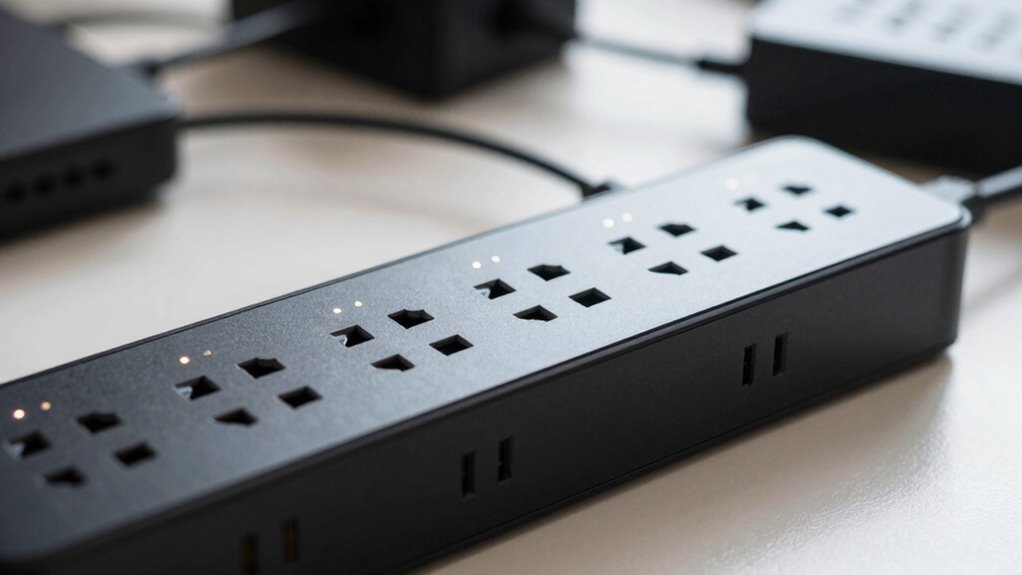

Surge protection is a way to shield your electronic devices from sudden voltage spikes that can cause damage or data loss. It works by absorbing or redirecting excess energy during power surges, preventing it from reaching your gadgets. Using devices like surge protectors or whole-house systems, you can reduce the risk of costly repairs. Want to know how these protections work and which options are best? Keep exploring to find out more.
Key Takeaways
- Surge protection prevents damage to electronic devices by blocking or redirecting sudden voltage spikes.
- Surge protectors absorb excess energy during power surges, safeguarding connected electronics.
- They use components like metal-oxide varistors (MOVs) to limit voltage and prevent overloads.
- Proper surge protection extends device lifespan and enhances overall electrical system safety.
- Different types include power strips, whole-house systems, and panel-mounted devices for comprehensive coverage.

Power Strip Surge Protector – Multi Plug Outlet Adapter with 8 Widely Outlets & 4 USB Ports (2 USB-C), 5FT Extension Cord 45 ° Ultra Thin Flat Plug, Wall Mount for Office Travel Dorm and More
As an affiliate, we earn on qualifying purchases.
As an affiliate, we earn on qualifying purchases.
What Are the Risks of Power Surges?
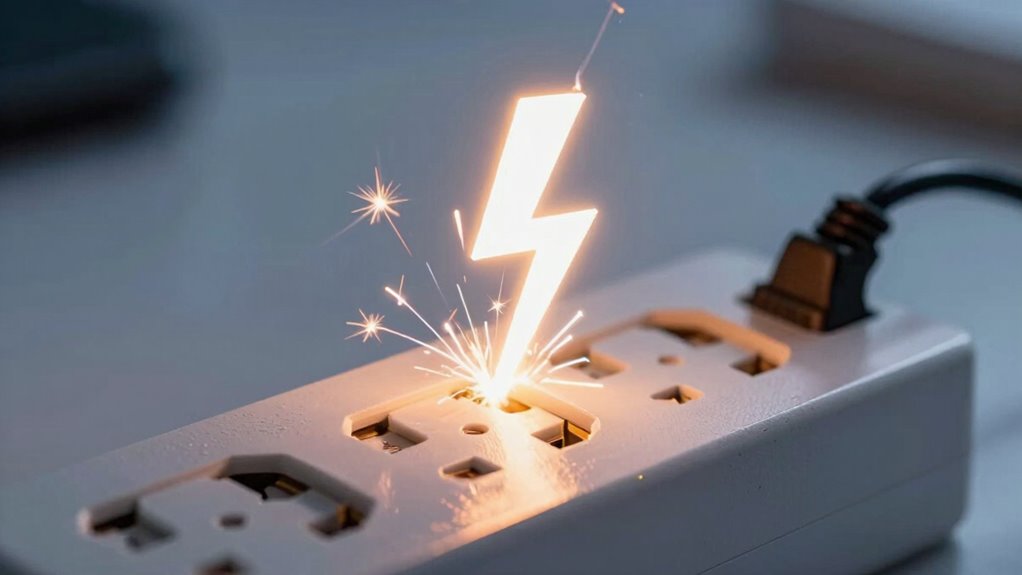
Power surges can happen unexpectedly and pose serious threats to your electronic devices. These sudden spikes in electrical current create electrical hazards that can damage or destroy your gadgets. A power fluctuation, often caused by storms, faulty wiring, or utility issues, can lead to unpredictable surges. When a surge occurs, it overloads your device’s circuitry, risking permanent damage and data loss. Even small surges can weaken components over time, making devices more vulnerable to future failures. Ignoring these risks can result in costly repairs or replacements. Protecting your electronics is essential to avoid the dangers associated with power fluctuations and electrical hazards. Understanding how surges threaten your devices helps you take necessary precautions to safeguard your investments. Additionally, being aware of common causes of electrical disturbances can help you implement measures like surge protection to further reduce risks, especially in environments where electrical fluctuations are frequent. Recognizing the long-term effects of power surges can motivate proactive measures to shield your devices from cumulative damage. Being proactive about electrical safety can significantly extend the lifespan of your devices and prevent unexpected failures. Moreover, understanding the causes of power surges can help you better prepare and select appropriate protective devices.
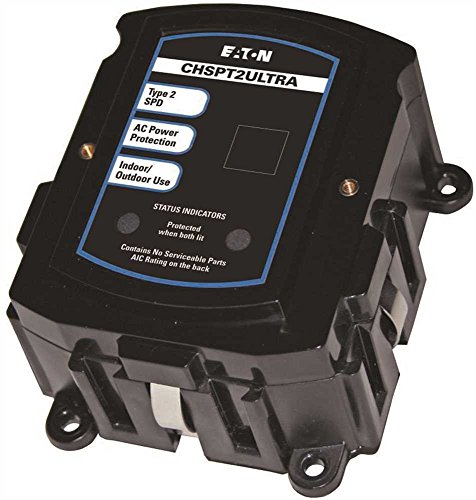
Eaton CHSPT2ULTRA Ultimate Surge Protection 3rd Edition, 2.38" Length, 5.25" Width 7.5" Height
Universally connects to any manufacturer’s load center (breaker box)
As an affiliate, we earn on qualifying purchases.
As an affiliate, we earn on qualifying purchases.
What Is Surge Protection and Why Do You Need It?
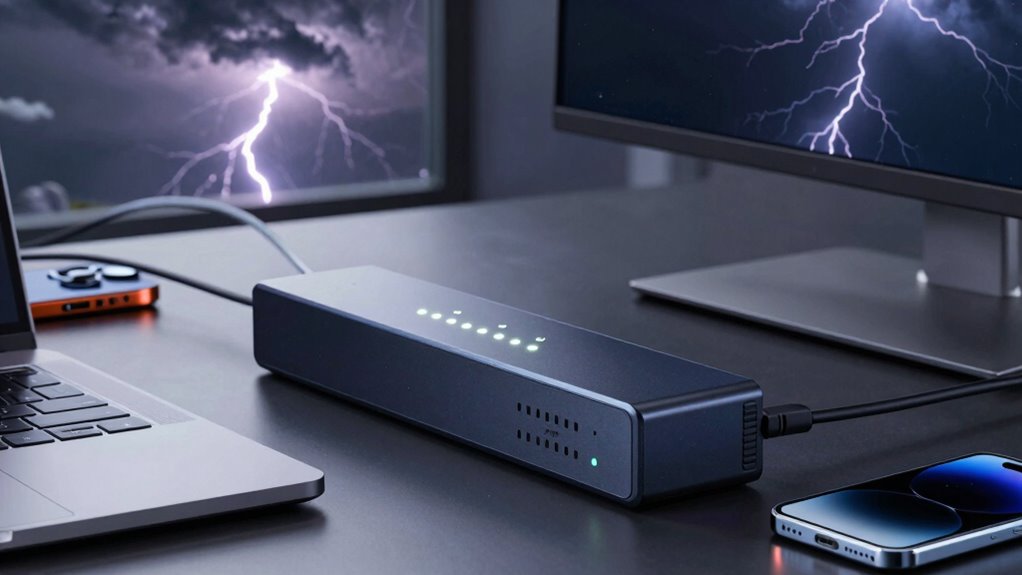
Surge protection helps keep your electrical devices safe from unexpected power spikes. It prevents damage caused by sudden surges that can occur during storms or electrical faults. By using surge protection, you safeguard your devices and verify they last longer. Implementing surge protection can also contribute to the overall home system efficiency, ensuring your entire electrical setup functions optimally. Understanding molecular-scale circuits can give insight into how electrical fluctuations might impact sensitive components at the smallest levels. Additionally, awareness of early warning signs of electrical issues can help prevent costly damage before surges occur. Recognizing how electrical fluctuations influence your system can further enhance your preventive measures. It’s also helpful to understand how different electrical components respond to surges for more effective protection.
Protects Electrical Devices
Electrical devices are vulnerable to sudden voltage spikes that can cause serious damage or shorten their lifespan. Surge protection helps safeguard your devices by preventing these damaging surges from traveling through electrical wiring and power distribution systems. Without protection, a power surge can overload circuits, fry sensitive electronics, and lead to costly repairs or replacements. Installing surge protectors guarantees that your computers, TVs, and other electronics stay safe from unexpected voltage jumps. They act as a barrier, absorbing excess energy and preventing it from reaching your devices. By protecting your electrical wiring and power distribution setup, surge protection keeps your devices functioning properly and extends their lifespan. It’s a simple, effective way to shield your valuable electronics from unpredictable power fluctuations. Using surge protectors can also prevent damage caused by power surges that occur during electrical grid fluctuations or lightning strikes.
Prevents Power Surges
When unexpected voltage spikes occur, they can quickly damage your devices if you’re not protected. Surge protection devices prevent power surges from reaching your electronics, safeguarding them from harm. They work by diverting excess voltage, often through proper electrical grounding, away from sensitive equipment. Power fluctuation caused by storms or faulty wiring increases the risk, making surge protection essential. Without it, your devices are vulnerable to permanent damage or data loss. Installing surge protectors creates a barrier that absorbs or redirects surges before they reach your gadgets. This not only prolongs their lifespan but also ensures safety during electrical disturbances. Proper calibration and understanding of color accuracy in projectors can enhance your viewing experience, but protection from electrical surges is vital for maintaining your devices’ performance. Additionally, understanding the regulatory standards for surge protection can help ensure your equipment is adequately safeguarded. Recognizing power quality issues can also guide you in selecting the right surge protection solutions. Moreover, being aware of sauna safety tips can help prevent electrical hazards associated with high-heat environments.
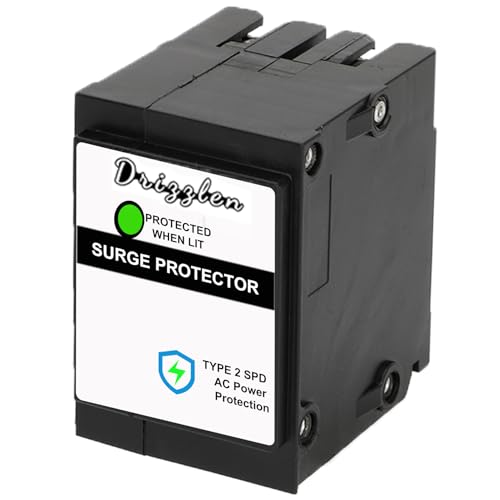
Type BR Whole-Panel Circuit Breaker Surge Protective Device (1 Pack) (1)
Uses 2 Branch Circuit Spaces
As an affiliate, we earn on qualifying purchases.
As an affiliate, we earn on qualifying purchases.
How Do Surge Protectors Work to Keep Your Devices Safe?
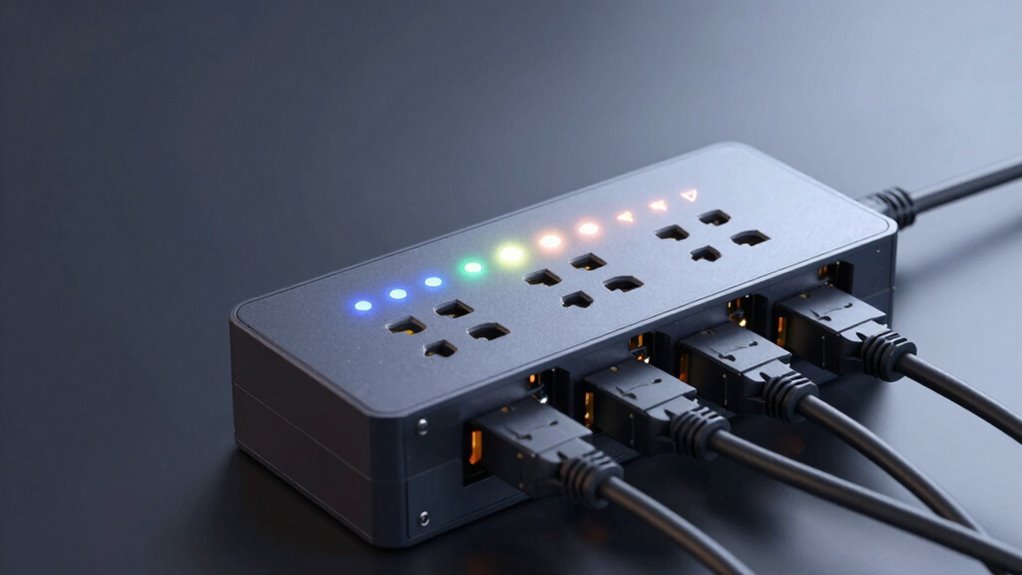
When a power surge occurs, your surge protector absorbs the excess voltage to prevent it from reaching your devices. Metal-oxide varistors, or MOVs, are key components that help redirect this sudden spike safely away. By doing so, they keep your electronics protected from damage. Understanding routines for safety can further enhance your protection measures during electrical surges. Additionally, being aware of regional flavors and cultural insights can help you better appreciate the diversity in coffee and tea traditions around the world. Recognizing electrical safety standards can also guide you in choosing the most reliable surge protection for your home. Ensuring your surge protector meets extension cord standards can further improve overall safety and reliability.
How Surge Protectors Absorb Voltage
Ever wondered how surge protectors keep your devices safe during voltage spikes? They absorb excess voltage, preventing it from reaching your electronics. When a surge occurs, surge protectors use components like metal-oxide varistors or other devices to redirect the excess energy away from your devices. This process involves voltage regulation, which limits the voltage passing through, and prevents circuit overload that could damage your equipment. The surge protector acts like a buffer, clamping high-voltage pulses down to safe levels. Additionally, understanding electrical components helps clarify how these devices effectively protect your electronics. Incorporating inclusive casting principles can ensure that safety features are designed to serve diverse user needs effectively. Recognizing how automotive performance parts are engineered can also inform better safety device design and application.
Role of Metal-Oxide Varistors
Metal-oxide varistors (MOVs) are key components inside surge protectors that respond instantly to voltage spikes. When a surge occurs, the MOV quickly reacts by conducting excess electricity, preventing it from reaching your devices. This process is called voltage clamping, where the MOV limits the voltage to a safe level. The metal oxide varistor acts as a shock absorber, absorbing and redirecting surge energy away from sensitive electronics. Once the voltage drops back to normal, the MOV stops conducting, restoring the system’s safety. Because MOVs react rapidly, they protect your devices from damage during sudden power surges. Understanding electrical components can help users appreciate how surge protectors work. Over time, these components may degrade, but their role in voltage clamping remains essential for effective surge protection.

Surge Protector Power Strip – 5Ft Braided Extension Cord Flat Plug with 6 Outlets and 2 USB-A 2 USB-C Ports, 1080 Joules Wall Mounted Charging Station for Office Home ETL (5 FT)
10 in 1 Power Strip: This flat power strip 5FT could turn 1 socket into 6 AC outlets…
As an affiliate, we earn on qualifying purchases.
As an affiliate, we earn on qualifying purchases.
Different Types of Surge Protection Devices Explained
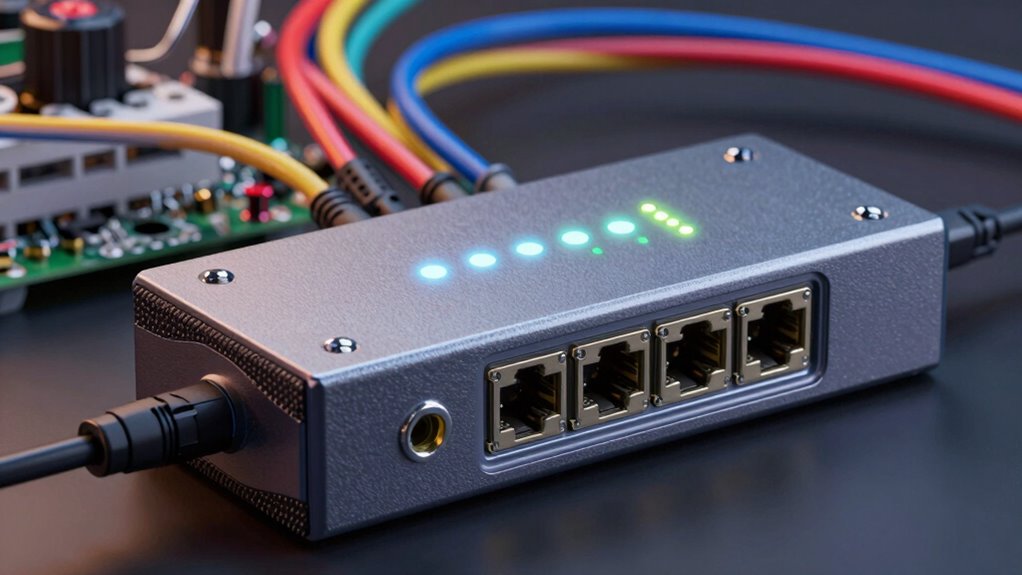
There are several types of surge protection devices (SPDs) designed to safeguard your electronics from voltage spikes, each suited for different applications. These devices use various surge protection technology to meet electrical safety standards and guarantee reliable protection. The most common types include:
- Surge protector power strips
- Whole-house surge protectors
- Plug-in surge arresters
- Panel-mounted surge devices
- Portable surge protectors
Each type offers unique advantages, depending on your needs. For example, whole-house protectors provide thorough coverage, while power strips are ideal for individual devices. Understanding the different types helps you select the right SPD to meet electrical safety standards and efficiently protect your electronics from surges.
Features to Consider When Choosing a Surge Protector
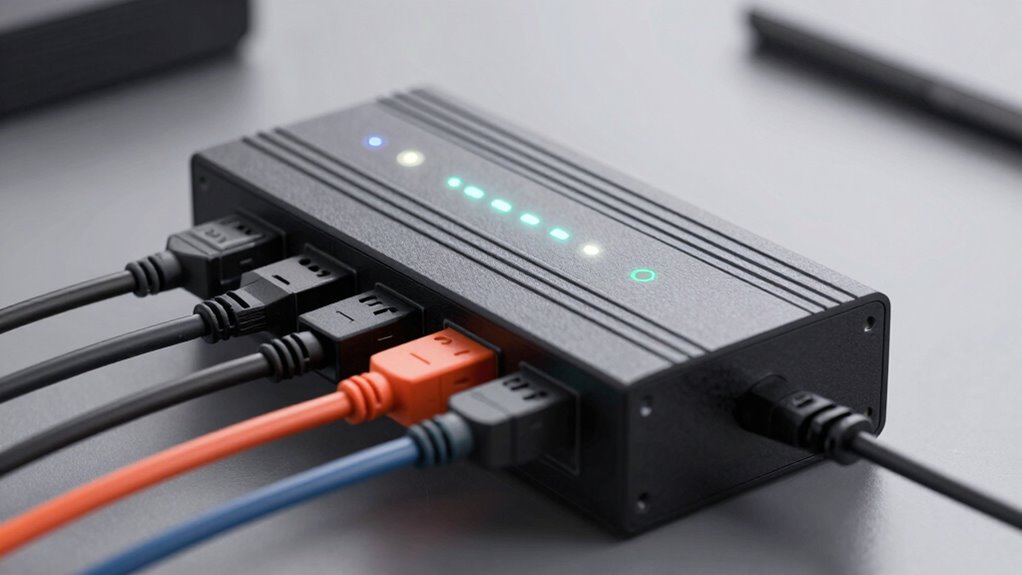
When selecting a surge protector, understanding the features that influence its performance can help you make a smarter choice. Key features to evaluate include voltage regulation, which guarantees consistent power delivery and prevents fluctuations that could damage your devices. Look for a surge protector with good voltage regulation capabilities to maintain stable operation during power surges. Additionally, consider power redundancy, meaning the device can handle multiple surges or failures without losing protection. This feature enhances reliability, especially in areas prone to frequent outages or electrical disturbances. A surge protector with solid voltage regulation and strong power redundancy offers better protection and longevity. These features guarantee your electronics stay safe during electrical spikes, giving you peace of mind and extending the life of your devices.
How to Properly Install and Use Surge Protectors at Home
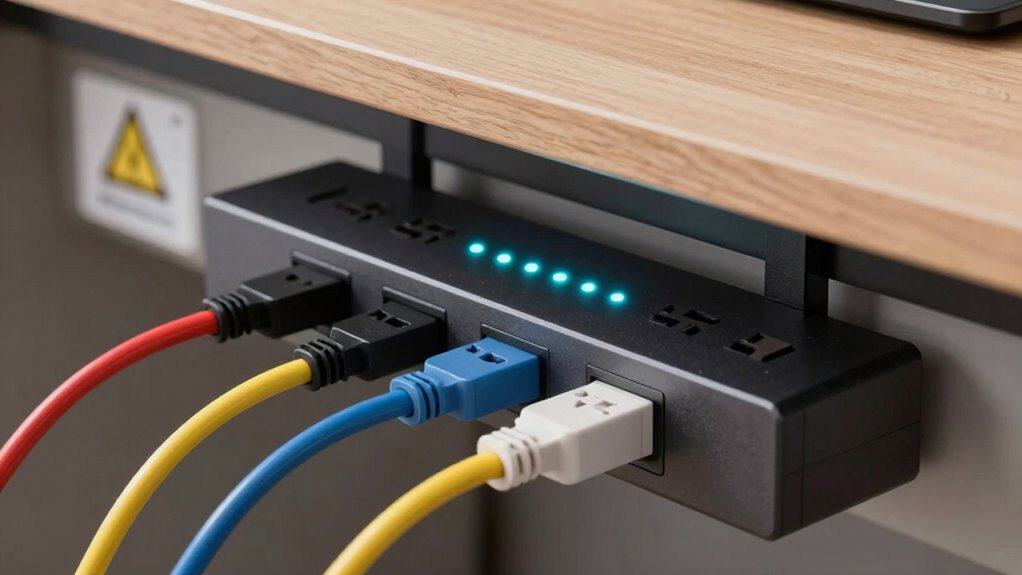
To guarantee your surge protectors provide maximum safety, you need to install and use them correctly. Proper installation safety ensures they work effectively and protect your devices. Start by choosing the right surge protector types for your needs, such as basic block or advanced whole-home models. Always read the manufacturer’s instructions before installation. Plug surge protectors directly into grounded outlets, avoiding extension cords or daisy chaining, which can reduce effectiveness. Regularly check for signs of wear or damage. Remember to turn off or unplug devices during thunderstorms for extra safety.
- Confirm outlet grounding before installation
- Avoid overloading outlets or surge protectors
- Use surge protectors rated for your devices
- Mount protectors securely if needed
- Periodically inspect for damage
Signs Your Surge Protector Might Be Failing
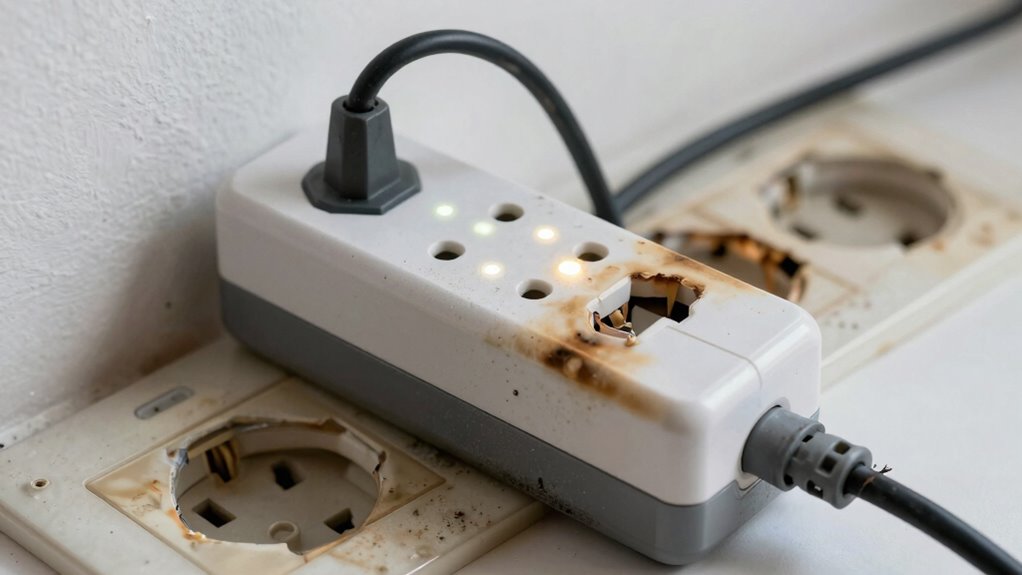
Even the best surge protectors can wear out over time, and recognizing the signs early can prevent damage to your devices. One clear sign is if your surge protector stops functioning properly, despite being plugged in. Flickering lights or a burnt smell may indicate internal failure. If your devices spike or shut down unexpectedly during a storm, it could mean your surge protector isn’t providing adequate protection. Additionally, frequent tripping of circuit breakers or unstable electrical wiring could be linked to a failing surge protector. The power grid’s fluctuations can strain your protector, and over time, its components degrade. Regularly check for indicator lights or signs of wear, and replace your surge protector if you notice any of these issues to keep your electronics safe.
Tips for Picking the Best Surge Protection for Your Needs
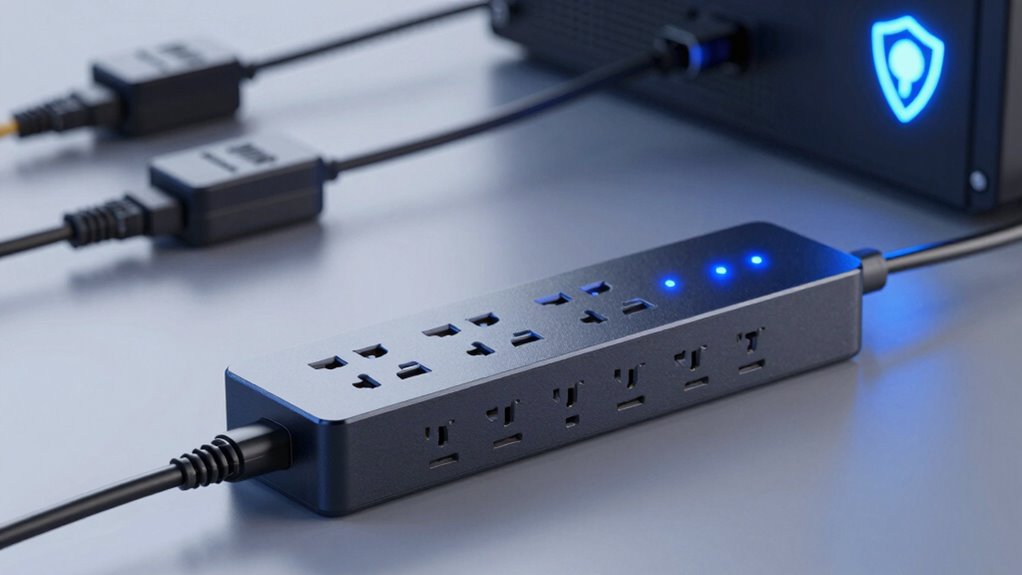
Choosing the right surge protector depends on understanding your specific needs and the types of devices you want to safeguard. To select the best option, consider factors like energy efficiency and electrical safety features. Look for surge protectors with a high joule rating to handle larger surges effectively. Check for accurate clamping voltage to ensure quick response times. Prioritize models with built-in safety features such as circuit breakers or reset switches. Think about the number of outlets you need and whether the protector supports additional features like phone or cable line protection. Also, opt for energy-efficient designs that minimize power waste. Finally, verify the protector’s certifications to ensure it meets safety standards and provides reliable surge suppression.
Frequently Asked Questions
How Long Do Surge Protectors Typically Last Before Needing Replacement?
A surge protector typically lasts about three to five years, but its lifespan depends on its usage and the severity of power surges it encounters. You should watch for replacement indicators like repeated tripping, frayed cords, or the protector feeling hot. If any of these signs appear, it’s time to replace your surge protector to guarantee continued protection for your devices. Regularly check it to maintain maximum safety.
Can Surge Protectors Prevent Damage From Lightning Strikes?
Lightning strikes are a force to be reckoned with, and surge protectors can’t always be the knight in shining armor. They do help prevent damage from power surges caused by lightning, but for true lightning safety, you should unplug devices during storms. Power surges from lightning can overwhelm protectors, so don’t rely solely on them—stay cautious and keep your electronics safe by taking extra precautions.
Are There Specific Surge Protectors for Outdoor or Industrial Use?
Yes, there are surge protectors designed specifically for outdoor or industrial use. These units feature outdoor durability, meaning they withstand harsh weather conditions like rain, snow, and extreme temperatures. They also meet strict industrial specifications for safety and performance, ensuring reliable protection in demanding environments. You should choose these specialized surge protectors to safeguard sensitive equipment outdoors or in industrial settings, where standard protectors might not provide adequate durability or compliance.
Do All Electronic Devices Require Surge Protection?
You probably think only expensive gadgets need surge protection, but that’s a huge mistake! Almost every electronic device, from your phone to your TV, benefits from it. Device compatibility isn’t a concern—most protectors cover a wide range. Plus, a good surge protector can extend its lifespan and keep all your devices safe from lightning strikes or power surges. Don’t leave your electronics vulnerable—protect them today!
How Do I Test if My Surge Protector Is Still Effective?
To test if your surge protector is still effective, first check its durability and look for any visible damage or wear. You can also test surge devices with a surge protector tester or multimeter designed for this purpose, which helps identify if it’s still functioning properly. Regularly testing surge devices guarantees they provide reliable protection, and replacing them when they no longer pass tests maintains safety for your electronics.
Conclusion
Protecting your devices from power surges is like shielding them from sudden thunderstorms—a little preparation goes a long way. By understanding surge risks, choosing the right protector, and installing it properly, you’re anchoring your electronics against unpredictable electrical storms. Keep an eye on signs of failure, and you’ll guarantee your home’s power stays steady, keeping your devices safe and your peace of mind intact—like a lighthouse standing tall amidst the stormy seas.