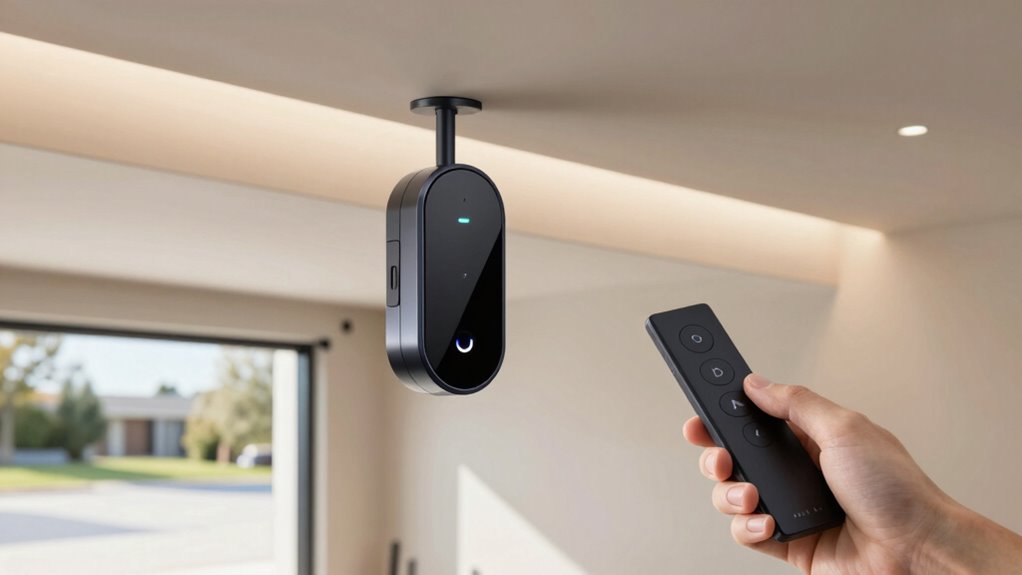
Smart garage door openers connect via Wi-Fi or Bluetooth, letting you control and monitor your door remotely from anywhere, with added security features. Traditional controllers rely on physical remotes or wall switches, limiting control to nearby. Smart openers offer enhanced security, safety, and convenience, but usually cost more and require installation. If you want to explore which system suits your needs and learn more about their features, this overview will guide you through the key differences.

Get home appliances delivered free — and shop member deals
- Fast, free delivery on millions of items
- Access to Prime Big Deal Days deals on October 6–7
- Prime Video, Amazon Music and more included
Key Takeaways
- Smart openers connect via Wi-Fi/Bluetooth for remote control, while controllers typically operate with physical remotes or wall buttons.
- Smart openers offer remote monitoring and automation, unlike traditional controllers limited to nearby operation.
- Security features like encryption and rolling codes are standard in smart openers, enhancing home safety.
- Installation of smart openers is more complex and costly compared to simple, quick setup of traditional controllers.
- Smart openers support integration with smart home systems, whereas controllers are generally standalone devices.
As an affiliate, we earn on qualifying purchases.
How Do Smart Garage Door Openers Work?
Smart garage door openers work by connecting your garage door to your home Wi-Fi network, allowing you to control and monitor it remotely through a smartphone app. This connectivity enhances garage security because you can check if your door is closed and close it from anywhere, reducing the risk of theft or accidents. Additionally, smart openers promote energy efficiency by preventing unnecessary door operations, saving power, and reducing energy waste. They send you alerts if someone tries to open the door without permission, giving you peace of mind. Connecting your garage to your home Wi-Fi allows for seamless remote control and monitoring. Understanding smart home technology can help you better utilize these features and improve your overall home security. Incorporating remote access into your security system provides added convenience and peace of mind. This integration also enables you to receive real-time updates, keeping you informed about your garage’s status at all times. Enhanced security features ensure your home remains protected even when you’re away. Overall, these features help you maintain a safer, more energy-efficient garage environment, making your home smarter and more protected.
As an affiliate, we earn on qualifying purchases.
What Are Garage Door Controllers and How Do They Function?
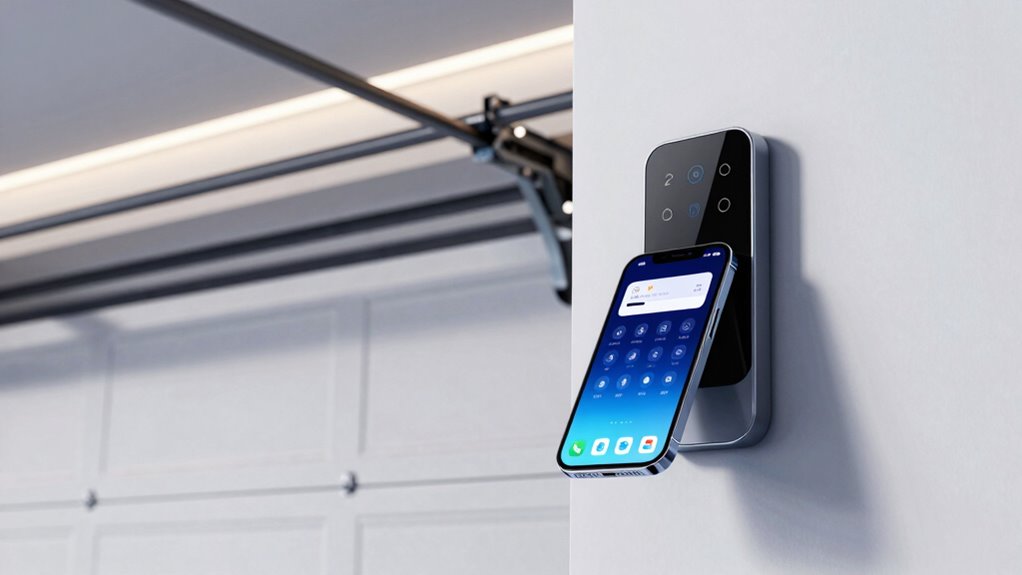
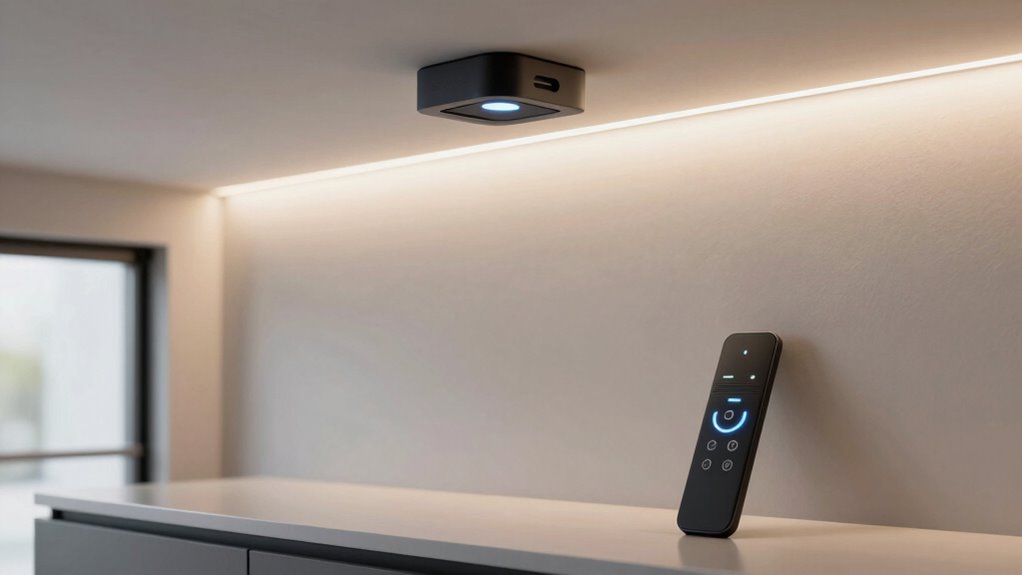
Have you ever wondered how garage door controllers enable you to operate your garage door without a dedicated smart opener? These devices work by connecting to your existing garage door system and allowing remote access through various methods like keypads or smartphone apps. They’re powered by different power sources, such as batteries or wired connections, ensuring reliable operation. Incorporating noise reduction features can also help minimize disturbances caused by garage door mechanisms. Additionally, understanding the history of garage technology can give you insight into how these systems have evolved over time. Modern controllers often include privacy policies to protect user data and control access, enhancing security. Many systems now feature advanced security, which helps prevent unauthorized access and improves overall safety. Awareness of testing accuracy in these systems is crucial for maintaining dependable operation and security.
As an affiliate, we earn on qualifying purchases.
Comparing Connectivity and Control Features of Garage Systems
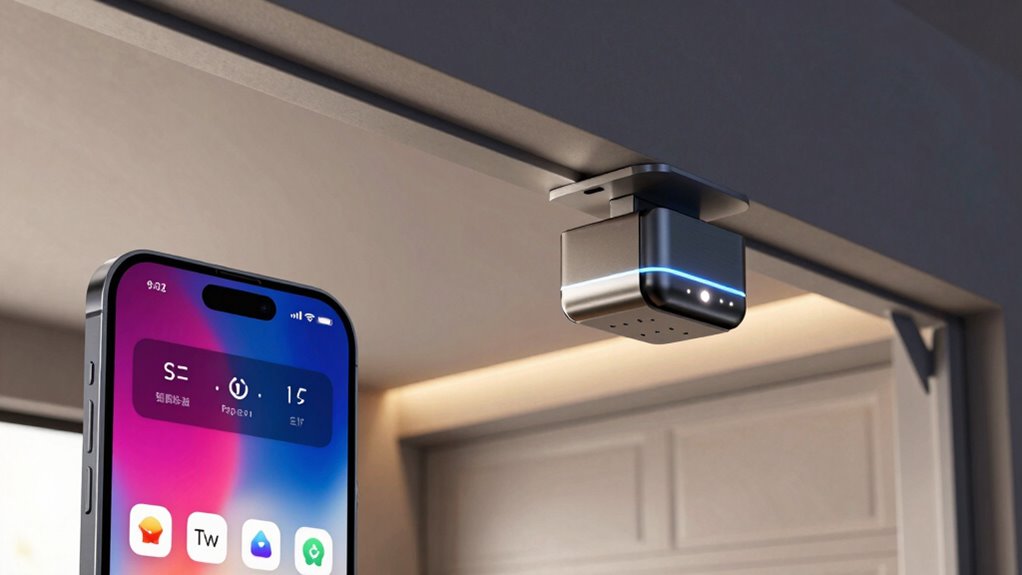
Ever wondered how different garage systems let you control your door from afar? Smart garage door openers connect via Wi-Fi or Bluetooth, allowing remote access through apps on your phone. Controllers, on the other hand, typically rely on physical remotes or wall-mounted buttons, limiting control to close proximity. Connectivity options in smart systems usually offer more convenience but can raise security concerns if not properly secured. Compatibility issues can also arise, especially if your existing garage hardware isn’t compatible with smart features or specific apps. Traditional controllers tend to be more straightforward but lack the flexibility of remote access. Overall, smart systems provide greater control and connectivity, but you need to weigh these benefits against potential security risks and compatibility limitations. Smart connectivity options enable seamless integration but require proper security measures to prevent unauthorized access. Additionally, nanotech fabrication challenges can impact the development of more advanced, miniaturized control components for future garage systems. Advances in nanotechnology may lead to smaller, more efficient control units, but current fabrication challenges can slow this progress. Moreover, understanding wireless communication protocols is essential for ensuring secure and reliable connections in modern garage systems.
As an affiliate, we earn on qualifying purchases.
Are Smart Garage Door Openers Safer Than Controllers?
While the advanced connectivity of smart garage door openers offers convenience, it also introduces new security considerations. Smart systems can be vulnerable to hacking if not properly secured, raising security concerns about unauthorized access. Additionally, your personal data and usage habits might be collected and stored, leading to privacy implications. In contrast, traditional controllers operate on a closed system, making them less susceptible to cyber threats. However, they lack remote access, which could be a safety risk if you forget to close your garage. Implementing encryption protocols can significantly enhance the security of smart systems against potential cyber attacks. Regularly reviewing security settings and permissions can further reduce vulnerabilities. Understanding potential vulnerabilities in connected systems can help you better protect your smart garage setup. Familiarizing yourself with cybersecurity best practices can also provide an extra layer of protection. Ultimately, smart garage door openers can be safer if you implement strong passwords and keep software updated. But, if you’re concerned about security and privacy, controllers might offer a simpler, more secure option.
What Are the Installation Costs and Time for Each System?
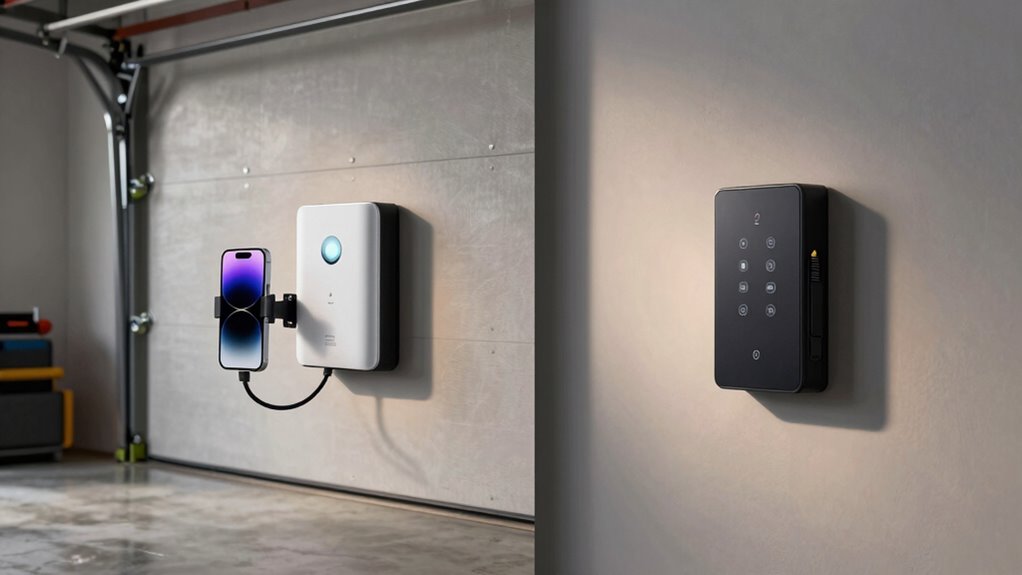
Installing a traditional garage door controller typically costs less and takes less time because it involves only mounting the device and wiring it to your existing opener, which most homeowners can do themselves or with minimal professional help. When considering garage installation and cost comparison, a basic controller usually takes about an hour or two. In contrast, smart garage door openers often require more setup time, including connecting to Wi-Fi and configuring apps. Additionally, the installation process for smart systems may involve configuring network settings and updating firmware, which can add to the overall time needed. 1. Traditional controllers: Lower cost, simple installation, quick setup—often under $50. 2. Smart openers: Higher price, longer installation, may need professional help, around $150–$300. 3. Time investment: Controllers take less than 2 hours; smart systems may take 3–4 hours. 4. Overall: Cost and time vary depending on system complexity and your DIY skills.
Which Garage Door System Is Best for Your Home?
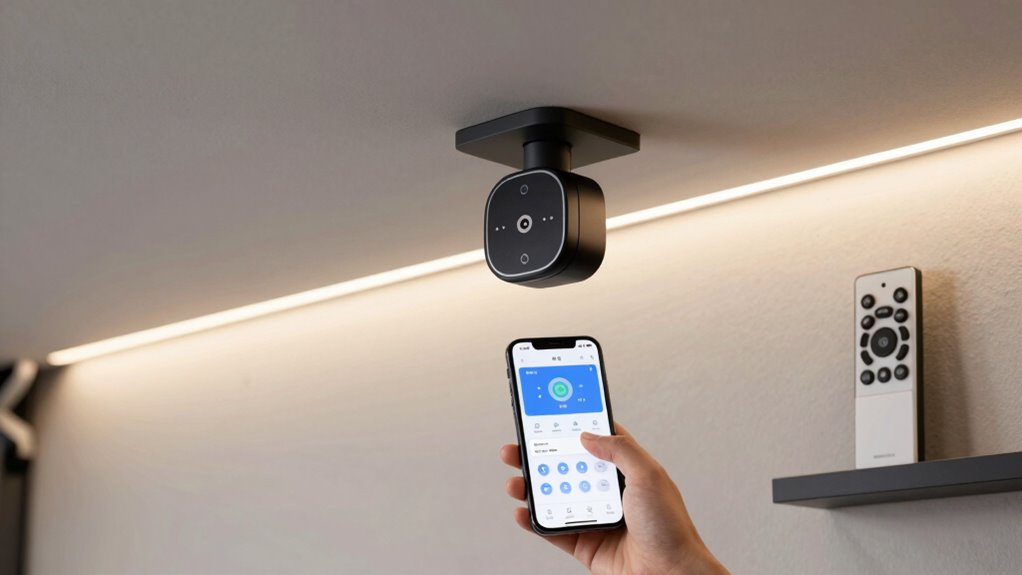
Choosing between a traditional garage door controller and a smart garage door opener depends on your home’s needs and your lifestyle. If you prioritize convenience and remote access, a smart garage door opener is ideal. It offers features like app control and automation that enhance energy efficiency. For simplicity and lower upfront costs, a traditional controller works well, but requires regular maintenance tips to keep it functioning smoothly. Additionally, considering security features can help protect your home from unauthorized access. Incorporating reliable cabling solutions can also ensure your system operates without interruptions and maintains safety standards. Using advanced safety sensors can further improve your home’s security and prevent accidents. Furthermore, choosing robust components can extend the lifespan of your garage door system, reducing long-term repair costs. Selecting a system with proper installation ensures optimal performance and safety over time.
Final Tips for Choosing the Right Garage Door System
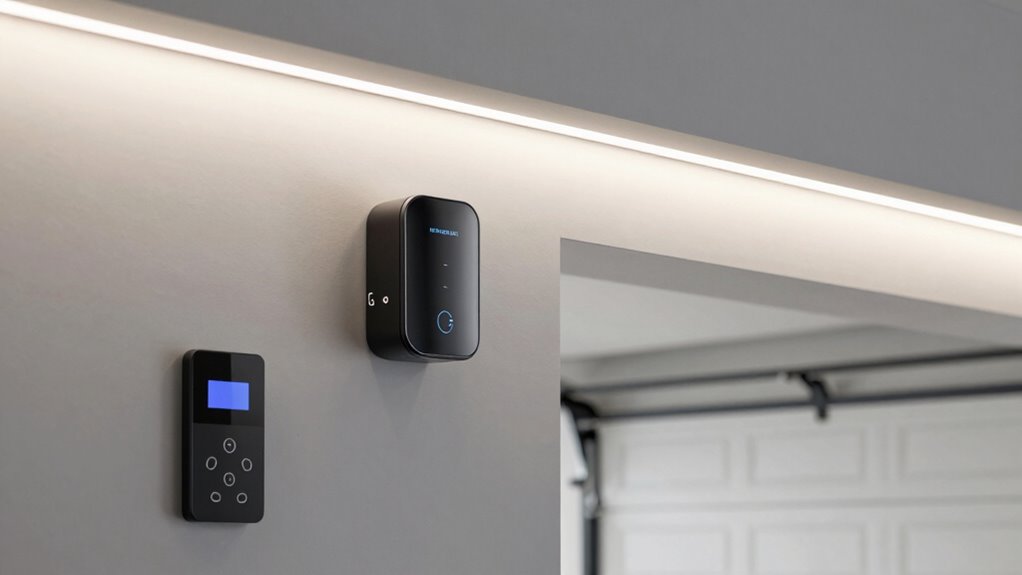
Are you confident you’ve considered all the key factors before settling on a garage door system? To make the best choice, keep these tips in mind:
Ensure you’ve considered all key factors before choosing a garage door system for optimal security, efficiency, and reliability.
- Prioritize garage security—look for systems with rolling code technology and robust encryption to prevent unauthorized access.
- Assess energy efficiency—choose insulated doors that help regulate temperature and reduce energy costs.
- Think about compatibility—ensure your new system integrates seamlessly with existing smart home devices if you want automation features.
- Consider maintenance and durability—opt for reputable brands known for reliability to save money and avoid future issues.
Frequently Asked Questions
Can Both Systems Be Integrated With Existing Smart Home Devices?
Yes, both systems can be integrated with your existing smart home devices. With remote access, you can open or close your garage door from anywhere, and voice commands make it even more convenient. Most smart garage door openers and controllers work seamlessly with popular platforms like Alexa, Google Assistant, or Apple HomeKit, allowing you to control your garage door effortlessly alongside your other smart devices.
What Are the Maintenance Requirements for Smart Openers Versus Controllers?
Smart garage door openers typically require regular maintenance of security features, like firmware updates, and occasional sensor checks, but their installation is often more complex. Controllers demand less upkeep, mainly ensuring proper connectivity and security settings, and usually have simpler installation. You should regularly verify security features for both systems, but openers may need more attention due to integrated components, whereas controllers focus on maintaining network security.
Do Smart Garage Door Openers Require Ongoing Subscription Services?
Smart garage door openers don’t usually require ongoing subscription services, but some brands offer optional service plans. Think of it as paying for a premium membership that grants access to extra features or remote monitoring. Subscription costs vary, so check if the service plan fits your needs. If you prefer simplicity, you might avoid subscriptions altogether. Just remember, some advanced features could come with additional costs down the line.
How Do Power Outages Affect Smart Openers and Traditional Controllers?
Power outages can disable smart openers if they lack backup options, leaving you unable to open or close your garage remotely. Traditional controllers usually work during power failures because they rely on manual operation or battery backup systems. To stay protected during a power failure, consider installing backup options like battery backups or manual release levers, ensuring you can access your garage even when the power’s out.
Are There Any Compatibility Concerns With Different Garage Door Brands?
You might face compatibility concerns with different garage door brands, especially regarding brand compatibility and retrofit challenges. Not all smart openers or controllers work seamlessly with every brand, so you should check if your current system is compatible before installing new tech. Some brands may require adapters or specific models, making retrofitting more complex. Always verify compatibility details to avoid unexpected issues and guarantee smooth integration with your existing garage door system.
Conclusion
Choosing between smart garage door openers and controllers depends on your needs. If you want convenience and seamless remote access, a smart opener is ideal—plus, it’s often more secure than traditional controllers. Don’t worry about installation; most systems are straightforward and worth the investment for added security and convenience. Ultimately, pick the one that fits your lifestyle and budget, giving you peace of mind every time you park or leave your home.
NFL season / tailgating Picks
team gear
As an affiliate, we earn on qualifying purchases.