
To reduce garage dust from entering your house, start by sealing gaps around your garage door and walls with weatherstripping or caulk. Improve ventilation by installing exhaust fans and using high-quality air filters or HEPA purifiers to trap airborne dust. Regularly clean and organize your garage to prevent dust buildup, and keep an eye on seals and insulation to guarantee they remain effective. Keeping these measures up can make a noticeable difference in air quality, and you’ll find more helpful tips ahead.
Key Takeaways
- Seal gaps around garage doors, walls, and vents with weatherstripping or caulk to prevent dust from entering the house.
- Improve garage ventilation by installing exhaust fans and regularly cleaning vents to reduce airborne dust.
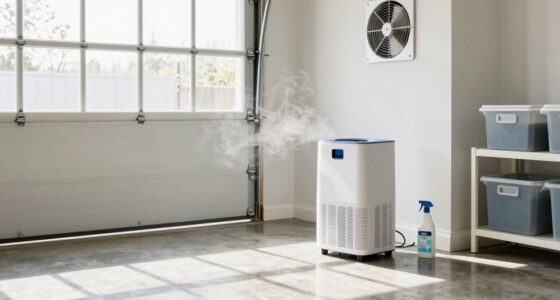
- Use air purifiers or HEPA filters indoors to capture dust particles that may enter from the garage.
- Maintain a regular cleaning routine in the garage, including sweeping and dusting, to minimize dust buildup.
- Keep the garage organized and clutter-free to reduce dust traps and improve overall sealing effectiveness.
garage weatherstripping seal kit
As an affiliate, we earn on qualifying purchases.
As an affiliate, we earn on qualifying purchases.
Why Garage Dust Is a Home Health Concern
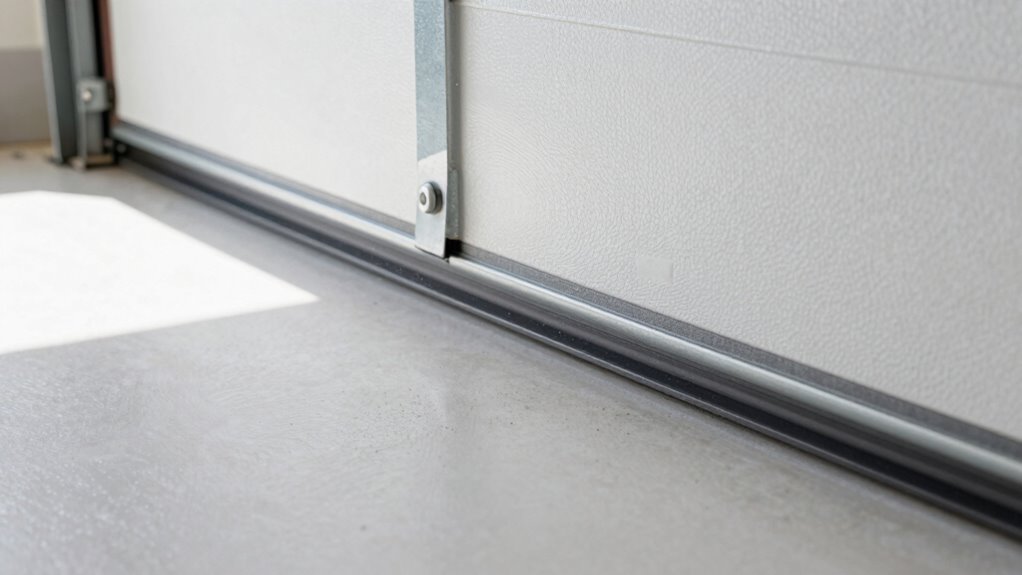
Garage dust may seem harmless, but it can pose significant health risks if left unchecked. The dust’s sources include dirt tracked in from outside, shed skin cells, pet dander, and even household debris. When these particles accumulate, they don’t stay contained in the garage—they can easily become airborne and enter your home. Breathing in garage dust can irritate your lungs, trigger allergies, or worsen asthma symptoms. Over time, exposure to these particles can impact your overall health, especially if you have respiratory issues or weakened immune systems. Recognizing garage dust as a home health risk emphasizes the need for proper cleaning and management. Keeping dust levels low helps protect you and your family from potential health problems linked to persistent airborne particles. Regular cleaning and proper ventilation can greatly reduce the amount of dust that enters your living spaces. Additionally, implementing effective dust control methods can further minimize indoor contamination. Ensuring good air filtration in your home can also help capture airborne dust particles before they settle or are inhaled. Using air purifiers with HEPA filters is especially effective at trapping small particles that traditional filters might miss.
As an affiliate, we earn on qualifying purchases.
How to Identify Common Sources of Garage Dust
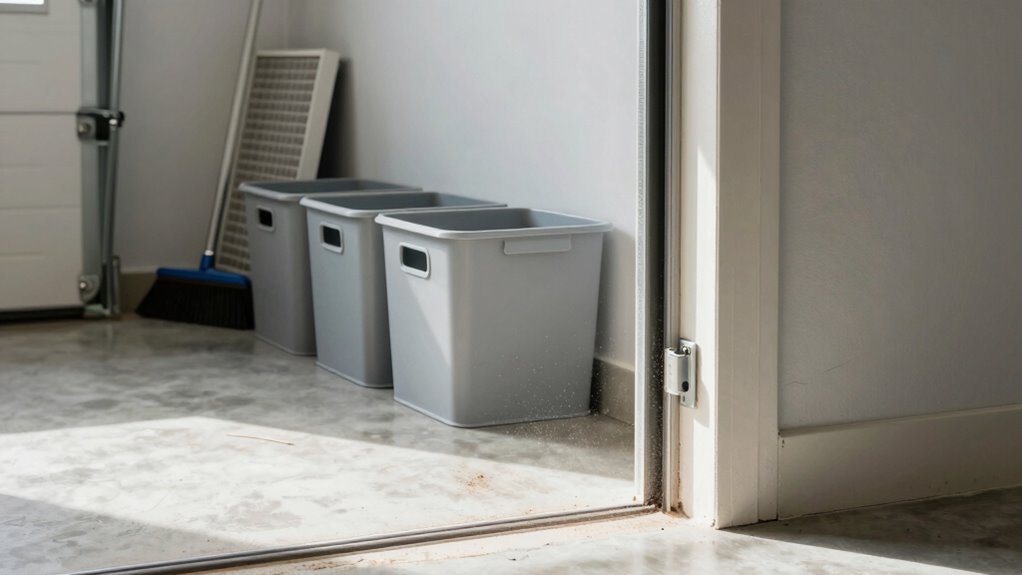
Identifying the main sources of garage dust is the first step toward controlling it. Garage clutter, such as boxes, tools, and stored items, often trap dust and contribute to ongoing dust accumulation. When clutter isn’t organized, dust easily settles on surfaces and gets stirred up when you move things around. Another common source is unfinished or dusty flooring, which releases particles into the air. Additionally, poorly sealed garage doors or vents allow dirt and debris from outside to enter, increasing dust levels. Noticing areas with excessive dust buildup or clutter can help you pinpoint where dust originates. By understanding these sources, you can focus on cleaning and organizing those specific areas to reduce dust creation and prevent it from spreading into your home. Regularly inspecting and maintaining garage ventilation systems can also help minimize dust entry. Improving air filtration in the garage can further reduce dust particles that make their way into your living space. Using vacuum cleaners equipped with HEPA filters can be especially effective in capturing fine dust and allergens before they spread. Implementing dust barriers such as plastic sheeting or curtains can also help contain dust within the garage area. Understanding dust particle size can help you choose the most effective filtration methods for your space.
As an affiliate, we earn on qualifying purchases.
How Garage Dust Enters Your Home and Ways to Stop It
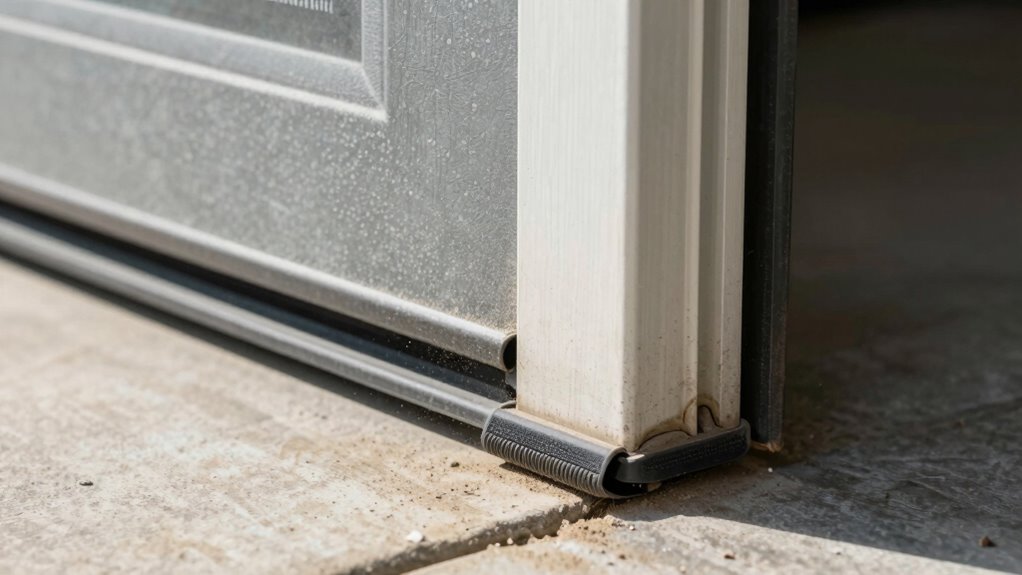
Dust from your garage can easily make its way into your home if gaps or openings aren’t properly sealed. Poor garage organization can create clutter that traps dust and allows it to disperse into living areas. Maintaining a tidy space reduces dust reservoirs and limits its spread. Additionally, pests like rodents or insects often bring dust and debris into your garage, increasing the amount that can enter your home. Effective pest control not only keeps critters out but also minimizes dust transfer. Regularly cleaning and decluttering your garage, sealing gaps around doors and windows, and managing pests are essential steps. These measures help create a barrier that prevents garage dust from migrating indoors, keeping your home cleaner and healthier. Incorporating natural filtration systems can also help improve air quality by reducing dust particles in your garage environment. Ensuring proper ventilation in your garage can further decrease dust accumulation and promote better indoor air quality. Using dust barriers or temporary seals during heavy projects can also be effective in keeping dust contained. Properly maintaining garage doors and seals is crucial for preventing dust infiltration and maintaining a cleaner indoor environment. Implementing routine maintenance can further ensure that your garage remains a clean and dust-free zone.
garage organization storage bins
As an affiliate, we earn on qualifying purchases.
As an affiliate, we earn on qualifying purchases.
Seal Gaps and Insulate Your Garage Door to Keep Dust Out
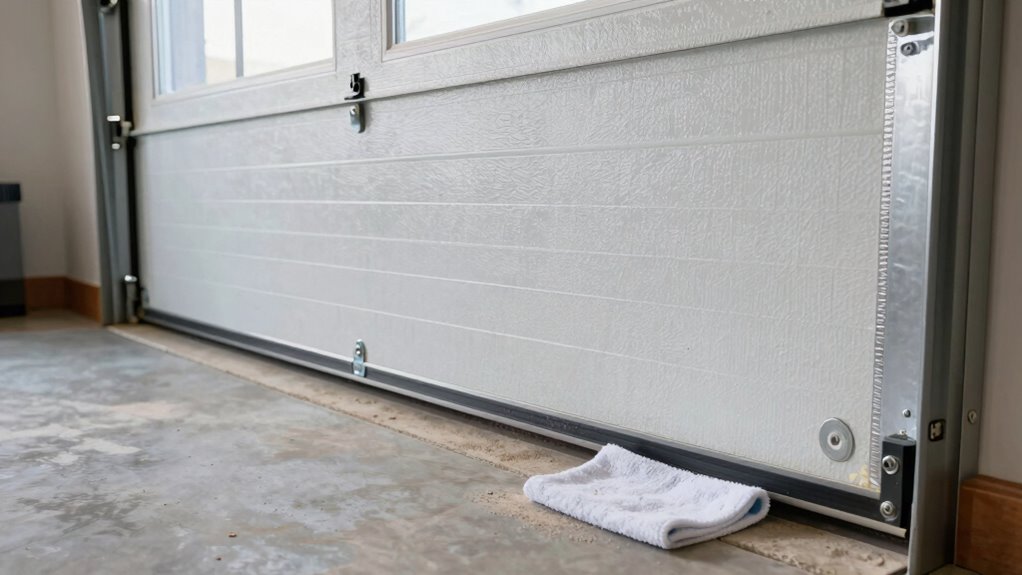
To keep dust from entering your garage, start by inspecting and sealing any gaps around the door. Upgrading your garage door insulation also helps block dust and maintains temperature control. Regular maintenance checks ensure your door stays sealed and performs effectively over time. Incorporating mythology-inspired names related to strength and wisdom can also serve as a reminder of resilience and protection for your home. Additionally, using dust barriers can further minimize the amount of dust that enters your space. Proper home maintenance practices and ensuring proper garage door sealing can significantly reduce dust infiltration and improve overall home cleanliness. Implementing energy-efficient solutions, like insulation upgrades, can also contribute to a more consistent indoor environment.
Inspect and Seal Gaps
Have you ever wondered how small gaps around your garage door can let in a surprising amount of dust? Inspecting and sealing these gaps is essential for cleaner air inside your home. First, look for cracks around the door frame, especially near the bottom where dust easily enters. Second, check the weatherstripping for tears or gaps, which can also attract garage pests. Third, ensure your garage storage organization isn’t creating new entry points for dust and pests. Sealing these gaps prevents dust from drifting in and keeps pests out, improving indoor air quality. It also helps maintain a cleaner, more organized space. Regular inspection and sealing are simple steps to reduce dust and keep your garage a healthier environment. Additionally, understanding air filtration systems can help you stay informed about safety standards, just as inspecting and sealing gaps ensures your home remains protected from dust infiltration. Proper ventilation can further enhance air quality by reducing dust buildup in your garage, and incorporating air purifiers can provide an additional layer of dust control. Incorporating professional inspections can also identify less obvious sources of dust entry that may require specialized sealing techniques.
Upgrade Garage Door Insulation
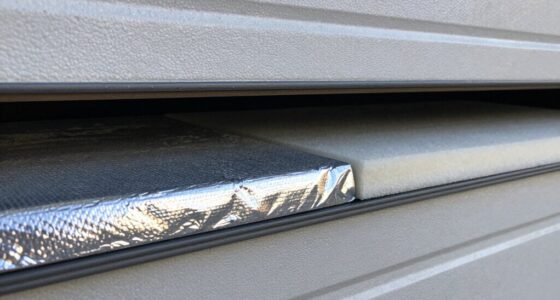
Upgrading your garage door insulation is an effective way to keep dust out and improve overall air quality. Garage door upgrades, like adding or replacing insulation, create a tighter seal that prevents dust, dirt, and debris from entering. Insulation improvements also help regulate temperature and reduce drafts, which can carry dust particles into your home. To maximize dust control, consider sealing gaps around the edges of your garage door with weatherstripping or sealant. Insulated garage doors are also more resistant to wear and tear, further reducing gaps over time. This upgrade not only minimizes dust infiltration but also enhances energy efficiency, making your garage a cleaner, more comfortable space. Proper insulation is a simple yet impactful step toward better indoor air quality.
Regular Maintenance Checks
Regular maintenance checks are essential for keeping dust out of your garage, especially by sealing gaps and ensuring proper insulation. When your garage is well-sealed, dust accumulation decreases, making garage organization easier and cleaner. Regularly inspect the edges of your garage door for gaps and cracks, which can let in dust and debris. Proper insulation not only improves energy efficiency but also prevents dust from sneaking through small openings.
To stay ahead, focus on these key areas:
- Seal gaps around the garage door and walls with weatherstripping or caulk.
- Check and replace damaged or worn insulation in the door or walls.
- Keep the garage door and surrounding areas clean to prevent dust buildup.
Consistent checks help maintain a dust-free space and protect your home from unwanted dirt.
Improve Ventilation and Use Air Filters for Cleaner Indoor Air

Improving your garage’s ventilation system helps reduce dust buildup and keeps the air fresh. Choosing the right air filters and maintaining them regularly guarantees cleaner indoor air. By optimizing these systems, you’ll create a healthier, dust-free garage environment.
Optimize Ventilation System
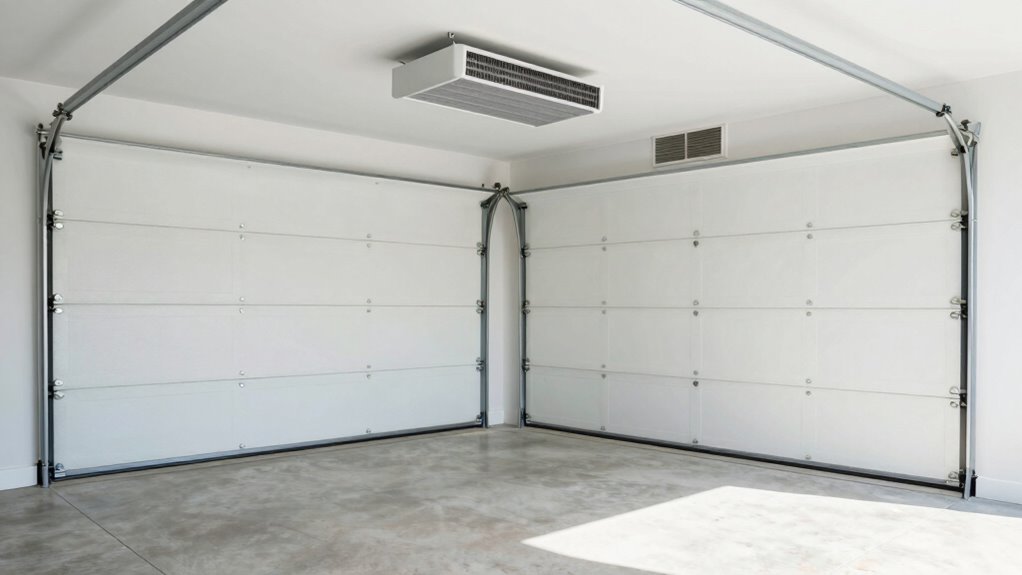
To effectively reduce garage dust, optimizing your ventilation system is essential. Proper airflow optimization prevents dust from lingering and entering your home. Start with ventilation upgrades like sealing leaks and adding exhaust fans to improve airflow. These upgrades help create a controlled environment, reducing dust circulation. Additionally, guarantee your vents are clear of obstructions for maximum efficiency. Consider installing an exhaust fan that pulls dusty air directly outside, instead of recirculating it. Regularly inspect and maintain your ventilation components to keep them functioning properly.
Here are key steps:
- Seal leaks and add exhaust fans for better airflow optimization.
- Clear vents of debris and obstructions.
- Regularly maintain ventilation components for peak performance.
Select Effective Air Filters
Are your current air filters doing enough to keep dust out of your garage and indoor air? Choosing the right filter improves air quality by increasing filtration efficiency. Look for filters with a MERV rating of 8-13 for better dust removal without restricting airflow. HEPA filters are excellent for capturing tiny particles, including dust and allergens.
| Filter Type | Filtration Efficiency | Recommended Use |
|---|---|---|
| Fiberglass | Low | Basic dust control |
| Pleated | Medium | General indoor air quality |
| HEPA | High | Allergens, fine dust, high air quality |
Selecting the right filter helps reduce dust infiltration, keeping your garage and home cleaner.
Regular Filter Maintenance
Maintaining your filters regularly is key to keeping dust levels down and guaranteeing your ventilation system works efficiently. An clean air filter helps trap dust and allergens before they enter your home, improving indoor air quality. To stay effective, follow a consistent maintenance schedule for replacing or cleaning your air filter.
Here are some tips:
- Check your air filter monthly, especially during heavy dust months.
- Replace the filter every 1-3 months, depending on usage and dust levels.
- Keep track of maintenance dates to avoid neglecting filter updates.
Sticking to a regular maintenance schedule ensures your ventilation system continues to operate at its best, reducing garage dust from entering your home and maintaining cleaner indoor air.
Establish Routine Garage Cleaning to Reduce Dust
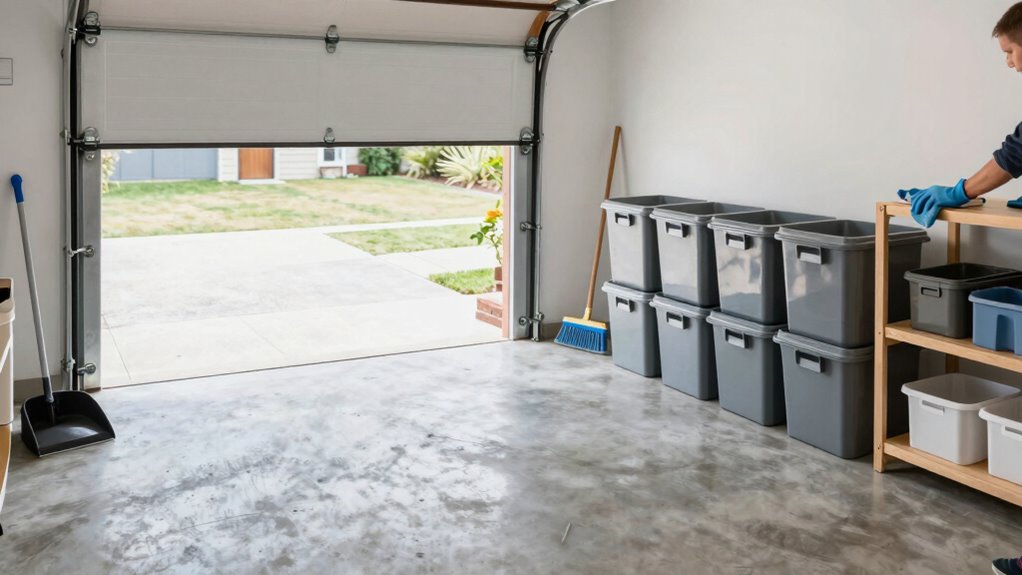
Establishing a routine garage cleaning schedule is one of the most effective ways to keep dust levels in check. Regular cleaning helps prevent dust buildup and minimizes the amount that can enter your home. Start by organizing your garage to make cleaning easier; a well-structured garage reduces clutter and dust traps. Use a dust mop to efficiently pick up dirt and debris from floors and surfaces. Establish a weekly cleaning routine to sweep and dust all areas, paying special attention to corners and hidden spots. Keeping your garage tidy not only reduces dust but also improves safety and accessibility. Consistency is key—by sticking to a cleaning schedule, you’ll considerably cut down on dust that could otherwise migrate into your house.
Regularly Monitor and Adjust Your Dust Prevention Measures
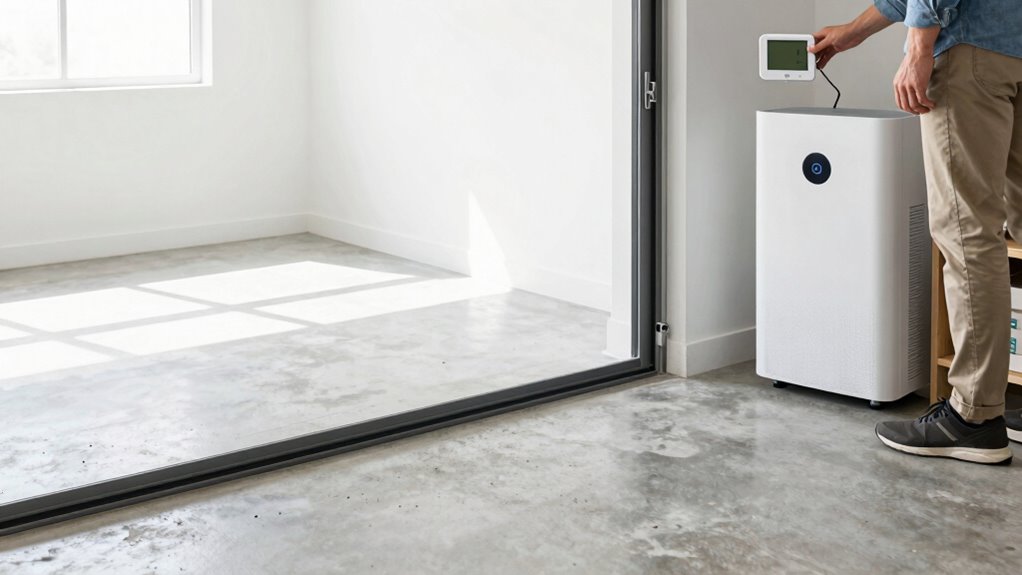
To effectively keep dust levels under control, you need to regularly monitor your garage and adjust your prevention methods as needed. Tracking air quality and observing dust accumulation helps identify problem areas. If dust buildup increases, consider tightening seals or adding filters. Regular checks let you spot leaks or gaps that let dust enter. Also, monitor how well your ventilation system is working to improve air quality.
Here are three actions to help you stay on top:
- Inspect seals and weatherstripping frequently, replacing any worn or damaged parts.
- Use air purifiers or filters to reduce airborne dust.
- Keep a log of dust levels and air quality to spot trends and adjust your measures accordingly.
Frequently Asked Questions
How Often Should I Clean My Garage to Minimize Dust?
You should clean your garage at least once a month to minimize dust. Regular cleaning helps control dust buildup, especially if you practice good garage organization to keep clutter manageable. Use dust monitoring tools to track dust levels and identify problem areas. Sweeping and vacuuming thoroughly, paying attention to corners and vents, keeps dust at bay. Consistent cleaning not only reduces dust but also improves overall garage air quality.
Are There Specific Types of Air Filters Best for Dust Control?
Did you know HEPA filters remove up to 99.97% of airborne dust particles? If dust control is your goal, opt for an air purifier with a HEPA filter. These filters are best for trapping fine dust, pollen, and pet dander, markedly improving indoor air quality. Using an air purifier with a HEPA filter in your garage or near entry points helps prevent dust from entering your home, keeping your space cleaner and healthier.
Can Garage Flooring Materials Affect Dust Levels?
Yes, your garage flooring can impact dust levels. Smooth, sealed surfaces like epoxy or polished concrete minimize dust accumulation because they don’t trap particles like textured or porous floors. Carpeting or rubber mats tend to trap more dust, which can become airborne and spread inside your house. Choosing easy-to-clean, sealed flooring helps control dust accumulation, making your garage cleaner and reducing dust coming into your living space.
What DIY Methods Are Effective for Sealing Garage Gaps?
You can effectively seal garage gaps with DIY methods like installing garage door weatherstripping and adding garage insulation. First, apply weatherstripping around your garage door edges to block drafts and dust entry points. Then, insulate any gaps in walls or around windows to prevent dust from seeping inside. These simple steps create a tighter seal, reducing dust transfer and keeping your home cleaner and healthier.
How Can I Prevent Dust From Entering Through Garage Vents?
Like a knight guarding a castle, you can prevent dust from entering through garage vents by installing dust filtration covers or vent screens. Make certain your garage ventilation system is well-maintained and consider adding a vent damper to control airflow. Regularly clean and replace filters to trap dust particles, keeping your home cleaner. Proper sealing and maintenance make your house more inviting and dust-free, just like a well-guarded fortress.
Conclusion
By sealing gaps, improving ventilation, and maintaining regular cleaning, you can keep garage dust at bay and protect your home’s air quality. Think of your home as a sanctuary—you have the power to shield it from unseen intruders like dust. Every small effort counts, transforming your space into a healthier, more comfortable haven. Don’t let dust quietly take over; take charge today and breathe easier tomorrow.