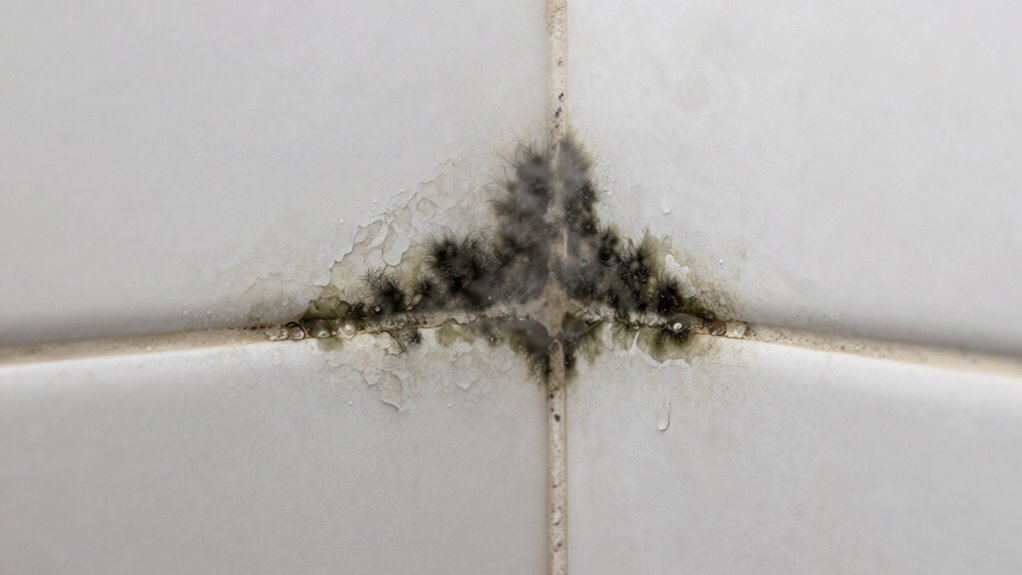

Bathroom mold forms when moisture from humidity, leaks, and poor ventilation create the perfect environment for mold spores to settle and grow. Activities like showering, bathing, and washing contribute to increased humidity, especially if surfaces aren’t dried properly. Hidden plumbing leaks and inadequate airflow trap moisture, encouraging mold on walls and ceilings. If you want to find out how to prevent and control bathroom mold effectively, keep exploring these common causes and solutions.

Get home appliances delivered free with Prime
- Fast, free delivery on millions of items
- Prime Video, Amazon Music and more included
- Member-only deals all year
Key Takeaways
- Excess moisture from showers, baths, and daily activities increases humidity in the bathroom.
- Poor ventilation traps moist air, preventing surfaces from drying and promoting mold growth.
- Leaks and plumbing issues create hidden damp areas that foster mold development.
- Porous surfaces like drywall and unsealed wood absorb moisture, providing a breeding ground for mold.
- Condensation on cool surfaces causes water droplets, leading to persistent dampness and mold formation.
As an affiliate, we earn on qualifying purchases.
What Causes Humidity That Leads to Bathroom Mold?
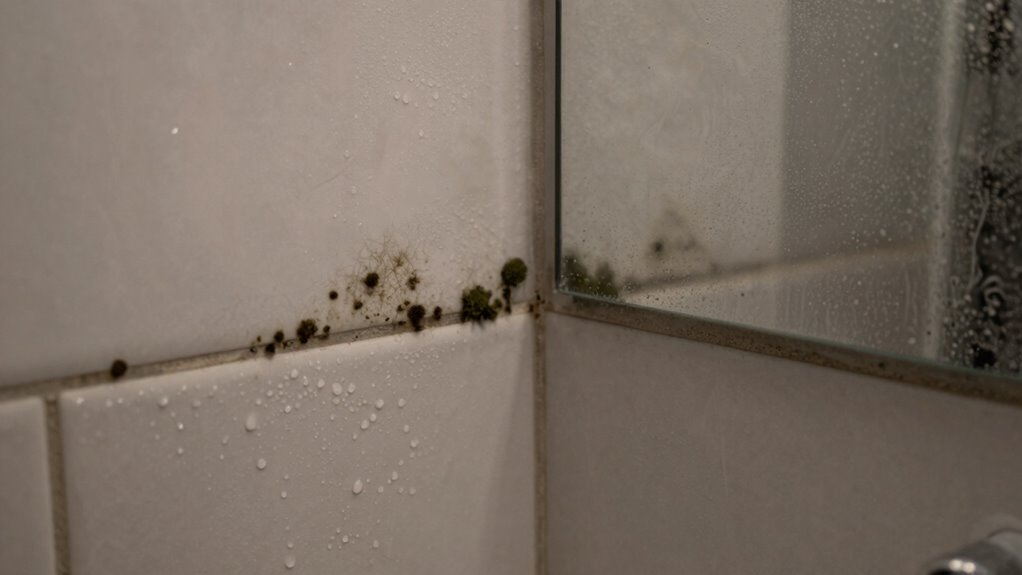
Humidity in bathrooms often builds up when warm, moist air from showers and baths isn’t properly vented. The main humidity sources are daily activities like showering, bathing, and even washing hands, which release moisture into the air. Environmental factors, such as poor insulation or high outdoor humidity, also contribute to increased moisture levels indoors. If your bathroom lacks proper ventilation, this excess humidity becomes trapped, creating the perfect environment for mold to thrive. Even small leaks or lingering dampness from previous use can add to overall humidity levels. Understanding these sources and environmental influences helps you recognize why your bathroom may stay damp and humid, setting the stage for mold growth if the moisture isn’t managed effectively. Regular maintenance and proper ventilation strategies are essential to prevent excessive humidity buildup.
As an affiliate, we earn on qualifying purchases.
How Poor Ventilation Promotes Mold Growth?
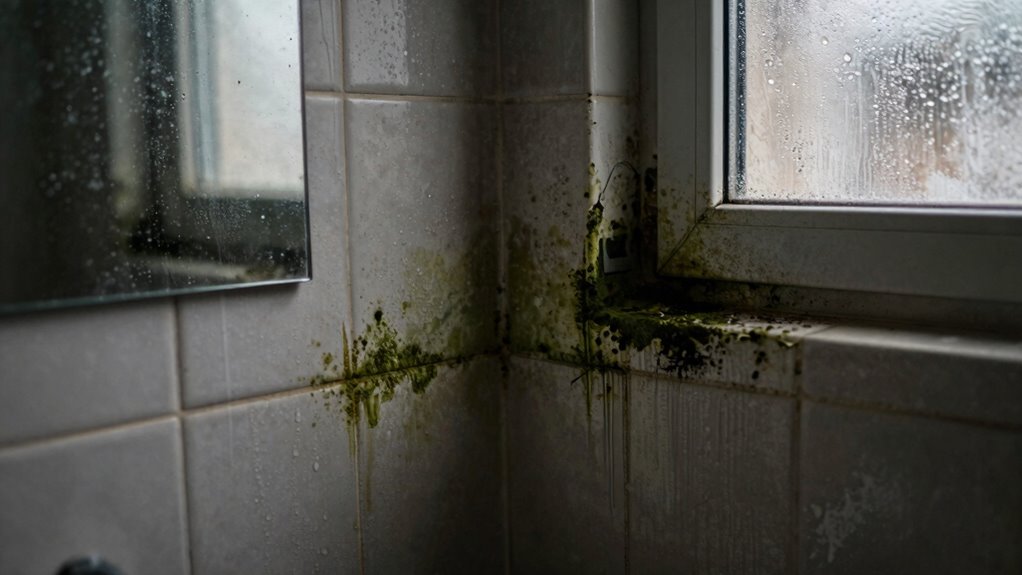
Poor ventilation prevents the moist air from escaping your bathroom, allowing humidity levels to rise quickly. When air circulation is limited, moisture stays trapped, creating an ideal environment for mold spores to settle and grow. Without proper airflow, mold spores aren’t dispersed or dried out, making it easier for mold to develop on surfaces. Regularly inspecting your bathroom for signs of mold growth and potential scams can help catch problems early. You can improve air circulation by:
Poor ventilation traps moisture, creating ideal conditions for mold to settle and grow.
- Using exhaust fans during and after showers
- Opening windows regularly
- Installing vents to promote airflow
- Keeping doors open to enhance cross-ventilation
Additionally, understanding how whole-home water systems impact moisture levels can help prevent excessive humidity from plumbing leaks or condensation. These steps help reduce moisture buildup, making it harder for mold spores to settle and multiply. Adequate ventilation is key to controlling humidity and preventing mold growth in your bathroom.
As an affiliate, we earn on qualifying purchases.
Why Water Leaks and Plumbing Problems Are Mold Risks?
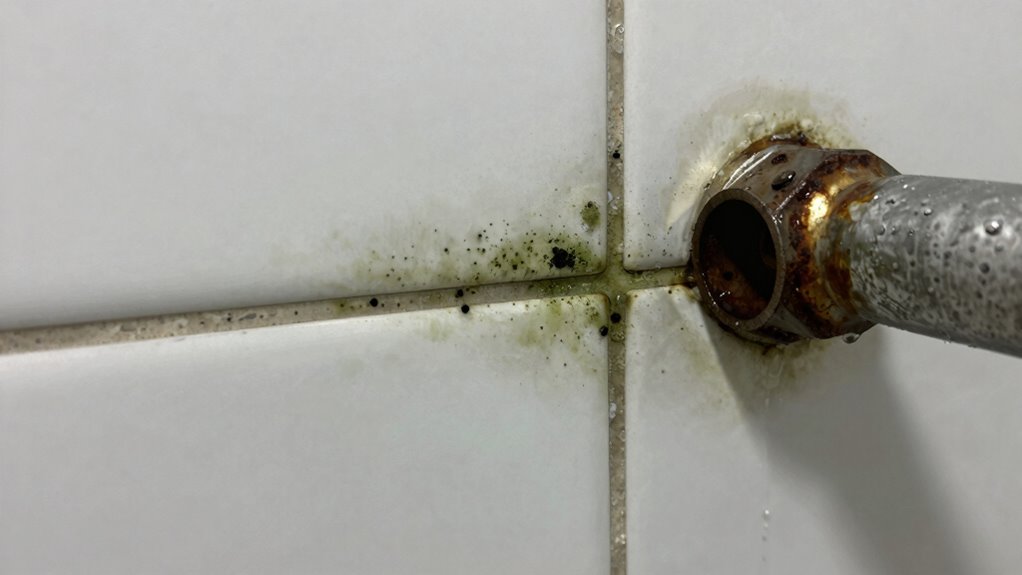
Even with good ventilation, hidden water leaks and plumbing issues can create perfect conditions for mold growth. Water damage from leaks behind walls or under floors keeps moisture trapped, providing a steady source of dampness that mold spores thrive on. Plumbing leaks, whether from faulty pipes or loose fittings, continuously introduce moisture into the environment. Over time, this persistent dampness encourages mold to develop on surfaces, drywall, or beneath flooring. Ignoring these problems allows water to seep into areas that aren’t visible, making it harder to detect early. Promptly fixing plumbing leaks and addressing water damage can considerably reduce mold risks. Maintaining a dry, well-maintained plumbing system helps prevent mold from taking hold in your bathroom. Additionally, specialized kitchen equipment such as commercial dehumidifiers can help control humidity levels and inhibit mold growth. Regularly inspecting plumbing connections and water-using appliances can further prevent water leaks, safeguarding your space from mold development. Recognizing early signs of water intrusion can also help you address issues before mold becomes a serious problem.
Furthermore, conducting routine moisture assessments can help identify hidden leaks before they lead to mold outbreaks.
water leak detector for bathroom
As an affiliate, we earn on qualifying purchases.
As an affiliate, we earn on qualifying purchases.
How Showering and Bathing Can Increase Mold Chances?
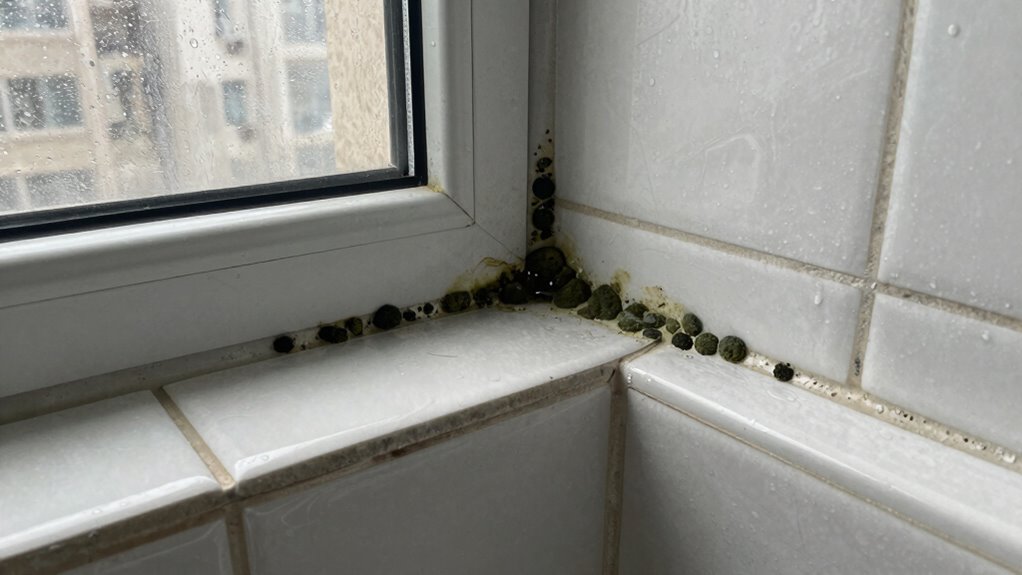
Every time you shower or bathe, humidity levels spike, creating prime conditions for mold growth. If your bathroom isn’t well-ventilated, moisture can linger on surfaces and in the air, increasing the risk. Residual moisture left behind after bathing can also promote mold development if it’s not dried properly. Using a dehumidifier can help reduce excess moisture and inhibit mold growth. Additionally, proper ventilation systems can help circulate air and prevent lingering dampness, similar to how smart yard care systems manage moisture and environmental conditions effectively. Ensuring that surfaces are thoroughly dried after use is essential, as moisture management plays a crucial role in preventing mold buildup in bathrooms. Regularly cleaning and maintaining bathroom surfaces can also remove mold spores before they establish colonies, further preventing mold. Incorporating adequate ventilation practices can significantly decrease humidity levels, reducing mold chances even further.
Increased Humidity Levels
Have you ever noticed how quickly bathroom mirrors fog up after a shower? That excess humidity creates the perfect environment for mold growth. When you shower or bathe, moisture lingers, increasing the humidity levels in your bathroom. Over time, this dampness can lead to mold problems if not managed. To reduce the risk, you should focus on regular bathroom cleaning and consider applying mold resistant paint on walls and ceilings. Proper ventilation helps, but maintaining low humidity is essential. You can also:
- Use exhaust fans during and after showers
- Wipe down surfaces to remove excess moisture
- Fix leaks to prevent persistent dampness
- Choose mold resistant paint for long-term protection
- Incorporate dehumidifiers to further control moisture levels
Keeping humidity under control keeps mold at bay and preserves your bathroom’s cleanliness and safety. Additionally, understanding the causes of bathroom mold can help you address issues before they become a major problem. Regularly monitoring humidity levels is also crucial for early detection and prevention. Proper ventilation not only reduces humidity but also improves air quality, making your bathroom safer and more comfortable.
Poor Ventilation Practices
Poor ventilation practices during showering and bathing can considerably increase the risk of mold growth in your bathroom. When moisture from hot showers lingers, it creates a perfect environment for mold to thrive. Without proper airflow, humidity stays trapped, making it harder to dry surfaces and bathroom air. Regular bathroom cleaning helps remove initial mold spores, but poor ventilation allows new spores to settle and grow quickly. To prevent mold, make certain your bathroom is well-ventilated by using exhaust fans or opening windows during and after showers. Good airflow reduces moisture buildup, making mold prevention easier. Using a dehumidifier can also help control humidity levels and prevent mold growth. Taking these steps not only protects your bathroom’s surfaces but also promotes healthier air quality and long-term mold resistance.
Moisture Residue Remaining
Even after you finish showering or bathing, moisture often remains on surfaces and in the air, creating an inviting environment for mold growth. This residual moisture allows mold spores to settle and multiply if not properly addressed. To reduce chances of mold development, it’s essential to improve your cleaning routines and dry surfaces thoroughly. Regularly inspecting and maintaining humidity levels can further inhibit mold growth. Additionally, understanding cookie categories can help you manage your bathroom environment by controlling how certain data is stored and used, ultimately supporting a healthier space. Incorporating sound healing science techniques, such as using calming sound frequencies, can also promote relaxation and help maintain a balanced environment that discourages mold proliferation. Monitoring moisture residue after bathing and showering can be particularly effective in preventing mold from taking hold. Maintaining proper air circulation is crucial, as it helps to dry surfaces more quickly and reduces lingering dampness that mold spores need to thrive.
How Condensation Sparks Mold Development?
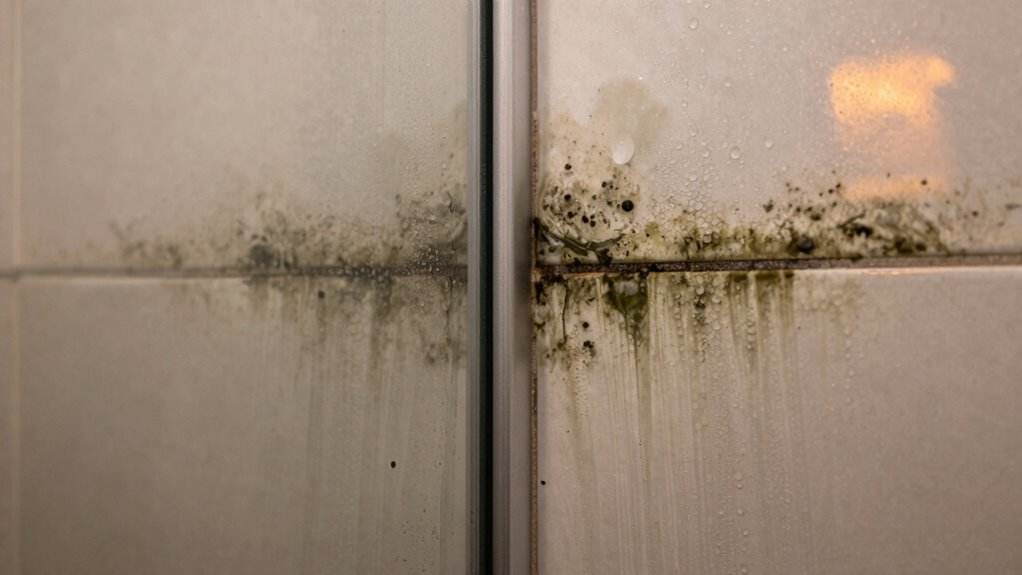
Condensation occurs when warm, moist air comes into contact with cooler surfaces in your bathroom, causing water droplets to form. This moisture creates an ideal environment for mold to develop if not managed properly. Improving air circulation helps reduce condensation by allowing moist air to escape and dry surfaces faster, aiding mold prevention. To understand this better, consider the following:
| Aspect | Effect on Mold Prevention | Tips |
|---|---|---|
| Air Circulation | Reduces moisture buildup | Use exhaust fans or open windows |
| Surface Temperature | Less condensation on warmer surfaces | Insulate cold areas |
| Humidity Levels | Lower humidity prevents mold growth | Use dehumidifiers |
| Time of Exposure | Shorter exposure limits mold chances | Ventilate after showers |
| Surface Material | Non-porous surfaces resist mold | Choose mold-resistant paint |
Maintaining good air circulation diminishes condensation, helping you prevent mold effectively. Proper ventilation is essential in controlling moisture levels and ensuring a healthier bathroom environment. Additionally, humidity control can significantly reduce the likelihood of mold formation by keeping moisture levels in check.
The Surfaces and Materials That Encourage or Prevent Mold?
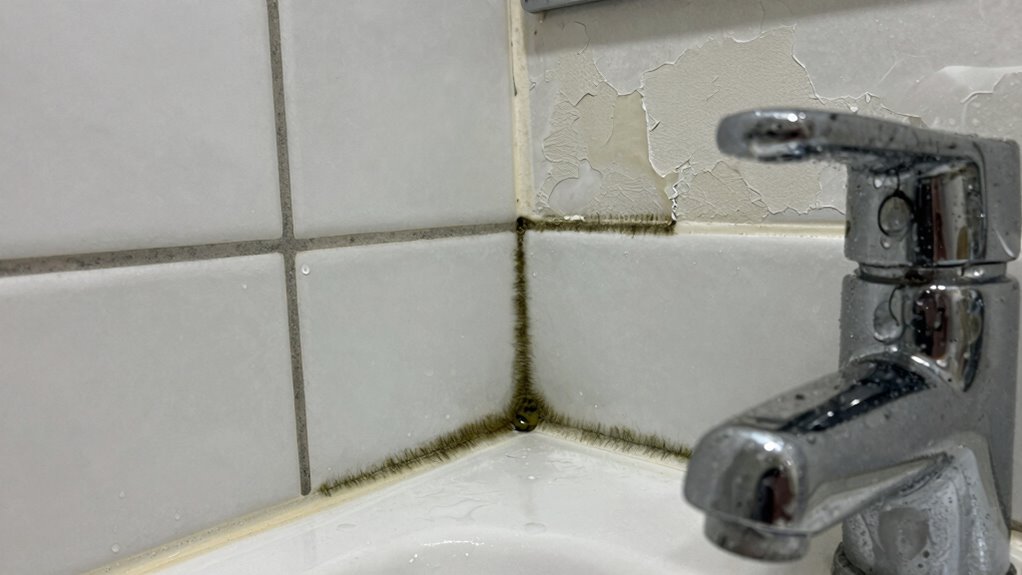
The choice of surfaces and materials in your bathroom substantially influences mold growth. Some materials naturally resist mold, while others promote it. Using surface materials like ceramic tiles, glass, or sealed countertops can help prevent mold. Installing mold resistant coatings on walls and fixtures creates a barrier against moisture. Avoid porous materials such as unsealed wood or drywall, which trap moisture and foster mold. Consider these options to reduce mold risk:
- Ceramic or porcelain tiles
- Glass surfaces
- Sealed synthetic countertops
- Mold resistant paint or coatings
Simple Ways to Improve Bathroom Ventilation and Reduce Mold?
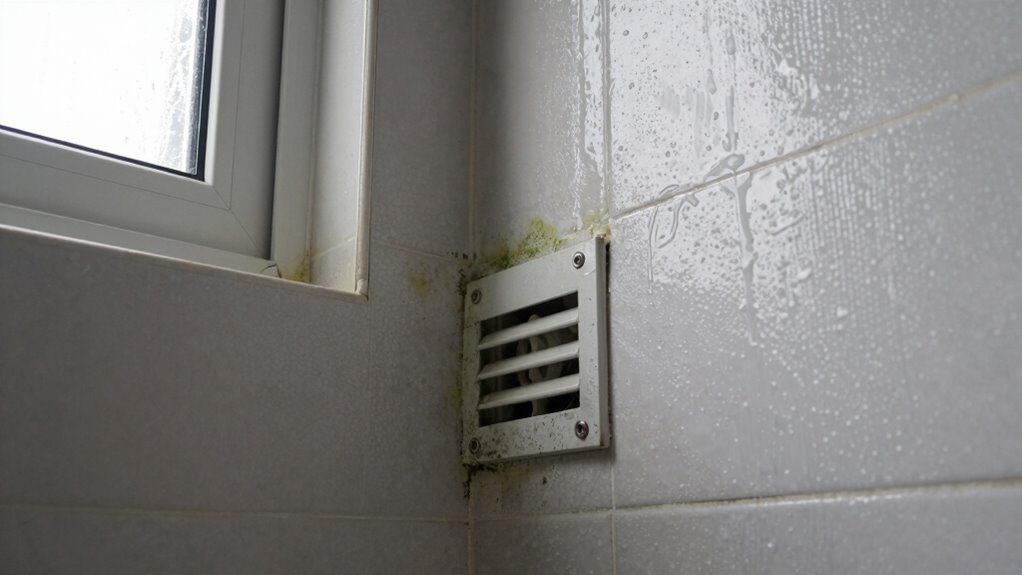
Improving bathroom ventilation is one of the most effective ways to prevent mold growth. Good air circulation removes excess moisture, making it harder for mold to thrive. Start by using exhaust fans during and after showers, guaranteeing they vent directly outside. If your bathroom lacks a fan, consider installing one to boost airflow. Keep windows open whenever possible to promote natural ventilation, especially after bathing or cleaning. Use a dehumidifier in humid months to control moisture levels. Regularly clean and maintain vents and fans to ensure they work efficiently. These simple steps enhance mold prevention by reducing lingering moisture and improving airflow. Consistently applying them keeps your bathroom dry and mold-free, safeguarding your space and health.
Signs of Hidden Bathroom Mold Problems You Should Watch For?
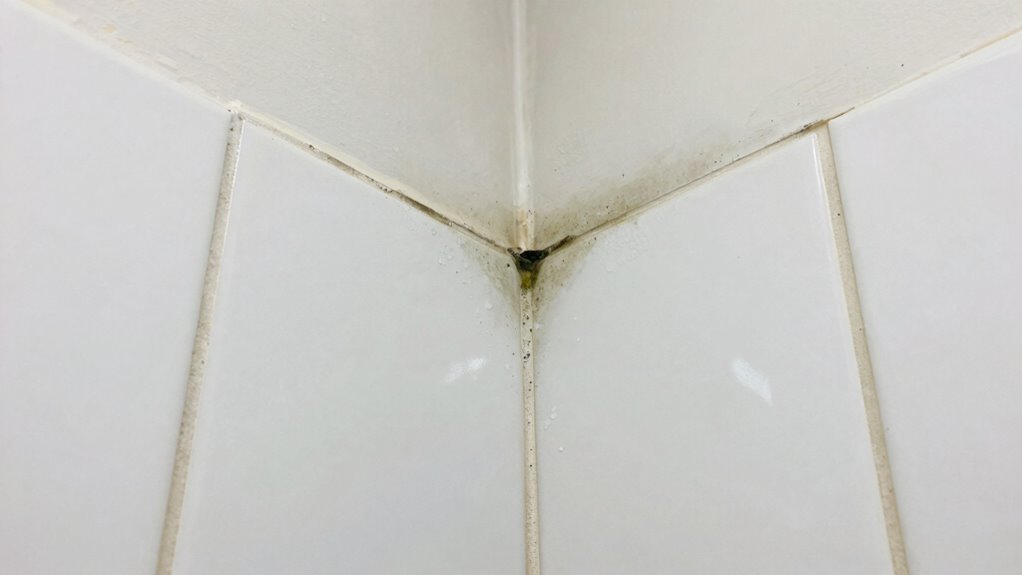
Even with good ventilation, mold can still hide in unseen spots, causing health issues and damage over time. Recognizing signs of hidden mold involves paying attention to subtle clues influenced by environmental factors. Look out for:
- Persistent musty odors that linger despite cleaning
- Discolored or water-stained walls and ceilings
- Peeling or bubbling paint and wallpaper
- Increased allergy symptoms or respiratory issues
These signs often indicate hidden mold behind surfaces or within walls, where environmental factors like high humidity or poor airflow promote mold growth. Regular inspections and awareness of these indicators can help you catch problems early, preventing extensive damage and health risks. Staying vigilant guarantees you address mold issues before they become severe.
Frequently Asked Questions
Can Cleaning Products Prevent Bathroom Mold Effectively?
Cleaning products can effectively prevent bathroom mold when they promote proper chemical reactions that inhibit mold growth. Using products with antifungal ingredients boosts cleaning effectiveness by targeting mold spores directly. Regular cleaning with these solutions removes moisture and organic material mold needs to thrive. By consistently applying the right cleaning products, you disrupt mold’s chemical reactions, reducing its chances to grow and keeping your bathroom healthier and mold-free.
How Does Bathroom Clutter Affect Mold Growth?
Bathroom clutter can dramatically increase mold growth, making your space feel like a breeding ground for mold monsters. When clutter accumulates and poor organization take over, it traps moisture and reduces airflow, creating perfect conditions for mold to thrive. You might not see it right away, but this stagnant environment helps mold spores settle and spread. Keep your bathroom tidy and well-ventilated to prevent this invisible enemy from taking over your space.
Are There Specific Types of Mold Common in Bathrooms?
You’ll often find specific mold species, like Aspergillus and Cladosporium, thriving in your bathroom. These common fungi love damp, warm environments and are frequently seen on shower curtains, grout, and walls. Their presence is a sign of excess moisture and poor ventilation. Mold species can cause health issues, so it’s important to clean regularly, reduce humidity, and fix leaks to prevent these common fungi from spreading.
What Is the Role of Bathroom Humidity Levels in Mold Development?
Bathroom humidity levels play a vital role in mold development. When humidity control isn’t maintained, moisture levels rise, creating the perfect environment for mold to grow. You can prevent this by using exhaust fans, dehumidifiers, or opening windows to reduce moisture. Keeping humidity below 60% limits mold spores’ ability to thrive. Regularly monitoring moisture levels helps you maintain a dry, mold-free bathroom environment.
Can Mold Spores Cause Health Issues Beyond Allergies?
Mold spores can cause health issues beyond allergies, leading to mold toxicity and respiratory risks. When you breathe in these spores, especially in damp bathroom environments, they can irritate your lungs and worsen asthma symptoms. Prolonged exposure may even cause headaches, fatigue, or more severe health problems. To protect yourself, make sure proper ventilation and clean mold growth promptly, reducing the chances of mold spores affecting your health.
Conclusion
You might think mold isn’t a big deal, but ignoring it can lead to health issues and costly repairs. By understanding what causes bathroom mold—like humidity, poor ventilation, leaks, and condensation—you can take simple steps to prevent it. Don’t wait until mold becomes a visible problem; regular maintenance and proper airflow make all the difference. Addressing these issues early keeps your bathroom safer, cleaner, and mold-free without the need for harsh chemicals or expensive fixes.
Cold & flu season Picks
humidifiers
As an affiliate, we earn on qualifying purchases.